Arizona State Fishing Records Explained
There's a special kind of thrill that courses through an angler's veins when they hook into something truly extraordinary – a fish that feels heavier, fights harder, and looks bigger than anything they've ever encountered. In Arizona, a state celebrated for its diverse and often surprising fisheries, the possibility of catching a state-record fish is a dream that keeps many of us casting. But what exactly does it take to claim such an honor, and how do you even begin to understand the rules and categories that govern these coveted titles? This comprehensive guide is designed to demystify Arizona's state fishing records, walking you through everything from the different types of records to the meticulous process of getting your trophy officially recognized.
The Allure of Arizona's State Records
For many, fishing is about peace, solitude, and the simple joy of being outdoors. But for a select few, or even just for a fleeting moment, it's about making history. Chasing a state record isn't just about the size of the fish; it's about the challenge, the dedication, and the story behind the catch.
Why Records Matter to Anglers
The pursuit of a state record transforms a casual fishing trip into an epic quest. It pushes anglers to refine their skills, explore new waters, and understand the intricate behaviors of the fish they target. When you hold a state record, you're not just a name in a book; you're a part of Arizona's angling legacy. It's a testament to patience, knowledge, and sometimes, a little bit of pure luck. For those who dedicate countless hours to the sport, seeing their name alongside a monumental catch is the ultimate recognition. It inspires others, fuels friendly competition, and showcases the incredible potential of our local waters.
Beyond personal achievement, records serve a crucial role in documenting the health and productivity of our fisheries. A record-breaking fish often indicates a thriving population, excellent forage, and a well-managed ecosystem. These benchmarks help wildlife agencies understand what's working and where improvements might be needed, ensuring that future generations can also experience the thrill of a lifetime catch. It's not just about the angler; it's about celebrating the fish and the environment that nurtured it to such impressive size.
A Snapshot of Arizona's Trophy Fish Potential
Arizona might be known for its desert landscapes, but beneath the surface of its many lakes and rivers lies an aquatic world teeming with impressive species. From the massive striped bass of Lake Powell to the elusive flathead catfish of the Colorado River, and the hard-fighting largemouth bass found in nearly every desert reservoir, the potential for trophy fish is immense. Our state offers a surprising array of angling opportunities, from high-country trout streams to warm-water desert lakes.
Consider the incredible growth rates of fish like Largemouth Bass Fishing Guide for Arizona in the warmer, nutrient-rich waters of lakes like Roosevelt or Pleasant. These fish can pack on serious weight quickly, growing to sizes that would be considered trophies anywhere in the country. Then there are the Striped Bass Fishing Guide for Arizona in Lake Powell, known for their powerful runs and their ability to reach truly gargantuan proportions, thanks to abundant forage. Even the humble Catfish Fishing Guide for Arizona species, like channel and flatheads, can grow to astonishing sizes, often in unexpected places along the Colorado River or in various community lakes. This diversity means that no matter your preferred species or fishing style, Arizona offers a legitimate chance to land a record breaker.
Understanding Arizona's Record-Keeping System
Navigating the rules and regulations for state records can feel a bit like deciphering an ancient scroll. It's not just about catching a big fish; it's about understanding the specific criteria and the official channels for recognition.
Who Maintains the Records?
The official keeper of Arizona's state fishing records is the Arizona Game and Fish Department (AZGFD). They are the ultimate authority when it comes to verifying and certifying all state-level fishing records. This isn't a casual process; it involves strict guidelines and a thorough review to ensure fairness and accuracy. Their dedicated staff members are responsible for maintaining the historical records, updating the official lists, and processing new applications. They are also the ones who set the rules and categories for record-eligible fish, which can sometimes be updated, so it's always wise to check their official publications or website for the most current information, especially when you think you've caught something special.
This centralized authority ensures consistency and credibility. When an angler submits a potential record, they're not just submitting it to a local club; they're putting it through a rigorous, statewide verification process. This level of scrutiny means that when a record is officially recognized, it carries significant weight and is a true honor. Their expertise also helps to differentiate between genuinely remarkable catches and those that might simply be impressive but don't quite meet the stringent criteria.
Defining "State Record" vs. "Water Body Record"
It's important to understand that not all "records" are created equal. When we talk about "Arizona State Fishing Records," we're referring to the single largest fish of a particular species ever caught and officially certified within the entire state. This is the top tier, the big kahuna that everyone dreams of. These records are permanent until a larger fish comes along.
In contrast, many specific lakes, reservoirs, or even smaller ponds might have their own "water body records" or "lake records." For example, Lake Pleasant Arizona Fishing Guide might have its own record for largemouth bass, which could be an incredibly impressive fish but still fall short of the state record. These local records are often maintained by local tackle shops, marinas, or even fishing clubs. While they're still a source of immense pride for local anglers and can definitely put your name in the local hall of fame, they are distinct from the official statewide records. Always clarify which type of record you're aiming for or have caught, as the submission process and recognition will differ significantly. Knowing this distinction can save you a lot of confusion and ensure you're celebrating the right achievement.
The Importance of Fair Chase
A fundamental principle underlying all official fishing records is the concept of "fair chase." This means the fish must be caught using legal, sporting methods, adhering to all state Arizona Fishing Regulations Explained. It's not just about the size of the fish; it's about how it was caught. Techniques like snagging, shocking, or using illegal baits or gear are strictly prohibited and will immediately disqualify any catch from record consideration. The use of multiple rods beyond legal limits, or fishing during closed seasons, would also violate fair chase principles.
The spirit of fair chase emphasizes the angler's skill and ethical conduct over brute force or unfair advantage. It means the fish had a genuine chance to escape, and the angler demonstrated sportsmanship throughout the entire process. This also extends to proper licensing; you must have a valid Arizona fishing license at the time of the catch. The AZGFD takes this very seriously, as it upholds the integrity of the sport and ensures that records truly reflect exceptional angling prowess within legal and ethical boundaries. Any deviation from these principles, intentional or accidental, can nullify an otherwise impressive catch.
Key Categories for State Records
Arizona's record-keeping system acknowledges different angling achievements, understanding that not every trophy catch fits into a single mold. This is why there are specific categories to celebrate various aspects of the sport.
Weight-Based Records
The most traditional and widely recognized state records are determined by weight. This is the classic "biggest fish" category where the heavier the fish, the better. For a fish to qualify for a weight-based record, it must be weighed on a certified scale, usually by an authorized official or at an approved weighing station. Accuracy is paramount here; even a fraction of an ounce can make a difference. The fish must be alive or kept in a condition that prevents weight loss due to dehydration or spoilage until it can be officially weighed. This usually means keeping it in a livewell or on ice.
Anglers often target specific species like Largemouth Bass Fishing Guide for Arizona, Flathead Catfish Record, or Striped Bass Fishing Guide for Arizona for these weight categories, as they are known to reach impressive sizes. The fight to land such a behemoth on appropriate tackle is a significant part of the challenge. Preparing for a potential record catch means having access to reliable weighing equipment, a measuring tape, and a camera, all ready to go at a moment's notice. You can often find portable, certified scales that are compact enough to carry in your boat or even a large tackle bag, and many anglers check out options on Amazon before heading out.
Catch-and-Release Records (Length)
Recognizing the growing emphasis on conservation and the practice of Catch and Release Rules for Arizona Anglers, many states, including Arizona, have introduced catch-and-release record categories. These records are typically based on the length of the fish, rather than its weight, and the fish must be returned to the water unharmed after being measured and documented. This category allows anglers to celebrate truly massive fish without removing them from the ecosystem, ensuring they can grow even larger or contribute to spawning success.
For catch-and-release records, quick and accurate measurement is key. A bumping board or a flexible measuring tape is usually required, and photographic evidence clearly showing the fish against the measuring device is essential. A second angler can be incredibly helpful for verification. This category highlights a different kind of angling skill – the ability to quickly and safely handle a large fish, measure it, photograph it, and then release it with minimal stress. It's a testament to responsible angling and ensures that the thrill of a record can be shared without impacting fish populations.
All-Tackle vs. Fly Fishing Records
To further acknowledge the diverse methods anglers employ, records are often split into "all-tackle" and "fly fishing" categories for certain species. The "all-tackle" category encompasses any legal fishing method using traditional rods, reels, and baits or lures. This is the broadest category and where most of the heaviest weight records are set, as it allows for a wide range of gear and techniques.
The "fly fishing" category, on the other hand, is specifically for fish caught using fly rods, fly reels, and artificial flies. This is a highly specialized discipline that requires a different set of skills and equipment. The challenge of landing a trophy fish on light fly tackle is immense, and this category provides well-deserved recognition for those who master the art of fly casting and presentation. For instance, a record Rainbow Trout Fishing Guide for Arizona caught on a delicate dry fly would be celebrated in the fly fishing category, distinguishing it from a trout caught on bait or a spinning lure. This distinction ensures that achievements within specific angling disciplines are recognized and celebrated, honoring the skill and dedication required for each.
The Process of Submitting a Potential State Record
Catching a potential record fish is only half the battle; getting it officially recognized requires a meticulous and timely submission process. Don't let your dream fish slip through the cracks because of improper documentation!
Immediate Actions After a Catch
The moment you realize you've caught a potential state record, a sense of urgency should kick in. Time is of the essence, especially for weight-based records where fish can lose mass over time. Your first priority is to keep the fish alive if possible, or at least keep it as fresh as possible. For weight records, a livewell is ideal. If a livewell isn't an option, place the fish on ice immediately to preserve its weight and condition.
Next, you need to measure the fish accurately. Get a precise length and girth measurement. While length is the primary factor for catch-and-release records, it's also useful supplementary information for weight records. Then, take clear photographs. Get multiple angles, showing the entire fish, close-ups of identifying features, and a photo of the fish being measured. If possible, have another licensed angler or witness present to corroborate your catch; their testimony will be invaluable. Remember, poor photos or inaccurate measurements can lead to disqualification. Many anglers keep a small, waterproof camera or even their phone ready for such moments.
Documentation and Verification Requirements
Once the immediate actions are taken, the real documentation begins. The Arizona Game and Fish Department requires specific information for a record submission. This typically includes:
- A completed official application form. This form details the species, date, time, location of catch, angler's information, and gear used.
- Witness statements. If you had another licensed angler with you, their signature and contact information are often required.
- Photos. High-quality photos of the fish, measurements, and the angler with the fish.
- Scale certification. For weight records, proof that the scale used was officially certified and accurate.
- Line and leader samples. Sometimes, a sample of your fishing line and leader is required to verify the tackle class for certain record types, although this is less common for general state records and more for international angling records.
You'll need to contact AZGFD as soon as possible after your catch to get specific instructions on where to submit the application and the fish (if it's a weight record). They will guide you through the precise steps for verification, which often includes a visual inspection of the fish by a biologist to confirm species identification. Without thorough and accurate documentation, even the biggest fish won't make it into the record books.
Approved Weighing Stations and Tools
For weight-based records, the weight must be verified on a scale that has been officially certified as accurate. This is crucial. You can't just weigh it on your bathroom scale or a basic spring scale. Certified scales are typically found at post offices, grocery stores with deli counters, or dedicated fishing tackle shops that cater to record-seeking anglers. Always call ahead to ensure their scale is currently certified for commercial or official use.
It's wise to carry a reliable, portable scale that you can trust for preliminary weighing, but for the official submission, it needs to be an approved, certified scale. Many serious anglers invest in high-quality digital scales they might find on Amazon, but they understand these are for personal use and not for official record certification unless specifically validated. Alongside the scale, an official measuring tape or bumping board for length and girth is essential. Some record-keeping rules also specify the type of line and leader used, so being prepared with that information is also beneficial. Having all these tools readily available and understanding their requirements before you even cast a line will save you immense stress should you hook into that fish of a lifetime.
Notable Arizona State Records and Where They Were Caught
Arizona's waters have given up some truly monumental fish over the years, creating legends and inspiring generations of anglers. These records showcase the incredible potential of our desert fisheries.
Iconic Largemouth and Smallmouth Bass Records
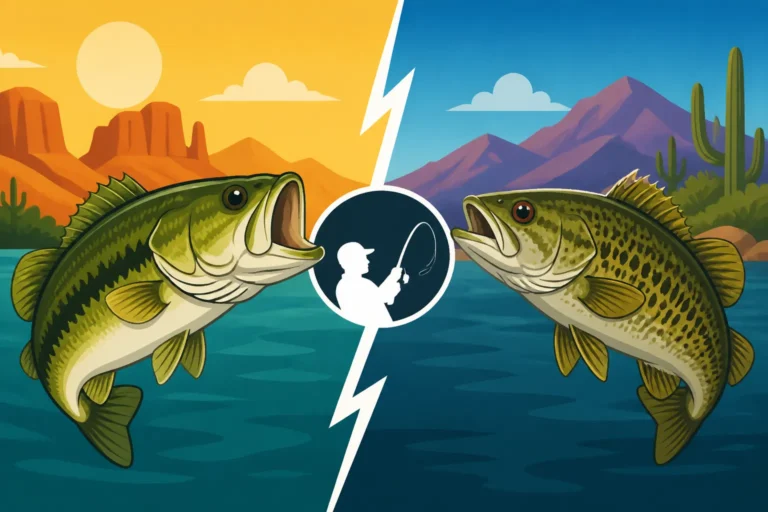
Arizona boasts impressive records for both largemouth and smallmouth bass. The current state record largemouth bass is a true monster, a testament to the rich forage and warm waters of our desert lakes. Imagine the fight a fish of that caliber would put up! These giant bucketmouths are often found in lakes like Roosevelt, Pleasant, and Canyon Lake, where they have access to abundant shad and crayfish, allowing them to grow to incredible sizes. Anglers often spend years targeting specific big bass, learning their habits and preferred structures. The Best Bass Fishing Lakes in Arizona are often the same ones that produce these record-breaking giants.
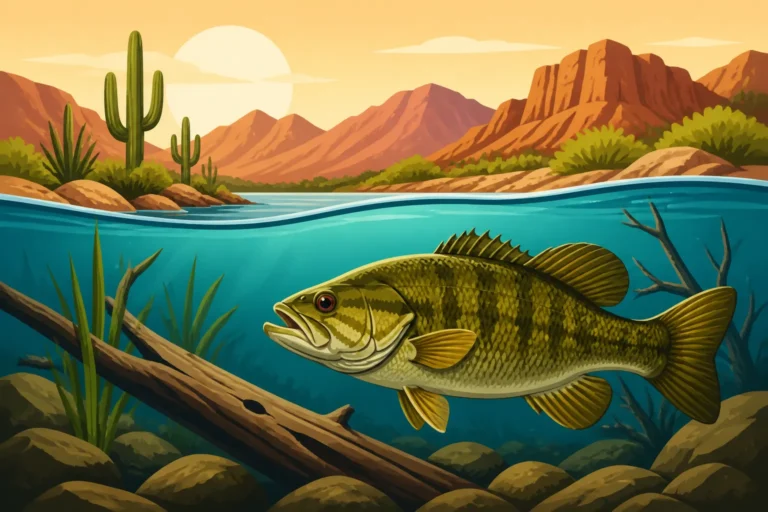
Smallmouth bass, though typically smaller than their largemouth cousins, are renowned for their powerful, acrobatic fights. The state record smallmouth bass is an absolute brute for its species, demonstrating the excellent habitat available in certain Arizona waters. Lake Powell is particularly famous for its Smallmouth Bass Fishing Guide for Arizona, with its rocky canyons and clear, deep waters providing ideal conditions for these bronze backs to thrive. Targeting these record-sized smallmouth requires different tactics, often focusing on rocky points, deep ledges, and using finesse presentations. The sheer power of these fish on a lighter tackle setup is something every angler should experience, and landing one of record proportions is a memory that lasts a lifetime.
Massive Catfish and Striped Bass Legends
When it comes to sheer size and power, Arizona's catfish and striped bass records are truly in a league of their own. The state record flathead catfish, caught from the mighty Colorado River, is an absolute titan. These nocturnal predators are known for their immense strength and their preference for live bait. Catching a flathead of this magnitude is a battle of wills, often requiring heavy-duty gear and an immense amount of patience, particularly when fishing at night. The Colorado River, especially sections like those near Laguna Dam or the lower stretches, consistently produces trophy Catfish Fishing Guide for Arizona.
Then there are the legendary Striped Bass Fishing Guide for Arizona of Lake Powell. The state record striper is a truly colossal fish, reflecting the incredible forage base of threadfin shad in this vast reservoir. These pelagic predators often form massive schools and can put on breathtaking feeding frenzies known as "boils." Landing a striper of record size requires robust tackle and the ability to handle an incredibly strong, long-fighting fish. Lake Powell, with its vast open waters and deep canyons, offers unparalleled opportunities for targeting these giants. For many, the dream of a record striper keeps them coming back to its azure waters year after year.
Trout and Other Panfish Records
While bass and stripers often grab the headlines for their size, Arizona also holds impressive records for trout and various panfish. The state record rainbow trout, often stocked in high-country lakes and urban ponds, shows that even frequently caught species can reach surprising dimensions. Waters like those in the White Mountains or specific community lakes that receive regular stockings are prime areas to find larger Rainbow Trout Fishing Guide for Arizona. Fly anglers often pursue these fish with dedicated Fly Fishing Techniques for Trout.
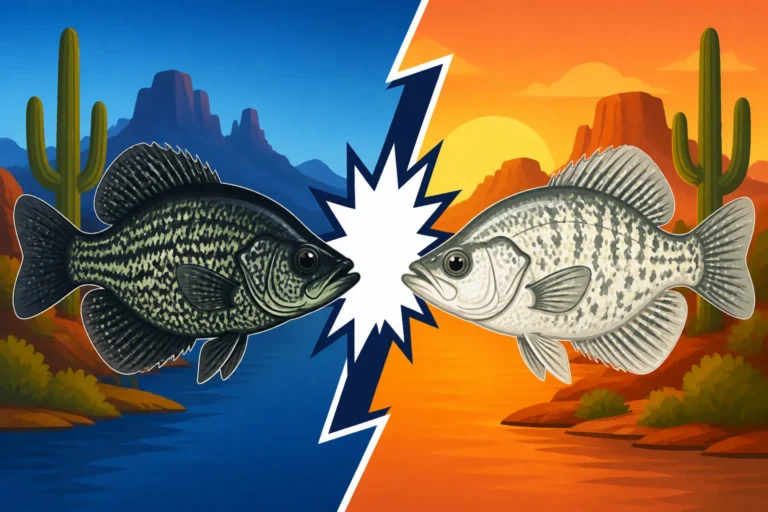
Similarly, the records for panfish species like bluegill, crappie, and sunfish might not be as heavy, but they represent exceptionally large specimens for their kind. A record crappie, for instance, would be a true slab, often caught from brush piles or submerged timber in lakes like Roosevelt or Alamo. These records highlight that every species, no matter how common, has the potential for an exceptional individual. Even the smallest fish can hold a big surprise, making every cast exciting. The dedicated pursuit of a record panfish demonstrates a deep understanding of their habits and habitat.
| Fish Species | Typical Record Location (Hypothetical) | Average Angling Weight Range (Lbs) | State Record Potential (Lbs) | Key Habitat Characteristics |
|---|---|---|---|---|
| Largemouth Bass | Roosevelt Lake | 1-5 | 15+ | Submerged brush, coves, docks, weed lines |
| Smallmouth Bass | Lake Powell | 1-3 | 7+ | Rocky points, canyon walls, deep ledges |
| Striped Bass | Lake Powell | 5-15 | 40+ | Open water, shad schools, deep channels |
| Flathead Catfish | Colorado River | 10-30 | 70+ | Deep holes, log jams, slow currents, rocky banks |
| Channel Catfish | Lake Pleasant | 2-8 | 30+ | Muddy bottoms, brush, deeper areas of lakes/rivers |
| Rainbow Trout | Big Lake (White Mountains) | 0.5-2 | 10+ | Cold, clear water, rocky bottoms, stream inlets/outlets |
| Black Crappie | Roosevelt Lake | 0.5-1.5 | 3+ | Standing timber, brush piles, submerged structures |
| Bluegill (Sunfish) | Community Ponds (Phoenix/Tucson) | 0.25-0.75 | 1.5+ | Shallow coves, lily pads, docks, shoreline vegetation |
Beyond the State Record: Local Legends and Personal Bests
While the official state records grab the most attention, the world of fishing is rich with other forms of achievement and recognition that resonate deeply with individual anglers. Not every impressive catch needs to be a state record to be truly memorable.
Community Fishing Records
Many of Arizona's community fishing lakes, often found right in the heart of urban areas like Phoenix and Tucson, are incredibly popular and productive. While you might not land a state record bass in Tempe Town Lake, these urban fisheries often have their own "community records" for various species like trout, catfish, or even sunfish. These local records are a fantastic way for anglers, especially families and beginners, to experience the thrill of a big catch and contribute to their local angling history.
These records celebrate the best of what urban fishing has to offer – accessible opportunities for quality fish. Community Park Lakes in Phoenix and Community Park Lakes in Tucson are regularly stocked, providing excellent chances for kids and adults to hook into a trophy-sized fish for that specific body of water. Keep an eye on local tackle shops or city parks and recreation departments, as they often publicize these achievements. It's a stepping stone for many, fostering a competitive spirit and a love for fishing without the pressure of statewide competition. It shows that even in your backyard, a memorable catch is always possible.
Setting Your Own Personal Goals
For many of us, the most important records are the ones we set for ourselves. A "personal best" (PB) can be just as exciting and rewarding as a state record. Perhaps you've never caught a Striped Bass Fishing Guide for Arizona over 10 pounds, or a Catfish Fishing Guide for Arizona over 20. Setting these personal benchmarks gives you something tangible to work towards, motivating you to try new techniques, explore different spots, and continually improve your angling skills.
A personal best isn't about competing with others; it's about competing with yourself. It could be catching your first fish on a specific type of lure, mastering a tricky casting technique, or landing a particular species for the first time. The journey to achieve a personal best is filled with learning, perseverance, and ultimately, immense satisfaction. It makes every fishing trip an adventure with a purpose, and when you finally achieve that goal, the sense of accomplishment is profound. You might even find yourself looking for better gear on Amazon to help you reach your next PB.
The Spirit of the Catch, Not Just the Size
Ultimately, while records are thrilling, the true spirit of fishing lies in the experience itself. It's the tranquility of the sunrise over a glassy lake, the camaraderie shared with fishing buddies, the anticipation of a bite, and the connection to nature. Whether you're chasing a state record or simply enjoying a peaceful day on the water, the moments spent fishing are what truly matter.
The stories shared around a campfire, the lessons learned from a lost fish, and the joy of teaching a child to cast are priceless. A record fish is certainly a crowning achievement, but it's just one chapter in a lifetime of angling adventures. We should always remember that the best fish of all is the one that gets away, keeping us coming back for more, and the most valuable record is the indelible memory you create each time you pick up a rod. The sheer fun and relaxation of fishing far outweigh the pressure of chasing statistics.
Tips for Targeting Trophy Fish in Arizona
So, you've got your sights set on that potential record-breaker? Great! While luck always plays a part, there are definitive steps you can take to increase your odds of landing a true trophy in Arizona's diverse waters.
Researching Prime Locations and Seasons
Catching a trophy fish often starts long before you ever make a cast – it begins with thorough research. Different species have peak seasons and preferred habitats. For instance, if you're targeting a giant Largemouth Bass Fishing Guide for Arizona, you'll want to focus on warmer months when they're most active and feeding heavily, and scout locations like Roosevelt Lake, Lake Pleasant, or Canyon Lake, looking for submerged structure, deep coves, and areas with abundant baitfish. Understanding Arizona Fishing Seasons Explained is crucial.
Conversely, if a record Rainbow Trout Fishing Guide for Arizona is your quest, you'd likely head to higher elevation lakes and streams in the cooler seasons, or check the stocking schedules for urban lakes in winter. Knowing the specific patterns of the fish, their spawning habits, and their seasonal movements can give you a significant advantage. Don't be afraid to consult online forums, local fishing reports, or even chat with local tackle shop owners. They often have invaluable insights into recent catches and productive areas. Best Fishing Lakes in Arizona is a great place to start your location research.
Gear Up for Big Fish
You wouldn't bring a knife to a gunfight, and you shouldn't bring ultralight tackle when you're targeting a potential state record. Big fish demand heavy-duty, reliable gear. This means robust rods with plenty of backbone, reels with smooth, powerful drags, and strong, fresh line. For a monster Flathead Catfish Fishing Guide for Arizona, for example, you might need a heavy-action rod, a large baitcasting reel spooled with 30-50lb test monofilament or braided line, and heavy-duty hooks and sinkers.
For record-sized Striped Bass Fishing Guide for Arizona at Lake Powell, you'll want sturdy trolling or casting rods, reels capable of holding hundreds of yards of line, and powerful lures or live bait rigs. Invest in quality components, from your terminal tackle (hooks, swivels, leaders) to your main line. Don't skimp on fresh line, as old or compromised line can be your biggest weakness when a record fish makes a blistering run. Check out brands like Shimano, Penn, or Daiwa for reels, and St. Croix or Ugly Stik for rods. You can find many robust options for Best Fishing Rods for Bass in Arizona and heavy-duty tackle suitable for Arizona's biggest fish on Amazon.
Patience, Persistence, and Presentation
Catching a trophy fish isn't usually a quick affair. It requires an immense amount of patience and persistence. You might spend countless hours on the water, making hundreds of casts, or soaking bait for entire nights, without a single bite from a record-sized fish. The key is to remain focused, confident in your approach, and resilient in the face of slow fishing.
Beyond patience, your presentation needs to be impeccable. Trophy fish are often older, wiser, and more wary than their smaller counterparts. They've seen many lures and avoided many hooks. This means paying attention to details:
- Lure choice: Selecting the right Best Baits and Lures for Arizona Fishing that mimics their natural forage or irritates them into striking.
- Retrieve speed: Finding the perfect pace that triggers a response.
- Stealth: Approaching your fishing spot quietly, minimizing unnatural vibrations or shadows.
- Line visibility: Using fluorocarbon leaders in clear water or choosing line colors that blend in.
Every detail matters when you're trying to fool a fish that has grown to record proportions. It's the culmination of all your angling knowledge and skill coming together for that one, crucial moment.
Preventing Disqualification and Common Mistakes
Imagine finally landing the fish of a lifetime, only to have your record submission rejected. It's a heartbreaking scenario that can often be avoided by understanding and adhering to the rules and best practices.
Understanding Fair Fishing Practices
As discussed earlier, "fair chase" is paramount. This means using legal methods and adhering to all Arizona Fishing Regulations Explained. Do not use illegal nets, poisons, explosives, or any other method not sanctioned by the Arizona Game and Fish Department. Even seemingly innocuous actions, like hand-lining a fish after it's hooked on a rod, can disqualify a catch. The fish must be caught solely by the rod, reel, and line, with the angler actively fighting it.
Another aspect of fair practice involves proper hook sets and handling. While not strictly a disqualifier in itself, using methods that severely injure or mutilate the fish before it's landed can raise questions about the integrity of the catch. The goal is a clean, sporting catch. When in doubt about a specific technique or gear, always consult the current AZGFD regulations booklet or contact the department directly. Ignorance of the rules is never an excuse for non-compliance.
Avoiding Illegal Methods
Beyond general fair chase principles, there are specific illegal methods that will immediately void any record claim and could lead to fines or license revocation. This includes:
- Snagging: Intentionally hooking a fish anywhere other than in its mouth.
- Use of unlawful baits: Such as protected species or certain live baits not approved for specific waters. Live Bait Rules for Arizona Lakes are very important to understand.
- Exceeding rod limits: Most Arizona waters have a two-rod limit per angler, unless specifically permitted otherwise. Using more rods than allowed is illegal.
- Fishing during closed seasons or in closed areas: Always check for Arizona Fishing Season Closures and special regulations for specific waters.
- Keeping over the legal limit: Even if you catch a record, if you already have your Fishing Bag and Possession Limits Explained for that species, keeping another fish (even a record) would be illegal.
These rules are in place to protect fish populations and ensure sustainable angling for everyone. Breaking them not only disqualifies your catch but also undermines the integrity of the sport and can have legal consequences. Always prioritize legal and ethical angling.
Proper Fish Handling for Verification
Once you've landed your potential record, how you handle it next is critical for successful verification. For weight records, the fish must be kept alive or preserved in excellent condition to prevent weight loss. This means:
- Minimizing stress: If using a livewell, ensure it's adequately aerated and spacious enough for the fish.
- Avoiding desiccation: If the fish cannot be kept alive, place it on ice immediately in a cooler, ensuring it's covered and chilled. Do not let it dry out in the sun.
- Gentle handling: Avoid excessive squeezing or rough treatment that could damage the fish's appearance or cause internal injuries that might be misinterpreted by a biologist.
For length-based catch-and-release records, the emphasis is on quick and safe handling to ensure the fish's survival after release.
- Wet hands: Always wet your hands before touching a fish to protect its slime coat.
- Minimal time out of water: Measure and photograph the fish as quickly as possible, ideally while it's still in the water or held briefly over a measuring board.
- Proper support: Support the fish's body horizontally, especially heavier fish, to avoid damaging internal organs.
- Clear photo: Ensure the entire fish is visible against the measuring device, with the measurements clearly legible in the photograph.
Remember, the goal is not just to catch a big fish, but to respectfully document it and, if possible, allow it to continue its life. Thoughtful and ethical fish handling is a hallmark of a true angler and critical for record verification.
Disclaimer
This article is for general informational purposes only and does not constitute professional advice. Laws, prices and regulations vary by location and change over time. Consult a qualified professional for guidance on your specific situation.