Best Fishing Lakes in Arizona
Oh, the quest for the perfect fishing spot in Arizona! It's a common struggle, isn't it? You stare at a map of a state that's mostly desert, and you wonder, "Where are all these legendary fishing holes people talk about?" The truth is, Arizona is a surprisingly fantastic place for anglers, but finding those truly prime locations among the vast, sun-drenched landscapes can feel like an overwhelming task. This comprehensive guide is here to cut through the confusion and lead you straight to the best fishing lakes in Arizona, sharing everything you need to know to make your next trip a success.
Understanding Arizona's Unique Fishing Landscape
Arizona, often depicted as a land of cacti and canyons, actually boasts an incredible array of diverse fisheries. It’s a place where you can catch trophy bass in a desert reservoir one day and then head to a high-country lake for trout the next. This unexpected aquatic richness is what makes fishing here so utterly unique and rewarding.
The Desert Oasis Phenomenon
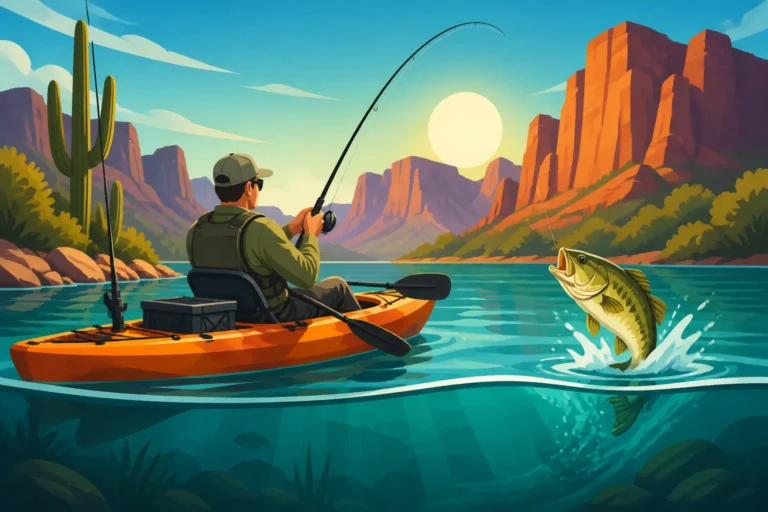
It might seem counterintuitive to think of a desert as a prime fishing destination, but Arizona defies expectations. Most of the state's significant "lakes" are actually vast reservoirs, meticulously engineered to store water from rivers like the Salt and Colorado. These man-made oases, often nestled amidst dramatic red rock formations and saguaro cacti, have transformed arid landscapes into vibrant ecosystems teeming with fish. The Arizona Game and Fish Department (AZGFD) plays a crucial role in managing these waters, ensuring healthy fish populations through thoughtful stocking programs and habitat conservation. You'll find everything from warm-water species like largemouth bass, crappie, and catfish thriving in the lower elevation lakes, to cold-water species like various trout in the cooler, higher elevation impoundments. It's a testament to both nature's adaptability and human ingenuity that such diverse fishing opportunities exist in such a seemingly harsh environment.
The sheer scale of these reservoirs, often with miles of shoreline and intricate underwater structures, can be intimidating for newcomers. Imagine navigating a body of water the size of Phoenix, with hidden coves, submerged trees, and rocky ledges all waiting to be explored. Each lake has its own personality, its own challenges, and its own secrets. The water levels can fluctuate dramatically depending on snowmelt and rainfall, constantly reshaping the underwater landscape and influencing fish behavior. This dynamic environment means that what worked last year might not work this year, demanding adaptability and a keen eye from anglers. It’s a constant learning experience, which for many of us, is a big part of the thrill.
Seasonal Considerations for Desert Lakes
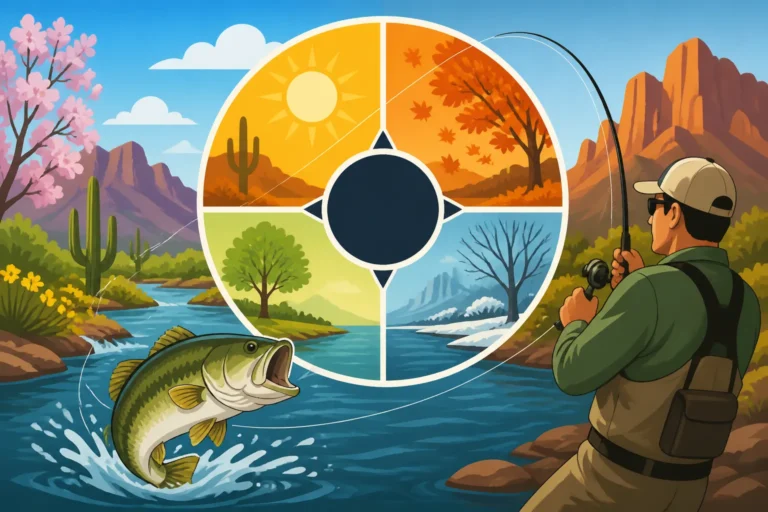
Just like anywhere else, seasons play a massive role in fishing success in Arizona, perhaps even more so due to the extreme temperature swings. Understanding these patterns is absolutely critical for anyone hoping to land a decent catch. Winter brings cooler water temperatures, pushing many fish species deeper, but it also ushers in prime trout fishing in many urban and lower elevation lakes. As spring awakens the desert, water temperatures rise, triggering spawning events for bass and crappie, making for some of the most exciting and productive fishing of the year.
Then comes summer, with its scorching temperatures. This is when fishing can get tough during the day, forcing anglers to adapt to early mornings, late evenings, or even night fishing for species like catfish and striped bass. The fish seek refuge in deeper, cooler water or become more active during low-light conditions. Finally, fall brings a welcome reprieve from the heat, with cooling water temperatures and fish feeding aggressively to prepare for winter, often leading to explosive topwater action. Monsoon season in late summer can also dramatically change lake conditions, bringing sudden downpours that can muddy waters but also stir up baitfish, sometimes triggering feeding frenzies. Knowing when and where to go, and which techniques to employ, based on the time of year is paramount to a successful Arizona fishing adventure.
Central Arizona's Premier Bass Factories
When people think of fishing in Arizona, often their minds drift to the incredible bass fishing found in the state's central reservoirs. These lakes are legendary among anglers, consistently producing trophy-sized largemouth and smallmouth bass, alongside robust populations of crappie and striped bass.
Lake Pleasant: The Phoenix Angler's Paradise
Just a short drive north of Phoenix, you'll discover Lake Pleasant, a true gem in the desert and a favorite among local anglers for its accessibility and diverse fishery. This massive body of water spans over 10,000 acres when full, offering an incredible amount of fishable water, from wide-open expanses to intricate coves and deep submerged canyons. Lake Pleasant is famous for its thriving populations of largemouth bass, hard-fighting white bass, and an absolutely explosive striped bass fishery that often puts on incredible surface "boils." You'll also find healthy numbers of crappie and channel catfish, making it a well-rounded destination for various fishing preferences.
For bass anglers, spring is prime time, as largemouth move shallow to spawn, and white bass congregate in large schools. Early mornings and late evenings during the warmer months are fantastic for topwater action, especially when targeting schooling stripers or white bass that push bait to the surface. As the Arizona sun climbs higher and the water warms, fish often retreat to deeper, cooler waters, making techniques like deep cranking for stripers or drop-shotting for smallmouth bass incredibly effective. The lake's deep structure and submerged desert vegetation provide ample cover for ambush predators, requiring anglers to be versatile in their approach. Many visitors choose to book a local guide to navigate the expansive waters and find the hottest spots, which you can often arrange through services like FishingBooker, ensuring you make the most of your time on this fantastic lake. If you're looking to dive deeper into this specific spot, our comprehensive Lake Pleasant Arizona Fishing Guide has even more detailed insights.
Roosevelt Lake: A Legendary Bass and Crappie Hotspot
East of Phoenix, nestled in the Tonto National Forest, lies Roosevelt Lake, Arizona's largest lake by surface area and a true legend in the bass fishing community. This sprawling reservoir covers over 21,000 acres at full capacity, boasting an incredibly diverse and productive fishery. Roosevelt is renowned for its trophy largemouth bass, which thrive in its fertile waters, but it's also home to excellent populations of smallmouth bass, crappie, and monster flathead and channel catfish. The lake's unique character comes from its vast expanses of standing timber, rocky points, deep coves, and fluctuating water levels, which constantly change the fishing dynamics and keep anglers on their toes.
Spring is undeniably one of the best times to fish Roosevelt, particularly for crappie, when they move into the shallow timbered coves to spawn. Jigging around submerged brush and trees can lead to limits of slab crappie. For bass, the spring spawn also offers fantastic opportunities with reaction baits and soft plastics fished near cover. As summer heats up, bass move to deeper structure, and anglers employ techniques like deep cranking, jigging spoons, or fishing large swimbaits along canyon walls and submerged points. The fall transition brings bass back to shallower water to feed, often resulting in epic topwater bites. Camping and other facilities are plentiful around Roosevelt, making it an ideal destination for an extended fishing getaway. For those specifically chasing crappie, you'll find even more detailed information in our guide to the Best Crappie Fishing Spots in Arizona.
The Salt River Chain: Canyon, Saguaro, and Apache Lakes
The Salt River chain of lakes—Canyon, Saguaro, and Apache—offer a distinct and breathtaking fishing experience just a stone's throw from the Phoenix metro area. These three reservoirs are connected, each presenting its own unique character and fishing challenges, but together they form a truly remarkable aquatic playground. They are all set amidst stunning canyon scenery, with towering rock walls, clear waters, and abundant desert vegetation. If you're curious about how these lakes fit together, our Salt River Chain of Lakes Explained article can offer a clearer picture.
Canyon Lake: Known for its exceptionally clear water and dramatic red rock cliffs, Canyon Lake is arguably the most picturesque of the three. It’s a fantastic spot for both largemouth and smallmouth bass, particularly for anglers who enjoy sight fishing in its transparent waters. The deep, rocky canyons and sparse vegetation often call for finesse techniques like drop-shotting or shaky heads, but during aggressive feeding periods, crankbaits and topwater lures can be highly effective. The scenery alone makes a trip to Canyon Lake worthwhile, even if the fish are playing hard to get.
Saguaro Lake: Being the closest to Phoenix, Saguaro Lake is often the busiest, but for good reason. It boasts an excellent population of healthy largemouth bass, along with crappie and channel catfish. Saguaro's shoreline is more developed with docks and marinas, providing ample structure for bass to hide. Flipping jigs or pitching soft plastics around boat docks and submerged brush is a popular and productive technique here. Early mornings often yield thrilling topwater blow-ups, and the lake is a great option for a quick fishing trip without a long drive. Our dedicated Saguaro Lake Arizona Fishing Guide provides more specific strategies for this popular spot.
Apache Lake: The most remote and rugged of the chain, Apache Lake offers a wilder, more untamed fishing experience. Access can be a bit more challenging due to unpaved roads, but the reward is a less crowded lake with outstanding populations of both smallmouth and largemouth bass, as well as crappie. Its deep, clear waters and numerous rocky coves make it a prime location for exploring with jigs, crankbaits, and even large swimbaits. Apache Lake demands a bit more patience and exploration but can offer truly memorable days on the water, especially for those seeking solitude alongside great fishing. The smallmouth bass here fight incredibly hard, making for an exciting challenge.
Northern Arizona's High-Country Havens
While Central Arizona boasts its warm-water bass factories, the northern part of the state offers a completely different, yet equally spectacular, fishing experience. Here, cooler temperatures and diverse geographies lead to world-class striped bass fisheries and serene trout streams.
Lake Powell: A World-Class Striped Bass and Smallmouth Fishery
Straddling the Arizona-Utah border, Lake Powell is not just a lake; it's an inland sea, a geological marvel, and a fishing destination of epic proportions. With over 1,900 miles of shoreline when full – more than the entire coast of California – its vast network of deep canyons, towering sandstone cliffs, and countless coves creates an awe-inspiring backdrop for angling. Lake Powell is perhaps most famous for its incredible striped bass fishery, which often exhibits spectacular surface "boils" where thousands of stripers chase schools of shad. Beyond the stripers, it’s a premier destination for smallmouth bass, which thrive in its rocky canyons, as well as largemouth bass and even walleye in certain areas. To truly grasp the scale and fishing opportunities here, check out our in-depth Lake Powell Arizona Fishing Guide.
Fishing Powell requires a different mindset due to its sheer size and depth. For striped bass, trolling large plugs, casting to boiling fish with spoons or topwater lures, or soaking cut bait in deeper channels are all productive methods. The smallmouth bass population is equally impressive, with fish growing large and aggressive in the clear, rocky waters. Techniques like drop-shotting, Ned rigs, or throwing small crankbaits and swimbaits along canyon ledges and points are incredibly effective for smallmouth. Given the lake's immensity, hiring a local guide, perhaps through a service like FishingBooker, can be invaluable for first-timers or those looking to maximize their catch. They can quickly get you to the hot spots and teach you the nuances of this unique fishery. Understanding the optimal times for specific catches is also key; our guide on the Best Time of Year to Fish Lake Powell offers seasonal insights.
The White Mountains Lakes: Trout Fishing Dreams
Escaping the desert heat, a journey to Arizona's White Mountains reveals a picturesque landscape dotted with numerous lakes and streams, all offering exceptional cold-water fishing, primarily for trout. Lakes like Big Lake, Show Low Lake, Woods Canyon Lake, and Fool Hollow Lake are prime examples, providing a stark contrast to the desert reservoirs. Here, the air is crisp, the pines are tall, and the focus shifts to rainbow trout, brook trout, brown trout, and even the native Apache trout in designated catch-and-release areas. This region truly is a haven for those seeking a tranquil and productive trout fishing experience, as highlighted in our guide to the Best White Mountains Fishing Lakes in Arizona.
The Arizona Game and Fish Department regularly stocks these lakes, ensuring consistent opportunities for anglers. Bait fishing with worms, powerbait, or corn is highly effective, especially for families and beginners. For more experienced anglers, fly fishing with nymphs, dry flies, or streamers in the early mornings or late evenings can be incredibly rewarding. Trolling small lures or spoons from a boat is also a popular method, particularly in larger lakes like Big Lake and Show Low Lake. The cooler temperatures and stunning natural beauty make these high-country lakes not just fishing destinations, but ideal spots for camping, hiking, and a true escape into nature. If trout is your game, exploring our Best Trout Fishing Spots in Arizona will give you even more locations and techniques to consider.
Lees Ferry: A Fly Angler's Paradise on the Colorado River
While technically a section of the Colorado River rather than a lake, Lees Ferry deserves special mention as one of Arizona's most prestigious and unique fishing destinations. Located just downstream from Glen Canyon Dam, this "blue-ribbon" fishery is renowned worldwide for its incredible population of wild rainbow trout. The cold, clear, consistent water released from the bottom of Lake Powell creates an ideal, nutrient-rich environment where trout thrive and grow to impressive sizes, with fish regularly exceeding 20 inches.
Lees Ferry is predominantly a fly-fishing destination, attracting experienced and novice fly anglers alike from around the globe. Whether wading the accessible shoreline or floating in drift boats with expert guides, the challenge and reward of catching these strong, wild rainbows on a fly rod are unparalleled. The regulations here are specific and designed to protect the fragile ecosystem, often emphasizing catch and release. It’s a place where technique, presentation, and understanding insect hatches are paramount to success. A visit to Lees Ferry is more than just a fishing trip; it's an immersive experience in a breathtaking canyon wilderness. For a deep dive into this legendary location, our Lees Ferry Arizona Fishing Guide covers all the essentials.
Western & Southern Arizona's Riverine Gems and Reservoirs
Beyond the central and northern hotspots, Arizona's western and southern regions offer their own unique and productive fishing opportunities, often tied to the mighty Colorado River or more remote desert reservoirs.
Lake Havasu: Bass and Redear Sunfish Mecca
Situated on the Colorado River, forming a natural border with California, Lake Havasu is synonymous with bass fishing tournaments and record-breaking catches. This vibrant lake is famous for its crystal-clear waters and an abundant supply of both largemouth and smallmouth bass. Anglers from across the country flock here for the chance to land a trophy, as well as for the phenomenal redear sunfish (often called "shellcrackers") that grow to massive sizes. The lake’s diverse underwater terrain includes rocky shorelines, submerged brush, artificial fish habitats (like those provided by the Lake Havasu Fisheries Improvement Program), and miles of docks and pilings, offering endless opportunities for structure fishing. Our dedicated Lake Havasu Arizona Fishing Guide can help you plan your visit.
For bass anglers, Havasu offers year-round action. Spring brings the shallow spawn, making sight fishing an exciting and popular technique. During warmer months, flipping jigs or pitching soft plastics into dense cover and around docks can be highly effective. Reaction baits like crankbaits and swimbaits also produce well when fish are actively feeding. The clear water demands stealth and precise presentations, but the rewards can be significant. Don't overlook the redear sunfish here, which can provide incredible sport on light tackle; they often target snails, so small jigs tipped with mealworms or specialized redear baits are key. Many anglers find success by getting out on the water with a local guide to learn the ropes of this famous fishery.
Alamo Lake: Arizona's "Other" Bass Lake
Often referred to as Arizona's best-kept secret for bass fishing, Alamo Lake State Park is a more remote reservoir located in western Arizona, offering a rugged and rewarding angling experience. While it lacks the glitz and amenities of some of the larger, more accessible lakes, Alamo makes up for it with its consistent production of trophy largemouth bass and excellent crappie fishing. The journey to Alamo Lake often involves a drive on unpaved roads, but for those willing to make the trek, the rewards are often spectacular. Our in-depth Alamo Lake Arizona Fishing Guide is a must-read if you're planning a trip here.
Alamo Lake is characterized by its extensive standing timber, especially when water levels are high, creating a labyrinth of cover for fish. For largemouth bass, flipping and pitching jigs or Texas-rigged soft plastics into this timber is a go-to strategy, often resulting in explosive strikes. Topwater lures can also be incredibly effective during low-light conditions. Crappie fishing here is phenomenal, particularly in the spring when large schools move into the timbered coves to spawn. Jigging with small plastics or live minnows around submerged trees and brush piles can lead to fantastic catches. The lake's remote nature means fewer crowds, allowing anglers to truly immerse themselves in a wild desert fishing adventure, often with stunning sunsets and abundant wildlife sightings.
Urban Fishing Opportunities: Community Lakes
Not everyone has the time, equipment, or desire to venture into Arizona's more remote or expansive fisheries. Thankfully, the state offers fantastic, accessible fishing right within its cities and towns, thanks to the Arizona Game and Fish Department's highly successful Community Fishing Program. These urban lakes and ponds are a true blessing for beginners, families, and anyone looking for a quick and convenient fishing fix.
Accessible Angling for Everyone
The Community Fishing Program actively manages and regularly stocks dozens of urban lakes, ponds, and even sections of canals across the state, ensuring that quality fishing opportunities are never far from home. These waters are designed to be family-friendly, often featuring paved paths, lighting, restrooms, and accessible fishing piers. The beauty of these urban fisheries is their incredible accessibility and the immediate gratification they offer. You don't need a fancy boat or specialized gear; a simple rod and reel, some bait, and a valid Arizona fishing license are usually all you need to enjoy a productive day. Our guide to the Best Urban Fishing Lakes in Arizona can help you pinpoint some of these local hotspots.
The primary species stocked in these community lakes depend on the season. During the cooler fall, winter, and spring months, rainbow trout are regularly introduced, providing exciting action for anglers of all ages. As temperatures warm in late spring and summer, the focus shifts to channel catfish, which are stocked frequently and provide excellent fighting sport and table fare. You'll also find resident populations of various panfish like bluegill and sunfish, along with occasional largemouth bass and even tilapia in some waters. Tempe Town Lake, for instance, is a popular urban spot with a surprising diversity, and our Tempe Town Lake Arizona Fishing Guide delves into its unique opportunities. Imagine being able to cast a line for trout or catfish just minutes from downtown Phoenix or Tucson – it’s a reality in Arizona.
Maximizing Your Urban Fishing Success
While urban lakes are designed for ease, a few tips can significantly boost your success. Since these waters often see heavy fishing pressure, a more stealthy approach can sometimes pay off. Lighter tackle, such as a medium-light spinning rod with 4-6 pound test line, is generally ideal. For trout, popular baits include PowerBait, worms, or small spinners and spoons. Catfish readily hit chicken livers, hot dogs, stink baits, or large worms. For panfish, tiny jigs tipped with mealworms or crickets are irresistible.
The best times to fish urban lakes are often early mornings or late evenings, especially during the warmer months when fish are more active and the crowds are thinner. During trout stocking season, fishing a day or two after a stocking event can be particularly productive. Remember that while these lakes are highly accessible, all standard Arizona fishing regulations still apply, including the need for an Arizona Fishing License Guide and adherence to bag and possession limits. These community fisheries offer an unparalleled opportunity for beginners to learn the ropes, for families to create lasting memories, and for seasoned anglers to enjoy a quick, convenient outing without the long drive.
Essential Tips for Fishing Arizona's Best Lakes
Arizona's fishing scene is incredible, but it comes with its own set of challenges, particularly related to the desert environment. Being prepared isn't just about catching fish; it's about staying safe and comfortable.
Gear Up for the Desert Environment
Fishing in Arizona, especially during the warmer months, demands specific preparations to ensure a safe and enjoyable experience. First and foremost, sun protection is non-negotiable. The Arizona sun is intense, even on overcast days. Invest in a wide-brimmed hat, polarized sunglasses (crucial for spotting fish and structure in clear water), and high SPF sunscreen. Long-sleeved, lightweight, breathable shirts, and pants are also highly recommended to shield your skin. Secondly, hydration is paramount. Always carry more water than you think you'll need, especially if you're heading to a remote lake or planning an all-day outing. Electrolyte drinks can also be beneficial in preventing dehydration.
When it comes to tackle, versatility is key. While some lakes might call for heavy-duty gear for trophy bass or stripers, others might require a more finesse approach for clear water or heavily pressured fish. Always bring a variety of lures and baits that can cover different depths and presentations. Stout line can be crucial when fishing around heavy cover or submerged timber, while fluorocarbon leaders can provide the stealth needed in clear conditions. Don't forget essential tools like pliers, a measuring tape, and a stringer or cooler if you plan to keep your catch. Having a well-stocked Fishing Gear Checklist for Desert Lakes can save you a lot of headaches on the water.
Respecting the Resource and Regulations
As responsible anglers, it's our duty to protect Arizona's precious aquatic resources and ensure sustainable fishing for future generations. This starts with understanding and adhering to all state regulations. Make sure you have a current Arizona Fishing License Guide before you cast a line, as fishing without one can result in significant fines. Familiarize yourself with the specific bag and possession limits for the species you're targeting, as these can vary by lake and season. It's also critical to understand any length limits, such as slot limits, which are designed to protect breeding populations of larger fish. For instance, you might be legally required to release all bass within a certain size range. Staying informed with our Arizona Fishing Regulations Explained can prevent accidental violations.
Beyond the legal requirements, practicing ethical angling is vital. When practicing catch and release, handle fish gently with wet hands, minimize their time out of water, and use appropriate tools like de-hookers to ensure a quick and healthy release. Consider using barbless hooks, especially when targeting native or sensitive species. Always pack out everything you pack in, leaving no trace behind. This includes fishing line, bait containers, and any other trash. Preserving the beauty and health of Arizona's lakes and rivers is a collective responsibility, and by following these guidelines, we can all contribute to a thriving fishing future.
| Lake Name | Primary Fish Species | Best Fishing Season(s) | Key Features | Proximity to Major City |
|---|---|---|---|---|
| Lake Pleasant | Largemouth, Striped, White Bass, Crappie | Spring, Fall | Boils, deep structure, family-friendly | Phoenix (45 min) |
| Roosevelt Lake | Largemouth, Smallmouth Bass, Crappie, Catfish | Spring, Fall, Winter | Standing timber, large reservoir | Phoenix (2 hours) |
| Lake Powell | Striped Bass, Smallmouth Bass, Largemouth Bass, Walleye | Spring, Fall | Scenic canyons, massive fishery, diverse species | Flagstaff (3 hours) |
| Lake Havasu | Largemouth, Smallmouth, Striped Bass, Redear Sunfish | Year-round | Clear water, structure, tournaments, shellcrackers | Kingman (1 hour) |
| Big Lake (White Mts) | Rainbow, Brook, Brown Trout | Spring, Summer, Fall | High elevation, cooler temps, scenic | Show Low (1 hour) |
| Alamo Lake | Largemouth Bass, Crappie | Spring, Fall | Remote, extensive standing timber, trophy bass | Phoenix (2.5 hours) |
| Tempe Town Lake | Rainbow Trout, Catfish, Bass, Sunfish | Winter (Trout), Summer (Catfish) | Urban access, regularly stocked, family-friendly | Phoenix (10 min) |
Arizona offers a truly remarkable and diverse fishing experience, from the vast, bass-filled desert reservoirs to the serene, trout-laden mountain lakes and the incredibly accessible urban ponds. Each body of water presents its own unique charm and challenges, promising unforgettable adventures for anglers of all skill levels. So, grab your gear, plan your trip, and get ready to discover the surprising aquatic wonders hidden within the Grand Canyon State!
Disclaimer
The information provided in this guide is for general informational purposes only and is not intended as legal or professional advice. Fishing regulations and conditions in Arizona can change frequently. Always consult the latest official Arizona Game and Fish Department regulations before fishing. Always prioritize safety on the water and be aware of weather conditions and local hazards.