Best Urban Fishing Lakes in Arizona
It's a common story in Arizona: you've got that itch to cast a line, feel the tug, and enjoy some peace on the water, but the thought of a long drive to a remote lake after a busy week just drains you. The good news is, you don't always have to commit to a full-day adventure miles from civilization. Our state's fantastic urban fishing lakes offer accessible, often well-stocked opportunities right in the heart of our bustling cities, bringing the joy of angling closer to home than you might think. This guide will walk you through the best urban fishing spots, what you can expect to catch, and how to make the most of these convenient angling havens.
The Allure of Arizona's Urban Fishing Program
There’s something genuinely special about being able to wet a line without a significant commute, especially when you live in a sprawling metropolis like Phoenix or Tucson. The Arizona Game and Fish Department (AZGFD) recognized this need years ago, establishing a robust Community Fishing Program (CFP) that stocks lakes and ponds in parks throughout the state's most populated areas. This isn't just about convenience; it's about fostering a love for the outdoors, giving families easy access to fishing, and providing a quick escape from daily life.
Bridging the Gap: Fishing Close to Home
For many of us, the biggest hurdle to fishing isn isn't the skill, but the logistics. Driving an hour or two to a major reservoir like Lake Pleasant or Roosevelt Lake can be a big commitment, requiring a full day, careful planning, and often specialized gear. Urban lakes, on the other hand, remove many of these barriers. They’re usually located within city or county parks, complete with paved parking, restrooms, and often playgrounds or picnic areas, making them perfect for a spur-of-the-moment outing or a family trip with young children.
Imagine finishing work, grabbing your rod, and being at a tranquil pond within 15 minutes. You can spend an hour or two unwinding, maybe catch a few fish, and still be home in time for dinner. This accessibility is a game-changer for busy professionals, parents, and anyone looking for a quick dose of nature. It’s about fitting fishing into your life, rather than having to carve out a huge chunk of time for it. These lakes become local treasures, places where you can decompress, teach a child to cast, or simply enjoy the quiet moments surrounded by urban wildlife, even if skyscrapers loom in the distance.
The Arizona Game and Fish Department's Role
The success of Arizona's urban fishing program is largely due to the dedicated efforts of the Arizona Game and Fish Department. They manage and actively stock over 40 community fishing waters across the state, ensuring that these lakes remain vibrant and productive fisheries year-round. This isn't a passive program; it's a dynamic one with scheduled stockings of popular species like rainbow trout in cooler months and channel catfish and sunfish during warmer periods.
The AZGFD doesn't just dump fish into the water; they also monitor water quality, manage aquatic vegetation, and educate the public on responsible angling practices. This proactive management means that anglers have a consistent chance of success, which is incredibly encouraging, especially for beginners. The detailed stocking schedules, often released weekly or bi-weekly, are a golden ticket for planning your trips, letting you know exactly when and where the fish are fresh and biting. Keeping an eye on the official AZGFD website or their social media channels can give you a significant edge in planning your fishing outings. Their commitment transforms ordinary park ponds into thriving ecosystems where diverse fish species can flourish.
Top Urban Lakes in the Phoenix Metro Area
The Phoenix metropolitan area, sprawling as it is, boasts an impressive array of urban fishing lakes, thanks to the Community Fishing Program. These lakes offer a convenient escape for anglers across the Valley, from the East Valley to the West Valley, providing year-round opportunities to catch various species. Each lake has its unique character and charm, often nestled within well-maintained city parks, making them ideal for a quick solo trip or a fun family outing.
Tempe Town Lake: More Than Just a City Landmark
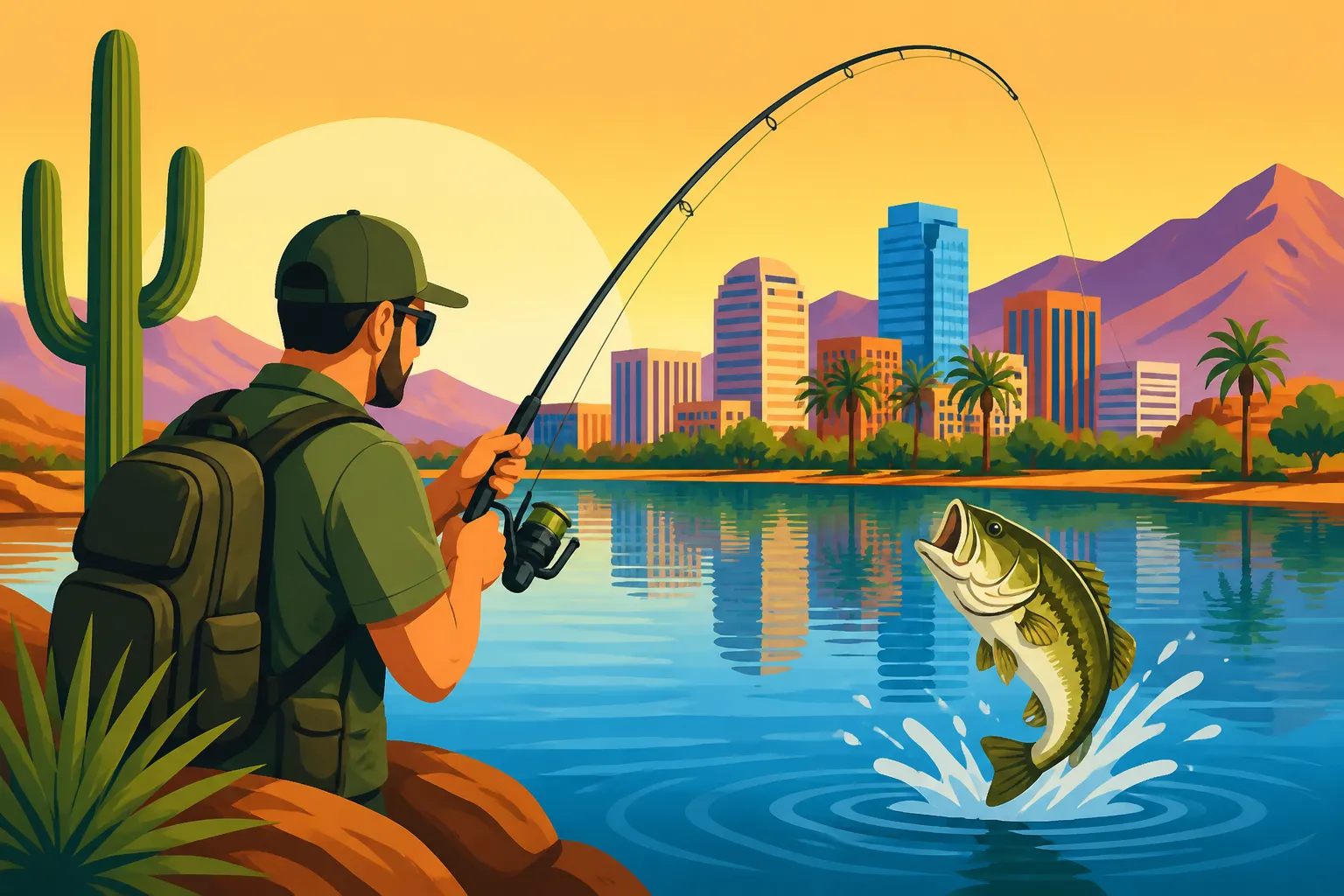
When you think of urban fishing, a place as prominent and central as Tempe Town Lake might not immediately spring to mind, but it is indeed a fantastic fishing destination. This sprawling urban lake, a centerpiece of Tempe's downtown, is regularly stocked by the AZGFD. What makes it unique is its size and depth compared to many smaller community ponds. It's home to a diverse population of fish, including largemouth bass, sunfish, carp, and the ever-popular stocked trout in winter and catfish in warmer months.
Fishing from its expansive banks, the multiple fishing piers, or even from a kayak, you'll find plenty of spots to explore. The challenge here often lies in finding the fish in a larger body of water, but the rewards can be significant, with anglers regularly pulling out decent-sized bass and catfish. The bustling atmosphere of Tempe Town Lake, with its rowing teams, paddleboarders, and urban backdrop, adds a unique flavor to your fishing experience. For those wondering about specific permits beyond the state license, rest assured that Does Tempe Town Lake Require a Special Permit? is a common question, and generally, a valid Arizona fishing license is all you need for recreational angling here, though always double-check local signage for any temporary restrictions.
Scottsdale's Hidden Gems: Chaparral and Eldorado
Scottsdale, known for its vibrant nightlife and upscale amenities, also hides a couple of urban fishing treasures: Chaparral Park Lake and Eldorado Park Lake. These two lakes are stalwarts of the Community Fishing Program, offering consistent stocking and excellent amenities, making them favorites for local anglers.
Chaparral Park Lake is a serene spot nestled within a large, well-maintained park. It's a fantastic choice for families due to its easy access, playgrounds, and picnic areas. The lake itself is known for good populations of largemouth bass, bluegill, and regularly stocked channel catfish and rainbow trout. Anglers often find success fishing near the edges where vegetation provides cover, or around the small island. The park environment makes it a relaxed and enjoyable place to spend a few hours, whether you're teaching a child to cast for the first time or simply enjoying the peaceful ambiance.
Eldorado Park Lake, slightly smaller than Chaparral, offers a similar array of species and amenities. It’s another excellent option for those in central Scottsdale, providing reliable fishing action. Both lakes benefit from the AZGFD's aggressive stocking schedules, particularly for trout in the cooler months, which brings a burst of excitement for many anglers. These lakes prove that you don't need to venture far to find quality fishing opportunities, even in a bustling city. Fishing success here often hinges on timing your visit with the stocking schedule and choosing the right bait for the targeted species.
South Phoenix Favorites: Desert Breeze and Veterans Oasis
Moving south in the Valley, Chandler and Gilbert offer equally rewarding urban fishing experiences with Desert Breeze Park Pond and Veterans Oasis Park Lake. These lakes are well-loved by local anglers for their consistent action and pleasant park settings.
Desert Breeze Park Pond in Chandler is a true community hub. It's a relatively shallow pond, which can sometimes make fish more accessible, especially for bank anglers. Like other CFP lakes, it receives regular stockings of trout and catfish, alongside healthy resident populations of bass and sunfish. The park itself is a popular destination, so you might find more activity, but there’s usually plenty of space along the banks. It's an excellent spot for kids due to the panfish abundance and the park's amenities, making it a truly family-friendly destination for a weekend fishing trip.
Veterans Oasis Park Lake in Chandler, on the other hand, offers a slightly different vibe. This lake is part of a larger environmental education center and preserve, meaning it often feels a bit more natural and sprawling than some of the smaller park ponds. It's a great spot for bird watching in addition to fishing. Anglers here can target the typical urban lake species, with good opportunities for bass, sunfish, catfish, and seasonally stocked trout. The park's walking trails around the lake also provide various access points, allowing you to explore different areas to find where the fish are holding. Both Desert Breeze and Veterans Oasis embody the spirit of convenient, enjoyable urban fishing.
Phoenix Urban Fishing Lake Quick Reference
| Lake Name | City | Primary Stocked Species (Seasonal) | Resident Species | Key Features / Vibe |
|---|---|---|---|---|
| Tempe Town Lake | Tempe | Trout, Catfish | Bass, Sunfish, Carp | Large, central, multiple piers, kayak friendly, urban backdrop |
| Chaparral Park Lake | Scottsdale | Trout, Catfish | Bass, Bluegill | Family-friendly, well-maintained park, serene |
| Eldorado Park Lake | Scottsdale | Trout, Catfish | Bass, Bluegill | Similar to Chaparral, good amenities, community hub |
| Desert Breeze Park Pond | Chandler | Trout, Catfish | Bass, Sunfish | Shallow, great for kids, popular community park |
| Veterans Oasis Park Lake | Chandler | Trout, Catfish | Bass, Sunfish, Carp | Larger preserve, natural feel, walking trails, birdwatching |
| Kiwanis Park Lake | Tempe | Trout, Catfish | Bass, Sunfish, Carp | Medium size, good bank access, often busy |
| Freestone Park Lake | Gilbert | Trout, Catfish | Bass, Sunfish | Popular family park, good facilities, easy access |
| Red Mountain Park Lake | Mesa | Trout, Catfish | Bass, Sunfish | Scenic views, open spaces, good for a relaxed outing |
This table highlights just a few of the many fantastic options available in the Phoenix area, demonstrating the sheer accessibility of fishing in Arizona's most populous region.
Premier Urban Fishing Spots in the Tucson Region
Tucson, nestled in the Sonoran Desert, also boasts a thriving urban fishing scene, providing easy access to angling for its residents. The Arizona Game and Fish Department extends its Community Fishing Program to several key lakes within the Old Pueblo, ensuring that anglers here have just as many opportunities as their northern neighbors. These lakes offer a desert oasis experience, often surrounded by the unique beauty of the Saguaro National Park landscape, making a fishing trip a truly Arizonan adventure.
Kennedy Lake: A Tucson Angler's Paradise
Kennedy Lake, located within the expansive John F. Kennedy Park on Tucson's southwest side, is arguably the crown jewel of urban fishing in the area. It's a large, well-established lake that has been a favorite among local anglers for decades. The lake is consistently stocked with channel catfish during the warmer months and rainbow trout when temperatures drop, providing year-round action. Beyond the stocked species, Kennedy Lake also holds respectable populations of largemouth bass and various sunfish, including bluegill and redear sunfish.
The park surrounding Kennedy Lake offers ample parking, picnic areas, playgrounds, and even a swimming pool, making it an excellent destination for a full family day out. There's plenty of bank access, and anglers can often be seen spread out along the shore, patiently waiting for a bite. Fishing here offers a chance to catch a variety of species, and it's a particularly good spot for targeting those larger catfish in the summer or a generous limit of trout in the winter. If you're planning a trip to Tucson and want to wet a line, Kennedy Lake should definitely be on your radar.
Silverbell Lake and Lakeside Park: East Side Charms
For those on the west and east sides of Tucson, Silverbell Lake and Lakeside Park Lake offer equally compelling urban fishing experiences, each with its distinct character.
Silverbell Lake, situated within Christopher Columbus Park on the west side, provides a fantastic retreat. This lake is known for its steady stocking schedule and a good mix of species. Like Kennedy, it gets regular drops of trout in the winter and catfish in the summer, with a strong resident population of largemouth bass and an abundance of panfish. The lake is quite popular, especially on weekends, but its layout typically allows for ample bank fishing opportunities. Many anglers enjoy the scenic views of the surrounding desert foothills while they fish, adding to the tranquil atmosphere. It’s a great spot to bring the kids, as the panfish are usually eager to bite, guaranteeing some excitement.
Lakeside Park Lake, located on the east side of Tucson, is another cherished community fishing spot. This smaller, more intimate lake provides a peaceful setting within a popular neighborhood park. It too benefits from the AZGFD's stocking program, offering good chances for trout and catfish, along with bass and sunfish. Lakeside Park Lake is often praised for its cleanliness and family-friendly environment. Its smaller size can sometimes make it easier for beginners to navigate and find fish, as the fish don't have as much area to disperse. Whether you're looking for a quick morning cast or an afternoon with the family, both Silverbell and Lakeside Park Lakes deliver on the promise of accessible, enjoyable urban fishing in Tucson.
What You Can Expect to Catch in Urban Waters
One of the great joys of urban fishing in Arizona is the variety of fish species you can encounter. Thanks to the thoughtful management by the AZGFD's Community Fishing Program, these lakes are teeming with both resident species and frequently stocked fish, ensuring that there's usually something biting, no matter the season. It’s not just about catching fish; it’s about the surprise of what you might reel in next.
Bountiful Bass and Sunfish Opportunities
Year-round, the most consistent residents in Arizona's urban lakes are largemouth bass and various species of sunfish, including bluegill and redear sunfish. These fish thrive in the warmer waters of the desert environment and provide excellent action for anglers of all skill levels.
Largemouth bass are often the top predator in these urban ecosystems. While you might not consistently catch trophy-sized bass like you would in a large reservoir, urban lakes can surprise you with healthy, feisty fish. They typically hide around any available structure – submerged brush, rocky areas, docks, or even shaded areas beneath trees. Anglers targeting bass often use small crankbaits, spinnerbaits, or plastic worms, mimicking their natural prey. Catching a nice bass in an urban setting is always a thrill, and they provide a good fight on light tackle.
Sunfish (bluegill and redear) are the undisputed kings of beginner fishing in urban lakes. They are abundant, eager to bite, and perfect for introducing children to the joys of angling. These panfish will readily hit small hooks baited with worms, corn, or even tiny pieces of bread. They congregate in schools, often near the edges of the lake where there's vegetation or other cover, making them relatively easy to locate. While they might not be huge, their sheer numbers and willingness to bite make them incredibly fun to catch, often providing non-stop action, which is invaluable for keeping young anglers engaged. For many, these panfish represent the first fish they ever catch, sparking a lifelong passion.
Seasonal Trout and Catfish Stocking
The Arizona Game and Fish Department significantly enhances the urban fishing experience through its strategic seasonal stocking program, bringing different species to the forefront depending on the time of year.
When the desert temperatures finally drop from November through March, the focus shifts to rainbow trout. These beautiful, hard-fighting fish are stocked frequently throughout the cooler months, transforming urban ponds into prime trout fisheries. Anglers flock to these lakes with ultralight tackle, targeting trout with powerbait, corn, worms, or small spinners and spoons. The excitement of a fresh trout stocking creates a buzz, and it's a fantastic time to fill a cooler with some delicious fish. Many anglers eagerly await the Trout Stocking Season in Arizona announcements, knowing that consistent action is likely to follow. These stockings also make for a perfect family outing, as trout are often relatively easy to catch, especially for children.
As the weather warms up, typically from March through November, channel catfish become the star of the show. These whiskered bottom-dwellers thrive in the warmer waters and are stocked regularly to provide excellent summer and fall fishing. Catfish are powerful fighters and are sought after for their delicious meat. They respond well to stink baits, cut bait, chicken livers, or even hot dogs fished on the bottom. Night fishing for catfish during the hot summer months is a popular and effective strategy, offering a cooler, quieter experience under the stars. The Community Fishing Program Stocking Season in Arizona calendar often highlights specific dates for catfish deliveries, ensuring continuous opportunities for anglers. You can expect to catch catfish ranging from one to several pounds, providing a substantial fight and a tasty reward.
Essential Gear and Techniques for Urban Anglers
Stepping out for a quick fishing trip at an urban lake doesn't require a boatload of expensive gear or highly specialized techniques. In fact, one of the beauties of these convenient spots is how accessible they are for anglers using relatively simple setups. However, a little forethought about your gear and approach can significantly increase your success and enjoyment.
Keep It Simple: Rods, Reels, and Line
For urban fishing, the mantra "keep it simple" truly applies. You don't need heavy-duty saltwater tackle or complex baitcasting setups (unless you prefer them for bass).
- Rods: A light to medium-light spinning rod, typically 5.5 to 7 feet long, is perfectly versatile for nearly all urban fishing scenarios. This length provides enough casting distance for most ponds and lakes, while the light action makes even smaller fish feel like a good fight. If you're primarily targeting panfish with kids, an ultralight setup with a shorter rod (4-5 feet) can be incredibly fun and sensitive.
- Reels: A small spinning reel (sizes 1000-2500) that balances well with your chosen rod is ideal. These reels are easy to operate, even for beginners, and provide smooth retrieves. You want something reliable that can handle the occasional larger bass or catfish without seizing up.
- Line: For most urban fishing, a 4 to 8-pound test monofilament or fluorocarbon line is more than sufficient. Monofilament is budget-friendly and has good stretch, which can be forgiving for new anglers. Fluorocarbon is less visible in clear water and more sensitive, but can be a bit pricier. If you're specifically targeting larger catfish or bass and fishing around heavy cover, bumping up to 10-12 pound test might be wise, but lighter line generally gets more bites in pressured urban waters. For newcomers, a good starting point for Best Line for Trout Fishing or general panfish would be a 4-6 lb mono.
Remember, the goal is often relaxation and fun, so an overly complicated setup can detract from the experience. A simple rod and reel combo that feels comfortable in your hand is often all you need.
Bait and Lure Strategies for Community Ponds
The urban fish population, being accustomed to human presence, often responds well to common, readily available baits. However, understanding what to use for which species and when can make a big difference.
- For Trout (Winter): When the AZGFD stocks rainbow trout, they're often eager to bite. The most popular baits include PowerBait (the dough or nuggets, in bright colors like chartreuse, orange, or rainbow), corn kernels (yes, canned corn!), and small worms (like mealworms or red wigglers). These can be fished on a small hook (size 10-14) with a light split shot weight about 12-18 inches above it, either on the bottom or suspended under a bobber. Small inline spinners (like Panther Martin or Mepps) and tiny spoons can also be very effective, especially for more active trout.
- For Catfish (Warmer Months): Channel catfish are primarily scavengers with a keen sense of smell. Their preferred baits are often stinky! Chicken livers, commercially prepared stink baits (dips or punch baits), cut bait (small pieces of hot dogs or baitfish), or even shrimp work wonders. Fish these on the bottom using a slip-sinker rig with a size 2-4 circle hook. Night fishing is particularly effective for catfish, as they become more active in cooler evening temperatures.
- For Bass (Year-round): While not as aggressive as their wild counterparts, urban bass can still be caught. Small soft plastic worms (Texas-rigged or wacky-rigged), small spinnerbaits, mini crankbaits, or even simple plastic grubs on a jig head can entice them. Early mornings and late evenings are often the best times. Focus on casting near any visible structure or shaded areas.
- For Sunfish (Year-round): Bluegill and redear sunfish are usually the easiest to catch. Small pieces of worms, mealworms, corn, or tiny crickets on a small hook (size 12-16) under a bobber are deadly. They bite aggressively and are perfect for kids. A small split shot a few inches above the hook will help your bait sink effectively.
Remember that presentation matters. Keep your bait fresh, check your line for nicks, and don't be afraid to experiment with different baits and retrieve speeds until you find what the fish are biting on that day. For a more detailed look at what works best, you can always check out Best Baits and Lures for Arizona Fishing.
Navigating Regulations and Permits for Urban Fishing
Even though urban fishing lakes are conveniently located within city limits, they are still part of Arizona's regulated fishing system. Understanding the specific rules, licensing requirements, and catch limits is crucial to enjoying your time on the water without running afoul of the law. Nobody wants a peaceful day of fishing to end with a fine, so a little homework upfront goes a long way.
Understanding Your Arizona Fishing License Requirements
The most fundamental requirement for fishing in any of Arizona's public waters, including urban lakes, is a valid Arizona fishing license. This isn't just a suggestion; it's a legal necessity for almost anyone over the age of 10.
- Who Needs One: Generally, anyone 10 years of age or older needs a valid Arizona fishing license to fish. Children under 10 can fish without a license, but they must adhere to the same bag and possession limits as a licensed angler. This is a common point of confusion, and you can find more specific details in our Fishing License Age Requirements in Arizona guide.
- Types of Licenses: Arizona offers various license types, including annual resident and non-resident licenses, short-term licenses (like a 1-day or 5-day option, great for visitors or those trying it out), and even combination hunting and fishing licenses. For casual urban anglers, an annual general fishing license is usually the most cost-effective if you plan to fish more than a couple of times a year. You can explore the different options and find the best fit for your needs in our guide to Arizona Fishing License Types Compared.
- Where to Buy: Purchasing a license is easy. You can buy one online through the Arizona Game and Fish Department website, at authorized license dealers (like many sporting goods stores, bait shops, and some grocery stores), or at AZGFD offices. Our article on How to Buy an Arizona Fishing License provides a step-by-step walkthrough.
- Validity: Most annual licenses are valid for one year from the date of purchase, not just for the calendar year. Always check your license for its specific expiration date.
Possession of a valid license isn't just about legality; it's about contributing to the conservation efforts that make Arizona's diverse fisheries, including our urban lakes, possible. The fees from licenses directly fund the stocking programs, habitat improvements, and enforcement efforts by the AZGFD.
Specific Rules for Community Fishing Program Lakes
While a general Arizona fishing license covers you, the Community Fishing Program (CFP) lakes often have additional, specific regulations tailored to their unique environments. These rules are designed to manage pressure on these easily accessible fisheries and ensure good fishing for everyone.
- Bag and Possession Limits: These are often more restrictive than statewide limits to distribute the catch among more anglers. For example, trout and catfish limits might be lower than those found in larger reservoirs. Always check the current Arizona Game and Fish Department fishing regulations booklet or their website for the most up-to-date information specific to CFP waters. These limits are crucial for maintaining healthy fish populations.
- Rod Limits: Typically, in CFP waters, an angler is limited to using two fishing rods at a time. This helps prevent overcrowding and allows everyone a fair chance.
- Live Bait Restrictions: Some urban lakes may have restrictions on the use of live baitfish to prevent the introduction of invasive species. Always verify the rules for the specific lake you are visiting.
- Hours of Operation: Since these lakes are often located within city parks, they are subject to park hours. Fishing may not be permitted after dark in some locations, though dedicated night fishing for catfish might be allowed in others. Always check local park signage.
- Other Regulations: Pay attention to any signs regarding specific areas that are off-limits, or rules about cleaning fish, discarding waste, or even the type of hooks allowed (e.g., single barbless hooks for certain species).
It’s crucial to refer to the official Arizona Fishing Regulations Explained and the specific Community Fishing Program guidelines published by the AZGFD. A quick scan of the rules before you head out can prevent any misunderstandings and ensure a smooth, enjoyable fishing trip. Knowing the Community Fishing Program Rules inside and out will make you a more confident and responsible angler.
Making the Most of Your Urban Fishing Trip
Urban fishing offers a fantastic blend of convenience and outdoor enjoyment, but like any fishing adventure, a little planning and smart strategy can elevate your experience from good to great. Beyond just catching fish, it's about creating lasting memories and enjoying the unique environment these lakes provide.
Timing Your Trip for Success
When you fish can be just as important as where and how you fish, especially in urban environments that see a lot of angler pressure and variable conditions.
- Early Mornings and Late Evenings: These are almost universally the best times to fish for most species, particularly bass and sunfish. The water temperatures are cooler, the light is lower, and fish are often more active and less spooky. For catfish, especially in warmer months, fishing from dusk into the night can be incredibly productive, as they are nocturnal feeders.
- Weather Conditions: Overcast days can often be fantastic for fishing, as the diffused light encourages fish to be more active throughout the day. Conversely, bright, sunny, hot days can push fish deeper or into shaded areas, making them harder to entice. Fishing just before a storm front can also trigger aggressive feeding, but always prioritize safety and avoid fishing during lightning or heavy winds.
- Stocking Schedules: For trout and catfish, synchronizing your trip with the AZGFD's stocking schedule is a powerful strategy. Fish fresh from the hatchery are often disoriented and very eager to bite, leading to some of the most consistent action you'll find. Keep an eye on the official AZGFD website for weekly stocking updates for Urban Lake Trout Season in Arizona and catfish stockings.
- Weekdays vs. Weekends: Urban lakes can get crowded, especially on weekends and holidays. If your schedule allows, fishing on a weekday morning can offer a much more peaceful and less pressured experience, often leading to better results simply because there's less competition and disturbance.
Considering these timing elements can greatly improve your chances of a productive and enjoyable outing, ensuring you're there when the fish are most likely to be biting and the conditions are optimal.
Family-Friendly Fishing and Responsible Angling
Urban lakes are truly a gift for families, offering an accessible entry point into the world of fishing. They are designed for ease of use, making them perfect for teaching kids the ropes, but this also comes with a responsibility to be a good steward of these shared resources.
- Embrace the Learning Experience: For many children, urban lakes will be where they catch their first fish. Focus on the experience, not just the catch. Teach them how to cast, identify different fish species, and safely handle fish. Pack plenty of snacks, drinks, and sun protection, and be prepared for short attention spans. These lakes are perfect for those just beginning their journey, and our Beginner Fishing Techniques for Arizona Desert Lakes offers great starting points.
- Practice Catch and Release: While many urban lakes are stocked for harvest (especially trout and catfish), practicing catch and release for bass and some panfish can help maintain healthier resident populations. If you do keep fish, only take what you'll eat, and always adhere to the posted bag limits. Proper handling techniques ensure that released fish survive and thrive.
- Leave No Trace: Always pack out everything you pack in. This includes fishing line, bait containers, snack wrappers, and any other trash. Urban lakes are shared community spaces, and keeping them clean benefits everyone, from anglers to picnickers to the wildlife that calls these places home.
- Be Mindful of Others: These are popular spots, so be respectful of other anglers, park-goers, and residents. Give others space, keep noise levels down, and share the common areas amicably.
- Consider a Guide (Even for Urban Spots): If you're new to the area or want to maximize your time and learn the specific nuances of an urban lake, consider booking a local guide. Platforms like FishingBooker can help you find experienced guides who know these local waters inside and out, offering invaluable insights into the best spots and techniques. While urban lakes are convenient, sometimes local expertise can turn a good day into a fantastic one.
By being responsible and considerate anglers, we ensure that Arizona's urban fishing lakes remain vibrant, productive, and welcoming destinations for generations to come. They are a cherished resource that brings the joy of fishing right to our doorsteps.
Disclaimer
Please note that fishing regulations, stocking schedules, and lake conditions can change. Always consult the official Arizona Game and Fish Department website or their latest regulations booklet before your fishing trip to ensure you have the most current information. Adherence to all local, state, and federal laws is the responsibility of the angler.