Community Fishing Program Stocking Season in Arizona
It's a common feeling, isn't it? You get that itch to go fishing, especially with the kids, but you're not always sure where to go for a reliable bite, or you feel intimidated by the vastness of Arizona's big reservoirs. That's exactly where Arizona's Community Fishing Program shines, offering accessible, stocked waters right in our neighborhoods. But knowing when these lakes are stocked is like having a secret weapon in your tackle box, dramatically increasing your chances of a successful and fun outing. This guide is all about helping you understand the Community Fishing Program's stocking seasons, so you can plan your trips to coincide with the best fishing action.
Understanding Arizona's Community Fishing Program
Before we dive into the specific timing, let's talk about what makes the Community Fishing Program so special. This isn't just about throwing some fish into a pond; it's a dedicated effort by the Arizona Game and Fish Department (AZGFD), often in partnership with local municipalities, to provide quality fishing opportunities in urban and suburban areas. Think of it as your local fishing hole, conveniently located and regularly refreshed with catchable fish.
The program serves a fantastic purpose: it introduces new anglers, especially families and children, to the joys of fishing without requiring long drives to remote locations. These lakes are typically well-maintained, offer easy bank access, and sometimes even have amenities like restrooms, ramadas, and accessible fishing piers. It takes away a lot of the logistical hurdles that can discourage beginners, making fishing an inviting and enjoyable activity for everyone. Knowing the ins and outs of the Community Fishing Program Rules can really help you get started on the right foot. It's a fantastic initiative that brings the outdoors right to our doorsteps, fostering a love for angling in future generations.
Cracking the Code: Arizona's Community Lake Stocking Seasons
The heart of successful community lake fishing lies in understanding the stocking schedule. Unlike larger, wilder lakes where fish populations are self-sustaining, community lakes rely on regular stocking to ensure good fishing experiences. The types of fish stocked, and therefore the best times to fish for them, vary significantly with the seasons due to Arizona's unique climate.
Cooler Months: Trout Stocking Extravaganza
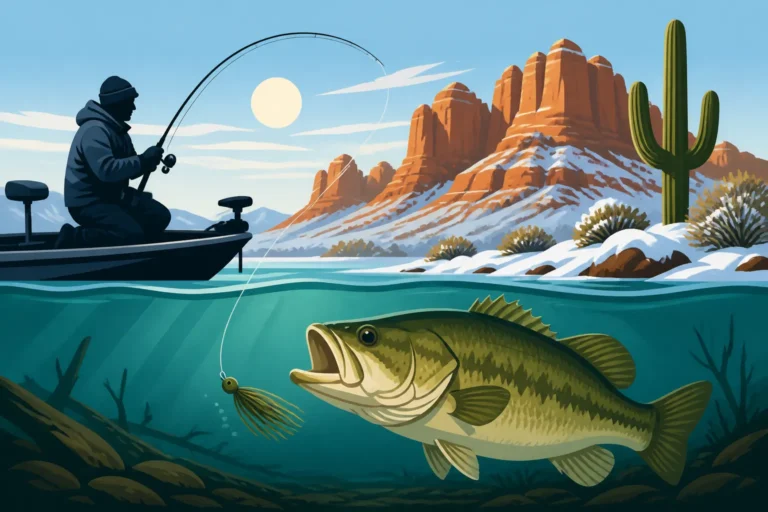
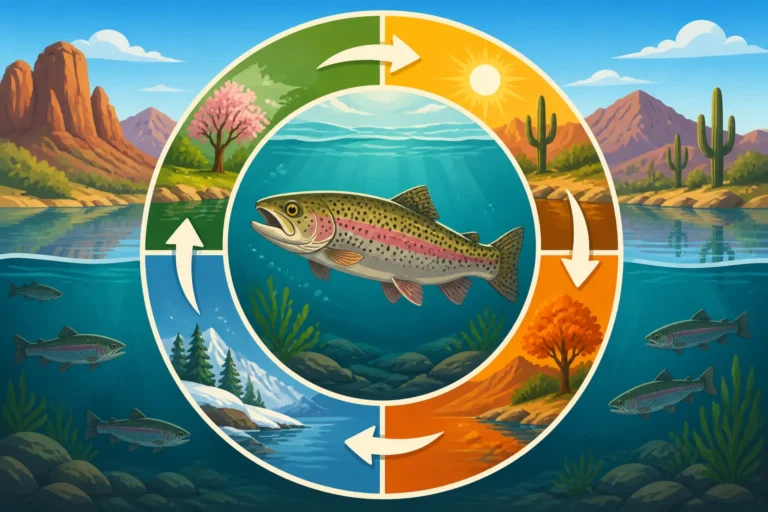
When the cooler weather rolls in, typically from late fall through early spring, that's when the Arizona Community Fishing Program becomes a rainbow trout angler's paradise. Arizona's desert lakes can get quite warm in the summer, making them unsuitable for cold-water species like trout. But once the water temperatures drop to favorable levels, usually starting in October or November and continuing through March or April, the stocking trucks start rolling out regularly.
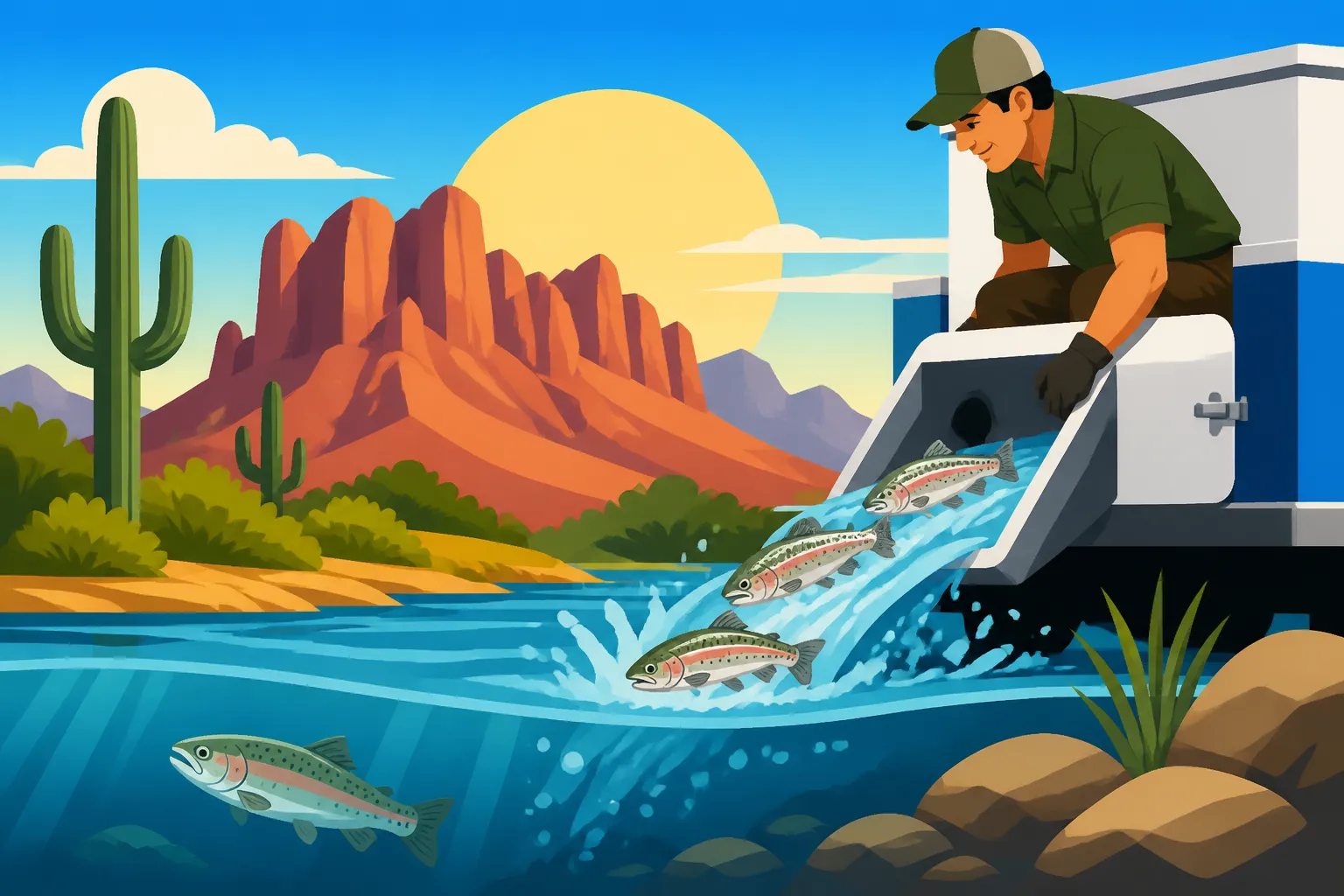
During this period, thousands of feisty rainbow trout are released into community lakes across the state. These fish are typically catchable size, meaning you don't need highly specialized gear or advanced techniques to have a good day. It's truly a fantastic opportunity, especially for kids, to experience the thrill of a tug on the line. I always recommend checking the specific lake schedules, as the frequency can be anywhere from weekly to bi-weekly depending on the location and angler demand. For those looking to really hone their skills during this prime time, our guide on Trout Stocking Season in Arizona offers even more in-depth information. You'll find these cooler months provide the perfect conditions for a brisk morning of trout fishing.
Warmer Months: Catfish, Bass, and Panfish Action
As Arizona transitions out of spring and into the warmer summer and early fall months, the stocking focus shifts from cold-water trout to warm-water species that can thrive in the desert heat. From roughly April or May through September or October, you'll see fewer trout stockings and a significant increase in channel catfish. These whiskered beauties are tough, fun to catch, and tolerate warmer water temperatures exceptionally well, making them the perfect summer target for community lakes.
Beyond catfish, community lakes are also home to naturally reproducing populations of largemouth bass and various panfish, such as bluegill and sunfish. While these aren't "stocked" in the same frequent, catchable-size manner as trout or catfish, their populations often get a boost from occasional releases, and they are always present. The warmer water makes bass and panfish more active, too, so even if the catfish aren't biting, there's usually something else to target. If you're wondering about specific guidelines, take a look at our articles on the Catfish Limit at Arizona Community Fishing Lakes and the Bass Size Limit at Arizona Community Fishing Lakes to ensure you're fishing within the rules. These warm months offer a different kind of excitement, often yielding bigger fish that put up a great fight.
Finding the Schedule: Your Best Resources
Knowing the general season for stocking is one thing, but getting the precise, up-to-the-minute schedule is crucial for maximizing your chances. The Arizona Game and Fish Department (AZGFD) is your go-to resource for this information. They maintain a comprehensive and regularly updated stocking schedule on their official website. You can usually find a detailed list of lakes, the species being stocked, and the dates of the next scheduled release. This is by far the most reliable way to stay informed.
Additionally, many local city and county park departments that host Community Fishing Program lakes will often post stocking updates on their own websites or social media pages. A quick search for your local lake's name along with "fishing report" or "stocking schedule" can often yield great results. It’s also worth noting that some local tackle shops or community recreation centers might have printed schedules or knowledgeable staff who can give you the scoop. Staying connected to these resources ensures you're always in the know and can hit the water when the fish are most active.
Making the Most of Stocking Day: Tips and Tactics
So, the stocking truck just pulled up, or you know it did yesterday. Now what? Fishing right after a stocking can be incredibly productive, but a little strategy goes a long way. It's not just about throwing a line in; it's about understanding how these newly introduced fish behave and what they're looking for.
Gear Up for Success
You don't need a fancy setup for community lake fishing, especially on stocking days. A basic spinning rod and reel combo, often called a "panfish" or "light action" setup, is perfect. Look for something around 5 to 6 feet in length with light line, perhaps 4 to 6-pound test monofilament. This lighter tackle makes even smaller stocked fish feel like a trophy catch and is sensitive enough to detect subtle bites. If you're just starting out, there are many affordable and effective combos available, and you can often find great deals on beginner fishing kits on platforms like Amazon.
For a family outing, having a couple of these basic setups ensures everyone has a chance to cast. Don't forget a small tackle box with essential items. Our guide on an Essential Tackle Box Setup for Arizona Beginners can give you a great starting point, covering everything from hooks and sinkers to bobbers. The key is to keep it simple and focus on being prepared rather than having the most expensive gear.
Bait and Lure Essentials
When it comes to bait, simplicity is often best, especially for newly stocked fish. For trout during the cooler months, PowerBait (in various colors like "rainbow" or "chartreuse") is a perennial favorite, as are small worms (like mealworms or red worms), and even canned corn. These are easy for new anglers to rig and are highly effective. For catfish in the warmer months, stink baits, hot dogs, chicken livers, or even chunks of shrimp on the bottom are proven winners.
If you prefer lures, small spinners, spoons, or micro jigs can also be very productive for trout and panfish. For bass, small soft plastics rigged Texas-style or on a jig head work wonders. Again, a simple selection is all you need. Many anglers will head to Amazon to stock up on a variety of popular baits and small lures that are known to work well in Arizona's community lakes. Remember, sometimes the flashiest lure isn't what catches the fish; it's the natural-looking bait or a subtle presentation that gets the bite. For a comprehensive overview, check out our article on the Best Baits and Lures for Arizona Fishing.
Timing and Location Are Key
On stocking days, or the day immediately following, the fish are often disoriented and actively feeding. Getting there early in the morning or later in the afternoon can give you an edge, as these are typically cooler and calmer times. When you arrive, observe the water. Fish often congregate near the stocking point initially, but they'll quickly spread out. Look for areas with some form of structure – perhaps a small weed line, a submerged brush pile, or even near an aeration fountain, as these spots provide cover and oxygen.
Casting along the banks, especially in areas that offer a bit of shade or deeper water, can be productive. Don't be afraid to move around a bit if you're not getting bites in one spot. Sometimes, just a few yards can make all the difference. Remember that while freshly stocked fish are often eager to bite, they can also become wary quickly if there's a lot of angler pressure. Being observant and patient will pay off. For more specific tactics, our guide on How to Catch Trout at a Stocked Urban Lake provides excellent advice for those cold-water periods.
Beyond the Initial Rush: Sustaining Your Community Fishing Fun
While stocking days are fantastic, the fishing doesn't just stop once the initial frenzy dies down. Community lakes offer enjoyable angling opportunities even between stocking cycles, provided you adjust your expectations and tactics.
Fishing Between Stocking Cycles
After a few days, the newly stocked fish become more acclimated to their new environment and, let's be honest, a little wiser to the angler's tricks. They'll spread out more, seek better cover, and might be less aggressive in their feeding. This is when patience and a slightly more refined approach can yield results. You might need to experiment with different baits, lighter lines, or more subtle presentations. Don't just stick to the same spot; explore different areas of the lake.
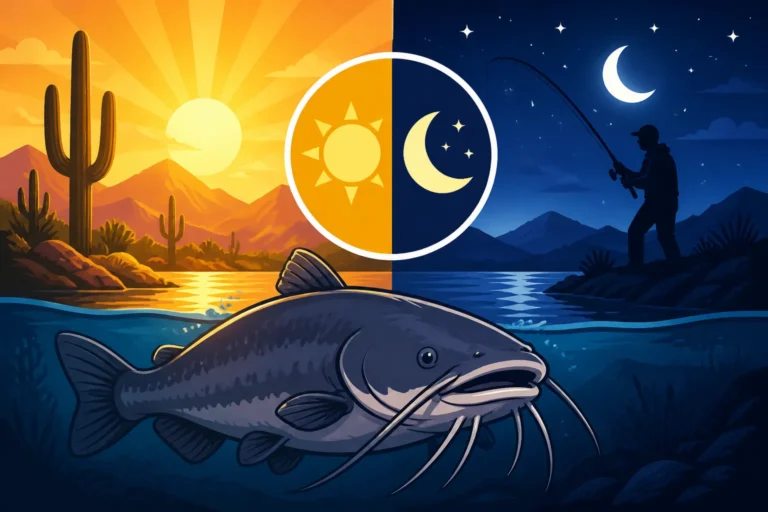
For trout, they often move to deeper, cooler water as the days pass. For catfish, night fishing can be incredibly productive during the warmer months, as they are primarily nocturnal feeders. Our article on How to Fish for Catfish at Night provides some excellent strategies for targeting these whiskered giants after dark. It's a different challenge, but often a rewarding one, proving that these lakes offer more than just an immediate post-stocking bite.
Exploring Other Species
While trout and catfish are the main stocked species, community lakes are often vibrant ecosystems supporting a variety of fish. Largemouth bass and various sunfish (bluegill, redear sunfish, green sunfish) are typically resident populations that reproduce naturally and can offer fantastic fishing, especially for panfish. These species are often overlooked when everyone is focused on the freshly stocked fish, but they can provide consistent action throughout the year.
Targeting bass might mean using small crankbaits, soft plastics, or even topwater lures during low-light conditions. For sunfish, a small piece of worm under a bobber is almost irresistible. These fish are generally less impacted by stocking schedules and offer a reliable option for a fun day on the water. Many anglers find that these lakes are surprisingly good for bass, and if you're curious, you can find out more in our piece, Are Community Lakes Good for Catching Bass in Arizona?. It's a great way to broaden your fishing horizons and discover that these urban oases hold a lot more than just the latest stocking.
Safety and Etiquette at Community Lakes
Because community lakes are so accessible and popular, especially with families, practicing good safety and etiquette is paramount. Always be mindful of others fishing nearby, maintaining a respectful distance. Pack out everything you pack in, leaving no trace behind. This keeps the lakes clean and enjoyable for everyone. Be especially careful around children and ensure they're wearing life jackets if they're near the water's edge or on any small craft.
Also, be aware of specific lake rules, which are often posted. These might include limitations on bait types, number of rods, or even hours of operation. Knowing the Arizona Fishing Regulations Explained more broadly can help, but always check local postings for any site-specific rules. These small acts of consideration help maintain the peaceful and inviting atmosphere that makes community fishing so wonderful. The AZGFD works hard to create these spaces, and it's up to all of us to help preserve them.
Community Fishing Program Stocking Season Overview
Here's a quick look at what you can generally expect from Arizona's Community Fishing Program throughout the year:
| Season | Primary Stocked Species | General Stocking Frequency | Common Baits/Lures | Notes |
|---|---|---|---|---|
| Fall (Oct-Nov) | Rainbow Trout, Channel Catfish | Weekly (Trout), Monthly (Catfish) | PowerBait, worms, corn, hot dogs, stink bait | Transition season, both species can be active. |
| Winter (Dec-Feb) | Rainbow Trout | Weekly to Bi-weekly | PowerBait, worms, small spinners, jigs | Peak trout season, cooler temps, good for families. |
| Early Spring (Mar-Apr) | Rainbow Trout, Channel Catfish, Bass, Panfish | Weekly (Trout), Monthly (Catfish) | PowerBait, worms, small jigs, plastics | Trout winding down, warm-water species waking up. |
| Late Spring (May-Jun) | Channel Catfish, Bass, Panfish | Monthly (Catfish), Natural (Bass/Panfish) | Hot dogs, stink bait, chicken liver, worms | Catfish season begins, bass spawning. |
| Summer (Jul-Aug) | Channel Catfish, Bass, Panfish | Monthly (Catfish), Natural (Bass/Panfish) | Hot dogs, stink bait, nightcrawlers | Catfish action strong, best fishing at dawn/dusk. |
| Early Fall (Sep-Oct) | Channel Catfish, Bass, Panfish | Monthly (Catfish), Natural (Bass/Panfish) | Hot dogs, stink bait, worms | Warm-water species still active, anticipating trout. |
Keep in mind this table provides general guidance. Always check the official AZGFD website for the most current and specific stocking information for your local community lake.
Disclaimer
This article is for general informational purposes only and does not constitute professional advice. Laws, prices and regulations vary by location and change over time. Consult a qualified professional for guidance on your specific situation.