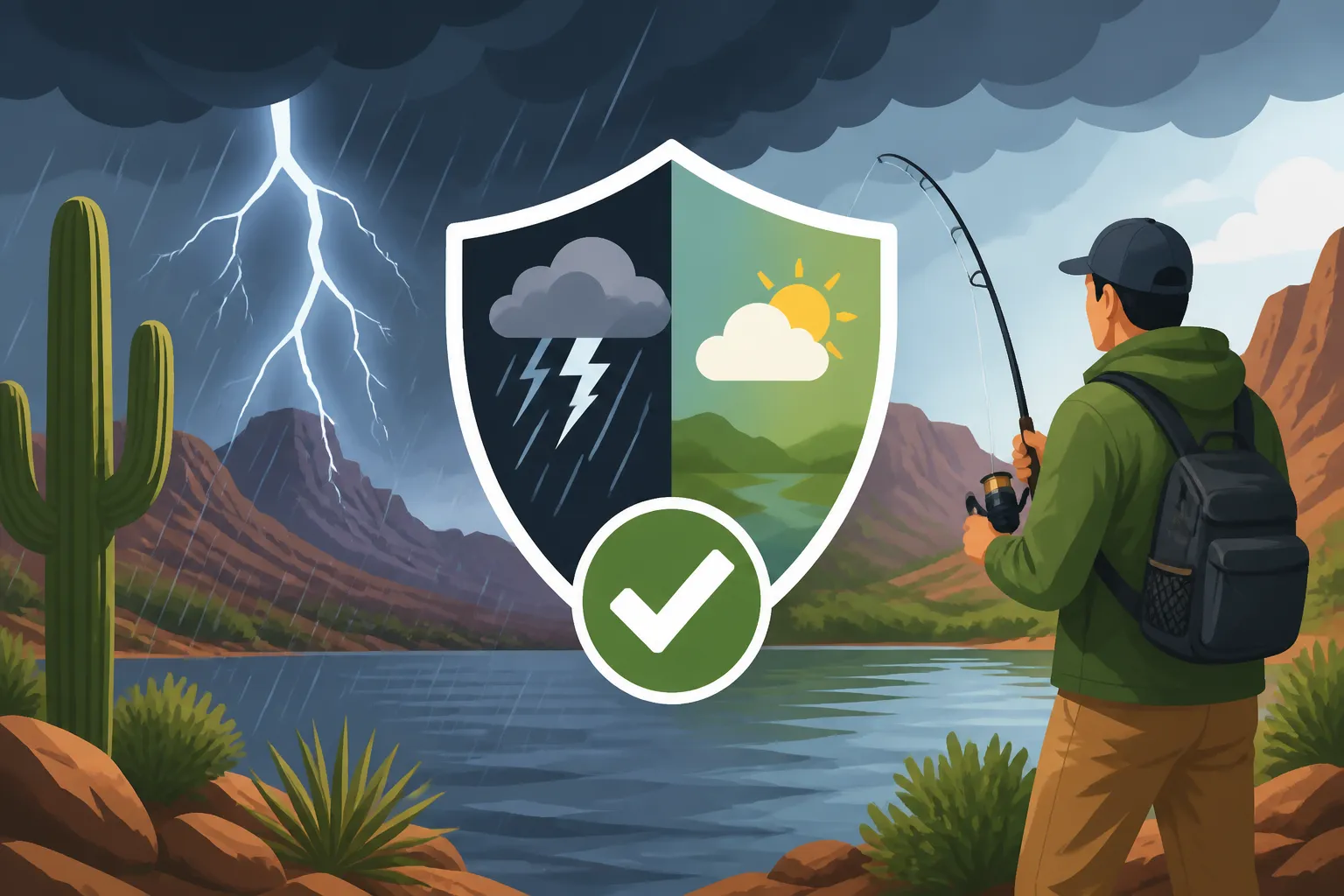
Can You Fish Safely During Monsoon Season in Arizona?
Oh, the Arizona monsoon season! It's that wild, unpredictable time of year where the desert sky goes from a brilliant, relentless blue to an angry, bruised purple in minutes. Many of us keen anglers look at those towering thunderheads and wonder: can we still hit our favorite spots, or are we just asking for trouble? This guide is going to dive deep into the real dangers and smart strategies for fishing safely when those summer storms roll through Arizona, ensuring your passion for angling doesn't turn into a perilous adventure.
Understanding Arizona's Monsoon Season
Arizona's monsoon season isn't just a bit of summer rain; it's a fundamental shift in our weather patterns, bringing dramatic, often violent, thunderstorms and intense humidity. From roughly mid-June through September, the air becomes thick with moisture, and then, seemingly out of nowhere, the sky opens up. It’s a spectacular display of nature, but it requires a healthy dose of respect, especially when you're out on the water or near a potentially flood-prone area.
The Nature of Monsoon Storms
When we talk about monsoon storms in Arizona, we're really talking about a few distinct, yet interconnected, phenomena. First, there are the intense thunderstorms themselves. These aren't your gentle drizzles; they often feature torrential downpours that can drop inches of rain in a very short amount of time. Accompanying these downpours is often a dazzling, but incredibly dangerous, display of lightning. Many people underestimate the sheer power and immediacy of these storms. You might be enjoying a calm morning, and by early afternoon, the entire landscape can be transformed into a tempest.
Then there are the dust storms, or "haboobs." These are massive walls of dust that sweep across the desert, often preceding or accompanying the rain. They can reduce visibility to practically zero in seconds, creating incredibly hazardous driving conditions and making it impossible to see where you're going if you're out on a lake or a boat. Imagine being on Lake Pleasant, focused on a striper boil, and suddenly a red wall of dust engulfs you. It's disorienting and terrifying, and definitely not something you want to experience while trying to navigate water.
Finally, and perhaps most critically for anglers, monsoon storms bring the very real threat of flash flooding. Our desert landscape isn't built to absorb vast amounts of water quickly. Washes, arroyos, and even seemingly dry riverbeds can turn into raging torrents in mere minutes, carrying debris, mud, and anything else in their path. The water might not even be falling directly on your location, but upstream rainfall can send a deadly wall of water surging downstream without much warning. This is a primary concern for anyone considering fishing near rivers or washes during this period.
Impact on Waterways
The dramatic weather associated with the monsoon season has significant and immediate impacts on Arizona's lakes, rivers, and streams. You might be accustomed to the clear, calm waters of your favorite fishing hole, but after a monsoon storm, things can look drastically different.
One of the most noticeable changes is turbidity. When heavy rains hit dry soil, they pick up a massive amount of silt, sand, and debris. This runoff flows into our waterways, turning crystal-clear lakes murky brown and making rivers resemble chocolate milk. This can drastically affect how fish behave, often sending them deeper or into cover where visibility is low. It can also make fishing more challenging, as fish rely heavily on sight, and your lures might not be as effective in discolored water. Understanding how to fish muddy water after a monsoon is a specific skill that can pay off.
Beyond clarity, water levels and current changes are a major factor. While our larger reservoirs like Roosevelt Lake or Lake Powell might not see immediate, drastic level increases that threaten safety, smaller rivers and streams, particularly those fed by mountain runoff or urban washes, can swell rapidly. The Salt River, for example, can go from a gentle flow to a roaring beast overnight. This increase in current can be incredibly dangerous for waders or those in smaller boats, making it difficult to maintain control and risking being swept away. Bank erosion is also a common issue, turning what was once firm ground into unstable, crumbling edges that are perilous to stand on.
Risks of Fishing During a Monsoon
Let's be brutally honest: while the idea of catching fish during a post-storm bite might be tempting, the risks associated with fishing during a monsoon are serious and can be life-threatening. It's not about being overly cautious; it's about understanding and respecting the power of nature.
Lightning Strikes
Picture this: you're out on a boat, perhaps enjoying some Lake Pleasant Arizona Fishing Guide, and a huge thunderstorm rolls in. You're essentially the highest point on the water, holding a graphite rod that acts as a lightning conductor. It's a terrifying scenario, and sadly, it's not unheard of for anglers to be struck by lightning. Open water offers virtually no shelter, and a tall fishing rod makes you an even more attractive target for a lightning bolt.
Even if you're fishing from the shore, standing near tall trees or exposed structures can be equally dangerous. Lightning can strike miles away from the rain, so just because it's not pouring directly over you doesn't mean you're safe. The rule of thumb for lightning is: "When thunder roars, go indoors!" Or, at the very least, seek substantial shelter immediately. Staying out on the water, or even on an exposed bank, during an electrical storm is simply not worth the risk for any fish, no matter how big.
Flash Flooding and Rapid Current Changes
This is arguably the most insidious and deadly threat of the Arizona monsoon for anglers. Flash floods are exactly what they sound like: a sudden, rapid surge of water through normally dry or low-flowing channels. You might be parked near a wash that looks perfectly safe, enjoying a morning of Catfish Fishing Guide for Arizona, only to find your escape route cut off, or worse, your vehicle swept away by a sudden wall of water.
Rivers and streams are especially susceptible. Imagine you're wading in a favorite trout stream in the White Mountains, perhaps targeting some elusive Rainbow Trout Fishing Guide for Arizona. A storm hits miles upstream, and within minutes, the water level can rise several feet, transforming a gentle current into an unstoppable force. You can quickly be knocked off your feet and dragged downstream. Even if you're on the bank, the ground beneath you can erode rapidly, pulling you into the churning water. Areas like the Salt River Arizona Fishing Guide are particularly prone to these kinds of sudden, dangerous surges. It's a stark reminder that even if your direct location isn't experiencing rain, the upstream conditions can still pose a grave threat.
Haboobs and Reduced Visibility
While lightning and flash floods are directly life-threatening, haboobs bring their own unique set of dangers. These massive dust storms can reduce visibility to zero in a matter of seconds. If you're driving to or from a fishing spot, this can lead to multi-car pile-ups. If you're already on the water, whether in a boat or kayak, you lose all sense of direction and your ability to navigate.
Imagine being in your boat on a large body of water like Lake Powell Arizona Fishing Guide when a haboob hits. You can't see buoys, shorelines, or other boats. The wind accompanying these storms can also be ferocious, creating dangerous chop and making it difficult to control your vessel. Even from shore, a haboob can kick up debris, irritate your eyes and lungs, and obscure any signs of an approaching storm front or flash flood. It's a chaotic and dangerous environment for any outdoor activity.
Unexpected Wildlife Encounters
It's not just the weather you need to worry about. Monsoon rains and subsequent flooding can displace all sorts of desert critters, many of which you'd rather not encounter unexpectedly. Rattlesnakes, scorpions, spiders, and other creatures that typically seek shelter in dry, undisturbed areas can be forced out by rising water or seek refuge on higher ground – which might just be the same bank you're standing on.
During and after a storm, pay extra attention to where you step, sit, and place your hands. Snakes, in particular, may be more agitated or defensive due to displacement. Always wear sturdy, closed-toe shoes and consider longer pants, even in the heat. It's just another layer of unpredictable danger that the monsoon season adds to an otherwise relaxing day of fishing.
Strategies for Safe Monsoon Season Fishing
So, does this mean you have to hang up your rods for the entire summer? Not necessarily! While fishing during a full-blown monsoon storm is generally a terrible idea, there are ways to enjoy fishing safely around the monsoon season, and even take advantage of post-storm opportunities, if you're smart and well-prepared.
Monitoring Weather Forecasts
This is your absolute first line of defense. Gone are the days of just glancing at the sky. In Arizona's monsoon season, you need to be a diligent weather watcher. Check detailed hourly forecasts from multiple reliable sources before you even leave the house. Look for percentages of rain, severe thunderstorm warnings, and flash flood advisories. Many weather apps will show radar, allowing you to see storm cells developing and track their movement.
A portable weather radio can also be an invaluable tool, especially if you're heading to more remote areas where cell service might be spotty. Consider investing in a good quality, crank-powered or battery-operated radio available on platforms like Amazon. The key is to not just check once, but to constantly monitor the conditions while you're out. If the forecast shifts, or you see dark clouds building, assume the worst and start making plans to leave.
Choosing Safe Fishing Locations
During monsoon season, some fishing spots are simply safer than others. Avoid fishing in or near washes, arroyos, and small canyons, especially if there's any chance of rain upstream. These are literally nature's drainage ditches, designed to channel water quickly and violently. Even a slight drizzle miles away can send a wall of water roaring through.
Stick to larger, more stable bodies of water like major lakes and reservoirs. These areas generally have more gradual banks and less risk of sudden flash flooding from direct rainfall. However, even on large lakes, be mindful of exposed points or open water during electrical storms. Look for areas with quick access to shelter – a marina, a ranger station, or even your vehicle – where you can retreat quickly if a storm builds. Urban community lakes are often a safer bet than remote river sections, simply due to their accessibility and proximity to developed areas. For more guidance, explore resources like Best Fishing Lakes in Arizona or Best Urban Fishing Lakes in Arizona but always apply monsoon-specific caution.
Essential Safety Gear
Preparation is key, and having the right gear can literally save your life. Your regular tackle box isn't enough when monsoons are brewing.
Here's a quick rundown of what you should consider adding:
| Item | Purpose | Monsoon-Specific Benefit |
|---|---|---|
| Waterproof Bag | Protect electronics, wallet, keys | Keeps essentials dry during sudden downpours, protects from spray |
| First-Aid Kit | Treat minor injuries | Essential for any outdoor activity, especially if aid is distant |
| Communication Device | Fully charged phone, satellite communicator | Call for help if stranded, check weather updates in areas with signal |
| Extra Water/Hydration | Prevent dehydration | High humidity still means heat, even during storms; stay hydrated |
| Headlamp/Flashlight | Navigate in low light or sudden haboobs | Crucial if visibility drops to zero due to dust or heavy rain |
| Rain Gear | Stay dry and comfortable | Important for comfort and preventing hypothermia in cooler post-storm air |
| Whistle | Signal for help | Effective for attracting attention if disoriented or in distress |
| Sturdy Footwear | Protect feet, provide grip | Essential for navigating muddy, slippery banks or uneven terrain |
Make sure your phone is fully charged and stored in a waterproof case. Consider a portable charger. For those really venturing out, a personal locator beacon or satellite messenger can be a lifesaver when cell service is nonexistent. You can find robust and reliable options for these emergency items on Amazon. Remember, during a major storm, aid might be delayed, so being self-sufficient is paramount. Don't forget to pack plenty of water, even if it's raining; the humidity can still lead to dehydration.
Knowing When to Call It Quits
This is perhaps the hardest, but most crucial, safety strategy: knowing when to pack up and go home. Your intuition is your most valuable tool. If the sky looks threatening, if you hear distant thunder, or if the wind suddenly picks up dramatically, it's time to go. Don't wait until the first drop of rain or the first flash of lightning. These storms build rapidly.
It's tempting to try for "just one more cast," especially if the fish seem to be biting before a storm. But that extra minute can be the difference between a safe exit and being caught in a dangerous situation. No fish is worth risking your life over. Be proactive, not reactive. If you see lightning or hear thunder, adhere to the "30-30 rule": if the time between a lightning flash and the sound of thunder is 30 seconds or less, lightning is a threat. Seek shelter immediately and wait 30 minutes after the last thunderclap before resuming activities. If you're on a boat, head for shore as quickly and safely as possible. This approach is fundamental to Night Fishing Techniques and Safety as well, where visibility is already compromised.
Fishing After Monsoon Rains
While fishing during the monsoon downpour is fraught with danger, the period after the storm can offer some fantastic fishing opportunities, especially for certain species. However, it's crucial to remember that lingering dangers still exist.
Post-Storm Water Conditions
Once the immediate threat of lightning and heavy rain has passed, the waterways will have undergone a significant transformation. As mentioned earlier, turbidity will be high. The water will likely be discolored with sediment, ranging from a light tea color to a thick, muddy brown. This isn't necessarily a bad thing, but it does require a change in tactics. Fish tend to rely more on their other senses – smell and vibration – in murky water.
Water levels will often be elevated, and currents, particularly in rivers and streams, can remain strong for hours, or even days, after the rain has stopped. The temperature of the water might also drop slightly, especially in shallower areas or after a prolonged heavy downpour, which can sometimes stir up cooler, deeper water. This sudden influx of fresh, often cooler, water can sometimes trigger a feeding frenzy, especially for predatory fish.
Opportunities for Certain Species
This is where the excitement comes in for many Arizona anglers. Once the weather has cleared and it's safe to be out, the post-monsoon bite can be incredible. How to Fish Muddy Water After a Monsoon becomes a very relevant skill.
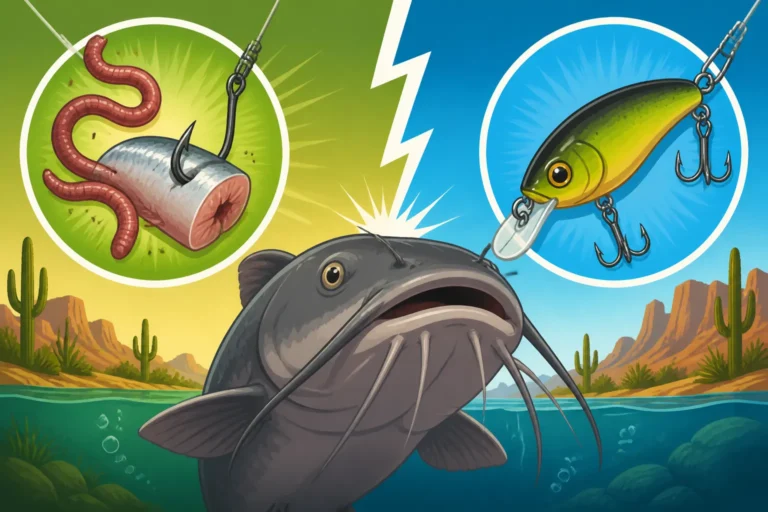
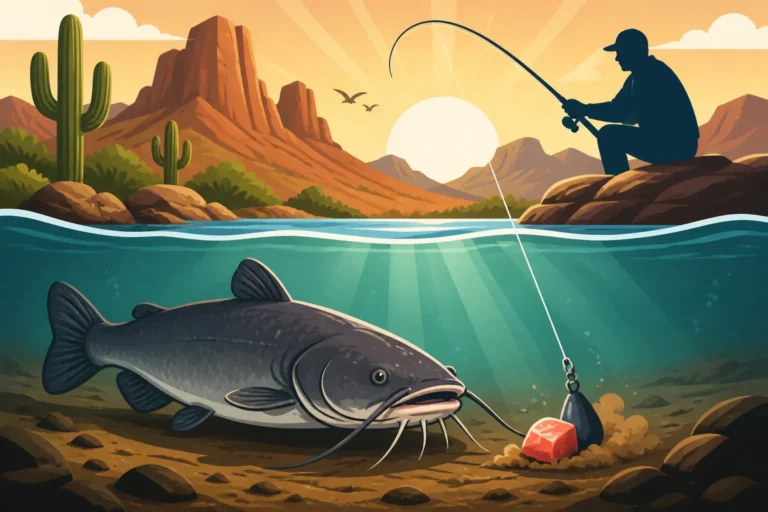
Catfish often become very active after monsoon rains. The influx of fresh water, combined with all the new debris and food items washed into the water, creates a smorgasbord for them. They'll cruise the edges of newly inundated areas, and the reduced water clarity actually gives them an advantage since they rely heavily on their sense of smell and barbels to find food. Bottom fishing with smelly baits like cut bait, chicken liver, or even commercial stink baits can be incredibly effective. Rivers like the Colorado River or the lower Salt River can be hotspots.
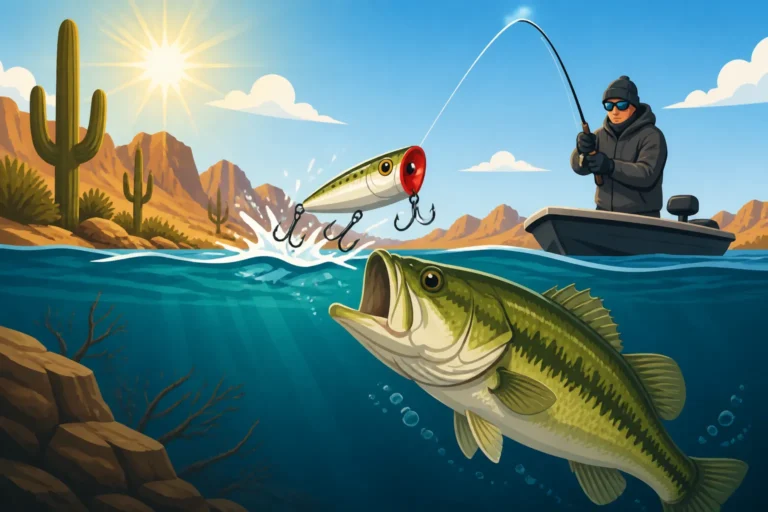
Bass (both largemouth and smallmouth) also tend to respond positively to post-monsoon conditions. The slightly cooler water can invigorate them, and the increased turbidity can make them less wary. They might move closer to the banks, ambushing baitfish that have been disoriented by the runoff or seeking shelter in new cover. Topwater action can be great in the low-light conditions immediately after a storm, and jigs, spinnerbaits, or Texas-rigged worms fished near structure are often productive. The Best Bass Fishing Lakes in Arizona can really light up.
Trout fishing in urban lakes, part of the Arizona Community Fishing Program Rules, can also see a boost. The cooler water can make trout more active, though the muddy water might require a shift to baits with stronger scent or vibration.
Continued Caution for Debris and Unstable Banks
Even after the storm has passed and the sun is shining again, don't let your guard down entirely. The immediate aftermath of a monsoon can still present hazards.
Debris is a major concern, especially in rivers and along lake shorelines. Branches, logs, trash, and all sorts of other flotsam can be washed into the water, creating hazards for boats and potentially tangling fishing lines. If you're wading, underwater debris can be a tripping hazard. Be extra vigilant when casting, to avoid getting snagged on newly introduced obstacles.
Unstable banks are another significant danger. The torrential rain can saturate the soil, making banks soft and prone to crumbling. What looked like solid ground before the storm might now be a precarious, collapsing edge. Avoid standing directly on steep banks or near undercut areas. Always test the ground before putting your full weight on it, and maintain a safe distance from any areas that look eroded or waterlogged. Remember that the ground can remain unstable for quite some time after the visible water recedes.
By exercising extreme caution and making informed decisions, you can absolutely enjoy fishing in Arizona during the monsoon season. Just make sure safety is always your number one priority, even more so than catching that trophy fish.
Disclaimer
This article is for general informational purposes only and does not constitute professional advice. Laws, prices and regulations vary by location and change over time. Consult a qualified professional for guidance on your specific situation.