Lake Powell Arizona Fishing Guide
For any angler in Arizona, or even those just visiting, the sheer size and reputation of Lake Powell can be a bit intimidating. It's not your average local pond, and trying to figure out where to start, what to use, and even what fish you're most likely to catch can feel like trying to navigate a maze without a map. This guide is here to cut through that confusion, offering a deep dive into everything you need to know to make your Lake Powell fishing trip a memorable, successful adventure, rather than a frustrating guessing game.
Why Lake Powell is a Premier Fishing Destination
Lake Powell isn't just a lake; it's a vast, breathtaking reservoir carved into the red rock canyons of Arizona and Utah, offering an unparalleled fishing experience that draws anglers from all over the world. Its sheer scale and dramatic scenery make it a truly unique place to cast a line, providing both incredible angling opportunities and an unforgettable outdoor adventure.
A Unique High Desert Reservoir Experience
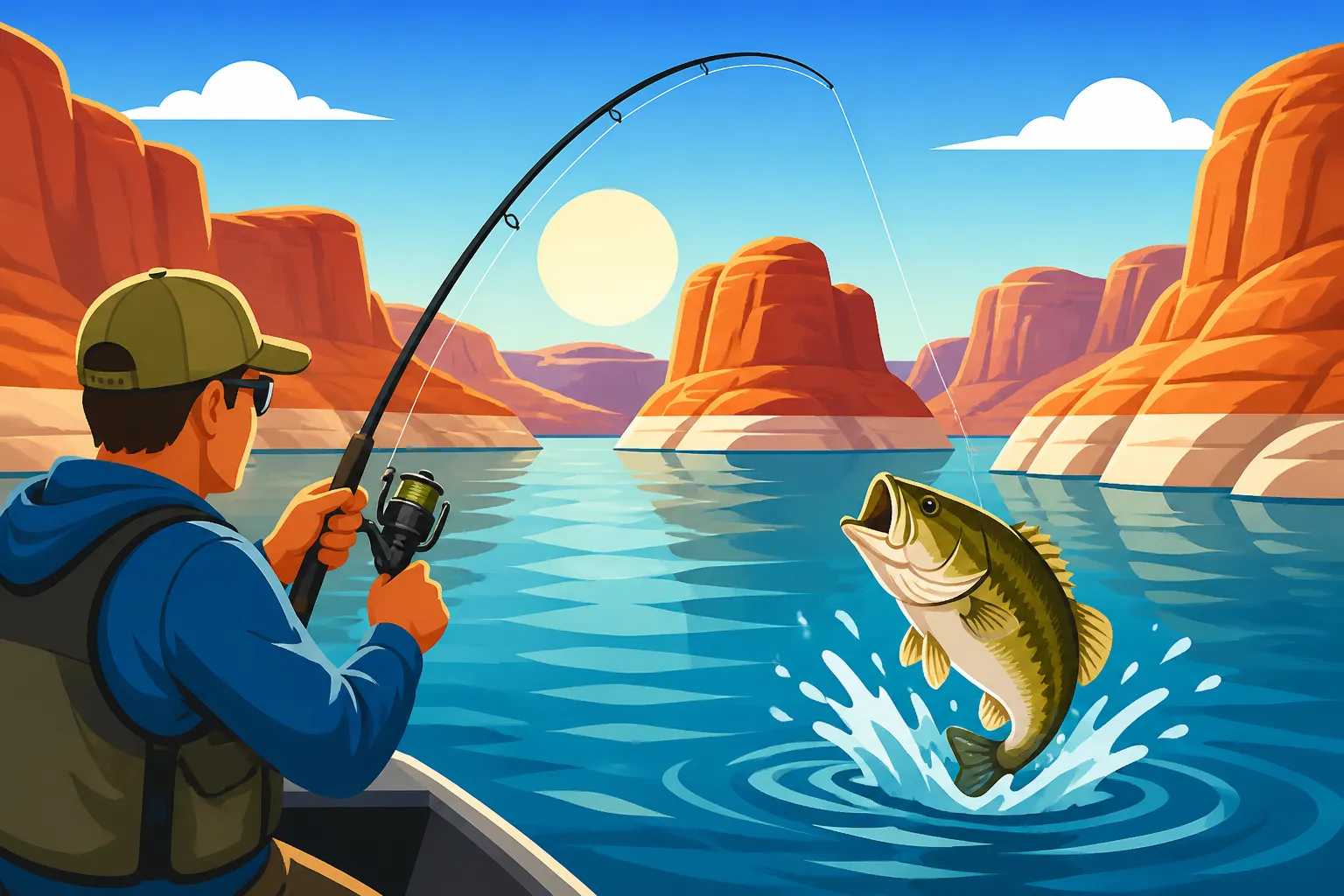
Imagine towering sandstone cliffs plunging into deep, blue-green waters, with hidden coves and sprawling main channels stretching for miles. That's Lake Powell. Unlike the typical treelined lakes or flat desert impoundments, Lake Powell's geology creates an intricate underwater world full of ledges, drop-offs, submerged structures, and countless canyons that serve as prime fish habitat. This isn't just about catching fish; it's about doing it in one of the most visually stunning environments you can imagine. The stark beauty of the Arizona desert meeting this immense body of water creates a backdrop that is truly awe-inspiring, making every sunrise over the water an event in itself.
The unique ecosystem here, influenced by fluctuating water levels and the geology of the Colorado River, means that fish behavior and patterns can be distinct from other fisheries. Anglers often find themselves adapting to these unique conditions, which adds an extra layer of challenge and reward to the experience. It's a place where you're constantly learning and observing, which is part of its enduring appeal.
Abundant Fisheries and Diverse Species
What truly sets Lake Powell apart for fishing enthusiasts is the incredible abundance and diversity of its fish populations. While it’s primarily famous for its phenomenal striped bass fishery, Lake Powell also boasts thriving populations of both largemouth and smallmouth bass, as well as decent numbers of walleye and crappie. This means that no matter your preferred style of fishing or target species, there’s likely something for you here. The sheer volume of water provides ample space for these fish to grow, and the rich forage base ensures they are healthy and strong.
The lake's vastness supports these diverse species by offering a wide range of habitats, from shallow, sun-warmed coves perfect for bass to deep, cool canyon walls where stripers school. This diversity also means that if one species isn't biting, you always have other options to pursue, keeping your fishing day exciting and productive. It’s a place where you might start the day chasing topwater stripers and end it jigging for smallmouth in a shaded canyon. For a broader look at the best fishing spots in Arizona, you might want to check out our guide on Best Fishing Lakes in Arizona.
Scenic Beauty and Recreational Opportunities Beyond Fishing
Beyond the fantastic fishing, Lake Powell is a world-class destination for all sorts of outdoor activities. The scenic beauty is simply unparalleled. Cruising through narrow canyons like Antelope Canyon or exploring hidden beaches feels like stepping into a National Geographic special. It's common to see kayaks paddling silently into slot canyons, houseboats anchored in secluded coves, and hikers exploring the shoreline trails.
This means your fishing trip can easily turn into a comprehensive family vacation or an adventurous getaway with friends. You can spend part of your day fishing, then switch to watersports, photography, or simply relaxing on a sandy beach. The Glen Canyon National Recreation Area, which encompasses Lake Powell, offers numerous opportunities for camping, hiking, and sightseeing, ensuring there's never a dull moment. The blend of world-class fishing with such stunning natural beauty and recreational options creates an experience that goes far beyond just catching fish.
Understanding Lake Powell's Geography and Fish Habitats
To truly unlock Lake Powell's fishing potential, you need to grasp its unique geography. This isn't a simple bowl-shaped lake; it's an intricate network of main channels, side canyons, coves, and submerged structures, all carved into ancient sandstone. Understanding this complex underwater landscape is key to locating fish and predicting their movements.
The Vastness and Complex Structure of the Lake
Lake Powell is immense, stretching approximately 186 miles from Lees Ferry in Arizona to the upstream reaches near Hite, Utah, boasting an astounding 1,960 miles of shoreline at full pool – more than the entire Pacific coastline of California. This vastness means that fish can be spread out, but it also means there's an incredible amount of diverse habitat to explore. The lake bed itself is a submerged canyon country, filled with original river channels, tributary canyons, ledges, sheer cliff faces, and massive rock formations.
Think of it like an underwater mountain range with valleys and peaks. Fish use these structures for cover, ambush points, and thermal refuge. Understanding contour lines on a map, or using a good fish finder, becomes crucial here. Largemouth bass might relate to submerged brush and rocky points in shallow coves, while smallmouth bass often prefer the steeper, rocky ledges of the main channel and side canyons. Striped bass, being pelagic, will roam the open water but frequently school up around prominent points, humps, and baitfish concentrations, often relating to the old river channel. The sheer scale can be daunting, but with a strategic approach, it can be incredibly rewarding.
Key Fishing Zones and Major Canyons
Lake Powell can generally be broken down into several major fishing zones, each with its own character and prime species. The lower lake, closer to Glen Canyon Dam near Page, Arizona, tends to be deeper, clearer, and often holds concentrations of striped bass and smallmouth bass. Popular areas here include Wahweap, Antelope Point, and the main channel extending towards Padre Bay. These areas are characterized by steep canyon walls and deep water access.
As you move up-lake towards the middle sections, areas like Warm Creek Bay, Padre Bay, and the San Juan Arm start to offer a mix of deeper and shallower water, with more complex structures and feeder canyons. This is often where you'll find excellent largemouth bass fishing alongside stripers and smallmouth. The upper reaches of the lake, including the Escalante and Dirty Devil arms, tend to have more turbid water, shallower depths, and often better opportunities for catfish and crappie, especially in areas with submerged timber and brush.
Each major canyon, from Navajo Canyon to Rock Creek Canyon, offers unique fishing prospects. For instance, the main channel from Antelope Point to Padre Bay can be fantastic for striped bass boils in the summer, while the quieter, sun-drenched backs of smaller canyons might hold pre-spawn largemouth in the spring. Exploring these varied zones is part of the adventure of Lake Powell fishing.
Water Levels and Their Impact on Fishing
Perhaps no single factor influences fishing at Lake Powell more dramatically than its water levels. As a reservoir in a desert environment, Lake Powell experiences significant fluctuations in its water elevation, which can change not just year-to-year, but sometimes even month-to-month. These changes directly impact fish habitat, access to spawning grounds, and the availability of cover and forage. You can monitor Drought Water Levels at Lake Powell to stay informed.
When water levels are rising, fish often move into newly flooded vegetation or structure, seeking out new feeding grounds and spawning areas. This can make fishing challenging as fish are dispersed, but also rewarding as new opportunities emerge. Conversely, during periods of falling water, fish tend to concentrate in remaining cover or deeper channels, making them easier to locate, but also potentially stressing them. Falling water can expose prime habitat, making structure visible that was once submerged, offering clues for future high-water fishing. For example, a submerged tree line that holds bass at a certain depth will become a different kind of cover as the water drops. Successful anglers at Lake Powell are those who pay close attention to current water levels and adapt their strategies accordingly, using maps and local knowledge to understand how the current level impacts the spots they intend to fish.
Key Fish Species to Target at Lake Powell
Lake Powell is renowned for its diverse sportfish populations, offering something for every type of angler. While several species call this immense reservoir home, a few stand out as prime targets for most fishing trips.
Legendary Striped Bass Fishing
Without a doubt, the striped bass is the star of Lake Powell. These hard-fighting, schooling fish dominate the open waters and are responsible for many of the lake's most exhilarating fishing experiences, particularly the famous "striper boils." Stripers thrive in Lake Powell's vast, deep, and nutrient-rich waters, growing to impressive sizes. Their predatory nature means they're constantly on the hunt for baitfish like threadfin shad, often leading to aggressive feeding frenzies that erupt on the surface.
Targeting striped bass can involve a variety of techniques. During a boil, throwing topwater lures, spoons, or even flies into the churning water can lead to explosive strikes. When boils aren't happening, stripers are often found in deep schools, particularly around main lake points, submerged humps, and the old river channel. Here, vertical jigging with heavy spoons, umbrella rigs, or trolling with deep-diving crankbaits are highly effective methods. For more in-depth information, refer to our Striped Bass Fishing Guide for Arizona. It’s common for anglers to catch dozens of stripers in a single outing, making for incredible action and excellent table fare. The daily bag limit for striped bass at Lake Powell is generous, encouraging anglers to keep what they catch to help manage their population which can sometimes outcompete other species. Check out Striped Bass Limit at Lake Powell for current regulations.
Robust Largemouth and Smallmouth Bass Populations
While stripers often steal the spotlight, Lake Powell offers phenomenal fishing for both largemouth and smallmouth bass. These two species present different challenges and opportunities, appealing to bass anglers looking for specific types of action.
-
Largemouth Bass: These green giants prefer the shallower, warmer, and often muddier waters found in the backs of canyons and larger bays. They gravitate towards submerged brush, rock piles, and patchy vegetation, ambushing prey from cover. Spring is prime time for largemouth as they move into these shallower areas to spawn, making them susceptible to spinnerbaits, crankbaits, jigs, and soft plastics. During the hotter summer months, they'll retreat to shade and deeper structure, often in the 15-30 foot range, requiring different tactics like drop-shotting or Texas-rigged worms. Look for them in areas like Warm Creek Bay, Antelope Point (specifically some of the coves), and various sections of the San Juan arm. For more specific tactics, consult our Largemouth Bass Fishing Guide for Arizona. The Largemouth Bass Limit at Lake Powell provides details on keeping your catch.
-
Smallmouth Bass: Known for their bronze color and tenacious fight, smallmouth bass thrive in Lake Powell's clear, rocky environments. They prefer cooler, deeper water and are often found relating to steep canyon walls, rocky points, ledges, and submerged rock piles along the main channel. Lake Powell's geology is practically tailor-made for smallmouth, and they can be found throughout much of the lake, but are particularly abundant in the lower lake, from Wahweap up to Padre Bay. Popular lures include tubes, grubs, drop-shot rigs, and small crankbaits that mimic crayfish or shad. They are aggressive fighters, pound-for-pound, and provide thrilling action on lighter tackle. You can learn more about targeting them in our Smallmouth Bass Fishing Guide for Arizona. Don't forget to check the Smallmouth Bass Limit at Lake Powell before you head out.
Other Notable Catches: Walleye and Crappie
While not as dominant as the bass species, Lake Powell also offers exciting opportunities for walleye and crappie, especially for anglers willing to seek them out.
-
Walleye: These elusive, delicious fish are present in Lake Powell, though not in the same numbers as in some northern fisheries. They are typically found in deeper, cooler water, often relating to structure near the old river channel. They are most active at dawn, dusk, and even at night. Trolling with crankbaits or vertical jigging with blade baits or jigs tipped with live minnows are popular methods. Areas in the main channel, especially in the middle to upper reaches of the lake, can hold good populations. Catching a walleye here is often considered a trophy, prized for its excellent flavor.
-
Crappie: Both black and white crappie can be found in Lake Powell, particularly in the upper, more turbid arms of the lake where there is more submerged timber and brush. They school up around these structures, especially during the spring spawn when they move into shallower water. Jigs tipped with small plastics, live minnows under a bobber, or tiny crankbaits are effective. The San Juan arm and other tributary canyons with submerged trees are excellent places to look for crappie. While not a primary target for all anglers, those who specifically seek them out can find fantastic action, especially in the spring.
Best Fishing Seasons and Times for Lake Powell
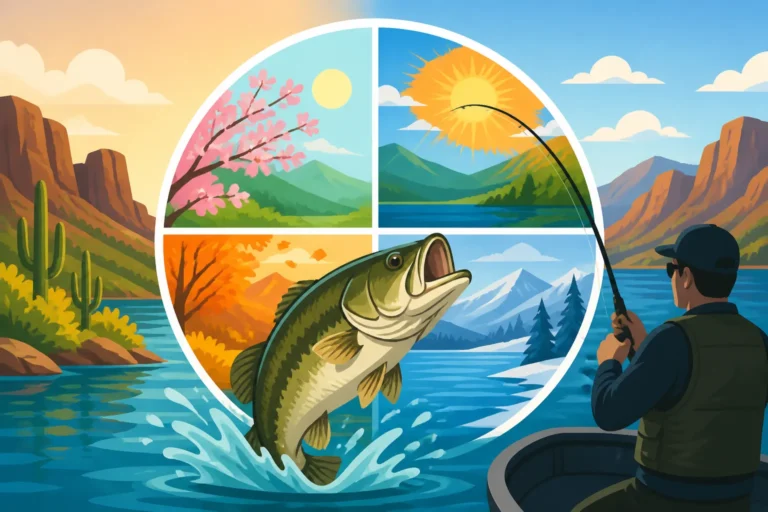
Lake Powell is a year-round fishery, but fish behavior and optimal fishing techniques change dramatically with the seasons. Understanding these shifts is crucial for planning a successful trip. The Best Time of Year to Fish Lake Powell will vary significantly depending on your target species and desired fishing experience.
Spring: Pre-Spawn Action and Productive Depths
Spring on Lake Powell, typically from March through May, is a phenomenal time for all species as water temperatures begin to rise, signaling the start of the spawn. This transition period brings fish out of their deep winter haunts and into shallower, more accessible waters.
- Striped Bass: While not spawning, stripers become incredibly active. They'll start chasing baitfish more aggressively and can be found in coves and bays where bait is congregating. Early spring can offer some fantastic trolling opportunities in the main channels, while later in the spring, you might even start to see early boils as water temperatures increase and shad become more active. Look for them holding on points and ledges leading into spawning areas.
- Largemouth Bass: This is arguably the best time for largemouth bass. As water temperatures climb into the 55-65 degree Fahrenheit range, they move into the backs of coves and protected bays to prepare for and engage in spawning. Anglers can target them with spinnerbaits, crankbaits, jigs, and soft plastics fished around submerged brush, rocks, and points. The pre-spawn bite can be particularly aggressive.
- Smallmouth Bass: Similar to largemouth, smallmouth will begin their spawn when water temperatures reach the low 60s. They'll gravitate towards rocky points, ledges, and gravel bottoms in these shallower areas. Drop-shot rigs, tubes, and grubs fished slowly are highly effective. The clear waters of the lower lake are particularly good for sight fishing smallmouth on their beds.
Summer: Topwater Boils and Deep Water Tactics
Summer, from June through August, brings the desert heat, but also some of Lake Powell's most iconic fishing. This is the season of the famous "striper boils" and requires adapting to deeper water for other species.
- Striped Bass: This is prime time for striped bass. Early mornings and late evenings often see massive schools of stripers pushing shad to the surface, creating explosive "boils." These are sight-fishing opportunities where anglers cast topwater lures, spoons, or swimbaits directly into the feeding frenzy. Mid-day, when boils subside, stripers will retreat to deeper water, often 30-80 feet, where they can be caught by vertical jigging or trolling with deep-diving lures. You can learn How to Find Striper Boils on Lake Powell for better success.
- Largemouth & Smallmouth Bass: With the surface water heating up, bass move deeper to find cooler, more stable temperatures. They'll relate to deep structure, rock piles, ledges, and submerged timber, often in 20-50 feet of water. Targeting them requires finesse techniques like drop-shotting, Carolina rigging, or jigging spoons. Early mornings and late evenings might still offer a shallow bite, but the bulk of the day demands deep-water tactics. This can be a challenging but rewarding time for dedicated bass anglers. The Best Time of Year to Fish for Bass in Summer focuses on these specific tactics.
Fall: Feeding Frenzies and Transitioning Patterns
Fall, from September through November, is another fantastic season on Lake Powell. As water temperatures begin to cool, baitfish become more active, and all species engage in aggressive feeding frenzies in preparation for winter.
- Striped Bass: Fall is arguably the best time for consistent striped bass action. Boils continue, often lasting longer into the day, and stripers are actively chasing shad throughout the water column. Trolling and casting are both incredibly effective. The cooler temperatures also make for a more comfortable fishing experience. The stripers are often at their fattest and strongest during this period.
- Largemouth & Smallmouth Bass: Bass also go on a strong fall bite. They move out of their deep summer haunts and spread out along ledges, points, and even back into the shallower coves, aggressively feeding on shad and crayfish. Reaction baits like crankbaits, spinnerbaits, and swimbaits become highly effective as bass chase down their prey. Fall fishing for bass is often characterized by high numbers and strong fights as the fish bulk up for winter.
Winter: Challenging but Rewarding Deep Water Fishing
Winter, from December through February, presents the toughest conditions but can offer some truly exceptional fishing for those willing to brave the cold. Fish are typically deep and lethargic, but concentrated.
- Striped Bass: Stripers will school tightly in very deep water, often 60-100+ feet, usually in the main channel or larger side canyons. They become sluggish but can still be caught by vertical jigging heavy spoons or blade baits directly on top of the schools. A good fish finder is absolutely essential for winter striper fishing. The bite can be subtle, but when you find them, you can often catch multiple fish from the same school.
- Largemouth & Smallmouth Bass: Bass also retreat to deep water, usually suspending over structure or holding tight to rock piles and ledges in 30-70 feet. Finesse techniques are paramount: slow-moving jigs, drop-shot rigs, and small spoons. The bite will be light, requiring sensitive rods and keen attention. While not as high-volume as spring or fall, winter can yield some of the largest bass of the year for patient and skilled anglers.
Effective Fishing Techniques for Lake Powell
Lake Powell’s unique structure and diverse fish species demand a versatile approach to fishing. What works in a shallow, brushy cove for largemouth will be entirely different from what you use for schooling stripers in the main channel.
Trolling and Casting for Striped Bass
These are two of the most popular and effective methods for targeting Lake Powell's prolific striped bass.
- Trolling: Trolling is an excellent way to cover vast amounts of water and locate active schools of stripers, especially when they aren't actively boiling. Anglers typically use large, deep-diving crankbaits that imitate shad, spoons, or umbrella rigs pulled behind the boat. Varying your speed, depth, and lure presentation until you find what the fish prefer is key. Trolling along main lake points, over submerged humps, or through the old river channel can be highly productive. Many anglers will use multiple rods set at different depths and distances behind the boat to maximize their chances. When you find a school, you can often turn around and make another pass.
- Casting: Casting becomes the technique of choice when striped bass are actively feeding on the surface in "boils." These exhilarating events see hundreds, sometimes thousands, of stripers driving schools of shad to the surface, creating a churning, splashing frenzy. Anglers quickly cast topwater lures, spoons (like a Kastmaster or Krocodile), or swimbaits into the boil. The key is to get your lure into the action quickly and retrieve it aggressively to mimic a fleeing baitfish. Even when boils aren't happening, casting lipless crankbaits, swimbaits, or spoons around prominent points and submerged structure can pick off individual stripers. For those seeking a guided experience or wanting to learn from local experts, a service like FishingBooker can connect you with experienced Lake Powell guides who specialize in these techniques.
Targeting Bass in Structure and Ledges
Bass fishing at Lake Powell is all about understanding structure. Both largemouth and smallmouth bass are highly structure-oriented, using rocks, ledges, and submerged cover for ambush points and protection.
- Largemouth Bass: For largemouth, focus on the backs of coves, rocky points with brush, and areas with submerged timber. In spring, shallow presentations are key: pitching jigs or Texas-rigged soft plastics into visible cover, or cranking square-bill crankbaits over rocky bottoms. During summer and winter, largemouth retreat to deeper ledges and submerged brush piles. Drop-shotting finesse worms, Carolina rigging lizards, or slow-dragging jigs can coax bites. Always pay attention to shade lines and current, as these often concentrate fish.
- Smallmouth Bass: Smallmouth are kings of the rocky ledges and deep canyon walls. They love vertical structure. Techniques like drop-shotting a small worm or creature bait right on the ledge, or throwing a tube jig or grub that mimics a crayfish, are deadly. Vertically jigging spoons or blade baits along steep drops can also be very effective, especially in deeper water. Look for irregularities in the rock face, small shelves, or transitions in rock type. The clarity of Lake Powell's water in smallmouth habitat means fluorocarbon line is often preferred for its low visibility. Our Best Baits and Lures for Arizona Fishing guide has more detailed information on specific tackle for these situations.
Live Bait and Cut Bait Strategies
While artificial lures are incredibly popular, live bait and cut bait can be exceptionally effective on Lake Powell, particularly for certain species or when the bite is tough.
- Live Bait for Bass and Crappie: Live minnows are a go-to choice for both crappie and bass, especially in cooler water or when fish are lethargic. For crappie, a small minnow fished under a bobber near submerged brush or timber is hard to beat. For bass, a larger shiner or minnow fished on a Carolina rig or a slip bobber near points and ledges can entice strikes from finicky fish. The natural action and scent of live bait can often trigger a bite when artificials fail.
- Cut Bait for Catfish and Striped Bass: While not as commonly targeted, flathead and channel catfish are present in Lake Powell, particularly in the upper, murkier sections. Cut bait, such as shad, anchovies, or even hot dogs, fished on the bottom can be very effective for these species, especially at night. For striped bass, cut shad can also be a potent weapon, particularly when fished in deep water on a paternoster rig or ledger rig. The scent trail it leaves in the water can draw in stripers from a distance, making it a reliable method when boils are absent or fish are holding deep.
Essential Gear and Boat Considerations for Lake Powell
Embarking on a fishing adventure at Lake Powell requires careful planning regarding your gear and mode of transport. The vastness of the lake and the diverse fishing opportunities mean that having the right equipment can make all the difference.
Recommended Rods, Reels, and Line for Lake Powell
Your rod, reel, and line setup are the foundational elements of your fishing arsenal.
- Rods: For striped bass, especially when targeting boils or trolling, a medium-heavy to heavy action spinning or baitcasting rod, typically 7 to 8 feet long, is ideal. This length provides good casting distance and leverage for fighting strong fish. For largemouth and smallmouth bass, a diverse range of rods is useful. A 6'6" to 7' medium-heavy baitcasting rod is excellent for jigs, crankbaits, and Texas rigs. For finesse techniques like drop-shotting, a 7-foot medium-light to medium power spinning rod with a fast action tip is perfect for detecting subtle bites.
- Reels: For stripers, a sturdy spinning reel in the 4000-5000 size range or a robust baitcasting reel with a strong drag system is recommended. For bass, a 2500-3000 size spinning reel for finesse or a high-quality baitcasting reel with a fast gear ratio (7.1:1 or higher) for quick lure retrieves and taking up slack line are solid choices.
- Line: Line choice is crucial. For striped bass, 15-20 lb monofilament or fluorocarbon main line, or 30-50 lb braided line with a 15-20 lb fluorocarbon leader, is common. Braided line offers superior sensitivity and strength for deep water jigging. For bass, consider 10-15 lb fluorocarbon for sensitivity and low visibility in clear water, or 15-20 lb braided line with a fluorocarbon leader for fishing around heavy cover. Our guide on the Best Line for Bass Fishing provides further details to help you make informed choices.
Must-Have Lures and Baits for Each Species
Having a well-stocked tackle box tailored to Lake Powell's species is key.
- Striped Bass: Essential lures include heavy metal spoons (Kastmaster, Krocodile, War Eagle Spoon), topwater poppers and walking baits (Zara Spook, Lucky Craft Sammy), swimbaits (soft plastic or hard-bodied), and deep-diving crankbaits (Bandit, Storm Deep Thunder). Live threadfin shad or anchovies (where legal and available) are also highly effective as cut bait.
- Largemouth Bass: Your box should contain various soft plastics (worms, creature baits, flukes for Texas, Carolina, and drop shot rigs), jigs (football, skipping), crankbaits (square bills for shallow, deep divers for open water), spinnerbaits, and perhaps a few topwater frogs or poppers for low-light conditions.
- Smallmouth Bass: Focus on finesse. Tubes, grubs (e.g., Kalin's Grubs), small paddle-tail swimbaits, small crankbaits that mimic crayfish, and drop-shot worms (Roboworm, Yamamoto Senko) are must-haves. A few small jerkbaits can also be productive.
- Crappie/Walleye/Catfish: For crappie, small jigs with grub bodies, tiny crankbaits, and live minnows are best. For walleye, consider blade baits, jigging spoons, and slender crankbaits. For catfish, stink baits, cut bait (like shad), and hot dogs are effective.
A versatile approach to your tackle box, reflecting the diverse species available, will ensure you're prepared for whatever Lake Powell throws at you.
Boat Types and Essential Onboard Equipment
Given Lake Powell’s immense size and often windy conditions, a suitable boat is almost essential for effective fishing, especially if you plan to explore beyond the immediate launch areas.
- Boat Types:
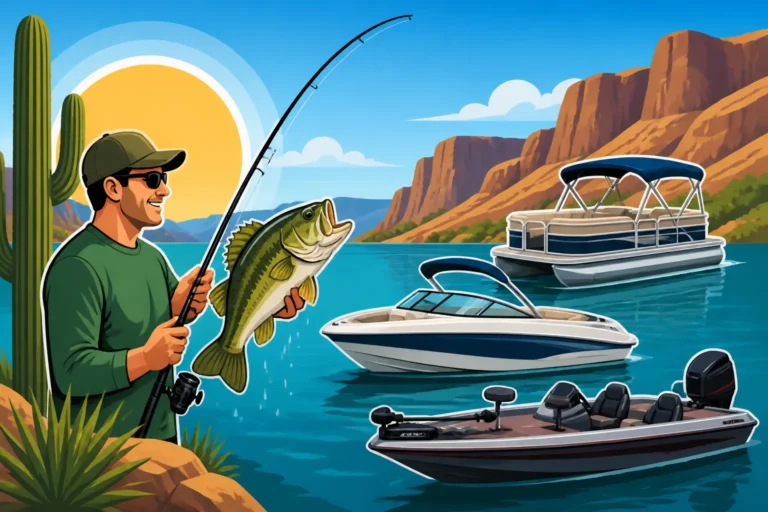
- Bass Boats: Excellent for serious bass anglers, offering speed, shallow water access, and specialized features like livewells and powerful trolling motors.
- Deck Boats/Pontoons: Great for families, offering comfort and stability, and suitable for light fishing. They're slower but spacious.
- V-Hull Boats/Center Consoles: Versatile, handling rougher water well, and suitable for multiple fishing styles, including trolling for stripers.
- Kayaks/Canoes: While possible, these are best suited for exploring smaller, protected coves or narrow canyons on calm days. They offer a unique, intimate fishing experience.
- Essential Onboard Equipment:
- Fish Finder/Sonar with GPS: Absolutely critical for navigating the vast lake, identifying structure, and locating fish schools, especially for deep-water species.
- Life Jackets (PFDs): Required by law for every person on board, and crucial for safety. For children, the PFD Requirements for Kids in Arizona are very specific.
- Anchor(s): Essential for holding position in windy conditions or when fishing specific spots.
- Cooler: For keeping drinks, snacks, and your catch fresh, especially in the Arizona heat. Our Best Coolers for Hot-Weather Fishing in Arizona guide can help you choose the right one.
- First-Aid Kit: For minor injuries.
- Basic Tool Kit: For minor boat repairs or tackle adjustments.
- Paddle/Oars: As backup propulsion.
- Sun Protection: Sunscreen, hats, polarized sunglasses are non-negotiable in the intense desert sun.
- Ample Water: Hydration is vital in the arid environment.
Whether you're bringing your own vessel or considering renting one at a marina like Wahweap or Antelope Point, ensure it's well-equipped and you're familiar with its operation before heading out. Safety should always be your top priority on such a large body of water.
Regulations and Permits for Fishing Lake Powell
Fishing Lake Powell means navigating regulations that span two states and a National Recreation Area. It’s crucial to understand these rules to avoid fines and ensure a responsible fishing trip.
Arizona and Utah Fishing Licenses
Lake Powell straddles the border of Arizona and Utah, which can be a point of confusion for anglers. To legally fish the entire lake, you traditionally needed licenses from both states. However, there's a reciprocal agreement in place to simplify things:
- Arizona Fishing License: If you possess a valid Arizona fishing license with a valid Utah reciprocity stamp, you can fish anywhere on Lake Powell. The Arizona Game and Fish Department (AZGFD) offers a specific "Utah Reciprocity Stamp" add-on. For full details on obtaining one, see our Arizona Fishing License Guide.
- Utah Fishing License: Similarly, a valid Utah fishing license with an Arizona reciprocity stamp allows you to fish the entire lake.
- Important Note: Always verify the latest reciprocity agreements as they can change. It's always a good idea to carry your physical licenses and stamps with you. The cost of a Arizona Fishing License Cost varies based on residency and duration. For non-residents, understanding the Arizona Nonresident Fishing License Guide is especially important. If you plan to hire a guide, ensure they are properly licensed for both states as well.
Special Rules for the Glen Canyon National Recreation Area
Lake Powell is located within the Glen Canyon National Recreation Area (GCNRA), managed by the National Park Service. While fishing licenses are handled by Arizona and Utah, certain additional rules apply due to the federal management:
- Vessel Registration: All motorized vessels and sailboats over 12 feet in length must be registered with the National Park Service and display a GCNRA Use Fee sticker. This is separate from your state boat registration.
- Quagga Mussels: There are strict regulations to prevent the spread of invasive quagga and zebra mussels. All vessels launched on Lake Powell must undergo inspection and adhere to "Clean, Drain, Dry" protocols before launching into or leaving the lake to prevent the transfer of these invasive species to other waters. Failure to comply can result in significant fines.
- Launch Ramp Access: Certain launch ramps may have specific operating hours or fees. Always check the current conditions and accessibility before planning your launch.
- Environmental Protection: Adhere to all Leave No Trace principles. Pack out all trash, dispose of fish waste properly, and avoid disturbing wildlife or damaging natural formations.
Bag and Possession Limits
Understanding bag and possession limits is critical for ethical and legal fishing. These limits are typically set by the Arizona Game and Fish Department and the Utah Division of Wildlife Resources and apply to Lake Powell under the reciprocal agreement.
- Striped Bass: Lake Powell has a very generous, or often no, bag limit on striped bass. This is because they are non-native and their population can be so prolific that it impacts the forage base for other species. Many anglers are encouraged to keep all the stripers they catch. Always check the most current regulations for Striped Bass Limit at Lake Powell as these can change.
- Largemouth & Smallmouth Bass: These species usually have specific daily bag and possession limits, as well as minimum size requirements. These are typically more restrictive than for stripers to protect the populations. For specific numbers, refer to Largemouth Bass Limit at Lake Powell and Smallmouth Bass Limit at Lake Powell.
- Other Species: Walleye and crappie also have their own specific bag and possession limits.
- Check Before You Go: Regulations, especially bag and possession limits, can be updated seasonally or annually. Always consult the latest Arizona Fishing Regulations booklet (available online or at license dealers) before your trip. This ensures you're compliant and helps conserve the fishery for future generations.
Planning Your Lake Powell Fishing Trip
A successful Lake Powell fishing trip goes beyond just knowing where and how to fish. Thoughtful planning regarding logistics, accommodations, and safety can turn a good trip into a truly great one.
Choosing a Launch Point and Marina
Lake Powell is vast, and choosing the right launch point can significantly impact your fishing experience, especially if you have a specific area or species in mind. The primary marinas offer a range of services and access to different parts of the lake.
- Wahweap Marina (Page, AZ): This is often considered the main gateway to Lake Powell from the Arizona side. It's the largest marina with extensive facilities including lodging, restaurants, boat rentals, and multiple launch ramps. It offers easy access to the lower lake, known for its clear waters and excellent smallmouth and striped bass fishing in areas like Padre Bay and Antelope Canyon. If you're coming from the Phoenix or Flagstaff area, this is usually the most convenient entry point.
- Antelope Point Marina (Page, AZ): Located closer to the famous Antelope Canyon, this marina is tribally owned and offers a high-end experience with a floating restaurant, houseboating, and various services. It provides similar access to the lower lake and is a great option if you're looking for a more upscale base of operations.
- Bullfrog Marina & Halls Crossing (Utah): These marinas are located in the upper-middle section of the lake, on opposite sides of the lake from each other, and are major access points from the Utah side. They provide access to different fishing zones, often with more turbid water and diverse habitats that can be excellent for largemouth bass, crappie, and catfish, especially further up the San Juan or Escalante arms.
- Dangling Rope Marina (Mid-Lake): Only accessible by boat, Dangling Rope offers fuel, restrooms, and basic supplies, acting as a crucial re-supply point for anglers venturing into the middle sections of the lake. Planning your fuel stops, especially on long trips, is essential.
Consider the species you want to target, the type of boat you have (or plan to rent), and where you're traveling from when selecting your launch point. Booking boat rentals or guided trips, perhaps through services like FishingBooker, often requires you to coordinate with a specific marina.
Accommodations and Local Services
Lake Powell offers a wide range of accommodation options, from rustic camping to luxurious resorts, catering to different budgets and preferences.
- Lodging: In Page, Arizona, you’ll find numerous hotels and motels, ranging from budget-friendly chains to more boutique options. Many offer amenities like pools and complimentary breakfast. Near the marinas, specifically Wahweap, there are resorts like Lake Powell Resort that provide lake-view rooms, dining, and direct access to marina services. Booking well in advance is highly recommended, especially during peak seasons (spring break, summer holidays).
- Camping: For those who prefer a more immersed outdoor experience, there are several campgrounds operated by the National Park Service around the marinas, offering both developed sites with hookups and more primitive options. Dispersed camping on sandy beaches along the shoreline is also a popular (and incredible) option for those with boats, allowing you to set up camp in secluded coves. This truly enhances the remote wilderness feel of a Lake Powell trip.
- Boat Rentals & Guides: If you don't have your own boat, major marinas offer a variety of boat rentals, from small fishing boats to houseboats. For those seeking expert knowledge and a hassle-free experience, hiring a fishing guide is an excellent choice. Guides intimately know the lake, current fish patterns, and all the best techniques. Websites like FishingBooker are a great resource for finding and booking reputable local guides for a personalized fishing adventure.
- Supplies: Page, Arizona, has grocery stores, tackle shops, and other essential services to stock up on food, drinks, fishing tackle, and any forgotten items before heading out on the lake. Be sure to fuel up your vehicle and boat before you launch, as on-lake fuel can be significantly more expensive.
Staying Safe in the Arizona Desert Environment
Lake Powell’s remote, desert environment demands a strong emphasis on safety. Conditions can change rapidly, and being prepared is paramount.
- Hydration: The desert sun and dry air can lead to rapid dehydration. Carry much more water than you think you’ll need, and drink regularly, even if you don't feel thirsty. Electrolyte drinks can also be beneficial.
- Sun Protection: The UV index in this region is very high. Wear wide-brimmed hats, long-sleeved UPF-rated clothing, polarized sunglasses, and apply high-SPF sunscreen frequently. Sunburn and heatstroke are serious risks.
- Weather Awareness: Lake Powell can experience sudden, strong winds that can create dangerous chop on the water. Monsoon storms in summer can bring intense thunderstorms with lightning and heavy rain. Always check the marine weather forecast before and during your trip. If you see dark clouds or feel strong winds building, seek shelter in a protected cove or head back to the marina.
- Boating Safety: Familiarize yourself with all Boating Safety Gear Requirements in Arizona. Ensure your boat is in good working order, you have enough fuel, and all safety equipment (life jackets, fire extinguisher, signal devices) is on board and accessible. Inform someone of your float plan – where you're going and when you expect to return.
- Navigation: While breathtaking, the vastness of Lake Powell means it’s easy to get lost, especially in side canyons. A reliable GPS unit with detailed mapping is indispensable. Keep an eye on your surroundings and familiar landmarks, especially if water levels have changed.
By taking these safety precautions, you can focus on enjoying the incredible fishing and scenery Lake Powell has to offer without unnecessary worries.
Disclaimer
Please remember that fishing regulations, conditions, and availability of services can change. Always check the latest information from the Arizona Game and Fish Department, Utah Division of Wildlife Resources, and the Glen Canyon National Recreation Area before planning your trip. This guide is for informational purposes only and does not constitute official legal advice regarding fishing or boating regulations.