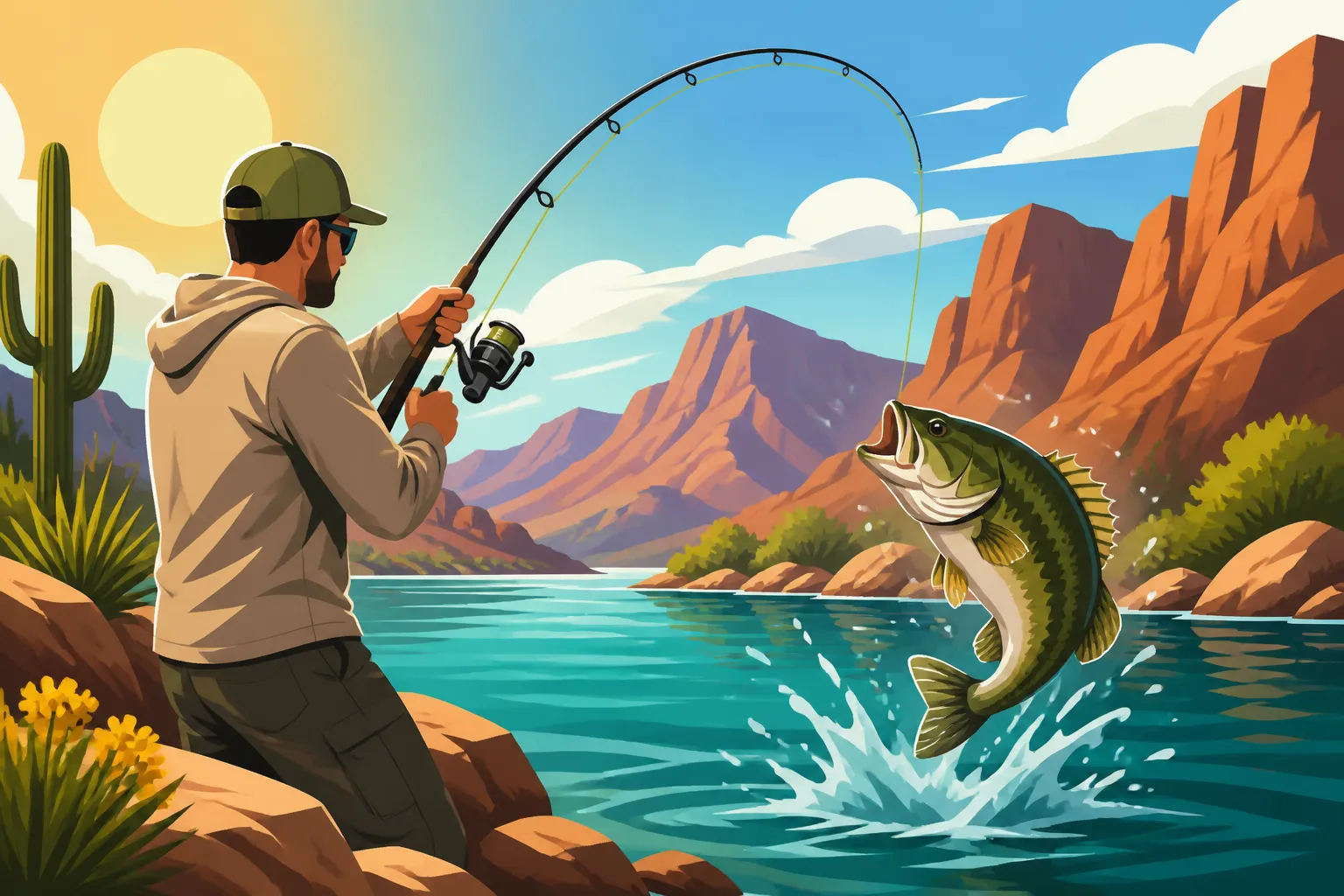
Willow Beach Arizona Fishing Guide
Fishing at Willow Beach in Arizona presents a truly unique challenge and reward for anglers. It's not your typical desert lake; instead, you're faced with an incredibly clear, consistently cold stretch of the Colorado River, where trophy-sized fish lurk in depths that defy the surrounding scorching landscape. Many anglers arrive expecting the warm-water tactics that work elsewhere in the state, only to find themselves scratching their heads when the fish aren't biting. This comprehensive guide will peel back the layers of this fascinating fishery, offering detailed insights into its distinct characteristics, the best gear to use, effective techniques, and crucial regulations to ensure your trip to Willow Beach is a resounding success.
What Makes Willow Beach So Unique for Anglers?
Willow Beach isn't just another bend in the river; it's a vibrant, almost otherworldly fishing destination forged by geological forces and human engineering. Its distinct characteristics set it apart from virtually every other fishing spot in Arizona, demanding a different approach and rewarding those who understand its peculiarities.
The Cold, Clear Waters of the Black Canyon
Imagine standing in the middle of the scorching Mojave Desert, surrounded by towering red and black cliffs, only to be confronted by a river that flows with the icy chill of mountain runoff. That's Willow Beach for you. The water here originates from the deep, frigid depths of Lake Mead, released through the base of the Hoover Dam. This constant, controlled flow means the water temperature rarely fluctuates much, often staying in the low to mid-50s Fahrenheit year-round, regardless of the brutal Arizona summer heat overhead. This consistent cold is a game-changer.
Furthermore, the water clarity is astounding. You can often see many feet down into the emerald green depths, a stark contrast to the often murky or stained waters of other Arizona reservoirs. While beautiful, this crystal-clear environment presents a significant challenge: fish have an unobstructed view of your line, your baits, and even your movements on the shore or boat. Stealth becomes paramount, and lighter lines and natural presentations are often the keys to tricking wary fish. This cold, clear water also provides a perfect, oxygen-rich habitat that supports an unusual mix of species for the desert.
A Rare Blend of Fish Species
Most desert lakes in Arizona are warm-water fisheries, dominated by bass, catfish, and crappie, with trout limited to winter stockings. Willow Beach, however, flips that script entirely. Due to its perpetually cold water, it's one of the few places in Arizona where rainbow trout thrive and are stocked year-round. These aren't just small stockers; the abundant food sources and stable environment allow them to grow to impressive sizes, making Willow Beach a premier trout destination.
But the story doesn't end with trout. The cold water also supports a robust population of striped bass, often reaching trophy weights. These formidable predators are drawn to the constant current and, importantly, feed heavily on the stocked trout. This creates an exciting dynamic where anglers might be targeting trout only to have a monstrous striper ambush their catch. You'll also find a surprising number of large channel and flathead catfish in the deeper holes, along with occasional largemouth bass, especially in the calmer coves. This unique blend means you might be reeling in a fat rainbow one minute and battling a hard-fighting striper or a sluggish, giant flathead the next, making every cast an adventure.
Essential Gear and Tackle for Willow Beach Success
Fishing at Willow Beach requires a thoughtful approach to gear. What works for warm-water bass might not cut it in these cold, clear currents. Having the right tools for the job can make all the difference between a frustrating day and a memorable one.
Rod, Reel, and Line Recommendations
Given the diverse species and challenging conditions, you'll likely want to bring a couple of different setups. For targeting the prolific rainbow trout, a light to medium-light spinning rod, typically 6 to 7 feet long, is ideal. Pair this with a 1000 to 2500 series spinning reel spooled with 4 to 6-pound test monofilament or fluorocarbon line. The lighter line is crucial for its low visibility in the clear water and allows for better casting of small baits and lures. A fast action rod will help you feel the subtle bites of trout and set the hook effectively.
When it comes to the hard-fighting striped bass, you'll need to step up your game. A medium-heavy spinning or baitcasting rod, 7 to 8 feet long, is a good choice. Match this with a 3000 to 5000 series spinning reel or a robust baitcasting reel capable of handling larger fish. Spool up with 10 to 20-pound braided line, which offers superior strength and sensitivity, and always add a 20-pound fluorocarbon leader for abrasion resistance and invisibility. For the lurking catfish, especially if you're after those behemoth flatheads, consider a heavy-action catfish rod, 7 to 9 feet, paired with a stout baitcasting reel and 30-50 pound braided line. Remember, the clear water demands subtlety, so even with heavier gear, a fluorocarbon leader is often beneficial.
Best Baits and Lures for Willow Beach
Choosing the right bait or lure at Willow Beach is paramount, as the fish here can be finicky due to the clear water and constant pressure. For the rainbow trout, tried-and-true baits remain highly effective. Scented dough baits like PowerBait, particularly in bright colors like chartreuse, orange, or rainbow, are staples. Many anglers swear by PowerBait infused with garlic or corn scents. Small, natural baits such as salmon eggs, mealworms, or corn kernels also work wonders. When it comes to lures, small inline spinners (like Panther Martin or Rooster Tail), tiny spoons (such as Kastmasters or Super Dupers), and miniature jerkbaits (like the Rapala CountDown) are excellent choices for active trout. These lures mimic small baitfish or insects and can be deadly when retrieved with a subtle flutter or twitch.
For the formidable striped bass, your approach needs to be more aggressive. Live bait, especially threadfin shad or smaller trout (where legal and size limits allow), is incredibly effective. However, live bait regulations can be very specific, so always check the latest Arizona Fishing Regulations Explained before you go. If live bait isn't an option or you prefer artificials, large swimbaits that imitate trout are incredibly popular and productive. Deep-diving crankbaits, especially those with natural baitfish patterns, are excellent for covering water and reaching deeper fish. During the warmer months or when stripers are actively feeding on the surface, topwater lures like poppers or walk-the-dog style baits can lead to explosive strikes. For the substantial channel and flathead catfish that roam the depths, stink baits, cut anchovies or shad, and chicken livers are irresistible. Fishing these on the bottom with a Carolina rig is usually the most productive method. For a more general overview of what to use, check out our guide on the Best Baits and Lures for Arizona Fishing.
Top Fishing Techniques and Strategies
Willow Beach is a place where understanding the local nuances of fishing techniques can truly elevate your experience. It's not just about what you use, but how you present it.
Targeting Trout in the Cold Depths
Rainbow trout are the undisputed stars of Willow Beach, and there are several ways to consistently hook into them. One of the most common and effective methods is bottom fishing with PowerBait. Use a simple Carolina rig: thread a 1/2 to 1-ounce egg sinker onto your main line, tie on a barrel swivel, and then add an 18-36 inch fluorocarbon leader (4-6 lb test) to a small treble hook (size 10-14). Mold a small ball of PowerBait around the hook, ensuring it floats just off the bottom. The key here is to allow the current to gently move your bait, giving it a natural presentation. Target current breaks, eddies, and deeper pockets.
Another highly productive method is drifting or slowly retrieving small spoons or inline spinners. Cast upstream and let the lure tumble and flash naturally with the current, retrieving just fast enough to keep the blade spinning or the spoon wobbling. This mimics struggling baitfish, a strong attractant for hungry trout. For the more adventurous, fly fishing can be incredibly rewarding, especially during cooler months. Popular patterns include midge larvae, caddis nymphs, small streamers, and San Juan worms. Focusing on areas with slower currents or deep pools will yield the best results for fly anglers. Remember, given the clear water, a light touch and subtle movements are often more effective than aggressive presentations.
Pursuing Aggressive Striped Bass
Striped bass at Willow Beach are powerful, predatory fish that require a different approach. If you have a boat, trolling is an incredibly effective way to cover water and locate active schools. Use deep-diving crankbaits or large swimbaits, especially those that imitate trout or shad, trolled at speeds of 2-4 miles per hour. Vary your depths and proximity to structure like drop-offs and submerged ledges. Keep an eye on your fish finder for schools of baitfish or larger arches, which often indicate stripers.
From shore, casting large lures is your best bet. Heavy spoons (like Kastmasters or Krocodiles), bucktail jigs, and large swimbaits can be cast far into the current. Focus on areas where the current creates eddies or where there are distinct changes in depth. Often, the best times to target stripers are during the early morning, late evening, or when they are actively "boiling" on the surface, chasing baitfish. These boils are unmistakable; the water erupts with splashing and feeding fish. If you spot a boil, cast quickly into the frenzy. For beginners, or those wanting to maximize their chances, considering a guided trip with a local expert can be invaluable. Services like FishingBooker can help you find experienced captains who know the ins and outs of Willow Beach's striper patterns, especially locating those elusive boils. Learning How to Fish for Striped Bass can provide even more specialized techniques.
Strategies for Catfish and Other Species
While trout and stripers often steal the spotlight, Willow Beach also holds some truly impressive catfish, particularly flatheads, which can grow to enormous sizes in the Colorado River system. Targeting these whiskered giants often involves anchoring in deeper holes or along slower currents, especially near submerged structure. Use a heavy-duty bottom rig with substantial cut bait, like anchovies, shad, or even larger pieces of chicken liver. Catfish are primarily nocturnal hunters, so night fishing can be incredibly productive, offering a peaceful and often more successful experience. Just be sure to bring adequate lighting and practice safety.
Beyond the main three, you might occasionally encounter largemouth bass in the calmer coves and backwaters, particularly where there's some vegetation. Standard bass tactics like Texas-rigged worms or spinnerbaits will work here. For a fun diversion, especially for kids, panfish like bluegill can be caught using small pieces of worm or PowerBait under a bobber in the shallower, slower areas. Willow Beach offers a diverse angling experience, so being prepared for multiple species can really round out your trip.
Navigating Willow Beach: Access and Regulations
Before you even make your first cast, understanding how to access Willow Beach and adhering to the specific fishing regulations are crucial for a smooth and legal outing. This unique stretch of the Colorado River, while popular, operates under rules designed to protect its distinctive ecosystem and ensure safety.
Public Access Points and Facilities
Willow Beach is a well-developed recreation area managed by the National Park Service, making it fairly accessible. The main hub is the Willow Beach National Fish Hatchery and Marina. Here, you'll find a paved boat launch ramp, making it easy to get your boat or kayak into the water. For those without their own vessel, boat rentals, including pontoon boats and kayaks, are often available at the marina store. This store is also a good place to pick up bait, tackle, snacks, and any last-minute essentials, though selection can sometimes be limited.
Shore anglers will appreciate the designated fishing pier, which provides excellent access to deeper water without the need for a boat. There are also numerous spots along the shoreline where you can cast, particularly below the dam area, though access to some prime spots might require a bit of walking. Camping facilities are available nearby, offering both RV and tent sites, allowing for extended fishing trips and early morning starts. Remember that Willow Beach is part of the Lake Mead National Recreation Area, so expect a National Park Service entrance fee upon arrival. For a broader perspective on the best places to wet a line, check out our guide on the Best Fishing Lakes in Arizona.
Key Arizona Fishing Regulations for Willow Beach
Fishing Willow Beach requires a valid Arizona fishing license. While it’s technically the Colorado River, this section falls under Arizona Game and Fish Department (AZGFD) regulations, even though you might be close to the Nevada border. Make sure your license is current; you can learn more about securing one with our Arizona Fishing License Guide or How to Buy an Arizona Fishing License Online. Children generally have different requirements, so be sure to review the Fishing License Age Requirements in Arizona.
It's absolutely essential to consult the most current AZGFD fishing regulations booklet, specifically for the "Colorado River – Lake Mead to the International Boundary" section. Regulations here can differ significantly from other Arizona waters. For instance, trout bag and possession limits are often more generous due to the year-round stocking program, but always confirm the latest numbers. Striped bass typically have no bag or possession limit, encouraging anglers to harvest them to help balance the ecosystem, but this can change, so always double-check.
Live bait regulations are particularly critical. Generally, using live game fish as bait is prohibited, and there might be restrictions on the transportation and use of certain baitfish species to prevent the spread of aquatic invasive species. Never assume; always verify. Special regulation waters in Arizona can be tricky, and while Willow Beach doesn't usually have highly complex rules, understanding the nuances of its location is key. Familiarize yourself with the overall Arizona Fishing Regulations Explained to avoid any citations.
Here's a quick overview of common target species and typical gear:
| Target Species | Recommended Rod & Reel | Line Type & Weight | Preferred Baits & Lures |
|---|---|---|---|
| Rainbow Trout | Light spinning, 6-7 ft, 1000-2500 reel | Mono/Fluoro, 4-6 lb | PowerBait, Salmon Eggs, Small Spoons, Inline Spinners |
| Striped Bass | Medium-Heavy spinning/baitcasting, 7-8 ft, 3000-5000 reel | Braid, 10-20 lb (Fluoro leader) | Live Shad/Minnows, Swimbaits (Trout imitations), Deep Crankbaits, Topwater |
| Channel Catfish | Medium-Heavy to Heavy spinning/baitcasting, 7-9 ft | Braid/Mono, 15-30 lb | Stink Bait, Cut Bait (Anchovies, Shad), Chicken Liver |
| Flathead Catfish | Heavy baitcasting, 7-9 ft | Braid, 30-50 lb | Live Bluegill/Carp (where legal), Large Cut Bait |
Best Times to Visit and Local Insights
Timing your trip and knowing a few local tricks can significantly boost your success and enjoyment at Willow Beach. Its unique environment means that what works in other places or at other times might not apply here.
Seasonal Fishing Breakdown
Willow Beach offers consistent fishing opportunities year-round, but the species you'll target and the tactics you employ will shift with the seasons, even with the stable water temperatures.
- Spring (March – May): This is arguably one of the best times to visit. The trout fishing remains excellent, with abundant stocking and active fish. Striped bass begin to increase their activity as well, often chasing larger baitfish and becoming more susceptible to lures. The weather is generally pleasant, making for comfortable days on the water. This is a great time to try for both species.
- Summer (June – August): While the air temperatures can be brutally hot, the cold water of Willow Beach remains a draw. Trout fishing can still be good, but they tend to hold deeper. Striped bass really shine in the summer, with exciting surface boils becoming more common, especially during early mornings and late evenings. Night fishing for catfish also peaks during these warm months. Be prepared for extreme heat if fishing during the day, and prioritize hydration and sun protection.
- Fall (September – November): As the scorching summer heat gives way to cooler temperatures, fall brings another peak fishing season. Trout stocking continues, and the fish are often very active. Striped bass become incredibly aggressive, fattening up for winter, making them highly receptive to a variety of lures and baits. The pleasant weather, combined with active fish, makes fall a favorite for many anglers.
- Winter (December – February): Willow Beach remains a productive fishery even in winter. Trout fishing is consistently strong, with large numbers of stocked fish. Striped bass activity slows down slightly but can still be caught, often by targeting deeper schools with vertical presentations or slow-trolling. Catfish are less active but can still be caught by those patiently soaking bait in deep holes. The cooler air makes for very comfortable fishing days compared to most of Arizona. For detailed info on seasonal patterns, our guide on Arizona Fishing Season Dates and Limits can be a helpful resource.
Tips for a Successful Trip to Willow Beach
To make the most of your Willow Beach adventure, consider these insider tips:
First, dress in layers. Even if it's 100 degrees in nearby Kingman or Laughlin, the cold water and potential for wind in the Black Canyon can make it feel much cooler, especially in the mornings or evenings. A windbreaker or light jacket is often a good idea. Second, hydration and sun protection are non-negotiable. While the water is cold, the Arizona sun is relentless. Bring plenty of water, wear a wide-brimmed hat, sunglasses, and use high SPF sunscreen.
Consider hiring a local guide, especially if it's your first time or you're targeting trophy striped bass. Local guides have an intimate knowledge of the ever-changing currents, fish patterns, and specific hot spots. Services like FishingBooker are excellent for finding reputable guides specializing in the unique challenges of Willow Beach. They can provide specialized equipment and techniques, greatly increasing your chances of success. Our guide to Best Fishing Spots on the Colorado River Border also offers additional context for this unique area.
Finally, practice patience and be stealthy. The clear water means fish can be easily spooked. Use lighter lines, make quiet movements, and try to cast accurately without splashing excessively. Take time to observe the water for signs of fish activity, like jumping trout or boiling stripers. Willow Beach is a truly special place, offering not just great fishing but also stunning scenery. Take a moment to appreciate the natural beauty and the unique experience of fishing in this cold-water desert oasis.
Disclaimer
Fishing conditions and regulations in Arizona can change. Always consult the latest Arizona Game and Fish Department regulations before heading out on any fishing trip. This guide is for informational purposes only and does not constitute legal advice.