Laguna Dam Arizona Fishing Guide
Finding those lesser-known fishing holes that offer incredible action without the crowds can feel like searching for a needle in Arizona's vast and diverse landscapes. Many anglers gravitate towards the big-name lakes, but often, the real treasures lie off the beaten path, offering unique challenges and rewarding experiences. This guide is dedicated to one such gem: Laguna Dam, a historic and often-overlooked fishing spot on the mighty Colorado River, providing you with everything you need to successfully tackle its waters.
Unveiling the Enigma of Laguna Dam: A Hidden Gem
Laguna Dam isn't just another spot on the map; it's a testament to engineering history and a fantastic, albeit challenging, fishery. Tucked away near Yuma, this area of the Colorado River presents a unique blend of powerful currents, deep holes, and submerged structures that are incredibly appealing to certain species, particularly the river's heavyweight champions.
Where is Laguna Dam and Why is it Unique?
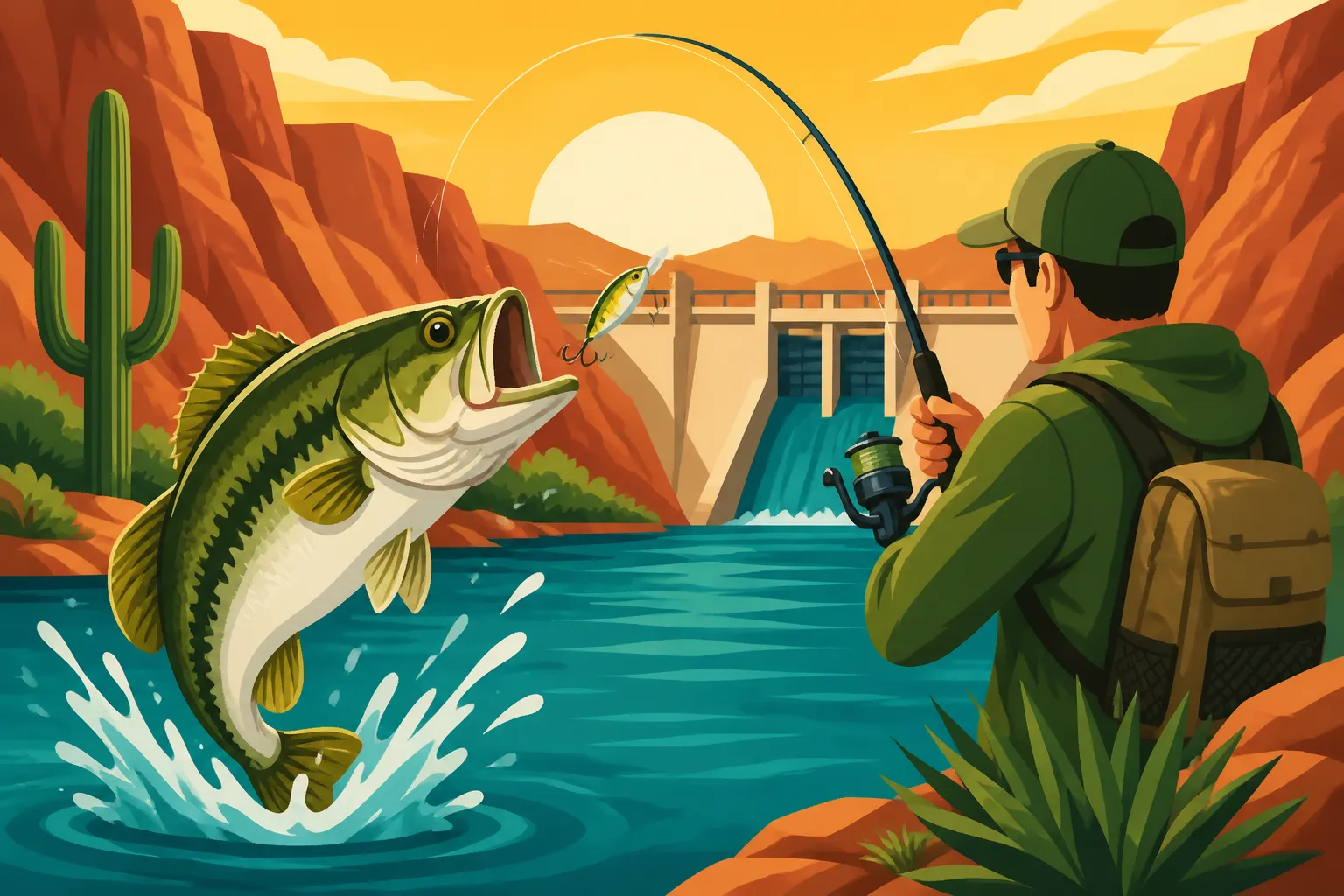
Laguna Dam holds a special place in history as the very first diversion dam ever built on the Colorado River, completed way back in 1905. Located just north of Yuma, Arizona, and the California border, it’s a far cry from the bustling recreational hubs of larger reservoirs. This historical significance gives it a rugged, untamed feel, but it's the specific aquatic environment it creates that truly makes it unique for anglers. The dam itself isn't a massive impoundment like Hoover Dam or Parker Dam; rather, it’s a low-head diversion dam that creates a series of swift currents, deep scour holes, and slack water areas, all of which are magnets for various fish species. Unlike serene lakes, fishing here means contending with the dynamic forces of a major river, which can be both challenging and incredibly rewarding. Its relative remoteness also means fewer crowds, allowing for a more peaceful and focused fishing experience.
The Allure of Bank Fishing and Remote Access
One of the defining characteristics of Laguna Dam is its accessibility, or rather, its lack of easy, paved access to all the prime spots. While there are some areas accessible by paved roads, many of the best fishing opportunities around the dam require venturing onto unpaved, sometimes sandy or rocky, tracks. This often means that a 4×4 vehicle is highly recommended, especially if you plan on exploring beyond the main access points. This rugged terrain is precisely what deters many casual anglers, inadvertently preserving the quality of fishing for those willing to make the effort.
For many, bank fishing is the primary method of targeting fish at Laguna Dam. The varied shoreline offers a mix of sandy beaches, rocky outcrops, and brushy areas, each potentially holding fish depending on the water levels and current. The rewards of navigating these remote access points are often the opportunity to cast into untouched waters, away from the noise and pressure found elsewhere. However, it also means carrying all your gear, water, and supplies, as amenities are sparse. Planning your approach, understanding the terrain, and being prepared for off-road conditions are crucial for a successful and safe outing.
Prime Fish Species to Target at Laguna Dam
While the Colorado River in general is known for its diverse fishery, Laguna Dam specifically stands out for a few particular species that thrive in its unique, current-rich environment. If you're heading to this location, these are the fish you should primarily be looking to hook.
Flathead Catfish: The River's Giants
If there's one species that truly defines fishing at Laguna Dam, it's the Flathead Catfish. These powerful, predatory bottom-dwellers absolutely thrive in the turbulent, oxygen-rich waters and deep holes created by the dam's structure. Flatheads are ambush predators, and the currents around the dam provide ideal conditions for them to lie in wait for unsuspecting baitfish. Anglers frequently report catching Flatheads ranging from 10 to 40 pounds here, with the potential for truly enormous, trophy-sized fish easily exceeding that. The current Arizona state record for Flathead Catfish was actually caught in the Colorado River near Yuma, underscoring the potential for giants in this stretch of water.
Targeting these behemoths requires robust tackle and patience. They are incredibly strong fighters, and the river current only amplifies their power, making for an exhilarating battle. They prefer live bait, making fresh-caught bluegill or carp irresistible. Understanding their behavior – they're more active at night and tend to hold in deeper, structured areas with some current – is key to success. For specific insights into these impressive fish, check out our guide on Flathead Catfish Average Weight on the Colorado River, which delves deeper into what you can expect from these massive bottom feeders.
Channel Catfish and Other Bottom Dwellers
Beyond the mighty Flatheads, Laguna Dam also offers excellent opportunities for Channel Catfish. These are often more numerous than Flatheads and can be caught with a wider variety of baits, making them a great target for anglers looking for consistent action. Channel cats, like their Flathead cousins, are drawn to the dam area's currents and structure, though they often occupy slightly different niches, sometimes preferring areas with a bit less direct current or shallower eddies. They are opportunistic feeders and will readily take prepared baits, cut bait, and even worms.
In addition to catfish, the dam area hosts other bottom-dwelling species that add to the angling fun. Various species of sunfish, including Bluegill and Redear Sunfish, are present, particularly in slower-moving pockets and backwater areas. While not typically the primary target, they can provide steady action, especially for younger anglers, and make excellent live bait for those bigger Flatheads. Carp are also abundant and can provide a challenging fight on appropriate gear. Their feeding habits often involve sifting through the bottom, meaning traditional bottom-fishing rigs with corn, dough balls, or worms can be quite effective. Our guide on Channel Catfish Average Weight in Arizona can give you a better idea of what to expect when you hook into these widespread fish.
The Unexpected Bass and Panfish Opportunities
While Laguna Dam is undeniably a catfish haven, don't overlook the potential for encountering other popular sport fish, including bass and panfish. Largemouth Bass can be found in the quieter, vegetated backwater eddies and calmer stretches of the river, particularly where there's submerged brush or rock structure providing cover. These areas offer a respite from the main current and can hold some surprisingly healthy bass, especially during cooler parts of the year or early morning. Targeting them would involve techniques more common to lake fishing, such as casting crankbaits, spinnerbaits, or soft plastics around visible structure.
Beyond bass, various panfish species like Bluegill, Green Sunfish, and even occasional Crappie can be found in the slower-moving water and sheltered areas. These fish are fantastic for light tackle action and are often perfect for introducing beginners or children to the joys of fishing. A simple setup with a small hook, a bit of worm, and a bobber can lead to a productive day catching these eager biters. While you might not land a record-breaker, the consistent action and beautiful surroundings make it a worthwhile pursuit. For those curious about the potential size of these freshwater fighters, our article on Largemouth Bass Average Weight in Arizona Lakes offers further details.
Essential Gear and Techniques for Laguna Dam
Fishing Laguna Dam is not your typical pond fishing experience; the strong currents and the size of the potential catches demand specific gear and refined techniques. Being prepared with the right setup can make all the difference between a frustrating day and a memorable one.
Rods, Reels, and Line for River Giants
When you're chasing Flathead Catfish in the Colorado River, "heavy-duty" is the name of the game. You'll want a stout rod that can handle powerful runs and significant weight, usually in the medium-heavy to heavy power range, with a fast or moderate-fast action. A rod length of 7 to 9 feet is often ideal, providing enough leverage for casting heavy baits and fighting strong fish in current. Brands like Ugly Stik are popular for their durability and power, standing up to the abuse river fishing often entails.
Pair this with a robust baitcasting reel or a large spinning reel capable of holding a substantial amount of heavy line. Look for reels with a strong drag system that can withstand the sustained pulling power of a big catfish in a river current. Line selection is also crucial. Many seasoned river anglers opt for braided line in the 50 to 80-pound test range for its incredible strength, sensitivity, and resistance to abrasion. However, a heavy monofilament line (20-40lb test) can also work, especially if you prefer its shock absorption properties. Always use a strong leader, typically 50-80 lb fluorocarbon or monofilament, to prevent break-offs on sharp rocks or rough fish mouths. For more specific recommendations, our guide on the Best Rod for Catfish and Best Line for Catfish Fishing will provide valuable insights into setting up your tackle correctly.
Baits and Rigs That Get Results
When it comes to bait at Laguna Dam, especially for those trophy Flatheads, live bait reigns supreme. Freshly caught Bluegill, Tilapia, or small Carp are prime choices, as Flatheads are known to be highly predatory and prefer living prey. The key is to keep your live bait active and healthy on a large circle hook (6/0 to 9/0) to ensure the best presentation. If live bait isn't an option, large chunks of cut bait, like shad or carp, can also attract Channel Catfish. For smaller Channel Cats and other bottom dwellers, traditional baits like chicken livers, nightcrawlers, and various stink baits or dough balls can be quite effective.
The strong currents of the Colorado River necessitate specific rigs to keep your bait in the strike zone. The most popular choice is a Carolina rig or a simple slip-sinker rig. This involves a heavy lead weight (often 2-6 ounces, depending on the current) that slides freely on your main line, followed by a swivel, a stout leader, and your hook. This setup allows the fish to pick up the bait without feeling the weight immediately, and the heavy sinker helps keep your bait from being washed downstream. Always aim to present your bait near structure like submerged logs, rock piles, or current breaks where catfish are likely to hold. If you're looking to book a local guide who knows the ins and outs of bait and tackle specifics for the area, check out options on FishingBooker. They can often provide invaluable, hyper-local advice. For a deeper dive into bait selection, refer to our article on the Best Bait for Catfish in Arizona.
Navigating the Currents: Shore vs. Boat Fishing
Deciding between shore fishing and boat fishing at Laguna Dam depends heavily on your comfort level with strong currents and your goals for the day. Each method has its distinct advantages and challenges.
Shore Fishing: This is the most common and accessible way to fish Laguna Dam. You can drive to various points along the river, find a suitable spot, and cast out. The main advantages include simplicity, lower cost (no boat or launch fees), and the ability to move around relatively easily to find productive spots. Many of the best Flathead Catfish spots are accessible from the bank, often by walking a short distance from where you park. However, shore fishing means your mobility is limited, and you can only reach fish within casting distance. It also requires careful attention to safety due to the swift currents and potentially unstable banks.
Boat Fishing: Fishing from a boat offers unparalleled access to deeper channels, submerged structures, and areas unreachable from the bank. A boat gives you the flexibility to anchor precisely in a specific current seam or drift silently through promising stretches. However, boating at Laguna Dam comes with significant challenges. The Colorado River's strong currents demand a boat with sufficient horsepower and a skipper with experience navigating rivers. Submerged hazards, constantly shifting sandbars, and the need for reliable motor and anchoring systems are critical considerations. Launching can also be challenging due to limited ramps and fluctuating water levels. If you're considering boat fishing but don't own a suitable vessel or lack river experience, booking a guided trip through FishingBooker might be a fantastic option. A local guide will have the right boat, know the safe passages, and be intimately familiar with the best fishing spots and techniques for boat angling in these conditions. Our guide, Can You Fish Below Laguna Dam Without a Boat?, provides more detail on what to expect if you choose to fish exclusively from shore.
| Species | Preferred Bait | Best Fishing Times | Notes |
|---|---|---|---|
| Flathead Catfish | Live Bluegill, Carp | Dusk, Night, Early Morning | Deep holes, current breaks, heavy tackle |
| Channel Catfish | Cut Bait, Chicken Liver | All Day, Night | Easier to catch, widespread |
| Largemouth Bass | Soft Plastics, Crankbaits | Early Morning, Late Afternoon | Slack water, submerged brush, slower eddies |
| Panfish | Worms, Small Jigs | All Day | Calmer pockets, light tackle |
Seasonal Strategies and Local Insights
The Colorado River is a dynamic environment, and fishing success at Laguna Dam often hinges on understanding seasonal patterns, river conditions, and local regulations. Being aware of these factors will significantly improve your chances of a rewarding outing.
Best Times to Conquer Laguna Dam
Just like any fishery, Laguna Dam has its prime seasons, largely dictated by water temperature and fish spawning cycles. For Flathead Catfish, the warmer months are generally the most productive. From late spring through early fall (roughly April to October), these large predators are more active, feeding aggressively to build up fat reserves. Night fishing during these months is particularly effective, as Flatheads are nocturnal hunters. As the desert temperatures soar in summer, fishing after sunset or before sunrise becomes not only more comfortable for anglers but also aligns perfectly with the catfish's feeding patterns.
Channel Catfish are a bit more forgiving and can be caught year-round, though their activity also peaks in warmer water. Spring (March-May) is excellent as they prepare for and engage in spawning, making them very hungry. Fall (September-November) offers another great window as temperatures cool slightly, and they feed heavily before winter. During the cooler winter months (December-February), fishing can be slower, but determined anglers can still find success by targeting deeper, slower-moving pools where fish congregate. Our comprehensive article on Night Fishing Techniques and Safety offers some excellent tips for those planning to fish after dark, which is a highly effective strategy at Laguna Dam.
Understanding the Colorado River Flow and Water Levels
The Colorado River's flow and water levels at Laguna Dam are managed by various agencies and can fluctuate significantly, impacting fishing conditions. Understanding these changes is crucial for both safety and success. Releases from upstream dams, irrigation demands, and even natural runoff events can cause the current to strengthen or weaken, and the water level to rise or fall. A sudden surge in current can make fishing challenging, requiring heavier weights to reach the bottom, and can also make boating more hazardous. Conversely, very low flows might expose more bank, but also concentrate fish in fewer, deeper areas.
Before heading out, it's highly advisable to check the current river conditions. Websites from the Bureau of Reclamation or local news outlets often provide real-time data on releases and water levels. Always be mindful of your surroundings; if you're bank fishing, be aware of rising water that could strand you or submerge your gear. For those planning a boat trip, understanding the Colorado River Fishing Guide in Arizona provides essential information about navigating its dynamic waters and the impact of its various dams.
Safety and Regulations for Laguna Dam Anglers
Fishing at Laguna Dam, while incredibly rewarding, demands adherence to safety protocols and strict compliance with local regulations. The powerful Colorado River can be unforgiving, and the desert environment presents its own challenges.
Firstly, a valid Arizona fishing license is mandatory for anyone 10 years or older. This is non-negotiable, and game and fish officers frequently patrol the area. It’s important to understand the specific license types and costs; our guide on the Arizona Fishing License Guide can help you navigate these requirements. In addition to a state license, be aware that you are fishing on a border river. While Arizona licenses are generally valid on the Arizona side, if you plan to cross or fish specific areas that might border California, you may need to consult both states' regulations or consider a reciprocal license.
Secondly, specific fishing regulations apply to the Colorado River, including bag and possession limits for various species. These regulations are designed to protect fish populations and ensure sustainable fishing. Always consult the current Arizona Game and Fish Department regulations booklet, which can be found online or at license dealers. For instance, there might be specific rules regarding the use of live bait, size limits for certain bass species, or limits on the number of rods an angler can use. Our article, Arizona Fishing Regulations Explained, provides a comprehensive overview of the rules you'll need to follow.
Beyond regulations, personal safety is paramount. The Arizona desert climate, especially around Yuma, means extreme heat for much of the year. Bring plenty of water (more than you think you'll need!), wear sun-protective clothing, a wide-brimmed hat, and sunscreen. Inform someone of your plans, especially if you're venturing into more remote areas. The river currents can be powerful, so exercise extreme caution near the water's edge, particularly if fishing alone. For anglers seeking an extra layer of safety and local expertise, consider booking a trip with a professional guide through FishingBooker. They are well-versed in both the regulations and safety best practices for fishing the Colorado River.
Beyond the Catch: Exploring the Area
A trip to Laguna Dam offers more than just exceptional fishing; it's an opportunity to explore the rich history and diverse landscapes of Arizona's southwestern corner. Taking some time to see what else the area has to offer can make your fishing expedition a more well-rounded adventure.
Nearby Amenities and Accommodations
While Laguna Dam itself is quite remote, the nearby city of Yuma serves as an excellent basecamp for your fishing adventures. Yuma, a historically significant city nestled on the banks of the Colorado River, provides all the essential amenities you might need. Here, you'll find a wide range of accommodations, from budget-friendly motels to more comfortable hotels, catering to various preferences and budgets. For those who prefer a more rustic experience, there are also numerous campgrounds in the vicinity, including dispersed camping opportunities on Bureau of Land Management (BLM) land, which can offer a true desert solitude experience, though often with minimal facilities.
Beyond lodging, Yuma boasts a variety of restaurants, tackle shops, and grocery stores. This means you can easily stock up on provisions, grab any last-minute fishing gear, or enjoy a hearty meal after a long day on the water. Given the remote nature of Laguna Dam, it's wise to ensure your vehicle is fueled up, and you have all your necessary supplies before heading out from Yuma. The city also offers a glimpse into local history and culture, with attractions like the Yuma Territorial Prison State Historic Park and the Quartermaster Depot State Historic Park, providing fascinating diversions for non-fishing family members or a break from the rod and reel.
Other Fishing Opportunities on the Lower Colorado
If you've tackled Laguna Dam and are craving more river action, or perhaps looking to diversify your catch, the lower Colorado River region around Yuma offers a wealth of additional fishing opportunities. Just upstream from Laguna Dam, you'll find Imperial Dam, which also creates unique fishing conditions, often producing good numbers of catfish, bass, and panfish in its varied habitats. Further upstream, the extensive backwaters and channels around Martinez Lake offer fantastic fishing for Largemouth Bass, Crappie, and various panfish species, often in a more lake-like environment compared to the main river channel. Martinez Lake is a popular spot for both boat and shore anglers, with several resorts and launch facilities available.
The stretches of the Colorado River both above and below Yuma offer continuous chances for anglers to target Striped Bass, especially in areas with deeper holes and stronger currents. These areas can also be highly productive for Flathead and Channel Catfish. Exploring these various locations allows you to experience the full spectrum of fishing that the Colorado River has to offer, from quiet backwaters to bustling main channels. Our detailed guide on the Best Fishing Spots Near Yuma will give you an even broader perspective on where to cast your line in this rich fishing region.
Disclaimer
Please remember that fishing conditions, regulations, and access can change. Always check the latest Arizona Game and Fish Department regulations before you go fishing. Be aware of weather conditions, practice Leave No Trace principles, and prioritize safety on and around the water.