Best Line for Catfish Fishing
Trying to figure out the best fishing line for catfish in Arizona can feel like an endless puzzle, especially with all the choices out there and the unique challenges our desert waters present. You've got powerful fish that love to hang out in gnarly, snag-filled spots, and you need a line that can stand up to that abuse while still helping you feel those subtle bites. This guide is going to cut through the confusion and give you a comprehensive breakdown of the different types of fishing lines, their strengths and weaknesses, and how to pick the perfect one for tangling with Arizona's whiskered wonders.
Understanding Catfish and Their Environment in Arizona
Before we even dive into specific lines, it’s crucial to understand who you’re fishing for and where they live. Catfish in Arizona aren’t your average couch potatoes; they’re strong, resilient, and often reside in places that will test your tackle to its limits. Knowing what you’re up against is the first step in choosing the right armor for your fishing adventures.
The Fight of an Arizona Catfish
Let's be real: pulling in a good-sized catfish in Arizona is a full-body workout. Whether it's a hard-fighting Channel Catfish from a community lake or a monster Flathead Catfish from the deeper reaches of Roosevelt Lake or the Colorado River, these fish are built for battle. They tend to make powerful, thumping runs, often heading straight for the nearest cover—be it submerged timber, rocky ledges, or thick vegetation. This isn’t about delicate finesse; it's about brute strength and unwavering resolve.
The fight isn't just about their raw power, though. Catfish are incredibly determined, and their broad, flat heads and strong tails allow them to dig in and use the water resistance against you. When you've got a 20-pound flathead peeling line off your reel and trying to wrap you around a sunken mesquite tree, you quickly learn the importance of a fishing line that won't give up. The initial shock of the strike, the subsequent runs, and the sheer effort required to turn their heads can put immense stress on your entire setup, especially the line. You need something that can absorb sudden jolts without snapping and withstand constant friction against harsh underwater structures.
Typical Arizona Catfish Habitats
Arizona offers a diverse range of aquatic environments, and catfish have adapted to thrive in many of them. This variety directly influences the type of fishing line you should choose. For instance, in many of our larger reservoirs like Lake Pleasant, Lake Havasu, or Roosevelt Lake, you'll find catfish lurking around rocky points, submerged humps, deep channels, and vast areas of standing timber or brush. These environments are notorious for snags, and a line with excellent abrasion resistance becomes non-negotiable. Imagine casting your bait near a gnarly tree line, feeling a solid thump, and then the fish immediately diving into that underwater jungle – if your line isn't tough enough, it's game over before you even get a chance to muscle them out.
Then there are the slower-moving sections of the Colorado River, where muddy bottoms and rocky banks are common. Here, the current can be a factor, and the bottom is often littered with abrasive materials. In contrast, many of Arizona's community fishing lakes might have clearer water, less extreme snags (though still present!), and a more open environment. Even in these urban settings, catfish still seek out docks, bridge pilings, and any available cover. The water clarity can vary dramatically from a murky, storm-fed river to a crystal-clear mountain lake, each demanding a different consideration for line visibility. Understanding these distinct characteristics of where Arizona catfish live will help you make an informed decision on what line will give you the best chance of success. Colorado River Fishing Guide in Arizona can provide more insights into fishing these larger river systems.
The Main Contenders: Monofilament, Fluorocarbon, and Braided Lines
When you walk into a Bass Pro Shops or browse online at Amazon for fishing line, you're usually met with three primary choices: monofilament, fluorocarbon, and braided. Each has its own unique properties, making them suitable for different fishing situations and preferences. Let's break down what makes each type tick, especially in the context of Arizona catfish fishing.
Monofilament Line for Catfish
Monofilament, or "mono," is often the go-to for many anglers, especially beginners, and for good reason. It's usually the most affordable option, making it very budget-friendly for those just getting into fishing or for anglers who like to frequently respool. One of its standout features is its stretchiness. This inherent stretch acts as a shock absorber, cushioning sudden lunges from a hard-fighting catfish and preventing hooks from tearing out of a fish's mouth, especially when using lighter tackle. It also has excellent knot strength, meaning most standard fishing knots hold up very well with mono, giving you confidence in your connections.
However, mono isn't without its drawbacks. Its stretch, while beneficial for shock absorption, can reduce sensitivity, making it harder to feel light bites from cautious catfish, particularly at long distances or in deep water. It also has less abrasion resistance compared to fluorocarbon or braid, meaning it can fray and weaken more easily when rubbed against rocks, timber, or other submerged structures – a common occurrence when fishing for catfish in their typical Arizona haunts. Mono is also more susceptible to UV degradation and water absorption, which can cause it to weaken over time and develop "memory" (coiling up off the reel), necessitating more frequent respooling. For targeting smaller Channel Catfish in relatively open waters or when using baits that require a more natural, slower fall, mono can still be an effective choice.
Fluorocarbon Line for Catfish
Fluorocarbon line, often referred to as "fluoro," sits in a more premium category than monofilament and offers distinct advantages, particularly in certain catfish scenarios. Its most celebrated characteristic is its near invisibility underwater. Fluorocarbon has a refractive index very close to that of water, meaning light passes through it with minimal distortion, making it incredibly difficult for fish to see. This is a huge plus in clearer Arizona lakes or when fishing for pressured catfish that might be spooked by more visible lines. Fluoro also boasts superior abrasion resistance compared to monofilament, holding up much better against sharp rocks and rough cover – a significant advantage in many Arizona fishing holes.
Furthermore, fluorocarbon has very little stretch, giving you excellent sensitivity to feel even the most subtle taps and bites. This also translates to more powerful hook sets, as less energy is lost in the line's stretch. Unlike mono, fluorocarbon sinks, which can be beneficial for getting baits down to deeper-holding catfish quickly. On the flip side, fluorocarbon is typically more expensive than monofilament. It can also be stiffer, especially in heavier pound tests, which can lead to more line memory and make it a bit trickier to cast, particularly on spinning reels. Knot tying with fluorocarbon requires extra attention, as its slicker surface can cause knots to slip if not tied carefully and cinched down properly. For specific applications like leaders in clear water or when maximum sensitivity is paramount, fluorocarbon shines.
Braided Line for Catfish
Braided fishing line is often the choice of serious catfish anglers, and for good reason. It's essentially multiple strands of synthetic fibers woven together, resulting in a line with incredible strength-to-diameter ratio. This means you can use a much thinner line for a much higher pound test compared to mono or fluoro, allowing for longer casts and more line capacity on your reel. The most significant advantage of braid for catfish is its almost complete lack of stretch. This zero stretch translates into phenomenal sensitivity, allowing you to feel every bump, tap, and subtle movement of your bait or a curious catfish. It also provides incredibly solid hook sets, driving the hook home with minimal effort, even at long distances.
Braided line also boasts exceptional abrasion resistance, often outperforming even fluorocarbon when it comes to standing up to rough structures. This makes it ideal for fishing in heavy cover where big catfish love to hide. However, braid isn't without its quirks. Its high visibility is often its biggest downside; most braids are opaque and easily seen underwater. While this might not matter in murky water or during night fishing, it can be a deterrent in clear water or for wary fish. To combat this, many anglers will use a fluorocarbon leader. Another factor is cost; braid is generally the most expensive of the three lines. It can also be quite unforgiving if it snags, often requiring you to either break your rod trying to free it or cut the line, which can be tough on your hands and expensive. Special care is needed when tying knots, as some knots can slip with braid, and its thin, strong nature can cut into rod guides or fingers if not handled carefully. Despite these considerations, for targeting trophy catfish or fishing in dense cover, braid is often the unrivaled champion. You can find excellent braided lines from brands like Bass Pro Shops or order them conveniently from Amazon.
Key Line Characteristics for Arizona Catfish Fishing
When you're out on the water in Arizona, whether it's the vast expanse of Lake Havasu or a smaller community pond, the catfish are playing by their own rules. To successfully land them, your fishing line needs specific characteristics that match their behavior and their environment. These aren't just minor details; they can be the difference between a triumphant catch and a frustrating break-off.
Abrasion Resistance in Rocky & Snaggy Waters
Arizona's fishing landscapes are often rugged, and catfish, being the opportunistic predators they are, love to hang out where the structure is thickest. Think about the submerged timber and rock piles in Alamo Lake, the sharp volcanic rock ledges of Canyon Lake, or the countless snags in the lower Salt River. These places are catfish magnets, but they're also line shredders. A catfish, once hooked, will almost instinctively head for the nearest piece of cover, rubbing your line against anything it can find to try and free itself. This is where abrasion resistance becomes paramount.
Imagine hooking a decent flathead in a brush pile; that fish is going to dive deep into the branches, creating friction against your line with every struggle. If your line isn't tough enough to handle that abuse, it'll fray, weaken, and eventually snap, leaving you with a heartbreaking story of "the one that got away." Braided lines generally offer the best abrasion resistance due to their woven construction, followed closely by quality fluorocarbon. Monofilament, while good for general purposes, can quickly become compromised in these rough conditions. It's always a good practice to run your fingers down your line frequently, especially after fishing near cover, to check for any nicks or rough spots. Even a small imperfection can lead to a catastrophic failure when a big fish puts pressure on it. When you're fishing these challenging Arizona spots, never compromise on a line's ability to withstand a beating.
Strength and Pound Test Considerations
Choosing the right pound test (the weight the line is rated to break at) is critical for catfish fishing in Arizona. This isn't just about how big the fish are, but also the obstacles you expect to encounter and the type of fight you anticipate. For smaller Channel Catfish, especially in community lakes or less snaggy areas, a 15- to 20-pound test monofilament or braided line might be perfectly adequate. These fish put up a spirited fight, but they generally aren't trying to wrap you around bridge pilings with the same intensity as their larger cousins.
However, when you start targeting larger Channel Catfish, especially those pushing into the 10-20 pound range, or if you're venturing into heavier cover, stepping up to 20- to 30-pound test is a wise move. For the true heavyweights—the Flathead Catfish that lurk in the major reservoirs and rivers, sometimes exceeding 50 pounds—you'll need to go much, much heavier. Many dedicated flathead anglers opt for braided line in the 40- to 80-pound test range, or even higher, to ensure they have the pulling power to extract these giants from thick cover and turn their heads during powerful runs. Remember, the line's pound test should also be matched to your rod's power rating and your reel's drag capabilities. A heavy line on a light rod or a reel with a weak drag can create an unbalanced setup that either snaps your rod or fails to properly fight the fish. Flathead Catfish Average Weight on the Colorado River can give you a good idea of the kind of beasts you might encounter.
Low Visibility vs. High Visibility Lines
The debate between low visibility and high visibility lines is a common one, and for catfish fishing in Arizona, the answer often depends on the specific conditions and your fishing style. Low visibility lines, like clear fluorocarbon or even subtle-colored monofilament, are generally preferred when fishing in clearer waters or for finicky fish. If you're targeting Channel Cats in an urban lake like Tempe Town Lake, where the water might be relatively clear and the fish see a lot of angling pressure, a less visible line could lead to more bites. The idea is that the fish are less likely to be spooked by a line they can't easily see, especially if your bait presentation is more refined.
On the other hand, high visibility lines (often brightly colored braided lines like yellow or green, or fluorescent monofilament) offer a distinct advantage to the angler, even if they're more visible to the fish. The primary benefit is improved line watching, which is incredibly helpful for detecting subtle bites, especially when fishing with slack line, at long distances, or during low-light conditions like dawn, dusk, or night fishing. When you're waiting for a catfish to pick up your bait, a tiny twitch or movement in a bright line can be your only indicator of a bite before the fish fully commits. For night fishing, where seeing your line above the water is often more important than its visibility underwater, high-vis lines are particularly popular. Many anglers will use a high-vis braided main line for sensitivity and visibility above water, then connect a low-vis fluorocarbon leader to the business end to trick the fish.
Rigging Strategies and Combination Approaches
The beauty of modern fishing line technology is that you don't always have to stick to just one type. Smart anglers often combine different lines to leverage their individual strengths, creating a hybrid setup that is greater than the sum of its parts. This is particularly true for catfish fishing in Arizona, where diverse conditions call for versatile rigging.
Main Line and Leader Combinations
One of the most popular and effective strategies for catfish fishing, especially with braided line, is to use a main line and leader combination. The idea here is to get the best of both worlds. You might spool your reel with a strong, no-stretch braided line for its incredible sensitivity, thin diameter, and brute strength. This allows you to feel every nudge and get solid hook sets, even at extreme distances or in heavy current. However, as we discussed, braid can be highly visible, and in clearer Arizona waters, this could deter cautious catfish.
This is where the leader comes in. You would attach a section of fluorocarbon or monofilament line to the end of your braided main line. A fluorocarbon leader is ideal for its near invisibility and excellent abrasion resistance, making it perfect for the business end where the fish are inspecting your bait. Monofilament leaders can also work, especially if you want a bit more stretch for shock absorption or are fishing in murkier water where visibility is less of an issue. The length of your leader can vary, but generally, 3 to 6 feet is a good starting point. You'll need to learn a strong, reliable knot to connect your main line to your leader, such as an FG knot, Alberto knot, or uni-to-uni knot. This combination allows you to maintain the power and sensitivity of braid while offering a stealthy, abrasion-resistant presentation directly to the fish. It's a fantastic tactic for tackling everything from community lake Channel Cats to the biggest Flatheads in our major reservoirs.
Terminal Tackle Considerations
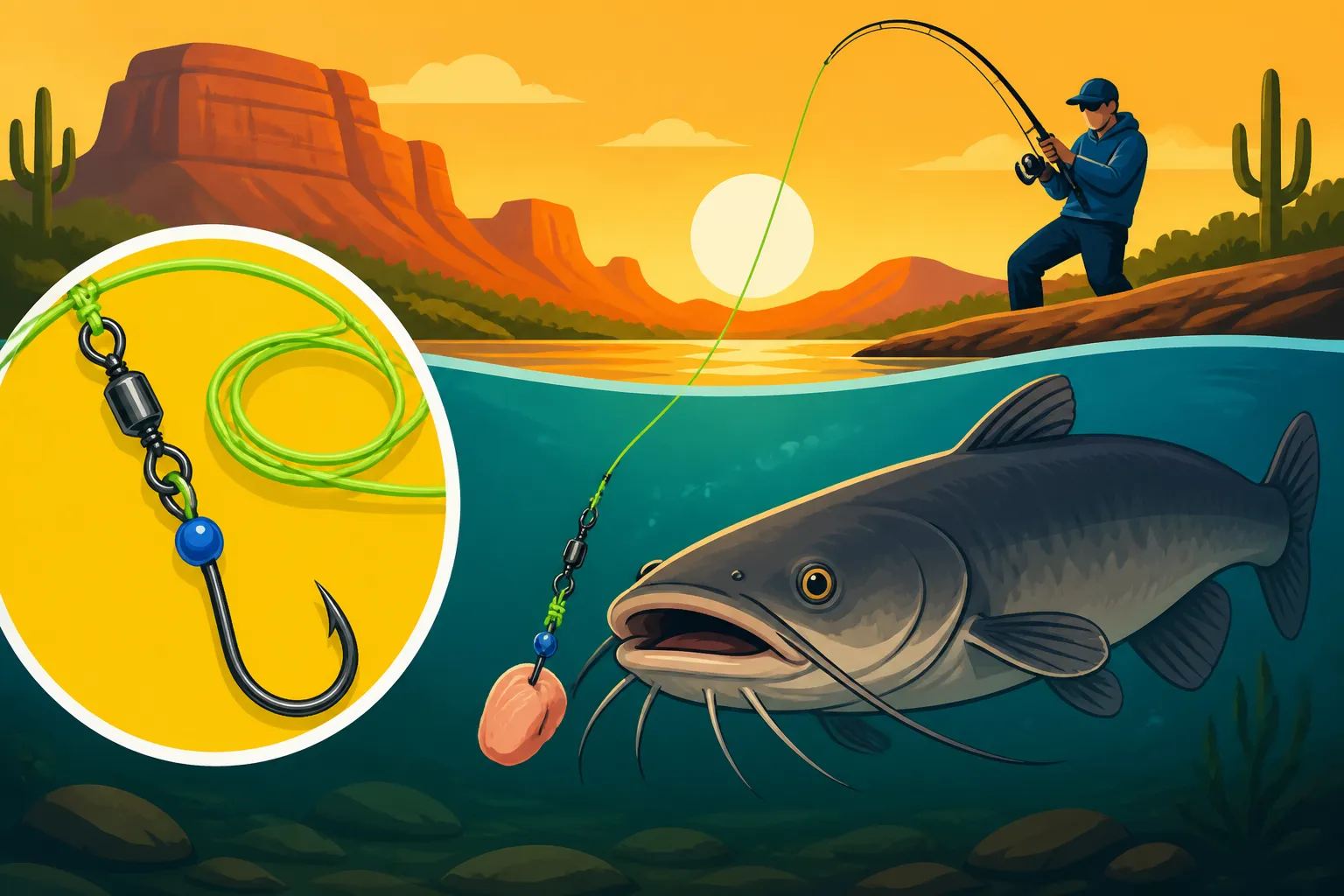
Your choice of fishing line has a direct impact on how your terminal tackle (hooks, weights, swivels, etc.) performs and how effectively you can present your bait and hook a catfish. For instance, if you're using a heavy braided line with very little stretch, your hook sets will be incredibly direct and powerful. This means you might want to use strong, sharp hooks that can withstand that force, and ensure your drag is set properly to absorb some of the shock and prevent hooks from tearing out. Circle hooks are a popular choice for catfish, especially when using live or cut bait, as they are designed to hook fish in the corner of the mouth, minimizing gut hooking and making release easier.
The type of line also influences how your bait behaves underwater. If you're using a buoyant monofilament line, it might cause lighter baits to drift higher in the water column, which could be an advantage or disadvantage depending on where the fish are holding. Fluorocarbon, being a sinking line, will help get your bait down faster and keep it closer to the bottom. Your choice of weights and bobbers will also interact with your line. If you're using a slip bobber rig, a braided line can slide through the bobber stop more smoothly, while mono might create more friction. Ultimately, every component of your rig, from your line to your hook, works in concert, so consider how your line choice will affect the overall presentation and effectiveness of your terminal tackle for catfish.
Line Maintenance and Longevity
Let's face it, fishing line isn't cheap, and keeping it in good condition is crucial for both saving money and ensuring you don't lose that trophy catfish. Proper line maintenance extends its life and maintains its performance, especially in Arizona's harsh conditions. After every fishing trip, it’s a good idea to rinse your reel and line with fresh water, particularly if you've been fishing in brackish or silty conditions. This helps remove dirt, salt, and any abrasive particles that can degrade the line. Pat it dry gently to prevent water spots and keep it clean.
Regularly inspect your line for nicks, abrasions, or discoloration, especially the first few feet near your terminal tackle. This section gets the most abuse. If you find any damage, don't hesitate to cut off a few feet and re-tie your rig. It’s a small price to pay compared to losing a big fish due to a weakened line. For monofilament, which is prone to UV degradation and memory, storing your rods out of direct sunlight and in a cool, dark place can help prolong its life. It's also wise to respool your monofilament line at least once a season, or more frequently if you fish often. Braided lines are more durable but can still fray, and the colors can fade over time. Fluorocarbon, while tough, can also develop memory if spooled too tightly or left on the reel for extended periods. By taking a few minutes after each trip to care for your line, you’ll ensure it’s ready for the next battle with an Arizona catfish. Fishing License Renewal Rules in Arizona can be a good reminder to check your gear too!
Specific Scenarios for Arizona Catfish Anglers
Arizona's diverse waters present unique challenges and opportunities for catfish anglers. The strategies and line choices that work well in a small, urban pond might be completely ineffective on a vast, windswept reservoir or a powerful river. Let's look at how to tailor your line choice to specific Arizona catfish fishing scenarios.
Fishing for Channel Catfish in Urban Lakes
Arizona's Community Fishing Program has done an amazing job of making fishing accessible to everyone, and their urban lakes are fantastic spots for targeting Channel Catfish. These lakes, found in cities like Phoenix and Tucson, are often stocked and can hold a surprising number of respectable catfish. The water clarity in these lakes can vary, but it's generally clearer than, say, a turbid river. The "structure" here might include docks, brush piles, submerged ledges, or simply deeper holes.
For these environments, a versatile line setup is key. Many anglers find success with 12-20 pound test monofilament or a lighter braided line (20-30 pound test) combined with a fluorocarbon leader. Monofilament works well because the fish aren't always enormous, and the stretch can be forgiving for newer anglers or when using lighter baits. However, if you want to feel those lighter bites from more cautious, pressured fish, especially during the day, a braided main line with a 10-15 pound fluorocarbon leader will offer superior sensitivity and stealth. The lighter pound tests are usually sufficient here, as you're less likely to encounter massive flatheads trying to wrap you around industrial-strength structures. Community Lake Locations in Phoenix or Community Park Lakes in Tucson are prime examples of where these strategies excel.
Targeting Flatheads in Large Reservoirs and Rivers
Now, this is where the big guns come out! Targeting Flathead Catfish in Arizona's large reservoirs like Roosevelt Lake, Lake Pleasant, Apache Lake, or the vast stretches of the Colorado River is a whole different ballgame. These are the true giants of the Arizona catfish world, often weighing 30, 40, 50 pounds or more, and they live in rugged, snag-filled environments. When you hook one of these beasts, you need a line that won't fail under extreme pressure.
For Flatheads, heavy braided line is almost universally recommended as your main line. We're talking 50- to 80-pound test, or even 100-pound for truly monster fish or exceptionally heavy cover. The zero-stretch properties of braid allow for powerful hook sets and the raw strength needed to pull these fish away from submerged timber, rocky canyons, and heavy current. While braid is strong, adding a heavy fluorocarbon leader (30-60 pound test) is still a good idea. This leader provides an extra layer of abrasion resistance against rocks and the rough mouths of flatheads, and its lower visibility can be a benefit if you're fishing during the day or in clearer water sections. Remember, a flathead's first move is usually to dive for cover, so your line needs to be tough enough to withstand that initial, violent struggle. A heavy-duty setup, including a stout rod and a reel with a strong drag, is non-negotiable here. Roosevelt Lake Arizona Fishing Guide and Lake Pleasant Arizona Fishing Guide will give you an idea of these vast, challenging waters.
Night Fishing for Catfish
Night fishing for catfish is a beloved tradition in Arizona, especially during the warmer months when the desert sun is unforgiving. Catfish are often more active feeders after dark, moving into shallower areas to hunt. While visibility for the fish might be less of a concern in the darkness, visibility for the angler can become paramount.
This is where high-visibility braided lines really shine. A bright yellow, green, or even orange braided line might seem counterintuitive, but when you're fishing by flashlight or moonlight, being able to see your line against the dark water or bank makes it much easier to detect subtle bites. Even in the dim light, you'll see your line twitch, jump, or go slack, giving you the crucial milliseconds needed to react. Since catfish tend to be less line-shy at night, the increased visibility to the fish is often outweighed by the advantage to the angler. If you're still concerned about line visibility underwater, you can always tie on a short, dark-colored monofilament or fluorocarbon leader. The sensitivity of braid is also a huge asset at night, as it helps you feel those delicate bumps and pulls that might otherwise go unnoticed in the dark. For the committed night owl angler, a strong, high-visibility braid is often the best choice to maximize your chances of success. Night Fishing Techniques and Safety is a must-read if you plan on fishing after sunset.
Here's a quick comparison of the main line types for Arizona catfish:
| Feature | Monofilament Line | Fluorocarbon Line | Braided Line |
|---|---|---|---|
| Stretch | High (shock absorption) | Low (sensitivity, powerful hook sets) | Zero (extreme sensitivity, direct hook sets) |
| Visibility | Moderate (can be clear or colored) | Very Low (nearly invisible underwater) | High (opaque, often brightly colored) |
| Abrasion | Good | Excellent | Excellent (woven construction) |
| Sensitivity | Low (due to stretch) | High | Extreme |
| Knot Strength | Excellent (easy to tie) | Good (requires specific knots, careful tying) | Good (requires specific knots to prevent slip) |
| Cost | Low | Moderate to High | High |
| Memory | High (can coil, especially older line) | Moderate (can be stiff in heavy tests) | Low |
| Sinking/Floating | Floats | Sinks | Floats (very slow sink on some types) |
| Best For | General fishing, smaller catfish, shock absorption | Clear water, stealth, leaders, deep water | Heavy cover, big catfish, long casts, sensitivity |
Disclaimer
This article is for general informational purposes only and does not constitute professional advice. Laws, prices and regulations vary by location and change over time. Consult a qualified professional for guidance on your specific situation.