Best Bobbers for Panfish
There's nothing quite as frustrating as seeing your bait in the water, knowing there are panfish lurking below, but feeling absolutely nothing on your line. You wait, you wonder, you reel in to check, only to find your worm nibbled off or, worse, still perfectly intact. It’s a common dilemma for anglers targeting smaller species like bluegill, crappie, and sunfish in Arizona's diverse waters—those finicky, often light bites that are so easy to miss. This comprehensive guide will dive deep into the world of bobbers, showing you how these simple yet incredibly effective tools can transform your panfishing experience, ensuring you see every subtle strike and land more fish.
The Essential Role of Bobbers in Arizona Panfishing
Let's be honest, fishing for panfish isn't about brute strength or massive battles; it's about finesse, observation, and getting those subtle bites. And when it comes to finesse, a well-chosen bobber is absolutely indispensable. It's more than just a float; it's your primary communication device with the underwater world.
Why Bobbers are Your Best Friend for Finicky Bites
Imagine you're out on the calm waters of a local community lake, maybe Tempe Town Lake or one of the many urban ponds stocked for families. You've got your line in the water, a small piece of worm dangling tantalizingly. Without a bobber, you're relying entirely on feeling those incredibly light "taps" or "nudges" from a curious bluegill. It’s practically impossible for a lot of anglers, especially if there's any wind creating slack in your line or if you're not holding your rod just right.
This is where the bobber shines. It acts as a visual indicator, amplifying those tiny, almost imperceptible movements. A slight twitch, a gentle dip, or even a slow drift to the side tells you instantly that a fish is interested. Think of it like a sentry on duty, constantly alert to the most delicate interactions at the end of your line. For anyone who's ever felt the disappointment of reeling in an empty hook, knowing you just missed a bite, a bobber offers that crucial, immediate feedback that can turn a slow day into a productive one. It really builds confidence, knowing that if you see movement, something is happening.
Achieving Perfect Depth and Presentation in Diverse Waters
Panfish, whether it's a school of crappie suspended over a brush pile in Roosevelt Lake or a cluster of sunfish hugging the shoreline weeds at Lake Pleasant, are often found at very specific depths. They're not always on the bottom, and they're rarely just cruising at the surface in the Arizona heat. If your bait isn't presented exactly where they're feeding, you might as well not be fishing.
A bobber allows you to control that depth with surgical precision. Instead of guessing how deep your bait is, you can set your bobber to suspend your offering at two feet, four feet, or even deeper. This is vital when fish are holding to a certain thermocline, hugging the bottom structure, or relating to specific cover. For example, if you're fishing for crappie, they often suspend around submerged timber or brush piles. A bobber lets you keep your minnow or jig right in their strike zone, without constantly snagging on the bottom. It means your bait is available, visible, and enticing, rather than lost in the depths or tangled in weeds. This consistent, natural presentation is key to enticing those wary panfish.
Overcoming Common Panfishing Frustrations with the Right Setup
Beyond missed bites and depth control, bobbers solve several other common frustrations. How many times have you cast out, only to have your lightweight bait drift into unwanted snags or get buried in the silty bottom? Or perhaps the wind picks up, and your line bows, making it impossible to keep your bait where you want it?
Bobbers address these issues head-on. By suspending your bait, they keep it elevated above weeds, rocks, and mud, ensuring it remains visible and enticing to fish. They also act as a visual anchor, helping you track your bait's drift in current or wind, allowing you to make adjustments and keep your presentation in the prime zone. This isn't just about catching fish; it's about making the entire fishing experience more enjoyable and less about battling frustrating conditions. You spend less time re-rigging and more time actually fishing. It's a simple tool that dramatically simplifies the complexities of light-tackle angling. Best Tackle for Desert Lake Fishing often includes a good assortment of bobbers for these very reasons.
Deciphering the Different Bobber Styles for Arizona's Waters
When you walk into a tackle shop or browse fishing gear online, you'll quickly realize that "bobber" isn't a one-size-fits-all term. There's a surprising variety, each designed for specific situations and angler preferences. Understanding these differences is crucial for selecting the best tool for your Arizona panfishing adventures.
Fixed Bobbers: Simplicity and Control for Shallow Depths
Fixed bobbers are probably what most of us picture when we think of a bobber. They attach directly to your fishing line at a set point, usually with a spring clip, a plastic peg, or a simple tension mechanism. They're incredibly straightforward to use – just clip it on, add your bait and weight, and you're good to go.
Their primary advantage lies in their simplicity and the solid connection they provide. For shallow water fishing, say in depths of six feet or less, they are fantastic. Think about taking a child to a community pond for their first fishing experience; a fixed bobber is often the easiest way to get them started. You can easily adjust the depth by sliding the bobber up or down your line, but once set, it stays put. This consistency is great for keeping your bait at a precise depth near docks, weed lines, or shallow submerged structures. However, their fixed nature means you can only fish as deep as your rod length allows for casting, as the bobber stops the line from running freely through your guides. If you're trying to cast into a deeper channel from shore, they can be limiting.
Slip Bobbers: Unlocking Deeper Water and Versatility
Now, if you want to fish deeper water, perhaps trying to reach crappie suspended 15 feet down in Lake Havasu, a slip bobber is your go-to. Unlike fixed bobbers, a slip bobber isn't attached at a permanent point. Instead, your fishing line passes through the bobber. Your depth is controlled by a small "bobber stop" knot or piece of string tied onto your main line, which then slides through your rod guides and allows the bobber to "slip" freely up and down the line.
When you cast, the bobber slides down to your bait, creating a compact casting unit. Once the bait hits the water and sinks, the bobber floats up until it hits the bobber stop, suspending your bait at the desired depth. This ingenious design allows for incredibly long casts into deep water, and you can easily change depths simply by sliding your bobber stop up or down the line. This versatility makes slip bobbers ideal for exploring various depths, especially when you're trying to locate schools of crappie or other suspended panfish. They truly open up opportunities for fishing deeper structure, which is often where the bigger fish hide. If you're serious about Crappie Fishing Guide for Arizona, mastering the slip bobber is a must.
Specialized Bobbers: From Pencils to Wagglers
Beyond the basic fixed and slip designs, there are a few specialized bobber styles worth knowing, particularly if you're dealing with specific conditions or exceptionally finicky fish.
-
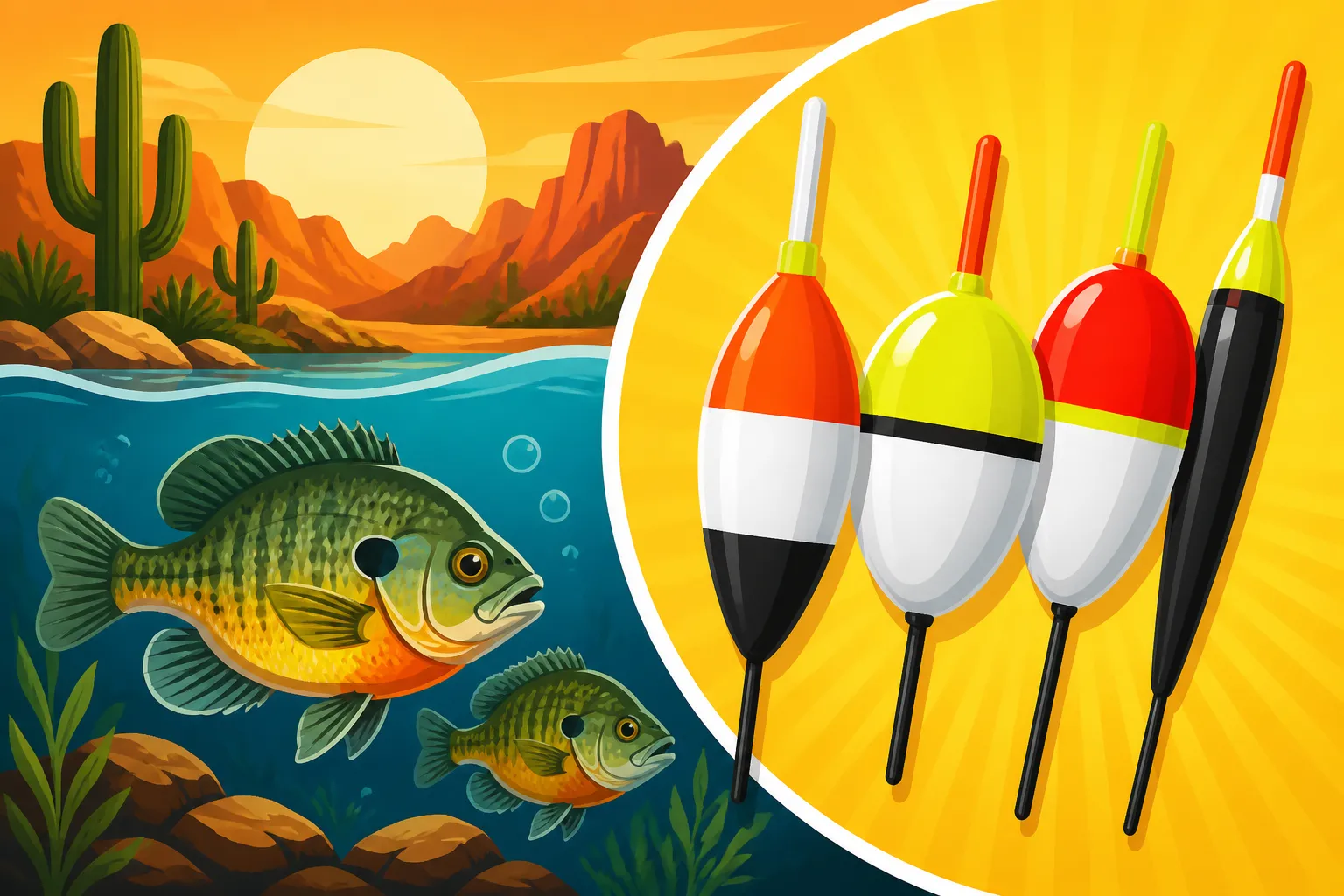
Pencil/Stick Bobbers: These are long, slender, and highly sensitive bobbers. Their slim profile offers minimal resistance to a biting fish, making them perfect for detecting the lightest of nibbles, especially in calm waters. If you're fishing for bluegill that are just barely mouthing the bait, a pencil bobber will often show the bite when a fatter, round bobber might not even budge. They typically stand upright in the water, and a bite usually sees them lay flat or subtly dip. They're not great for windy conditions, however, as they tend to get pushed around easily.
-
Waggler Bobbers: Originating from European coarse fishing, waggler bobbers are another excellent choice for sensitivity and casting distance. They are weighted at the bottom, which makes them cast incredibly well and stand upright instantly when they hit the water. This weighting also helps them cut through windy conditions better than unweighted pencil bobbers. Many waggler designs allow you to add or remove small weights to precisely balance them with your bait, ensuring maximum sensitivity. While perhaps less common in everyday Arizona panfishing, a serious angler looking to gain an edge, especially in clear, still waters or when needing to cast a good distance, might find wagglers invaluable. You can often find a good selection of these at a well-stocked Bass Pro Shops or online at Amazon, particularly in their specialty fishing sections.
To help visualize these options, here's a quick comparison:
| Bobber Type | Key Feature | Best For | Pros | Cons |
|---|---|---|---|---|
| Fixed | Attaches directly to line | Shallow water (<6-8 ft), beginners | Simple, easy to set, very stable | Limited casting depth, can hinder casting distance |
| Slip | Line passes through | Deep water (>8 ft), suspended fish, long casts | Deep water access, excellent casting | Requires bobber stop, can be more complex to rig |
| Pencil/Stick | Long, slender, sensitive | Calm water, light bites, very subtle fish | Extremely sensitive, minimal resistance | Poor in wind/current, fragile |
| Waggler | Bottom-weighted, often adjustable | Distance casting, light bites, windy conditions | Excellent casting, good stability, sensitive | Can be heavier/bulkier, less common for basic panfish |
Matching Your Bobber to the Species and Conditions in Arizona
Choosing a bobber isn't just about knowing the types; it's about understanding how those types interact with the specific fish you're targeting and the environment you're fishing in. Arizona offers a wide array of fishing experiences, from small urban ponds to vast desert reservoirs, and each presents its own set of challenges and opportunities.
Bobber Choices for Bluegill and Other Sunfish
Bluegill, redear sunfish, and other panfish are the quintessential "bobber fish" for many. They are often found in relatively shallow water, congregating around structure like submerged brush, docks, or weed beds. Their bites can range from an aggressive tug to the gentlest of nudges.
For these species, especially when you're introducing someone new to fishing, small fixed bobbers are often perfect. A little red-and-white spring clip bobber, about an inch or two in diameter, is highly visible and very easy to manage. It allows you to present a small worm, cricket, or piece of corn right near the cover where bluegill love to hide. For more discerning bluegill, or if the water is very still, a small pencil bobber can be a game-changer. Its heightened sensitivity will show you every single exploration, allowing you to react quickly before the fish drops the bait. Remember, bluegill have small mouths, so a small, sensitive bobber prevents them from feeling too much resistance when they take the bait. You don't want your bobber to be so large that it takes a big tug to pull it under. How to Catch Bluegill at a Community Pond often involves using these lighter bobber setups.
Selecting Bobbers for Crappie and Yellow Bass
Crappie, whether black or white, are a different ballgame. They often prefer deeper water and tend to suspend in schools around vertical structure like submerged trees, brush piles, or bridge pilings. While they can be aggressive, their bites can also be incredibly light, especially during colder months or when they're not actively feeding. Yellow bass, another popular panfish, can also be found schooling in similar environments. Panfish and Sunfish Guide for Arizona covers these species in depth.
For crappie and yellow bass, slip bobbers are almost always the superior choice. They allow you to easily fish at depths of 10, 15, or even 20 feet, precisely positioning your small jig or live minnow right in the middle of a suspended school. Look for slip bobbers that are relatively streamlined to minimize resistance when casting and that offer good visibility. Some crappie anglers prefer weighted slip bobbers, as the added weight helps with casting distance and allows the bobber to settle quickly. The key is to find a bobber that is sensitive enough to show those subtle crappie "thumps" or "lifts" (where the bobber actually lies flat or rises) but durable enough to handle repeated casting.
Adapting Your Bobber to Wind, Current, and Water Clarity
Arizona's fishing conditions can vary wildly, even on the same lake in the same day. Wind can whip up quickly, currents can be surprisingly strong in river systems or near dam outflows, and water clarity changes with monsoons and runoff. Your bobber choice needs to adapt.
- Wind: On a windy day, a very light or round fixed bobber will get blown around mercilessly, creating slack in your line and making bite detection difficult. For these conditions, consider a heavier, more streamlined slip bobber or a waggler-style bobber. Their added weight and shape help them cut through the wind and remain more stable. A slip bobber's ability to create a compact casting unit also helps you punch through headwinds to reach your target.
- Current: If you're fishing a river section of the Colorado River, or even a subtle current in a large reservoir, a round bobber will catch a lot of water and drag your bait out of the strike zone too quickly. Pencil bobbers or streamlined wagglers are better here, as their slender profile offers less resistance to the current, allowing your bait to drift more naturally and slowly. This natural drift is often what entices fish that are feeding in current.
- Water Clarity: In very clear waters, like some of the mountain lakes or higher sections of the Salt River chain, you might want to use a bobber that is less obtrusive, perhaps a clear or muted color. However, in murky or stained water, a brightly colored bobber (think fluorescent orange or yellow) is essential for visibility, especially if you're fishing at a distance or in low light conditions. The goal is always to see the bobber clearly without spooking the fish.
By considering these environmental factors, you can make an informed decision that goes beyond just the type of bobber, enhancing your chances of success no matter where you cast your line in Arizona.
Rigging Techniques for Arizona Panfish with Bobbers
Having the right bobber is only half the battle; knowing how to properly rig it is equally important. A poorly rigged bobber can lead to tangles, missed bites, and ultimately, frustration. Let's break down the essential rigging techniques for panfish, ensuring your setup is efficient and effective.
The Tried-and-True Fixed Bobber Setup
This is the classic setup, and for good reason—it's simple, quick, and highly effective for shallow water.
- Attach Your Bobber: Most fixed bobbers, especially the common red-and-white models, have a spring-loaded clip on the bottom and a simple eye or line-guide on top. You'll typically press the bottom button to open the spring, thread your line through, and then repeat for the top. Alternatively, some older or simpler designs might have a small plastic peg that you push through a loop in your line to secure it. The goal is to make sure the bobber is firmly attached but still able to slide up or down your line with a bit of effort to adjust depth.
- Add Weight: Below the bobber, you'll need to add a small amount of weight to help your bait sink and to properly balance the bobber. A few small split shot sinkers are usually all you need. You want just enough weight to make the bobber sit upright in the water with most of its body submerged, leaving only the brightly colored top visible. This maximizes sensitivity. If the bobber is floating too high, it takes more force to pull it under; if it's too heavy and sinks, you won't see the bite. Place your split shot about 6-12 inches above your hook. Best Sinkers for Bottom Fishing can be a great resource for understanding different weight types, though for bobber fishing, lighter is usually better.
- Tie Your Hook: At the very end of your line, tie on a small hook suitable for panfish. Aberdeen hooks or bait holder hooks in sizes #8 to #12 are generally excellent choices. Use a simple, strong knot like an improved clinch knot.
- Add Bait: Thread your bait (worm, cricket, minnow, corn) onto the hook.
This setup is ideal for fishing depths up to your rod length, making it perfect for shoreline fishing in most Arizona community lakes, small ponds, or shallow coves.
Mastering the Slip Bobber Rig for Deeper Presentations
The slip bobber rig, while slightly more involved, unlocks a world of deeper water opportunities.
- The Bobber Stop: This is the most critical component. A tiny knot, usually made of string or rubber, that you tie onto your main fishing line. This knot slides through your rod guides when casting but stops the bobber from going past it in the water, setting your desired depth. Pre-made bobber stops are readily available, often with a small plastic sleeve to help you cinch them down. Cinch it tight enough so it doesn't slip easily, but not so tight that it damages your line.
- Add a Bead: Immediately below your bobber stop, you need to slide a small plastic or glass bead onto your line. This bead is essential because the knot of the bobber stop is usually too small to prevent the bobber itself from sliding over it. The bead provides a larger surface for the bobber to rest against.
- Thread Your Bobber: Now, thread your fishing line through the center of your slip bobber. The line should pass freely through the bobber's internal mechanism.
- Add Weight: As with fixed bobbers, you'll need weight. For slip bobbers, many anglers prefer a small barrel swivel followed by a short leader (12-24 inches) to the hook, with split shot or a small egg sinker above the swivel. The swivel helps prevent line twist, especially when using live bait. Ensure the weight is sufficient to pull your line through the bobber and make your bait sink efficiently. The weight should make the bobber sit correctly in the water, revealing just the tip.
- Tie Your Hook: On the end of your leader, tie your panfish hook. Again, sizes #8 to #12 work well.
This rig allows you to fish depths far exceeding your rod length, making it perfect for targeting crappie suspended over deep channels or brush piles in larger Arizona reservoirs. Best Line for Trout Fishing can offer insights into light line choices, which apply equally to delicate panfish presentations.
Terminal Tackle Synergy: Hooks, Weights, and Line for Bobber Rigs
The success of your bobber setup isn't just about the bobber itself; it's about how all your terminal tackle components work together.
- Hooks: For panfish, small, sharp hooks are paramount. Aberdeen hooks are popular due to their light wire and ability to bend out of snags. Bait holder hooks with barbs on the shank help keep live bait secure. Size #8 to #12 are standard, but go even smaller (#14) for tiny bluegill or micro-fishing. The goal is to use the smallest hook that will effectively hold your bait.
- Weights: Split shot sinkers are the most common and versatile for bobber fishing. They are easy to add or remove to adjust your bobber's buoyancy. For slip bobbers, you might also use a small egg sinker or a bell sinker above a swivel to quickly get your bait to depth. Always use just enough weight to properly balance your bobber and sink your bait at a natural rate. Too much weight will make your bobber sink or be insensitive; too little, and your bait won't get to the strike zone.
- Line: Light line is critical for panfish. Monofilament fishing line in 2-6 pound test is typically ideal. It's supple, has some stretch for shock absorption, and is less visible than heavier lines. Fluorocarbon leaders can be added for even greater invisibility in clear water, though it's often not strictly necessary for most panfish. Remember, the lighter the line, the more natural your bait presentation will be, and the less resistance a finicky panfish will feel.
By carefully considering and integrating these elements, you create a cohesive and highly effective bobber rig that maximizes your chances of success. Essential Tackle Box Setup for Arizona Beginners will certainly include a good selection of these small terminal tackle items.
Practical Strategies for Maximizing Your Bobber Success in Arizona
Now that you've got your bobber chosen and rigged, it's time to put it to work. Fishing with bobbers is more than just throwing your line in and waiting; it's an active process of observation, adjustment, and technique.
The Art of Bobber Sensitivity and Strike Detection
This is where the magic happens. A bobber is your eye on the underwater action, and learning to interpret its movements is crucial. It's not always a dramatic plunge.
- Subtle Dips and Twitches: Often, a panfish will approach the bait and "taste" it, causing the bobber to twitch or make small, repeated dips. These are often the precursors to a full bite. Don't set the hook yet, but be ready.
- The Sideways Drift: Sometimes a fish will grab the bait and swim off horizontally, causing the bobber to move across the surface. This is a clear indicator of a bite.
- The Lay-Flat: Particularly with crappie, a fish might swim up with the bait, taking tension off the line. This can cause a sensitive pencil or slip bobber that was standing upright to suddenly lay flat on its side. This is definitely a bite!
- The Big Plunge: The most obvious bite, when the bobber disappears completely underwater. This is the one everyone dreams of.
The key is to pay constant attention to your bobber. Avoid distractions. Watch for any unnatural movement. When you see a definitive bite (a sustained dip, sideways movement, or a plunge), that's your cue to set the hook. A sharp, but not overly aggressive, upward sweep of the rod is usually all it takes for panfish. Don't "jerk" the rod; a smooth, firm sweep ensures good hook penetration without tearing the hook out of the fish's delicate mouth.
Finessing Your Presentation: Bait, Depth, and Retrieves
Once your bobber is in the water, your job isn't over. You need to present your bait effectively to draw in those panfish.
- Bait Choices: For panfish, live bait is often king. Small worms (like mealworms or red wigglers), crickets, grasshoppers, and small live minnows (for crappie and yellow bass) are incredibly effective. For artificials, tiny jigs (1/32 to 1/64 ounce) tipped with a small plastic grub or tube bait can be deadly. How to Rig a Live Minnow for Crappie can give you more details on live bait presentation.
- Depth Adjustment: Panfish are notorious for moving up and down the water column. If you're not getting bites at one depth, don't be afraid to adjust your bobber. Try fishing shallower for 15-20 minutes, then deeper. If you're using a slip bobber, you can quickly change your depth from 5 feet to 10 feet with a simple slide of the bobber stop. If you're fishing near structure like a brush pile, start at the top and work your way down until you find where the fish are holding.
- Subtle Retrieves and Jiggling: Sometimes, a completely static bait won't draw a strike. Try imparting subtle action. A very slow, almost imperceptible retrieve can make your bait look like it's swimming. A slight twitch of the rod tip can make a jig dance under the bobber. This "jiggling" action often triggers an aggressive reaction from a curious panfish. Don't overdo it; slow and subtle is usually the name of the game.
Troubleshooting Common Bobber Fishing Challenges
Even with the perfect setup, you'll encounter challenges. Knowing how to troubleshoot them will save you headaches and keep you fishing longer.
- Tangled Lines (Wind Knots): This is a common issue, especially with light line and bobbers. Prevent it by using a smooth casting motion, avoiding too much slack in your line, and ensuring your reel's drag is set correctly. If a tangle occurs, gently work it out; don't just pull on it, or you'll tighten the knot. Sometimes, a slightly heavier bobber or a more streamlined design can help.
- Bobber Not Sitting Right: If your bobber is lying flat on the water when it should be upright, it's either not weighted properly (too much or too little weight), or your line is getting tangled. Check your split shot; add more if it's too high, remove some if it's sinking too low. Ensure your line isn't caught on anything.
- Missed Hooksets: If you're seeing bites but not hooking fish, your timing might be off, or your hook might be too large. Wait for a more definitive bite before setting the hook. Check your hook size; if it's too big, the fish might be mouthing the bait without getting the hook point in their mouth. Also, ensure your hooks are sharp. A dull hook is a missed fish.
By proactively addressing these issues, you can improve your efficiency and make your panfishing trips more productive. The more time your bait is in the water, presented correctly, the higher your chances of catching fish.
Acquiring Your Panfish Bobber Arsenal
Now that you're well-versed in the world of bobbers, you're probably eager to stock up and hit the water! Knowing where to find quality gear and what essential accessories to pair with your bobbers will make your shopping experience smooth and your fishing trips more successful.
Where to Buy Quality Bobbers and Associated Gear
You have a few excellent options when it comes to purchasing bobbers and the tackle to go with them. Each has its own benefits:
- Local Tackle Shops: These smaller, independent shops are goldmines for local knowledge. The staff often consists of avid anglers who can give you hyper-local advice on what bobbers are working best at specific Arizona lakes, what sizes and colors are most effective for the current season, and even share a few secret spots. While their selection might not be as vast as a superstore, the personalized service and expert recommendations are invaluable. It's a great place to pick up unique local baits or specialized tackle you won't find anywhere else.
- Large Retailers (e.g., Bass Pro Shops): Stores like Bass Pro Shops offer an enormous selection of fishing gear under one roof. You'll find every type of bobber imaginable, from budget-friendly fixed models to advanced slip bobbers and wagglers. Their sheer volume means you can often compare brands and styles side-by-side. Plus, they usually have comprehensive sections for all your terminal tackle, rods, and reels. It's an excellent place to build a comprehensive Essential Tackle Box Setup for Arizona Beginners or upgrade your existing gear.
- Online Retailers (e.g., Amazon): Online platforms like Amazon provide unparalleled convenience and often competitive pricing. You can browse thousands of products, read customer reviews, and have gear delivered right to your door. This is particularly useful for finding specialized bobbers that might not be stocked locally or for buying in bulk. However, you miss out on the immediate gratification of seeing the product in person and the expert advice you'd get from a local shop. It’s wise to do your research online and read reviews before committing to a purchase.
No matter where you choose to shop, aim for quality. Cheap, flimsy bobbers can crack, lose their spring, or absorb water, becoming less sensitive over time. Investing in reliable bobbers will serve you better in the long run.
Essential Bobber Fishing Accessories for Your Tackle Box
A bobber alone won't get the job done. To be truly prepared for a successful panfishing outing in Arizona, you'll want to ensure your tackle box is stocked with a few key accessories:
- Extra Bobber Stops and Beads: If you're using slip bobbers, these tiny components are critical and easily lost. Always carry a few extra packs.
- Split Shot Assortment: As discussed, weighting is crucial. A small container with various sizes of split shot allows you to fine-tune your bobber's buoyancy for different conditions and baits.
- Small Hooks: Panfish have small mouths, so a variety of small, sharp hooks (#8 to #14) is a must. Aberdeen, short shank, and bait holder hooks are all good choices. Best Hooks for Live Bait Fishing will give you an idea of what to look for.
- Line Clippers/Small Scissors: For cleanly cutting line and excess bobber stop string.
- Small Pliers/Forceps: Essential for crimping split shot, removing hooks from fish, or working out small tangles.
- Hook Remover: Particularly useful for safely unhooking fish that have swallowed the bait or to avoid handling spiny panfish.
- Measuring Tape: To ensure your catch meets any size regulations for certain species, especially crappie.
- Small Cooler with Ice/Water: If you plan on keeping your catch, keeping them fresh in the Arizona heat is crucial.
- Sun Protection: Sunglasses, wide-brimmed hat, and sunscreen are absolute must-haves for fishing in Arizona.
Having these items readily available will ensure you're prepared for any scenario, allowing you to focus on the joy of watching that bobber dance and dip. A well-prepared angler is a happy angler, and with the right bobbers and accessories, you'll be well on your way to catching more panfish in Arizona's beautiful waters.
Disclaimer
This article is for general informational purposes only and does not constitute professional advice. Laws, prices and regulations vary by location and change over time. Consult a qualified professional for guidance on your specific situation.