Panfish and Sunfish Guide for Arizona
Oh, panfish and sunfish! If you've spent any time with a rod and reel in Arizona, you know these little guys are the unsung heroes of our waterways. Whether you're a seasoned angler looking for a relaxing day or a parent trying to introduce your kids to the joy of fishing, the sheer abundance and willingness of panfish to bite make them an absolute godsend. But don't let their small size fool you; catching a mess of Arizona's panfish can lead to some of the most enjoyable and often delicious fishing experiences you'll ever have. This guide is all about diving deep into the world of Arizona's sunfish and crappie, helping you find them, hook them, and perhaps even put them on the dinner table.
The Enduring Appeal of Panfish and Sunfish in Arizona
There's something incredibly satisfying about reeling in a vibrant bluegill or a plump crappie. It's not always about the size of the fish, but the frequency of the bite and the simple, pure fun of it. In a state known for its mighty bass and trophy catfish, panfish often get overlooked, but they shouldn't be. They are the backbone of many a beginner's success story and a relaxing pursuit for experienced anglers.
What Exactly Are Panfish and Sunfish?
Let's clear up some terminology first, because "panfish" can be a bit of a broad stroke, while "sunfish" refers to a specific family. Essentially, panfish are generally defined as any edible game fish that are small enough to cook in a pan whole. Think of fish like crappie, yellow perch, and indeed, many species of sunfish.
The sunfish family (Centrarchidae) includes several species we'll talk about, such as bluegill, redear sunfish, and green sunfish. These are often what people imagine when they hear "panfish." They are characterized by their typically deep, compressed bodies, a dorsal fin that's usually divided into spiny and soft-rayed parts, and often vibrant coloring, especially during spawning season. In Arizona, these fish play a crucial role in the aquatic ecosystem, serving as a primary food source for larger predatory fish like largemouth bass and striped bass. They also help control insect populations and maintain a healthy balance in their environments. They are the perfect target for a new angler because they are generally abundant, relatively easy to catch, and offer consistent action, which is so important for keeping enthusiasm high, especially for children.
Why Arizona is a Panfish Paradise
You might think of Arizona and picture vast deserts, but our state is actually home to an incredible array of lakes, rivers, and community ponds that teem with fish, including a thriving population of panfish. From the cooler, high-elevation lakes of the White Mountains to the warm, urban ponds scattered across Phoenix and Tucson, there's a panfish haven waiting for you.
One of the biggest advantages Arizona offers for panfish anglers is accessibility. Many of our urban areas boast fantastic community fishing lakes, managed by the Arizona Game and Fish Department (AZGFD), which are regularly stocked and specifically designed for easy access. These spots are perfect for a quick afternoon outing without a long drive. Furthermore, Arizona's milder winters mean that unlike many other parts of the country, panfish fishing can be a year-round activity in most regions. While their behavior might change with the seasons, the opportunity to wet a line for sunfish or crappie rarely disappears entirely. This constant availability, combined with diverse habitats and a strong focus on community fishing, truly makes Arizona a hidden gem for panfish enthusiasts. Don't forget, you'll need an Arizona Fishing License Guide before you cast out.
Getting to Know Arizona's Most Common Panfish Species
Arizona boasts a delightful variety of panfish, each with its own quirks and charms. Knowing a little about each species will help you identify them, understand their preferred habitats, and ultimately, catch more of them.
Bluegill: The Ubiquitous Sunfish
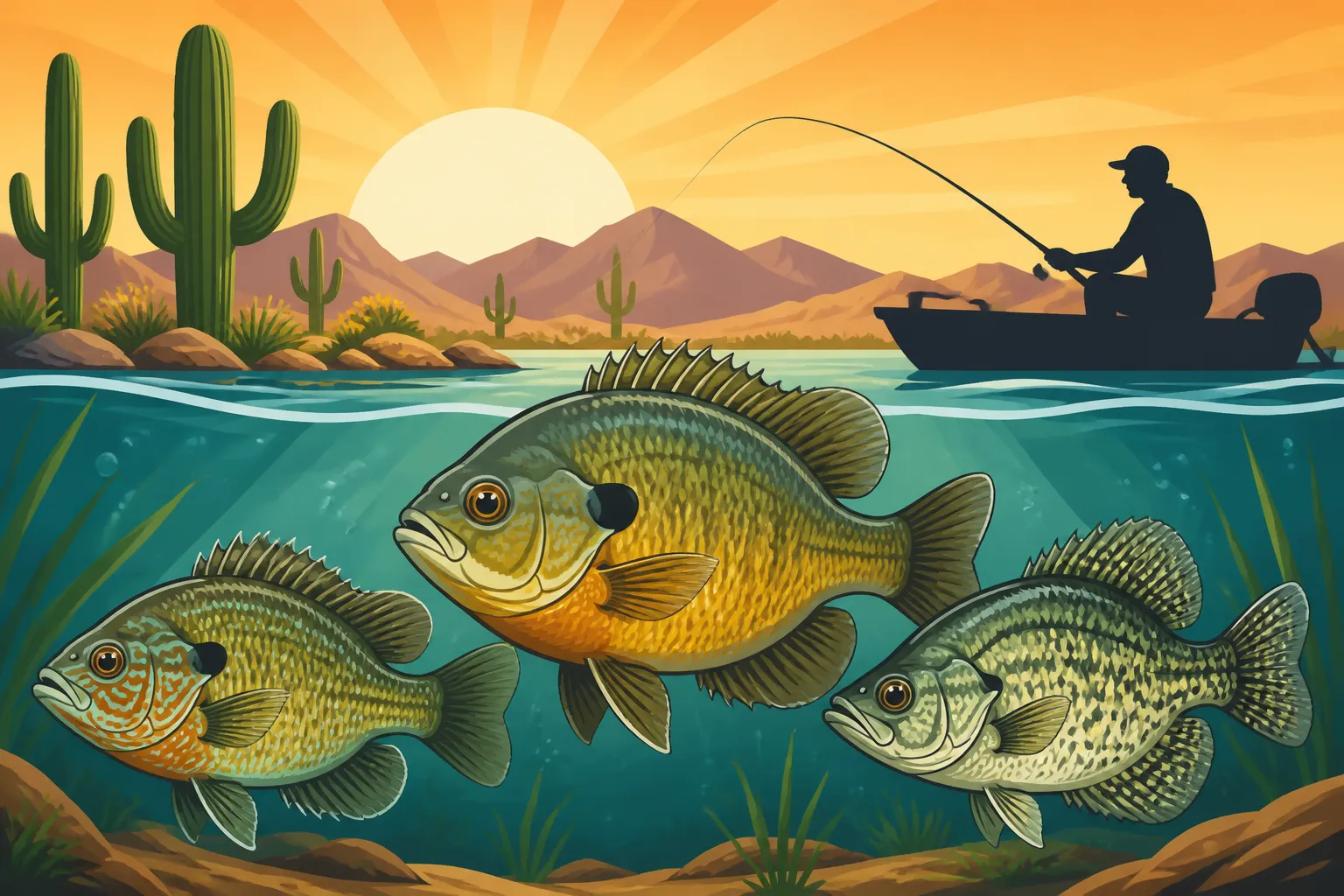
Ah, the bluegill! If you've ever caught a fish as a kid, chances are it was one of these little fighters. Bluegill are perhaps the most widespread and recognizable sunfish in Arizona. They are typically disc-shaped with an olive-green body that fades to a yellowish belly. Look for the distinctive dark spot at the rear of their dorsal fin and the "blue" gill flap, which gives them their name. While they average around 6-8 inches, some can grow larger, offering a surprisingly stout fight on light tackle.
Bluegill are true opportunists when it comes to food. They'll munch on insects, small crustaceans, and even plant matter. You'll find them almost anywhere there's water – from small community ponds to vast reservoirs like Lake Pleasant and Roosevelt Lake. They love to hang around submerged vegetation, fallen trees, docks, and any other structure that provides cover from predators and a place to ambush food. They're often found in relatively shallow water, especially during their spawning season when males aggressively guard their nests. The beauty of bluegill fishing is their eagerness to bite. If they're there, they'll usually let you know! For more on differentiating them from their cousins, check out Bluegill vs Sunfish Identification.
Redear Sunfish (Shellcrackers): The Bottom Feeder
Often called "shellcrackers" due to their unique diet, redear sunfish are another popular panfish in Arizona. They share a similar body shape to bluegill but are generally larger and have a more subdued, silvery-green coloration. Their most distinguishing feature is the bright red or orange margin on the operculum (gill flap), which gives them their name.
What truly sets redear apart is their love for snails and other mollusks. They have specialized pharyngeal teeth in their throats that allow them to crush shells, giving them a distinct advantage in waters with abundant shellfish. Because of this, you'll often find redear sunfish closer to the bottom, probing for their preferred meals. They tend to prefer cleaner water with more aquatic vegetation and hard bottoms where snails reside. Lakes like Lake Havasu and parts of the Colorado River system can be fantastic for redear. While they might not be as aggressively free-biting as bluegill, once hooked, a redear provides a powerful, determined fight. They're excellent table fare, and many anglers specifically target these bigger sunfish for their firm, white meat. If you're looking for more specific identification tips, take a look at Redear Sunfish Identification in Arizona.
Green Sunfish: The Aggressive Cousin
The green sunfish is another common species, often found in the same waters as bluegill and redear, though they tend to tolerate slightly murkier or more disturbed environments. They have a slightly more elongated body than bluegill, with a larger mouth that extends back to the middle of the eye. Their coloration is usually dark olive to greenish-brown, often with iridescent blue or green spots on their sides. The distinguishing feature is typically the light-colored, often yellowish, margin on their fins and a dark spot on the rear of their dorsal and anal fins.
Green sunfish are known for their feisty and aggressive nature, especially for their size. They are territorial and won't hesitate to strike at a lure or bait much larger than you'd expect. While they don't usually grow as large as bluegill or redear, they offer a surprisingly strong fight on light tackle. You'll find them in slow-moving streams, ponds, and the shallow areas of lakes, often around fallen timber, rocks, and dense vegetation. They are less picky eaters than redear, consuming insects, small fish, and crustaceans. Catching a green sunfish is almost guaranteed to bring a smile to your face because of their enthusiastic strikes. Learn more about identifying them with our Green Sunfish Identification in Arizona guide.
Crappie: Both Black and White Varieties
While technically part of the sunfish family, crappie are often treated as their own distinct category of panfish due to their larger size potential and schooling behavior. Arizona is home to both black crappie and white crappie, though black crappie tend to be more prevalent in many of our impoundments.
- Black Crappie: These fish have a deep, compressed body with a silvery background heavily mottled with irregular black spots. They typically have 7 or 8 dorsal fin spines. Black crappie generally prefer clearer water with abundant vegetation and submerged timber, often found in larger lakes like Roosevelt and Apache.
- White Crappie: White crappie are usually lighter in color, with vertical bands of dark spots rather than irregular mottling. They typically have 5 or 6 dorsal fin spines. White crappie are a bit more tolerant of turbid waters and slower currents, often found in larger rivers and the lower ends of reservoirs.
Both species are highly sought after by anglers for their delicious, flaky white meat. They are notorious for schooling, so when you find one, you've often found many! Crappie are ambush predators, feeding on small fish, minnows, and aquatic insects. They often suspend themselves around submerged brush piles, standing timber, and creek channels. Their bite can be subtle, sometimes feeling like just a slight weight on the line, but once you get the hang of it, you'll be filling your cooler. To learn more about these fantastic fish and how to catch them, explore our Black Crappie vs White Crappie Identification guide and Crappie Fishing Guide for Arizona.
Prime Locations for Panfish Angling Across Arizona
Arizona's diverse landscape means a variety of fishing experiences, and panfish are no exception. From bustling city parks to remote wilderness lakes, there's a spot for everyone.
Community Fishing Program Lakes: Urban Oases
For many Arizonans, the first taste of fishing comes from one of the state's amazing Community Fishing Program lakes. These urban fisheries, managed by AZGFD, are truly gems. They are often located within city parks, providing easy access for families and beginners. The department actively manages these lakes, stocking them with various species, including a healthy population of panfish like bluegill and sometimes redear sunfish.
What makes these lakes so fantastic for panfish? Firstly, they are typically small, making it easy to cover a lot of water from the bank. Secondly, the regular stocking ensures a good population density, meaning more bites for anglers. Thirdly, amenities like paved paths, restrooms, and sometimes even fishing piers make the experience comfortable and accessible for all ages and abilities. Imagine a quick trip to a local park in Phoenix, where you can easily find a bluegill or two within minutes of casting. These ponds are often designed with structure in mind—sunken brush, rock piles, or concrete structures—which all act as magnets for panfish. Whether you're in Phoenix or Tucson, there's likely a community lake nearby. Check out Community Park Lakes in Phoenix or Community Park Lakes in Tucson for specific locations and what to expect.
Larger Reservoirs and Natural Lakes
Beyond the urban ponds, Arizona's vast reservoirs offer incredible opportunities for panfish, especially crappie and larger sunfish. Lakes like Roosevelt Lake, Lake Pleasant, Canyon Lake, Apache Lake, and Bartlett Lake are renowned for their bass and catfish, but they also hold incredible populations of panfish.
In these larger bodies of water, panfish are often found in relation to their preferred structure and food sources. Crappie will school up around submerged timber, brush piles (sometimes man-made fish attractors), and deep creek channels. During spring, they move into shallower coves to spawn, becoming more accessible to shore anglers. Sunfish, while present throughout these lakes, will gravitate towards weed lines, rocky points, and the edges of any visible or submerged cover. Fishing around docks, especially those with lights at night, can also be incredibly productive for both sunfish and crappie. While these lakes require a bit more exploration and sometimes a boat to access the best spots, the rewards can be significant, with anglers often catching larger, more mature panfish. Panfish are also a primary food source for the larger game fish in these waters, so catching them can sometimes be a sign that bigger predators are lurking nearby!
Rivers and Streams: Hidden Gems
While lakes and ponds get most of the attention, don't overlook Arizona's river systems and smaller streams for panfish. The Salt River, parts of the Gila River, and numerous smaller creeks in the northern and eastern parts of the state can hold populations of sunfish, particularly green sunfish and bluegill.
Fishing rivers and streams for panfish requires a slightly different approach. Look for slower-moving eddies, backwaters, and areas with submerged rocks, logs, or overhanging vegetation that provide a break from the current and offer cover. Panfish in rivers tend to be a bit more spread out but can be found in pockets where food accumulates. Small, ultralight setups are perfect for navigating the often tighter quarters of stream fishing. Access might be more challenging, requiring some light hiking, but the tranquility and natural beauty of river fishing can be a truly rewarding experience. Just be sure to consult Arizona Fishing Regulations Explained for any specific rules regarding rivers and streams, as they can sometimes differ from lake regulations.
Essential Gear and Tackle for Arizona Panfish
One of the beautiful things about panfish fishing is that you don't need a boatload of expensive gear. In fact, simple, light tackle often works best and maximizes the fun!
Light Rods and Reels: Keeping It Fun
When it comes to panfish, the lighter your setup, the more enjoyable the fight. You're not looking to horse in a monster, but to feel every twitch and head shake of these feisty little fish.
- Rods: An ultralight or light-action spinning rod is ideal. A length between 5 to 6.5 feet is perfect for both casting small baits and managing fish without feeling overpowered. A limber tip will help you detect those subtle bites, while enough backbone will handle a surprisingly strong crappie or a larger redear. Many anglers find that a simple graphite or composite rod offers the perfect balance of sensitivity and durability.
- Reels: Pair your ultralight rod with a small spinning reel, typically in a 500 to 1000 size range. These reels are lightweight, easy to cast, and provide a smooth drag system, which is crucial when using light lines. You can often find excellent, budget-friendly combos that come pre-spooled with line, perfect for beginners. Consider checking out beginner-friendly options on Amazon for a decent start without breaking the bank. For more general advice on reels, you might find our Best Fishing Reels for Beginner Anglers in Arizona useful.
- Line: For panfish, lighter line is almost always better. It casts further, is less visible to cautious fish, and allows for a more natural presentation of your bait.
- Monofilament (mono): This is a classic choice, typically in 2 to 6-pound test. It's affordable, has good stretch (which can be forgiving for aggressive strikes), and is easy to tie knots with.
- Fluorocarbon: Less stretch than mono and nearly invisible underwater. Great for clear water and spooky fish, though it can be a bit pricier and stiffer.
- Braided Line: While less common for dedicated panfish setups due to its high visibility, some anglers use 6-10 pound braid with a fluorocarbon leader for increased sensitivity and casting distance, especially when using very small lures.
Basic Terminal Tackle: Small But Mighty
Your terminal tackle for panfish will be small, but each piece plays a vital role in your success.
- Hooks: Size matters here. You'll typically be using small hooks, ranging from size 8 down to size 12 or even 14 for very small baits and finicky fish.
- Aberdeen Hooks: These are a favorite for panfish. Their thin wire makes them easy to remove from a fish's mouth, and they tend to straighten out if snagged, allowing you to often retrieve your hook.
- J-Hooks: Standard J-hooks in small sizes work well.
- Circle Hooks: If you're planning on catch-and-release, tiny circle hooks can be excellent for reducing gut hooking.
- Sinkers: Keep these light.
- Split Shot: These small lead or non-lead weights simply pinch onto your line. A few small split shots positioned a foot or so above your hook are usually all you need to get your bait down.
- Small Egg Sinkers: These can be used above a swivel for a slip-sinker rig, allowing the line to run freely, which is good for bottom fishing where fish might feel resistance.
- Bobbers/Floats: Essential for suspending your bait at a specific depth and detecting bites.
- Clip-On Floats: The classic red and white bobbers. Easy to attach and adjust. Great for beginners.
- Slip Bobbers: These allow your line to "slip" through the bobber, controlled by a small bobber stop knot. This setup lets you fish much deeper than the length of your rod, which is crucial in deeper water. Best Bobbers for Panfish provides more detail.
- Swivels: Small barrel swivels can prevent line twist, especially when using spinning lures. A small snap swivel can also make changing lures quicker and easier. An Essential Tackle Box Setup for Arizona Beginners will definitely include these items.
Baits and Lures: Tempting Bites
Panfish aren't usually picky, but having a variety of baits and lures can increase your catch rate.
- Natural Baits: These are often the easiest and most effective.
- Worms: Red wigglers, nightcrawlers (cut into smaller pieces), or mealworms are panfish magnets. Thread them onto your hook, leaving a little tail for action.
- Crickets/Grasshoppers: Fantastic for sunfish, especially bluegill. You can buy them at bait shops or even catch your own.
- Corn/Bread: Believe it or not, kernels of sweet corn or small wads of bread can be incredibly effective, particularly in community lakes where fish are used to being fed.
- Small Minnows: Crucial for crappie fishing, especially when they're actively feeding on baitfish. Hook them lightly through the lips or dorsal fin.
- Artificial Lures: These offer a more active style of fishing.
- Micro Jigs: Tiny jigs (1/32 to 1/16 ounce) tipped with a small plastic grub, tube, or hair can be deadly for all panfish. Popular colors include chartreuse, white, black, and pink. Look for a wide selection on Amazon.
- Small Spinners: In-line spinners with a small blade (like a #0 or #1 size) are excellent for bluegill and green sunfish. The flash and vibration can draw strikes.
- Tiny Spoons: Small casting spoons or even ice fishing jigs can work well, especially for crappie in deeper water.
- Soft Plastics: Tiny grubs, tubes, or creature baits designed for panfish, often fished on a small jig head. Colors that mimic natural forage are key.
Don't forget scents and attractants! Sometimes a dab of fish attractant on your artificial lure or even natural bait can make a big difference, especially on tougher days. It's all about providing that extra sensory appeal.
Mastering Panfish Fishing Techniques in Arizona
Catching panfish is generally straightforward, but a few refined techniques can make your outings even more productive and enjoyable. Whether you're a seasoned angler or just starting, these methods will help you get those consistent bites.
Simple Live Bait Setups: Tried and True
Live bait is a panfish killer, plain and simple. It's often the easiest way to guarantee action, making it perfect for beginners and kids.
- Bobber Fishing for Beginners: This is the quintessential panfish technique. You'll attach a clip-on bobber (or a slip bobber for deeper water) to your line, usually 1-3 feet above your hook. Add a small split shot or two just above the hook to help the bait sink. Then, simply cast your bait (a piece of worm, a cricket, or a minnow) near any visible cover like docks, lily pads, or submerged brush. The bobber acts as a visual indicator – when it dips, darts, or goes completely under, it's time to set the hook! This method is incredibly visual and exciting, especially for children who love watching the bobber dance. It's a fantastic way to learn the basics of casting and hook setting.
- Bottom Fishing Techniques: Sometimes, panfish, especially larger redear sunfish, prefer to feed right off the bottom. For this, you can use a simple Carolina rig or just a heavier split shot. Thread a small egg sinker onto your main line, tie on a small swivel, and then attach a leader (about 6-12 inches) with your hook. This allows the sinker to rest on the bottom while your bait floats or sits naturally just above it. This technique is great for probing deeper areas or when fish aren't suspended. It's also a common method for anglers who are simultaneously targeting catfish in the same area.
- Targeting Different Depths: Panfish often suspend at specific depths, especially crappie. If you're not getting bites with your initial depth, don't be afraid to adjust. If using a clip-on bobber, move it up or down the line. With a slip bobber, you can easily slide your bobber stop up or down to cover the entire water column until you find where the fish are holding. Pay attention to any structure visible on shore, as fish will often congregate at similar depths near underwater extensions of that structure. This trial-and-error approach is a key part of successful panfish angling. Our Beginner Fishing Techniques for Arizona Desert Lakes offers great starting points.
Artificial Lure Tactics: Active Angling
For those who prefer a more active approach, artificial lures can be incredibly effective and add another layer of challenge and skill to panfish fishing.
- Casting and Retrieving Small Spinners: Small in-line spinners (like Mepps, Rooster Tail, or Panther Martin, readily available on Amazon) are fantastic for aggressive panfish like bluegill and green sunfish. Cast them out and retrieve steadily, just fast enough to get the blade spinning. The flash and vibration mimic small baitfish or insects, triggering strikes. Vary your retrieve speed and depth until you find what the fish are responding to. Spinners are particularly good for covering water and finding active fish.
- Working Micro Jigs Effectively: Micro jigs are arguably the most versatile artificial lure for panfish. These tiny leadheads (1/32 to 1/16 oz) are typically tipped with a small soft plastic grub, tube, or hair fly. The key to success with micro jigs is a subtle, precise presentation.
- Vertical Jigging: From a boat or pier, drop the jig straight down to the depth where you suspect fish are holding. Use short, subtle lifts and drops of the rod tip, letting the jig flutter.
- Casting and Retrieving: Cast the jig out and retrieve it with a slow, steady retrieve, or a "lift and drop" retrieve, simulating a struggling insect or small baitfish. The beauty of jigs is their ability to tempt even finicky fish. Pay attention to the line; bites can be very subtle, often just a slight "tick" or simply feeling heavier.
- Sight Fishing in Clear Water: In clear Arizona lakes and ponds, especially during spring spawning, you can often see panfish, particularly bluegill, on their beds or holding around cover. This allows for exciting sight fishing. Cast your small jig or live bait just beyond the fish and slowly work it into their strike zone. Watching a bluegill dart out and inhale your bait is incredibly thrilling! Polarized sunglasses are absolutely essential for this technique, as they cut glare and allow you to see into the water more clearly.
Fishing Structure and Cover: Where the Big Ones Hide
Panfish, like most fish, are creatures of habit and will almost always relate to some form of structure or cover. Understanding this is paramount to consistent success.
- Identifying Brush Piles, Docks, Submerged Timber, Weed Lines: These are panfish magnets.
- Brush Piles/Submerged Timber: Crappie absolutely love to suspend in and around submerged trees and brush. They offer protection and ambush points.
- Docks/Piers: The shade and vertical structure provided by docks attract baitfish, which in turn attract panfish. Fishing around the pilings and beneath the dock can be incredibly productive.
- Weed Lines: The edges of aquatic vegetation (lily pads, submerged grass) are prime feeding grounds for sunfish. Fish the open pockets within the weeds and along the edges.
- Rock Piles/Riprap: These areas can hold all kinds of panfish, especially redear sunfish which feed on snails found on rocky bottoms.
- Techniques for Fishing Tight Cover: When fishing dense cover, a slip bobber rig is often your best friend. It allows you to precisely drop your bait or jig into small openings without getting snagged on your cast. You'll need to be quick to set the hook and reel in to prevent the fish from burying itself deeper into the cover. For jigs, a vertical presentation directly into the cover is often best. Don't be afraid to experiment with how close you get to the cover; sometimes, the fish are right up against it.
- Using a Fish Finder to Locate Schools: While not strictly necessary for panfish, especially in community lakes, a basic fish finder (even a portable, castable one, available on Amazon) can be a game-changer on larger lakes, particularly for crappie. It will help you identify submerged brush piles, creek channels, and even schools of baitfish, which often indicates where crappie are lurking nearby. Looking for "arches" on your sonar screen can indicate fish, and if they're concentrated around structure, it's a good bet they're crappie or another panfish species. This takes some of the guesswork out of finding productive areas, making your time on the water more efficient.
Year-Round Strategies for Arizona Panfish Success
One of the great joys of fishing in Arizona is the ability to pursue panfish almost any time of year. While the weather might change, the fish are always there, just adjusting their behavior. Understanding these seasonal shifts is key to consistent success.
Spring: Spawning Frenzy
Spring in Arizona, typically from March through May, is arguably the absolute best time for panfish, especially bluegill and crappie. As water temperatures rise into the 60s Fahrenheit, these fish move into shallow waters to spawn.
- Locating Bedding Fish, Aggressive Bites: During the spawn, male bluegill and other sunfish create "beds" – circular depressions in the substrate, usually in shallow, sandy, or gravelly areas. They become highly territorial and will aggressively strike at anything that approaches their nest, making them relatively easy to catch. Look for these clusters of beds in protected coves or along shallow points. Crappie also move shallow, schooling up around brush piles and submerged timber in coves. Their focus on reproduction makes them less cautious and more willing to bite, often resulting in high-volume catches.
- Shallow Water Opportunities: This is the prime time for bank anglers! Fish will be in just a few feet of water, making them accessible with simple bobber rigs or small jigs. Focus on areas with emergent vegetation, reeds, or overhanging bushes. The action can be fast and furious, with multiple hook-ups in a short amount of time.
- Post-Spawn Patterns: After the peak spawning activity, fish will often move slightly deeper but remain relatively close to their spawning grounds, recuperating and feeding heavily. They might spread out a bit more, but their willingness to bite remains high as they regain energy. Continue to fish the edges of coves and the first drop-offs outside of spawning areas.
Summer: Deep Water and Early Morning Bites
Arizona summers are famously hot, and while panfish fishing can still be excellent, it requires some strategic adjustments to beat the heat for both you and the fish.
- Dealing with Heat, Seeking Shade and Deeper Water: As surface water temperatures soar, panfish will generally retreat to deeper, cooler water. This means focusing on main lake points, creek channels, and deeper submerged structure. They'll also seek out shade, so fishing beneath docks, under overhanging trees, or on the shady side of a canyon wall can be very productive. From a boat, you might need to target depths of 10-20 feet or more, particularly for crappie.
- Dawn/Dusk Action: The extreme heat of midday often puts fish into a lethargic state. Your best bet for summer panfish fishing will be during the cooler hours of dawn and dusk. During these times, fish will often move shallower to feed, making them more accessible. The low light also provides a sense of security, encouraging them to be more active.
- Night Fishing Potential: Don't dismiss night fishing for crappie, especially if you have a boat with lights. Crappie are attracted to light, which also draws in plankton and baitfish. Positioning lights over the water can create a feeding frenzy beneath your boat. This is a fantastic way to escape the daytime heat and enjoy a unique fishing experience. For panfish at night, use glow-in-the-dark jigs or small minnows under a float.
Fall and Winter: Transition and Cooler Water
As Arizona transitions into fall and winter, panfish patterns change again, but the fishing can remain consistently good, especially in our milder southern regions.
- Fish Schooling Up, Pre-Winter Feeding: In fall, as water temperatures begin to drop, panfish (especially crappie) will often school up tightly. They become very active, feeding heavily to build up fat reserves for the cooler months ahead. Look for them concentrated around structure in slightly deeper water, often transitioning from summer haunts to wintering areas. This can lead to incredible "hot spots" where you can catch dozens of fish if you find the school.
- Slower Presentations in Cold Water: During the cooler winter months, fish metabolism slows down. They're still feeding, but they're less likely to chase down fast-moving baits. Slowing down your presentation is key. Use very subtle jigging motions, let your bait sit for longer periods, and opt for natural baits like worms or small minnows.
- Still Good Fishing in Arizona's Mild Winters: Unlike many northern states, most of Arizona's low-elevation lakes and ponds never freeze. This means year-round open water fishing. While high mountain lakes might offer ice fishing (where permitted), you can typically find excellent panfish action in warmer areas throughout the winter. Community lakes are often stocked with trout in winter, but the resident panfish populations remain active, albeit at a slower pace. Focus on slightly deeper areas, especially those that retain heat, such as south-facing banks that get more sun exposure. For more insights into how to fish during the colder months, read our Winter Fishing Strategy for Desert Lakes article.
Regulations, Ethics, and Enjoying the Catch
Being a responsible angler goes beyond just catching fish. It's about understanding the rules, practicing good ethics, and ensuring our fisheries remain healthy for future generations. And of course, it's about enjoying the fruits of your labor responsibly!
Understanding Arizona Panfish Regulations
Even for seemingly abundant species like panfish, regulations are in place to ensure sustainable populations. It's every angler's responsibility to know and follow these rules.
- General Statewide Limits (and Varying by Specific Waters): The Arizona Game and Fish Department sets statewide bag and possession limits for various panfish species. These limits dictate how many fish you can keep per day and how many you can have in your possession. For example, bluegill and other sunfish often have a generous combined bag limit, allowing you to take home a good dinner. However, it's crucial to understand that these general rules can and often do vary for specific bodies of water. For instance, a particular community lake might have different limits or even special regulations to protect certain species or maintain balance.
- Importance of Checking Local Rules (Community Lakes, Tribal Lands): Never assume the statewide regulations apply everywhere. Before heading out, always check the current Arizona Game and Fish Department fishing regulations booklet or their website for the specific lake, river, or pond you plan to fish. This is especially vital for community fishing lakes, which often have their own unique rules, and absolutely critical if you plan to fish on tribal lands, such as San Carlos Lake. Tribal lands often require separate permits and have entirely different sets of regulations than state-managed waters. Ignoring these can lead to fines or loss of fishing privileges. We have a detailed Arizona Fishing Regulations Explained guide that can help.
- Arizona Fishing License Requirements: Before you even cast a line, you need a valid Arizona fishing license. This applies to most individuals over a certain age, with some exemptions for youth or special circumstances. The funds generated from license sales go directly back into conservation efforts, fish stocking, and maintaining public access to fishing areas. You can purchase licenses online through the AZGFD website, at many sporting goods stores (like some larger retailers you might find on Amazon), or authorized dealers. Always carry your license with you while fishing. If you're unsure about license requirements, refer to our Arizona Fishing License Guide to ensure you're compliant.
Responsible Angling and Conservation
Beyond the rules, ethical angling practices ensure that our natural resources are respected and preserved.
- Catch and Release vs. Keeping for Dinner: Panfish are excellent table fare, and keeping a mess for a family dinner is a time-honored tradition. However, practicing selective harvest is important. Consider keeping smaller, abundant fish for eating and releasing the larger, healthier "breeder" fish to ensure future generations. If you're going to release fish, handle them with care, minimizing their time out of water and using wet hands to protect their slime coat. For specific questions about limits, remember to check Fishing Bag and Possession Limits Explained.
- Handling Fish Properly: Whether you're keeping or releasing, proper fish handling is crucial. Avoid letting fish flop on the ground. Use a pair of pliers or a hook remover (easily found on Amazon) to quickly and gently remove hooks. If a fish is deeply hooked and you intend to release it, sometimes cutting the line as close to the hook as possible is better than trying to wrench out the hook, which can cause more damage.
- Respecting Private Property and Public Access: Always be mindful of where you are fishing. Public access points are plentiful, but many waterways border private property. Obtain permission before trespassing, and always leave no trace behind. Pack out all your trash, including discarded fishing line, which can be hazardous to wildlife. Being a courteous angler also means giving other fishermen space and being considerate of other recreational users of the water.
From Water to Table: Enjoying Your Catch
One of the greatest rewards of panfish fishing is the delicious meal you can make from your fresh catch.
- Cleaning and Preparing Panfish: Cleaning panfish is a simple process. A sharp filleting knife (also available on Amazon) or a dedicated fish scaler and gutting tool is all you need. Many anglers prefer to fillet crappie and larger sunfish, removing the bones for boneless fillets. Smaller sunfish, like bluegill, are often "fried whole" after scaling and gutting, as their bones are small and soften when cooked. Proper cleaning ensures the best flavor.
- Simple Cooking Methods (Frying, Baking): Panfish are versatile in the kitchen.
- Frying: This is a classic method. Dip your fillets or whole, cleaned fish in an egg wash, then dredge them in a seasoned cornmeal or flour mixture. Fry in hot oil until golden brown and flaky.
- Baking: For a healthier option, bake fillets with a squeeze of lemon, a pat of butter, and your favorite herbs. They cook quickly and retain their delicate flavor.
- Grilling: Larger panfish fillets can even be grilled in a foil packet with vegetables.
- Sharing the Experience with Family: There's nothing quite like gathering around a table to enjoy fish you've caught yourself. Panfish provide a perfect opportunity to share the bounty with family and friends, creating lasting memories. It completes the cycle of the fishing experience, from the anticipation of the bite to the delicious meal. So go out, catch some fish, and enjoy the true taste of Arizona's waters!
Disclaimer
This article is for general informational purposes only and does not constitute professional advice. Laws, prices and regulations vary by location and change over time. Consult a qualified professional for guidance on your specific situation.