Bluegill vs Sunfish Identification
There's nothing quite like a sunny day by the water, reeling in panfish after panfish, especially when you're fishing with family or just enjoying the peace of an Arizona lake. But let's be honest, sometimes you pull in a feisty little guy and you find yourself squinting, wondering, "Is this a bluegill, or is it one of those other sunfish?" It's a common confusion that can trip up even experienced anglers! This guide is here to untangle that riddle, helping you confidently identify your catch and appreciate the subtle differences that make each sunfish unique.
The Sunfish Family Tree: A Quick Overview
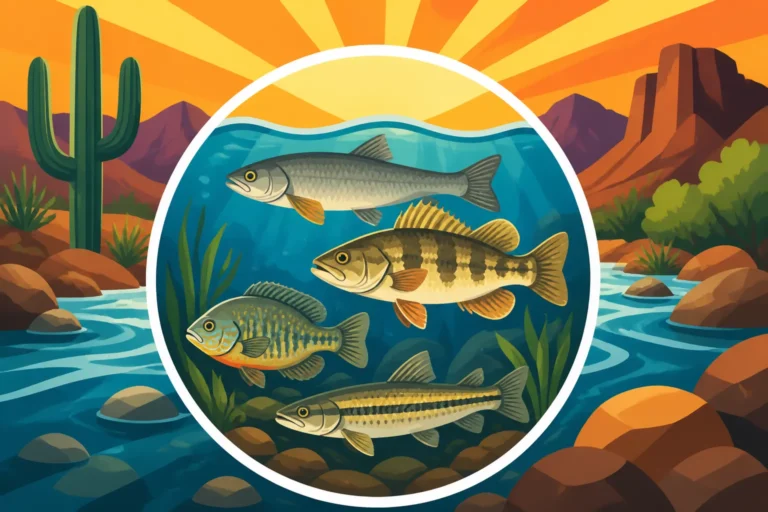
When we talk about "sunfish" in Arizona, we're really talking about a diverse and fascinating group of fish that are all related. It's like asking if someone is a "dog"—they might be, but what kind of dog? A chihuahua, a labrador, a poodle? They're all dogs, but they have distinct features. The same goes for sunfish!
What Exactly is a Sunfish?
At its core, a sunfish belongs to the scientific family Centrarchidae, which includes not just the smaller panfish we often target, but also the various species of bass, like largemouth and smallmouth. These are primarily freshwater fish native to North America, and Arizona has a healthy population of several species. Generally, you'll recognize them by their distinct "pan-shaped" or compressed, oval bodies. Think of a dinner plate, but with fins! They typically have a spiny dorsal fin followed by a soft-rayed dorsal fin, which often appear connected. Their mouths are usually on the smaller side, though this is one of the key differentiators we'll talk about.
These fish are incredibly popular with anglers, especially beginners and kids, because they're often abundant, relatively easy to catch, and put up a surprisingly good fight for their size. They also tend to congregate in visible areas, making them accessible from shore, docks, or smaller boats. Whether you're at a popular spot like Tempe Town Lake or a high-country escape, you're likely to encounter some members of this family.
Why the Confusion Between Bluegill and Other Sunfish?
The biggest reason for the mix-up is simply how similar many of them look at first glance. They share that characteristic "panfish" shape, and their coloring can be incredibly variable depending on factors like water clarity, diet, depth, and even their mood! A bluegill caught from murky water might look drastically different from one pulled out of a clear, rocky lake. This chameleon-like ability to adapt their hues makes positive identification a real challenge.
Another factor is that many anglers, myself included sometimes, tend to lump them all together as "bream" or "panfish." While technically not incorrect—bluegill are panfish—it doesn't help when you're trying to tell them apart for specific reasons, like identifying a potential state record or understanding feeding habits. The common names can also be a little fuzzy; what one person calls a "perch" might actually be a sunfish to another. It's a classic case of seeing the forest but not the trees, especially when the fish is flopping around in your hand! This is why knowing the subtle, consistent differences is so important.
Bluegill: The Arizona Panfish Icon
The bluegill is arguably the most recognizable and beloved panfish in Arizona. They are everywhere, from the warm desert lakes to the cooler community ponds, offering endless angling opportunities. If you've ever cast a tiny hook with a worm at a local pond, chances are good you've caught a bluegill.
Key Identification Markers for Bluegill
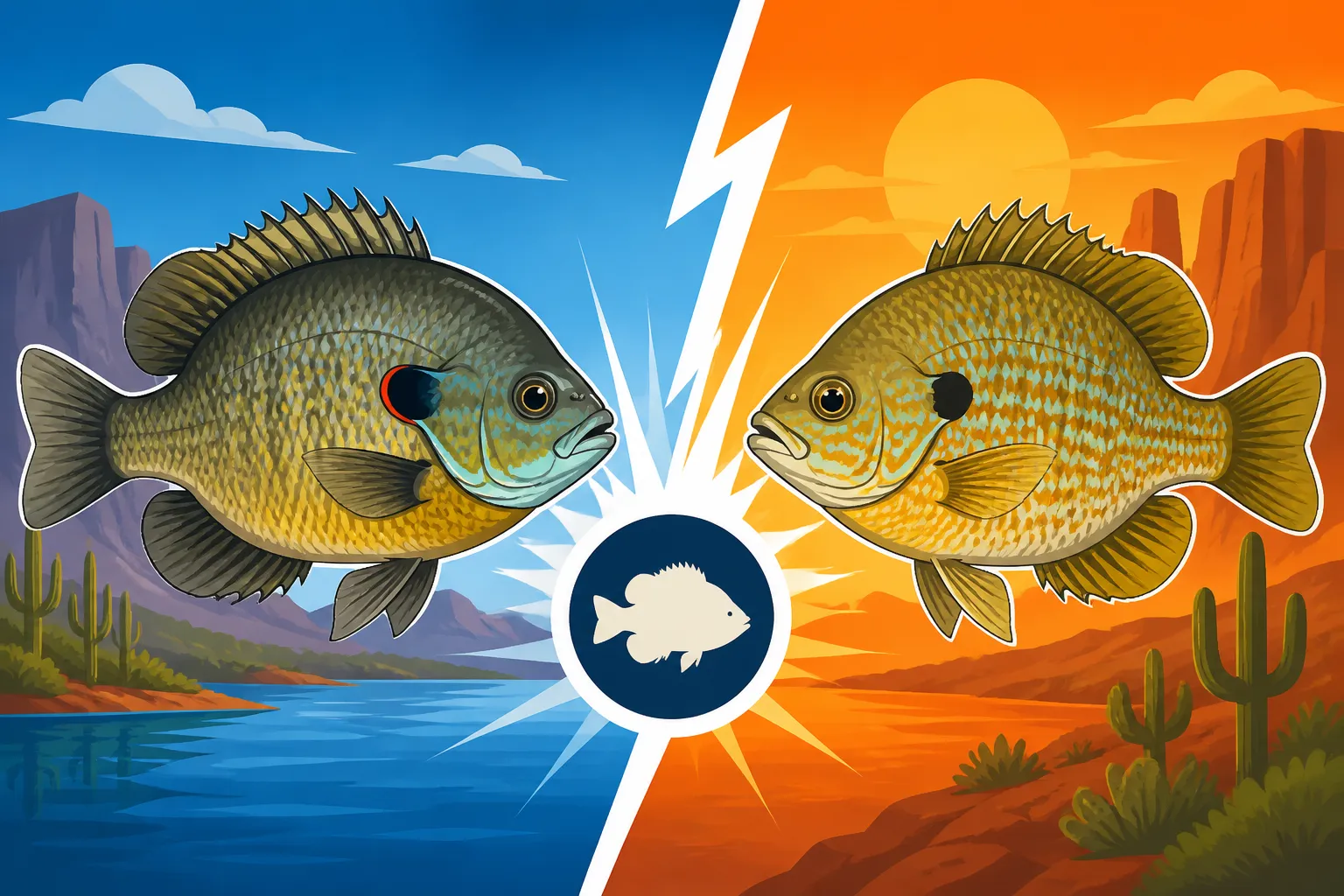
When you're trying to pinpoint a bluegill, you want to look for a few distinct characteristics that reliably set it apart from its sunfish cousins. First and foremost, check the mouth. Bluegill have a remarkably small mouth, so small that it typically doesn't extend back past the front edge of the eye. This is a crucial detail! Their bodies are deep and compressed, giving them that classic "roundish" or "pan-shaped" profile.
Coloration can vary wildly, as we discussed, but bluegill often display a greenish-brown back fading to a yellowish belly. Many specimens will have 6-8 faint, vertical bars along their sides, which can be more prominent in some fish and almost invisible in others. But here’s the clincher: look at the soft dorsal fin (the one closer to the tail) – you'll usually find a distinct, dark spot right at its base. Then, examine the opercular flap, sometimes called the "ear flap" or "gill flap." On a bluegill, this flap is entirely black, with no colored trim around its edge. Often, you'll also notice a beautiful blue-black iridescent sheen on the gill plate itself, which gives the fish its "bluegill" name. Panfish and Sunfish Guide for Arizona goes into more detail about these popular fish.
Bluegill Behavior and Habitat in Arizona
Bluegill are true community fish, thriving in a wide variety of habitats across Arizona. You’ll find them in slow-moving streams, large reservoirs like Lake Pleasant, and almost every urban lake in the state, making them a top target for many anglers. They absolutely adore structure, so if you're fishing near submerged logs, weed beds, brush piles, docks, or even fallen trees along the shore, you're likely in a prime bluegill spot. They are often found in schools, sometimes quite large ones, so if you catch one, there are likely many more nearby!
Their diet consists mainly of insects, insect larvae, small crustaceans, and other aquatic invertebrates. This is why small worms, crickets, and tiny artificial lures are so effective. Because they are often abundant and reproduce quickly, they are a vital food source for larger predatory fish like bass and catfish. Their consistent presence and willingness to bite make them an ideal target for new anglers or a relaxing day for seasoned pros. Places like the community fishing lakes often stock them, ensuring a steady supply for eager young anglers. You can find many of them in spots mentioned in Community Fishing Program Rules.
Common Sunfish Species You'll Encounter in Arizona (and How They Differ from Bluegill)
While bluegill might be the most common, Arizona's waters are home to several other sunfish species that are often caught right alongside them. Knowing how to tell them apart is key to truly understanding your catch.
Green Sunfish: The Aggressive Imposter
Oh, the green sunfish! These guys are probably the most common source of confusion with bluegill, especially for beginners. They look similar at first glance – same general body shape, often similar greenish hues. But start looking closer, and the differences become apparent. The most reliable indicator for a green sunfish is its mouth: it's noticeably larger than a bluegill's, extending back to at least the middle of the eye, and often even beyond it. Imagine putting a bluegill's mouth next to a green sunfish's – the green sunfish looks like it could eat the bluegill's lunch!
Their bodies are also typically a bit more elongated than a bluegill's, though still compressed. Coloration varies but often includes vibrant green or blue iridescence, especially on their cheeks and gill covers. Many will have yellowish-orange margins on their fins. Critically, their opercular flap is usually black, but it will almost always have a distinct, light-colored (often yellow or orange, sometimes reddish) trim around the edge. This colored trim is a dead giveaway that you're holding a green sunfish, not a bluegill. They're feisty little fighters and can tolerate a wider range of water conditions, making them prevalent in many Arizona waterways. If you want to dive deeper into this specific species, check out Green Sunfish Identification in Arizona.
Redear Sunfish (Shellcracker): The Snail Eater
The redear sunfish, affectionately known as "shellcrackers" because of their preference for crunching snails and mollusks, are another popular sunfish in Arizona. While they share the panfish body shape, they usually have a more robust, "chunkier" appearance than bluegill. Their overall body color tends to be a bit more yellowish-bronze, often with faint dark spots rather than distinct vertical bars.
The most striking identification feature, and the one that gives them their common name, is the opercular flap. On a redear, this flap will have a prominent red or orange spot or margin on its posterior edge, particularly vibrant in males. This "red ear" is usually quite distinct and really stands out against the darker flap. Unlike green sunfish, their mouth is generally smaller, more similar to a bluegill's, and does not extend beyond the front of the eye. If you pull one of these out of the water, especially a larger one, you'll immediately see why they're popular. They tend to grow a bit bigger than bluegill on average, offering a stronger tug on the line. Learn more about these unique sunfish in Redear Sunfish Identification in Arizona.
Other Arizona Sunfish: Redbreast, Longear, Warmouth
While bluegill, green sunfish, and redear sunfish are your most common catches, Arizona also hosts a few other sunfish species that you might encounter, though often less frequently. These can add to the identification challenge, but once you know the main three, these others become easier to spot.
- Redbreast Sunfish: These are characterized by a very long, black opercular flap that can be almost entirely black, but sometimes has a faint red or orange spot on the edge. Their bodies are often greenish-brown with a brassy belly, and males can have beautiful iridescent blue markings on their heads. They're not as widespread as bluegill but can be found in certain river systems and reservoirs.
- Longear Sunfish: As the name suggests, the longear sunfish takes the "ear flap" to an extreme. Their opercular flap is exceptionally long and narrow, often extending well past the edge of the gill cover, and typically fringed with white or red. They also tend to have wavy, iridescent blue-green lines on their cheeks. These are often smaller than bluegill and found in clearer waters.
- Warmouth: The warmouth looks almost like a cross between a sunfish and a bass. They have a more stout, stocky body and a noticeably larger, bass-like mouth that extends past the middle of the eye. Their coloration is often mottled brown and olive, giving them a camouflaged appearance, and they frequently have three or four dusky bars radiating back from their eye. They prefer murky, weedy waters.
It's a colorful family, and each member has its own charm!
Practical Tips for On-the-Water Identification
Alright, so you're out there, line in the water, and you've just hooked something small but spirited. Now what? How do you apply all this knowledge in the moment? It really comes down to a few quick checks.
The "Gill Flap" Test and Mouth Size Check
These two features are your absolute best friends for quick sunfish identification. As soon as you land the fish, gently secure it and take a look.
- The Opercular Flap (Gill Flap): Is it entirely black with no colored edge? That's a strong indicator for bluegill. Does it have a distinct yellow, orange, or reddish trim? Likely a green sunfish or redear. If it's red/orange, you're leaning redear. If the flap is unusually long, you might have a redbreast or longear. This is often the first thing I look for.
- Mouth Size: Gently open the fish's mouth. Does it barely open and stop well before the front of the eye? Classic bluegill. Does it open much wider, extending to or past the middle of the eye? That's your green sunfish, or possibly a warmouth.
Practicing these two quick observations will solve 90% of your sunfish identification dilemmas right there on the spot. You can even find laminated fish identification guides on Amazon that you can clip to your tackle box, which are super handy for a quick reference.
Body Shape and Coloration Clues
While not as reliable as the gill flap or mouth size, body shape and coloration can offer supporting evidence once you've made your primary assessment.
- Body Shape: Bluegill tend to be very round or "deep-bodied" for their length, almost like a perfect circle if you ignore the head and tail. Green sunfish can be a bit more elongated, while redear might feel a touch thicker or more robust. Remember that fish from different environments might have slightly different body proportions.
- Coloration: As we've discussed, coloration is highly variable. Don't rely solely on it! However, bluegill often have those faint vertical bars. Green sunfish can have a more mottled or spotty pattern, especially around their sides. Redear are usually more uniformly bronze or golden. Always consider the water conditions: fish from murky water might be paler, while those from clear water with lots of cover might be darker and more vibrant. Think of it as frosting on a cake – it's nice, but you need to know what's underneath!
Why Proper Identification Matters (Regulations & Bragging Rights)
You might be thinking, "What's the big deal? They're all panfish!" And while that's true for many recreational purposes, there are a few good reasons to hone your identification skills.
First, regulations. While many Arizona fishing regulations group sunfish species together under a general "panfish" category with a combined bag limit, there can be specific size or bag limits for certain species in certain waters. Knowing exactly what you've caught ensures you're always fishing legally. It's a key part of being a responsible angler and understanding Arizona Fishing Regulations Explained.
Second, bragging rights! There's a certain satisfaction that comes with accurately identifying a fish. Telling your friends you caught a chunky redear sunfish instead of just "another bream" shows a deeper understanding and appreciation for the fishery. Plus, if you ever land a truly exceptional specimen, knowing its exact species is crucial for checking state records and celebrating a truly memorable catch.
Finally, for conservation and understanding fisheries, accurate identification helps the Arizona Game and Fish Department track populations and manage our waters effectively. By being able to distinguish between species, you're not just a better angler, you're a more informed steward of Arizona's precious aquatic resources. Knowing, for instance, the Bluegill Size Limit at Community Ponds in Arizona or the Sunfish Limit at Arizona Community Fishing Ponds is really helpful.
Here's a quick comparison table to help you out:
| Feature | Bluegill | Green Sunfish | Redear Sunfish (Shellcracker) |
|---|---|---|---|
| Mouth Size | Small, not extending past front of eye | Large, extending to or past middle of eye | Small, not extending past front of eye |
| Opercular Flap | All black, no colored trim | Black with distinct light (yellow/orange) trim | Black with prominent red/orange spot/trim |
| Body Shape | Deep, round, very compressed | Slightly more elongated, still compressed | Robust, chunky, compressed |
| Dorsal Fin | Dark spot at base of soft dorsal fin | No distinct spot | No distinct spot |
| Coloration | Greenish-brown back, yellowish belly, faint vertical bars (variable) | Green/blue iridescence, sometimes mottled, yellowish fin margins | Yellowish-bronze, faint dark spots |
| Typical Habitat | Weedy areas, submerged structure, clear to moderately turbid water | Tolerant of wide conditions, often in murkier or slower waters | Weedy bottoms, open water, snail beds |
Disclaimer
This article is for general informational purposes only and does not constitute professional advice. Laws, prices and regulations vary by location and change over time. Consult a qualified professional for guidance on your specific situation.