Arizona Crappie Record
For many Arizona anglers, there’s nothing quite like the thrill of feeling that distinctive tap on your line, setting the hook, and battling a slab crappie. The dream of landing a fish that isn't just big, but truly record-breaking, is a powerful motivator. This guide is dedicated to anyone who's ever wondered what it takes to catch a state record crappie in Arizona, exploring the current benchmarks, the best places to search, and the meticulous process of getting your trophy officially recognized.
The Pursuit of the Arizona Crappie Record: An Angler's Dream
Chasing a state record isn't just about catching a big fish; it's about connecting with the history of fishing in Arizona, understanding the nuances of crappie behavior, and dedicating yourself to the pursuit. It requires patience, skill, and a bit of luck, but the reward of holding a fish that stands above all others is immense. While the average crappie might offer a fun fight and a delicious meal, a record crappie is a true monster, a testament to the fish's potential and the angler's perseverance.
The Current Arizona State Crappie Record Details
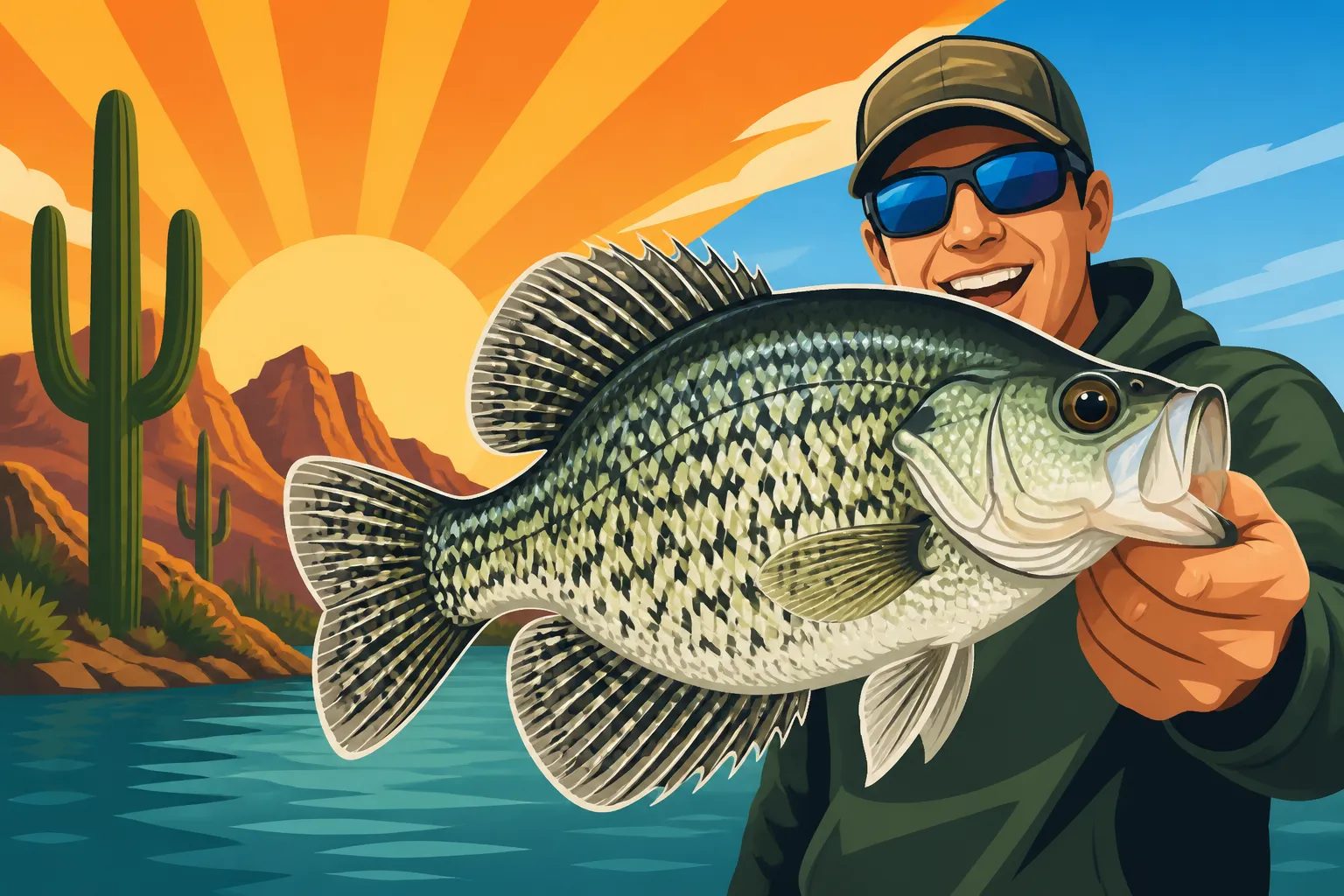
Arizona has a rich history of impressive crappie catches, and the current state record for crappie is held by a truly remarkable fish. This isn't just a heavy crappie; it’s a legendary catch that showcases the potential of our desert lakes. The record is often categorized by species, primarily black crappie and white crappie, given their distinct characteristics and habits. Knowing the exact weight and location of the current record holder is often the first step for any aspiring record-breaker. It sets a benchmark, a tangible goal to aim for, fueling countless fishing trips and strategic planning sessions.
Imagine the moment that record fish hit the scale, exceeding all expectations and entering the annals of Arizona fishing lore. It’s a story passed down among anglers, inspiring others to pick up their rods and try their luck in the same waters. This record wasn't set overnight; it was the culmination of countless hours on the water, understanding crappie patterns, and having the right bait at the right time. The conditions have to be just perfect, and the angler has to execute flawlessly from the hook set to the net.
The Story Behind a Record Crappie Catch
Every state record fish has a story, often filled with anticipation, a fierce battle, and the sudden realization that something truly special is on the end of the line. The angler who lands a record crappie usually recounts a tale of unusual circumstances, perhaps a different lure than usual, a new spot, or just an instinctual feeling that led them to the right place at the right time. These stories aren't just anecdotes; they offer insights into the dedication and sometimes sheer serendipity involved in such a monumental catch.
Think about the sheer excitement and adrenaline that must rush through an angler as they pull a crappie to the boat or shore, only to realize its immense size. The initial thought might be just a personal best, but then the measuring tape comes out, followed by the call to a certified weigh station. The process from hook-up to official recognition is a whirlwind, demanding quick action and adherence to specific rules to ensure the catch is legitimate. It’s a moment that defines an angler’s career, placing them in an elite group of those who have truly made their mark on the state’s fishing heritage.
Understanding Crappie Species and Records in Arizona
Arizona's waters are home to both black crappie and white crappie, and while they share many similarities, they are distinct species with different preferences and often, different record categories. Understanding these differences is crucial for any angler hoping to target a record-breaking fish, as their habitats, feeding behaviors, and even their physical appearances can vary. This distinction is vital for accurate record-keeping and for developing effective fishing strategies.
Differentiating Black and White Crappie
At first glance, black crappie and white crappie might look quite similar, especially to the untrained eye. However, there are key characteristics that help distinguish them, and knowing these can be invaluable when you're trying to determine if you've caught a potential record for a specific species. Black crappie generally have a more mottled or speckled pattern with irregular dark spots, while white crappie tend to have more distinct, vertical bands of dark spots along their sides. Another telling sign is the dorsal fin: black crappie typically have 7 or 8 dorsal spines, whereas white crappie usually have 6. These seemingly small differences can play a huge role in identifying which record category your fish might fall into.
Beyond physical appearance, their preferred habitats also differ. Black crappie tend to favor clearer, cooler water with abundant vegetation and structure, making them common in many of Arizona's high-country lakes and clearer desert reservoirs. White crappie, on the other hand, are often more tolerant of turbid water and prefer areas with slower currents and less dense cover, frequently found in larger impoundments and river backwaters. Understanding these habitat preferences can guide your search for either species. For a deeper dive into these differences, check out our guide on Black Crappie vs White Crappie Identification.
Why Separate Records Matter
The decision to maintain separate state records for black crappie and white crappie is rooted in biological and angling realities. These two species have different growth rates, maximum sizes, and often inhabit different niches within the same body of water. If there were only a single "crappie" record, one species might consistently outweigh the other due to natural physiological advantages, making it incredibly difficult for the "smaller" species to ever hold the top spot. Separate records create a more level playing field, celebrating the largest specimens of each unique type of crappie that thrive in Arizona.
This separation also encourages anglers to learn and appreciate the distinct characteristics and behaviors of each species. It promotes a more specialized approach to fishing, where anglers tailor their techniques, baits, and even choice of fishing locations based on whether they are targeting black or white crappie. This specificity not only enhances the challenge but also contributes to a richer understanding of Arizona's diverse fisheries. Without separate records, the nuances of targeting, say, a giant black crappie in a clear mountain lake versus a hefty white crappie in a siltier desert reservoir, might be lost.
Here's a quick comparison of the two main crappie species found in Arizona:
| Feature | Black Crappie | White Crappie |
|---|---|---|
| Color/Pattern | Mottled, irregular dark spots on a silver/gold body | Distinct vertical dark bands on a silvery body |
| Dorsal Spines | 7-8 spines | 6 spines |
| Preferred Habitat | Clearer, cooler water, heavy vegetation/structure | More tolerant of turbid water, slower currents |
| Body Shape | More round or "panfish-like" | Often more elongated |
| Typical Size | Generally average slightly smaller than white crappie, but can grow large | Can grow quite large, especially in fertile waters |
Where Record-Setting Crappie Are Caught in Arizona
Arizona's desert and mountain lakes offer diverse habitats for crappie, and certain bodies of water have consistently produced larger-than-average fish, even challenging state records. Understanding why these lakes are so productive is key to finding your own trophy crappie. It's not just about showing up; it's about knowing the ecosystem and the conditions that allow crappie to reach monumental sizes.
Top Arizona Lakes Known for Big Crappie
When you hear talk of trophy crappie in Arizona, a few names consistently rise to the top. Lakes like Roosevelt Lake, San Carlos Lake, and Apache Lake are legendary among crappie anglers for their ability to kick out huge slabs. These large reservoirs offer vast expanses of water, diverse underwater structure, and abundant forage, creating ideal conditions for crappie to thrive and grow to exceptional sizes. Each lake has its unique character, but they all share common traits that contribute to their crappie-producing prowess. For a general overview of some of the best crappie spots, our Best Crappie Fishing Spots in Arizona guide can be a great starting point.
Roosevelt Lake, for example, with its fluctuating water levels, often exposes and then re-submerges extensive brush piles and timber, creating perfect ambush points for crappie. Roosevelt Lake Arizona Fishing Guide dives deeper into its offerings. San Carlos Lake, on tribal land, is known for its incredibly fertile waters and immense crappie populations, though special permits are required to fish there. Similarly, Apache Lake, part of the Salt River chain, has deep canyons and numerous coves that can hold monster crappie. Exploring these lakes requires patience and often a good fish finder, but the rewards can be truly spectacular.
Environmental Factors for Trophy Growth
What makes a lake produce record-breaking crappie? It's a combination of several critical environmental factors. Abundant forage, such as threadfin shad and various invertebrates, is paramount. Crappie are voracious eaters, and a consistent, ample food supply allows them to pack on the pounds quickly. Warm water temperatures for a significant portion of the year also contribute to faster growth rates, enabling crappie to feed and metabolize efficiently. Arizona's long warm seasons in many of its desert lakes are a significant advantage in this regard.
Beyond food and temperature, suitable habitat is crucial. Large crappie need places to hide, ambush prey, and spawn safely. This includes standing timber, submerged brush piles, rock ledges, and deep creek channels. Lakes with a complex underwater topography offer more diverse habitats, catering to crappie throughout their life cycle and in different seasons. A healthy ecosystem with good water quality and minimal fishing pressure on the largest individuals also plays a role. When all these elements align, a lake becomes a factory for trophy crappie, just waiting for the next record to be pulled from its depths.
Tactics and Gear for Targeting Trophy Crappie
Catching a record-breaking crappie isn't just about being in the right place; it's about employing the right tactics and having the appropriate gear. While crappie can be caught on simple setups, targeting true giants requires a more refined approach, often involving specialized lures, precise presentations, and an understanding of their seasonal movements.
Essential Crappie Fishing Techniques
Successful crappie anglers know that these fish are often structure-oriented and can be surprisingly finicky. One of the most effective techniques for targeting large crappie is vertical jigging or slow trolling with small jigs or minnows around submerged timber, brush piles, and rock ledges. When crappie are grouped up, they can be caught in large numbers, but finding those larger, solitary fish often requires a more patient and subtle approach. During the Crappie Spawning Season Tactics, when they move into shallower water, sight fishing or carefully working small jigs around visible cover can be deadly.
Another highly effective method is to use a fish finder to locate schools of crappie, especially those suspended in open water or hugging deep structure. Once located, dropping a small jig or a live minnow directly into the school can elicit bites. When fishing brush piles, knowing How to Fish a Brush Pile for Crappie can significantly increase your success. Patience is paramount; sometimes, just soaking a bait in a productive area is all it takes for that monster crappie to eventually find your offering. Keep an eye on your line for even the lightest tap, as big crappie can often bite very subtly.
Gear and Baits for Trophy Crappie
Your gear can make a significant difference when targeting record crappie. A sensitive rod, typically a light to medium-light action spinning rod between 6 and 7 feet, is crucial for detecting subtle bites. Pair this with a small, smooth spinning reel spooled with light monofilament or fluorocarbon line (4-6 lb test) to allow for natural bait presentation and to minimize visibility. Braided line can also be effective, especially in heavy cover, as it offers superior sensitivity and strength, though a fluorocarbon leader is often recommended for stealth.
When it comes to baits, live minnows are arguably the king for crappie, particularly larger ones. They are a natural food source and often irresistible. Other effective baits include small jigs (1/32 to 1/8 ounce) in various colors, especially chartreuse, white, or black-and-chartreuse combinations. Soft plastic crappie tubes, grubs, and tiny swimbaits can also be highly productive. For those looking to stock up on reliable crappie gear, many excellent options can be found on Amazon, from sensitive rods to a wide array of jigs and lures. It's a convenient way to compare different brands and read reviews from other anglers. Don't forget a landing net with a soft mesh to protect your fish, especially if you plan on releasing it or need to keep it in prime condition for certification. For a comprehensive look, consult our Best Bait for Crappie in Arizona guide.
The Process of Certifying a State Record Fish
You've done it! You've landed what appears to be a crappie of epic proportions, potentially shattering the current state record. But the excitement is only half the battle. The next crucial step is to get your catch officially certified. This process is rigorous and requires adherence to specific rules to ensure the integrity of the state record books. Missing a single step could mean your monumental catch goes unrecognized, a truly heartbreaking thought for any angler.
Steps to Certify Your Potential Record Fish
If you believe you’ve caught a state record crappie, the clock starts ticking the moment it’s landed. The very first step is to keep the fish alive and in good condition if possible, as some agencies prefer to verify the species in person. If not, it must be kept fresh, ideally on ice, to prevent weight loss due to dehydration. Immediately seek out a certified scale. This is not your bathroom scale or even a high-end personal fishing scale; it needs to be an official scale, typically found at tackle shops, marinas, or grocery stores that are certified by weights and measures.
Next, you'll need witnesses. Ideally, multiple credible witnesses should be present during the weighing process. Documentation is key: clear photographs of the fish, the measuring process (length and girth), and the weight on the scale are essential. Make sure the pictures are well-lit and show distinct features of the fish. You'll also need to identify the exact species of crappie caught. This is where your knowledge of Black Crappie vs White Crappie Identification becomes critical. Finally, contact the Arizona Game and Fish Department (AZGFD) as soon as possible to report your catch and initiate the official certification process. They will guide you through the remaining steps and provide the necessary forms. It’s an involved process, but absolutely necessary to immortalize your catch.
Official Documentation and Weigh Stations
The AZGFD has specific requirements for what constitutes a valid state record. The fish must be caught legally, adhering to all Arizona Fishing Regulations Explained, using fair angling methods. This means no snagging, electrofishing, or other prohibited techniques. The fish must be weighed on a state-certified scale that has been recently calibrated. These scales are often inspected regularly to ensure accuracy. The certification typically involves a completed application form, signed by witnesses, detailing the catch location, date, time, and method.
Furthermore, a fish biologist may need to examine the specimen to confirm the species identification, especially if it's a close call between a black and white crappie or if there's any ambiguity. High-quality photographs are critical, showing the entire fish, the weigh-in on the certified scale, and potentially close-ups of specific identifying features like dorsal spine count. Some anglers even take video footage of the entire process for irrefutable proof. Always prioritize getting to a certified weigh station quickly and accurately documenting every detail. A quick search on the AZGFD website or a call to local tackle shops can usually help you locate the nearest certified scale.
The Quest for the Next Crappie Record in Arizona
The existing crappie records in Arizona stand as formidable challenges, but they are not unbreakable. Every year, anglers are out on the water, honing their skills, learning the lakes, and dreaming of that one incredible catch that will etch their name into the state's fishing history. The pursuit of a new record is a continuous journey, fueled by passion, scientific understanding, and a deep appreciation for these fantastic panfish.
The Dedication of a Record Angler
Breaking a state record isn't a fluke; it's often the result of immense dedication. Record anglers typically spend countless hours on the water, studying fish behavior, water temperatures, seasonal patterns, and intricate lake maps. They become intimately familiar with their chosen fishing grounds, understanding how wind, weather, and water levels affect crappie movements. This level of commitment goes beyond casual fishing; it's a strategic undertaking. Many dedicate themselves to mastering specific techniques, understanding Crappie Diet and Feeding Habits to choose the perfect bait, and constantly adapting their approach based on conditions.
It's a process of trial and error, resilience in the face of slow days, and an unwavering belief that the next cast could be the cast. For some, it involves investing in top-tier equipment, such as advanced fish finders and specialized rods found on platforms like Amazon, that give them an edge. This dedication is what separates the dreamers from the record holders, creating a legacy of perseverance and angling prowess. The drive to push boundaries, to learn something new on every outing, is at the heart of every record-breaking effort.
Future Prospects for Arizona Crappie Records
Arizona's crappie fisheries are dynamic, constantly evolving with environmental changes, stocking programs, and angling pressure. The potential for new state records remains strong, particularly in the larger, more fertile reservoirs. As anglers continue to refine their techniques and embrace new technologies, they uncover hidden patterns and previously unfished areas where larger crappie may be lurking. Conservation efforts, smart fishery management by AZGFD, and responsible angling practices all contribute to maintaining healthy fish populations, including those giant crappie.
Furthermore, as climate patterns shift, some lakes might become even more conducive to crappie growth, offering new opportunities. There's always the possibility of a "dark horse" lake emerging, previously overlooked, that suddenly starts producing monster crappie due to changing conditions. The biggest crappie are often caught by anglers who are willing to explore new waters, experiment with different methods, and fish at times or in places others might shy away from. The next Arizona crappie record is out there, waiting for the dedicated angler who combines knowledge, skill, and just a touch of that legendary fishing luck. Keep your lines wet, stay persistent, and who knows, your name might be the next one added to the state record books!
Disclaimer
This article is for general informational purposes only and does not constitute professional advice. Laws, prices and regulations vary by location and change over time. Consult a qualified professional for guidance on your specific situation.