How to Fish a Brush Pile for Crappie
There's nothing quite like the thrill of catching crappie, those feisty, delicious panfish that offer an incredible fight on light tackle. But let's be honest, trying to find and entice them when they're buried deep within a brush pile can feel like trying to find a needle in a haystack. It’s incredibly frustrating to know they're there, but you just can’t get them to bite. This guide is here to unravel the mysteries of brush pile crappie fishing, giving you the strategies and confidence to pull those slabs out of the thickest cover in Arizona’s beautiful, yet challenging, waters.
Understanding Crappie Behavior Around Brush Piles
Before you can even think about casting a line, it's crucial to understand why crappie gravitate towards brush piles and how their behavior changes throughout the year. Knowing their habits is your first step to success.
Why Crappie Love Brush Piles
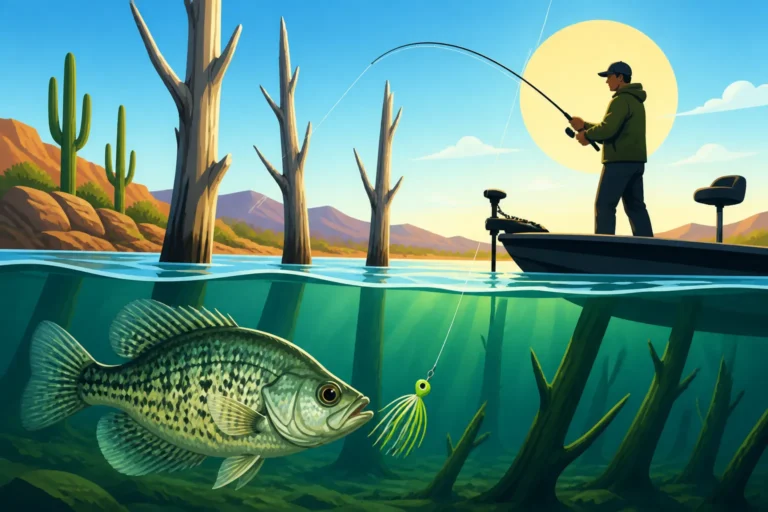
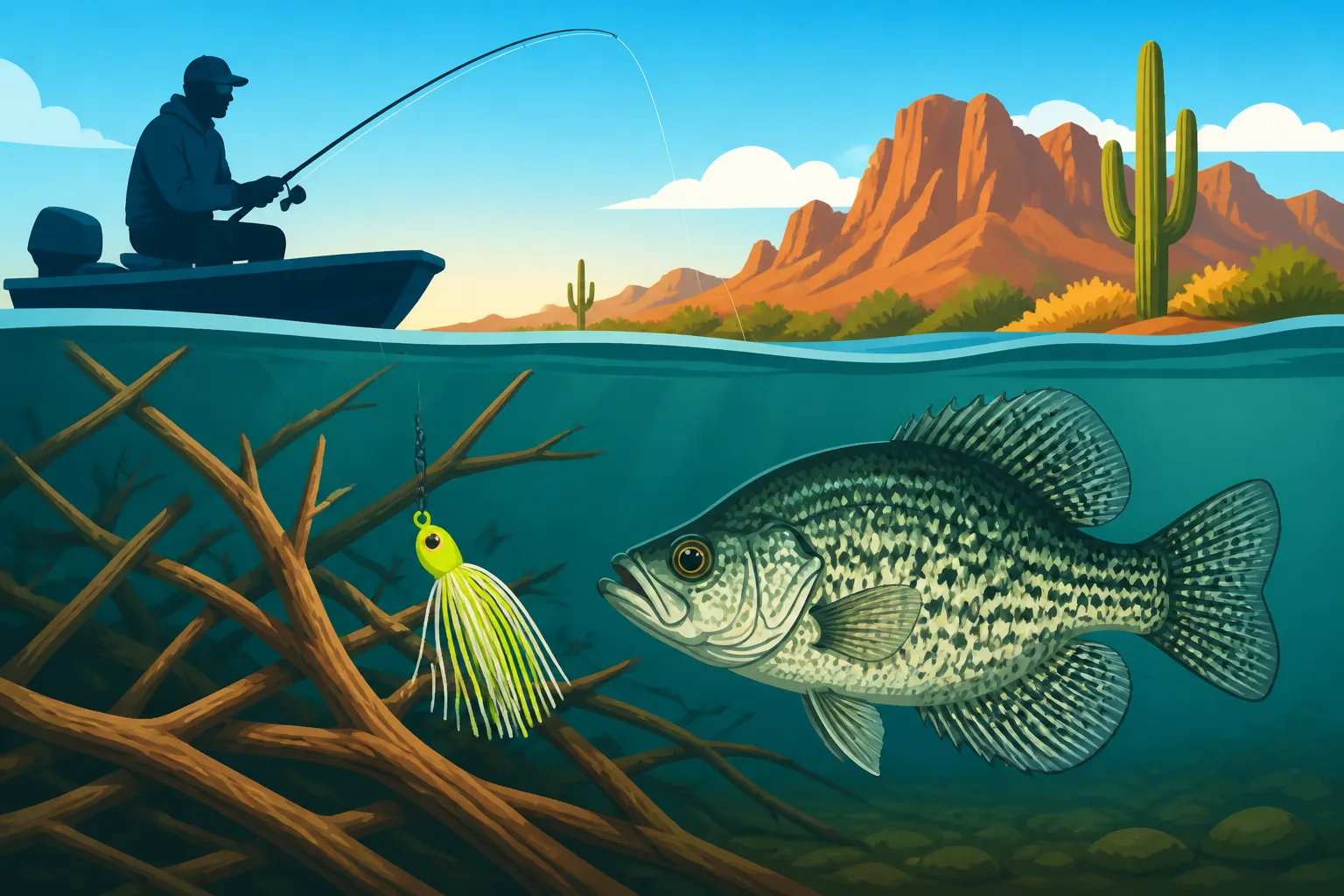
Think of a brush pile as a five-star hotel for a crappie. It offers everything they could ever want: shelter, food, and prime ambush points. In the harsh Arizona sun, shade is paramount for crappie, providing a respite from intense light and heat, especially in shallower waters. These submerged oases also offer incredible protection from larger predators like bass, catfish, and even ospreys that patrol Arizona's lakes. A dense brush pile creates a fortress where smaller crappie can hide and larger ones feel secure.
Beyond protection, brush piles are teeming with life. They become magnets for microorganisms, insect larvae, and small baitfish like shad and minnows, which are the primary food sources for crappie. The intricate branches and leaves provide endless nooks and crannies for these tiny creatures to hide, turning the brush pile into a living pantry. For a crappie, it’s the perfect place to lie in wait, darting out to snatch a passing meal with minimal effort.
Seasonal Movements and Depth Preferences
Crappie are masters of adapting to their environment, and their location within a brush pile, or even which brush piles they prefer, shifts with the seasons. Understanding these patterns is key to finding them.
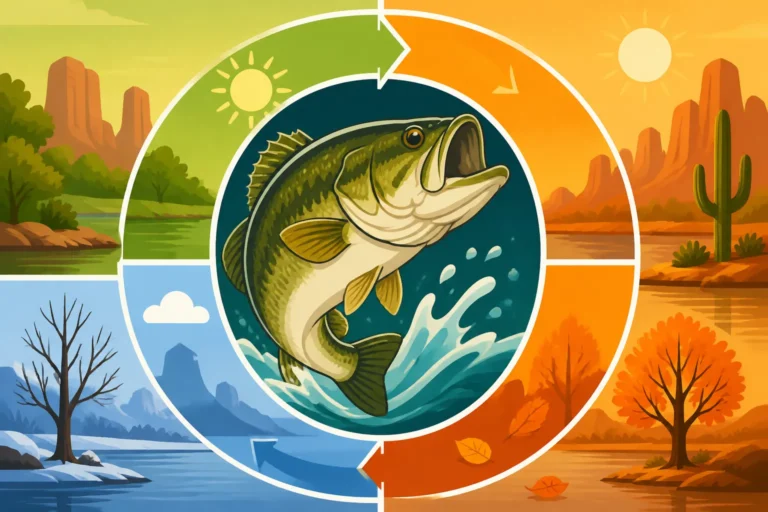
In spring, as water temperatures rise into the 50s and 60s Fahrenheit, crappie move shallower, often holding near brush piles in 5 to 15 feet of water as they prepare for and engage in their spawning rituals. They're actively feeding and can be quite aggressive. During summer, when Arizona’s surface waters heat up dramatically, crappie retreat to deeper, cooler water, often suspending near brush piles that are 15 to 30 feet deep, sometimes even deeper. They'll often hug the thermocline if one is present, using the pile for shade and an easy food source that also seeks refuge in the cooler depths.
As fall approaches and water temperatures begin to cool, crappie once again become more active. They'll move back shallower, often to depths similar to spring, aggressively feeding to build up fat reserves for the coming winter. This can be a fantastic time to target brush piles. In winter, while they might not be as active, crappie will often congregate in dense schools in deep brush piles, sometimes 20 to 40 feet down or more, especially near main lake channels or deep points. They become more lethargic, requiring a slower, more deliberate presentation. Understanding these "how to fish Arizona lakes by month" patterns is crucial for consistent success.
Identifying Productive Brush Piles
Not all brush piles are created equal. Some are natural accumulations of fallen timber, while others are purposefully sunk by anglers or wildlife agencies to enhance fish habitat. The most productive ones often share similar characteristics.
Look for brush piles that are substantial in size and density, offering ample cover. Smaller, sparse piles might hold a few fish, but the bigger, thicker ones tend to attract and hold larger schools. Often, the best brush piles aren't isolated; they're located adjacent to other significant underwater features like channel bends, deep drop-offs, points, or submerged creek beds. These features serve as highways for crappie, and a brush pile along that highway is a convenient rest stop. In Arizona, where water levels can fluctuate dramatically, older, established brush piles that have been submerged for years can be gold mines, as fish become accustomed to them as permanent fixtures.
Essential Gear for Brush Pile Crappie Fishing
You wouldn't show up to a fancy dinner in a wetsuit, right? Similarly, having the right tools for brush pile crappie fishing isn't just about convenience; it’s about maximizing your chances of success and minimizing frustration in a demanding environment.
Rods, Reels, and Line Choices
When you're pulling crappie out of dense cover, sensitive yet forgiving gear is your best friend. A light-action spinning rod, typically between 5 and 7 feet long, is ideal. The light action allows you to feel those incredibly subtle crappie bites, which often feel like nothing more than a slight "tick" or added weight. A sensitive tip is paramount for detecting these delicate strikes, while enough backbone in the lower section of the rod helps steer fish away from snags once hooked.
Pair your rod with a small spinning reel, something in the 500 to 1000 size range. These reels are lightweight, balance well with light rods, and offer a smooth drag system, which is vital when a crappie makes a last-ditch effort to dive back into the brush. For line, opinions vary, but a 4 to 6-pound test monofilament or fluorocarbon line is usually sufficient. Monofilament offers good knot strength and a bit of stretch, which can act as a shock absorber. Fluorocarbon is less visible underwater and more abrasion-resistant, a huge plus when fishing around rough brush. Some anglers prefer a braided main line (6-10 lb) for its sensitivity and strength, paired with a 4-6 lb fluorocarbon leader. The braid's lack of stretch means you'll feel every bump and bite, and the leader provides the stealth and abrasion resistance needed near the brush. You can find excellent options for all these components on Amazon, often in convenient combo packages.
Jigs, Minnows, and Preferred Baits
Crappie are typically not picky eaters, but presentation and bait choice can make all the difference, especially when they're hunkered down in a brush pile.
Small jigs are a staple. Think 1/16 to 1/8 ounce, tipped with soft plastic grub tails, tubes, or small "spider" jigs. The most effective colors can vary by lake and water clarity, but chartreuse, white, black, pink, and various shades of green are consistent producers. In clear Arizona waters, more natural colors might be better, while brighter colors excel in murky conditions. The goal is to imitate small baitfish or insect larvae. A slow, subtle jigging motion is usually best, just enough to make the tail quiver.
Live minnows, however, are often the undisputed champions for crappie, especially when they are less aggressive. Hooked through the lip or lightly through the back (above the lateral line, avoiding the spine), a live minnow presented on a small jig head or under a tiny bobber is often irresistible. The natural movement of the minnow within the brush pile is a beacon for hungry crappie. Beyond live bait, small crappie nibblers, like Berkley PowerBait crappie nibblers, can be tipped onto jigs to add scent and extra appeal, often turning a looker into a biter. For those looking to stock up on a wide variety of these essential baits and lures, Amazon offers an unparalleled selection. Having a diverse selection of these in your tackle box is a fundamental aspect of an effective Essential Tackle Box Setup for Arizona Beginners.
Essential Accessories
Beyond your rod, reel, and bait, a few other accessories can dramatically improve your brush pile crappie fishing experience.
First and foremost, a quality fish finder is almost non-negotiable. Modern units with side imaging or down imaging capabilities are game-changers for locating hidden brush piles and seeing the crappie holding within them. Without one, you're essentially blind fishing. For night fishing, which can be incredibly productive for crappie in Arizona, a good crappie light is essential. These submersible lights attract plankton and baitfish, which in turn draw in the crappie.
Other must-haves include a long-handled landing net to scoop up those crappie once you've pulled them from the brush, preventing them from falling back into the cover. Pliers are crucial for removing hooks, especially if they're deeply set, and a small ruler or measuring board helps ensure you're complying with size limits. Lastly, remember Arizona's intense heat: plenty of water, sunscreen, a wide-brimmed hat, and polarized sunglasses are not just accessories but necessities for comfort and safety on the water.
Locating and Approaching Brush Piles Effectively
Successfully fishing brush piles for crappie isn't just about what you use, but how you find them and how carefully you approach. A careless move can spook an entire school, turning a potential hot spot into a bust.
Using Electronics to Pinpoint Structure
This is where your fish finder truly shines. When you're searching for brush piles, start by using your side imaging feature (if you have it) to scan a wider area. As you slowly move your boat, side imaging can reveal submerged brush piles off to the sides, often looking like fuzzy blobs or distinct structures on your screen. Once you've identified a potential target, switch to down imaging or traditional 2D sonar and slowly idle directly over it. Down imaging will give you a much clearer, photographic-like view of the brush pile, allowing you to discern its density and often see individual fish or schools of crappie holding within or above it.
Don't just look for the brush itself; look for the "arches" or "blobs" that indicate fish. Sometimes crappie will suspend just above a pile rather than being buried deep inside. Pay attention to the depth at which the fish are holding. Once you've found a promising pile with fish, mark it immediately as a waypoint on your GPS. This precise marking allows you to return to the exact spot even if you drift or need to reposition your boat. Learning How to Read a Fish Finder for Bass can also translate well to understanding crappie behavior around structure.
Stealthy Approach and Boat Positioning
After marking a productive brush pile, the next critical step is your approach. Crappie are easily spooked, and a noisy or clumsy approach will send them scattering. Turn off your main outboard engine well away from the spot and use your trolling motor for a quiet, controlled approach.
Ideally, you want to position your boat so you can either cast to the brush pile from a comfortable distance or, for vertical jigging, position yourself directly over it. If you're casting, try to stay upwind or up-current, allowing a gentle drift or the use of your trolling motor to keep you aligned without excessive noise. If you have a spot-lock feature on your trolling motor, use it! This will hold you precisely in place, allowing you to focus on fishing. If not, carefully deploy an anchor system to minimize disturbance.
Consider the wind and current. These forces will dictate how you need to position your boat to either cast effectively or maintain a vertical presentation. Sometimes, starting a bit further out and slowly working your way closer, or making short casts around the edges before targeting the heart of the pile, can be more effective.
Fishing in Different Water Depths and Conditions
Arizona lakes present a variety of conditions, and successful crappie fishing means adapting to them. In clear water, crappie can be more skittish and prone to seeing your line or even your boat. This often means using lighter line, smaller jigs, and making longer casts to avoid spooking them. In contrast, murky water allows for heavier lines and brighter colored jigs, as visibility is low, and fish rely more on vibration and scent.
Sunny days often push crappie deeper into the densest parts of brush piles or into deeper water altogether to escape the intense light. During these times, vertical presentations are often more effective. On overcast days or during low light conditions (dawn, dusk), crappie might be more willing to move to the edges of brush piles or even suspend slightly above them, making casting techniques viable. When the lake is windy, crappie can become more active, feeding on disoriented baitfish. The wind also helps mask your presence. However, it makes boat control and feeling light bites much harder. Conversely, on calm days, crappie can be very lethargic and sensitive to disturbance, requiring the utmost stealth and a very slow, subtle presentation. Understanding these nuances helps you adjust your Arizona Fishing Seasons Explained approach.
Mastering Techniques for Fishing Brush Piles
Getting your bait into the strike zone in a brush pile and pulling a fish out requires specific techniques and a good bit of finesse. It's not always about brute force; sometimes, it's about subtle persuasion.
Vertical Jigging and Dropping Baits
When crappie are buried deep within a brush pile, or when you've pinpointed a school directly beneath your boat, vertical jigging is often the most effective technique. The goal is precise bait placement. Drop your jig or minnow straight down until you feel it touch the top of the brush or the fish you see on your sonar. Then, lift it a foot or two above the cover.
The key to vertical jigging is minimal, subtle movement. Crappie often respond to slow, methodical lifts and drops, or just holding the bait perfectly still. Imagine barely twitching your rod tip, just enough to make your jig's tail quiver or your minnow struggle slightly. Many bites will feel incredibly light – a mere pressure, a slight "tick," or your line just feeling heavy. You won't always feel a dramatic strike. When you feel anything out of the ordinary, set the hook with a quick, upward snap of your wrist. Since crappie have paper-thin mouths, avoid powerful, sweeping hooksets that can tear the hook out. This direct approach is excellent for Deep Water Structure Fishing Techniques as well.
If you're using live minnows, a slip bobber rig can be incredibly effective for maintaining a consistent depth just above the brush. Set your bobber stop to the desired depth, let the minnow do the work, and watch the bobber for any subtle dips or twitches.
Casting and Retrieving Around Edges
While vertical jigging targets the heart of the brush, casting and retrieving techniques are perfect for crappie holding around the periphery or slightly above the cover. This is particularly effective in lower light conditions or when crappie are actively chasing bait.
Position your boat so you can fan cast around the entire brush pile. Cast your jig or a small crankbait (if using) beyond the brush, allowing it to sink to the desired depth. Then, retrieve it with a slow, steady retrieve, imparting subtle twitches or pauses. The goal is to make the lure appear like an easy meal swimming past the brush, tempting crappie out of their hiding spots. Pay close attention to any changes in line tension or subtle bumps – these are often crappie investigating or striking.
Experiment with retrieve speeds and depths. Sometimes, a faster retrieve to trigger a reaction strike works, while other times, a painfully slow retrieve is necessary. The key is to present your bait naturally and keep it in the strike zone as long as possible without getting constantly snagged.
Dealing with Snags and Break-Offs
Fishing brush piles means one thing: you will get snagged. It's an inevitable part of the game, so don't let it frustrate you. A smart crappie angler prepares for it.
First, always have plenty of extra jigs, soft plastics, and hooks. Consider these expendable items. It's far better to lose a 50-cent jig than spend valuable fishing time trying to retrieve it or, worse, lose an entire rig. Many anglers purposefully use lighter line than their rod's rating, so if they get snagged, the line breaks, often saving the main line and leaving just the terminal tackle behind. When you do get snagged, try a few gentle tugs in different directions. Sometimes, the hook will pop free. If not, point your rod directly at the snag, hold the spool, and pull steadily until the line breaks or the hook straightens. This is where having plenty of small, thin-wire hooks can be an advantage, as they often bend out of snags, allowing you to simply re-bend and reuse them.
When vertical jigging, keep your line as vertical as possible and use just enough weight to get your bait down. The less slack and less horizontal angle you have, the less likely your line will drape across branches, reducing snags. A steady hand and a patient approach will not eliminate snags, but they will certainly reduce their frequency.
Advanced Strategies and Arizona-Specific Tips
To truly excel at crappie fishing in Arizona's brush piles, you'll want to layer in some advanced tactics and always keep the unique local conditions in mind.
Night Fishing Brush Piles with Lights
One of the most effective and often overlooked methods for targeting brush pile crappie in Arizona is night fishing with lights. As the scorching Arizona sun sets, a whole new world awakens beneath the surface. Crappie become less wary in the dark, and a strategically placed crappie light can turn a slow bite into an incredible feeding frenzy.
Submersible crappie lights, often green or white, work by attracting plankton and other tiny aquatic organisms. These in turn draw in baitfish like shad and minnows, which then attract the crappie. Deploy your light a short distance from your boat, allowing it to penetrate the water and illuminate the brush pile you've already located with your fish finder. Give the light some time, usually 30-60 minutes, to establish its ecosystem. Once the baitfish start swarming the light, the crappie won't be far behind. You can then vertical jig or cast small jigs into the illuminated zone, paying close attention to the edges where crappie will often lurk, ambushing the baitfish. Always remember safety precautions for Night Fishing Techniques and Safety, especially on unfamiliar waters.
Adapting to Arizona's Desert Lake Challenges
Arizona's desert lakes present unique challenges that seasoned anglers learn to navigate. The extreme heat, especially during summer months, means crappie will seek the coolest, deepest brush piles available. This often means fishing deeper than you might in other regions, sometimes 30-40 feet or more, particularly during the middle of the day. Early mornings and late evenings, or fishing at night, are often the most productive times.
Water level fluctuations are another significant factor. Arizona's reservoirs can see dramatic changes in water levels throughout the year. What was a submerged brush pile last month could be high and dry, or a newly submerged area might now contain fresh cover that crappie haven't yet discovered. Pay attention to current water levels and adjust your expectations. This can also lead to new, previously inaccessible brush piles becoming viable. Hydration and sun protection are paramount. Always carry more water than you think you'll need, wear lightweight, long-sleeved clothing, and apply plenty of sunscreen.
Best Arizona Lakes for Brush Pile Crappie
Arizona is blessed with several fantastic lakes for crappie fishing, and many of them feature abundant brush piles that hold these popular panfish.
Roosevelt Lake is arguably Arizona's premier crappie destination. Its vast size and numerous coves and creek arms are loaded with standing timber and submerged brush. Crappie here grow to impressive sizes, often found in brush piles along old creek channels or deep points. Similarly, Apache Lake and Canyon Lake, part of the Salt River chain, offer steep canyon walls and deep waters with plenty of submerged structure where crappie congregate. These lakes can be challenging due to their depth but rewarding for those who learn to read their sonar well.
Further west, Lake Pleasant offers excellent crappie opportunities, particularly in its upper reaches and around established fish habitat structures. While known for its bass, many anglers find great success targeting crappie in brush piles here. Bartlett Lake also boasts a healthy crappie population, especially in its creek arms and around submerged trees. Finally, San Carlos Lake on the San Carlos Apache Reservation is renowned for its trophy crappie, with many anglers finding success around its abundant brushy cover, though a tribal permit is required here in addition to your state license. All these locations offer incredible crappie fishing, making a good Crappie Fishing Guide for Arizona indispensable.
To give you a quick overview of how jig colors might perform under different conditions, here's a helpful table:
| Water Clarity | Sunny Day | Overcast Day | Night Fishing |
|---|---|---|---|
| Clear Water | Natural (green, gray), White, Light Pink | White, Light Blue, Chartreuse | White, Glow-in-the-Dark, Light Green |
| Stained/Murky | Chartreuse, Orange, Black, Dark Pink | Chartreuse, Black, Pink, White | Black, Glow-in-the-Dark, Chartreuse |
| Heavy Stained | Black, Dark Green, Chartreuse, Orange | Black, Chartreuse, Orange | Black, Glow-in-the-Dark, Dark Green |
No matter where you choose to drop a line, mastering the art of fishing brush piles for crappie is a rewarding endeavor that will undoubtedly lead to more bent rods and delicious fillets!
Disclaimer
Fishing conditions and regulations in Arizona can change. Always check the latest Arizona Game and Fish Department regulations before heading out on the water to ensure you have the correct licenses, understand current bag limits, and are aware of any special regulations for specific bodies of water. This guide is for informational purposes only and does not substitute official regulations.