Fly Fishing Techniques for Trout
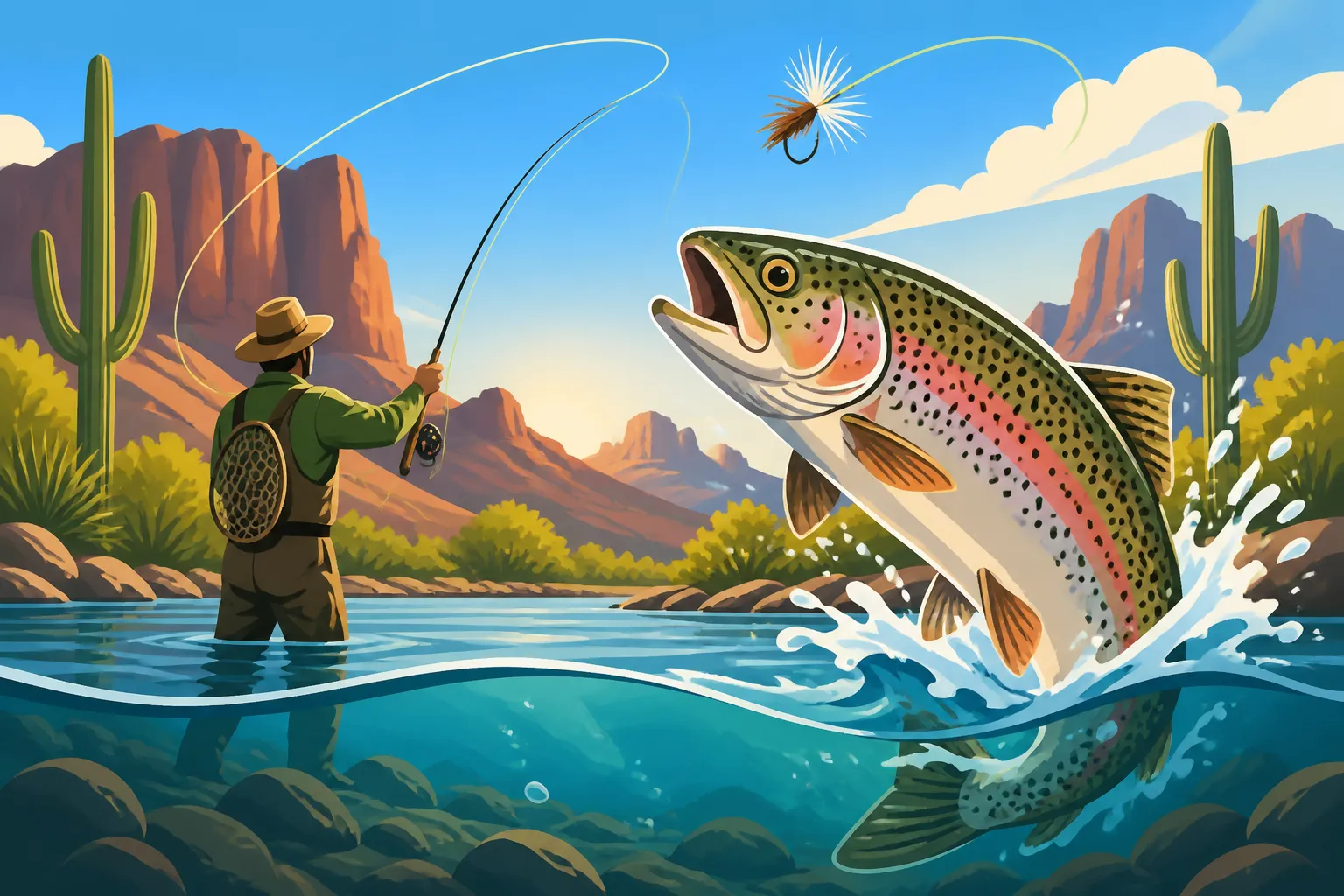
There's nothing quite like the serenity and challenge of fly fishing, especially when you're targeting trout in Arizona's surprisingly diverse waters. Many anglers assume the desert state is just about bass in warm lakes, but if you know where to look and what to do, you can find incredible trout fishing opportunities. However, it's not always straightforward; the unique climate, varying water conditions, and diverse habitats demand specific techniques and a keen understanding of the environment. This guide is here to walk you through the ins and outs of fly fishing for trout in Arizona, ensuring you're well-equipped and ready to tackle these rewarding waters.
Why Fly Fishing for Trout in Arizona is Unique
Arizona might conjure images of saguaros and scorching heat, but tucked away in its northern mountains and along specific stretches of rivers are cool, clear waters teeming with trout. This unique juxtaposition of desert and alpine environments presents a one-of-a-kind fly fishing experience that challenges and delights anglers who are willing to explore beyond the typical desert lakes. It’s a delicate dance between understanding native species, adapting to fluctuating water levels, and embracing the distinct seasons.
Arizona's Diverse Trout Habitats
When you think of trout, you probably picture pristine mountain streams, and Arizona certainly has those, particularly in its White Mountains region. Lakes like Big Lake, Crescent Lake, and Fool Hollow Lake are regularly stocked and offer fantastic stillwater opportunities. But the state also boasts unique tailwater fisheries, like the Lower Salt River below Saguaro Lake, which, despite its desert surroundings, supports a vibrant trout population due to cold-water releases from the dam. Then there's the iconic Lees Ferry on the Colorado River, a world-class trout fishery known for its large rainbow trout in a truly spectacular canyon setting. Each habitat demands a slightly different approach, from stalking wary fish in clear mountain creeks to adapting to swift currents and varied depths in larger rivers. For a deeper dive into where these finned beauties reside, you'll want to check out the guide on the Best Trout Fishing Spots in Arizona.
The Challenge of Desert Trout
Successfully fly fishing for trout in Arizona often means overcoming the "desert" perception and its associated challenges. High summer temperatures mean that trout in lower elevation waters become stressed, requiring anglers to focus on cooler times of day or seek out high-country refuges. Water levels can fluctuate dramatically due to snowmelt, monsoon rains, or dam releases, constantly changing the fish's holding patterns and feeding lanes. Moreover, the intense sunlight can make fish incredibly spooky in clear, shallow waters, demanding stealthy approaches and precise casts. It’s not just about matching the hatch; it’s about matching your strategy to the specific micro-environment you find yourself in. Understanding the nuances of each season and location is key to consistent success.
Essential Gear for Arizona Trout Fly Fishing
Having the right equipment can make or break your fly fishing experience, especially in Arizona’s varied conditions. While the fundamental components remain the same, specific choices in rod weight, line type, and fly patterns are crucial for adapting to everything from tiny mountain brooks to expansive rivers and lakes. Don’t skimp on quality where it counts, as reliable gear will stand up to the elements and the fight of a strong trout.
Rods, Reels, and Line Selection
For most Arizona trout situations, a 4-weight or 5-weight fly rod is your workhorse. A 4-weight is perfect for smaller streams where delicate presentations are paramount and the fish typically aren't enormous. For larger rivers like Lees Ferry or stillwater lakes, a 5-weight offers more versatility for casting longer distances, handling larger flies, and fighting bigger fish. Some anglers even prefer a 6-weight for Lees Ferry due to the potential for truly trophy-sized Rainbow Trout Fishing Guide for Arizona. As for reels, a good quality, smooth-drag reel that balances your rod is essential. You don't need a super expensive reel with a sealed drag for trout, but one that can handle a strong run without seizing up is critical.
When it comes to line, a weight-forward floating line is the standard for most dry fly and nymphing applications. For situations where you need to get flies deep quickly, such as in strong currents or when targeting fish in deep lakes, a sinking tip or full sinking line might be necessary. Having an extra spool with a different line type can be a game-changer. For advice on specific line types and their applications, delve into our guide on the Best Line for Trout Fishing. Many reliable options, from brands like Scientific Anglers or Rio, are readily available, including on platforms like Amazon, offering a range of choices for every budget and preference.
Leaders, Tippets, and Indicators
The connection between your fly line and your fly is arguably the most critical part of your setup for presentation. A tapered leader, typically 7.5 to 9 feet long, helps transfer casting energy smoothly and allows your fly to land naturally. The butt section of the leader is thick and gradually tapers down to a fine tip, to which you'll attach your tippet. Tippet is essentially a lighter, thinner extension of your leader, allowing you to fine-tune the length and strength of your connection to the fly. In clear Arizona waters, fluorocarbon tippet (often 4X to 6X) is a popular choice due to its invisibility underwater and abrasion resistance.
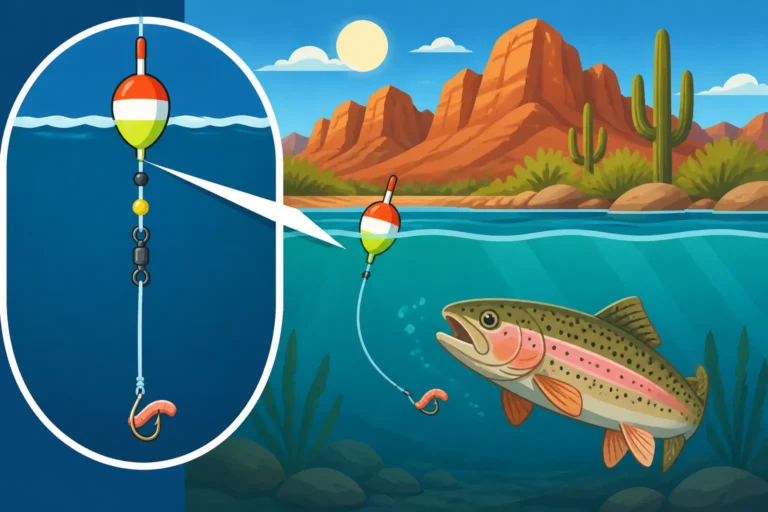
Indicators are crucial for nymphing, signaling subtle takes when your fly is submerged. Foam indicators, yarn indicators, or even simple pinch-on indicators can be invaluable for detecting strikes you might otherwise miss. Remember, trout often take flies very subtly, especially in colder water or under pressure. Choosing the right leader and tippet weight depends on your fly size and target species, ensuring your presentation is natural and undetectable to wary trout.
Must-Have Arizona Trout Flies
No discussion of fly fishing gear is complete without flies! Arizona trout, whether wild or stocked, respond to a variety of patterns. For dry fly action, classic Caddis patterns (like Elk Hair Caddis), Adams, and Parachute Adams in sizes 14-18 are reliable choices, especially during hatches. Terrestrials like Hoppers, Ants, and Beetles can also be deadly during warmer months when they fall into the water from streamside vegetation.
For nymphing, which is often the most productive method, think about patterns that imitate common aquatic insects. Pheasant Tail Nymphs, Hare's Ear Nymphs, Copper Johns, and Prince Nymphs in sizes 12-20 are absolute staples. Don't forget smaller midge patterns like Zebra Midges or Brassies, particularly in winter or when trout are keying in on tiny insects. Streamers like Woolly Buggers (black, olive, or brown) in sizes 6-10 are excellent for targeting larger, more aggressive trout, especially in lakes or deeper river sections. Having a well-stocked fly box with a variety of sizes and colors ensures you're ready for whatever the fish are feeding on.
Key Fly Fishing Techniques for Arizona Waters
Successfully enticing Arizona trout with a fly often comes down to mastering a few core techniques. The specific method you choose will depend heavily on the water conditions, the time of year, and what the fish are actively feeding on. Don't be afraid to experiment and switch tactics if one isn't producing, as trout can be incredibly finicky.
Mastering Dry Fly Presentation
There’s a special thrill that comes with watching a trout rise to a dry fly, breaking the surface tension with an eager gulp. Dry fly fishing is all about delicate presentation and matching the natural insects (hatches) that are emerging from the water. In Arizona, this often means focusing on cooler mornings or evenings, or specific times during a heavy hatch. You’ll want to cast upstream and allow your fly to drift naturally, without drag, over prime trout lies. The key is to present the fly so it looks like an easy meal floating along the surface, not a fly tied to a line.
This technique is particularly effective on smaller, high-country streams in the White Mountains or on the subtle currents of the Lower Salt River when caddis or mayflies are hatching. Patience is crucial, as is keen observation. Look for rising fish and try to identify what they're eating before tying on your chosen pattern. A good pair of polarized sunglasses (available on Amazon, for instance) is invaluable for spotting rises and tracking your fly.
Effective Nymphing Strategies
More often than not, trout feed subsurface, making nymphing a highly productive technique. Nymphs imitate the larval and immature stages of aquatic insects that make up the bulk of a trout's diet. The goal is to present your nymph at the same depth and speed as the natural drift. This can involve using a strike indicator to detect bites, or "tight-line nymphing" where you maintain direct contact with your fly, feeling for subtle tugs or pauses.
In Arizona, nymphing is a go-to method for rivers like Lees Ferry, where weighted nymphs fished deep under an indicator are standard practice. On smaller streams, a dry-dropper rig (a dry fly with a nymph trailing underneath) can be incredibly effective, allowing you to cover both surface and subsurface possibilities simultaneously. Understanding current seams, depth, and the weight needed to get your fly down to the fish are critical components of successful nymphing. It's often said that 90% of a trout's diet is consumed subsurface, so mastering this technique will drastically improve your catch rates.
Streamer Fishing for Aggressive Trout
When trout are feeling aggressive, or you're targeting larger specimens, streamer fishing can be an incredibly exciting and productive technique. Streamers imitate baitfish, leeches, and larger aquatic invertebrates. The idea is to strip the streamer through the water, making it look like a fleeing or injured prey item. This often triggers a predatory response from bigger trout, which are less likely to chase tiny nymphs or delicately sip dry flies.
Streamer fishing works well in deeper pools, along cut banks, or in stillwater lakes where trout might be hunting for larger meals. Popular streamer patterns in Arizona include Woolly Buggers (in black, olive, or white), Sculpzillas, and various articulated patterns that provide more lifelike movement. Vary your retrieve speed and depth until you find what triggers a strike. This method can be particularly effective in low light conditions or when the water is slightly off-color, as the larger profile of the fly is more easily detected by fish.
Reading the Water and Locating Trout in Arizona
No matter how perfect your cast or how realistic your fly, if you're not putting it where the fish are, you won't catch anything. Learning to "read the water" is perhaps the most fundamental skill in fly fishing, especially in Arizona's diverse and sometimes challenging environments. Trout are creatures of comfort and efficiency, always seeking out ideal feeding lanes and protection from predators.
Understanding Trout Lies and Feeding Lanes
Trout position themselves in specific "lies" where they can efficiently feed while expending minimal energy and remaining safe. These spots often include:
- Seams and Current Breaks: Where fast water meets slow water, creating a conveyor belt of food. Trout will sit in the slower water, darting out into the current to grab passing morsels.
- Structure: Submerged rocks, logs, undercut banks, and overhanging vegetation provide cover and ambush points.
- Depth Changes: Drop-offs, shelves, and pools offer deeper, cooler water, especially important in warmer climates.
- Confluence of Currents: Where two currents merge, concentrating food.
In Arizona's high-country streams, you'll find trout in classic pocket water, behind boulders, and in the slower water on the inside bends of curves. In larger rivers like Lees Ferry, understanding the nuanced current lines and shelf structures is paramount. In lakes, look for underwater structures, points, and transition zones where different depths meet. Spending time simply observing the water before you cast can provide invaluable clues.
Deciphering Insect Hatches
Matching the hatch means identifying the insects that are currently emerging and selecting a fly pattern that closely imitates them in size, shape, and color. This is where a good understanding of entomology (insect science) comes in handy. In Arizona, common hatches include various species of caddisflies, mayflies, and midges. During warmer months, terrestrials like grasshoppers, ants, and beetles become important food sources as they fall into the water.
When you see fish rising, pay close attention to the size and behavior of the insects on the water. Are they actively flying (caddis)? Are they slowly floating with upright wings (mayflies)? Are they tiny and barely visible (midges)? Sometimes, fish will "key in" on a specific stage of the hatch, ignoring all other food sources. Carrying a small magnifying glass and a simple reference guide for local aquatic insects can significantly improve your ability to match the hatch effectively.
The Impact of Water Conditions
Water temperature, clarity, and flow have a massive impact on trout behavior and feeding patterns.
- Temperature: Trout are cold-water fish, generally preferring temperatures between 45-65°F (7-18°C). In Arizona, this means that in summer, they'll seek out cooler, deeper water or move to higher elevation streams. During the cooler months, they might become less active and hold in deeper, more stable water.
- Clarity: Clear water, common in many Arizona trout fisheries, means fish are more wary. You'll need longer leaders, finer tippets, and stealthier approaches. Conversely, slightly off-color water (often after a light rain) can make fish less spooky and more willing to bite, as it provides them with some cover.
- Flow: High water from snowmelt or heavy rains can push fish to the banks or into slower eddies, while very low water can concentrate fish but also make them more vulnerable and stressed. Understanding the Arizona Fishing Season Dates and Limits is crucial for anticipating these conditions and planning your trips. Always check local river flows and lake levels before heading out.
Seasonal Strategies for Arizona Trout Fly Fishing
Arizona's climate means that trout fishing strategies need to adapt significantly throughout the year. What works wonders in spring might be completely ineffective in the heat of summer. Embracing these seasonal shifts is key to consistent success and enjoying the varied beauty of Arizona's trout waters.
Spring Runoff and Early Season Tactics
Spring in Arizona's high country typically brings snowmelt, leading to higher, often murkier water in streams and rivers. While challenging, this can be a productive time. Trout will often move to the slower edges, eddies, and backwaters to escape the heavy current and feed on dislodged insects and worms.
- Tactics: Use heavier nymphs (like Prince Nymphs or San Juan Worms) and streamers that have a good profile in off-color water. Fish closer to the banks and in slower seams. Indicator nymphing can be effective, but also consider short-line nymphing to maintain contact in heavy flows.
- Gear Considerations: A slightly heavier rod (5 or 6-weight) can help cast weighted flies and handle strong currents. Look for areas where fish are concentrating due to the high water. Trout can also be found in stillwater lakes, which often have active feeding as the water warms and insects become more active.
Summer Tactics for High-Country Coolers
As the desert sizzles, fly anglers seeking trout in Arizona must head for higher elevations. The White Mountains and parts of the Mogollon Rim offer streams and lakes that remain cool enough to support trout populations throughout the summer.
- Tactics: Dry fly fishing can be excellent on these cooler waters, especially during morning and evening hatches of caddis and mayflies. Terrestrials (grasshoppers, ants, beetles) become highly effective during midday. Nymphing remains a consistent producer in deeper pools and runs. Target shaded areas and oxygenated water.
- Location Focus: Lakes like Big Lake, Show Low Lake, and the various streams in the Apache-Sitgreaves National Forests are prime summer destinations. Lees Ferry on the Colorado River also maintains cold water year-round due to the Glen Canyon Dam, offering consistent summer fishing, though it can be crowded. Remember to stay hydrated and protect yourself from the sun, even at higher elevations.
Fall's Golden Opportunity
Fall is arguably one of the most beautiful and productive seasons for Arizona trout fly fishing. Cooler temperatures, vibrant foliage, and active fish make for memorable outings. Trout, especially those in rivers, often become more aggressive as they prepare for winter.
- Tactics: This is prime time for a mix of techniques. Dry fly fishing can still be strong on warmer days with late-season hatches or terrestrials. Nymphing is consistently good as fish feed heavily. Streamer fishing can be particularly effective as larger trout look for substantial meals. Focus on river bends, deep pools, and areas with good current breaks.
- Species Focus: While rainbow trout are predominant, fall can also be a good time to target brown trout in some streams, as they become more active with cooler water and prepare for spawning. You can learn more about the Brown Trout Presence in Arizona Streams in our dedicated guide. The fish are often in peak condition, providing strong fights and beautiful colors.
Winter's Subtle Bites
Winter fly fishing in Arizona can be surprisingly good, especially in lower elevation rivers or specific tailwater fisheries that don't freeze. High-country lakes and streams will often be inaccessible due to snow and ice.
- Tactics: Success in winter hinges on slow, deep presentations. Nymphing is almost exclusively the most effective method, often with very small patterns like midges (Zebra Midges, Brassies) or tiny Pheasant Tails. Fish tend to be lethargic and won't move far for a meal, so precise drifts are essential. Focus on the deepest, slowest pools where fish can conserve energy.
- Location Focus: The Lower Salt River and Lees Ferry are excellent winter trout fisheries, offering consistent cold water and year-round access. Pay attention to the warmest parts of the day, typically mid-afternoon, when fish might become slightly more active. Be prepared for cold hands and subtle takes. For specific information on cold-water spots, check out the guide on Cool-Water Trout Streams in Northern Arizona.
Common Challenges and Solutions for Arizona Fly Anglers
Every angler faces challenges, and fly fishing in Arizona presents its own unique set. From the persistent wind to the intense desert sun and occasional crowded spots, being prepared for these hurdles will make your time on the water much more enjoyable and productive.
Navigating the Arizona Wind
Ah, the wind! It's an almost constant companion for Arizona anglers, especially on open lakes or in canyon environments like Lees Ferry. Wind can make casting a nightmare, create chop on the water (making it hard to spot fish or rises), and chill you to the bone in cooler weather.
- Solutions:
- Adjust Your Cast: Learn to cast into and with the wind. A tighter loop and a more assertive, positive stroke are key. The "Belgian cast" (horizontal back cast, vertical forward cast) can be very effective in windy conditions.
- Heavier Line/Rod: Sometimes, a slightly heavier rod and line (e.g., a 6-weight instead of a 5-weight) can help punch through the wind.
- Change Position: If possible, try to position yourself with the wind at your back, making casting easier. Look for sheltered coves or bends in the river.
- Shorter Casts: Don't try to force long casts against strong winds. Focus on accurate, shorter presentations.
- Patience: Sometimes, you just have to wait for a lull. The wind often comes in gusts.
Beating the Heat and Sun Exposure
Arizona's intense sun and heat, even in the cooler trout zones, demand respect. Sunburn, dehydration, and heatstroke are real risks if you're not careful.
- Solutions:
- Hydration, Hydration, Hydration: Carry plenty of water, and electrolyte drinks are a good idea. Hydrate before, during, and after your trip.
- Sun Protection: Wear long-sleeved, lightweight, quick-drying shirts, wide-brimmed hats, neck gaiters, and high-SPF sunscreen. Look for sun-protective clothing, often branded as UPF (Ultraviolet Protection Factor), many of which are available on Amazon.
- Timing: Fish early mornings and late evenings during warmer months when the sun is less intense and the air temperature is cooler. This is often when trout are most active anyway.
- Seek Shade: Look for shaded areas provided by canyon walls, trees, or tall banks. This benefits both you and the fish.
- Fish Care: Minimize handling of fish, especially in warmer water. Use a net (like the Best Net for Landing Trout) to keep them in the water as much as possible, and quickly release them to reduce stress.
Dealing with Crowds and Pressure
Popular Arizona trout fisheries, especially stocked waters or well-known spots like Lees Ferry, can get crowded, particularly on weekends or during peak Trout Stocking Season in Arizona. This pressure can make fish wary and harder to catch.
- Solutions:
- Go Midweek: If your schedule allows, fish on weekdays when crowds are significantly thinner.
- Go Early or Late: Beat the crowds to the prime spots by arriving at dawn, or fish into the evening after most anglers have left.
- Explore Remote Spots: Do some research on lesser-known access points or hike further into wilderness areas. While popular, many high-country streams have remote sections accessible only by foot, where you can find solitude and unpressured fish.
- Understand Urban Lake Trout Season in Arizona: These community lakes are fantastic for accessibility but can be very busy. Adjust your expectations and enjoy the close-to-home convenience.
- Stealth and Fine Tackle: When fish are pressured, they become incredibly spooky. Use longer, finer leaders and tippets, present your flies delicately, and approach fishing spots with extreme stealth. Wearing waders (consider the Best Waders for Cold Mountain Streams for chilly mornings) allows for quiet entry and positioning in the water.
Understanding Regulations and Ethical Practices
Fly fishing, like all angling, comes with a responsibility to understand and abide by local regulations and practice ethical fishing. This is particularly important in Arizona, where diverse ecosystems and conservation efforts are paramount. Being a responsible angler ensures the health of fish populations and the enjoyment of future generations.
Arizona's Trout-Specific Regulations
Arizona Game and Fish Department (AZGFD) sets specific regulations for trout, which can vary by water body. These typically cover bag and possession limits, size restrictions, and specific gear rules (e.g., fly and artificial lure only sections).
- Licenses and Stamps: Always ensure you have a valid Arizona fishing license. Many trout waters also require an additional "trout stamp." You can check if your Arizona Lifetime Fishing License Cost covers this, or learn about Waters That Require an Arizona Trout Stamp.
- Bag and Possession Limits: Be aware of the daily bag and possession limits for trout. These are often more restrictive for specific species or in certain sensitive areas. For instance, there are specific limits at Trout Limit at Arizona Community Fishing Lakes.
- Catch and Release: Many dedicated fly anglers practice catch and release, especially for native or wild trout. If you plan to release fish, minimize handling, use barbless hooks, and keep the fish in the water as much as possible.
Conservation and Leave No Trace Principles
Responsible angling is about more than just following the rules; it's about being a steward of the environment.
- Leave No Trace: Pack out everything you pack in, including monofilament scraps. Leave the area cleaner than you found it.
- Protect Riparian Zones: Stay on established trails to avoid trampling delicate streamside vegetation, which is vital habitat for insects and fish.
- Respect Wildlife: Observe wildlife from a distance and do not disturb them.
- Clean, Drain, Dry: If you're using a boat or kayak, always clean, drain, and dry your equipment between different bodies of water to prevent the spread of invasive species, which can devastate native fish populations.
By understanding and adhering to these principles, you contribute to the longevity and health of Arizona's unique and precious trout fisheries, ensuring that the magic of fly fishing for trout in the desert continues for years to come.
Disclaimer
The information provided in this guide is for general informational purposes only and does not constitute legal advice. Fishing regulations in Arizona can change frequently. Always consult the most current Arizona Game and Fish Department regulations booklet or website before heading out to fish. The author and publisher are not responsible for any inaccuracies, omissions, or consequences that may arise from using this information. Always prioritize safety and environmental responsibility when fishing.