Urban Lake Trout Season in Arizona
For many Arizonans, the idea of catching fresh trout conjures images of cool mountain streams or high-elevation lakes. However, the reality of urban living often means those serene escapes are a bit of a drive. This can lead to frustration for city-dwellers who crave the tug of a fish on their line without committing to a full-day road trip. This guide is here to shed light on Arizona's fantastic urban lake trout season, showing you exactly when and where you can find these spirited fish right in your own backyard, along with the best ways to catch them.
Understanding Arizona's Urban Fishing Program
Arizona might be famous for its desert landscape, but the Arizona Game and Fish Department (AZGFD) has done an incredible job creating accessible fishing opportunities within its most populated areas. The Urban Fishing Program is a true gem, bringing the joy of angling to communities that might not otherwise have easy access to quality fishing experiences. It's a fantastic initiative that helps introduce countless families and new anglers to the sport.
The Arizona Game and Fish Department's Role
The AZGFD is the driving force behind this program, tirelessly working to manage and maintain fish populations in urban lakes. They don't just dump fish in a pond; there's a science to it. Their team monitors water quality, manages habitat, and, crucially for trout season, orchestrates a robust stocking schedule. This ensures that when you head out to your local urban lake, there’s a real chance of a successful outing. They're dedicated to fostering a love for fishing, and the urban lakes are a testament to their efforts, especially when it comes to cooler-weather species like trout.
This department also sets the rules and regulations, which are often a bit different for urban waters compared to larger, wilder lakes. Understanding these specific guidelines is crucial for a fun and legal day on the water. You'll want to be familiar with aspects like bag limits and gear restrictions that might apply uniquely to the Urban Fishing Program lakes. For a broader overview of state rules, check out our comprehensive Arizona Fishing Regulations Explained guide.
How Urban Lakes are Stocked
The magic of urban trout season truly begins with the stocking efforts. Trout, being cold-water fish, wouldn't naturally thrive in Arizona's hot desert lakes year-round. So, the AZGFD strategically stocks these lakes during the cooler months, typically from November through March. This timing is critical, as it ensures the water temperatures are suitable for trout survival and activity. Imagine the anticipation building as anglers await those first stocking trucks of the season!
The trout stocked are primarily rainbow trout, known for their spirited fight and delicious table fare. They're usually of a catchable size, meaning you're not waiting for tiny fingerlings to grow. The stocking schedule is often publicized, allowing eager anglers to plan their trips around freshly stocked waters. This focused effort means that while the trout season is seasonal, it's incredibly productive when it's active. For more details on the statewide stocking efforts, our article on Trout Stocking Season in Arizona offers valuable insights.
Key Urban Fishing Lakes Across Arizona
Arizona's Urban Fishing Program encompasses a wide network of lakes and ponds in various cities. These aren't just puddles; many are well-maintained, often aesthetically pleasing bodies of water designed for community recreation. In the Phoenix metropolitan area, you'll find numerous opportunities. For example, popular spots include Tempe Town Lake, which offers a unique urban fishing experience, and many of the smaller community parks like Kiwanis Park or Chaparral Park. Each lake might have slightly different characteristics, but all are managed to provide good fishing.
Moving south, Tucson also boasts several excellent urban fishing destinations within its city limits, such as Kennedy Lake or Silverbell Lake. These locations are easily accessible, often featuring paved paths, picnic areas, and other amenities that make for a comfortable family outing. The beauty of these urban lakes is their proximity; you can often be casting a line just minutes from your home or workplace. If you're looking for specific spots, our guides on the Best Fishing Spots Near Phoenix, Arizona and Best Fishing Spots Near Tucson, Arizona can provide more localized details.
The Heart of Trout Season in Urban Lakes
Understanding the rhythm of the urban trout season is key to maximizing your success. It's not just about showing up; it's about knowing when to show up. Arizona's desert climate dictates a very specific window for trout, and the AZGFD does an excellent job of making that window as productive as possible.
Peak Stocking Times and Frequencies
The urban trout season in Arizona generally kicks off in early to mid-November, continuing through late March or early April, depending on weather conditions and water temperatures. During this period, the Arizona Game and Fish Department undertakes regular stockings, typically every two weeks at many locations. This frequent replenishment ensures a consistent population of catchable trout throughout the cool-weather months. Imagine heading out to your favorite pond knowing that fresh fish have just been introduced – it's an angler's dream! You can often find detailed stocking schedules on the AZGFD website, which is an invaluable resource for planning your trips. This consistent stocking is what truly makes the Community Fishing Program Stocking Season in Arizona such a reliable and exciting time for local anglers.
The volume of fish stocked can vary based on the size of the lake and the expected angler pressure, but the goal is always to provide ample opportunity. These aren't just token stockings; they are substantial deliveries of healthy, vibrant rainbow trout ready to bite. For instance, a popular lake might receive several hundred pounds of trout in a single stocking event. This commitment ensures that even with significant fishing pressure, there are always plenty of fish to go around.
Factors Influencing Trout Activity
While regular stockings are a huge advantage, trout behavior is still influenced by environmental factors, even in urban settings. Water temperature is paramount; trout prefer cooler water, ideally between 45 and 65 degrees Fahrenheit. Anything much warmer can make them lethargic or even be fatal. This is why the season ends as spring temperatures begin to soar in Arizona. Beyond temperature, factors like recent weather changes, barometric pressure, and even the time of day can impact their willingness to bite. A cold front moving through, for instance, might initially slow them down, but often a stable, clear day following a cold snap can bring them out to feed.
Oxygen levels also play a role, and urban lakes are often equipped with aerators to maintain healthy water conditions, especially important for stocked fish. Overcast conditions or light rain can sometimes encourage trout to feed more aggressively, as it can reduce light penetration and make them feel less exposed. Wind can be a mixed blessing: a light breeze can create ripples that break up your silhouette and make lures look more natural, but strong winds can make casting and detecting bites incredibly challenging.
Best Times of Day for Success
For urban trout, the "golden hours" of dawn and dusk are often the most productive, just like with many other species. As the sun rises and sets, the light is softer, and temperatures are generally cooler, making trout more active and less wary. During the peak of the day, especially if the sun is bright, trout tend to move deeper or seek out any available shade. If you can only fish during midday, focus on areas with deeper water, structures like submerged rocks or brush piles, or spots shaded by bridges or overhanging trees.
However, it's also worth noting that immediately after a stocking, trout can be quite aggressive and less selective, biting throughout the day as they adjust to their new environment and search for food. Many experienced anglers will head out first thing in the morning on a stocking day to take advantage of this initial feeding frenzy. During the coldest parts of winter, the middle of the day might actually be preferable as water temperatures warm slightly from the sun's direct rays, stimulating trout activity.
Essential Gear and Tackle for Urban Trout
You don't need a boatload of expensive gear to enjoy urban trout fishing, which is part of its charm. However, having the right tools for the job can significantly increase your enjoyment and success. Think light, sensitive, and portable.
Rods, Reels, and Line for Light Tackle
For urban trout, a light to ultra-light spinning rod and reel combo is absolutely ideal. A rod in the 5 to 6.5-foot range with a fast or moderate-fast action will give you the sensitivity to feel subtle bites and the backbone to fight a feisty rainbow. Pair this with a small spinning reel (size 1000 or 2000 is perfect) spooled with light line. Monofilament fishing line in the 2-4 pound test range is usually perfect. It's nearly invisible underwater, offers enough strength for stocked trout, and allows for good casting distance with light baits. Fluorocarbon line in similar test strengths is also an excellent choice, as it's even more invisible and offers less stretch, increasing sensitivity.
Some anglers even opt for braided line with a fluorocarbon leader for ultimate sensitivity and casting distance, particularly useful if you're trying to reach fish further from the bank. However, for most urban trout scenarios, a good quality mono or fluorocarbon straight through is more than sufficient. You can find excellent, affordable rod and reel combos that fit these specifications on platforms like Amazon, making it easy to get started without breaking the bank. For beginners, a simple, balanced setup will make learning the ropes much more enjoyable. Our guide on Essential Tackle Box Setup for Arizona Beginners provides a great starting point for selecting your basic gear.
Baits, Lures, and Rigs That Work Wonders
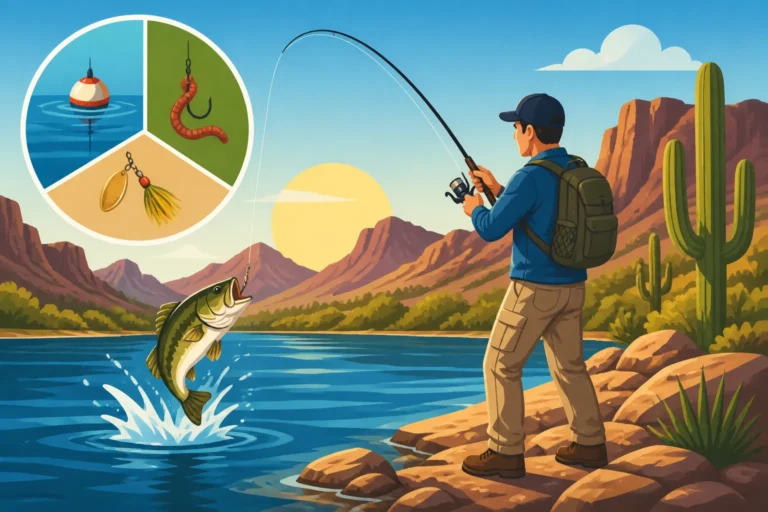
Trout in urban lakes are often accustomed to pellet food from their hatchery days, which means certain baits work exceptionally well. The undisputed champions for urban trout are dough baits like PowerBait (in various colors like rainbow, cheese, or chartreuse) and Berkley Gulp! Trout Dough. These are designed to float, so pairing them with a small split shot or two a foot or so up your line keeps them off the bottom where trout are often cruising. Worms, whether live nightcrawlers (pinched in half) or artificial worm imitations, are also perennial favorites. Corn kernels are another surprisingly effective bait, especially if you thread a few on a small hook.
When it comes to lures, small inline spinners (like Panther Martin or Mepps), tiny spoons (Kastmasters, Super Dupers), and micro jigs are incredibly effective. Sizes from 1/32 to 1/8 ounce are generally best. These mimic small baitfish or insects and can trigger aggressive strikes. Vary your retrieve speed and depth until you find what the fish are responding to. Remember to use a small swivel to prevent line twist when using spinners. For a broader look at bait options, consult our Best Baits and Lures for Arizona Fishing article.
Keeping Your Catch Fresh in the Desert Heat
Arizona's temperatures, even in winter, can be surprisingly warm, especially mid-day. If you plan on keeping your trout (and adhering to bag limits!), proper handling and cooling are essential to ensure the best table fare. A small cooler filled with ice is non-negotiable. As soon as you catch a fish you intend to keep, dispatch it humanely and get it on ice immediately. This not only preserves the taste and texture but also prevents bacterial growth.
Another option is a stringer, but only if you plan to keep the fish in the water and are actively fishing in a relatively cool, shaded spot. However, a stringer in warmer, shallow urban lake water can quickly stress and warm the fish, compromising its quality. For the best results, ice is always the answer. A simple soft-sided cooler packed with ice can fit easily into your fishing backpack, or you can find more robust options on Amazon if you're planning longer trips or bigger catches.
Effective Techniques for Catching Urban Trout
Success in urban trout fishing often comes down to simple, consistent techniques. These fish are regularly stocked, but they can still be surprisingly wary. Mastering a few key approaches will put more fish in your net.
Shore Fishing Strategies
The vast majority of urban trout fishing happens from the shore, making it incredibly accessible. When you arrive at a lake, take a few minutes to observe. Look for any signs of fish activity – rising trout or subtle swirls. Also, pay attention to points, coves, and areas where there might be submerged structure or deeper water close to the bank. Trout often cruise these areas. Casting towards the middle of the lake isn't always the best strategy; sometimes, the fish are closer to shore than you think.
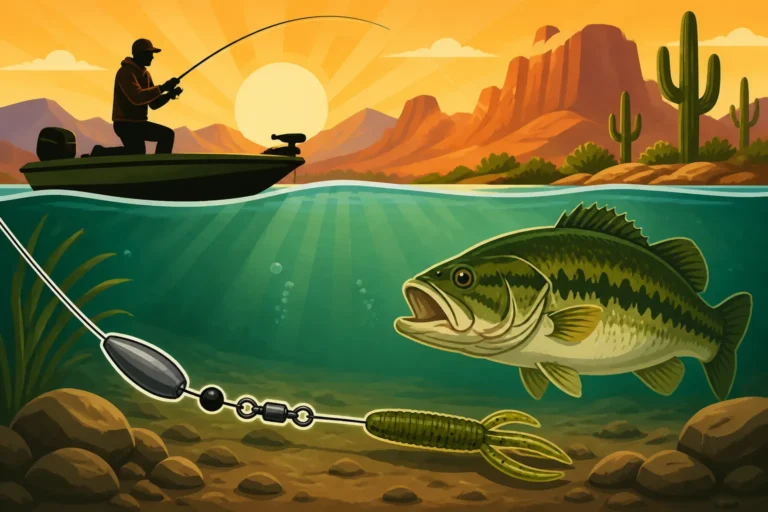
A common and highly effective shore fishing setup is a slip sinker rig, which allows the fish to take the bait without feeling immediate resistance. Thread a small egg sinker onto your main line, followed by a small bead, and then tie on a barrel swivel. To the other end of the swivel, attach a 12-24 inch leader of lighter fluorocarbon line, ending with a small hook (size 10-14). Bait your hook with PowerBait, a small piece of worm, or corn. Cast it out, let it sink to the bottom, and then reel in the slack until your line is taut. The floating bait will rise off the bottom, putting it right in the trout's strike zone. For more general advice on bank fishing, refer to our Shore Fishing Techniques for Beginners guide.
Simple Rigs for Beginners
For absolute beginners, simplicity is key to building confidence. The slip sinker rig mentioned above is fantastic. Another incredibly easy and effective method is using a small bobber or float. Attach a small bobber a few feet up your line, then tie on a small hook. Add a tiny split shot or two just above the hook to help your bait sink. You can suspend a small piece of worm, PowerBait, or corn under the bobber. This allows you to fish at a specific depth, and the bobber gives a clear visual indication of a bite. It's a particularly great way to introduce kids to fishing, as watching a bobber dip and disappear is incredibly exciting!
When rigging PowerBait, ensure you mold it around the hook into a small ball, completely covering the hook point. This helps it float properly and presents a natural-looking offering. For worms, thread them on lightly, leaving some wiggling ends to entice the trout. Don't be afraid to experiment with different colors of PowerBait or different depths until you find what the trout prefer on a given day. Sometimes a subtle change can make all the difference.
Advanced Tactics for Wary Trout
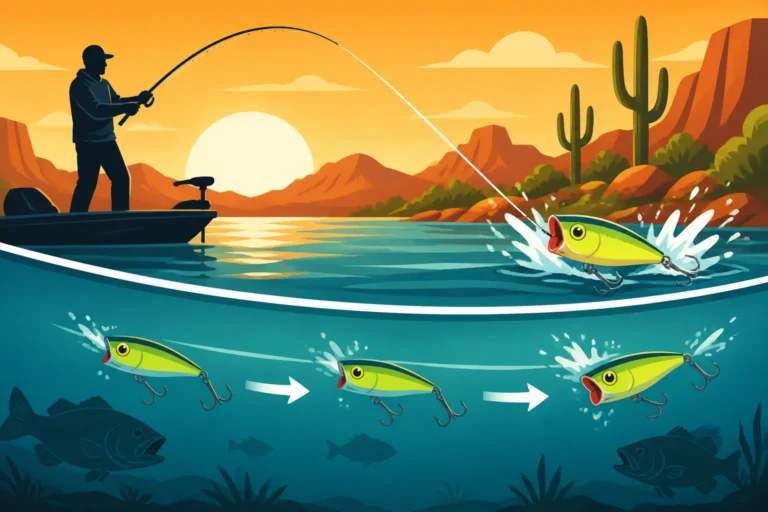
While newly stocked trout can be eager, they can become "educated" quickly after repeated angler pressure. For these wary trout, you might need to employ slightly more advanced tactics. One effective method is to use small lures, retrieved with erratic movements. Try twitching small spoons or spinners, pausing briefly to let them flutter, mimicking an injured baitfish. Ultralight jigging with tiny marabou or plastic jigs can also be very productive. Cast the jig out, let it sink, and then use small lifts of your rod tip to make it dance near the bottom.
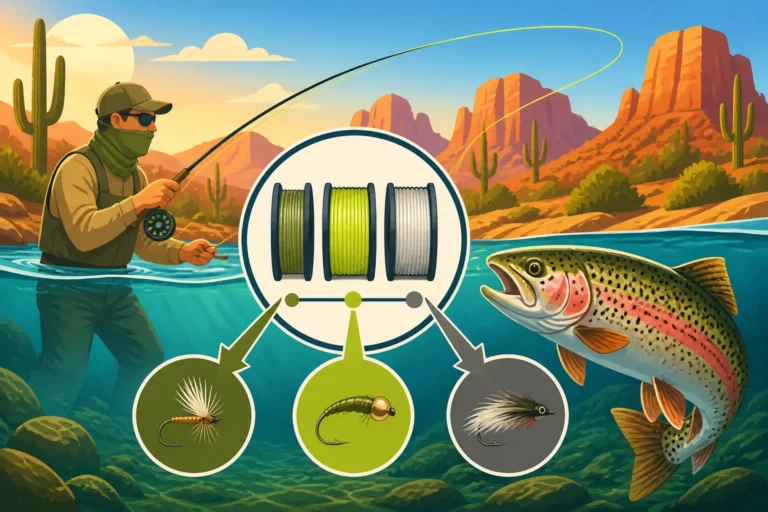
Fly fishing with a lightweight setup can also be incredibly effective, especially if trout are rising to feed on insects. Small nymphs, emergers, or dry flies that match local insect hatches can tempt even the most cautious trout. Presentation is key here – a delicate, natural drift is essential. If you're using bait, try downsizing your leader line to 2lb fluorocarbon and using the smallest possible hooks (size 14 or 16) to make your presentation less noticeable. Sometimes, moving away from the crowded areas and finding a less pressured spot, even if it's just a few yards down the bank, can make a significant difference.
Rules and Regulations Specific to Urban Trout Fishing
Fishing responsibly means knowing and adhering to the specific rules of the water you're fishing. Arizona's urban lakes have their own set of guidelines, which are often different from general statewide regulations, especially when it comes to trout.
Bag Limits and Size Restrictions
One of the most important rules to know for urban trout fishing is the daily bag limit. The Arizona Game and Fish Department sets specific limits to manage the resource and ensure fair fishing for everyone. Typically, for rainbow trout in urban lakes, the daily bag limit is four fish per angler. This means you can keep up to four trout in a single day. There are usually no size restrictions on these stocked trout, meaning any legal catch can be kept as long as you stay within the bag limit. These rules are clearly posted at urban lake locations and detailed in the annual Arizona Fishing Regulations booklet.
It's important to note that these urban lake limits apply to the designated Urban Fishing Program waters and may differ from the bag limits for trout in other, non-urban Arizona waters. Always double-check the current regulations before you head out. Understanding the Trout Limit at Arizona Community Fishing Lakes is crucial, as exceeding these limits can result in fines and other penalties. Responsible angling helps sustain the program for everyone to enjoy.
Special Urban Fishing Program Rules
Beyond bag limits, urban fishing lakes often have a few other unique rules designed to promote safety, accessibility, and the health of the program. For example, some urban lakes might have specific hours of operation, especially those within city parks. There could also be restrictions on certain types of bait or tackle, though this is less common for trout season. For instance, the use of live baitfish is generally prohibited in urban waters to prevent the introduction of invasive species. Anglers are often restricted to using a limited number of fishing rods, commonly two per person, to avoid overcrowding and line tangles.
Boating regulations are also common in urban lakes. Many urban lakes restrict motorboats or only allow electric trolling motors or paddle crafts like kayaks and canoes. This keeps the waters calm and safe for shore anglers. Always look for signage at the lake or consult the AZGFD regulations. A valid Arizona Fishing License Guide is always required for anyone 10 years of age and older, even in urban waters, and applies to both residents and non-residents. This license helps fund the stocking and management efforts that make the Urban Fishing Program possible.
Protecting the Resource
While urban lakes are heavily stocked, protecting the environment and the fish is still paramount. This includes practicing "leave no trace" principles – packing out all your trash, including discarded fishing line and bait containers. Littering not only detracts from the beauty of the lake but can also harm wildlife. It's also important to be mindful of water quality. Avoid dumping old bait, chemicals, or other pollutants into the lake.
For fish you don't intend to keep, practice proper catch-and-release techniques to minimize stress and injury. Handle fish gently with wet hands, remove the hook quickly (barbless hooks can help here), and release them back into the water as quickly as possible. Avoid dragging fish on the bank or keeping them out of water for extended periods. Responsible behavior ensures that these valuable urban fishing opportunities remain vibrant and healthy for future generations of anglers.
Beyond the Catch: Enjoying Your Urban Trout Experience
Catching fish is certainly a thrill, but urban trout season offers so much more than just a full stringer. It's an opportunity to connect with nature, spend quality time with loved ones, and engage in a relaxing outdoor activity right in your community.
Family-Friendly Fun
The accessibility and predictability of urban trout fishing make it a perfect activity for families and children. The lakes are often located in well-maintained parks with amenities like restrooms, playgrounds, and picnic areas, making it easy to turn a fishing trip into a full-day family outing. With regular stockings and relatively easy-to-catch trout, kids have a high chance of success, which is fantastic for building their enthusiasm for fishing. Imagine the excitement on a child's face as they reel in their first rainbow trout! It's a memory that lasts a lifetime.
Many urban lakes even feature ADA-accessible fishing piers, making the sport enjoyable for people of all abilities. These community-focused environments also foster a friendly atmosphere where experienced anglers are often happy to share tips with newcomers. Teaching patience, respect for nature, and the joy of a healthy outdoor hobby are all wonderful benefits of taking your family fishing during urban trout season. Learning How to Buy an Arizona Fishing License for yourself and understanding youth regulations is the first step to enjoying this family-friendly activity.
Resources for New Anglers
If you're new to fishing or just new to trout fishing in Arizona, there's a wealth of information available to help you get started. The Arizona Game and Fish Department website is your go-to resource for stocking schedules, specific lake rules, and general fishing information. Many local tackle shops, like those found in larger communities or even online at Amazon, are also excellent sources of advice on local conditions, effective baits, and appropriate gear. Don't be shy about asking questions!
There are also numerous online forums, social media groups, and YouTube channels dedicated to Arizona fishing where you can learn from others and share your experiences. These communities can offer real-time updates on what's biting and where. Many of these resources provide advice specific to the desert lakes, which have unique characteristics compared to other fishing environments. Embracing these resources can shorten your learning curve and lead to more enjoyable and successful outings.
Preparing Your Fresh Catch
One of the greatest rewards of fishing is enjoying your fresh catch, and rainbow trout are excellent table fare. They have a delicate, flaky white meat with a mild flavor that can be prepared in countless ways. Simple preparations often highlight their natural taste best. You can pan-fry them with butter and herbs, bake them whole with lemon slices, or even grill them wrapped in foil. Many anglers enjoy them smoked.
Before cooking, ensure you clean your trout properly. This typically involves gutting the fish and removing the gills. Some prefer to remove the head and tail as well. A quick rinse under cold water, and your trout is ready for your favorite recipe. There's nothing quite like the taste of a fresh fish you've caught yourself, especially when it comes from a local urban lake just a short drive from home. It truly completes the entire urban trout fishing experience.
Disclaimer
Please note that fishing regulations, stocking schedules, and lake conditions can change. Always consult the latest Arizona Game and Fish Department regulations before heading out to fish. This guide provides general information and recommendations, but it is the angler's responsibility to be aware of and comply with all current rules and laws.