Best Baits and Lures for Arizona Fishing
One of the biggest head-scratchers for any angler, especially when you're hitting the diverse waters of Arizona, is figuring out what bait or lure to use. It’s a frustrating dance of trial and error, often leaving you wondering if you picked the wrong color, the wrong size, or even the wrong type of offering altogether. This comprehensive guide is here to untangle that mystery, giving you the insider scoop on the best baits and lures to help you finally connect with more fish across Arizona's unique and challenging fisheries.
Understanding Arizona's Diverse Fisheries
Arizona might be known for its scorching desert, but don't let that fool you—it's a state brimming with incredible fishing opportunities. From high-elevation mountain lakes teeming with trout to vast desert reservoirs holding trophy bass and catfish, the fishing here is as varied as the landscape itself. The key to success isn't just knowing what to throw, but why it works in a particular environment for a specific species.
Warm Water Species and Their Preferences
When we talk about warm water species in Arizona, we're primarily looking at the mainstays like largemouth bass, smallmouth bass, striped bass, channel catfish, flathead catfish, crappie, and various panfish like bluegill and sunfish. These fish thrive in the warmer temperatures of the lower elevation desert lakes and rivers, places like Lake Pleasant, Roosevelt Lake, and the lower Colorado River. Their feeding habits are often aggressive, driven by a metabolism that speeds up in warm water, making them susceptible to a wide array of baits and lures.
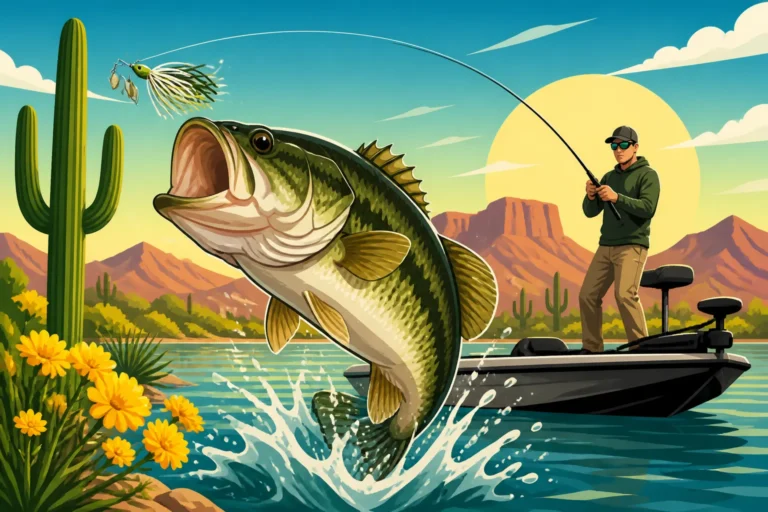
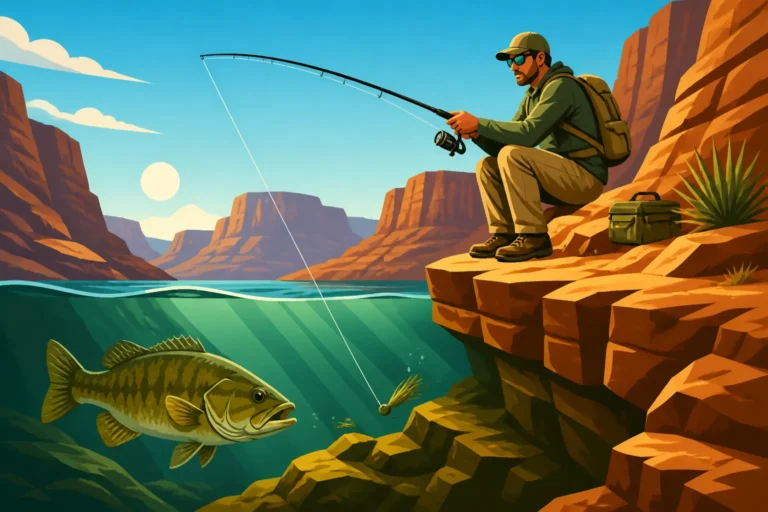
Each of these species has its own quirks and preferred dining options. Largemouth bass are ambush predators, often hiding in submerged brush or around rocky points, ready to pounce on anything that looks like a struggling baitfish or a juicy bug. Smallmouth bass, on the other hand, love rocky structures, ledges, and clear water, often preferring baits that mimic crawfish or small baitfish. Catfish are the ultimate scavengers, drawn to strong scents and meaty offerings, while crappie are schooling fish, often found suspended around brush piles or deep timber, favoring small, subtle presentations. Understanding these fundamental preferences is your first step to filling your cooler or bending your rod.
Cold Water Species and Their Preferences
Venture up into Arizona's majestic high country, and you'll enter the realm of cold water species, primarily various types of trout, including rainbow, brown, brook, and even the native Apache trout in certain designated areas. Lakes like Big Lake, Woods Canyon Lake, and the famous Lees Ferry stretch of the Colorado River offer prime trout habitat. These waters stay cool year-round, either due to elevation or cold-water releases from dams, providing the ideal conditions for trout to flourish.
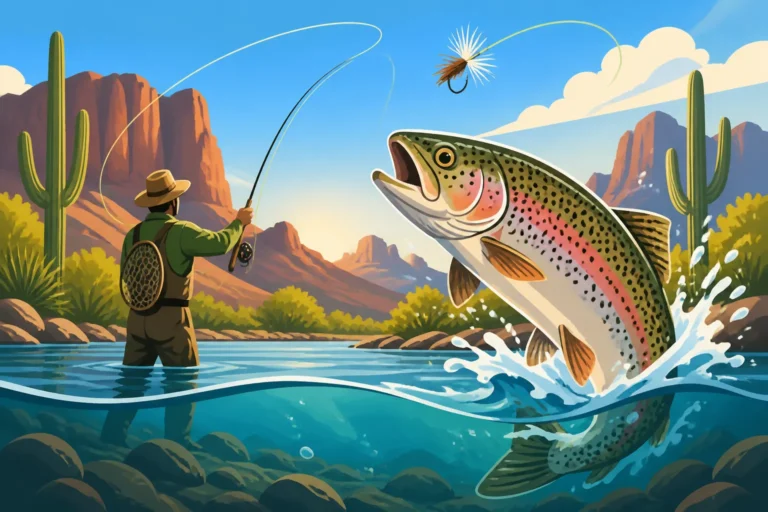
Trout are generally more delicate eaters than their warm-water counterparts, though they can certainly be aggressive when the bite is on. They often feed on insects, aquatic invertebrates, and small baitfish, requiring presentations that are usually smaller and more natural-looking. Fly fishing is incredibly popular for trout in many Arizona streams, but spin anglers can also have immense success with powerbaits, small spoons, and spinners. The clear, cold water often demands lighter lines and more subtle approaches, as trout can be easily spooked by heavy gear or unnatural movements. Knowing when and how to present these offerings will significantly improve your chances of success in these beautiful, high-country settings.
Identifying Forage Base
Perhaps the most critical, yet often overlooked, aspect of bait and lure selection is understanding the primary forage base in the specific body of water you're fishing. Simply put, what are the local fish already eating? Fish are opportunistic, but they are also creatures of habit. If a lake is teeming with threadfin shad, then lures and baits that imitate shad in size, color, and action are likely to be highly effective. If crawfish are abundant, then jigs, crankbaits, or soft plastics that mimic a crawfish will be your go-to.
Forage can include various baitfish like shad, bluegill, or carp fry; crustaceans like crawfish; insects such as cicadas or mayflies; and even worms and grubs found in the sediment. Researching the local ecosystem or even asking at a bait shop can give you invaluable clues. For example, if you're fishing a desert lake known for its healthy population of bluegill, then throwing a swimbait that looks exactly like a bluegill can often entice a monster largemouth that's specifically targeting that food source. Conversely, if you're targeting trout in a mountain stream where caddisflies are hatching, then a caddisfly imitation fly or a small lure that suggests an insect will outperform a large, flashy spoon. Matching the hatch, so to speak, whether it's baitfish or bugs, is a fundamental principle of successful angling everywhere, and Arizona is no exception.
Essential Baits for Arizona's Warm Water Lakes
When fishing Arizona's desert reservoirs and lower elevation rivers, sometimes nothing beats the real thing. Live bait, or realistic imitations, can be the ultimate equalizer, especially when fish are finicky or during certain times of the year. There’s a primal appeal to a live offering, something fish instinctively recognize as food, often triggering strikes when artificial lures fail.
Live Bait for Bass and Catfish
For targeting hard-hitting bass and colossal catfish in Arizona, live bait is a game-changer. Shad are often the number one choice for both species, especially in lakes like Lake Pleasant, Roosevelt Lake, and Lake Havasu, where healthy populations of threadfin and gizzard shad are the primary forage. A lively shad hooked through the back or nose, allowed to swim freely or drifted under a bobber, is often irresistible to a trophy largemouth or a hungry striped bass. Many anglers will catch their own shad using a cast net, but they can sometimes be purchased at well-stocked local bait shops or through specialized bait vendors. Remember to check local regulations on baitfish use, as rules can vary by water body.
Beyond shad, common earthworms (nightcrawlers) are universally effective, particularly for channel catfish and smaller bass, and they're readily available at most tackle stores, gas stations, and even online marketplaces like Amazon. For larger flathead catfish, live bluegill or carp are often preferred. Hooked through the back fin or lips, these robust baitfish can withstand the attention of bigger, more aggressive predators. Just ensure any live bait you use is legally caught or purchased and that its use is permitted in your chosen fishing spot. The natural scent and erratic movement of live bait provide an undeniable advantage, especially when fish are holding tight to cover or are in a neutral feeding mood.
Cut Bait and Prepared Baits for Catfish
While live bait shines, cut bait and specially prepared baits are often the go-to for Arizona's abundant channel and flathead catfish. The robust sense of smell possessed by catfish makes strong-smelling baits incredibly effective, drawing them in from considerable distances. Cut bait, typically made from oily fish like shad, carp, or even mackerel, releases a potent scent trail in the water. Simply cut your chosen baitfish into chunks or strips and present it on a stout hook near the bottom. The fresher the cut bait, the better, as the oils and blood seep out, creating an irresistible aroma.
Beyond cut bait, there’s a massive world of prepared catfish baits, often called "stink baits" or "punch baits." Brands like Sonny's Super Sticky Bait or Catfish Charlie have a dedicated following among Arizona's catfishing enthusiasts. These baits are typically designed to be extremely pungent and adhere well to a treble hook or specialized bait holder. They come in various consistencies, from soft doughs to fibrous concoctions, each with its own fan base. Some anglers even craft their own secret recipes, often involving cheese, blood, and other strong-smelling ingredients. The beauty of prepared baits is their convenience and their ability to stay on the hook for extended periods, allowing you to cast out, relax, and wait for that telltale tap-tap-pull of a hungry catfish.
Minnows and Mealworms for Panfish and Crappie
When it comes to smaller, schooling fish like crappie, bluegill, and other sunfish, live minnows and small insects are often the most productive choice. Crappie, in particular, have a real soft spot for tiny, lively minnows. Rigging a small minnow under a bobber or on a jig head and presenting it near submerged brush piles, standing timber, or docks can result in incredible numbers of these delicious panfish. The subtle shimmer and erratic darting of a live minnow are often all it takes to trigger a strike from a cautious crappie. Many local bait and tackle shops throughout Arizona will carry various sizes of crappie minnows, making them an easy pickup before your trip.
For bluegill and other sunfish, mealworms, redworms, or crickets are absolute magnets. These readily available insect and worm baits are small enough for panfish to easily engulf, and their natural wriggling action and scent are highly attractive. A tiny piece of a worm on a small hook (size 8 or 10), fished under an ultralight bobber, is a classic and incredibly effective setup for catching these feisty little fighters. They are also fantastic baits for introducing children to fishing, as they almost guarantee bites. Whether you're targeting a cooler full of crappie for a fish fry or simply enjoying some casual panfishing with the family, live minnows and small worms should always have a place in your Arizona bait arsenal.
Top Lures for Arizona Largemouth and Smallmouth Bass
Arizona’s desert lakes are famous for their excellent bass fishing. Whether you're chasing the aggressive largemouth or the hard-fighting smallmouth, understanding the right artificial lures can make all the difference. These lures are designed to mimic the natural prey of bass or trigger their predatory instincts, making them a thrilling way to fish.
Soft Plastics Strategies
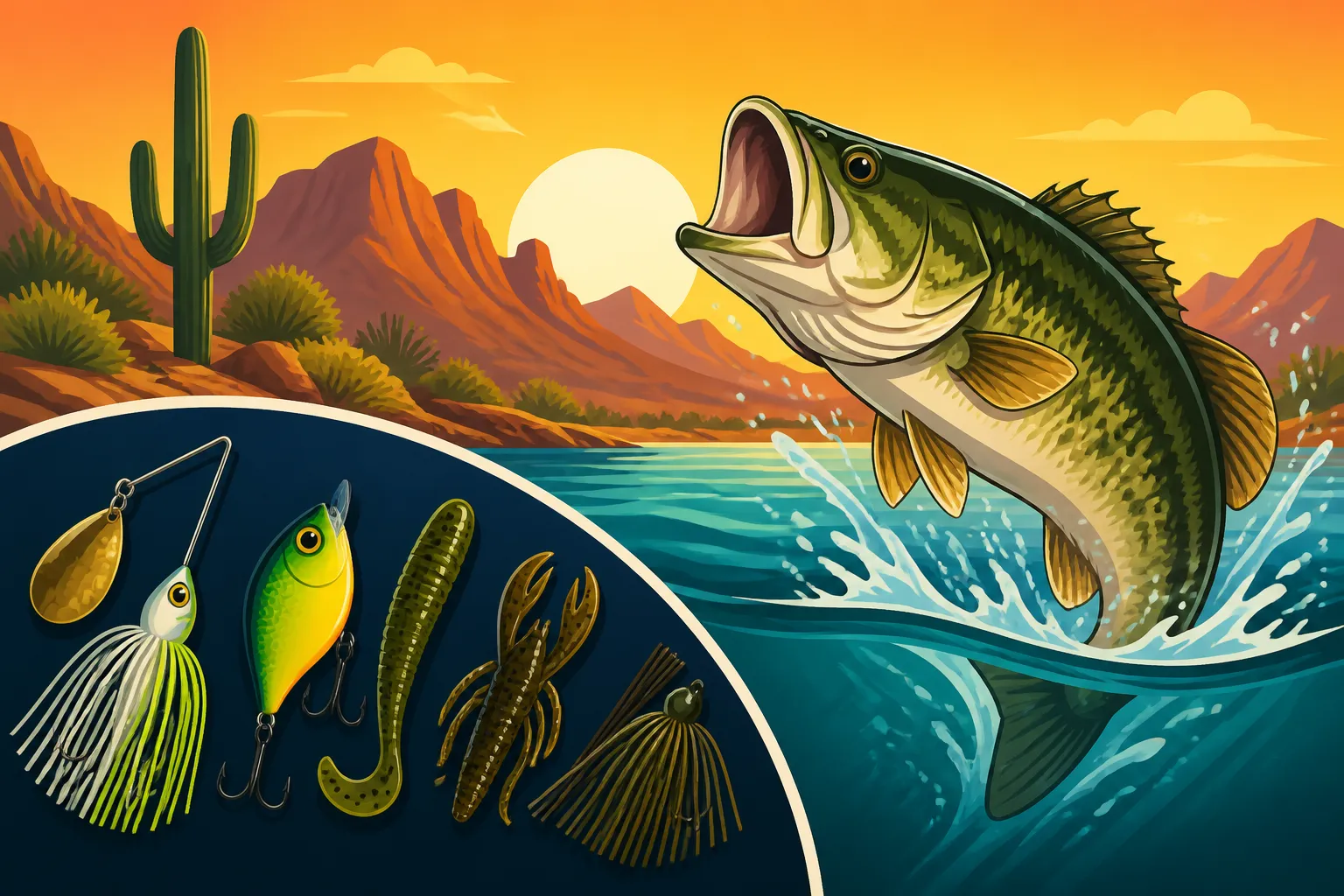
Soft plastics are, without a doubt, a cornerstone of bass fishing in Arizona. Their versatility is unmatched, allowing anglers to imitate worms, crawfish, baitfish, and various critters with incredible realism. For largemouth bass, Texas-rigged or Carolina-rigged plastic worms (like Berkley PowerBait or Zoom's Trick Worms) are highly effective when fished around submerged timber, brush, or rocky areas. The weedless nature of these rigs allows you to penetrate dense cover where big bass often hide, without constantly getting snagged. A 7-inch green pumpkin or watermelon red worm fished slowly along the bottom can be deadly.
When bass are less active or pressured, a weightless Texas-rigged Senko or a similar stick bait can be phenomenal. The slow, tantalizing fall of a Senko is often irresistible to bass, especially in clearer waters. For smallmouth bass, particularly in places like Lake Powell or the Colorado River, drop shot rigs featuring small straight-tail worms or creature baits are incredibly effective. This technique allows you to suspend your bait directly in the fish’s strike zone over deep structure. Jig-and-trailer combos, mimicking crawfish, are also excellent for both species, especially when dragged or hopped along rocky bottoms. The key with soft plastics is often a subtle presentation and a patient retrieve, letting the bait's natural action do the work. Remember to check out Best Bass Fishing Techniques for Arizona Lakes for more in-depth strategies.
Hard Baits for Reaction Strikes
When bass are aggressive, or you need to cover water quickly, hard baits are your best friend. These lures are designed to provoke reaction strikes with their erratic movements, loud rattles, and flashy finishes. Crankbaits, which dive to various depths depending on their lip size, are fantastic for imitating baitfish. Shallow-diving crankbaits work well over submerged grass or flats, while deep-diving models can reach bass holding on ledges or humps in 15-25 feet of water. Popular colors often mimic shad or crawfish. Brands like Strike King and Rapala offer a wide range of crankbaits perfect for Arizona's diverse waters.
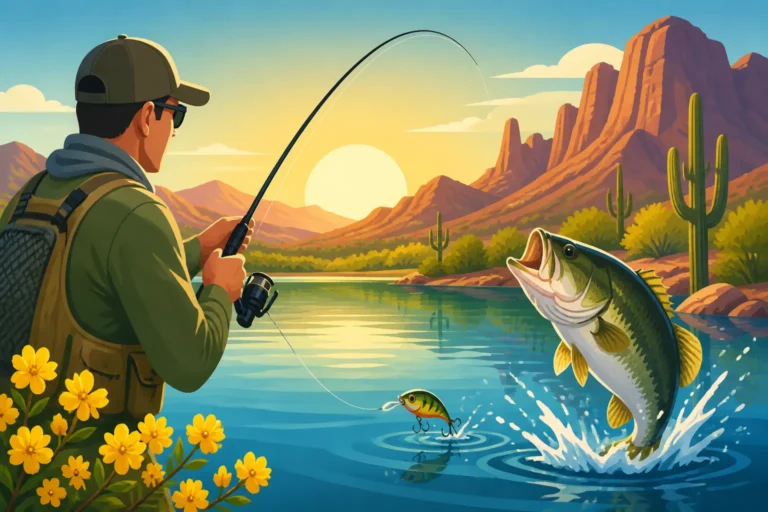
Jerkbaits are another potent weapon, especially in cooler water or when bass are suspended. These lures are designed to be retrieved with a "twitch, twitch, pause" action, mimicking a wounded baitfish. The pause is often when the strike occurs, so patience is key. Topwater lures, including poppers, walk-the-dogs, and prop baits, provide some of the most exciting bites in bass fishing. These are best used during low light conditions—dawn, dusk, or overcast days—when bass are willing to come to the surface for a meal. Seeing a giant largemouth explode on a topwater lure is an unforgettable experience! Lipless crankbaits, often called "rattle traps," are also excellent for covering water and generating strikes with their loud rattles and tight wobbling action, especially when bass are chasing baitfish in open water.
Spinnerbaits and Chatterbaits for Versatility
Spinnerbaits and chatterbaits (bladed jigs) are exceptionally versatile lures, proving their worth in a wide range of Arizona fishing conditions. Spinnerbaits, with their flashing blades and pulsating skirts, create a lot of vibration and visual appeal in the water, mimicking a fleeing baitfish. They are remarkably weedless, making them perfect for fishing through submerged brush, standing timber, or rocky areas where other lures would snag. They're also excellent for covering water quickly, allowing you to find active bass. Different blade combinations (Colorado for slow retrieves and stained water, willow leaf for faster retrieves and clear water, or a combination) allow you to fine-tune your presentation. Chartreuse, white, and shad patterns are often top producers.
Chatterbaits, like the Z-Man Original ChatterBait, offer a unique, erratic vibration that bass find incredibly enticing. The bladed jig's head causes the lure to dart and vibrate, mimicking a frantic baitfish or crawfish. They excel in grass, around docks, and even in open water. Many anglers add a soft plastic trailer, such as a fluke or a crawfish imitation, to enhance the action and profile. The combination of flash, vibration, and a realistic profile makes chatterbaits extremely effective, often triggering strikes from bass that ignore other offerings. Both spinnerbaits and chatterbaits are excellent search baits that can help you locate active fish, and they should be a staple in any Arizona bass angler's tackle box.
Effective Lures and Baits for Arizona Striped Bass
Striped bass, often simply called "stripers," are powerhouses found in several of Arizona’s larger reservoirs, most notably Lake Powell and Lake Pleasant, as well as parts of the Colorado River. These schooling predators chase baitfish relentlessly, and figuring out their patterns can lead to incredible action and impressive catches. Their sheer size and fighting ability make them a highly sought-after species.
Trolling with Swimbaits and Crankbaits
When striped bass are dispersed or you're trying to locate schools over large areas, trolling is an incredibly effective strategy. Large swimbaits and deep-diving crankbaits are prime choices for this technique. Swimbaits, especially those designed to imitate shad or other baitfish, can be trolled at various depths and speeds, presenting a lifelike profile that stripers find hard to resist. Brands like Savage Gear or Berkley offer durable swimbaits that hold up well to the powerful strikes of a striper. Varying your trolling speed and depth can help you pinpoint where the fish are holding in the water column.
Deep-diving crankbaits are also excellent for trolling, capable of reaching significant depths where larger stripers often lurk. Look for models that can dive 20-30 feet or more. The erratic wobble and strong vibration of these lures can call in stripers from a distance. Trolling allows you to cover vast stretches of water, especially in expansive lakes like Lake Powell, and is a fantastic way to intercept cruising schools of stripers. Often, a spread of multiple rods with different lures and depths is used to maximize your chances and identify what the fish are keying in on.
Vertical Jigging and Casting Spoons for Boils
Perhaps the most exhilarating way to catch striped bass is during a "boil." A boil occurs when a school of stripers pushes a school of baitfish to the surface, creating a chaotic frenzy of feeding fish. When you encounter a boil, fast and aggressive presentations are key. Vertical jigging with heavy spoons or large Kastmasters is incredibly effective directly into the boil. The flash and flutter of these metal lures perfectly imitate a dying baitfish, triggering immediate strikes from frenzied stripers. Keep a close eye on your fish finder, as stripers might also be holding deeper beneath the surface, waiting for injured baitfish to fall.
When casting into boils, or when stripers are busting the surface in smaller, more scattered groups, casting spoons, heavy jigs, or topwater lures can be deadly. A long cast into the commotion, followed by a fast retrieve or a jigging action, will often result in a hookup. The key is to get your lure into the feeding zone quickly and present it in a way that stands out among the chaos. Having a dedicated "striper boil" rod rigged and ready with a suitable lure is crucial, as these feeding events can erupt and subside quickly. For more details on catching these powerful fish, be sure to check out How to Fish for Striped Bass.
Live and Cut Bait for Larger Stripers
While lures are fantastic for active stripers, sometimes the biggest, most cautious striped bass prefer a natural, stationary offering, especially when they are not actively chasing bait. Live bait, particularly threadfin shad or gizzard shad, can be incredibly effective for targeting trophy-sized stripers. These can be fished on a Carolina rig near the bottom, drifted under a balloon, or suspended under a slip bobber in areas where stripers are known to congregate, such as deep channels, points, or submerged humps. The natural scent and movement of a lively shad are often too tempting for a large striper to pass up.
Cut bait, similar to what you’d use for catfish, also works wonders for striped bass, especially during slower periods or when you're targeting fish holding in deeper water. Fresh cut shad or anchovies are popular choices. The strong scent trail they release can attract stripers from a distance. Using a heavy sinker to get your bait to the bottom and fishing multiple rods can increase your chances. Whether you're patiently waiting for a bite with live bait or actively chasing boils with lures, understanding both approaches will significantly boost your success rate for Arizona's hard-fighting striped bass.
Best Baits and Lures for Arizona Trout
Arizona's diverse waters offer fantastic trout fishing, from stocked urban lakes to remote mountain streams and tailwaters. Targeting these beautiful, often finicky fish requires a different approach than chasing bass or catfish, emphasizing natural presentations and finesse.
PowerBait, Dough Baits, and Natural Offerings
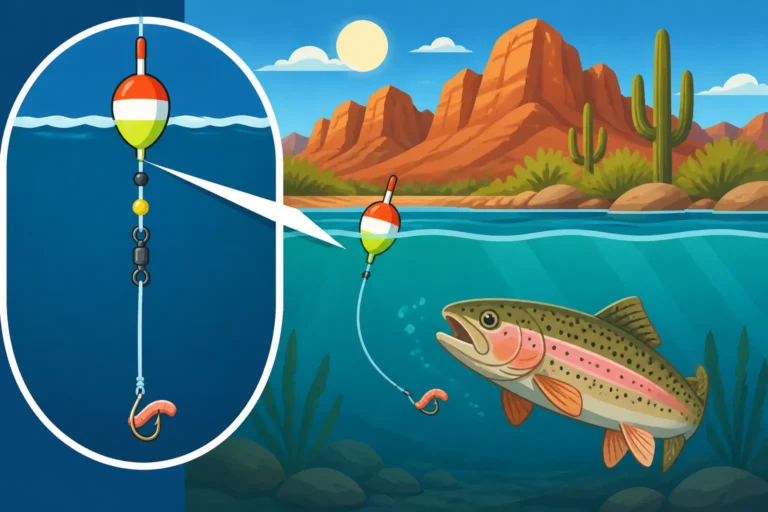
For the vast majority of stocked rainbow trout in Arizona’s community lakes and higher elevation reservoirs, prepared baits like Berkley PowerBait are exceptionally effective. PowerBait comes in a dizzying array of colors, scents, and forms—from molded nuggets to dough that you can shape yourself. Popular colors include chartreuse, rainbow, salmon peach, and garlic-scented varieties. The key to fishing PowerBait is often to use a small treble hook (size 10 or 12), cover the hook entirely with the bait, and fish it off the bottom using a slip sinker rig. This allows the PowerBait to float up off the bottom, presenting a natural-looking, scented meal to cruising trout.
Beyond PowerBait, other dough baits, salmon eggs, and natural offerings like worms (especially redworms or nightcrawlers) are also highly productive. A small piece of worm, threaded onto a tiny hook, is almost irresistible to a hungry trout. Some anglers even combine PowerBait with a small worm for a "cocktail" bait. For a more traditional approach, corn kernels can also be surprisingly effective, especially in heavily stocked waters where fish have been conditioned to feed on a variety of readily available foods. The scent and bright color of these baits are crucial for attracting trout in both clear and slightly stained waters.
Spinners and Spoons for Active Trout
When trout are actively feeding, especially in streams or larger lakes, artificial lures like spinners and spoons can be incredibly effective. These lures imitate small baitfish or aquatic insects, triggering a predatory response from trout. Classic inline spinners, such as those made by Panther Martin, Mepps, or Rooster Tail, are perennial favorites. Sizes ranging from 1/16 oz to 1/8 oz are generally perfect for Arizona trout. Gold, silver, and copper blades with various colored dressings (black, white, yellow) are all proven producers. The key is to cast upstream and retrieve at a speed that keeps the blade spinning, allowing it to tumble naturally down current or just above the bottom.
Small spoons, like the Kastmaster, Thomas Buoyant, or Little Cleo, are also fantastic trout lures. Their erratic wobbling and flashing action mimic a wounded baitfish, making them irresistible to aggressive trout. Silver and gold are classic colors, but those with red or blue accents can also be very effective. Spoons can be cast and retrieved steadily, jigged vertically in deeper water, or even trolled. The important thing with both spinners and spoons is to use light line (2-4 lb test monofilament or fluorocarbon) to ensure a natural presentation and minimize visibility. For more specific techniques, explore Best Trout Fishing Techniques for Arizona Waters.
Fly Fishing Essentials for Arizona Streams
For the dedicated fly angler, Arizona offers some incredible opportunities, particularly in its high-country streams and the Lees Ferry section of the Colorado River. Fly fishing is an art form focused on presenting artificial flies that perfectly imitate the insects or small baitfish that trout feed on. Essential fly patterns vary by season and water, but some staples include various nymph patterns (Pheasant Tail, Hare's Ear, Prince Nymph) that mimic aquatic insect larvae, which are a year-round food source for trout. Dry flies, imitating adult insects like Caddis, Adams, or Elk Hair Caddis, are exciting to fish when trout are rising to the surface.
Streamers, which imitate small baitfish, leeches, or crawfish, can be very effective for larger, more aggressive trout, especially brown trout. Woolly Buggers in black, olive, or brown are a must-have. Understanding the local entomology – what insects are hatching or present in the water – is paramount for successful fly fishing. Fly shops near popular trout destinations, like those in Flagstaff or Payson, can provide up-to-date hatch information and recommend specific patterns. A well-tied fly on a light leader, presented with a delicate cast, often leads to truly rewarding catches in Arizona's picturesque trout waters.
Tackle Box Essentials for Arizona's Panfish and Crappie
Often overlooked in the pursuit of trophy bass or massive stripers, panfish like bluegill, sunfish, and crappie offer some of the most consistent and fun fishing in Arizona. They are excellent targets for beginners and seasoned anglers alike, providing steady action and often delicious table fare.
Jigs and Small Lures for Crappie
Crappie are notoriously fond of small, subtle presentations, and tiny jigs are their undisputed favorites. Crappie jigs typically range from 1/32 oz to 1/8 oz and come in a dazzling array of colors and styles, including tube jigs, curly tail grubs, and hair jigs. Chartreuse, white, pink, and black are classic crappie colors. The key is to fish these jigs slowly around cover, such as submerged brush piles, standing timber, or dock pilings, where crappie often school. Tipping a small jig with a crappie minnow can significantly increase your strike rate, combining the appeal of both a live bait and an artificial lure.
Beyond jigs, tiny spoons or blade baits can also be effective, especially when crappie are deeper or more aggressive. Micro-spinners, similar to those used for trout but even smaller, can also entice bites. The retrieve should generally be slow and methodical, often with pauses or subtle twitches to mimic an injured baitfish or insect. Using ultralight gear with light line (2-6 lb test) is crucial for both casting these small lures effectively and detecting the often subtle bites of crappie. Many anglers will head to their local tackle shop or browse Amazon for a variety of crappie jig kits to ensure they have options for different conditions.
Worms and Crickets for Sunfish
For bluegill, green sunfish, and redear sunfish, natural baits like worms and crickets are almost unbeatable. These hardy little fish have small mouths but an insatiable appetite, and a small, wiggling worm or a chirping cricket is often too tempting to pass up. Redworms (also known as "gill worms") are particularly effective due to their size and activity. A small piece of redworm on a size 8 or 10 hook, fished under a tiny bobber, is a time-tested method that almost guarantees action. Crickets, especially in the warmer months, are also a fantastic choice, particularly when fishing near grassy banks where they might naturally fall into the water.
Fishing for sunfish with these natural baits is simple, making it ideal for family outings or teaching kids to fish. Just rig your bait a foot or two under a bobber, cast it near some cover like lily pads, cattails, or a submerged log, and wait for the bobber to dip. You can also fish them directly on the bottom with a small split shot for deeper presentations. The steady action and vibrant colors of sunfish make them a joy to catch, and keeping a container of worms or crickets handy is a smart move for any Arizona angler looking for consistent bites.
Ultralight Gear Considerations
When targeting panfish and crappie, especially with small baits and lures, your gear choice becomes paramount. Ultralight fishing gear isn't just a preference; it's often a necessity for maximum effectiveness and enjoyment. An ultralight spinning rod, typically 5 to 6 feet in length with a fast or moderate action, paired with a small spinning reel spooled with 2-to-6-pound test line (monofilament or fluorocarbon), is the ideal setup. This light tackle allows you to cast tiny jigs and baits significant distances, feel even the most subtle bites, and still have plenty of fun fighting these smaller fish.
Using a very light line is also critical because panfish and crappie often have excellent eyesight, especially in clearer waters. A heavy, visible line can deter bites. Fluorocarbon leader material can be a good choice for its low visibility and abrasion resistance. An ultralight setup also enhances the fighting experience, turning even a modest bluegill into a spirited battle. So, if you're serious about maximizing your panfish and crappie catches, investing in appropriate ultralight gear will pay dividends. It's truly an "essential tackle box setup for Arizona beginners" and seasoned anglers alike.
Adapting Your Bait and Lure Selection to Seasons and Conditions
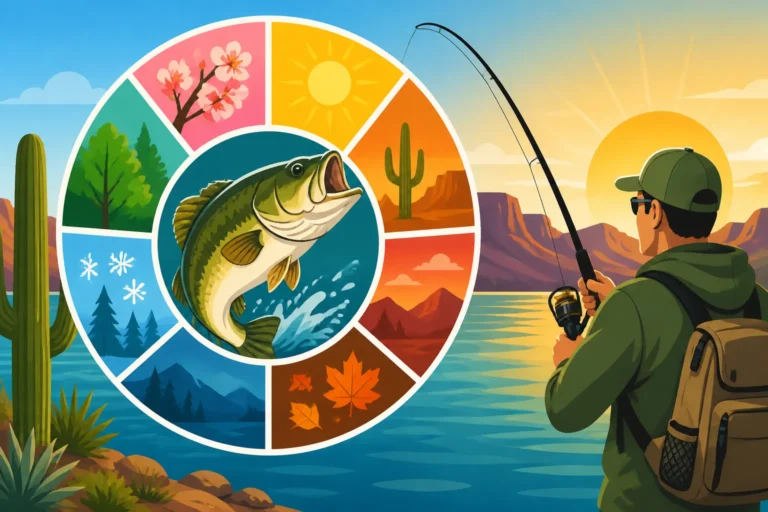
Fishing in Arizona is a year-round affair, but the effectiveness of specific baits and lures can change dramatically with the seasons and prevailing environmental conditions. What works in the cool, clear waters of spring might be entirely ineffective in the scorching heat of summer. Being able to adapt is crucial for consistent success.
Seasonal Changes in Fish Behavior
Fish are cold-blooded creatures, and their metabolism and behavior are directly tied to water temperature. Understanding these seasonal shifts is fundamental to choosing the right bait or lure.
- Spring: As water temperatures rise, fish become more active. This is often prime spawning season for bass and crappie. Bass will move shallow, guarding nests, making them susceptible to jigs, soft plastics, and spinnerbaits. Crappie will school in shallow brush, perfect for small jigs and minnows. Trout fishing remains excellent in stocked waters and streams as temperatures are ideal.
- Summer: The brutal Arizona summer heat forces many fish deeper, seeking cooler, more oxygenated water. This often means deeper presentations with jigs, deep-diving crankbaits, or drop shot rigs for bass and stripers. Night fishing becomes incredibly productive for catfish and even bass. Topwater action can still be great during dawn and dusk. For trout, focus on high-elevation lakes and shaded stream sections. Remember to take precautions against the heat, as described in our Best Time of Day to Fish in Arizona Heat guide.
- Fall: As temperatures begin to drop, fish enter a "feeding frenzy" phase, fattening up for winter. This is a fantastic time for aggressive presentations. Bass will chase crankbaits, spinnerbaits, and swimbaits in shallower to mid-depth ranges. Stripers will often boil more frequently. Trout fishing also picks up significantly as waters cool.
- Winter: Fishing can be slower, but still productive. Fish are lethargic, requiring slower, more subtle presentations. Deep-fished jigs, slow-rolled spinnerbaits, and finesse techniques like the Ned Rig or drop shot are often best for bass. Catfish can still be caught on cut bait in deeper holes. Many urban lakes are stocked with rainbow trout during the cooler months, offering excellent opportunities for PowerBait and small lures.
Water Clarity and Temperature Adjustments
Beyond just the season, the immediate conditions of the water—its clarity and temperature—should heavily influence your bait and lure choices.
- Water Clarity: In clear water, fish can see extremely well, so natural colors (green pumpkin, watermelon, browns, shad patterns) and subtle presentations are usually best. Use lighter line and fluorocarbon leaders for invisibility. In stained or muddy water, visibility is low, so fish rely more on scent and vibration. Bright, unnatural colors (chartreuse, orange, bright pink), loud rattles, and lures that displace a lot of water (spinnerbaits with Colorado blades, chatterbaits, strong-scented baits for catfish) will stand out.
- Water Temperature: As mentioned, colder water generally means slower retrieves and smaller, more subtle baits (jigs, finesse worms). Warmer water often allows for faster retrieves, more aggressive lures (crankbaits, topwater), and larger presentations, as fish are more active and willing to chase. Extremely hot water, however, can make fish lethargic again, pushing them deep, so a slower, deeper presentation might still be needed. Understanding how fish react to these environmental factors is crucial for adjusting your tactics on the fly and making smart bait and lure decisions, especially when encountering conditions like those described in the Arizona Monsoon Season Fishing Guide.
Fishing Pressure and Lure Selection
Unfortunately, a popular fishing spot can sometimes mean pressured fish. Anglers in Arizona, especially those frequenting urban lakes or easily accessible reservoirs, often face fish that have seen every lure and tasted every bait. This can make them wary and much harder to catch. When fishing highly pressured waters, subtlety and uniqueness often win the day.
This might mean down-sizing your lures, using lighter lines, or opting for less common color patterns. Finesse techniques, such as drop-shotting small worms, fishing Ned rigs, or using micro jigs for crappie, can entice bites from suspicious fish. Experiment with natural baits if artificials aren't working, or try a different presentation style. Sometimes, simply slowing down your retrieve or fishing during off-peak hours (like midday or night) can make a significant difference. Don't be afraid to try something completely different from what everyone else is throwing. A lure or bait that the fish haven't seen repeatedly can often trigger a strike from an otherwise uninterested fish.
Where to Find Your Arizona Baits and Lures
Alright, you've got your strategy down, you know what baits and lures you need—now comes the practical part: where do you get them? Luckily, Arizona offers a variety of options, whether you prefer the personal touch of a local shop or the convenience of online shopping.
Local Bait and Tackle Shops
For many anglers, the local bait and tackle shop is more than just a place to buy gear; it's a community hub and an invaluable source of real-time, hyper-local information. Shops like Hook Up Outfitters in Phoenix or Sportsman's Warehouse (with multiple locations across Arizona, including Mesa and Tucson) are treasure troves of fishing knowledge. The staff at these establishments often fish the local waters themselves and can provide up-to-the-minute reports on what's biting, what baits are working, and what the water conditions are like. They can tell you if the shad are running, if crappie are schooling shallow, or if a particular color of PowerBait has been out-fishing all others for trout.
Furthermore, local shops are often the best place to find live bait, such as minnows, shad, worms, and crickets. The quality of live bait is paramount, and these shops usually have fresh, healthy stock. They might also carry specialized, regional lures that are particularly effective for specific Arizona fisheries that you might not find elsewhere. Visiting a local bait shop also gives you the opportunity to see and feel the gear, ask questions, and get personalized recommendations, ensuring you have the "essential tackle box setup for Arizona beginners" or experts, tailored to your specific trip.
Online Retailers and Bulk Buys
While local shops offer a unique experience, online retailers provide unparalleled convenience and selection, especially for artificial lures and terminal tackle. Websites like Bass Pro Shops, Cabela's, Tackle Warehouse, and Amazon offer vast inventories, competitive pricing, and the ability to browse and purchase gear from the comfort of your home. If you know exactly what lure or bait you're looking for, these platforms can be incredibly efficient. For instance, you might find a specific brand of soft plastic worms or a unique crankbait color that isn't readily available in every physical store.
Amazon, in particular, has become a go-to for many anglers looking for a wide variety of tackle, often with fast shipping options. You can find everything from individual packets of soft plastics to entire fishing kits, and even larger items like fishing line or tackle boxes. This is also a great option for bulk purchases of commonly used items, which can save you money in the long run. However, it's important to remember that online retailers usually won't have live bait or the same level of up-to-the-minute local advice. The best approach for many Arizona anglers is a hybrid: get your live bait and local intel from a physical shop, and then supplement your artificial lure collection and bulk items from trusted online sources.
Disclaimer
The information provided in this guide is for general informational purposes only. Fishing conditions, regulations, and fish behavior can change rapidly. Always consult the latest Arizona Game and Fish Department regulations before heading out on the water. Be aware of local conditions, practice responsible angling, and prioritize safety.