Best Trout Fishing Techniques for Arizona Waters
It's a common story in Arizona: you've heard whispers of incredible trout fishing, maybe seen some photos of beautiful fish, and you head out to your favorite lake or stream with high hopes. But then, reality hits. The fish aren't biting, the water's too warm, or perhaps you're just not sure which lure to tie on. It can be incredibly frustrating to spend a day on the water without even a nibble. This guide is dedicated to demystifying trout fishing in our unique desert state, offering practical, time-tested techniques to help you confidently approach any Arizona trout water and significantly increase your chances of a successful and rewarding outing.
Understanding Arizona Trout Species and Their Habitats
Before you even think about casting, it’s vital to understand the various trout species you might encounter in Arizona and, crucially, where they prefer to hang out. Our state boasts a surprising diversity, from the widely stocked favorites to rare native gems, each with its own quirks and preferred haunts. Knowing your target will inform your entire approach, from gear selection to presentation.
The Elusive Rainbow Trout and Stocked Waters
The Rainbow Trout is, without a doubt, the most frequently encountered trout species across Arizona. These beautiful fish are widely stocked by the Arizona Game and Fish Department (AZGFD) in a vast array of waters, from the popular Best White Mountains Fishing Lakes in Arizona to the accessible urban lakes of the Community Lake Locations in Phoenix. When they are freshly stocked, rainbow trout can often be quite aggressive and easy to catch, especially for beginners. They're often eager to hit a variety of baits and lures, making for a fun and productive day.
However, the "easy" part doesn't always last. As time passes after stocking, these fish can become incredibly wary and "pressured." They learn to avoid common baits, become more sensitive to noise and shadows, and often seek refuge in deeper, safer waters. This is where the frustration can set in for many anglers – one week they're biting everything, the next they're nowhere to be found. Understanding this behavior shift is key. If you're fishing a recently stocked lake, expect active fish. If it's been a while, you'll need to employ more subtle tactics, smaller baits, lighter lines, and a more patient approach to entice these smarter, "holdover" rainbows. Knowing the Trout Stocking Season in Arizona or checking the stocking schedules for specific lakes, especially in our urban centers, can give you a significant advantage, as fresh stockings often kick off a feeding frenzy.
Native Beauties: Apache and Gila Trout
Arizona is also home to two truly special native trout species: the Apache Trout and the Gila Trout. These aren't your typical stocked fish; they are protected species, living remnants of a bygone era, and represent a crucial part of our state's natural heritage. You won't find them in every lake; instead, they inhabit specific, pristine high-elevation streams and rivers, primarily within the White Mountains region. Fishing for Apache and Gila trout is less about filling a stringer and more about the experience of connecting with Arizona's wild past.
If you are fortunate enough to fish for these species, it's almost exclusively a catch-and-release endeavor, and strict regulations apply to ensure their survival and recovery. The focus is on delicate presentation, using light tackle, and employing extreme care when handling these fish to ensure their safe return to the water. A good example is the Apache Trout, which is typically found in crystal-clear, cold mountain streams, demanding stealth and precise casting. The reward for this effort isn't a meal, but the rare sight of these exquisitely marked fish, a truly unique Arizona angling experience. Respecting their fragile existence and adhering to all specific guidelines for native species is paramount for every angler.
The Wily Brown Trout in Select Rivers and Lakes
While not as widespread as rainbows, the Brown Trout holds a special place in the hearts of many Arizona anglers due to its reputation for being a challenging, yet highly rewarding, quarry. Browns are known for their predatory nature and their ability to grow to impressive sizes, often far outstripping the average stocked rainbow. Unlike many stocked rainbows, brown trout in Arizona are often wild or naturalized, meaning they’ve survived and thrived in the system for years, making them incredibly cunning and elusive.
You'll find brown trout in a more limited number of waters, most famously in the renowned Lees Ferry section of the Colorado River, where they coexist with rainbow trout and grow large on a diet of local forage. They also reside in some of our higher elevation lakes and streams where they can find the cooler, well-oxygenated water they prefer. Brown trout typically favor structure – think undercut banks, submerged logs, rock piles, and deeper pools – where they can ambush prey. They are often more active during low-light conditions, like dawn, dusk, or even night, and can be notoriously finicky during bright daylight hours. Successfully targeting brown trout requires patience, stealth, and often, larger, more realistic baits or lures that mimic their natural prey. Landing a trophy brown trout in Arizona is a testament to an angler's skill and dedication.
Essential Gear for Arizona Trout Fishing
Having the right tools for the job is half the battle when it comes to trout fishing in Arizona. Our diverse environments, from serene high-country lakes to bustling urban ponds and swift mountain streams, demand a thoughtful approach to gear selection. Skimping on the basics can quickly turn a hopeful day into a frustrating one, so let's break down what you'll need to confidently tackle Arizona's trout waters.
Rods, Reels, and Lines for Different Approaches
When it comes to rods and reels, versatility is key for Arizona trout. For most situations, especially for beginners and those focusing on stocked lakes, a light to ultralight spinning setup is your best friend. Look for a spinning rod between 5 and 6.5 feet long with a light power and a fast or moderate-fast action. This combination allows for accurate casting of small lures and baits while still offering enough backbone to handle a feisty trout. Pair this with an ultralight spinning reel (sized 1000 or 2000), which will balance well with the light rod and provide a smooth drag system for fighting fish. Brands like Shimano, Daiwa, and Fenwick offer excellent options that can be found readily available on Amazon or at local sporting goods stores.
For line, 4 to 6-pound test monofilament or fluorocarbon is generally ideal. Monofilament is more forgiving with its stretch and easier to cast for beginners, while fluorocarbon offers superior abrasion resistance and near invisibility in the water, which can be crucial for pressured trout. If you're venturing into fly fishing, a different setup is required. A 3 to 5-weight fly rod, paired with a matching reel and a floating fly line, will cover most trout scenarios in Arizona's streams and rivers. You'll also need a tapered leader and tippet, usually in the 4x to 6x range, to ensure delicate presentations. Understanding the nuances of Best Line for Trout Fishing can significantly impact your success, as thinner, less visible lines often lead to more bites from wary fish.
Baits and Lures That Trout Can't Resist
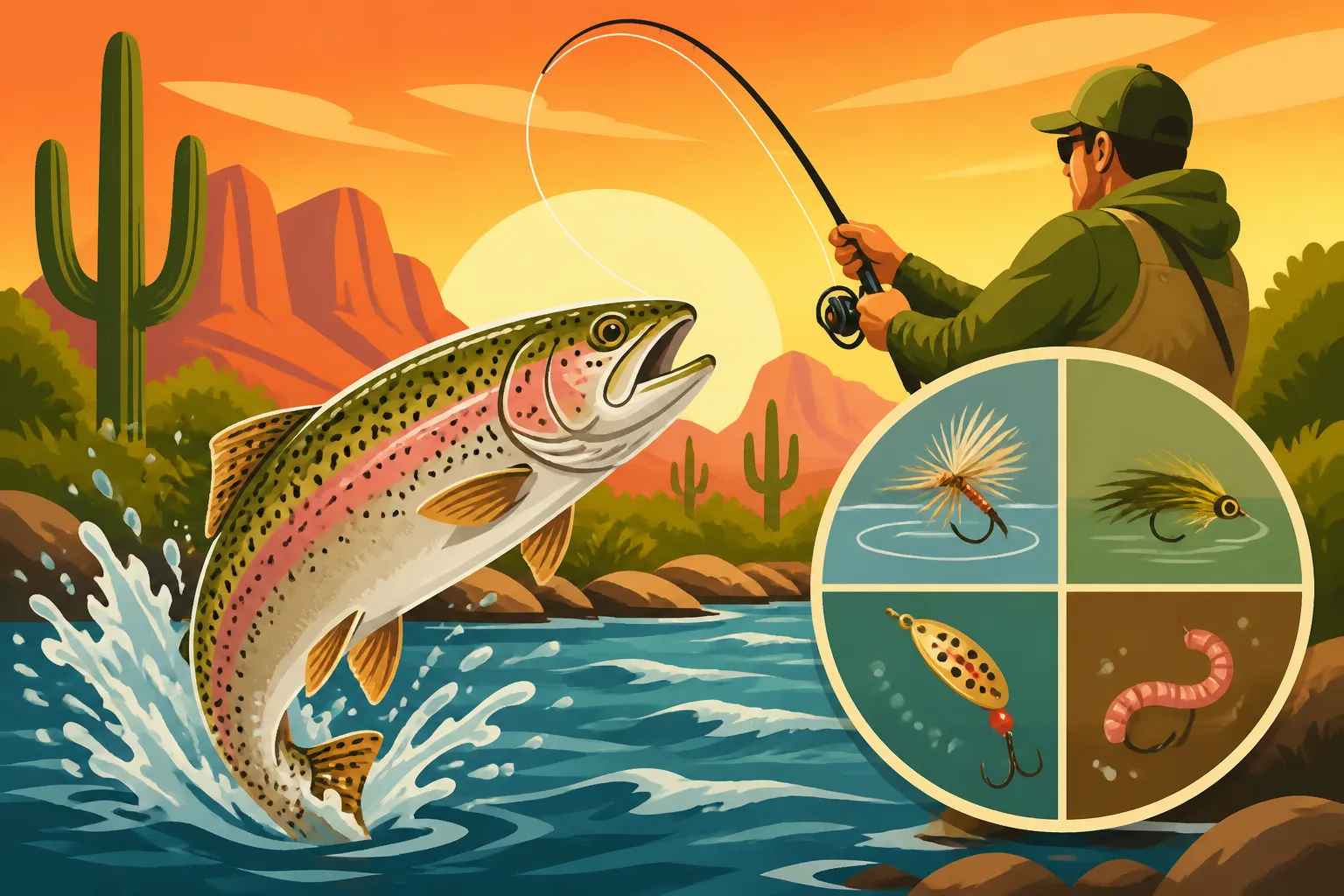
This is where the fun begins for many anglers, but also where the confusion can set in with so many options available. For stocked rainbow trout, especially in urban lakes and heavily pressured waters, consistency is often found in prepared baits. PowerBait (the colorful, moldable dough) in various forms like nuggets, scented marshmallows, or traditional dough, is a staple. Popular colors often include chartreuse, rainbow, and white. Pairing these with a small treble hook and floating it off the bottom is a classic and highly effective technique. Natural baits like nightcrawlers, cut into small pieces, or mealworms and wax worms are also incredibly enticing, mimicking natural food sources.
When it comes to lures, small inline spinners like the classic Rooster Tail or Mepps Aglia are perennial favorites. Their flashing blades and vibrating action mimic small baitfish or aquatic insects, triggering an aggressive strike response. Spoons such as the Kastmaster or Little Cleo are excellent for casting distance and imitating wounded baitfish, especially in deeper lake environments. For fly anglers, the world of flies is vast. In Arizona, nymphs (like the Pheasant Tail, Hare's Ear, or Prince Nymph) are frequently used subsurface to imitate insect larvae. When trout are feeding on the surface, dry flies (such as the Elk Hair Caddis, Adams, or Parachute Adams) can be deadly. And for targeting larger, more aggressive trout, especially brown trout, streamers (like the Woolly Bugger in olive or black) can imitate baitfish or leeches. Experimentation is key; trout can be incredibly selective, and what works one day might be ignored the next. Having a diverse selection of the Best Baits and Lures for Arizona Fishing will ensure you’re prepared for whatever the trout are keying in on.
Essential Accessories and Apparel for Comfort and Success
Beyond the rod, reel, and tackle, a few key accessories can make your Arizona trout fishing experience much more enjoyable and productive. First and foremost, a good landing net is crucial, especially if you plan to practice catch and release. A net with a rubberized mesh is preferred as it's gentler on the fish's slime coat and less likely to tangle hooks. Nobody wants to lose a fish at the bank because they couldn't land it cleanly, or worse, harm a beautiful fish trying to unhook it without a net.
Polarized sunglasses are not just for comfort; they are a game-changer for sight fishing. They cut through the glare on the water, allowing you to spot subtle movements, underwater structure, and even cruising trout that you'd otherwise miss. For those venturing into streams or cold mountain lakes, waders and wading boots are indispensable for staying dry and warm, allowing you to access prime fishing spots safely. Given Arizona's intense sun, sun protection is non-negotiable. A wide-brimmed hat, long-sleeved UPF-rated shirts, and high-SPF sunscreen will protect you from harmful UV rays. Don't forget forceps or needle-nose pliers for safe and quick hook removal, especially when dealing with smaller hooks or deeply set ones. Lastly, always consider carrying a cooler with ice if you intend to keep your catch, ensuring the fish remain fresh and legal until you get home. Layering your clothing, even in warmer months, is also a smart move when fishing the high country, as mountain weather can change dramatically throughout the day.
Mastering Different Trout Fishing Methods
Arizona's trout are found in a variety of environments, from placid lakes to swift rivers. To truly excel, you'll need more than just good gear; you'll need to understand and apply the right fishing techniques. Each method, whether it's spin fishing, fly fishing, or classic bait fishing, has its own nuances, strengths, and ideal situations. Becoming proficient in one or more of these will significantly broaden your horizons and increase your success rate.
Spin Fishing: Versatility for All Skill Levels
Spin fishing is arguably the most popular and accessible method for trout anglers in Arizona, offering a fantastic blend of simplicity and effectiveness. It's particularly well-suited for targeting stocked trout in lakes and larger streams where covering water and experimenting with different lures or baits is key. The beauty of spin fishing lies in its versatility: you can cast light lures, drift natural baits, or even fish with artificial dough baits.
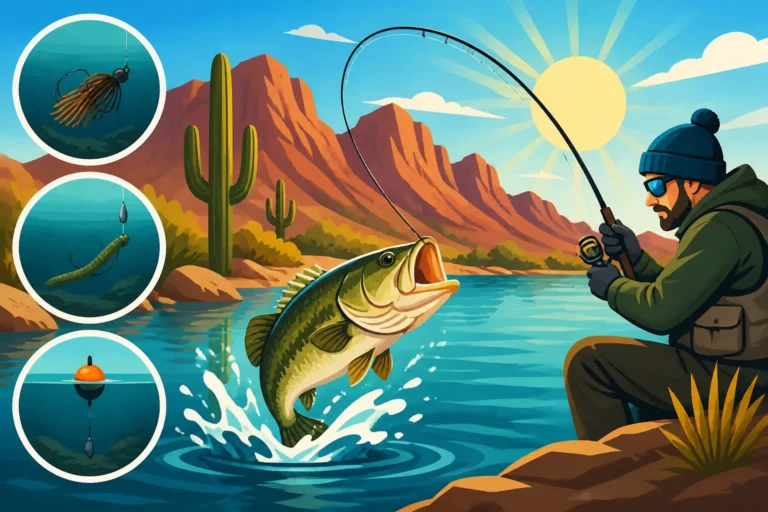
For active fishing, casting small inline spinners like a "Rooster Tail" or spoons such as a "Kastmaster" is highly effective. The key here is to experiment with your retrieve speed. Sometimes a slow, steady retrieve is all it takes; other times, a quick twitch or pause can trigger a strike from a hesitant trout. You'll want to aim your casts near structure, drop-offs, or any area where fish might be holding. For more passive fishing, especially with bait, a popular setup involves a slip-sinker rig or a small bobber. With a slip-sinker, you can effectively present PowerBait or a piece of worm on the bottom, allowing the trout to pick it up without feeling much resistance. If trout are feeding suspended, a small bobber setup with a worm or scented dough can suspend your bait at the perfect depth. The biggest advantage of spin fishing is its ease of learning, making it perfect for beginners and families, while still offering enough depth for seasoned anglers to continually refine their approach.
Fly Fishing: The Art and Science of Presentation
Fly fishing for trout in Arizona is often seen as a more specialized and artistic endeavor, but the rewards are immense. It's a method that truly shines in rivers and streams, like the legendary Lees Ferry, and in high-country lakes where delicate presentation is paramount. Unlike spin fishing, where the weight of the lure carries the line, in fly fishing, it's the weight of the line itself that casts the nearly weightless fly. This allows for incredibly subtle presentations that can fool even the wariest of trout.
The learning curve for fly casting can be steeper, requiring practice to master the fluid motions of the rod and line. However, once you grasp the basics – the overhead cast, roll cast, and line mends – a whole new world of angling opens up. Fly fishing techniques in Arizona typically involve "matching the hatch," meaning using flies that imitate the specific insects (nymphs, emergers, dry flies) that trout are currently feeding on. This often requires observing the water for signs of insect activity. Another highly effective technique is indicator nymphing, where a small strike indicator signals subtle bites as your weighted nymphs drift along the bottom. For aggressive trout or when targeting larger fish, stripping streamers can elicit powerful strikes. The precision and delicacy offered by fly fishing allow anglers to present tiny, realistic imitations of trout food with minimal disturbance, making it incredibly effective for pressured or selective fish. Many anglers consider Fly Fishing Techniques for Trout a lifelong pursuit, always learning and refining their craft on the water.
Bait Fishing: Tried and True for Hungry Trout
Bait fishing is the classic, time-honored method for catching trout, and it remains incredibly effective, especially for freshly stocked fish in Arizona's lakes and community ponds. It's often the simplest and most straightforward approach, making it perfect for families, children, and anyone looking for a relaxed day on the water with a high chance of success. The principle is simple: offer the trout something irresistibly edible.
Natural baits like live nightcrawlers, cut into smaller, trout-sized pieces, or small mealworms and wax worms are incredibly potent. These baits offer natural scent, texture, and movement that trout find hard to resist. When fishing with natural baits, it's common to use a small hook (sizes 8-12) and present it either under a small bobber if fish are suspended, or on the bottom using a small split-shot or egg sinker. Artificial dough baits, such as PowerBait or Gulp! Trout Bait, are also remarkably effective, especially in brightly colored and heavily scented variations. These baits are designed to float, so when rigged on a treble hook with a sinker a foot or two above it, the bait will suspend enticingly just off the bottom. The key to successful bait fishing often lies in patience and observation. Watch for subtle bites indicated by your bobber dipping or your line twitching. While less active than casting lures, bait fishing can be incredibly rewarding, often yielding more consistent catches, particularly in the urban Community Lake Locations in Tucson and other stocked waters.
Seasonal Strategies for Trout Success
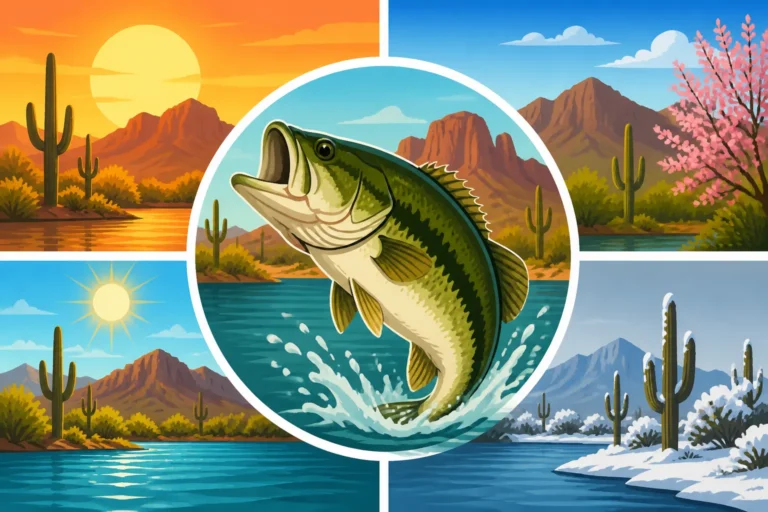
Arizona's diverse climate means that trout fishing isn't a static endeavor. What works brilliantly in the cool mountain streams of spring might utterly fail in the scorching desert lakes of summer. Understanding the seasonal movements and feeding patterns of trout is paramount to consistent success. Adapting your techniques, locations, and even the time of day you fish to the calendar will put you miles ahead of those who stick to a one-size-fits-all approach.
Spring into Action: Post-Winter Feeding Frenzy
As the harsh grip of winter loosens and water temperatures begin their gradual climb, trout in Arizona enter a period of increased activity and aggressive feeding. Spring is often considered one of the best times to target trout, especially in our high-country lakes and streams, as well as the urban lakes that continue to receive regular stockings. After a winter of lethargy and scarce food, trout are eager to replenish their energy reserves, making them less selective and more willing to chase down a meal.
In the early spring, focus on shallow coves and sunny northern banks in lakes, where the water warms up first. Trout will often congregate here, searching for emerging insects or small baitfish. Small spinners, spoons, and a variety of PowerBait colors can be incredibly effective during this time. As the season progresses and insect hatches become more prolific in streams, fly anglers can experience fantastic dry fly fishing opportunities. In our urban community lakes, spring sees continued heavy stocking, providing excellent opportunities for beginners and families. Don't underestimate the power of a simple worm during this time, either. The general rule is that as the water warms, trout become more active and willing to chase, making for some of the most exciting fishing of the year. Keeping an eye on the Trout Stocking Season in Arizona will tell you exactly when the new fish are hitting the water.
Summer's Heat: Finding Thermal Refuges
Summer in Arizona presents the most significant challenge for trout anglers, particularly in the lower elevations and even some mid-elevation lakes. As air and water temperatures soar, trout, being cold-water species, become stressed and seek refuge. Their metabolism slows, and they become less active and far more selective. Trying to fish a warm, shallow lake in the middle of a July afternoon is often a recipe for frustration. However, with the right strategy, summer trout fishing can still be productive. Many anglers wonder Can You Catch Trout in July in Arizona?, and the answer is yes, but you have to be smart about it.
The key to summer success is finding cooler water. In lakes, this means targeting deeper areas, often near submerged springs, creek channels, or the thermocline (the layer of water where temperature changes rapidly). Using fish finders to locate these cooler pockets and employing techniques like deep jigging with small spoons or slow-trolling with downriggers can put you on fish. In rivers and streams, trout will concentrate in oxygenated riffles, deep pools, or near the mouths of colder tributaries. Early mornings and late evenings are almost always the best times to fish during summer, as surface temperatures are at their lowest and trout might venture into shallower feeding zones. Some high-elevation streams and alpine lakes, which remain naturally cool, offer consistent action throughout the summer, though access might be more challenging. Patience and adapting to the trout's lethargic state are essential for summer success.
Fall Feast: Aggressive Feeding Before Winter
As the intense summer heat finally gives way to cooler autumn temperatures, Arizona's trout begin another period of aggressive feeding, often rivaling or even surpassing spring for sheer angling enjoyment. Fall sees water temperatures cooling across the state, bringing trout out of their deep summer sanctuaries and into more accessible feeding areas. Just like in spring, they are driven by the instinct to pack on weight in preparation for the leaner, colder winter months.
This season offers some of the most picturesque fishing opportunities, especially in the high country where the aspens and oaks burst into vibrant colors. Stream anglers will find trout actively feeding on prolific insect hatches and terrestrial insects that fall into the water. Fly fishing with both dry flies and nymphs can be incredibly productive. In lakes, trout become more willing to chase down larger lures and baits as they seek substantial meals. This is often an excellent time to target larger, wilder brown trout with streamers or bigger minnow-imitating lures, as they become more active and territorial. The cooler, stable water temperatures mean that trout are generally less stressed and more willing to bite throughout the day, not just during low-light periods. The pleasant weather, combined with active fish, makes fall a favorite season for many Arizona trout anglers.
Winter Chill: Slow and Steady Wins the Race
When winter descends upon Arizona, trout fishing shifts gears significantly. While many high-country lakes might freeze over, making ice fishing a possibility in some extreme northern areas, many of our mid-elevation and urban lakes remain ice-free and continue to provide angling opportunities. The Arizona Game and Fish Department (AZGFD) often focuses its stocking efforts on these ice-free urban lakes during the colder months, ensuring consistent fishing. For those seeking Ice-Free Winter Fishing Techniques, Arizona still has plenty to offer.
During winter, trout become much more lethargic. Their metabolism slows considerably, and they don't expend as much energy feeding. Bites will be subtle, often feeling like a slight pressure or a gentle tap, rather than an aggressive strike. The key to winter success is a slow and methodical approach. Trout will often hold in deeper water, near structure, or along current breaks, conserving energy. Baits like PowerBait, worms, or small jigs fished slowly on the bottom or suspended under a bobber are often the most effective. Lure anglers should opt for slow retrieves with small spoons or jigs, giving the trout ample time to inspect and commit. Stealth is more important than ever, as cold, clear water can make trout exceptionally wary. Patience is your greatest ally in winter; don't expect a fast and furious bite, but rather anticipate sporadic, delicate takes.
Trout Fishing in Arizona's Diverse Waterways
One of the greatest joys of trout fishing in Arizona is the sheer variety of environments available. From the cool, pine-scented air of the White Mountains to the surprising green spaces of urban parks, and the majestic flow of the Colorado River, each type of waterway demands a slightly different approach. Understanding these distinct characteristics will help you choose your destination and tailor your tactics accordingly.
High Country Lakes: Mountain Gems
Arizona's high country lakes, nestled amidst Ponderosa pines and aspens, are quintessential trout fishing destinations. Locations like Big Lake, Woods Canyon Lake, Bear Canyon Lake, and the increasingly popular Best Fishing Lakes in Arizona offer stunning scenery and abundant trout. These lakes are primarily stocked with rainbow trout, and some also hold brook trout, brown trout, and cutthroat trout, often at elevations well above 7,000 feet.
Fishing these mountain gems often involves a combination of bank fishing, float tubes, or small boats. For bank anglers, casting PowerBait or worms on a slip-sinker rig can be highly effective, especially around inlets, points, and weed lines. Using small spoons or spinners from the bank can also yield good results, especially early in the morning or late in the evening. If you have a float tube or kayak, you can access areas further from shore, allowing you to target deeper channels, submerged timber, or the middle of the lake where larger trout often cruise. Fly anglers will find success stripping streamers or nymphing along drop-offs and structure. The season for these lakes is typically from spring through fall, as many can freeze solid in winter. Always check the latest conditions and stocking schedules, as the AZGFD manages these waters carefully to provide consistent opportunities. The beauty of these lakes, combined with the cooler temperatures, makes them a perfect escape during the hotter months.
Urban Fishing Lakes: Accessible Angling
For many Arizonans, the most accessible and frequently stocked trout fishing opportunities come from the state's urban fishing lakes, part of the Arizona Game and Fish Department's Community Fishing Program. These lakes, scattered throughout cities like Phoenix, Tucson, Mesa, and Yuma, are truly a blessing for local anglers, especially families and beginners. Lakes such as Tempe Town Lake, Kiwanis Lake in Tempe, Kennedy Lake in Tucson, and dozens of others are regularly stocked with rainbow trout from late fall through early spring, providing a fantastic fishing resource close to home.
The primary appeal of urban lakes is their convenience and predictability. Since they are heavily stocked, your chances of catching fish are generally high, making them ideal for introducing newcomers to the sport. However, these lakes also see significant fishing pressure, meaning the trout can become wary quickly after stocking. The most effective techniques here are often simple bait setups: PowerBait (especially in popular colors like chartreuse or rainbow) or small pieces of nightcrawlers fished off the bottom with a light sinker. Small inline spinners or jigs can also entice bites. Due to the high angler density, practicing good etiquette and being mindful of others is important. Specific regulations often apply to urban lakes, including daily bag limits and gear restrictions, so it's always wise to consult the Arizona Fishing Regulations Explained or program brochures. While you might not find trophy-sized fish, the joy of consistent bites and the ease of access make urban fishing lakes an invaluable resource for trout anglers.
Rivers and Streams: The Flowing Challenge
Arizona's rivers and streams offer a completely different and often more challenging trout fishing experience compared to stillwater lakes. These dynamic environments, ranging from the world-renowned tailwater fishery of Lees Ferry on the Colorado River to the wild, high-gradient streams of the White Mountains like the West Fork of the Black River or the Little Colorado River, demand a nuanced approach. Here, trout are often wilder, more selective, and highly attuned to their environment.
Fly fishing often reigns supreme in these flowing waters, as it allows for the delicate presentation of flies that drift naturally with the current, mimicking insect life. Understanding how to read the water – identifying seams, riffles, pools, and undercut banks where trout hold and feed – is critical. For example, at Lees Ferry, deep nymphing rigs with strike indicators are incredibly effective, mimicking the abundant aquatic insects that drift in the cold, clear waters. In smaller mountain streams, anglers might find success with small spinners or jigs in deeper pockets, but stealth and a precise cast are still paramount. These environments also typically have specific regulations, such as catch-and-release only sections, barbless hook requirements, or special bag limits for native species. For instance, the Trout Stocking Schedule for the Lower Salt River details how and when this popular central Arizona waterway receives its rainbow trout, offering accessible river fishing close to Phoenix. Fishing rivers and streams often involves wading, so appropriate footwear and attire are essential. The challenge and beauty of these flowing waters make them a truly rewarding experience for the dedicated trout angler.
Advanced Tips for Tricky Trout
Even with the right gear and a grasp of basic techniques, trout can sometimes be incredibly challenging. They're not always eager to bite, especially after they've seen a lot of fishing pressure or when environmental conditions aren't ideal. To consistently succeed, particularly when targeting larger, warier fish, you'll need to develop a more refined understanding of trout behavior and master some advanced tactics.
Reading the Water and Understanding Fish Behavior
One of the most crucial skills an experienced trout angler develops is the ability to "read the water." This isn't just about identifying a good-looking spot; it's about understanding why a trout would be there, what it's doing, and how it's feeding. In lakes, look for subtle changes in bottom contour, submerged structure like brush piles or rock formations, and areas where creeks or springs enter the lake, bringing in cooler, oxygenated water or food. These are prime ambush points. In rivers and streams, this means identifying current breaks (where slow water meets fast), seams (where two currents merge), deep pools, riffles (shallow, fast-moving water often rich in oxygen and food), and especially undercut banks or submerged logs that offer shelter and shade.
Trout are constantly making decisions based on their survival needs: food, safety, and comfort (temperature/oxygen). They'll position themselves in spots that offer the best balance of these factors. For instance, a trout might sit just out of the main current in a river, expending minimal energy while waiting for food to drift by in the faster water. In a lake, they might be deeper during the bright part of the day, moving shallower at dawn or dusk to feed. Observing insect hatches, baitfish activity, or even just the ripples on the surface can provide invaluable clues about what the trout are focused on. Developing this intuitive understanding of trout habitat and behavior is a lifelong pursuit, but one that drastically improves your catch rates.
Stealth and Presentation: Key to Success
Once you've located a promising spot, the next hurdle is presenting your bait or lure in a way that doesn't alarm the fish. Trout, especially those in clear, still, or heavily pressured waters, are incredibly wary. Heavy footsteps on the bank, a boat motor roaring, or even a visible shadow cast over the water can instantly send them scattering. Stealth is paramount. Approach your chosen fishing spot quietly, keeping a low profile, and try to cast from a distance if possible.
Beyond physical stealth, your presentation of the bait or lure is equally critical. For fly anglers, this means achieving a "drag-free drift" – ensuring your fly moves downstream at the same speed as the current, without being unnaturally pulled by your line. This natural drift is what convinces a trout the fly is real. For spin and bait anglers, it means casting accurately to your target zone with minimal splash, letting your bait settle gently, or retrieving your lure in a manner that mimics natural prey. Using lighter lines and smaller terminal tackle (hooks, sinkers) can also make your presentation more natural and less intimidating. The goal is to make your offering appear as natural and effortless as possible, removing any suspicion from the trout's keen senses. Often, it's not the lure itself, but how it's presented, that makes all the difference, especially when you are targeting Trophy Trout Threshold Weight in Arizona that have seen every trick in the book.
Targeting "Holdovers" and Trophy Trout
While freshly stocked trout are fun to catch, many experienced anglers set their sights on "holdovers" – trout that have survived previous stockings and spent significant time in the wild – or truly wild, trophy-sized fish. These fish are typically much larger, stronger, and significantly more intelligent and wary than their recently released counterparts. They present a formidable challenge, but the reward of landing one is unparalleled.
Targeting these smarter, larger trout requires a different mindset. First, forget the crowds. Trophy trout rarely hang out in heavily fished areas. You'll need to explore less accessible spots, fish during off-peak hours (very early morning, late evening, or even night fishing for brown trout), and be prepared to put in more effort. These fish often prefer larger, more substantial meals, so don't be afraid to use bigger baits, larger flies (like articulated streamers), or larger jerkbaits and swimbaits that imitate their natural prey. Their instincts for survival are highly developed, so your presentation must be flawless. Longer leaders and finer tippets, combined with a stealthy approach, are crucial. Patience is also key; you might get fewer bites, but when you do, it could be the fish of a lifetime. These fish often relate to deep structure, so understanding how to fish deep drop-offs or submerged timber can be a huge advantage. They are the ultimate test of an angler's skill, knowledge, and perseverance.
Common Challenges and Troubleshooting
Even the most seasoned angler faces challenges on the water. Arizona's unique environment, with its intense sun, varying water levels, and occasional crowds, can throw a wrench into even the best-laid plans. Knowing how to troubleshoot common problems can salvage a slow day and turn frustration into a learning opportunity.
Dealing with Finicky Bites and Pressure
Perhaps the most common frustration for trout anglers, especially in heavily stocked or popular Arizona waters, is when the fish are "finicky" or shut down due to pressure. You see them, you know they're there, but they just won't bite. This usually means they've become wary of common baits and lures, or they're simply not in an aggressive feeding mood. When faced with this, it's time to experiment and downsize.
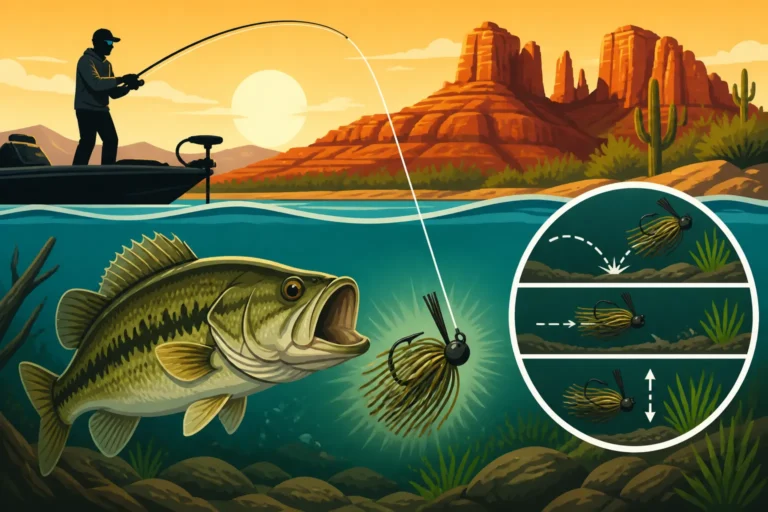
Start by changing your bait or lure color; sometimes a subtle shift from a bright chartreuse to a natural brown or white can make a difference. If using lures, vary your retrieve speed and depth. Try a slower, more erratic retrieve that mimics a wounded baitfish, or switch to a small jig that can be worked slowly along the bottom. Downsizing your tackle is also crucial: use a smaller hook (e.g., size 12-16), lighter line (2-4 lb test), and a smaller leader or tippet. Adding scent to your bait or lure can also tempt hesitant trout. If a spot seems completely dead, don't be afraid to move. Sometimes just a short walk to a less pressured section of the lake or stream can lead to immediate success. Remember that trout, particularly holdovers, get smart quickly, so presenting something subtle and unexpected can be the key to triggering a bite when others are struggling.
Navigating Weather and Environmental Factors
Arizona's weather is notoriously unpredictable, especially in the mountains, and environmental factors can profoundly impact trout behavior and your fishing experience. Wind is a major culprit, making accurate casting difficult, especially for fly anglers, and creating chop on the water that can make bites hard to detect. High winds can also make boat control challenging and even dangerous on larger lakes. When faced with wind, try to position yourself so the wind is at your back for easier casting, or seek out sheltered coves.
The intense Arizona sun, particularly during the warmer months, drives trout deep and makes them less active. This necessitates fishing during low-light hours (dawn/dusk) or targeting deeper water. Conversely, overcast days can sometimes be a blessing, encouraging trout to feed actively throughout the day. Water clarity is another significant factor; gin-clear water demands lighter lines and more subtle presentations, while murky water after a rain event might call for brighter, more scented baits or lures. Water levels in reservoirs can fluctuate wildly, affecting access points and where fish hold. Always check current conditions before heading out. Embracing these variables and adapting your plan, rather than fighting them, is the mark of a truly resilient angler.
Equipment Malfunctions and Quick Fixes
There's nothing quite as disheartening as having your gear fail when the fish are biting, or worse, losing a big fish due to an equipment malfunction. From a snapped line on a powerful strike to a tangled bird's nest in your reel, gear problems are an inevitable part of fishing. The key is to be prepared with quick fixes to minimize downtime and frustration.
Regularly inspecting your line for nicks and abrasions is paramount. A fresh knot is always stronger than an old one, so re-tying after a few fish or snags is a good habit. Always carry extra line, hooks, and sinkers in your tackle box – it’s basic preparedness that many beginners overlook. A multi-tool with pliers, line cutters, and a small knife is indispensable for everything from fixing tangles to removing hooks. For spinning reels, a common issue is line twist, which can lead to frustrating tangles. Periodically letting out all your line behind a slow-moving boat (without a lure) can help untwist it, or simply spooling fresh line regularly. A broken rod tip, while more severe, can sometimes be temporarily patched with electrical tape and a zip tie to finish a day, though a permanent repair is needed. Ultimately, proactive maintenance – cleaning your reel, checking your rod guides, and replacing old line – will prevent most issues. A small, well-stocked repair kit can be a lifesaver, allowing you to quickly get back to fishing instead of packing up in defeat.
Conservation and Ethical Angling
As anglers, we are stewards of Arizona's precious aquatic resources. The privilege of fishing comes with a responsibility to protect these environments and ensure healthy fish populations for future generations. Ethical angling practices and a strong commitment to conservation are not just good ideas; they are essential for the long-term enjoyment of our sport.
Practicing Catch and Release Properly
While it's perfectly fine to keep your legal limit of fish for a meal, many anglers, especially those targeting native or trophy trout, choose to practice catch and release. Doing so properly is critical to the fish's survival. The goal is to minimize stress and physical harm. Always use wet hands when handling a fish; dry hands can remove the fish's protective slime coat, making it vulnerable to disease. Keep the fish in the water as much as possible; even a few seconds out of water can be very stressful, especially for larger trout.
Remove hooks quickly and gently using forceps or needle-nose pliers. Using barbless hooks (or crimping down the barbs on your hooks) makes hook removal much easier and reduces damage to the fish's mouth. If a fish is deeply hooked, it's often best to cut the line as close to the hook as possible rather than attempting to rip the hook out, which can cause fatal internal damage. When releasing a tired fish, hold it gently in the water, facing upstream, allowing water to flow over its gills until it regains its strength and swims away on its own. For detailed guidance, consult the Catch and Release Rules for Arizona Anglers to ensure you're doing your part to protect our valuable fish stocks.
Understanding and Adhering to Regulations
Arizona's fishing regulations are in place for very important reasons: to manage fish populations, protect endangered species, and ensure fair chase. It can sometimes feel overwhelming with various bag limits, size restrictions, and special rules for different water bodies, but it's every angler's responsibility to understand and follow them. This includes possessing a valid Arizona Fishing License Guide and any necessary endorsements, like a Trout Stamp Requirements in Arizona if you're fishing in designated trout waters.
Before heading to any specific lake or stream, always consult the current Arizona Game and Fish Department (AZGFD) Fishing Regulations. These are available online, at license dealers, or as a physical booklet. Pay close attention to species-specific rules (e.g., bag and possession limits for rainbow trout vs. protected native species), size restrictions (minimum or slot limits), and special regulations for certain waters (e.g., "catch-and-release only" sections, artificial-lure-only rules). Ignorance of the law is not an excuse, and violations can result in hefty fines and even the loss of your fishing privileges. By taking the time to understand and adhere to the Arizona Fishing Regulations Explained, you contribute directly to the sustainable management of our fisheries and avoid legal trouble.
Protecting Arizona's Delicate Aquatic Ecosystems
Our responsibility as anglers extends beyond just the fish we catch. It's about preserving the entire aquatic ecosystem. One of the simplest yet most impactful things you can do is to pack out everything you pack in. Litter, especially fishing line, hooks, and soft plastic baits, can be incredibly harmful to wildlife and degrade the natural beauty of our fishing spots. Carry a small trash bag and leave no trace.
Another critical aspect of conservation is preventing the spread of invasive species. Non-native plants and animals can outcompete native species, introduce diseases, and drastically alter ecosystems. If you move between different lakes or streams, always clean, drain, and dry your boat, waders, and gear thoroughly to avoid transporting aquatic hitchhikers. This is particularly important when moving from a warmer, lower-elevation lake to a pristine high-country stream. Respecting private property and being considerate of other anglers, hikers, and wildlife observers also contributes to a positive outdoor experience for everyone. By adopting these ethical practices, we ensure that Arizona's beautiful waters remain healthy, productive, and enjoyable for generations of anglers to come.
Disclaimer
The information provided in this guide is for general informational purposes only and is not intended as legal advice or an exhaustive list of all regulations. Fishing regulations in Arizona can change. It is your sole responsibility to consult the most current Arizona Game and Fish Department (AZGFD) fishing regulations before engaging in any fishing activities. Always obtain the necessary licenses and permits. Fishing involves inherent risks, and safety precautions should always be observed.