When to Fish Arizona Lakes by Month
If you've ever stood at the edge of one of Arizona's stunning lakes, rod in hand, and thought, "This looks perfect, but why aren't they biting?" you're not alone. Arizona fishing is a world of its own, far removed from the predictable patterns of cooler climates. The secret to a successful outing often boils down to understanding the nuances of when to fish, not just where. This comprehensive guide is dedicated to breaking down the monthly rhythms of Arizona's aquatic life, helping you align your fishing trips with the best possible conditions for a thriving catch.
Understanding Arizona's Unique Fishing Calendar
Arizona isn't your typical fishing destination. We've got high desert lakes, cool mountain streams, and the mighty Colorado River, each with its own microclimate and species. What works for bass in Lake Pleasant in April won't necessarily work for trout in Big Lake in July, or even for those same bass in August. The biggest factor influencing fish behavior here is, undeniably, temperature. Our intense summers and mild winters create distinct feeding and spawning patterns that every angler needs to grasp.
The Impact of Desert Climate on Fish Behavior
Imagine living in a house where the temperature swings wildly from freezing to over 100 degrees in a few months. That's essentially what our fish experience in many of Arizona's desert lakes. Water temperature is the ultimate controller, dictating everything from a fish's metabolism to its oxygen requirements and where it chooses to hang out. As surface temperatures climb in the summer, fish like bass and crappie seek refuge in deeper, cooler water, or become primarily nocturnal feeders. They're trying to conserve energy and find comfortable oxygen levels. Conversely, in the cooler months, these fish might become more active in shallower waters as the sun warms them up, while cold-water species like trout thrive.
The depth of a lake also plays a huge role. Shallow, urban community lakes heat up and cool down much faster than vast reservoirs like Lake Powell or Roosevelt Lake. This means the prime fishing windows can be shorter, and the need to adapt your tactics to rapid temperature changes becomes even more critical. It’s not just about the air temperature, but how that affects the water column, which in turn influences where the fish will be and how eager they are to bite.
Seasonal Fluctuations and Fish Metabolism
Fish are cold-blooded creatures, which means their body temperature, and consequently their metabolism, is directly tied to the water temperature around them. In Arizona, this leads to some pretty dramatic seasonal shifts:
- Warm Water (Summer): High metabolism means fish need to eat a lot, but they might be lethargic during the hottest parts of the day due to heat stress and lower oxygen levels in shallow water. They'll often feed aggressively during dawn, dusk, or overnight.
- Cool Water (Spring/Fall): This is often the sweet spot. Metabolism is high enough for active feeding, but the water isn't so warm as to cause stress. Fish are often found in shallower to mid-depths, actively hunting.
- Cold Water (Winter): Metabolism slows significantly. Fish still need to eat, but less frequently and often require slower, more subtle presentations. They might congregate in deeper areas or find specific warm pockets.
Understanding these metabolic changes is key to choosing the right lure, presentation speed, and even the time of day you decide to hit the water. It’s why slow-rolling a jig works in winter, while burning a topwater bait at dawn screams "eat me" in the spring.
Spring Fishing: March, April, May – The Spawning Frenzy
Spring in Arizona is a magical time for anglers. As the days lengthen and the desert begins to bloom, water temperatures rise, signaling to many species that it’s time to move shallow for spawning. This period offers some of the most exciting and productive fishing of the entire year.
March: Early Warm-Up and Pre-Spawn Activity
March often feels like the calm before the storm. The biting chill of winter is usually gone, replaced by pleasant, sunny days. Water temperatures in desert lakes slowly creep into the 50s and low 60s, which is a powerful trigger for fish. Largemouth and smallmouth bass, crappie, and even some catfish species start to shake off their winter lethargy and move into shallower coves and creek arms. They're on the hunt, trying to bulk up before the energy-intensive spawning ritual.
This is a fantastic month for throwing reaction baits. Crankbaits, spinnerbaits, and chatterbaits retrieved near points, rocky outcroppings, and submerged timber can be incredibly effective as fish actively forage. Look for areas that get direct sunlight, as these spots will warm up fastest. In the mountain lakes, trout stocking is in full swing, offering excellent opportunities for bait anglers and fly fishers alike. For those chasing bigger fish, pre-spawn bass are often at their heaviest, making March a prime time for trophy catches before they expend all their energy on reproduction. You might find yourself grappling with a true lunker, making all that cold-weather waiting worth it.
April: Peak Spawning Action
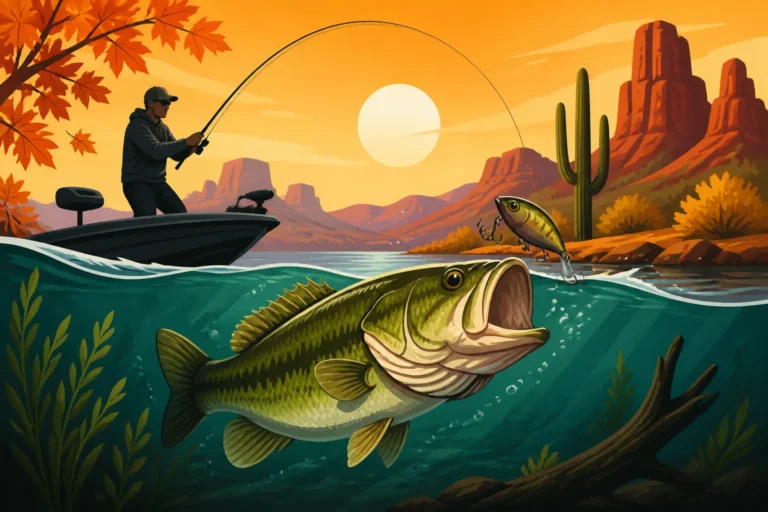
April is arguably the most exciting month for many Arizona anglers, especially if you're targeting bass. Water temperatures generally hit the mid-60s to low 70s, which is prime spawning temperature for largemouth and smallmouth bass. You’ll find them guarding nests in shallow, protected coves, making them very visible and aggressive. This is when sight fishing becomes a popular, albeit sometimes controversial, technique. Anglers use soft plastics, jigs, and senkos to entice guarding bass.
Crappie are also in their full spawning mode, congregating in large schools around submerged brush, timber, and docks in 5-15 feet of water. Tiny jigs, minnows, or small tubes are the ticket here. It's not uncommon to fill a cooler with slabs during April. For trout, the cooler mountain lakes and streams are flourishing, stocked regularly and offering consistent action. Even catfish start to show increased activity in April, moving shallower as well and becoming more receptive to cut bait or stink baits. This is a month where nearly every species is active, making it one of the most popular times to go. Just remember to respect the fish, especially those on beds, to ensure healthy populations for the future.
May: Post-Spawn Recovery and Continued Activity
As May rolls in, some fish, particularly the early spawners, will be moving into their post-spawn recovery phase. They’re often tired and might hang just offshore of their spawning beds, slowly regaining their energy. However, later spawners are still on their beds, and the general warming trend means fish metabolism remains high. Water temperatures consistently hit the 70s and can even push into the low 80s by the end of the month in desert lakes.
Post-spawn bass can be found on secondary points, creek channel edges, and around submerged brush piles, often still feeding aggressively to recover. Topwater baits become incredibly effective during early morning and late evening hours as fish chase baitfish in the warmer surface waters. This is also when schools of stripers in lakes like Lake Powell and Lake Pleasant start to get really active, chasing shad. You might see the famous "striper boils" where they erupt on the surface, making for some truly exhilarating fishing. Catfish continue their push shallower, especially in the evenings, and the mountain trout fishing remains strong before the full heat of summer takes hold. May offers a fantastic blend of high activity and diverse opportunities.
Summer Fishing: June, July, August – Beating the Heat and Monsoon Opportunities
Summer in Arizona means heat, and lots of it. Fishing during these months requires a shift in strategy, often embracing the cooler parts of the day or targeting species that thrive in warmer waters. It’s challenging, but far from impossible, and can lead to some incredible catches if you know how to adapt.
June: Transition to Deep Water
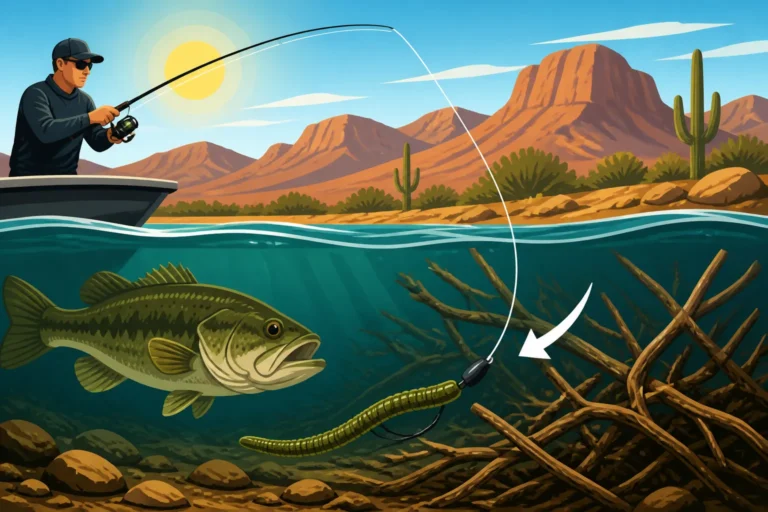
June is when the Arizona heat really begins to settle in. Water temperatures in desert lakes can quickly climb into the mid-80s and even low 90s, forcing most warm-water species deeper. Bass, crappie, and many panfish will seek out cooler, more oxygenated water, often congregating around deep structure, submerged humps, creek channels, and shaded areas like canyon walls. This is the time for deep cranking, jigging spoons, drop-shotting, and using Texas-rigged worms.
Early mornings and late evenings are crucial for surface activity, with topwater lures still effective for the first hour or two after sunrise or before sunset. Night fishing for bass and especially catfish begins to shine in June, offering a more comfortable and often more productive experience. In the higher elevations, trout fishing remains excellent in the cooler mountain lakes and streams. However, even there, midday can be slow, so focus on dawn and dusk or fishing deeper sections. Don't forget to check the current Arizona Fishing Regulations Explained before heading out, as some areas might have specific rules for summer.
July: Surviving the Dog Days and Monsoon Builds
July is often the hottest month, and fishing during the day can be brutal for both angler and fish. Water temperatures are at their peak, pushing many species to their thermal limits. The majority of fish will be holding in the deepest, coolest, and most oxygenated water they can find. This means focusing your efforts on deep structure, points that drop quickly into open water, and targeting brush piles in 20-50 feet of water. Vertical jigging and slow presentations are the name of the game.
This is also when Arizona's monsoon season typically begins to build. While the storms themselves can be dangerous, the aftermath often brings much-needed cooling rains that can temporarily invigorate fish activity, especially near inflows. However, be extremely cautious of flash flooding and lightning. Night fishing reaches its prime for bass, crappie, and especially catfish. Channel catfish and flathead catfish are incredibly active at night, and lakes like Lake Pleasant and Roosevelt Lake are fantastic for this. Imagine the relief of casting into a cool night air after a scorching day – it’s often when you’ll find the most aggressive bites. Remember to pack plenty of water and wear sun-protective clothing, or better yet, opt for those glorious cooler evening hours.
August: Monsoon Relief and Night Fishing
August typically continues the monsoon pattern, bringing intermittent relief from the intense heat. While daytime fishing can still be slow and deep, the post-rain periods can be incredibly productive. The added oxygen and cooler inflow near creek mouths and washes can draw fish in, providing temporary bursts of activity. This is also a time when baitfish might be pushed around by the refreshed currents, making predators more active.
Night fishing remains the dominant strategy for many anglers targeting bass, crappie, and catfish in the desert lakes. The cooler temperatures are a blessing, and fish are often more willing to cruise shallow flats and ambush prey under the cover of darkness. For those who brave the heat during the day, focus on the deepest, shadiest spots, using electronics to pinpoint schools of bait and the predators lurking below. In the White Mountains, high elevation streams and lakes continue to offer good trout fishing, especially if they are spring-fed or receive regular stockings. Consider picking up a high-quality headlamp from Amazon for those night fishing adventures – it makes a huge difference.
Fall Fishing: September, October, November – The Feeding Binge
Fall is a beloved season for many Arizona anglers, offering a welcome respite from summer’s scorching temperatures and often some of the most consistent and aggressive bites of the year. As waters cool, fish sense the approaching winter and embark on a serious feeding binge.
September: Cooling Waters and Renewed Activity
September marks the true turning point in Arizona's fishing calendar. The relentless summer heat slowly begins to recede, and while days can still be quite warm, the nights become noticeably cooler. This cooling trend significantly lowers surface water temperatures, usually bringing them down into the 70s by month's end. This is a huge relief for many fish species, and you’ll notice a dramatic increase in their activity levels.
Bass, crappie, and stripers start to move shallower more consistently, especially during the morning and evening hours, aggressively chasing baitfish. Look for schools of shad breaking the surface, and be ready to cast topwater lures, jerkbaits, or swimbaits into the action. This renewed energy makes September a fantastic month for power fishing techniques that cover a lot of water. Catfish activity remains strong, particularly in the evenings, as they continue to fatten up. In the higher elevations, trout fishing is excellent, and the cooler weather makes for much more comfortable days on the water. Many anglers consider early fall to be among the best fishing seasons for a reason.
October: Prime Time for Aggressive Bites
October is often described as the absolute best fishing month in Arizona. The weather is nearly perfect, with comfortable temperatures and clear, crisp air. Water temperatures continue to drop, settling into the sweet spot of the high 60s and low 70s across most desert lakes. This ideal range maximizes fish metabolism without the stress of extreme heat. Bass, in particular, enter a full-blown feeding frenzy. They'll be shallower than in summer, but still relating to structure, aggressively attacking a wide variety of lures. Crankbaits, spinnerbaits, jigs, and even topwater lures during low-light conditions are all on the menu.
Crappie fishing also sees a resurgence, with fish often schooling in brush piles and submerged timber, actively feeding. Striped bass activity is usually at its peak in October, with massive boils possible on Lake Powell and Lake Pleasant as they relentlessly pursue shad. This is the month to really experiment with different techniques and locations, as fish are typically cooperative. Trout stocking ramps up significantly in urban community lakes and some lower elevation rivers, providing excellent opportunities for family outings and consistent catches. Whether you're chasing trophy bass or a stringer of crappie, October is hard to beat.
November: Winter Preparation and Turnover Effects
As November arrives, a noticeable chill enters the air, particularly in the mornings. Water temperatures continue their downward trend, often reaching the low to mid-60s in the desert lakes. Fish are still actively feeding, but their movements can become a bit more predictable as they prepare for the lean winter months. This is often when lakes experience their "turnover," a natural process where the surface water cools, becomes denser, and sinks, mixing with the deeper, warmer water. This can temporarily disrupt fishing, making it a bit tougher, as fish scatter and water clarity changes. However, it usually settles within a week or two.
Once turnover is complete, fish will often hold on deeper points, humps, and channel bends, but will make forays into shallower areas during the warmest parts of the day. Slower presentations, like jigs, Texas rigs, and Carolina rigs, become more effective for bass. Crappie can be found schooling tightly in deeper brush piles, responding well to vertical jigging. Trout fishing is phenomenal in November, with widespread stockings creating excellent opportunities across the state, including in many urban ponds and the Lower Salt River. This is a great time to visit some of the Best Fishing Spots Near Phoenix, Arizona for easy access to stocked trout. This month can offer some truly exceptional fishing for those willing to brave the cooler mornings.
Winter Fishing: December, January, February – Cold Water Challenges and Opportunities
Winter fishing in Arizona is a unique experience. While much of the country is ice fishing or battling frozen conditions, many of our desert lakes remain ice-free and offer incredible opportunities, particularly for species that thrive in cooler water or those that can be coaxed out of their deeper haunts.
December: Trout Stocking and Deep Water Bass
December is when Arizona truly embraces its role as a winter fishing haven, especially for trout. The Arizona Game and Fish Department (AZGFD) conducts heavy stockings of rainbow trout in urban community lakes, various canals, and the lower sections of rivers like the Salt and Verde. These freshly stocked trout are usually eager to bite, making for excellent family fishing trips and consistent action using power bait, corn, or small spinners.
For warm-water species like bass and crappie, December means they've settled into their winter patterns. They'll be found in deeper water, often tightly congregated around structure like submerged trees, rock piles, and deep channel edges. Their metabolism is slow, so presentation is key. Think slow-moving jigs, spoons, and subtle dropshot rigs. The bite can be light, so sensitive gear is a must. Striper activity in lakes like Lake Pleasant can still be good, often requiring trolling deep or vertical jigging spoons on schooling fish. While it can be challenging, connecting with a chunky winter bass in Arizona is incredibly rewarding.
January: Slow and Steady Tactics
January is typically the coldest month in Arizona, and water temperatures reach their annual lows. This means fish metabolism is at its slowest, and they're less likely to chase a fast-moving lure. Patience and precision become your best friends. Deep-water tactics continue to dominate for bass and crappie. Look for fish suspended over deep channels, on main lake points that drop off quickly, or tucked tightly into the deepest brush piles.
Jigging spoons, blades, and slow-rolled umbrella rigs can be effective for bass and stripers, while tiny crappie jigs or minnows fished vertically are perfect for crappie. The bite will often be subtle, feeling more like spongy weight than an aggressive strike. Trout fishing, however, remains outstanding. Stockings continue in many community lakes and rivers, ensuring plenty of targets for anglers. On warmer, sunny days, even bass might venture into sun-drenched coves for short feeding windows, but this is usually a brief opportunity. Layered clothing is essential for January mornings, but the midday sun can still be quite warm.
February: Hints of Spring and Early Movements
As February progresses, there's a tangible shift in the air. The days start to lengthen, and even subtle increases in air temperature begin to warm the surface layers of the water, especially in shallower areas. This signals the very first hints of pre-spawn activity for bass and crappie. While most fish are still deep, some pioneering individuals might start to explore shallower flats, especially on sunny, calm days.
This is a great month to target transition areas – points that extend into deep water but also have nearby shallow flats. Jigs, medium-diving crankbaits, and even slow-rolled spinnerbaits can entice a bite from these early movers. For trout anglers, February is still prime season, with plentiful stockings and active fish. The mountain lakes are often still frozen, but the lower elevation waters are thriving. This month is about being observant; pay attention to water temperature gauges and look for any signs of baitfish activity in shallower areas. A slight uptick in activity can make all the difference, providing a welcome preview of the explosive spring fishing to come.
Targeting Specific Species by Month
Understanding the general seasonal patterns is helpful, but knowing when specific species are most active is the real game-changer. Arizona's diverse fisheries mean there's almost always something biting.
Best Times for Largemouth and Smallmouth Bass
Arizona is a bass fishing paradise, but success depends heavily on timing.
- Spring (March-May): This is prime time. March offers excellent pre-spawn action with heavy fish. April is peak spawning, and May transitions into aggressive post-spawn feeding. These are the months for your biggest numbers and best chances at a trophy.
- Summer (June-August): Challenging but rewarding. Bass go deep. Early mornings, late evenings, and especially night fishing are key. Concentrate on deep structure and slow, vertical presentations.
- Fall (September-November): Another peak period. Bass are in a major feeding pattern, moving shallower and being very aggressive as waters cool. October is often considered the best month.
- Winter (December-February): Slow but steady. Bass are deep and lethargic. Jigs, spoons, and dropshots fished slowly and precisely are effective. Look for warmer afternoons.
For smallmouth bass, particularly in rocky canyon lakes like Lake Powell, the patterns are similar, but they tend to prefer rocky points and ledges more than brush. Check out the Smallmouth Bass Fishing Guide for Arizona for more specific tips.
Prime Months for Striped Bass
Striped bass are an exciting target in Arizona's larger reservoirs, offering powerful fights and often schooling action.
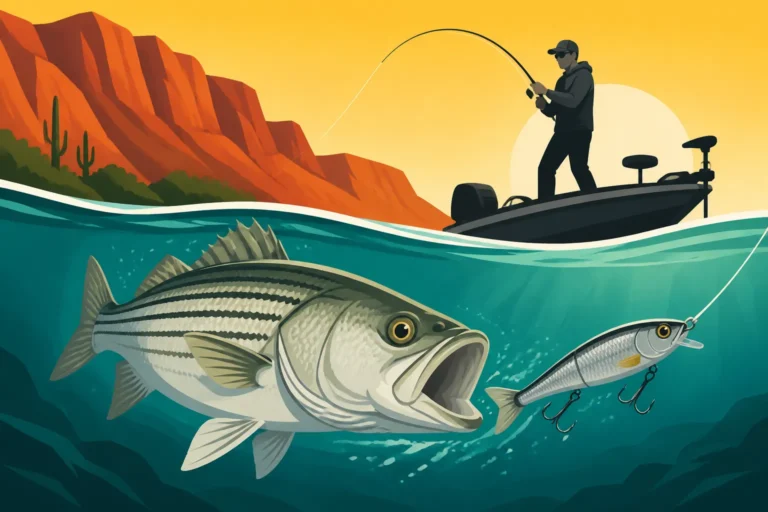
- Spring (April-May): Stripers become very active as water warms. They'll chase shad in open water, and boils (when they push bait to the surface) become more frequent, especially in May.
- Summer (June-August): They go deep during the day, often suspending over open water or around main lake points. Trolling deep-diving crankbaits or jigging spoons is effective. Night fishing for stripers can also be excellent.
- Fall (September-October): This is arguably the absolute best time for stripers. They are in a full-blown feeding frenzy, with frequent and widespread boils, especially in October. They're trying to bulk up for winter, making them very aggressive.
- Winter (November-March): Stripers will still be caught, often suspending in deep water. They can be caught trolling or jigging spoons, but the action is generally slower than in the fall.
When to Catch Trout and Catfish
Trout and catfish offer different, but equally rewarding, fishing experiences in Arizona.
-
Trout:
- Fall (October-November) & Winter (December-February): This is prime trout season in Arizona's lower elevation lakes and rivers. The AZGFD heavily stocks rainbow trout during these cooler months, creating fantastic opportunities.
- Spring (March-May): Mountain lakes and streams become accessible and offer great trout fishing as the ice thaws and waters warm slightly. Stockings continue in higher elevations.
- Summer (June-September): Focus on high-elevation mountain lakes and streams for cold-water trout. Desert lakes get too warm for trout, so stocking ceases until fall.
-
Catfish:
- Spring (April-May): Catfish begin to become very active as waters warm, moving shallower to feed and eventually spawn.
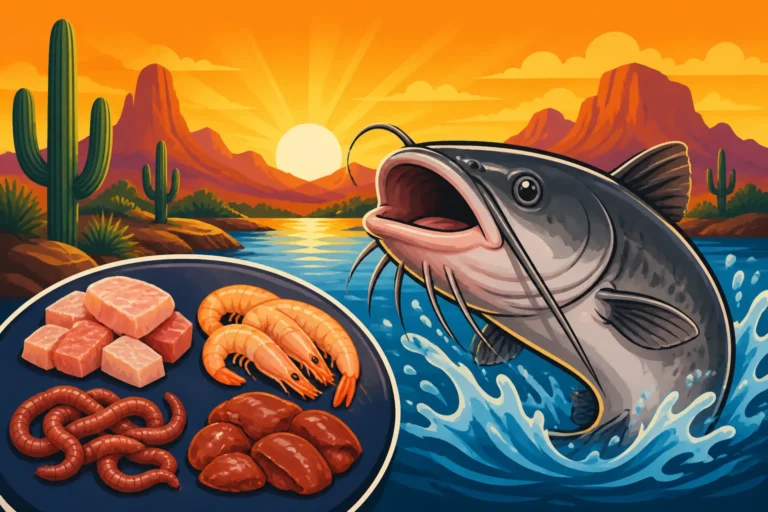
- Summer (June-August): This is prime catfish season, especially for night fishing. Channel and flathead catfish are incredibly active in the warm water, feeding aggressively on cut bait, stink bait, and live bait.
- Fall (September-October): Catfish continue to feed heavily as they prepare for winter, though activity might slow a bit by late October.
- Winter (November-March): Catfish are still present, but activity slows significantly. They'll be found in deeper holes and channels, requiring patient, bottom-fishing techniques.
Here's a quick reference table to help visualize the peak seasons for popular Arizona species:
| Species | Jan | Feb | Mar | Apr | May | Jun | Jul | Aug | Sep | Oct | Nov | Dec |
|---|---|---|---|---|---|---|---|---|---|---|---|---|
| Largemouth Bass | Slow | Slow | Good | Peak | Good | Deep | Deep | Deep | Good | Peak | Good | Slow |
| Smallmouth Bass | Slow | Slow | Good | Peak | Good | Deep | Deep | Deep | Good | Peak | Good | Slow |
| Striped Bass | Slow | Slow | Good | Peak | Peak | Deep | Deep | Deep | Peak | Peak | Good | Slow |
| Rainbow Trout | Peak | Peak | Good | Mtn | Mtn | Mtn | Mtn | Mtn | Mtn | Peak | Peak | Peak |
| Channel Catfish | Slow | Slow | Good | Good | Peak | Peak | Peak | Peak | Good | Good | Slow | Slow |
| Flathead Catfish | Slow | Slow | Slow | Good | Peak | Peak | Peak | Peak | Good | Good | Slow | Slow |
| Crappie | Slow | Slow | Good | Peak | Good | Deep | Deep | Deep | Good | Good | Slow | Slow |
| Panfish (Bluegill) | Slow | Slow | Good | Good | Peak | Peak | Peak | Peak | Good | Good | Slow | Slow |
| Key: Peak = Excellent Activity, Good = Consistent Activity, Slow = Challenging/Deep, Deep = Active, but require deep-water tactics, Mtn = Primarily mountain lakes/streams. |
Essential Gear and Tactics for Year-Round Arizona Fishing
No matter the month, having the right gear and adapting your approach is critical for success in Arizona's diverse conditions. Our lakes demand versatility, and a little preparation goes a long way.
Adapting Lures and Baits to Monthly Conditions
One of the biggest mistakes anglers make is sticking to the same lure year-round. Fish preferences change drastically with water temperature and their metabolic rates.
- Spring: This is a time for variety. Pre-spawn fish love reaction baits like crankbaits, spinnerbaits, and chatterbaits. During the spawn, slow-moving soft plastics (senkos, lizards) and jigs are key. Post-spawn, topwater lures, jerkbaits, and swimbaits come into their own.
- Summer: Go deep, go slow, or go dark. Deep-diving crankbaits, heavy jigs, dropshot rigs, and jigging spoons are essential for probing deep structure. For night fishing, dark-colored jigs, slow-retrieved worms, and stink baits for catfish are excellent. You might even want to explore the Best Baits and Lures for Arizona Fishing for more specific recommendations.
- Fall: Fish are aggressive. This is a fantastic time for power fishing with lipless crankbaits, square bills, spinnerbaits, and large swimbaits. Topwater still works, especially during early morning boils. Match the hatch if baitfish are visible.
- Winter: Subtle and slow is the mantra. Finesse jigs, dropshots, shaky heads, and slow-rolled umbrella rigs are effective for bass. For trout, power bait, corn, worms, small spinners, and spoons are reliable.
Always carry a variety of lure types and colors. Clear water calls for more natural tones, while stained or muddy water might warrant brighter, more contrasting colors. Having a well-stocked tackle box is just smart fishing. You can easily find a huge selection of fishing tackle and seasonal lures on Amazon, making it convenient to gear up for any month.
Smart Boating and Shore Fishing Strategies
Whether you're fishing from a boat, a kayak, or the shore, understanding how to approach the water based on the month is vital.
- Boat Fishing:
- Electronics are Your Friend: In summer and winter, a good fish finder is invaluable for locating deep-holding fish and submerged structure. Spend time idling over likely areas to mark fish and bait schools.
- Positioning: In spring and fall, position your boat to cast parallel to shorelines, points, and creek channels where fish are moving shallow. In summer and winter, position over deep water to allow for vertical presentations or deep trolling.
- Safety: Always be mindful of changing weather, especially during monsoon season. High winds can quickly turn a calm lake into a dangerous one. Equip your boat with all necessary safety gear.
- Shore Fishing:
- Accessibility: Choose spots with good access to deeper water, if possible. Points, rocky banks, or areas near submerged structure are always good bets.
- Community Lakes: For easy access and consistent trout stockings in cooler months, our urban Community Park Lakes in Phoenix and other cities are fantastic. You can often reach deeper areas from fishing piers.
- Casting Range: In summer, focus your efforts on the longest casts possible into deeper water, or consider Night Fishing Techniques and Safety for a more comfortable experience from shore. In spring and fall, fish can be closer to the bank, so shorter, more precise casts are often effective.
- Mobility: Don't be afraid to move if a spot isn't producing. Cover water to find active fish.
Reading the Water and Weather for Optimal Success
Beyond the calendar, the immediate conditions of the water and weather have a profound impact on fish behavior. Learning to "read the water" is an art that comes with experience, but some fundamentals apply to every Arizona fishing trip.
Understanding Water Temperature and Clarity
These two factors, often overlooked by beginners, can tell you a lot about where the fish are and what they're willing to bite.
- Water Temperature: As discussed, this is the primary driver of fish metabolism. Invest in a good water temperature gauge for your boat or kayak. Even shore anglers can get an inexpensive thermometer to check surface temps.
- Rapid Changes: Fish dislike rapid temperature swings. If a cold front moves in quickly or a sudden heatwave hits, fish might become lethargic and suspend or move deeper.
- Thermocline: In larger, deeper lakes during summer, a thermocline forms – a distinct layer where the water temperature changes rapidly. Fish, especially bass, often orient to this layer for optimal oxygen and temperature. Your fish finder can help identify it.
- Water Clarity:
- Clear Water: Common in many of Arizona's deep, rocky lakes like Lake Powell. Fish rely heavily on sight, so natural-colored lures and lighter line are often more effective. Longer casts and stealth are important to avoid spooking fish.
- Stained/Murky Water: Can be found in parts of Roosevelt Lake or after heavy rains. Fish rely more on their lateral line (sensing vibrations) and smell. Brighter colors, noisy lures (rattles), and scented baits become more effective. Fish might also be shallower as light penetration is reduced.
Monitoring Weather Patterns and Barometric Pressure
The weather outside the water also has a huge influence on fish, even if you can't feel it directly.
- Barometric Pressure: This refers to the atmospheric pressure.
- Stable/Rising Pressure: Often associated with clear skies and calm weather. Fish tend to be more active and feed consistently.
- Falling Pressure: Often precedes a storm front. This can trigger a feeding frenzy, as fish sense the approaching change and feed aggressively. Many anglers swear by fishing before a storm hits.
- Low/Stable Pressure (After a Storm): Fish might become lethargic or scattered after a front passes. This is when the bite can be toughest.
- Wind:
- Light Wind: Can create a "chop" on the water's surface, breaking up light penetration and making fish less skittish. It can also concentrate baitfish.
- Heavy Wind: Can make boat control difficult and stir up the water, affecting clarity. Fish might move to the lee side of structure to escape the current.
- Cloud Cover: Overcast days often mean fish stay active for longer periods and are less sensitive to light, making them more willing to feed in shallower water than on bright, sunny days.
By paying attention to these environmental cues alongside the monthly calendar, you'll dramatically increase your chances of finding active fish. It's all part of the fascinating puzzle of How to Fish Arizona's Desert Lakes, a challenge that keeps us coming back for more, month after month.
Disclaimer
Please note that fishing conditions, regulations, and fish stocking schedules can change. Always consult the latest Arizona Game and Fish Department (AZGFD) regulations and advisories before planning your trip. This guide provides general information and recommendations based on typical patterns. Stay safe and enjoy your time on Arizona's beautiful waters!