Arizona Fishing Seasons Explained
If you've ever felt a bit lost trying to figure out the best time to cast a line in Arizona, you're not alone. The Grand Canyon State, with its incredible elevation changes and diverse climates, presents a unique puzzle for anglers. From scorching desert lakes to cool mountain streams, the fishing opportunities shift dramatically throughout the year. This comprehensive guide will peel back the layers of Arizona's dynamic fishing calendar, helping you understand when and where to find your target species, no matter the season.
Understanding Arizona's Unique Fishing Calendar
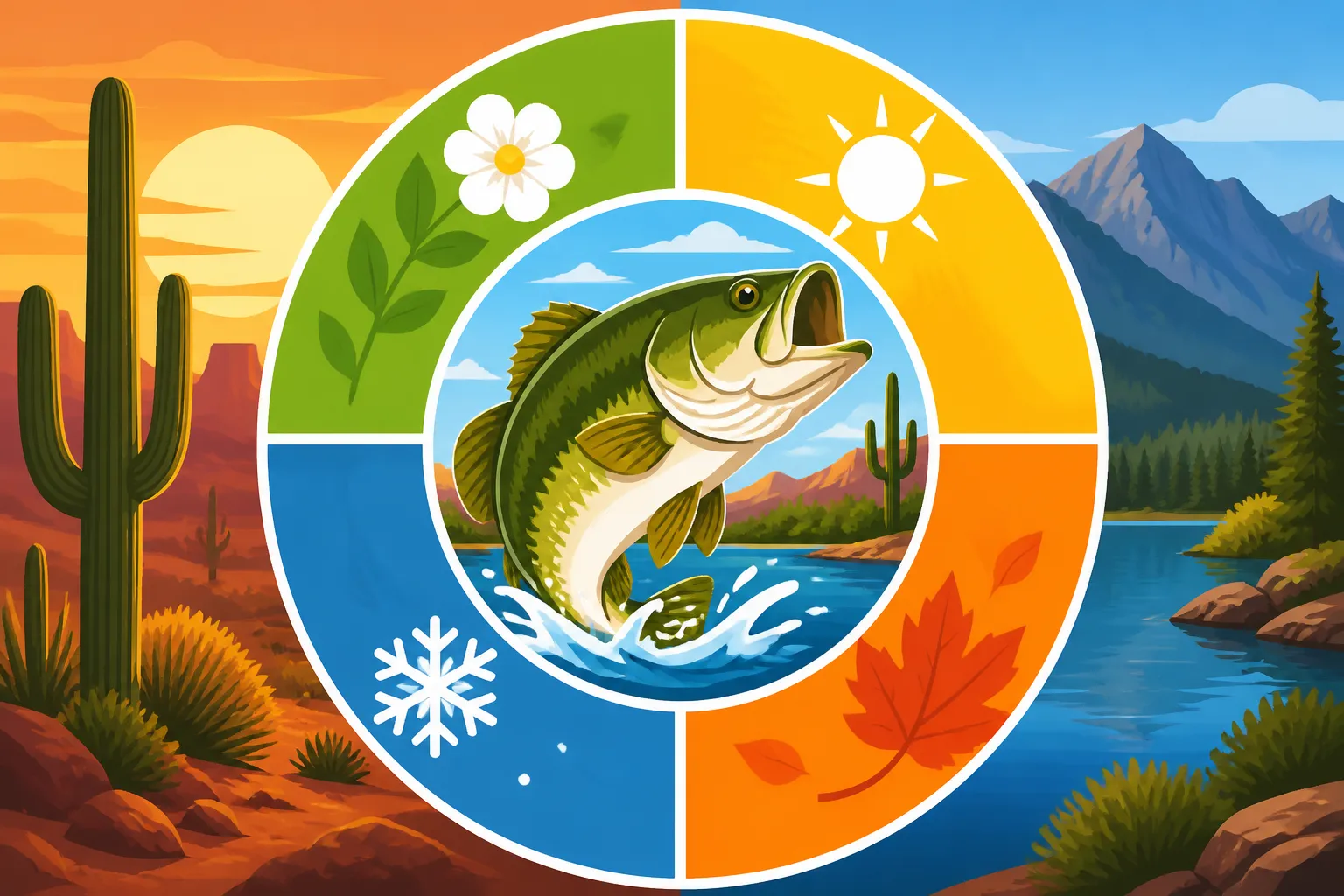
Arizona is often stereotyped as nothing but desert, but anyone who lives here knows that's far from the whole truth. Our state boasts an incredible range of ecosystems, from the saguaro-studded low deserts to the pine forests and alpine lakes of the high country. This geographical diversity means that while one part of the state might be experiencing scorching summer heat, another is enjoying mild, fish-friendly temperatures. It's this unique characteristic that allows for a truly year-round fishing experience, provided you know where to look and what to expect.
The Desert Paradox: Year-Round Opportunities
Imagine a place where you can catch bass in January in a t-shirt, then drive a few hours north and ice fish in February. That's Arizona for you! The "desert paradox" refers to the fact that our low-elevation desert lakes, such as Lake Pleasant, Roosevelt Lake, and Saguaro Lake, rarely freeze over. This allows for continuous fishing pressure and opportunities throughout all four seasons, even when much of the country is locked in winter's grip. While the heat in summer is certainly a factor, fish simply adapt by moving deeper, becoming more active at night, or retreating to cooler springs and currents. It's not about the fish disappearing; it's about understanding their behavioral shifts in response to environmental changes. This constant availability, however, also means that the best techniques and target species can vary wildly from one month to the next, making seasonal knowledge absolutely critical for success.
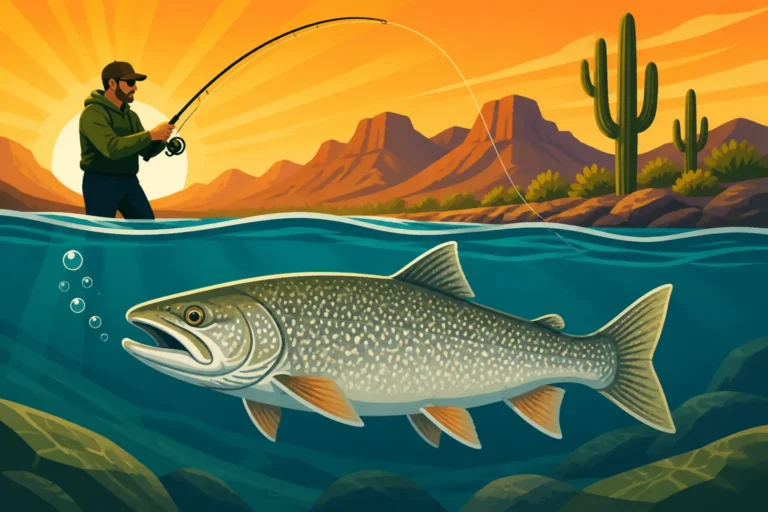
The higher elevations, including the White Mountains and areas around Flagstaff, offer a completely different experience. Here, lakes like Big Lake and Crescent Lake freeze solid in winter, creating prime ice fishing conditions. When the thaw comes in spring, these waters burst to life with hungry trout. The transition between these two extremes, often just a few hours' drive apart, is what makes Arizona's fishing scene so endlessly fascinating and, at times, a little bewildering if you're not prepared. You truly can chase different species and fishing styles depending on which elevation you choose to explore, making flexibility and a keen eye on the weather forecast your best friends.
Key Factors Influencing Fish Activity
Understanding when and where fish will be active isn't just about the calendar date; it's about recognizing the subtle (and sometimes not-so-subtle) cues that drive their behavior. The primary influences are water temperature, weather patterns, and the Arizona Game and Fish Department's (AZGFD) proactive stocking schedules. These elements intertwine to create the unique fishing conditions we experience here.
Water temperature is, without a doubt, the single most critical factor, especially in our desert lakes. Fish are cold-blooded, and their metabolism, feeding habits, and even their preferred depth are directly tied to the water's temperature. For instance, bass become much more active and move into shallower waters when temperatures rise to their optimal spawning range in the spring. Conversely, as summer heat bakes the surface, they'll retreat to cooler thermoclines or deep structure. Learning to read a thermometer and understanding a species' preferred temperature range will instantly elevate your fishing game, allowing you to predict where fish are likely to be holding and what kind of mood they might be in. This is also why an understanding of seasonal water levels in reservoirs, affected by snowmelt and rainfall, can give you an edge, as rapidly changing water can affect temperatures and fish behavior.
Weather patterns, while seemingly less constant, also play a huge role. Cold fronts can shut down a bite instantly, making fish lethargic and less willing to chase. On the other hand, pre-frontal conditions can trigger aggressive feeding as fish sense an impending change. And then there's our famous monsoon season, which can turn desert washes into raging rivers, dumping sediment and nutrients into lakes. While this might make fishing tough immediately after a storm, the subsequent rise in water levels and influx of food can ignite a feeding frenzy for species like catfish and carp. Knowing how to adapt your approach to these dynamic weather shifts, from high winds to sudden thunderstorms, is crucial for consistent success. You'll also want to keep an eye on air pressure changes, as a sharp drop often signals an active bite.
Finally, we can't talk about Arizona fishing without mentioning the vital role of stocking schedules. The AZGFD works tirelessly to enhance fishing opportunities across the state, particularly for popular species like rainbow trout and channel catfish. These fish are regularly stocked into urban waters, community lakes, and higher-elevation reservoirs, creating predictable fishing hotbeds. Paying attention to these schedules, which are usually available on the AZGFD website, can tell you exactly when and where freshly stocked, hungry fish will be waiting. It's a fantastic resource, especially for families or beginners, providing a reliable chance to catch fish. For example, knowing that trout are being stocked in Tempe Town Lake means you can plan a successful outing without having to guess. This strategic stocking helps ensure that even with heavy fishing pressure, there are always opportunities for anglers throughout the various seasons.
Spring Fishing in Arizona: Awakening the Waters
Spring in Arizona is a truly magical time for anglers. As the days lengthen and the sun warms both the air and the water, the state's lakes and rivers burst with activity. It's a season of renewal, when many species shake off their winter lethargy and begin their annual spawning rituals, making them more predictable and often more aggressive. From the low desert to the awakening mountain lakes, spring offers some of the year's most exciting fishing opportunities, but success hinges on understanding the specific stages of each species' seasonal cycle.
The Bass Spawning Bonanza (March – May)
For many Arizona anglers, spring means one thing: bass. Both largemouth and smallmouth bass become incredibly active during these months, driven by the urge to spawn. This period can be broken down into three distinct phases – pre-spawn, spawn, and post-spawn – each requiring slightly different tactics. The timing varies depending on the specific lake and its elevation, but generally, the action kicks off in the warmer desert lakes like Lake Pleasant, Roosevelt Lake, Canyon Lake, and Apache Lake in March and continues through May.
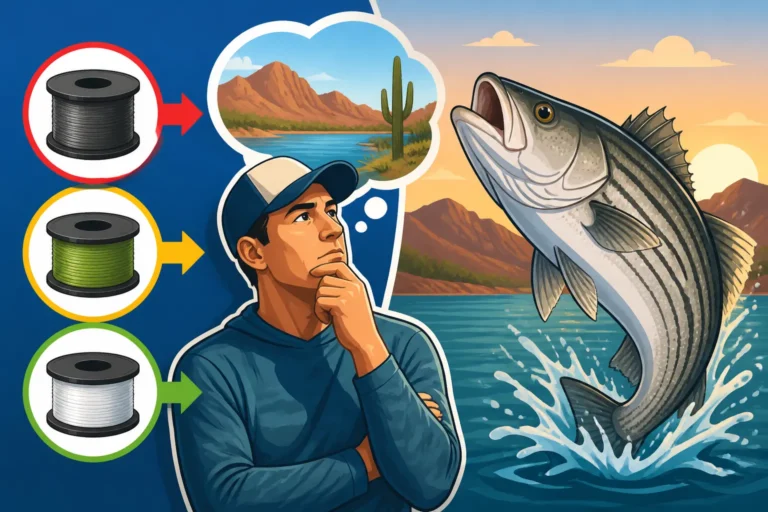
During the pre-spawn phase, typically from early March to mid-April in the low desert, bass are staging for the spawn. They move from their deeper winter haunts into shallower coves, points, and flats, feeding heavily to build energy for the strenuous spawning process. This is often when the biggest bass of the year are caught, as they are aggressive and hungry. Anglers should target areas with submerged structure, rocky points, and creek channels leading into spawning flats. Techniques that mimic baitfish or crawfish, such as crankbaits, jerkbaits, and jigs, are highly effective. A medium-heavy rod with 12-15 lb fluorocarbon line is a solid choice for these power fishing techniques, allowing you to cast heavier lures and handle larger fish. Many seasoned anglers consider this the prime time for trophy bass, as these fish are at their heaviest and most catchable before they become preoccupied with nesting duties.
As water temperatures stabilize in the high 60s to low 70s, the spawn begins. Bass move onto shallow flats, often visible from shore, where they fan out nests. During this period, which can last from mid-April through May, bass are highly protective of their beds. They'll strike at anything that approaches their eggs, even if they're not actively feeding. Sight fishing for bedding bass with soft plastics like lizards, tubes, or senkos can be incredibly productive, though many anglers practice catch-and-release to protect the spawning population. Presenting your bait directly into or near a bed will often provoke a strike. It's a thrilling, visually oriented way to fish, but it also demands a delicate touch and patience. Remember, while the fish might be easy to spot, making them commit to a bait can be a challenge. For more detailed strategies, check out our guide on Spring Bass Fishing Tactics in Arizona.
Finally, the post-spawn phase sees bass recovering from their arduous breeding cycle. They're often lethargic immediately after the spawn, but as they regain energy, they'll move to nearby cover in slightly deeper water – think submerged trees, brush piles, and secondary points – and begin to feed again, though often less aggressively than in pre-spawn. Topwater lures can be effective during low-light conditions, while shaky heads, Carolina rigs, and finesse worms can tempt less active fish during the day. This period offers a transition, with some fish still on beds while others are already recovering, making versatility key to success. The key is to cover water and experiment with presentations until you find what the post-spawn bass are willing to hit.
Trout Action in Higher Elevations and Stocked Waters (March – June)
While bass dominate the desert scene, spring also heralds the return of fantastic trout fishing, particularly in Arizona's higher elevations and its network of stocked community waters. For those craving the crisp air and scenic beauty of mountain fishing, this is the time to venture north.
As the ice melts from lakes like Big Lake, Crescent Lake, and Woods Canyon Lake, usually starting in late April or May, the trout become extremely active. These cold-water species thrive in the cooler mountain temperatures, and after a long winter under the ice, they are often ravenous. Rainbow trout are the primary target, but brown trout and even some Apache trout can be found in certain streams and lakes. Early spring techniques often involve casting small spinners like Mepps or Panther Martins, spoons, or even flies near inlets where snowmelt delivers nutrients and cooler water. PowerBait, salmon eggs, or worms fished under a bobber or on the bottom with a sliding sinker rig are also perennially effective, especially for freshly stocked fish that are less wary. The crisp mountain air and stunning scenery make these trips as much about the experience as they are about the catch. The fishing here remains strong through early summer until temperatures begin to warm significantly.
Closer to population centers, the Arizona Game and Fish Department runs an extensive stocking program that brings trout to urban lakes and community ponds throughout the cooler months, with a major push in spring. Places like Tempe Town Lake, Encanto Park Lake, and the Lower Salt River receive regular deliveries of feisty rainbow trout, providing accessible and family-friendly fishing opportunities. These fish are often eager to bite, making them perfect for beginners and kids. Standard trout baits like PowerBait (especially in bright colors), corn, or small worms fished with light tackle (4-6 lb test line) are usually all you need. Small spinners or jigs can also be deadly. These urban trout fisheries offer a convenient way to get a quick fishing fix without a long drive. To maximize your chances, always keep an eye on the AZGFD stocking schedule; newly stocked fish are often the most aggressive. You can learn more about these efforts in our guide to Trout Stocking Season in Arizona and find more specific techniques in Best Trout Fishing Techniques for Arizona Waters.
Summer Fishing in Arizona: Beating the Heat
Summer in Arizona means intense heat, especially in the lower desert. But don't let the triple-digit temperatures fool you into thinking the fishing shuts down entirely. On the contrary, summer fishing can be incredibly productive, provided you understand how fish adapt to the heat and adjust your tactics accordingly. It's a time for early mornings, late evenings, or embracing the deep, dark, and cool. The key is to protect yourself from the sun and modify your approach to target fish where they're most comfortable.
Deep Water Strategies for Desert Lakes (June – August)
When the surface temperatures on Arizona's desert lakes soar into the 80s and even 90s, fish don't disappear; they simply seek refuge in cooler, deeper water. This behavioral shift necessitates a change from the shallow-water tactics of spring. Largemouth bass, smallmouth bass, and especially striped bass will often suspend over or relate to deep structure, points, and humps where the water temperature is more stable and comfortable. This is where electronics become your best friend, helping you locate schools of fish and baitfish.
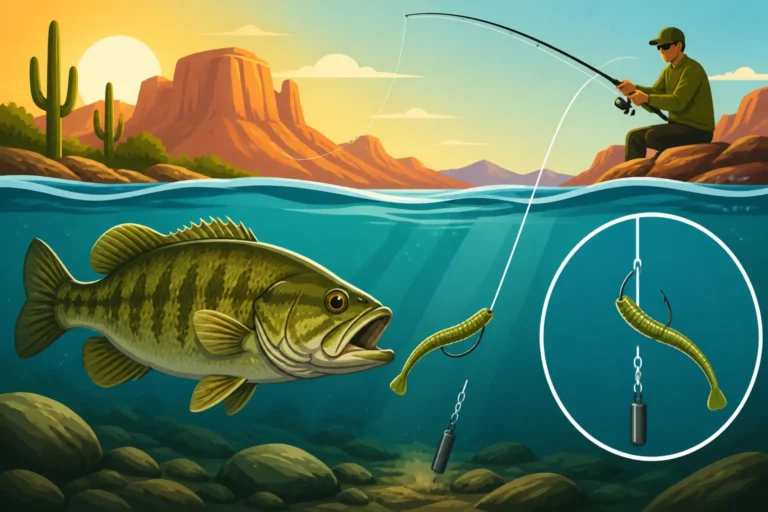
Targeting these deeper fish requires specialized techniques. Deep cranking with large, wide-wobbling crankbaits that can reach depths of 15-25 feet or more is a classic summer strategy. These lures are excellent for covering water and triggering reaction strikes from bass holding on ledges or submerged timber. Color choice often mimics baitfish like shad, so chrome, white, or shad patterns are usually effective. Another highly productive method is the drop-shot rig, which allows you to present a soft plastic bait exactly at the depth where fish are holding. This finesse technique is particularly deadly for smallmouth bass and finicky largemouth. You can hover the bait just above the fish you see on your sonar, gently shaking it to entice a bite. For those looking to really delve into the intricacies of finding fish in these conditions, our guide on Deep Water Structure Fishing Techniques offers invaluable advice.
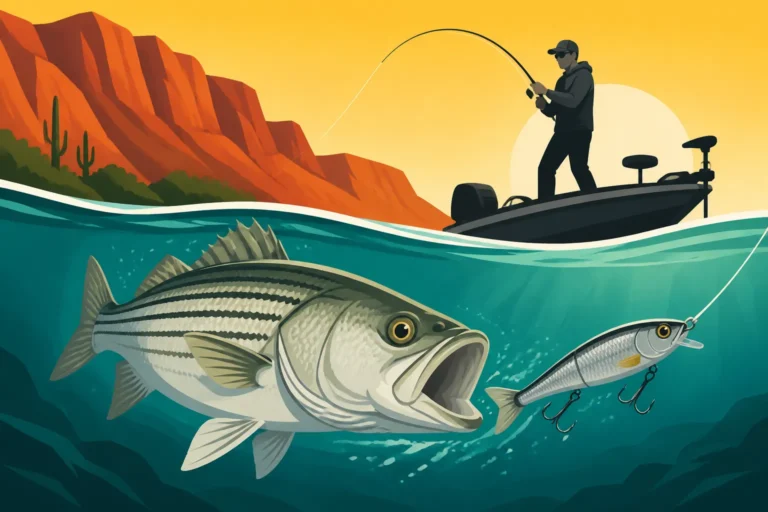
Perhaps the most exciting summer fishing occurs after dark. As the sun sets and the desert air begins to cool, many fish species, particularly striped bass and catfish, become highly active. Night fishing allows you to escape the brutal daytime heat and often results in some of the best catches of the year. For striped bass, look for them feeding on schools of shad near lighted areas (like marinas or campgrounds) or chasing baitfish near the surface in open water. Topwater lures, swimbaits, or even live shad can be incredibly effective. For catfish, the night bite is legendary. Channel catfish and flathead catfish patrol shallow flats and creek channels, hunting for an easy meal. Stink baits, cut baits (like anchovies or hot dogs), or live sunfish are all excellent choices for enticing these nocturnal predators. Remember to bring plenty of lights, bug spray, and a good cooler for your catch. For more specific advice on targeting catfish after dusk, be sure to read our guide on Catfish Night Fishing Techniques. Additionally, for comprehensive safety and tactical advice, our article on Night Fishing Techniques and Safety is a must-read before heading out after dark.
Monsoon Season Opportunities and Precautions (July – September)
Arizona's summer also brings the drama of the monsoon season, typically from July through September. These intense, localized thunderstorms can dramatically alter fishing conditions, often within a matter of hours. While a torrential downpour might seem like a deterrent, understanding its effects can actually lead to some fantastic, albeit challenging, fishing opportunities.
When a monsoon storm rolls through, several things happen. First, heavy rains can cause flash flooding in washes and rivers, sending a surge of muddy, nutrient-rich water into our lakes and reservoirs. This sudden influx of turbid water can initially make fishing difficult as visibility drops, and fish might scatter or become disoriented. However, this same runoff carries a bounty of new food sources into the lake – insects, worms, and debris – which can attract baitfish and, subsequently, predators. Catfish, in particular, thrive in these conditions, using their keen sense of smell to locate food in the murky water. After the initial shock of the storm, often within 24-48 hours, the fishing can light up, especially for species that don't rely heavily on sight. Targeting points where fresh water is entering the lake or fishing near the mouths of creeks can be highly productive.
However, fishing during the monsoon season also demands respect for the elements and strict adherence to safety. Sudden thunderstorms can bring dangerous lightning, high winds, and rapidly changing water conditions. If you're out on the water in a boat or kayak, always keep a close eye on the sky and be prepared to head for shore at the first sign of a developing storm. Flash flooding can also occur without warning, making it dangerous to wade or be near washes. Always check weather forecasts before heading out and have a plan for seeking shelter. While the opportunities can be great, your safety should always be your top priority. Understanding how to navigate these dynamic conditions is key to success, and our dedicated guide, Arizona Monsoon Season Fishing Guide, offers extensive tips for making the most of this unique time of year. Knowing when to hit the water and when to pack it in for safety is a crucial part of an Arizona angler's skillset.
Fall Fishing in Arizona: The Feeding Frenzy
As the intense heat of summer gradually gives way to cooler temperatures, Arizona enters one of its most anticipated fishing seasons: fall. This period is characterized by a significant shift in fish behavior, as many species, particularly bass and crappie, enter an aggressive feeding phase. It's a time when fish are actively bulking up for the leaner winter months, making them highly receptive to a wide range of lures and techniques. For many anglers, the comfortable weather, stunning scenery, and eager fish make fall the absolute prime time to be on the water.
Aggressive Feeding Before Winter (September – November)
The transition from summer to fall is like ringing a dinner bell for many fish species in Arizona's lakes. As water temperatures begin to drop from their summer highs into the comfortable 70s and 60s, fish metabolisms kick into high gear. This is particularly true for largemouth and smallmouth bass, as well as crappie and striped bass, which go on a serious feeding binge. They're trying to put on as much weight as possible before winter slows them down, making them less wary and more willing to chase down a meal. This "fall turnover" period can be incredibly productive, often leading to higher catch rates and the chance for some true trophy fish.
Bass, for instance, will abandon their deep summer haunts and begin to move shallower, chasing baitfish schools that have also become more active. Look for them around main lake points, submerged humps, creek channels, and the backs of coves where baitfish are abundant. This is a fantastic time for power fishing techniques. Topwater lures, like poppers, walking baits, and buzzbaits, can elicit explosive strikes, especially during dawn and dusk or on overcast days. Crankbaits, particularly those with a tight wobble that imitate shad, are also highly effective when retrieved over structure or through schools of baitfish. Swimbait presentations, mimicking larger forage, can entice bigger, more aggressive bass. For those targeting crappie, they will often congregate in large schools around brush piles, submerged trees, and bridge pilings, feasting on smaller baitfish. Small jigs, particularly those tipped with a minnow, are the go-to baits. Our guide on Fall Bass Fishing Tactics in Arizona delves deep into these exact strategies, helping you capitalize on this peak feeding period.
This period of aggressive feeding typically lasts from September through November, though it can extend further into December in the warmest desert lakes like Lake Havasu or Alamo Lake. The key is to find the baitfish – where the bait is, the predators won't be far behind. Keep an eye out for surface activity, like schooling fish busting bait, which can indicate a frenzied feeding spree. Using your electronics to locate schools of shad or other forage can significantly cut down your search time. The comfortable weather, combined with the eager fish, makes fall a favorite season for many Arizona anglers, offering some of the year's most memorable outings. Whether you prefer casting to schooling bass or dabbing jigs into crappie cover, the opportunities are abundant and exciting.
Resurgence of Trout in Lower Elevation Waters (October – December)
As fall progresses and cooler temperatures settle in, a remarkable transformation occurs in Arizona's lower elevation and urban waters: the return of trout fishing. With the heat of summer behind us, the Arizona Game and Fish Department resumes its widespread stocking of rainbow trout into community fishing lakes and other easily accessible waters. This resurgence of trout fishing makes fall a fantastic time for anglers of all skill levels, offering reliable action in convenient locations.
Starting typically in October and continuing through December (and well into winter), lakes and ponds in and around Phoenix, Tucson, and other urban areas receive regular deliveries of hungry rainbow trout. Waters like Kiwanis Lake, Chaparral Lake, and the Lower Salt River become prime destinations. These stocked fish are often eager to bite, making them an excellent target for families and beginners. Unlike the more challenging, technical fishing sometimes required for bass, trout in these stocked environments can often be caught using simpler methods. Standard baits like PowerBait, especially in popular colors like green, orange, or rainbow, fished off the bottom with a small hook and a light sinker, are incredibly effective. Small worms or corn also work wonders. For those who prefer artificial lures, tiny inline spinners (like Panther Martin or Mepps) or small jigs (1/32 to 1/16 oz) in bright colors can also tempt a strike.
The cooler weather of fall makes these fishing trips incredibly pleasant, a welcome contrast to the oppressive summer heat. Anglers can enjoy comfortable mornings and afternoons on the bank, soaking up the sun and enjoying the crisp air. This season also offers a unique opportunity to introduce new anglers, especially children, to the sport, as the consistent action helps build confidence and excitement. It's not uncommon to see families gathered around these community ponds, enjoying the accessible fishing. To ensure you're at the right place at the right time, always consult the AZGFD's stocking schedule. Knowing when and where the latest batch of trout has been released dramatically increases your chances of success. Our guide on Urban Lake Trout Season in Arizona provides comprehensive details on these fantastic fishing opportunities, highlighting the best spots and proven techniques for fall trout fishing.
Winter Fishing in Arizona: Calm and Productive
When much of the country is covered in snow and ice, Arizona offers a unique winter fishing experience. While the higher elevations might see ice fishing opportunities, the vast majority of the state's popular desert lakes remain open and productive. Winter fishing in Arizona is often characterized by calm waters, fewer crowds, and surprisingly good fishing, provided you adjust your tactics to the cooler water temperatures and the slower metabolism of the fish. It's a peaceful time on the water, offering a serene escape and the chance for some truly rewarding catches.
Slow and Steady for Bass (December – February)
Even though Arizona's desert lakes don't typically freeze over, the cooler water temperatures of winter (often dropping into the 50s) significantly impact bass behavior. Largemouth and smallmouth bass become less active and more lethargic, their metabolism slowing down. This doesn't mean they stop feeding; it simply means they require a much slower, more deliberate presentation. Gone are the days of aggressive topwater blow-ups; winter bass fishing is a game of patience and finesse.
Bass in winter will often congregate in deeper water, seeking stable temperatures and protection from cold fronts. Look for them relating to deep structure like submerged humps, main lake points, creek channel bends, and rock piles. They might be suspended over deep water or tucked tightly against cover. The key is to present your lure slowly and precisely, often leaving it in the strike zone for an extended period. Jigs, particularly those with a rubber skirt or tipped with a chunk trailer, are a wintertime staple. A slow drag-and-hop retrieve along the bottom can be incredibly effective. Consider using darker colors like black, blue, or brown to imitate crawfish, a common winter food source. Another excellent option is a slow-rolled spinnerbait or a bladed jig (ChatterBait), especially on slightly warmer, overcast days. These lures offer just enough flash and vibration to entice a sluggish bass without being overly aggressive.
Finesse techniques also shine during the colder months. A shaky head worm or a drop-shot rig can be deadly for tempting finicky bass that are unwilling to chase. Presenting these smaller, more subtle baits on light line (6-10 lb fluorocarbon) allows for a natural presentation and increased sensitivity, helping you detect those subtle winter bites that often feel like just a slight weight on the line. Fishing deep coves that are protected from the wind can also concentrate fish. While you might not catch as many fish as during the spring spawn, the fish you do catch are often healthy and robust. Our guide on Winter Bass Fishing Tactics in Arizona offers a treasure trove of information to help you master these techniques and unlock the winter bass bite.
Prime Trout and Crappie Conditions (December – February)
While bass fishing slows down in winter, it's actually prime time for other popular species in Arizona: trout and crappie. The cooler water temperatures create ideal conditions for these cold-water species, offering some of the most consistent and enjoyable fishing of the year. For many anglers, winter is their favorite season to target these species, thanks to their active feeding patterns and predictable locations.
For trout enthusiasts, winter is a phenomenal time to hit the lower elevation and urban lakes. The Arizona Game and Fish Department continues its robust stocking program throughout the colder months, ensuring a steady supply of rainbow trout in accessible waters. These newly stocked fish, thriving in the cool water, are often aggressive and easy to catch. Lakes like Kennedy Lake in Tucson, Copper Sky Lake in Maricopa, and Cortez Lake in Phoenix, along with sections of the Lower Salt River, are regularly replenished. Techniques remain similar to fall: PowerBait, worms, and corn fished on light tackle are highly effective. Small inline spinners and jigs also continue to produce, especially for trout that have been in the water for a while and have become more accustomed to their environment. The mild winter weather in the low desert makes these outings incredibly pleasant, often feeling more like a crisp autumn day than the middle of winter.
Crappie, another popular panfish, also become a primary target in winter. As water temperatures drop, crappie often school up tightly in deeper water, typically around submerged structure like brush piles, standing timber, or bridge pilings. They're trying to conserve energy and often remain in these areas throughout the day. Locating these schools with your electronics is key to success. Once found, they can be caught using small jigs (1/16 to 1/8 oz) tipped with a soft plastic body, or live minnows fished under a slip bobber or tight-lined. Vertical jigging directly over a brush pile can be incredibly effective, leading to multiple hookups once you find the school. Roosevelt Lake, Lake Pleasant, and Bartlett Lake are renowned for their winter crappie fisheries, often producing impressive numbers of both black and white crappie. The key is patience and persistence in finding those winter crappie schools, but once you do, the action can be fast and furious.
Seasonal Fishing Tactics Table
To give you a quick overview of what to expect and how to approach fishing throughout Arizona's diverse seasons, here's a handy table summarizing the key tactics and target species. Remember, these are general guidelines, and local conditions can always vary!
Season Typical Months Target Species General Tactics wishes to fish in California, you's need to know the regulations. I'm going to focus on Arizona, but it's important to remember that different states have their own rules.
Essential Gear for Year-Round Arizona Fishing
Tackling Arizona's diverse fishing environments requires more than just a passing knowledge of seasons and species; it demands the right gear. From the scorching summer sun to the crisp mountain air, having the appropriate equipment not only enhances your comfort but dramatically increases your chances of success. Thinking ahead about your tackle box and personal comfort items can make or break your trip.
Adapting Your Tackle Box for Diverse Conditions
One of the biggest mistakes an Arizona angler can make is having a "one-size-fits-all" tackle box. The reality is that the lures and rigs that dominate in a deep, clear desert lake for bass are very different from what you'd use for stocked trout in a community pond. A truly versatile tackle box for Arizona needs to be adaptable, allowing you to quickly switch gears between species and conditions. This doesn't mean you need to buy everything under the sun, but rather select versatile tools that cover a wide range of scenarios.
For bass, especially in our desert lakes, you'll want a mix of power fishing and finesse options. This means having crankbaits that dive to various depths (from shallow runners to deep divers), topwater lures for early morning and evening bites, spinnerbaits and bladed jigs for covering water, and a good selection of soft plastics for Texas rigs, Carolina rigs, and drop-shotting. Don't forget an assortment of hooks (EWG, worm hooks, drop-shot hooks) and sinkers (bullet, tungsten, split shot) to properly rig these plastics. You can find a fantastic array of these versatile lures and terminal tackle on Amazon, making it easy to build out your essential tackle kit from the comfort of your home. For beginners, starting with a few key items from each category, like a medium-heavy spinning rod for versatility and a good selection of soft plastic worms, is a great starting point. Our guide to an Essential Tackle Box Setup for Arizona Beginners offers a detailed breakdown of what to prioritize, and for those facing our unique desert challenges, our Best Tackle for Desert Lake Fishing article will provide even more tailored recommendations.
When it comes to trout and other panfish, the tackle needs shrink considerably. Small inline spinners (like Mepps or Panther Martin), tiny jigs (1/32 to 1/8 oz), and an assortment of PowerBait (dough and nuggets), corn, and small worms are essential. You'll need smaller hooks (sizes 8-12), light split shot, and perhaps some small bobbers. The key here is light line, typically 4-6 pound test, which allows for natural presentations and better bite detection with these smaller baits. The ability to switch between these setups quickly is invaluable. Consider organizing your tackle into smaller, dedicated boxes or bags for different species or fishing styles. This way, you don't have to carry your entire arsenal every time you head out, but you're still prepared for whatever the fish throw at you. A well-organized tackle system saves time on the water and ensures you're ready for any opportunity, whether it's a bass chasing shad or a trout hitting a spinner.
Clothing and Comfort in Arizona's Elements
Beyond your lures and rods, personal comfort and safety gear are absolutely paramount when fishing in Arizona. The state's extreme temperatures and intense sun can quickly turn a fun day into a miserable, or even dangerous, experience if you're not properly prepared. Ignoring these elements is a rookie mistake that can lead to sunburn, dehydration, and even heatstroke during the hotter months.
Sun protection is non-negotiable, especially from spring through fall. The Arizona sun is relentless, and UV rays are strong even on cloudy days. Invest in high-quality UPF (Ultraviolet Protection Factor) clothing – long-sleeved shirts, pants, and neck gaiters that block harmful rays. A wide-brimmed hat is also essential for protecting your face and neck. Don't forget polarized sunglasses, which not only protect your eyes but also help you see into the water, spotting fish or structure that would otherwise be invisible. High-SPF sunscreen should be applied liberally to any exposed skin and reapplied throughout the day. A quick search on Amazon for "UPF fishing shirts" or "polarized fishing sunglasses" will show you a wealth of options designed specifically for anglers facing intense sun. It's a small investment that pays huge dividends in comfort and long-term health.
Hydration is equally critical, particularly during the summer. Always bring more water than you think you'll need. Insulated water bottles or hydration packs are excellent for keeping drinks cool throughout the day. For longer trips, a quality cooler packed with ice and electrolyte drinks is a lifesaver. Beyond sun and hydration, think about layering your clothing, especially in spring and fall, when mornings can be cool but afternoons warm up significantly. A light jacket or hooded sweatshirt is perfect for those pre-dawn launches that turn into warm midday fishing. And don't underestimate the importance of good footwear – comfortable, waterproof shoes or boots can make a huge difference, especially if you plan on bank fishing or wading. Lastly, our guide on Heat Safety Tips for Summer Fishing in Arizona is an absolute must-read to ensure you're prioritizing your well-being on those scorching days. Being prepared for the elements means you can focus on the fishing, rather than battling discomfort.
Navigating Regulations and Stocking Schedules
Fishing in Arizona is a privilege that comes with responsibilities, primarily understanding and adhering to the state's fishing regulations and making the most of the abundant resources provided by the Arizona Game and Fish Department (AZGFD). Failing to follow the rules can lead to fines or loss of fishing privileges, and ignoring stocking schedules means missing out on some of the best opportunities the state has to offer. Being a responsible and informed angler is not just about legality, but about contributing to the conservation efforts that make Arizona's diverse fisheries possible for everyone.
Staying Up-to-Date with Arizona Game and Fish
The rules of the game are set by the Arizona Game and Fish Department, and they are designed to manage fish populations, protect endangered species, and ensure sustainable fishing for future generations. While many regulations remain consistent year after year, there are always potential changes to bag limits, slot limits, bait restrictions, or special regulations for specific waters. The burden is on the angler to know and follow these rules. It's a fundamental part of ethical and legal fishing.
The first step is always to purchase the correct Arizona fishing license. This is non-negotiable for most anglers over the age of 10. There are different types of licenses – resident, non-resident, youth, short-term, and combination hunt/fish licenses – so make sure you have the one that applies to you. You can purchase these online, at various license dealers across the state, or through the AZGFD app. For a deep dive into what you need, refer to our comprehensive Arizona Fishing License Guide. Once you have your license, familiarize yourself with the current fishing regulations booklet. This document, available for free online on the AZGFD website or at license dealers, is your bible. It details statewide bag and possession limits for various species (e.g., bass, trout, catfish, crappie), size restrictions, legal fishing methods, and any specific rules that apply to particular lakes or rivers. For example, some waters might be catch-and-release only for certain species, or have restrictions on the use of live bait.
It’s crucial to understand that "ignorance of the law is no excuse." Arizona Game and Fish officers regularly patrol lakes and rivers, checking licenses and ensuring compliance. A simple mistake can lead to a citation and a fine, which can quickly ruin a relaxing day on the water. Therefore, before every trip, especially if you're venturing to a new body of water, it’s smart to quickly review the regulations specific to that location. Pay close attention to any "special regulations" listed for certain lakes, as these often supersede the general statewide rules. Staying informed not only keeps you on the right side of the law but also fosters a deeper appreciation for the conservation efforts that preserve Arizona's incredible fishing heritage. Our guide on Arizona Fishing Regulations Explained can serve as an excellent resource to help you navigate these important rules.
Utilizing Stocking Reports for Better Success
For many anglers in Arizona, especially those targeting trout and catfish, the Arizona Game and Fish Department's stocking reports are an invaluable tool for planning successful outings. These reports detail exactly when and where various species have been stocked, essentially pointing you to fresh populations of hungry fish. For beginners, families, or anyone looking for a more reliable bite, leveraging these schedules can dramatically increase your chances of catching fish.
The AZGFD maintains an active stocking program throughout the year, primarily focusing on rainbow trout during the cooler months (fall, winter, and spring) and channel catfish in the warmer months (late spring, summer, early fall). These fish are released into a wide array of waters, including the popular urban community fishing lakes, higher elevation mountain lakes, and even some rivers like the Lower Salt River. When a lake has just been stocked, the fish are typically less wary and more eager to bite, having recently been introduced to a new environment and often still in a feeding mode. This makes the days immediately following a stocking event prime time to visit.
You can typically find these stocking schedules and past reports on the Arizona Game and Fish Department's official website. They often provide details on the specific lake, the species stocked, the number of fish, and the date of the stocking. Some reports even include information on the size of the fish. By checking these reports, you can plan your trip to coincide with a recent stocking, putting yourself in the best possible position for success. Imagine knowing that your local community pond just received 500 pounds of trout – that's a signal to grab your gear and head out! For species like trout, knowing the stocking schedule is arguably one of the most effective strategies for consistent catches. This proactive approach by the AZGFD ensures that even with heavy fishing pressure in accessible areas, there are always fresh opportunities for anglers to enjoy the sport.
Disclaimer
The information provided in this guide is intended for general informational purposes only and is subject to change. Fishing conditions, regulations, and stocking schedules can vary based on real-time factors. Always consult the official Arizona Game and Fish Department website or their most current regulations booklet before heading out. Fishing involves inherent risks; please prioritize your safety and adhere to all local, state, and federal laws.