How to Fish for Yellow Bass
It's incredibly frustrating when you hear about a cool fish species, but then struggle to find reliable information on how to actually catch them, especially here in Arizona where some fish can be a bit more elusive. Yellow bass are a prime example – they're not as widely publicized as our trophy largemouth or hard-fighting striped bass, but they offer a unique and fun fishing challenge for those who know where to look. This comprehensive guide is designed to cut through the confusion and give you the real-world tips, locations, and techniques you need to successfully target and catch yellow bass in Arizona's waters.
Unraveling the Mystery of Yellow Bass in Arizona Waters
Before you can even think about casting a line for yellow bass, it’s crucial to understand what makes them tick and, perhaps more importantly, how to identify them correctly. Many anglers, even seasoned ones, often mistake yellow bass for their larger and more common cousins, the white bass, or even the young of striped bass. But yellow bass have their own distinct characteristics and preferred habitats that, once you learn them, can significantly improve your chances of a successful outing.
Knowing Your Target: Yellow Bass vs. White Bass
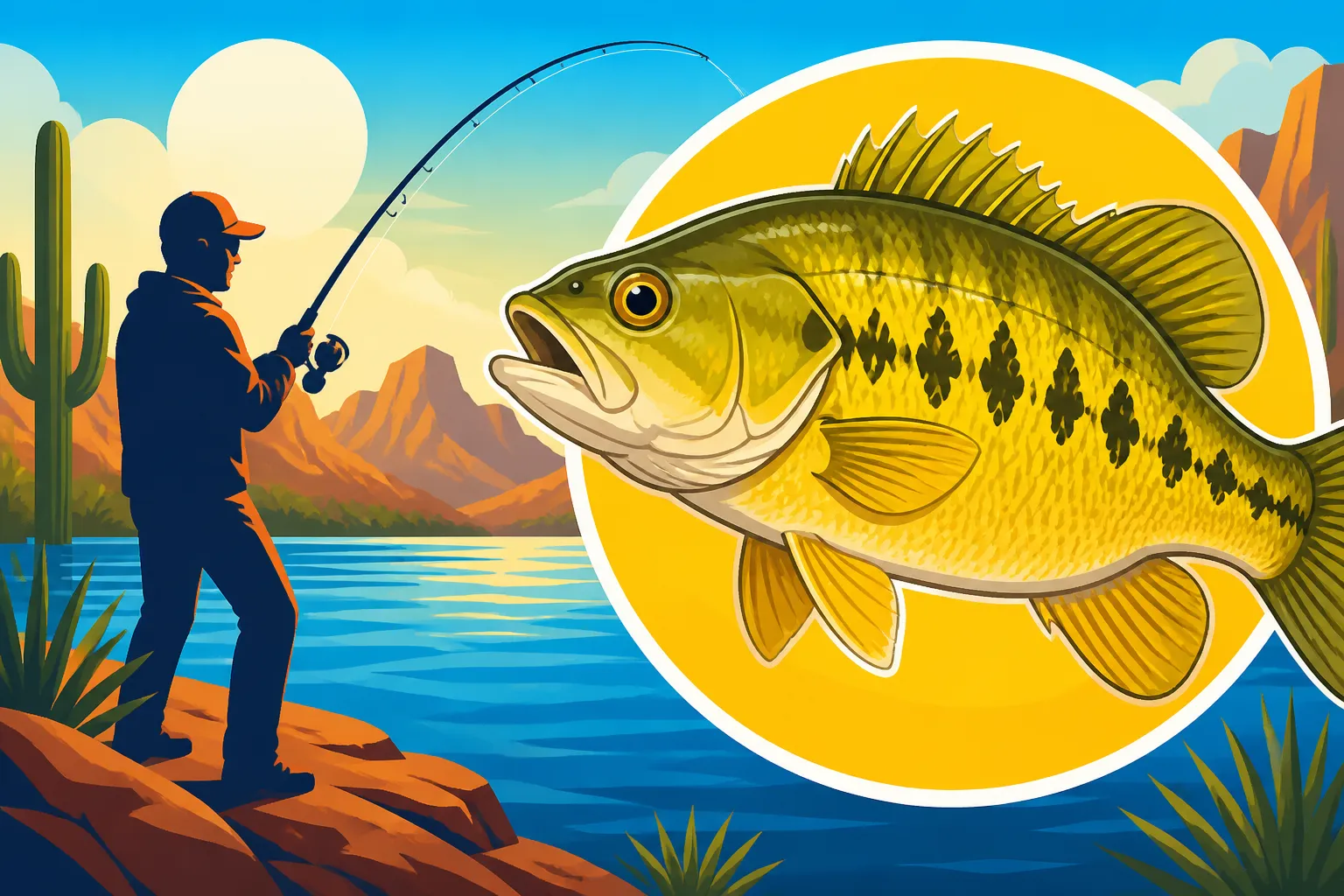
The biggest hurdle for many anglers targeting yellow bass is simply telling them apart from white bass. While both are members of the Moronidae family, the temperate bass, they have clear distinctions. Yellow bass are generally smaller, rarely exceeding 1.5 pounds in Arizona, and typically have a much deeper, more robust body shape compared to the sleeker white bass. Their most defining feature is their broken lateral lines – typically, the lower stripes on a yellow bass will be distinctly broken and offset, particularly below the soft-rayed dorsal fin. White bass, on the other hand, usually have unbroken, continuous lateral lines. The coloration also gives them away, with yellow bass often exhibiting a more pronounced yellowish tint on their belly and fins, especially during spawning season, while white bass tend to be silvery. Familiarizing yourself with these subtle differences is key, and you can find more help with this by looking at a detailed White Bass Identification Guide.
Where Do Yellow Bass Naturally Occur in Arizona?
Unlike largemouth bass or trout, yellow bass aren't widely distributed across all of Arizona's diverse waterways. They tend to prefer larger river systems and associated reservoirs. Historically, populations have been found primarily within the lower Colorado River system. This means if you're venturing out looking for them, your best bets are often connected to this vast water network. Think about the big impoundments or sections of the river that have strong current flows or areas where they can ambush baitfish. They aren't commonly stocked, so their presence is usually a sign of a self-sustaining population that thrives in specific conditions.
For example, sections of the Colorado River, especially downstream from large dams or where tributaries meet, can hold yellow bass. These areas often provide the perfect mix of current, structure, and baitfish. It's not always a guarantee, as their populations can fluctuate, but focusing your efforts on these established areas will give you a much higher probability of encountering them rather than blindly casting into any desert lake.
Understanding Their Habits and Habitat Preferences
Yellow bass are schooling fish, much like white bass and striped bass. They primarily feed on smaller baitfish like shad, but they're also opportunistic feeders, munching on crustaceans and aquatic insects when available. They tend to stick to deeper water during the day, especially in warmer months, moving to shallower areas during dawn, dusk, and overcast conditions to feed. Look for them around submerged structures like rock piles, humps, ledges, and channels. If you’re fishing from a boat, a good fish finder is invaluable for locating these schools.
During the cooler months, their activity might slow down, and they'll often hold in deeper, more stable water. However, come spring, yellow bass will migrate into shallower creeks and embayments to spawn when water temperatures hit the mid-50s to low-60s Fahrenheit. This is often when they become most accessible to shore anglers. Understanding these seasonal movements and daily patterns is paramount, as simply fishing any random spot at any time won't yield consistent results.
Prime Locations and Seasons for Yellow Bass
Finding yellow bass in Arizona requires a bit more detective work than simply going to a well-known bass lake. Because they aren't as prevalent as other species, knowing the specific waters and the right times of year can make all the difference between a frustrating blank and a memorable day of catching.
Key Arizona Spots to Focus Your Search
While yellow bass aren't advertised as widely as other Arizona game fish, some locations consistently show signs of their presence. The lower Colorado River, particularly stretches that offer diverse habitats, is a prime candidate. This includes areas near Yuma and Parker, where the river widens and offers both current and slack water pockets. Reservoirs connected to the Colorado River system might also harbor populations.
A good strategy is to look for areas where white bass or small striped bass are commonly caught, as yellow bass often share similar forage and habitat preferences. Consulting local tackle shops or online fishing forums can sometimes yield insider tips on specific coves or river bends where yellow bass have been recently reported. Remember, these fish can be a bit migratory within a system, following baitfish schools, so what's hot one week might be slow the next. For more general fishing spot insights, check out our guide on the Colorado River Fishing Guide in Arizona.
Timing Your Trip for Success: Best Seasons and Times of Day
Like many temperate bass species, yellow bass activity often peaks during certain seasons and times of the day.
- Spring (Spawning Season): This is arguably the best time to target yellow bass. As water temperatures rise (typically March through May), they move into shallower areas to spawn. Look for them in the backs of coves, shallow flats, and tributary creeks. They'll be aggressive, protecting their nests and feeding heavily. This provides excellent opportunities for both boat and shore anglers.
- Summer: During the scorching Arizona summer, yellow bass will retreat to deeper, cooler waters during the day. Early mornings, late evenings, and even night fishing can be productive as they move shallower to feed. Look for them on humps, ledges, and main lake points adjacent to deep water.
- Fall: As water temperatures cool, yellow bass become more active throughout the day. They'll often school up and actively chase baitfish in open water. This is a great time to cover a lot of water with search baits.
- Winter: Their metabolism slows down, and they'll congregate in deeper main lake basins or river channels. Fishing vertically with small jigs or spoons can be effective, but expect slower action.
As for the time of day, low-light conditions – dawn, dusk, and overcast days – are almost always your best bet, especially outside of the spring spawn. These periods offer a reprieve from direct sunlight, encouraging baitfish to move shallower, and the yellow bass follow.
The Elusive Nature of Yellow Bass Runs
While not as dramatic or well-known as the "striper boils" you might see on Lake Powell, yellow bass can sometimes engage in similar feeding frenzies, particularly when chasing schools of threadfin shad. These "runs" or "boils" might be subtler, marked by nervous baitfish on the surface, or small splashes as the yellow bass push them upwards. If you happen upon one of these, it's game on! Cast directly into the commotion with a small spoon or jig, and you can often catch multiple fish in short order.
However, these events are often fleeting and localized. Keeping a keen eye on the water, looking for diving birds, or monitoring your fish finder for bait balls being pushed by predators can alert you to such opportunities. It pays to be prepared to cast quickly when these moments present themselves.
Mastering the Art of Catching Yellow Bass
Alright, now that we know where and when to find them, let's talk about the fun part: catching them! Yellow bass are generally aggressive feeders, especially when schooled up, but they do have preferences. Using the right baits, lures, and techniques can significantly boost your catch rate.
Top Baits and Lures That Get Their Attention
Yellow bass respond well to a variety of small baits and lures that imitate their natural forage. The key is often small size.
- Small Jigs and Grubs: This is probably the most consistent producer. Think 1/16 to 1/8 ounce jig heads paired with 1-2 inch curly tail grubs, paddle tail swimbaits, or crappie tubes. White, chartreuse, and pearl are excellent colors. Fish them with a slow retrieve, a jigging motion, or bouncing them along the bottom. You can find a huge selection of these affordable plastics on Amazon.
- Inline Spinners: Brands like Rooster Tail or Mepps in sizes #0 to #2 are deadly. The flash and vibration mimic fleeing baitfish. They're great for covering water and often trigger reaction strikes.
- Small Spoons: Casting spoons (like Kastmasters or something similar) in 1/8 to 1/4 ounce sizes, especially in silver or gold, are fantastic for mimicking dying baitfish. Vertical jigging spoons can also be very effective when fish are holding deep.
- Live Bait: Minnows are absolutely deadly for yellow bass. A small live minnow hooked through the lip or back and fished under a bobber or on a drop shot rig is often irresistible. Small worms or pieces of nightcrawler can also work, especially if the fish are in a less aggressive mood. Our guide on How to Rig a Live Minnow for Bass offers great tips that apply here too.
Here’s a quick overview of some top choices:
| Bait/Lure Type | Recommended Size | Key Colors | Fishing Style |
|---|---|---|---|
| Curly Tail Grubs | 1-2 inches, 1/16-1/8 oz | White, Chartreuse, Pearl | Slow retrieve, jigging |
| Paddle Tail Swimbaits | 1.5-2 inches, 1/16-1/8 oz | Shad, Pearl, Chartreuse | Steady retrieve, occasional twitch |
| Inline Spinners | #0 – #2 | Silver, Gold, Chartreuse | Steady retrieve, varying speed |
| Small Casting Spoons | 1/8 – 1/4 oz | Silver, Gold, Chrome | Cast & retrieve, vertical jigging |
| Live Minnows | 1-3 inches | Natural | Under a bobber, drop shot, free-lined |
| Crappie Jigs/Tubes | 1 inch, 1/32-1/16 oz | White, Pink, Chartreuse | Vertical jigging, subtle twitches |
Effective Rigs and Presentations
Because yellow bass are typically smaller and schooling, light tackle and versatile rigs are your best friends.
- Jigging: This is a go-to technique. Cast your small jig or grub, let it sink to the desired depth (or bottom), and then retrieve it with short twitches, pauses, or a slow, steady roll. Experiment with retrieve speeds until you find what they prefer. When you're fishing deeper water from a boat, vertical jigging a small spoon or jig directly under the boat can be incredibly effective when you've marked schools on your fish finder.
- Under a Bobber: For live minnows or small worms, a slip bobber rig allows you to present your bait at a specific depth without spooking the fish. This is particularly effective when yellow bass are cruising at a consistent depth, like during the spawn.
- Drop Shot Rig: A small plastic bait or live minnow on a drop shot rig (small hook above a weight) allows your bait to suspend tantalizingly off the bottom, making it an easy target for yellow bass holding tight to structure. This rig keeps your bait in the strike zone longer.
- Tandem Rigs: When the bite is on, a tandem rig with two small jigs or one jig and a small spoon can be incredibly effective, allowing you to catch two fish at once! Just make sure your local Arizona Fishing Regulations Explained allow for multiple hooks.
Strategies for Shore Anglers and Boat Anglers
Whether you're fishing from the bank or a boat, adapting your approach to target yellow bass is important.
- Shore Anglers: Focus on areas with easy access to deeper water, such as points, jetties, or dam faces. During the spring spawn, explore shallow coves and creek mouths. Casting inline spinners or small jigs and slowly retrieving them are excellent starting points. Pay attention to changes in the bottom contour or any submerged cover you can reach. Early mornings and evenings are often your best bets. Our guide to Shore Fishing Techniques for Beginners can provide additional insights.
- Boat Anglers: A boat gives you the advantage of mobility and access to deeper, offshore structures. Use your fish finder to locate schools of baitfish and the yellow bass feeding on them. Troll small inline spinners or spoons near suspected schooling areas, or anchor up and vertical jig when you find a dense school. Don't be afraid to drift over potential hot spots with live minnows or jigs. Covering water efficiently is key to finding active schools.
Gearing Up for Yellow Bass: Rods, Reels, and Tackle Essentials
You don't need highly specialized, expensive gear to catch yellow bass, but having the right light tackle can make the experience far more enjoyable and effective. The delicate bite of a smaller fish and the thrill of a fight on appropriate gear can be incredibly rewarding.
Selecting the Right Rod and Reel Combination
For yellow bass, think light to ultra-light spinning gear. This type of setup is sensitive enough to detect subtle bites and provides an exciting fight with smaller fish.
- Rods: A light or ultra-light spinning rod, typically 5 to 6.5 feet long, with a fast or moderate-fast action, is ideal. The sensitive tip will help you feel those light taps, while the backbone will still give you enough power to set the hook and control the fish. Something similar to what you might use for panfish or trout would be perfect. You can find excellent budget-friendly options, or even higher-end rods on Amazon, that fit this description.
- Reels: Pair your rod with a small spinning reel (size 1000 to 2000). Look for a smooth drag system, as even small yellow bass can pull surprisingly hard, especially when ganged up. A good reel will prevent line breakage and ensure a smoother fight. If you’re a beginner, checking out our Best Fishing Reels for Beginner Anglers in Arizona might be helpful.
Must-Have Terminal Tackle and Line Choices
Your terminal tackle should match the light nature of your rod and reel.
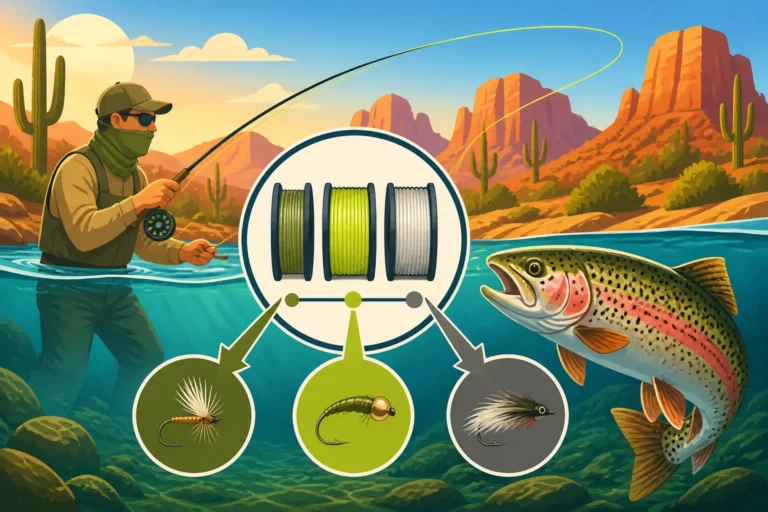
- Line: Opt for a light monofilament or fluorocarbon line, typically 4-6 pound test. Monofilament is more forgiving with stretch, while fluorocarbon offers greater sensitivity and invisibility underwater. Some anglers prefer a very light braided line (8-10 pound test) for its superior sensitivity and casting distance, especially when paired with a fluorocarbon leader (4-6 pound test) for stealth.
- Hooks: Small, sharp hooks are essential. Size 6 or 8 Aberdeen hooks are great for live minnows, as they're thin-wired and less likely to harm the bait. For jigs, ensure your jig heads have appropriately sized hooks for the plastic bait you're using.
- Sinkers: A variety of small split shots or sliding egg sinkers (1/8 to 1/4 ounce) will cover most situations, whether you're fishing a bobber rig or a bottom rig.
Remember, a lighter line and smaller hooks will get you more bites from wary yellow bass. It’s a trade-off for potentially longer fights or careful handling, but it's usually worth it for the increased action. For a more general overview of what to pack, check out our Essential Tackle Box Setup for Arizona Beginners.
Essential Accessories for a Yellow Bass Expedition
Beyond your rod, reel, and basic tackle, a few accessories will make your yellow bass fishing trip much more productive and comfortable.
- Pliers/Forceps: Yellow bass, like other temperate bass, have small, sometimes sharp, teeth. Pliers or forceps are crucial for safe hook removal, especially if you're practicing catch and release.
- Net: A small, fine-mesh landing net can be very helpful, especially if you're catching multiple fish rapidly or want to avoid stressing them during landing.
- Cooler: If you plan on keeping some yellow bass for the table (they are excellent eating!), a cooler with ice is a must, especially in Arizona's heat.
- Sun Protection: Always, always wear sun protection in Arizona. A good wide-brimmed hat, polarized sunglasses (to spot subtle surface activity), and high-SPF sunscreen are non-negotiable.
- Fishing Vest or Small Backpack: To keep your small jigs, hooks, and tools organized and easily accessible. Many anglers prefer a lightweight fishing vest or a small backpack for shore fishing, allowing them to move easily along the bank.
With these essentials, you'll be well-equipped for a fantastic day of yellow bass fishing, even if they aren't as famous as the other fish swimming in Arizona's beautiful waters.
Tips for a Successful Yellow Bass Trip in Arizona
Catching yellow bass isn't just about having the right gear; it's about combining that with the right mindset, a bit of persistence, and knowing how to adapt to conditions. Here are some final tips to help ensure your yellow bass expedition is a success.
Reading the Water and Conditions
Yellow bass, like all fish, are heavily influenced by environmental factors. Pay attention to:
- Water Temperature: As mentioned, spring spawning is triggered by rising temperatures. Knowing the current water temperature can help you predict their behavior. You can often find this information from local marinas or by using a personal thermometer.
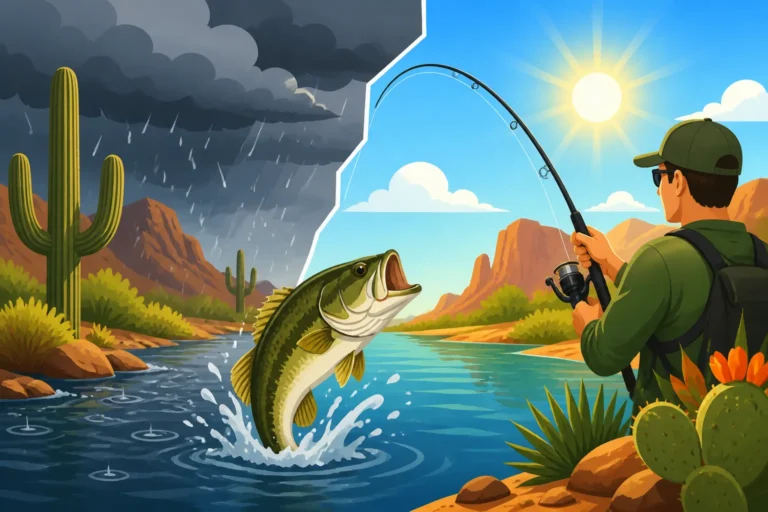
- Water Clarity: In clearer water, you might need to use lighter line and more natural bait presentations. In murkier water (perhaps after a monsoon rain), brighter colors (like chartreuse or orange) and more vibrations (like inline spinners) can be more effective.
- Wind and Current: Wind can create current, which can position baitfish and, consequently, yellow bass. Fish the windy side of points or structures where bait might be pushed. If fishing in a river, understand how current affects your presentation.
- Baitfish Presence: If you see shad flipping on the surface or marking bait balls on your fish finder, you're in the right zone. Yellow bass will be nearby, actively hunting.
Adapting your tactics based on these factors will put you one step ahead. Sometimes, even the slightest change in retrieve speed or lure color can make all the difference.
Handling and Conservation Practices
While yellow bass aren't usually subject to strict length or slot limits in Arizona due to their less prominent status, it's always good practice to understand responsible handling and conservation.
- Catch and Release: If you're not planning to eat them, handle yellow bass gently. Use a net to land them, remove hooks quickly with pliers, and release them back into the water promptly. Avoid holding them by the jaw in a vertical position if they are large, as this can damage their internal organs.
- Keeping Fish: If you're keeping yellow bass for dinner, keep them on ice immediately after catching. This ensures the best possible table fare. Check the current Arizona Fishing Regulations Explained before you go, just in case there are specific rules for yellow bass in your chosen body of water. They are known for being delicious, with firm, flaky white meat.
The Thrill of the Fight and the Feast
Don't let their smaller size fool you; yellow bass are scrappy fighters, especially on appropriate light tackle. They hit hard and pull surprisingly strong, offering fantastic action, particularly when you get into a school. There's a real satisfaction in targeting a less-common species and successfully figuring out their patterns.
And once you've caught a few, you'll discover why they're so prized by those in the know for their culinary value. Fried, baked, or grilled, yellow bass offer a delicious reward for your efforts. So, next time you're planning an Arizona fishing trip, consider the humble but feisty yellow bass. It's a unique challenge that promises both excitement on the line and a tasty meal on the plate.
Disclaimer
Fishing conditions and regulations in Arizona can change. Always consult the latest Arizona Game and Fish Department regulations booklet or website before heading out to fish. This guide is for informational purposes only and should not replace official rules and guidelines.