Colorado River Fishing Guide in Arizona
Oh, the Colorado River! Just hearing those words brings a mix of excitement and maybe a tiny bit of overwhelm for many anglers. It's truly a magnificent waterway, but its sheer size and diverse ecosystems can make figuring out where to start, what to catch, and how to fish feel like a monumental task. This comprehensive guide is here to cut through that confusion, giving you all the insider knowledge you need to confidently tackle Arizona's stretch of the iconic Colorado River and have an unforgettable fishing adventure.
Understanding the Mighty Colorado River in Arizona
The Colorado River isn't just a river; it's a lifeline, a geological marvel, and a fishing destination unlike any other in Arizona. From the soaring red cliffs of the Grand Canyon to the vast desert reservoirs and the serene lower river, it presents an incredible variety of angling experiences. But with such diversity comes unique challenges that every angler needs to understand before they even think about wetting a line.
Geographical Stretch and Diversity
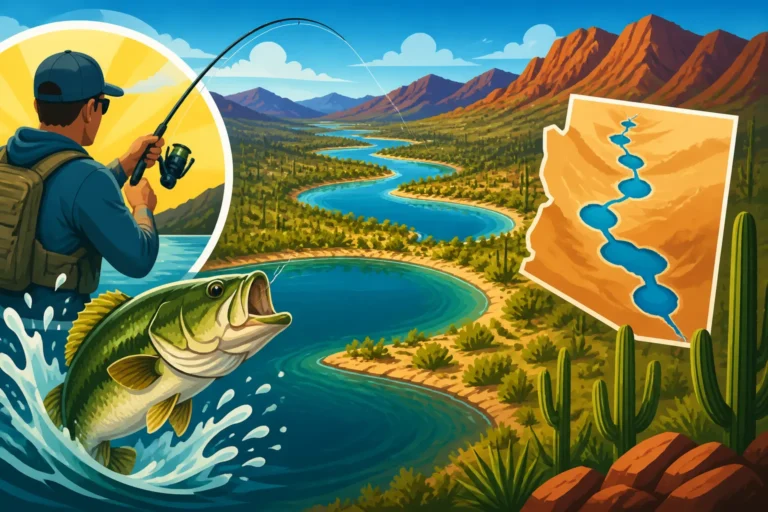
When we talk about the Colorado River in Arizona, we're covering a massive amount of water, each section offering its own distinct personality. Up north, you have the tailwaters below Glen Canyon Dam, creating the cold, crystal-clear conditions of Lees Ferry, a world-renowned trout fishery. As the river flows south, it broadens into immense desert lakes like Lake Mead, Lake Mohave, and the ever-popular Lake Havasu. These reservoirs, created by a series of impressive dams, transform the river into vast, warm-water fisheries teeming with bass and stripers.
Further downstream, below Parker Dam, the river narrows again, flowing through agricultural areas and natural preserves towards the Gulf of California. This lower river section, particularly around Yuma, offers a different kind of fishing, often targeting catfish and various panfish, with quieter, more intimate backwater opportunities. Each bend and stretch of the river tells a different story and holds different species, making it crucial to understand which part you plan to explore. It's not just "fishing the Colorado River"; it's about fishing a specific, unique segment of it.
Unique Fishing Challenges of a Major River
Fishing the Colorado River, especially its Arizona portions, comes with its own set of hurdles that seasoned anglers learn to navigate. First off, the sheer scale can be daunting. You're often dealing with vast expanses of water, strong currents, and deep channels, which can make locating fish a real puzzle. Unlike smaller, more intimate lakes, covering water effectively often requires a boat, and knowing how to read a river's currents and structure becomes paramount.
Then there's the variable water conditions. Water levels can fluctuate due to dam releases, impacting access and fish behavior. Clarity can range from gin-clear in the tailwaters to murky after heavy rains or significant runoff. And, of course, the Arizona climate itself presents challenges, particularly the intense summer heat, which dictates optimal fishing times and safety precautions. Understanding these environmental factors is key to adapting your approach and increasing your chances of success, ensuring your trip isn't just a scenic boat ride, but a productive one.
Key Fish Species You'll Encounter
One of the most exciting aspects of fishing the Colorado River in Arizona is the incredible variety of fish you can target. Depending on where you drop your line, you could be battling a trophy trout, wrestling a hard-fighting striper, or reeling in a massive flathead catfish. Knowing what's biting where, and what they like to eat, is half the battle won.
Largemouth and Smallmouth Bass Hotspots
Bass fishing on the Arizona side of the Colorado River system is nothing short of legendary. Largemouth bass thrive in the warmer, nutrient-rich waters of the major reservoirs. Lakes like Lake Havasu, Roosevelt Lake Arizona Fishing Guide, and Lake Pleasant Arizona Fishing Guide are famous for their healthy populations of big bucketmouths, often found hiding around submerged structure, rocky points, and weed beds. These fish are aggressive feeders and provide thrilling topwater action, especially during dawn and dusk.
Smallmouth bass, on the other hand, prefer clearer, rockier environments and cooler water. While not as prevalent as largemouth in every section, Lake Mohave and the clear tributaries of Lake Powell are prime real estate for these bronze bombers. They love rocky banks, current breaks, and drop-offs, often hitting crankbaits, jigs, and drop shot rigs with incredible force. Learning the nuances of Largemouth vs Smallmouth Bass Identification can help you tailor your approach to the specific species you're encountering.
The Thrill of Striped Bass Fishing
For many, the Colorado River is synonymous with striped bass, and for good reason! These hard-fighting, schooling predators are abundant in Lake Powell Arizona Fishing Guide, Lake Mead, Lake Mohave, and Lake Havasu. Stripers are known for their voracious appetites and their tendency to "boil" on the surface, pushing schools of shad to the surface in a feeding frenzy that can be utterly spectacular to witness. When a boil erupts, it's a frantic race to cast your lure into the chaos for almost guaranteed hook-ups.
They can grow quite large in these waters, with trophy-sized fish regularly caught. Anglers often target them by trolling deep with swimbaits or spoons, or by casting lures into visible boils. Live bait, particularly shad or anchovies, is also incredibly effective, especially when fishing deeper structure. Knowing How to Fish for Striped Bass can significantly increase your chances of landing these powerful game fish, providing an adrenaline rush unlike any other.
Trophy Catfish: Channel and Flathead
If you're looking for a serious battle, the Colorado River's catfish population is ready to deliver. Both channel catfish and flathead catfish grow to impressive sizes throughout the river system, particularly in the lower, warmer sections and larger reservoirs. Channel catfish are widely distributed and can be caught almost anywhere, from calm coves to flowing river channels. They're opportunistic feeders and respond well to stink baits, cut baits, and even worms.
Flathead catfish, however, are a different beast entirely. These powerful predators prefer live bait and can reach truly gargantuan sizes, often exceeding 50 pounds, particularly in the deeper, warmer stretches of the lower Colorado around Yuma and in lakes like Alamo Lake Arizona Fishing Guide. Night fishing is a particularly popular and effective method for targeting these giants, using sturdy gear and fresh live bait like bluegill or carp. For those interested in the fight of their lives, mastering Catfish Night Fishing Techniques is a must.
Trout Opportunities: Lees Ferry and Other Coldwater Sections
While Arizona is primarily known for its warm-water fishing, the Colorado River offers some truly world-class trout fishing, particularly in the cold, clear tailwaters below Glen Canyon Dam, famously known as Lees Ferry. This 16-mile stretch is a designated blue-ribbon fishery, home to incredible numbers of healthy, hard-fighting rainbow trout. Fly fishing is the predominant method here, with anglers drifting nymphs, emergers, and streamers, often sight-fishing in the unbelievably clear water.
Beyond Lees Ferry, other cold-water sections and high-elevation tributaries of the Colorado River system, though less prominent, can also hold trout. However, Lees Ferry remains the undisputed king of trout fishing on the Arizona Colorado. For dedicated trout enthusiasts, it’s a bucket-list destination that truly delivers. Be sure to check for specific regulations and Trout Stamp Requirements in Arizona for these unique areas, as they can differ from general fishing rules.
Top Fishing Zones Along the Arizona Colorado River
The Colorado River is immense, and its character changes dramatically as it flows through Arizona. To maximize your fishing success, it’s essential to know which specific stretches offer the best opportunities for the species you’re targeting. Let's break down some of the most famous and productive fishing zones.
Lees Ferry: A Trout Angler's Paradise
Nestled just below Glen Canyon Dam, Lees Ferry is a truly special place, a deep gorge carved by the river, offering a unique cold-water fishery in the middle of a desert state. This stretch is universally celebrated as one of the best trout fishing spots in Arizona, drawing anglers from around the globe. The constant cold water released from the bottom of Lake Powell creates ideal conditions for rainbow trout to thrive, growing large and feisty.
Access at Lees Ferry is primarily by drift boat or wade fishing from specific points. The clarity of the water is astonishing, often allowing for sight fishing, where you can spot individual fish and present your fly or lure with precision. While fly fishing is king here, spin anglers can also find success with small lures like Mepps spinners or PowerBait. Beyond the fishing, the sheer beauty of the canyon walls makes any trip here a memorable experience, a true jewel in Arizona's angling crown.
Lake Havasu: Bass, Striper, and Redear Mecca
Moving south, Lake Havasu truly lives up to its reputation as a premier fishing destination on the Colorado River. Famous for the London Bridge, this sprawling reservoir is a warm-water haven, especially known for its exceptional bass fishing. Both largemouth and smallmouth bass thrive here, with largemouth often found around the abundant cattails, submerged brush, and rocky shorelines. Smallmouth prefer the deeper, rockier sections of the lake.
But Lake Havasu isn't just about bass. It's also a fantastic spot for striped bass, which frequently school up and chase baitfish, providing thrilling topwater action. Anglers also flock here for the incredible redear sunfish (often called "shellcrackers"), which grow to impressive sizes and are known for their powerful fight. The lake offers extensive amenities, including numerous boat ramps and fishing piers, making it accessible for all types of anglers. It's truly one of the Best Bass Fishing Lakes in Arizona.
Willow Beach and Lake Mohave: Stripers and Rainbows
Further south from Lake Mead, nestled between impressive canyon walls, lies Willow Beach, a unique section of the Colorado River that flows into Lake Mohave. This area is particularly renowned for its year-round striped bass fishing and also boasts a significant population of rainbow trout, which are stocked regularly. The deep, cool waters make it an ideal habitat for both species.
Willow Beach itself is a popular access point, offering a marina, boat rentals, and prime shore fishing spots. Anglers often troll for stripers in the main channel or fish from the banks with cut bait for both stripers and trout. Lake Mohave is also excellent for smallmouth bass, particularly around its rocky coves and ledges. The dramatic scenery, combined with the excellent fishing, makes Willow Beach and Lake Mohave a must-visit for anglers seeking a diverse and beautiful experience.
The Lower Colorado: Yuma and Beyond
As the Colorado River makes its final journey towards the Gulf of California, the sections around Yuma offer a different, often overlooked, fishing experience. Here, the river slows, widens, and becomes warmer, creating prime habitat for various species. While not as famous for bass as Havasu, the lower Colorado is a fantastic area for trophy channel catfish and flathead catfish.
Anglers targeting these bottom-dwelling giants often use strong conventional tackle and an array of baits, from cut anchovies to live bluegill. The numerous backwaters, canals, and slower-moving stretches also provide excellent opportunities for panfish like bluegill and carp. Access points are plentiful, with many smaller launch sites and shore fishing areas. This part of the river feels a bit more rugged and remote, perfect for those seeking a quieter, more relaxed fishing adventure away from the crowds.
Essential Gear and Tackle for Colorado River Anglers
Stepping up to the challenge of the Colorado River means more than just a good attitude; it means having the right tools for the job. Given the river's immense diversity, from cold trout streams to vast warm-water reservoirs, your gear choices will depend heavily on where and what you plan to fish. Getting your setup dialed in beforehand can make all the difference between a frustrating day and a fantastic one.
Rod and Reel Setups for Diverse Species
You're going to need a versatile arsenal to tackle the Colorado. For bass and medium-sized stripers in the lakes, a medium to medium-heavy spinning or baitcasting combo is ideal. A 7-foot rod with a fast action will give you the casting distance and power needed to work a variety of lures and handle aggressive fish. Pairing this with a reel spooled with 10-15 lb fluorocarbon or braided line will cover most situations. Many anglers choose from the Best Fishing Rods for Bass in Arizona for these types of waters.
When you're chasing those monster flathead catfish or giant stripers, it’s time to beef up your gear. A heavy-action rod, 7.5 to 9 feet long, paired with a robust baitcasting reel capable of holding 25-50 lb monofilament or braided line, is essential. This setup provides the backbone to horse in truly powerful fish. For trout fishing at Lees Ferry, a lighter touch is needed. A 9-foot, 5 or 6-weight fly rod is standard, coupled with a matching reel and floating line. For spin fishing trout, a light-action rod with 4-6 lb test line will work wonders.
Recommended Baits and Lures
Your bait and lure selection will also vary widely. For largemouth bass, you can’t go wrong with classic desert lake staples like plastic worms (Texas-rigged or Carolina-rigged), jigs, spinnerbaits, and crankbaits that dive to different depths. Topwater lures like poppers and walk-the-dog baits are also incredibly exciting during low-light conditions. Smallmouth bass will hit smaller crankbaits, tubes, grubs, and drop shot rigs presented near rocky structure.
When targeting striped bass, especially during boils, spoons, topwater plugs, and swimbaits are highly effective. For deeper water or when fish aren’t surfacing, trolling large crankbaits or umbrella rigs can entice strikes. Live bait such as shad, anchovies, or even frozen cut bait is also a proven producer for stripers, especially when fishing from shore or anchored. For catfish, the scent is key. Stink baits, chicken livers, and various cut baits are excellent for channel cats, while live bluegill or small carp are the preferred meal for trophy flatheads. Trout at Lees Ferry are often fooled by nymphs like zebra midges, pheasant tails, and prince nymphs, or by streamers. For spin anglers, small Panther Martin or Rooster Tail spinners, or even PowerBait, can be very effective.
Navigating the River: Boats, Kayaks, and Shore Access
The sheer size of the Colorado River often makes a boat a major advantage, if not a necessity, for accessing the best fishing spots. Bass boats, center consoles, and even pontoon boats are common sights on the larger reservoirs like Lake Havasu and Lake Mohave, allowing anglers to quickly cover vast areas and fish offshore structures. Always ensure you have all the required Boating Safety Gear Requirements in Arizona, including life jackets, especially for children.
For those who prefer a more intimate experience or want to explore narrower channels and coves, kayaks are an excellent option. Fishing kayaks provide stability, maneuverability, and stealth, making them perfect for stalking bass in shallow water or drifting specific sections for trout. However, the open water of the larger lakes can get windy and choppy, so always prioritize safety and check weather conditions. For those without a boat, fear not! Many sections of the Colorado River offer fantastic shore fishing opportunities, particularly at Lees Ferry, Willow Beach, and various community parks and access points around the larger lakes. Look for public access points, fishing piers, and designated bank fishing areas which are often well-maintained and provide good access to productive water.
Mastering Colorado River Fishing Techniques
Knowing the river and having the right gear is a solid start, but truly mastering Colorado River fishing means understanding the tactics that bring success. This isn't just about casting a line; it's about reading the water, understanding fish behavior, and adapting your approach to the ever-changing conditions.
Seasonal Strategies for Success
The Arizona seasons play a huge role in how fish behave on the Colorado River.
- Spring (March-May): This is prime time for bass fishing as they move into shallower waters for their spawn. Topwater lures, spinnerbaits, and jigs near spawning beds can be incredibly effective. Stripers also become more active, chasing baitfish in warmer coves. Trout fishing at Lees Ferry remains consistently excellent, with fish feeding heavily on emerging insects.
- Summer (June-August): The desert heat means early morning and late evening fishing are key. Bass often retreat to deeper, cooler water or seek shade under docks and trees. Look for them on main lake points, submerged humps, and brush piles. Stripers can be found deeper during the day but may surface for aggressive "boils" at dawn or dusk. Catfish become very active at night, making this a prime season for targeting them with powerful rigs.
- Fall (September-November): Many consider fall to be the best overall fishing season. Water temperatures begin to cool, and fish go on a feeding frenzy to bulk up for winter. Bass are highly active, often shallow, chasing bait. Stripers are particularly aggressive, and their boils become more frequent. Trout fishing at Lees Ferry remains strong, often with larger fish caught.
- Winter (December-February): While slower, winter can still be productive. Bass move to deeper structure, and a slow, methodical approach with jigs, drop shots, or deep-diving crankbaits is best. Stripers are often found in deep schools. Lees Ferry continues to offer excellent trout fishing, with anglers often focusing on smaller nymphs and midge patterns. Understanding Arizona Fishing Seasons Explained can give you a crucial edge.
Targeting Fish in Different Habitats: Currents, Structure, Deep Water
The Colorado River is a mosaic of different habitats, and successful anglers learn to "read the water" to pinpoint where fish are holding.
- Currents: In the river sections and tailwaters like Lees Ferry, fish often position themselves just out of the main current, in eddies or behind rocks, waiting for food to drift by. For trout, this means casting upstream and allowing your flies or lures to drift naturally with the current. For bass and stripers in moving water, look for current breaks near submerged logs, bridge pilings, or rocky points.
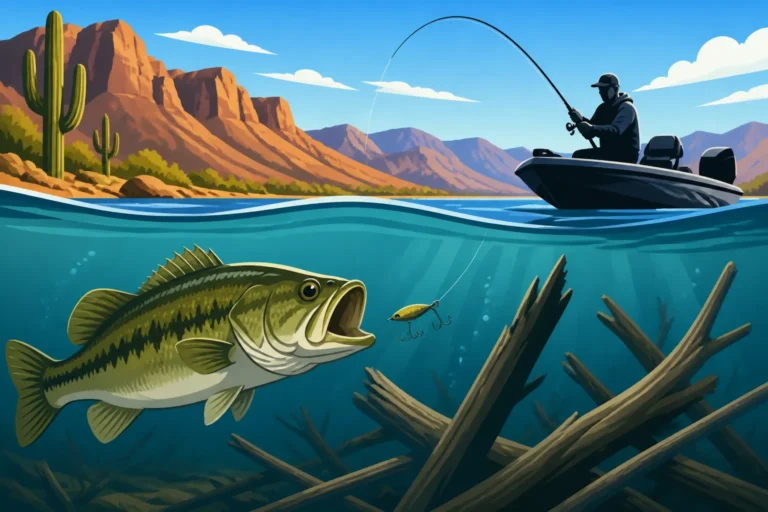
- Structure: Submerged brush piles, rock gardens, old foundations, and artificial fish habitats are magnets for bass, crappie, and even stripers. Use your fish finder to locate these hidden gems, then target them with jigs, soft plastics, or crankbaits. For crappie, vertically jigging small jigs or minnows around brush can be deadly.
- Deep Water: During warmer months or in winter, many species, especially stripers and larger bass, will move to deeper areas of the reservoirs. Learning How to Read a Fish Finder for Bass is critical here. Look for ledges, humps, and main lake points that drop into deeper water. Downrigging or using heavy jigging spoons can be effective for stripers, while deep-diving crankbaits or drop-shot rigs work for bass.
Night Fishing for Catfish and Stripers
When the Arizona sun dips below the horizon, a whole new world of fishing opens up on the Colorado River. Night fishing is incredibly popular and often the most productive time for targeting specific species, especially during the intense summer heat. Catfish, particularly the elusive flatheads, become far more active after dark, shedding their wary daytime behavior. Setting up with sturdy rods, glow sticks on your rod tips, and fresh cut bait or live bluegill can lead to some truly impressive catches.
Striped bass also become active after dark, especially around marinas, lighted docks, or areas with underwater lights that attract baitfish. They’ll often hunt in shallow areas, making them vulnerable to topwater lures or swimbaits cast into the darkness. Just remember to prioritize safety when fishing at night. Always have proper lighting, be aware of your surroundings, and ideally, fish with a buddy. It's an entirely different experience, often peaceful and incredibly rewarding, especially when you feel that tug on the line under the moonlight.
Navigating Regulations and Permits
Fishing the Colorado River in Arizona, especially with its border waters and diverse environments, can sometimes feel like a maze of rules. But understanding the regulations is non-negotiable for a responsible and legal fishing trip. Don't let confusion be the reason for an unexpected fine; let's clarify what you need to know.
Arizona and Border Water Licenses
The most fundamental requirement is, of course, a valid fishing license. An Arizona Fishing License Guide is a great resource, but for the Colorado River, things can get a little tricky due to shared borders. If you're fishing solely on the Arizona side of the river, you'll need an Arizona fishing license. However, if you plan to fish in shared waters like Lake Havasu, Lake Mohave, or sections of the Colorado River that form the border with California or Nevada, you might need more than just an Arizona license.
For instance, on Lake Havasu (bordering California) or Lake Mohave (bordering Nevada), both states have reciprocal agreements. This means an Arizona license with a valid Colorado River stamp (often included in the license purchase) generally allows you to fish the shared waters from either side. However, specific rules can apply, and it's crucial to confirm the most current regulations for the precise stretch of water you intend to fish. A good rule of thumb is to always carry both licenses if you plan to cross state lines or fish contentious border areas, or at least ensure your Arizona license covers the border waters. This is especially true for out-of-state anglers, who should consult an Arizona Nonresident Fishing License Guide.
Bag and Possession Limits
Understanding bag and possession limits is critical to staying compliant with Arizona Fishing Regulations Explained. These limits are in place to manage fish populations and ensure sustainable angling for future generations. For many popular species like largemouth and smallmouth bass, stripers, and catfish, there are statewide daily bag and possession limits. A "bag limit" refers to the number of fish you can keep in a single day, while a "possession limit" refers to the total number of fish you can have on hand, including those at home from previous trips.
However, certain areas, especially the trophy fisheries or sensitive ecological zones along the Colorado River, may have special regulations that supersede the statewide limits. This could include reduced bag limits, slot limits (where only fish within a specific size range can be kept), or even catch-and-release only rules for certain species or stretches of water. Always check the current Arizona Game and Fish Department (AZGFD) regulations booklet or website for the specific section of the Colorado River you're fishing. Ignorance of the rules is never an excuse.
Special Regulations and Protected Species
Beyond general bag and possession limits, the Colorado River is home to several special regulations and protected species that require extra vigilance. The river system, particularly the Grand Canyon and its tributaries, contains several native and endangered fish species, such as the Colorado pikeminnow, razorback sucker, and humpback chub. If you accidentally catch one of these protected species, it is absolutely imperative that you release it immediately and unharmed. Familiarize yourself with these species beforehand, so you can identify them quickly.
Certain areas may also have gear restrictions, such as limits on the number of rods you can use, or restrictions on specific types of bait (e.g., live bait restrictions in some sensitive areas to prevent the spread of invasive species). Tribal lands along the Colorado River, such as sections of the Fort Mojave Indian Reservation or Chemehuevi Indian Reservation, may also require separate tribal permits in addition to your state license. Always research the specific rules for the exact location you plan to fish to ensure you're compliant and doing your part to protect the river's unique ecosystems.
Planning Your Colorado River Fishing Trip
A successful fishing trip on the Colorado River, especially for a multi-day adventure, requires more than just a rod and reel. Thoughtful planning for logistics, safety, and support can turn a good trip into a truly legendary one.
Best Times to Visit
Deciding when to visit the Arizona Colorado River for fishing largely depends on what species you're targeting and how well you tolerate the heat.
- Spring (March-May): Generally considered one of the best times overall. The weather is pleasant, and many fish species, particularly bass, are highly active due to their spawning cycles. Stripers also start to move into shallower waters.
- Fall (September-November): Another prime season. The intense summer heat subsides, and fish go on a strong feeding bite in preparation for winter. This is fantastic for bass and stripers, and trout fishing at Lees Ferry remains excellent.
- Summer (June-August): While the fishing can be phenomenal, especially for stripers and catfish at night, the daytime temperatures can be brutal, often exceeding 100-110°F. If you go in summer, plan your fishing for early mornings, late evenings, and through the night, and be extra diligent about hydration and sun protection.
- Winter (December-February): Cooler temperatures mean slower fishing for some species, but it can still be productive, especially for deep-water bass and stripers. Lees Ferry trout fishing remains strong and is a popular cold-weather escape.
For most casual anglers looking for comfortable conditions and good action, spring and fall are often the safest bets.
Safety Considerations: Heat, Water, and Wildlife
The Arizona desert environment, while stunning, demands respect, especially when on the water.
- Heat: This is perhaps the biggest concern. Dehydration and heatstroke are real risks, particularly in summer. Drink far more water than you think you need, wear wide-brimmed hats, light-colored clothing, and high-SPF sunscreen. Seek shade whenever possible. A good cooler stocked with ice and plenty of fluids is essential.
- Water: Even experienced boaters can be caught off guard by strong winds that can quickly whip up dangerous chop on the large reservoirs. Always check weather forecasts before heading out. Understand the potential for strong currents in river sections and near dams. If you're wading, be mindful of slippery rocks and sudden drop-offs. Always wear a PFD (personal flotation device), especially if you're not a strong swimmer or in fast-moving water.
- Wildlife: While not a primary threat, be aware of rattlesnakes on shore, especially in rocky areas. Scorpions can also be present. Keep a safe distance from any wildlife you encounter. Respect nature and its inhabitants.
Finding a Reputable Fishing Guide
For those new to the Colorado River, or for experienced anglers looking to maximize their time and learn the nuances of a specific section, hiring a local fishing guide can be an invaluable investment. A professional guide brings years of experience, intimate knowledge of the current conditions, fish patterns, and access to the best spots. They'll also provide all the necessary gear and tackle, taking the guesswork out of your preparations.
Whether you're after a trophy striper on Lake Havasu, a massive flathead on the lower river, or a blue-ribbon trout at Lees Ferry, a specialized guide can dramatically increase your chances of success and provide a deeper understanding of the fishery. Services like FishingBooker can help you find reputable, licensed guides who specialize in the exact type of Colorado River fishing experience you're seeking. Many guides also operate under the required licenses and permits for both Arizona and border waters, simplifying that aspect of your trip planning. They often have insights into specific seasonal movements of fish, like the "Best Season for Striped Bass at Lake Powell" or "Trout Stocking Schedule for the Lower Salt River," which can save you a lot of time and effort.
Disclaimer
Please be aware that fishing regulations, license requirements, and local conditions on the Colorado River can change. Always consult the most current Arizona Game and Fish Department (AZGFD) regulations and local authorities before your trip. This guide is for informational purposes only and should not replace official sources.