Submerged Timber Spots at Roosevelt Lake
There’s nothing quite as frustrating as heading out to a vast lake like Roosevelt, knowing there are big fish in there, but just not being able to find them. You spend hours casting in open water, maybe catching a few smaller ones, but that trophy-sized bass or crappie seems to be playing hide-and-seek. The secret often lies beneath the surface, hidden in plain sight: submerged timber. This guide will walk you through exactly why these underwater forests are fishing goldmines at Roosevelt Lake and how you can tap into their potential.
Why Submerged Timber is a Game Changer at Roosevelt Lake
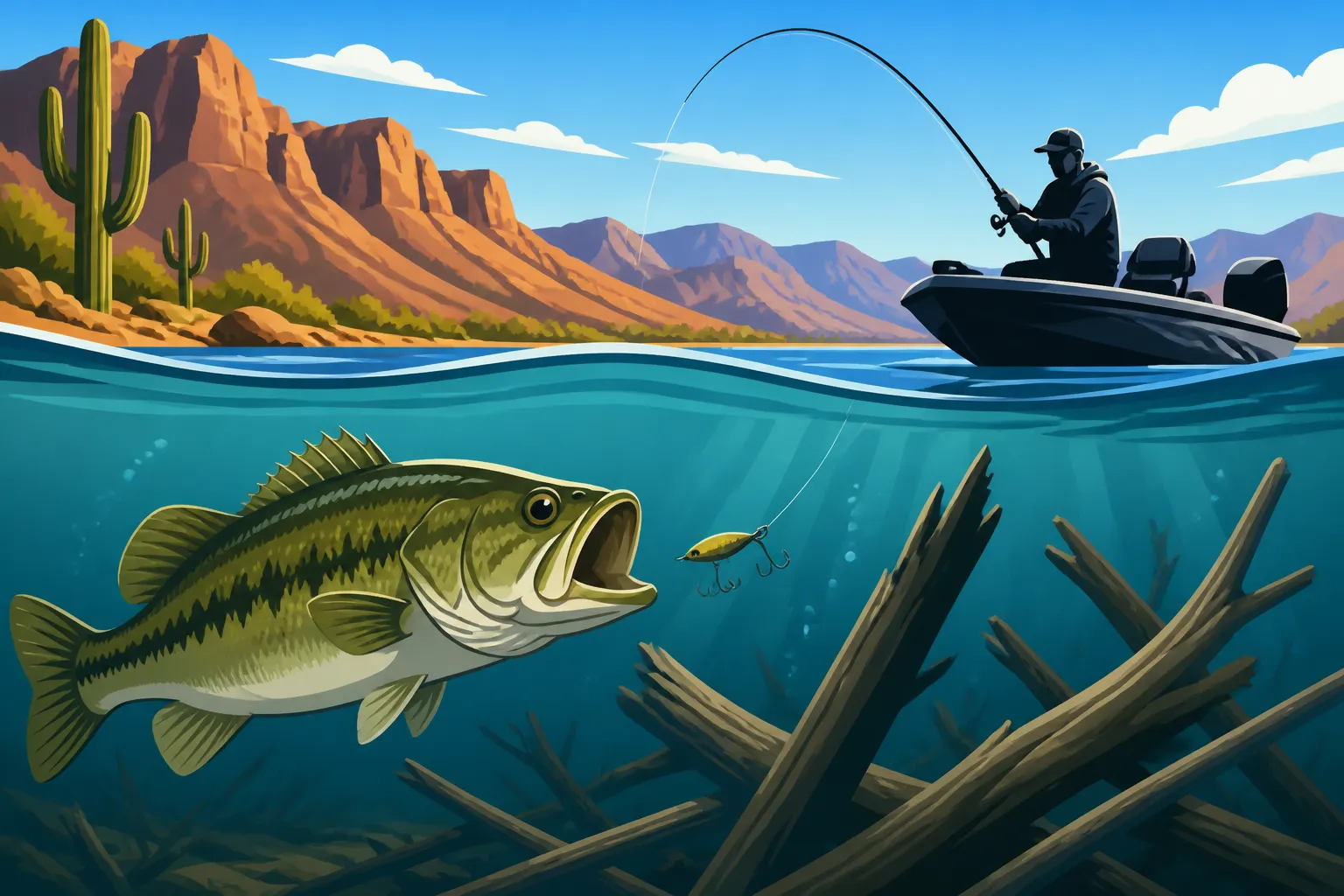
Roosevelt Lake, a true Arizona gem, is a massive reservoir with fluctuating water levels. Over the decades, vast stands of mesquite, palo verde, and other desert trees have been inundated, creating incredible underwater forests that act as natural magnets for fish. When the water is up, these trees become critical underwater structure, offering shelter, food, and ambush points that open-water areas simply can't compete with.
Habitat for Baitfish and Predators
Think of submerged timber as an underwater apartment complex, bustling with life. For smaller baitfish like shad and sunfish, the dense branches offer a sanctuary from predators. They can dart between limbs, finding protection and feeding on the algae and invertebrates that cling to the wood. Where the baitfish go, the predators follow. Largemouth bass, smallmouth bass, crappie, and even catfish instinctively know that these timber-rich areas are prime hunting grounds. They'll stage themselves within the branches, waiting for an unsuspecting meal to swim by. It’s a complete ecosystem playing out right beneath your boat or bank position.
The complex nature of these habitats means fish aren't just in one spot; they can be suspended in the branches, tucked tight against a trunk, or even hovering on the edge of the timberline. This provides diverse opportunities for anglers willing to explore. Understanding the Largemouth Bass Habitat in Arizona Lakes is key, and at Roosevelt, timber is a huge part of it.
Thermal Refuge and Oxygenation
Arizona summers are brutal, and the water in Roosevelt Lake can get incredibly warm, especially near the surface. Submerged timber, particularly in deeper sections, offers a crucial thermal refuge for fish. The deeper water around and within the timber stays cooler, providing a comfortable zone where fish can escape the intense heat. This is especially true for species like crappie and bass, which become less active in extreme temperatures.
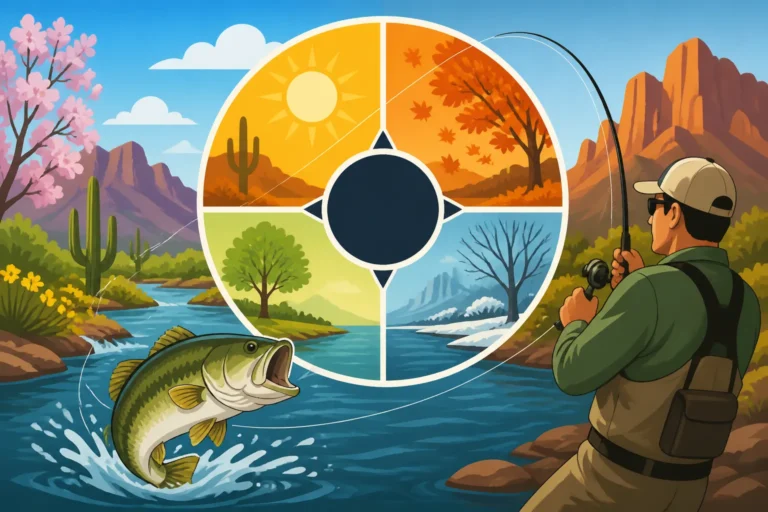
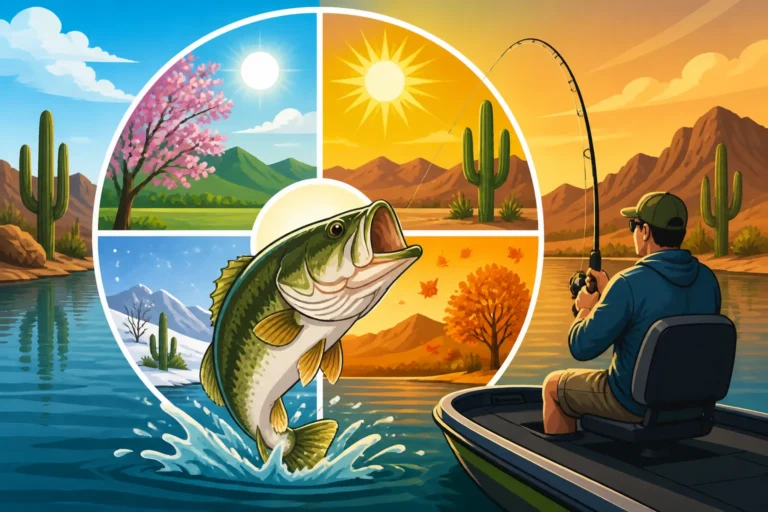
Furthermore, the decomposition of organic matter on and around the timber can contribute to oxygenation in certain layers, creating micro-environments that are more hospitable to fish. Conversely, in the winter, timber in shallower coves can warm up faster during sunny days, drawing fish seeking a bit more warmth. These subtle temperature shifts, even a few degrees, can dictate where fish decide to hold, making timber a year-round target, as detailed in our guide on Seasonal Movement Patterns of Bass at Roosevelt Lake.
Locating Submerged Timber Hotspots
Finding these underwater honey holes can feel like searching for a needle in a haystack on a lake the size of Roosevelt, but with the right tools and a keen eye, you can pinpoint prime timber.
Using Sonar and Mapping Technology
Modern electronics are your best friends when it comes to locating submerged timber. A good fish finder with down imaging and side imaging capabilities will literally paint a picture of the underwater landscape. As you motor slowly over an area, you'll see the distinct shapes of tree trunks, branches, and even individual limbs reaching up from the lakebed. Pay close attention to your mapping software too, as older topo maps often show creek channels and former shorelines where timber was once abundant on dry land. Many of the best timber stands follow these old contours.
Don't just look for isolated trees; actively search for vast fields of timber or significant clumps. Mark these spots on your GPS so you can return to them easily. Learning How to Read a Fish Finder for Structure is a skill that will pay dividends, especially when deciphering the complex patterns of timber. When using these electronics, adjust your sensitivity to pick up finer details, and don't be afraid to experiment with different display settings to get the clearest view of the submerged forest below. If you're planning a guided trip to explore these timber-rich areas, services like FishingBooker can connect you with local guides who are experts at navigating Roosevelt's hidden structures.
Visual Cues and Historical Knowledge
Before advanced electronics, anglers relied on their eyes and local knowledge, and these methods are still incredibly valuable. Keep an eye out for visible "stick-ups" – the tips of trees that break the surface, especially when the lake level is lower. These visible markers are a clear indication of much larger timber stands below. Often, you'll see whole "forests" of these stick-ups, giving you a perfect starting point.
Beyond visible cues, talking to local bait shop owners, experienced anglers, or even perusing old fishing reports can provide invaluable historical knowledge. Roosevelt Lake’s water levels have changed dramatically over the years, meaning some timber stands that were once productive may now be too deep, or new ones have become active. Understanding these cycles and where the water typically settles in relation to old growth areas is crucial. Some of the most productive timber spots are often found in the larger arms of the lake like the Tonto Creek Arm or the Salt River Arm, particularly where old river channels are present.
Best Techniques for Fishing Submerged Timber
Fishing timber successfully requires a combination of patience, the right gear, and a willingness to get snagged occasionally. It’s not for the faint of heart, but the rewards are often big fish.
Lure Selection for Timber Fishing
When fishing in submerged timber, you need lures that can either navigate through the branches with minimal snagging or are designed to be retrieved quickly after hitting cover. Here are some go-to options:
- Jigs: A classic for a reason. Football jigs or arkie jigs with weedguards are fantastic. Pair them with a bulky plastic trailer (like a craw or creature bait) to mimic a struggling baitfish or crawfish. The weedguard helps deflect branches, allowing the jig to slip through. Pitching and flipping jigs into tight pockets of timber is incredibly effective for triggering strikes from bass.
- Texas-Rigged Soft Plastics: Worms, creature baits, and senkos rigged Texas-style (hook point embedded in the plastic) are almost completely weedless. This allows you to literally crawl them over and through heavy cover without getting hung up. Experiment with different weights; a lighter weight will fall slower and may get fewer snags, while a heavier weight gets down to the fish faster.
- Bladed Jigs/Chatterbaits: These lures (like the Z-Man Chatterbait) combine the vibration of a spinnerbait with the weedless nature of a jig. They're excellent for covering water along the timber edges or through sparser timber. The blade helps deflect off wood, often triggering a reaction strike.
- Spinnerbaits: While they have exposed hooks, spinnerbaits with a good deflecting head design can be worked through moderate timber. The thumping blades attract attention, and when they hit a branch, they often "helicopter" over it, enticing strikes. Choose models with single or tandem Colorado blades for maximum thump and flash.
- Crankbaits (Wakebaits/Squarebills): Shallow-diving squarebill crankbaits are phenomenal for fishing timber in shallower water. They're designed to deflect off wood, often causing a sudden, erratic movement that drives bass crazy. For timber that's just below the surface, wakebaits that gurgle on top can be effective, especially during low light conditions.
Always keep extra lures and plenty of line on hand because snags are part of the game. If you're looking for Best Lures for Largemouth Bass in Arizona Lakes, many of these timber-specific choices will be high on the list.
Presentation and Retrieval Strategies
Fishing timber isn’t just about the lure; it’s about how you present and retrieve it. Often, fish holding in timber are doing so because they're hiding, so a quiet, stealthy approach is best.
- Pitching and Flipping: These short-range casting techniques are perfect for accurately placing your lure into tight holes and pockets within the timber. Use a heavy-action rod and strong line to quickly pull fish out of the cover before they can wrap you up.
- Contact is Key: Don't be afraid to hit the timber. Many of the lures mentioned (jigs, crankbaits, spinnerbaits) are designed to deflect off wood. That sudden deflection often mimics a struggling baitfish, triggering an aggressive strike. When your lure makes contact, pause for a split second, then continue your retrieve.
- Slow and Deliberate: While deflection can trigger strikes, often a slow, methodical retrieve is necessary. Work your jig or Texas-rigged plastic slowly over branches and let it fall into crevices. Many strikes happen on the fall or when the lure pauses.
- Strong Gear: Use heavier line (15-20lb fluorocarbon or braided line of 30-50lb) to resist abrasion from the wood and to have the power to horse a fish out of heavy cover. A stout rod, like the best rods for bass in Arizona, is non-negotiable here. You're not just fighting the fish; you're fighting the entire submerged tree!
Remember, Fishing Around Submerged Timber is about precision and power. The goal is to present your bait naturally while still having the ability to extract a hooked fish quickly.
Seasonal Considerations for Timber Fishing
Fish behavior around submerged timber changes throughout the year, mostly driven by water temperature and their biological cycles. Understanding these shifts can significantly increase your success.
Spring Spawning and Post-Spawn Activity
As Roosevelt Lake's waters begin to warm in spring, fish, especially bass and crappie, move into shallower areas to spawn. Submerged timber in coves and pockets becomes prime real estate. Bass will fan out nests near timber, using the branches for protection, while crappie will often suspend directly in the dense wood. This is a fantastic time for Crappie Spawning Season Tactics, as they'll be highly concentrated.
After spawning, fish often remain in or near the timber as they recover and begin to feed aggressively to regain energy. They might move slightly deeper, to the outer edges of the timber or deeper within the cover, but they rarely abandon these safe havens entirely. This is when a slow, methodical presentation of jigs or Texas-rigged plastics can be incredibly effective, targeting those still-recovering fish.
Summer Heat and Winter Cold
During the brutal Arizona summer, when surface temperatures soar, fish seek refuge in deeper, cooler water. This means focusing your efforts on timber stands in deeper channels, along old creek beds, or on bluff walls where trees extend down into the thermocline. Fish will suspend in or around this deep timber, seeking thermal comfort and ambushing prey. This is where Deep Water Structure Fishing Techniques become crucial. Drop-shot rigs, heavy jigs, or even slow-trolled crankbaits can entice strikes from these deep-holding fish.
In contrast, during the winter months, when the water is cold, fish often become less active and seek areas that can offer a slight warmth or consistent temperatures. Shallow timber in sun-exposed coves can warm up a few degrees more than open water, making it attractive. However, deep timber also remains important as a consistent, stable environment where fish can conserve energy. Sometimes, a subtle presentation with small jigs or slow-moving plastics can tempt lethargic fish that are holed up in the dense wood.
| Fish Species | Primary Attraction to Timber | Effective Lures/Baits | Best Time to Target in Timber |
|---|---|---|---|
| Largemouth Bass | Ambush points, cover, baitfish habitat | Jigs, Texas-rigged plastics, spinnerbaits, squarebill crankbaits | Year-round, especially pre-spawn & post-spawn |
| Smallmouth Bass | Rocky timber, deep structure, crayfish | Jigs, drop shots, tubes, small crankbaits | Spring & Fall; deep timber in summer |
| Crappie | Spawning grounds, dense cover, insect/shad ambush | Small jigs (tube, curly tail), minnows, Beetle Spins | Spring (spawning), Fall; deep timber in summer |
| Channel Catfish | Shelter, ambush, rotting wood/food source | Cut bait, stink baits, worms | Summer nights, year-round deeper sections |
Roosevelt Lake truly is one of the Best Fishing Lakes in Arizona, and its submerged timber is a huge part of its allure. Don't let the fear of snags deter you; instead, embrace the challenge, equip yourself with the right knowledge and gear, and you'll unlock some of the most productive fishing the lake has to offer. If you're looking for an advantage, consider booking a trip through FishingBooker to leverage the expertise of guides who know these timber spots like the back of their hand.
Essential Gear for Timber Fishing Success
To really tackle Roosevelt's submerged timber, you can't just show up with any old setup. You need gear that can withstand the abuse of fishing heavy cover and, more importantly, get those big fish out once they bite.
Rods and Reels for Heavy Cover
For fishing jigs, Texas rigs, and even spinnerbaits in timber, a heavy or medium-heavy action casting rod is almost a necessity. This kind of rod has the backbone to drive a hook through tough fish jaws and the power to winch a bass away from branches. A length of 7 to 7.5 feet is often ideal, providing good casting distance and leverage. Pair this with a baitcasting reel that has a strong drag system and a fast gear ratio (7.1:1 or higher). The fast retrieve helps you pick up slack quickly after a cast and keeps fish from burying themselves in the timber.
For crappie in dense timber, you might opt for a slightly lighter setup, but still with a good backbone. A medium-light spinning rod with a fast tip, paired with a small spinning reel, allows for precise jig placement. The key is to have enough power to pull crappie out of the brush quickly, as they can easily tangle your line. Our guide on Best Rods for Bass in Arizona can offer more specific recommendations that work exceptionally well in timber conditions.
Line and Terminal Tackle
When it comes to line, forget about light monofilament for most timber applications. Braided line is king for its strength, sensitivity, and lack of stretch, which makes it easier to feel bites and set hooks through heavy cover. Use 30-50 lb test braided line for bass. For crappie, a 10-20 lb braid is often sufficient. If you prefer fluorocarbon for its invisibility and abrasion resistance, opt for 15-20 lb test, but be prepared for more snags.
For terminal tackle, wide gap hooks (like EWG or straight shank hooks) are essential for Texas rigging to ensure good hooksets. Heavy-duty jig heads that can withstand repeated impacts with wood are also important. Always bring plenty of extra hooks, weights, and line, because losing tackle is simply part of the game when you’re fishing these productive, yet challenging, submerged forests.
Fishing from Different Platforms
Whether you're in a boat or on the shore, fishing submerged timber at Roosevelt Lake offers different opportunities and challenges.
Boat Fishing Advantages
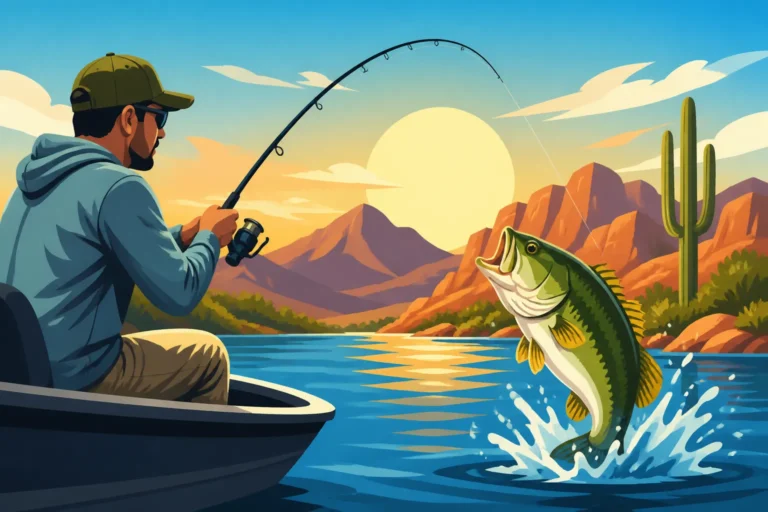
Having a boat, especially one equipped with modern electronics, gives you the ultimate advantage when targeting submerged timber. You can cover vast areas, locate specific timber stands, and approach them from the most advantageous angles. Bass boats offer speed and stability, while pontoons are great for family trips, and a fishing kayak allows for silent, stealthy approaches into tight coves. Our guide on Best Boats for Arizona Lakes offers more details on suitable vessels.
When boat fishing, use your trolling motor to position yourself quietly. Anchor downwind or upwind of the timber and cast into it, or slowly work your way through the timber, pitching your lures into every promising gap. Being able to move around allows you to find active fish and adjust your presentation. A good fish finder is invaluable here, helping you pinpoint the exact location of fish within the timber, as well as the densest parts of the cover.
Shore and Kayak Fishing Opportunities
Even without a big boat, you can still find great success fishing submerged timber at Roosevelt. Many areas, particularly when water levels are high, will have timber close enough to shore to cast to. Look for coves and pockets where trees grow right up to the bank, indicating potential submerged timber just a few feet out. Public access points and campgrounds around Roosevelt Lake can offer good shore fishing opportunities.
Kayak fishing is an excellent way to access timber that's out of reach from the bank but too dense for larger boats. Kayaks are stealthy, maneuverable, and can slip into tight spots. Just be sure to bring a good anchor system to hold your position in windy conditions and always prioritize safety, especially on a large lake like Roosevelt. FishingBooker also lists kayak fishing guides who specialize in these challenging but rewarding areas.
By understanding the unique appeal of submerged timber, knowing how to find it, and employing the right techniques and gear, you'll be well on your way to discovering some of the most exciting and productive fishing that Roosevelt Lake has to offer.
Disclaimer
Fishing involves inherent risks, and conditions on Roosevelt Lake can change rapidly. Always prioritize safety, wear appropriate personal flotation devices, and be aware of local regulations and weather conditions. The information provided in this guide is for informational purposes only, and anglers should always exercise their own judgment and discretion.