Deep Water Structure at Roosevelt Lake
Trying to find fish on a massive body of water like Arizona's Roosevelt Lake can feel like searching for a needle in a haystack, especially when the fish aren't holding shallow. The sheer size and depth can be intimidating, leaving many anglers frustrated and wondering where the fish disappear to. This guide is all about demystifying one of the most productive, yet often overlooked, areas to find fish on Roosevelt Lake: the deep water structure. We'll explore what it is, how to find it, and most importantly, how to fish it effectively to bring home a successful catch.
Understanding Deep Water Structure and Its Importance at Roosevelt Lake
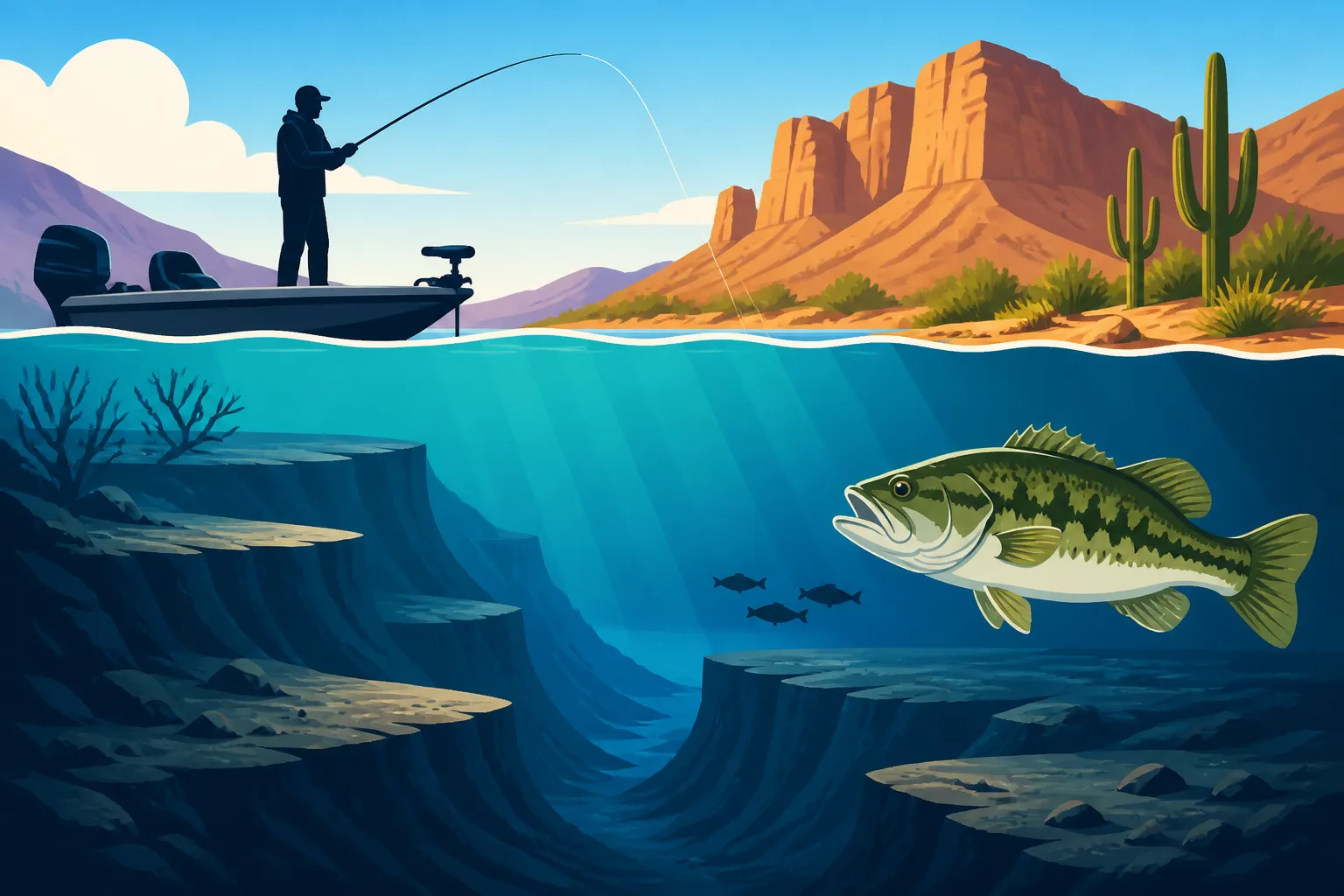
When we talk about "deep water structure" at Roosevelt Lake, we're not just talking about deep, open water. We're referring to any significant topographical feature that rises from the bottom, provides a sudden change in depth, or offers cover and ambush points in deeper sections of the lake. These are the underwater highways and neighborhoods where fish live, feed, and escape the harsh Arizona sun.
What Exactly Counts as Deep Water Structure?
Think of deep water structure as the underwater equivalent of hills, valleys, and forests on land. For Roosevelt Lake, this can include:
- Submerged Points: These are fingers of land that extend out from the shoreline and drop off sharply into deeper water. They can be rock, gravel, or even dirt, and often hold fish as they move between shallow and deep feeding grounds.
- Humps and Ridges: These are elevated areas on the lake bottom, essentially underwater hills, that don't reach the surface. They can be isolated or connect to other points and provide prime feeding stations.
- Old Creek and River Channels: Roosevelt Lake was formed by damming the Salt River and Tonto Creek. The old riverbeds and tributary channels still exist on the lake bottom, forming distinct "trenches" that fish use as travel corridors and holding areas, especially when moving up and down the water column.
- Standing Timber and Brush Piles: When the lake was filled, entire forests were submerged. These old trees, especially in deeper sections, become crucial habitat, offering shade, cover, and a substrate for baitfish, which in turn attracts predators.
- Ledges and Drop-offs: These are abrupt changes in depth, like underwater cliffs. Fish often position themselves along these breaks, ambushing prey that moves along the contours.
- Rock Piles and Boulders: Natural rock formations or even man-made rock piles can create excellent habitat, providing cover and attracting crayfish and other forage.
These features are magnets for fish, offering everything they need for survival and feeding. Neglecting them means missing out on some of the most consistent fishing action, especially during tougher conditions.
Why Fish Relate to Deep Water Structure
In a desert lake environment like Roosevelt, with its often clear waters and intense summer heat, deep water structure becomes even more critical for fish.
- Thermal Refuge: During the scorching Arizona summers, surface water temperatures can become unbearable for many game fish. Deep water structure provides access to cooler, more stable temperatures where fish can find comfort and conserve energy. This is a crucial aspect of
How to Fish Deep Structure in Summer Heat(). - Ambush Points: Ledges, timber, and channel edges create perfect ambush opportunities for predatory fish like bass and crappie. They can hide along the structure, waiting for unsuspecting baitfish to swim by.
- Concentration of Forage: Baitfish, such as threadfin shad, often school up around these structures, seeking cover or feeding on plankton. Where the baitfish are, the game fish will follow.
- Protection from Predators and Sunlight: Deeper water offers increased protection from aerial predators and also shields fish from direct sunlight, reducing stress and improving their comfort levels.
- Transition Zones: Deep structure often acts as a transition zone, allowing fish easy access between very shallow feeding areas and deep-water safety. This is particularly relevant during seasonal movements, as explained in
Seasonal Movement Patterns of Bass at Roosevelt Lake(). Fish might feed shallow during low light, then retreat to nearby deep structure as the sun rises.
Understanding why fish use these areas is the first step to figuring out how to catch them.
Identifying Deep Water Structure: Essential Tools and Techniques
You can't fish what you can't find, and deep water structure isn't visible to the naked eye. This is where modern technology and a bit of old-school map reading come into play. Investing in the right tools and learning how to use them will dramatically improve your success on Roosevelt Lake.
Mastering Your Marine Electronics
In today's fishing world, marine electronics are your best friend for uncovering hidden underwater treasures.
- Sonar (2D Sonar): This is your bread and butter. It uses sound waves to paint a picture of what's directly beneath your boat. On your sonar screen, you'll look for changes in the bottom contour, humps rising from the lakebed, and distinct "blips" or "arches" that indicate fish. Hard bottoms (rock, gravel) will show a thicker, more intense return, while soft bottoms (silt, mud) will appear thinner. Learning
How to Read a Fish Finder for Structure()is absolutely critical. - Down Imaging/DownScan: This technology provides a photo-like view directly below your boat, making it much easier to identify specific structures like standing timber, brush piles, or rock formations. Instead of abstract arches, you'll see more defined shapes. This is incredibly helpful for distinguishing a brush pile from a school of baitfish.
- Side Imaging/SideScan: This is a game-changer for covering vast areas and finding structure off to the sides of your boat. It sends out sound waves to both sides, allowing you to scan wide swaths of the lake bottom. You can spot submerged points, channel swings, and isolated humps or timber fields that you might have otherwise driven right over. When you find something interesting off to the side, you can then mark it with a GPS waypoint and drive over it for a more detailed look with your down imaging or 2D sonar. Brands like Lowrance, Garmin, and Humminbird offer excellent units with these capabilities, and their effectiveness can really boost your
Deep Water Structure Fishing Techniques()game.
Remember to take the time to learn your specific unit. Read the manual, watch tutorials, and spend time on the water experimenting with settings. A fish finder is only as good as the angler operating it.
Utilizing Topographic Maps and GPS
Before you even launch your boat, you can do significant homework using maps.
- Lake Maps with Contours: Detailed topographic maps or digital lake charts (often built into your fish finder's GPS) show depth contours. Look for areas where contour lines are tightly packed, indicating steep drop-offs or ledges. Conversely, widely spaced lines show a gradual slope. Focus on points that extend far out, humps indicated by closed contour lines, and the distinct outline of old river and creek channels.
- Old Riverbed Maps: Because Roosevelt Lake was formed by flooding a river valley, maps of the original Salt River and Tonto Creek beds are invaluable. These old channels are prime fish highways and often contain historical structures like old bridges or foundations that are now submerged. You can often find these maps through historical societies or specialized fishing forums.
- GPS Waypoints: Once you've identified a promising piece of structure on your map or located it with your electronics, mark it with a GPS waypoint. This allows you to return to the exact spot precisely, cast to it from different angles, and effectively dissect the area. Over time, you'll build a personal library of productive spots.
Combining pre-trip map study with real-time electronic scouting is the most effective way to locate those elusive deep water honey holes on Roosevelt.
Fishing Deep Water Structure Effectively at Roosevelt Lake
Finding the structure is only half the battle; the other half is presenting your bait in a way that entices a strike. Deep water fishing often requires specialized techniques, different baits, and a patient, methodical approach.
Techniques for Triggering Strikes in the Depths
Fishing deep water is often about precision and vertical presentations, though covering ground can also be key.
- Vertical Jigging: This is a fantastic technique for fish holding tight to structure or schooled up. Dropping a heavy spoon, blade bait, or a jig straight down to the fish you see on your sonar can be incredibly effective. The key is to keep the lure near the bottom or at the depth you're seeing fish. Lift and drop the rod tip to impart action, allowing the lure to flutter or fall tantalizingly. This is especially good for both bass and crappie relating to submerged timber or humps.
- Drop Shot Rig: When fish are finicky or suspended just off the bottom, a drop shot rig excels. This rig allows your bait (usually a soft plastic worm or creature bait) to suspend at a specific depth above a weight on the bottom. It presents the bait naturally and allows for subtle movements with minimal line action. It's deadly for smallmouth bass on rocky points and ledges, but largemouth and even crappie will often fall for it.
- Carolina Rig: This rig is excellent for covering a bit more ground while still presenting a soft plastic near the bottom. It consists of a heavy sliding sinker, a swivel, and a leader (often fluorocarbon) with your hook and bait. The weight drags along the bottom, kicking up sediment and attracting attention, while your bait floats enticingly just above the structure. This is a great choice for searching across submerged points or humps.
- Deep Crankbaits: For bass holding on ledges, channel edges, or the sides of humps, deep-diving crankbaits can be incredibly effective. Choose crankbaits that are designed to dive to the depth of the structure you're targeting. The goal is to "deflect" the lure off the structure, causing an erratic movement that often triggers a reaction strike. Experiment with different colors and retrieve speeds to find what the fish prefer. This is a primary technique for
Best Bass Fishing Techniques for Arizona Lakes(). - Football Jigs: Named for their shape, football jigs are designed to be dragged or hopped along rocky bottoms without snagging excessively. Tipped with a craw imitation or creature bait, they mimic bottom-dwelling forage and are excellent for probing rock piles, ledges, and hard-bottomed humps where big bass often lurk.
Bait and Lure Selection
When fishing deep water, the choice of bait often boils down to profile, weight, and vibration.
- Soft Plastics: Worms (straight tail, curly tail), creature baits, and craw imitations are staples. Darker colors like junebug, green pumpkin, and black/blue work well in deeper, dimmer conditions. For a more natural presentation, try natural shad or craw patterns.
- Jigs: Both football jigs and flipping/pitching jigs (often used vertically) are essential. Pair them with appropriate trailers to add bulk and action.
- Spoons and Blade Baits: These are fantastic for vertical jigging due to their flash, vibration, and quick fall rate. Silver, gold, or shad patterns are usually good starting points.
- Deep-Diving Crankbaits: As mentioned, choose lures that can reach your target depth. Popular brands like Strike King, Rapala, and Berkley offer a range of dive depths. Shad, crawfish, and bluegill patterns are typically effective.
- Live Bait: For catfish and sometimes larger bass or crappie, live bait can be king. Live minnows, shad, or even nightcrawlers fished on a Carolina rig or drop shot can be highly productive. Just be sure to check
Live Bait Rules for Arizona Lakes()before you head out.
Boat Positioning and Control
This cannot be stressed enough: precise boat positioning is paramount for successful deep water fishing.
- Trolling Motor Control: A good electric trolling motor with GPS Spot-Lock (like those from Minn Kota or Rhodan) is invaluable. It allows you to hold your boat in place directly over or alongside the structure, even in windy conditions, freeing you up to focus on fishing.
- Drifting with Control: If you don't have Spot-Lock, you can strategically drift over structure using a drift sock to slow your progress. Use your trolling motor to subtly steer and keep your boat on the prime fishing zone.
- Approaching the Structure: Try to approach the structure from different angles. Sometimes fish will only bite if the bait is presented from a specific direction, perhaps relating to current or their ambush point.
For those less experienced with boat control or finding these specific deep water locations, considering a guided trip through services like FishingBooker can be an excellent way to learn the ropes and immediately get on the fish. These guides spend countless hours on Roosevelt Lake and know its deep contours intimately.
Common Deep Water Structures and Target Species at Roosevelt Lake
Roosevelt Lake is renowned for its diverse fishery, and its deep water structures hold a variety of popular game fish. Knowing which species prefer which type of structure can help you refine your approach and increase your chances of success.
Standing Timber: A Crappie and Bass Haven
Roosevelt Lake is famous for its submerged forest. While much of it is in shallower coves, significant stands of timber exist in deeper water, particularly along old creek channels and riverbeds.
- What to Look For: On your fish finder, deep timber will show up as vertical lines or "trees" rising from the bottom. Often, you'll see schools of baitfish suspended around the timber, with larger arches (game fish) nearby.
- Target Species:
- Crappie: Absolutely love deep standing timber. They school up in large numbers, often suspended within the branches. During their
Crappie Spawning Season Tactics(), they may move shallower, but the rest of the year, deep timber is a key hangout. - Largemouth Bass: Big largemouth bass will often use the thick cover of deep timber as ambush points, especially during the warmer months when they seek shade and cooler water.
- Crappie: Absolutely love deep standing timber. They school up in large numbers, often suspended within the branches. During their
- Fishing Techniques: Vertical jigging with small spoons, soft plastic grubs, or jigs tipped with minnows are highly effective for crappie. For bass, pitching jigs, Texas-rigged worms, or drop-shot rigs into the openings of the timber can entice strikes.
Submerged Points and Humps: Bass Fishing Goldmines
These elevated areas are crucial feeding and staging grounds for bass, offering them quick access to varying depths.
- What to Look For: On your sonar, you'll see the bottom rise significantly from deeper water. Humps are often isolated, while points extend from a shoreline. Look for hard bottom returns (rock, gravel) and baitfish schools.
- Target Species:
- Largemouth Bass: Will cruise the tops and sides of humps and points, especially those with rock or gravel. They'll relate to any cover present, like a few scattered boulders or a brush pile on the point.
- Smallmouth Bass: If the point or hump is rocky, particularly in the lower end of the lake, smallmouth bass will be present. They love hard, rocky bottom structures and will often be found tighter to the cover.
- Catfish: Channel catfish and flathead catfish will also frequent these areas, especially if there's an abundance of baitfish.
- Fishing Techniques: Deep-diving crankbaits are excellent for working the sides of points and humps. Carolina rigs, football jigs, and heavy Texas-rigged worms are perfect for probing the tops and deeper breaks. Vertical jigging spoons can also be deadly when bass are schooled up on top. For
Best Lures for Largemouth Bass in Arizona Lakes(), many of these deep-water presentations are crucial.
Old Creek and River Channels: Underwater Highways
The remnants of the Salt River and Tonto Creek channels are like interstate highways for fish, providing travel lanes and holding areas across the lake.
- What to Look For: Your sonar will show a distinct "trench" or deeper cut across the lake bottom. The edges of these channels, where the bottom abruptly drops off into the deeper channel, are key.
- Target Species:
- Catfish: Both channel and flathead catfish are frequently found in these channels, often relating to the deeper parts, especially during the day.
- Largemouth Bass: Bass will use channel edges as travel routes and ambush points, particularly during seasonal migrations or when moving between spawning areas and deeper holding zones.
- Crappie: Similar to timber, crappie will suspend along channel edges, especially if there's some form of cover like brush or timber on the edge.
- Fishing Techniques: Carolina rigs and deep crankbaits are great for covering the channel edges. Bottom fishing with cut bait or live bait is excellent for catfish. Vertical jigging can also be effective if you pinpoint fish on your electronics.
Here's a quick reference table for deep water structure at Roosevelt Lake:
| Structure Type | Key Characteristics | Primary Fish Species Targeted | Recommended Techniques & Baits |
|---|---|---|---|
| Standing Timber | Vertical lines on sonar, old submerged trees | Crappie, Largemouth Bass | Vertical jigs, minnows, grubs, Texas rigs |
| Submerged Points & Humps | Bottom rises significantly from depth, hard bottom | Largemouth Bass, Smallmouth Bass, Catfish | Deep crankbaits, Carolina rigs, football jigs, spoons |
| Old Creek/River Channels | Distinct "trenches" with abrupt edges on sonar | Catfish, Largemouth Bass, Crappie | Carolina rigs, deep crankbaits, bottom rigs, live bait |
| Ledges & Drop-offs | Abrupt changes in depth, steep contour lines | Largemouth Bass, Smallmouth Bass, Striped Bass | Drop shot, football jigs, deep crankbaits, vertical spoons |
| Rock Piles & Boulders | Clumpy, hard returns on sonar, often isolated | Smallmouth Bass, Largemouth Bass, Panfish | Football jigs, drop shot, Ned rigs |
Exploring these deeper zones opens up a whole new world of fishing opportunities on Roosevelt Lake. Don't be afraid to leave the shoreline and explore with your electronics. If you're looking for an extensive overview of the lake, check out our Roosevelt Lake Arizona Fishing Guide(). For those planning a trip, finding a knowledgeable local guide via FishingBooker can provide an unparalleled advantage, offering insights into the lake's specific deep-water patterns and hotspots. They often have years of experience navigating the lake's unique challenges, making your fishing adventure more successful. Whether you're targeting Largemouth Bass Fishing Guide for Arizona() or Crappie Fishing Guide for Arizona(), understanding and utilizing deep water structure is paramount.
Disclaimer
Fishing involves inherent risks. Always prioritize safety, wear appropriate personal flotation devices, and be aware of weather conditions and local regulations. The information provided in this guide is for informational purposes only and should not be considered professional advice. Always consult official Arizona Game and Fish Department resources for the most up-to-date rules and regulations, including specific limits and restrictions for Roosevelt Lake.