Drought Water Levels at Lake Powell
For many Arizona anglers, the dream of fishing Lake Powell conjures images of vast, shimmering blue waters teeming with trophy stripers and powerful bass. But the harsh reality of a prolonged drought in the Western United States has dramatically reshaped this iconic fishery. Understanding the current drought water levels at Lake Powell isn't just about curiosity; it's absolutely crucial for planning a successful, safe, and ethical fishing trip. This guide will walk you through what these lower levels mean for you, the fish, and how you can adapt your approach to continue enjoying one of Arizona's most unique fishing destinations.
The Reality of Lake Powell's Water Levels and What It Means
Lake Powell, a massive reservoir on the Colorado River, is an artificial lake created by the Glen Canyon Dam. Its existence and the health of its fishery are inextricably linked to the flow of the Colorado River and the snowfall in the Rocky Mountains. The past two decades have seen a significant and often disheartening decline in water levels, transforming its once-familiar landscape.
Historical Context and Current Status
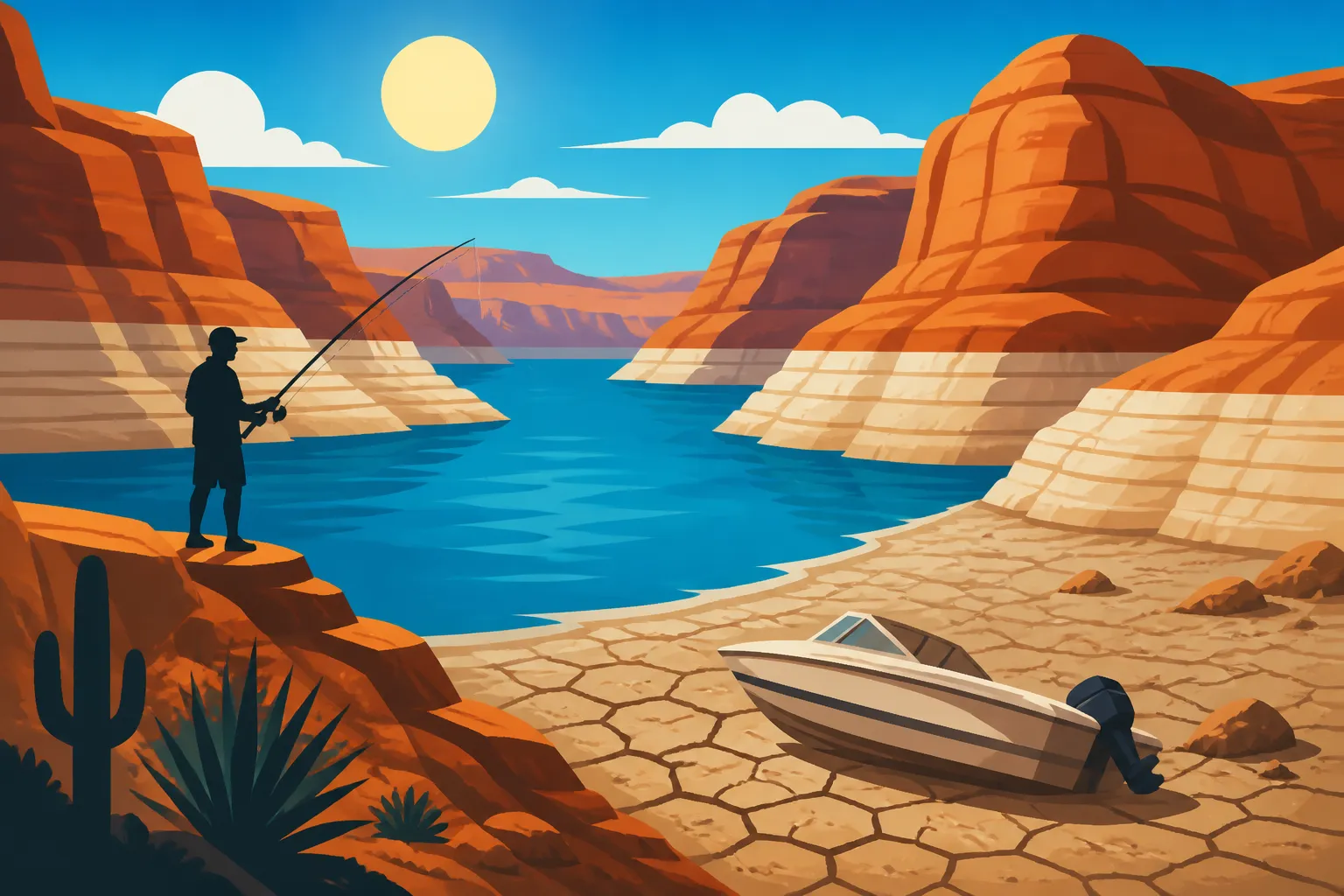
For years, Lake Powell has been battling the effects of a severe, long-term drought, arguably the worst in over a millennium for the region. What were once expansive arms and deep canyons, easily navigated by large houseboats, are now significantly shallower or completely dry, revealing ancient canyon walls and former riverbeds that haven't seen the sun in decades. The lake's peak capacity is around 24 million acre-feet, but recent years have seen it dip to historically low percentages of that capacity. While there have been some temporary recoveries due to heavier snowpacks in certain years, the overall trend has been one of significant decline. Anglers who haven't visited in a few years will be struck by how different the lake appears, with vast stretches of exposed rock and former islands now connected to the mainland. This persistent dryness impacts everything from hydropower generation to water supply for millions, and, of course, the vibrant ecosystem that supports Lake Powell fishing.
Understanding Lake Levels and Their Measurement
When discussing Lake Powell's water levels, you'll often hear references to "feet above sea level" or "full pool." The lake's full pool elevation is 3,700 feet above sea level. This is the level at which the reservoir holds its maximum capacity. Currently, the water level hovers significantly below this, fluctuating with snowmelt, rainfall, and downstream demand. The U.S. Bureau of Reclamation regularly publishes data on the lake's elevation, inflow, and outflow, which is the primary source for tracking its status. Anglers need to pay close attention to this number because even a few feet of difference can mean the opening or closing of a boat ramp, or the exposure of new hazards. For example, a drop from 3,550 feet to 3,540 feet might seem small, but it can uncover a whole new set of submerged rocks or make a shallow cove impassable. This constant state of flux means that conditions can change rapidly, often within a single season, requiring anglers to stay informed and adaptable.
The Long-Term Impact on the Ecosystem
The reduced water levels have had a profound and complex impact on Lake Powell's aquatic ecosystem. While some species might adapt, the overall health and productivity of the fishery are undoubtedly strained. Spawning grounds for popular species like smallmouth bass and striped bass can be exposed and dried out during critical breeding periods. This directly affects future fish populations. The reduction in water volume also means a higher concentration of fish in smaller areas, which can lead to increased competition for food and space. The availability of forage fish, like threadfin shad, is also impacted by changes in habitat and water quality. When the water is lower, the lake heats up more quickly and stays warmer for longer, stressing certain fish species and altering their metabolic rates. Understanding these environmental shifts is key to knowing where to find fish and how they might be behaving. It truly changes the entire rhythm of the lake, making the fishing experience a dynamic challenge.
Navigating the Challenges: Access, Hazards, and Fish Behavior
Fishing Lake Powell under drought conditions isn't just about finding fish; it's about safely accessing the water and understanding a drastically altered landscape. The familiar landmarks are gone, replaced by newly exposed geological features and potential dangers.
Changing Boat Launch Accessibility
One of the most immediate and frustrating impacts of low water levels is the closure or severe limitation of boat ramps. What was once a bustling, multi-lane launch might now be a muddy slope or completely landlocked. Main marinas like Wahweap, Antelope Point, and Bullfrog have invested heavily in extending their ramps, but these efforts are constantly battling the receding water line. For example, some extensions involve movable ramps that can be adjusted, but even these have limits. This means your usual launch point might be unusable, forcing you to find alternative, sometimes more remote, options. Always check the official National Park Service website or marina websites before you head out, as conditions can change daily. If you're planning a trip, looking up the most current Boat Ramp Locations at Lake Powell is an absolute must, and even then, calling ahead can save you a wasted journey. For larger boats, accessing the water can become a real logistical puzzle, sometimes requiring specialized launch equipment or lighter vessels.
Submerged Hazards and Navigational Risks
The exposed canyon walls are beautiful, but beneath the surface, newly revealed underwater hazards pose a significant risk to boaters. What was once deep water is now shallow, and rock formations, debris, and submerged structures that were previously harmlessly deep are now lurking just below the surface. Running aground or hitting a submerged obstacle can cause serious damage to your boat or propeller, not to mention putting occupants at risk. This necessitates extremely cautious navigation, especially in areas you might have once considered safe. Using up-to-date GPS maps with accurate bathymetric data is critical. However, even these maps may not fully reflect the dynamic changes of a receding lake. It’s imperative to travel slowly, keep a keen eye on the water, and consider staying in the main channels unless you are absolutely familiar with the specific area's current conditions. Many experienced anglers now rely on detailed satellite imagery combined with their fish finders to navigate safely.
How Fish React to Receding Waters
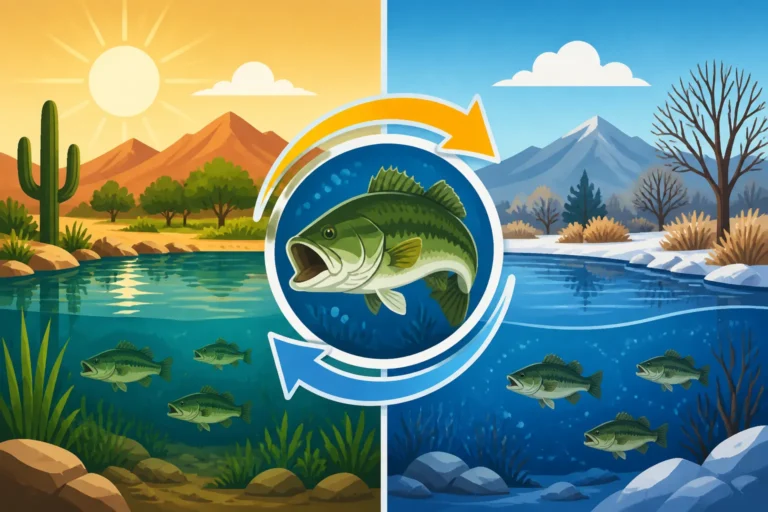
Fish are creatures of habit and structure, and low water levels completely disrupt their normal patterns. Spawning flats that were once ideal for smallmouth bass might now be dry land, forcing them to seek new, often less productive, areas. Forage fish like shad can become disoriented or concentrated, impacting the feeding patterns of predators like striped bass. As water recedes, fish often seek out remaining deep water, shaded areas, or any consistent submerged structure that offers protection and cooler temperatures. This might mean concentrating in the deeper sections of canyons, around remaining brush piles that are now much shallower, or near current breaks that provide ambush points. The fish are often more stressed, making them less willing to bite, or they might become extremely spooky in clearer, shallower water. Understanding these behavioral shifts is the first step in adapting your fishing approach. Learning about Seasonal Movement Patterns of Bass at Roosevelt Lake can give you insights into how fish react to environmental changes in similar desert reservoirs.
Smart Fishing Strategies for Low Water Conditions
Successfully fishing Lake Powell during low water periods requires a fundamental shift in strategy. You can't just go to your old favorite spots and expect the same results. It's about thinking like a fish in a changing world.
Targeting Fish in New Environments
With traditional habitats altered, fish are forced to adapt, and so must anglers. Focus your efforts on finding remaining deep water, shade, and access to food. This often means exploring the main channel and the deeper sections of the canyons. Look for areas where the remaining water provides abrupt depth changes, or where submerged ledges and rock piles still offer cover. These are the places where bass and stripers will congregate. Pay attention to temperature; during warmer months, fish will seek cooler, deeper water, or shaded walls within the canyons, especially early and late in the day. For smallmouth, rocky banks and canyon ledges that still plunge into deeper water are prime targets. Striped bass, always on the hunt for shad, might be found in open water chasing bait balls, but they will also relate to deep structure, especially when not actively feeding. Using resources like a Lake Powell Arizona Fishing Guide can provide up-to-date insights on current hot spots and effective techniques.
Essential Lures and Techniques
Your tackle box might need a slight adjustment for these conditions. In often clearer, lower water, finesse techniques can become more effective.
- For Bass (Largemouth and Smallmouth): Drop-shot rigs with small plastics, Ned rigs, and shaky heads are excellent choices for probing deep structure and wary fish. In shallower, shaded areas, slow-rolled spinnerbaits or subtle jerkbaits can entice a bite. For smallmouth especially, look for those rocky transition zones. You can learn more about Best Lures for Smallmouth Bass at Lake Powell to fine-tune your selection.
- For Striped Bass: While boils (when stripers aggressively feed on the surface) can still happen, they might be less frequent or in different locations. Focus on vertical jigging with heavy spoons or swimbaits in deeper water, especially over structure or where you mark bait schools. Trolling deep-diving crankbaits can also be effective. Cut bait (like anchovies or shad) fished on the bottom in deeper channels remains a consistent producer. Understanding How to Fish for Striped Bass will give you a solid foundation.
- General Tips:
- Line Choice: Fluorocarbon line is a good choice for clearer water due to its low visibility.
- Presentation: Slower, more deliberate presentations are often best when fish are stressed or less active.
- Electronics: A good fish finder is invaluable for identifying submerged structure, depth changes, and bait schools.
Safety First: Preparing for Your Trip
Safety is paramount when fishing Lake Powell, especially with low water levels.
- Maps and Navigation: Invest in current, detailed navigational maps and a reliable GPS unit. Mark potential hazards and constantly monitor your position. Even experienced anglers recommend running slower than usual.
- Fuel and Supplies: Distances can be vast, and re-fueling options can be limited if certain marinas are closed or difficult to access. Carry extra fuel, plenty of water, and emergency supplies. The desert heat is no joke, even in the spring and fall.
- Tell Someone Your Plan: Always inform a reliable contact about your itinerary, including your launch point, intended fishing areas, and estimated return time. Cell service can be spotty in the canyons.
- Weather Awareness: Monitor weather forecasts closely. Sudden winds can whip up dangerous waves on large, open stretches of the lake, and monsoon storms, while brief, can be intense and dangerous.
- Consider a Guide: If you're new to the lake or haven't fished it in low water, hiring a local guide is an excellent investment. They know the current conditions, safe routes, and where the fish are hiding. Services like FishingBooker can help you find experienced Lake Powell fishing guides who are intimately familiar with the lake's ever-changing landscape and fish patterns. They can not only put you on fish but also ensure a safer trip. Before booking, you might want to review what to expect on Guided Fishing Trips on Lake Powell.
| Lake Powell Water Level (Feet above Sea Level) | Impact on Fishing & Boating | Recommendations for Anglers |
|---|---|---|
| 3,700 (Full Pool) | All ramps open, ample access, widespread habitat, fewer navigational hazards. | Fish traditional spots, explore various depths. |
| 3,600 – 3,699 | Minor ramp adjustments, excellent conditions, most areas accessible. | Continue usual strategies, monitor deeper cuts. |
| 3,550 – 3,599 | Some shallower ramps may require longer extensions; increased caution for newly exposed shallow areas. | Focus on main channels and deeper canyon arms. |
| Below 3,550 | Significant ramp closures, limited launch points (Wahweap, Antelope Point often remain open with extensions), numerous submerged hazards, vastly altered shorelines. | Extreme caution. Stick to well-traveled routes, use GPS, consider a guide. Focus on deep structure, shade, and current breaks. |
| Historic Lows (e.g., ~3,520) | Only a few specialized launch points, highly restricted access, very high navigational risk. | Guided trips highly recommended. Focus on extreme deep water or very specific structure. |
Planning Your Lake Powell Fishing Adventure
Despite the challenges, Lake Powell remains a world-class fishery, offering incredible opportunities for those willing to adapt. A bit of planning and knowledge will go a long way in ensuring a memorable experience.
Utilizing Real-Time Resources
Given the dynamic nature of Lake Powell's water levels, real-time information is your best friend. Bookmark the U.S. Bureau of Reclamation's website for the most accurate and up-to-date data on lake elevations and inflow/outflow rates. Additionally, the National Park Service website for Glen Canyon National Recreation Area provides crucial updates on boat ramp statuses, closures, and any special boating advisories. Joining online fishing forums or social media groups dedicated to Lake Powell fishing can also provide invaluable on-the-ground reports from fellow anglers. These communities often share photos and personal observations about current conditions, helping you visualize the changing landscape before you even arrive. Never rely solely on old maps or past experiences; the lake you fished last year might be drastically different this season. Checking the Arizona Fishing Regulations Explained and Arizona Fishing License Guide is always a good starting point for any trip, ensuring you're compliant with all rules and requirements before you even think about conditions.
Considering Guided Trips and Local Expertise
For many, particularly those visiting for the first time or after a long absence, a guided trip can be the best way to experience Lake Powell under current conditions. Local guides spend hundreds of days on the water each year. They possess an intimate knowledge of the lake's ever-changing topography, where the fish are holding in low water, and, crucially, how to navigate safely through the exposed hazards. They know which ramps are open, which areas are productive, and which lures and techniques are currently working best.
Think of it this way: instead of spending half your trip figuring out how to launch your boat or accidentally running aground, a guide can take you directly to the fish and ensure your safety. Services like FishingBooker offer a convenient way to search for and book reputable Lake Powell fishing guides. They provide details on the guide's experience, target species, and even reviews from past clients, giving you peace of mind. A seasoned guide will likely have smaller, more nimble boats better suited for navigating the lower water, and their expertise can turn a potentially frustrating trip into a highly successful one. They can also share valuable insights into the Best Time of Year to Fish Lake Powell or offer advice on species-specific techniques like How to Fish for Smallmouth Bass or How to Fish for Striped Bass in these unique conditions.
Disclaimer
The information provided in this guide is for general informational purposes only and is subject to change. Drought conditions, water levels, and regulations at Lake Powell can fluctuate rapidly. Always check the latest official sources from the U.S. Bureau of Reclamation, National Park Service, and Arizona Game and Fish Department before planning your trip. Fishing and boating inherently carry risks, and personal safety should always be your top priority.