Camping Options Near Apache Lake
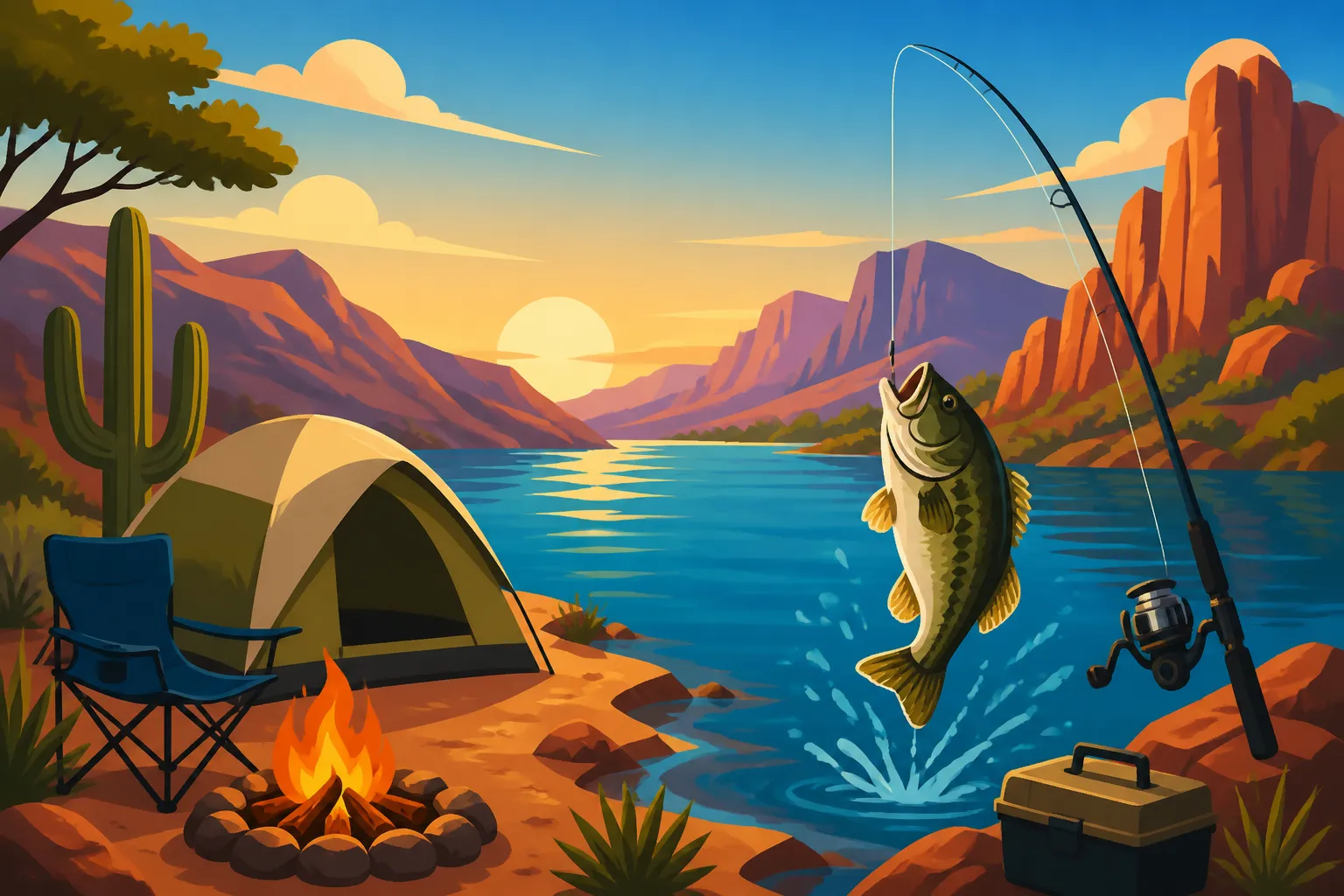
For many Arizona anglers, the thought of a peaceful fishing trip conjures images of serene waters, stunning desert landscapes, and the quiet crackle of a campfire under a star-filled sky. But finding that perfect camping spot near a prime fishing destination like Apache Lake can feel like searching for a needle in a haystack. This lake is known for its rugged beauty and excellent fishing, but its remote location and limited amenities can make planning a challenge. This guide will walk you through all your options, from developed campgrounds to secluded dispersed sites, ensuring your next Apache Lake adventure is both memorable and hassle-free.
Understanding Apache Lake's Unique Camping Landscape
Apache Lake, nestled within the vast Tonto National Forest, isn't your average easily accessible reservoir. It's a deep, canyon-bound lake formed by the Salt River, known for its dramatic cliffs, pristine water, and challenging yet rewarding fishing opportunities. This environment shapes the camping experience profoundly, leaning more towards the rustic and adventurous than luxury RV parks. The roads are often unpaved, winding, and can be quite rough, especially after heavy rains. If you're looking for a quick, paved drive-up spot, you might be surprised, but for those craving solitude and wild beauty, Apache Lake is a dream come true.
The Rugged Beauty and What to Expect
Imagine waking up to the sound of coyotes, the smell of pine and desert brush, and the first rays of sun painting the red rock cliffs in vibrant hues. That's the Apache Lake camping experience in a nutshell. While the views are unparalleled, don't expect extensive cell service or a general store around every corner. This is an opportunity to truly disconnect and immerse yourself in nature. Most campsites, even in developed areas, are relatively primitive compared to state parks closer to urban centers. You'll often find vault toilets and picnic tables, but electrical hookups, showers, and potable water are scarce. Preparing for self-sufficiency is key here.
Navigating Access Roads to Camping Areas
Getting to Apache Lake itself is an adventure. The most common route is via the Apache Trail (AZ-88), a scenic but largely unpaved road that winds through the Superstition Mountains. From Apache Junction, the paved portion ends after Canyon Lake, turning into a dirt and gravel road that continues past Tortilla Flat and then descends towards Apache Lake. This section of the road is narrow, twisty, and often washboarded. It's generally passable for most vehicles, but high-clearance vehicles are recommended, and RVs or trailers over 20 feet might find it particularly challenging. Always check current road conditions, especially during or after monsoon season, as flash floods can make sections impassable. The journey itself is part of the experience, offering breathtaking vistas, but it requires patience and a cautious driving approach.
Developed Campgrounds Near Apache Lake
For those who prefer a designated spot with some basic amenities, there are a couple of developed campgrounds managed by the Tonto National Forest that offer direct access to Apache Lake. These spots fill up quickly, especially during peak fishing seasons or holidays, so advanced planning and reservations are crucial. They offer a great balance between natural immersion and a touch of convenience, providing a base camp for your fishing excursions.
Burnt Corral Campground: Your Main Hub
Burnt Corral Campground is arguably the most well-known and accessible developed camping option directly on Apache Lake. It's located on the north side of the lake and offers stunning views, especially at sunrise and sunset. The campground features around 70 sites, some of which are right on the water, perfect for anglers who want to launch a small boat or kayak directly from their camp.
Each campsite typically includes a picnic table and a fire ring with a grill. You'll find vault toilets scattered throughout the campground, but remember to bring your own water as there are no potable water sources available. This means you'll need to pack in all your drinking and cooking water, or have a reliable filtration system for lake water (which should still be treated). Reservations are highly recommended and can be made through Recreation.gov. Weekends, particularly in spring and fall, see heavy usage, so book well in advance if you have specific dates in mind. The fees are usually moderate, providing good value for the lakeside access. This campground is a popular choice for families and groups, often serving as a launch point for those interested in exploring the lake for species like largemouth and smallmouth bass. For more detailed information on regulations that apply here, check out our guide on Arizona Fishing Regulations Explained.
Reavis Ranch Trailhead Camping: A Rustic Alternative
While not directly on the lake, the Reavis Ranch Trailhead offers a more primitive, rustic camping experience a bit further inland, but still within a reasonable drive of Apache Lake. This area is more geared towards hikers and equestrians, but it can serve as a quieter, less crowded alternative for campers willing to drive a bit further to the lake each day. The camping here is typically dispersed, meaning no designated sites, but there are established flat areas where campers frequently set up.
Expect absolutely no amenities here – no water, no toilets, just raw wilderness. This is true primitive camping, where self-sufficiency is paramount. Access involves navigating dirt roads, which can be even rougher than the main Apache Trail. If you're looking to combine serious hiking with your fishing trip, or if Burnt Corral is fully booked, this can be a viable option. Just be prepared to pack out everything you pack in, and observe strict Leave No Trace principles. It’s also crucial to understand the rules for this type of camping, which are distinct from developed campgrounds.
Dispersed Camping Opportunities Around Apache Lake
For the truly adventurous and self-reliant, dispersed camping offers the ultimate freedom and solitude around Apache Lake. This means camping outside of developed campgrounds, usually within the Tonto National Forest, where you can find your own secluded spot. The beauty of dispersed camping is the unparalleled peace and often, direct access to hidden coves or less-fished areas of the lake. However, this freedom comes with significant responsibilities.
Finding Your Own Slice of Solitude
The Tonto National Forest surrounds Apache Lake, offering numerous opportunities for dispersed camping. You can often find pull-offs along the unpaved sections of the Apache Trail or on smaller forest service roads branching off it. Look for flat, clear areas that show signs of previous use – these are often the best spots, indicating they're suitable and legal for camping. Many anglers prefer this option as it allows them to be closer to specific fishing spots or to launch a small kayak or inflatable boat without the crowds of a campground.
When searching for a spot, keep an eye out for areas that are already cleared and hardened. Creating new campfire rings or trampling vegetation is against Leave No Trace principles. Always ensure you are on public land and not on private property or tribal lands, which might require separate permits (like for fishing on the San Carlos Apache Reservation, for instance). While the immediate shoreline of Apache Lake is often steep and rocky, there are pockets where you can find flatter ground suitable for a tent or a small RV. Remember, the deeper you go into the forest service roads, the more remote and rugged the conditions will be.
Essential Rules and Leave No Trace Principles
Dispersed camping in the Tonto National Forest comes with strict rules designed to protect the environment and ensure everyone can enjoy the wilderness. The most important is the "Leave No Trace" philosophy:
- Pack It In, Pack It Out: Everything you bring with you, including trash, food scraps, and even human waste (if not buried properly), must leave with you.
- Dispose of Waste Properly: Human waste should be buried in a cathole 6-8 inches deep and at least 200 feet from water sources, trails, and campsites. Toilet paper should be packed out.
- Minimize Campfire Impacts: Use existing fire rings when possible. Keep fires small and ensure they are completely extinguished before leaving. Check for fire restrictions, especially during dry seasons; Arizona often implements complete fire bans in forested areas.
- Respect Wildlife: Store food securely to prevent attracting animals. Never feed wildlife.
- Camp on Durable Surfaces: Set up tents and camps on established, hardened surfaces to avoid damaging vegetation.
- Respect Other Visitors: Keep noise to a minimum and maintain a respectful distance from other campers.
It's also vital to be aware of the 14-day stay limit within a 30-day period in the Tonto National Forest. Failing to adhere to these rules can result in fines or even closure of areas to dispersed camping. Always consult the Tonto National Forest website or local ranger stations for the most current regulations and fire restrictions before heading out.
| Camping Type | Location/Access | Amenities | Reservations | Cost | Suitability |
|---|---|---|---|---|---|
| Burnt Corral CG | North shore of Apache Lake, Apache Trail (AZ-88) | Vault toilets, picnic tables, fire rings, lake access | Required | Moderate | Families, RVs/trailers (under 20ft), boaters, general anglers |
| Reavis Ranch TH | Inland from lake, off rougher forest roads | None | Not applicable | Free | Hikers, equestrians, adventurous campers, solitude seekers |
| Dispersed Camping | Various spots in Tonto National Forest | None | Not applicable | Free (with permit for fire) | Self-reliant anglers, privacy seekers, small groups |
Planning Your Apache Lake Camping and Fishing Adventure
A trip to Apache Lake, whether camping in a developed site or roughing it in a dispersed area, requires thorough preparation. The remote nature of the area means you can't just run to the store for forgotten items. Thinking ahead will ensure a safer and more enjoyable experience, allowing you to focus on the incredible fishing and scenery.
Essential Gear and Supplies Checklist
Packing smart is crucial for Apache Lake. Beyond your standard camping gear, consider these desert-specific necessities:
- Water: At least one gallon per person per day for drinking, cooking, and basic hygiene. More if you plan to clean fish. Consider a portable water filter as a backup.
- Sun Protection: Arizona sun is intense! Wide-brimmed hats, sunglasses, high-SPF sunscreen, and sun-protective clothing are non-negotiable.
- Food Storage: Raccoons and other critters are common. Bear-proof containers or proper food hanging techniques are essential, even if bears are rare in this specific area.
- First-Aid Kit: A comprehensive kit, including snake bite specific treatment (though rarely needed, it's better to be prepared), blister treatment, and any personal medications.
- Navigation: While you might rely on GPS, always carry a physical map and compass, and know how to use them. Cell service is spotty at best.
- Vehicle Preparedness: A spare tire, tire repair kit, jumper cables, and basic tools are highly recommended for the unpaved roads.
- Campfire Supplies: If allowed, bring your own firewood. Collecting wood in the national forest is often prohibited or restricted. A portable grill can be a good alternative if fire restrictions are in place.
- Fishing Gear: Rods, reels, tackle box, and a valid Arizona Fishing License Guide. Be sure to check Arizona Fishing Season Dates and Limits for your target species.
For a deeper dive into what to pack for any Arizona desert fishing trip, consider our Essential Tackle Box Setup for Arizona Beginners guide or the Fishing Gear Checklist for Desert Lakes.
Safety Considerations in Remote Arizona
The remote beauty of Apache Lake also presents some unique safety challenges:
- Heat Exposure: Even outside of summer, daytime temperatures can be high. Stay hydrated, plan strenuous activities for cooler parts of the day, and recognize symptoms of heat exhaustion.
- Wildlife Encounters: While serious encounters are rare, be aware of rattlesnakes, scorpions, and other desert creatures. Watch where you step and place your hands. Keep a clean camp to deter animals.
- Water Safety: The lake is deep and cold in places, and water levels can fluctuate. Always wear a PFD when on the water. Be mindful of steep, slippery banks. Know the Boating Safety Gear Requirements in Arizona.
- Flash Floods: During monsoon season (typically July to September), heavy rains can cause flash floods in washes and canyons, making roads impassable and creating dangerous conditions near waterways. Check weather forecasts diligently.
- Communication: As mentioned, cell service is unreliable. Inform someone of your itinerary and expected return time. Consider a satellite messenger or personal locator beacon for emergencies.
Combining Camping with Apache Lake Fishing
Apache Lake is renowned for its fishing. Largemouth bass, smallmouth bass, crappie, and various catfish species thrive in its waters. The deep, clear waters and abundant structure provide excellent opportunities.
- Bass Fishing: Target rocky points, submerged timber, and deep ledges. Early mornings and late evenings are often most productive, especially for topwater action. Our Best Bass Fishing Techniques for Arizona Lakes guide has more tips.
- Crappie: Look for brush piles and standing timber, especially in coves. Small jigs and live minnows are often effective.
- Catfish: The lake holds impressive channel and flathead catfish, particularly in the warmer months. Night fishing with cut bait or stink baits can be very rewarding.
To make the most of your fishing, consider bringing a small boat, kayak, or paddleboard for better access to different areas of the lake. If you're new to the area or want to maximize your chances, booking a guided fishing trip can be a fantastic option. Services like FishingBooker connect you with experienced local guides who know Apache Lake intimately and can provide all the necessary gear, offering a stress-free way to explore the best fishing spots. They can put you on fish, teach you local techniques, and ensure you have a memorable day on the water, complementing your camping experience perfectly. Don't forget to review your Arizona Fishing License Guide to ensure you're compliant before you cast your line.
Disclaimer
The information provided in this guide is for general informational purposes only and does not constitute professional advice. Fishing regulations, camping rules, and road conditions in Arizona can change frequently. Always consult the official Arizona Game and Fish Department and Tonto National Forest websites for the most current and accurate information before planning your trip. Safety should always be your top priority when venturing into remote wilderness areas.