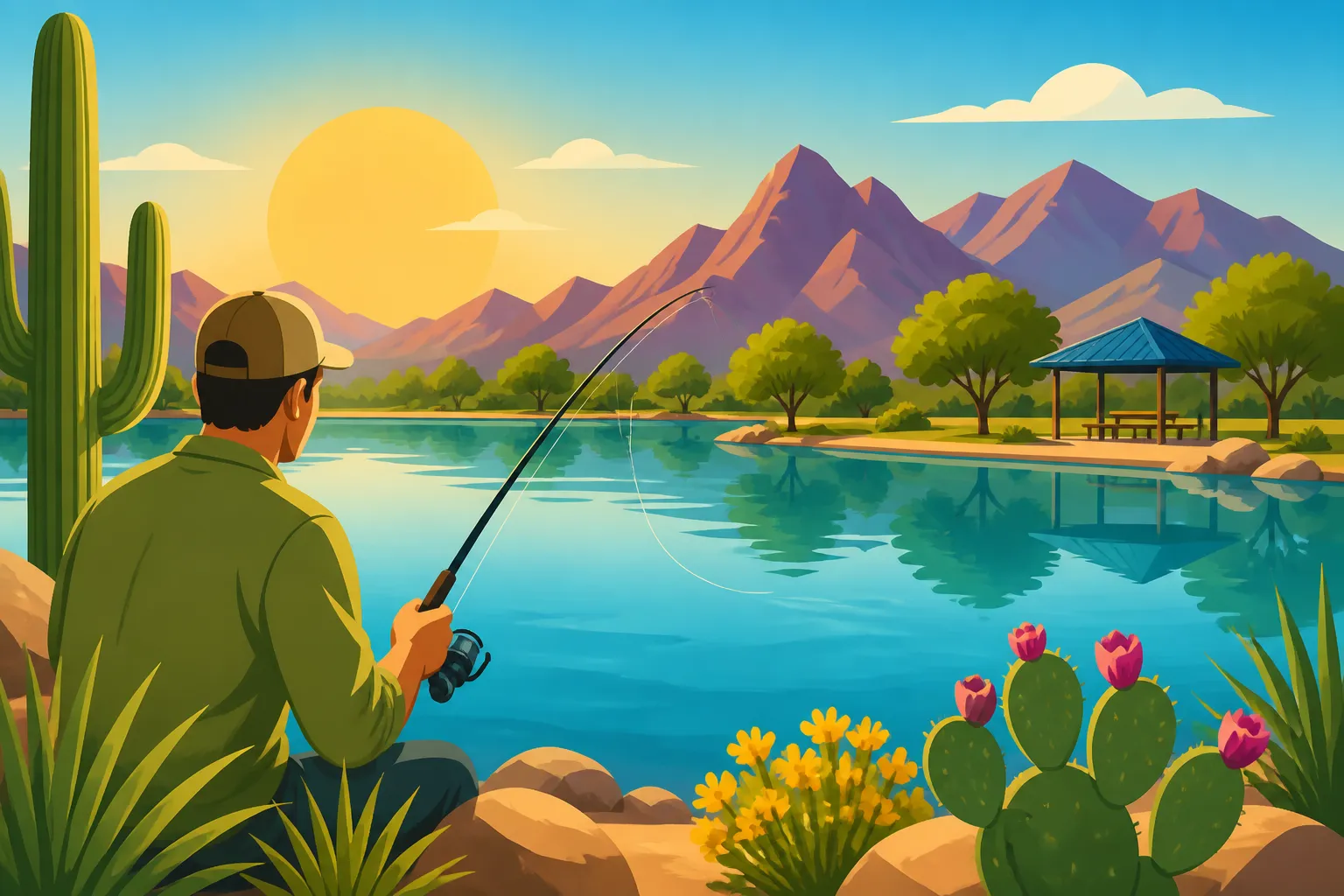
Community Park Lakes in Tucson
Trying to find a relaxing spot to cast a line in Tucson, especially when you don't want to drive for hours, can feel like a real challenge. The desert often conjures images of endless sand and cacti, not teeming fishing holes, leaving many local anglers frustrated by the perceived lack of close-to-home options. But I'm here to tell you that Tucson offers some fantastic, accessible fishing right within its city limits, thanks to the Arizona Game and Fish Department's Community Fishing Program. This comprehensive guide will walk you through the best community park lakes in Tucson, detailing what you need to know—from licensing to techniques—to have a successful and enjoyable fishing adventure close to home.
Understanding Tucson's Community Fishing Program
For many residents, the idea of fishing in the heart of a desert city seems almost contradictory. Yet, Tucson is home to a thriving urban fishing scene, carefully nurtured by the Arizona Game and Fish Department (AZGFD). This isn't just about stocking a pond; it's a well-thought-out program designed to bring the joy of angling closer to home for busy families, seniors, and anyone looking for a quick escape into nature without a long drive. It’s about creating accessible outdoor opportunities right where people live, fostering a love for the outdoors, and providing a convenient recreational outlet.
The Arizona Game and Fish Department's Vision
The AZGFD started the Community Fishing Program with a clear goal: to provide quality, accessible fishing opportunities in urban areas across Arizona. This vision recognizes that not everyone has the time or means to travel to distant reservoirs or mountain lakes. By establishing and maintaining these community lakes, they're ensuring that fishing remains a family-friendly activity that can be enjoyed regularly. It’s a remarkable undertaking that involves regular stocking, water quality management, and community engagement to keep these urban fisheries vibrant. The department works closely with city and county parks departments to manage these waters, making sure they are well-maintained and stocked with a variety of fish species. This dedication means that even on a weekday evening, you can often find a peaceful spot to wet a line.
How the Program Benefits Local Anglers
The benefits of the Community Fishing Program for Tucson residents are immense. First and foremost, it offers unparalleled convenience. No need to pack for an overnight trip or drive for hours; these lakes are often just a short car ride or even a bike ride away. This accessibility makes it much easier for kids to get into fishing, removing many of the logistical barriers that often deter beginners. Imagine being able to take your child fishing after school, or enjoying a quick morning session before work. These urban fisheries also provide a safe and controlled environment, perfect for teaching casting techniques, baiting hooks, and understanding basic fish behavior. You can find more detailed information on the specific guidelines by checking out the guide to the Community Fishing Program Rules. Moreover, these parks are usually well-maintained, featuring amenities like restrooms, picnic areas, and playgrounds, making them ideal for a full family outing where everyone can find something to enjoy.
Key Species Stocked in Urban Lakes
One of the most exciting aspects of Tucson's community lakes is the diversity of fish you can catch. The AZGFD manages a strategic stocking program to ensure year-round angling opportunities. In the cooler months, typically from October through May, you can expect to find plenty of rainbow trout. These feisty fish are a blast to catch, especially for new anglers, and they make for excellent table fare. As the Arizona heat begins to ramp up, usually from late May through September, the focus shifts to warmer-water species. During these months, channel catfish are regularly stocked, offering a different kind of challenge and a chance for bigger catches. Beyond these stocked species, many community lakes also hold naturally reproducing populations of sunfish (like bluegill and redear sunfish) and sometimes even largemouth bass, which can offer unexpected thrills. This varied stocking schedule ensures that no matter when you decide to visit, there's always something biting. You can explore a broader range of species in our comprehensive Fish Species Guide for Arizona Lakes.
Navigating Tucson's Premier Community Fishing Lakes
Tucson boasts several excellent community fishing lakes, each offering its own unique charm and angling opportunities. While they all fall under the umbrella of the AZGFD Community Fishing Program, knowing the specifics of each location can help you choose the perfect spot for your next outing. From bustling city parks to more serene settings, Tucson has a fishing hole to match your preference.
Kennedy Lake: A Heart of the Community Favorite
Located within the sprawling Gene C. Reid Park, Kennedy Lake is arguably one of Tucson’s most popular and iconic urban fishing destinations. Its central location makes it incredibly easy to access from almost anywhere in the city. The lake itself is a decent size, offering ample shoreline for anglers, and it’s consistently stocked with trout during the cooler months and catfish when temperatures rise. You'll often see families picnicking, joggers passing by, and plenty of fellow anglers trying their luck.
What makes Kennedy Lake special isn't just the fishing; it's the vibrant community atmosphere. The park surrounding it is bustling with activity, from the Reid Park Zoo and a golf course to playgrounds and walking paths. This means if some members of your group aren't keen on fishing, they'll have plenty of other activities to keep them entertained. The lake also features some nice shaded areas and paved paths, making it accessible for strollers and wheelchairs. For those new to fishing, Kennedy Lake is a fantastic starting point because of its consistent stocking and the sheer number of people enjoying the sport, which can be encouraging.
Silverbell Lake: Northern Tucson's Angling Oasis
Nestled within the Christopher Columbus Park in northwest Tucson, Silverbell Lake offers a slightly different experience compared to Kennedy. It's often praised for feeling a bit more secluded and expansive, despite still being well within city limits. Silverbell is one of the larger community lakes, providing more room to spread out, which can be a real plus on busier days. Like Kennedy, it receives regular stockings of trout and catfish throughout the year.
Silverbell Lake is known for its picturesque surroundings, including mature trees and walking trails, making it a pleasant spot for a leisurely afternoon. It’s also often a good choice for those looking to practice their casting without feeling cramped. The park offers plenty of open space for kids to run around, and you might even spot some local wildlife, adding to the outdoor experience. If you're looking for a slightly quieter urban fishing experience with plenty of space to explore, Silverbell Lake is definitely worth the visit. Many anglers find success here fishing from various points along the bank, and for those interested in exploring more local gems, it's one of the Best Fishing Spots Near Tucson, Arizona.
Lakeside Park: East Side's Scenic Retreat
Over on the east side of Tucson, Lakeside Park offers another fantastic community fishing opportunity. This lake, part of a larger recreational complex, is a bit smaller than Kennedy or Silverbell, but it makes up for it with its charm and consistent fishing action. It’s a popular spot for local families and seniors, offering a more intimate fishing experience. Lakeside is regularly stocked with the same seasonal rotation of trout and catfish, ensuring good chances for a catch.
The park itself is well-maintained and features amenities like playgrounds, sports fields, and walking paths. The compact nature of Lakeside Park means that even young children can easily access various fishing spots without getting too tired. It’s a wonderful spot to spend a few hours, especially if you live in the eastern part of the city and want to avoid a long drive. The smaller size can sometimes mean easier spotting of fish activity, which is a bonus for new anglers trying to understand fish behavior.
Christopher Columbus Park Pond: Northeast's Quiet Gem
While Silverbell Lake is the main attraction at Christopher Columbus Park, there's also a smaller pond often referred to as Christopher Columbus Park Pond or just the "Columbus Pond." This smaller body of water can be a fantastic, more intimate alternative, especially if you're looking for a quieter experience or a spot where it's easier to keep an eye on younger children. It's also part of the AZGFD's stocking program, typically receiving trout and catfish, albeit in potentially smaller quantities due to its size.
This pond is perfect for beginners or those seeking a peaceful escape. Its more contained nature can sometimes make fish easier to locate, especially after a recent stocking. While it might not offer the same sprawling landscape as Silverbell, its charm lies in its simplicity and accessibility. It's a great spot to practice some Shore Fishing Techniques for Beginners and enjoy a tranquil moment outdoors. Always remember to check the specific stocking schedules for both Silverbell Lake and this smaller pond within the park, as they can sometimes differ slightly.
Essential Gear and Successful Techniques for Urban Waters
Fishing in Tucson's community lakes doesn't require a huge investment in specialized gear. In fact, one of the beauties of urban fishing is how accessible it is with basic equipment. However, having the right setup and understanding a few key techniques can significantly increase your chances of success and make your outing much more enjoyable. Think light and versatile, capable of handling both feisty trout and strong catfish.
Recommended Rods, Reels, and Line for Community Lakes
For most community lake fishing, a light to medium-light spinning rod and reel combo is your best friend. A rod between 5.5 and 7 feet in length with a fast or moderate action will provide enough sensitivity for detecting light bites and enough backbone to handle a decent-sized trout or catfish. For a reel, a 1000 to 2500 series spinning reel is ideal, offering a smooth drag and good line capacity without being overly bulky.
When it comes to fishing line, a 4 to 8-pound test monofilament or fluorocarbon line works wonderfully. Monofilament is more forgiving with its stretch and is generally easier for beginners to manage, while fluorocarbon offers better sensitivity and is less visible underwater, which can be an advantage in clear conditions. Don't feel like you need the most expensive gear; a good quality, entry-level combo from brands like Daiwa or Shimano will serve you perfectly. The key is balance and comfort, allowing you to cast effectively and detect those subtle nibbles. For more in-depth advice on what to choose, check out our guide on Best Fishing Reels for Beginner Anglers in Arizona.
Best Baits, Lures, and Rigs for Common Species
Knowing what to put on your hook is half the battle! For the stocked rainbow trout, tried-and-true baits include power bait (especially the floating varieties in bright colors like chartreuse or rainbow), corn, and small worms. Many anglers also find success with small inline spinners or spoons, like those from Panther Martin or Kastmaster, especially right after a stocking. For catfish, stink baits, cut bait (like pieces of hot dog or chicken liver), and large worms are irresistible.
For sunfish, which are often plentiful, a tiny piece of worm on a small hook under a bobber is almost guaranteed to get bites, making them perfect for kids. When it comes to rigs, a simple Carolina rig or a slip sinker rig with a hook about 12-18 inches above the sinker works well for bottom-feeding trout and catfish. For trout closer to the surface, a plain hook with power bait, a small split shot, and a bobber set to keep the bait a few feet deep is very effective. You can dive deeper into bait choices with our guide to Best Baits and Lures for Arizona Fishing. And don't forget to explore options available on FishingBooker if you're looking for local insights into what's currently biting and the best techniques from experienced guides.
Shore Fishing Strategies for Accessible Success
The great thing about Tucson's community lakes is that they are almost entirely designed for shore fishing. You don't need a boat to have a successful day! The key to successful shore fishing lies in observation and patience. Look for areas with structure like submerged brush piles, weed lines, or even drop-offs near the bank. Fish often congregate around these features for cover and ambush points.
Early morning and late evening are almost always the best times to fish, especially in Arizona's warmer climate, as fish are often more active during cooler periods. On sunny days, look for shaded areas or deeper pockets where fish might retreat from the intense sun. Vary your retrieve speed if you're using lures, and don't be afraid to try different depths with your bait. If you're not getting bites in one spot after 15-20 minutes, try moving to another. Remember, fish are constantly on the move, and a short walk down the bank can often lead to a hot spot. For beginners, a simple bobber setup is fantastic for seeing bites and understanding when to set the hook.
Planning Your Trip: Regulations, Amenities, and Timing
A successful fishing trip isn't just about catching fish; it's also about being prepared and understanding the environment you're stepping into. Tucson's community lakes offer fantastic opportunities, but like all public fishing spots, they come with a set of rules and considerations to ensure everyone has a safe and enjoyable experience.
Navigating Arizona Fishing Regulations and Licenses
Before you even think about casting a line, make sure you're properly licensed. In Arizona, almost all anglers aged 10 and older need a valid fishing license. This includes fishing in community waters. You can purchase an Arizona fishing license online through the AZGFD website, or at authorized dealers like sporting goods stores and some Walmart locations. It's pretty straightforward, but knowing the specifics can save you a headache. Our comprehensive Arizona Fishing License Guide can walk you through all the options. For residents, a general fishing license is typically the way to go, while non-residents have specific options, including short-term licenses if you're just visiting. You might also want to consult the Arizona Fishing License Costs to understand the various pricing tiers.
Beyond the general license, be mindful of specific regulations for community lakes. These often include daily bag limits for trout and catfish, and sometimes specific rules regarding bait or multiple rods. For example, in the Community Fishing Program, anglers are typically limited to two fishing poles. Always check the current AZGFD fishing regulations booklet or their website for the most up-to-date information, as rules can change. Understanding Arizona Fishing Regulations Explained is crucial for a legal and ethical fishing experience.
Park Amenities and Accessibility
Tucson's community parks are designed for public enjoyment, which means they come with a host of amenities that make your fishing trip more comfortable. Most of the major parks like Gene C. Reid (Kennedy Lake), Christopher Columbus Park (Silverbell Lake and Pond), and Lakeside Park feature paved parking lots, public restrooms, and often picnic tables and ramadas. Many also have playgrounds, walking paths, and open grassy areas, making them ideal for a family outing where not everyone is focused solely on fishing. You can easily find these locations and their offerings by searching for Community Park Lakes in Tucson directly.
Accessibility is another huge plus. Many fishing spots along the banks of these lakes are paved or have relatively flat, easy access, suitable for strollers, wheelchairs, and those with limited mobility. This commitment to accessibility ensures that fishing can be enjoyed by a broader range of the community. Before heading out, it’s always a good idea to quickly check the specific park’s website for any current closures or maintenance updates, especially if you're planning a trip around a specific amenity.
Best Times to Fish Tucson's Community Lakes
Timing your visit can significantly impact your success. As a general rule, early morning and late evening are the prime fishing times, especially during the warmer months. The cooler temperatures at dawn and dusk make fish more active and willing to feed. During the intense Arizona summer heat, night fishing for catfish can be incredibly productive and a much more comfortable experience for anglers.
For trout, the cooler months from fall through spring are best, correlating with the stocking schedule. The AZGFD provides a trout stocking schedule, often available on their website, which is invaluable for planning. You'll often find excellent trout action for a week or two immediately following a stocking. During the summer, focus on catfish, sunfish, and any resident bass. The Trout Stocking Season in Arizona article has even more detailed information to help you plan. Local knowledge is always helpful, so don't hesitate to chat with other anglers at the lake; they often have great tips on what's biting. If you're planning a special trip or want expert advice, consider looking into local guides available through FishingBooker, who can often provide real-time conditions and strategies.
| Lake Name | Location (Approx.) | Primary Stocked Species (Seasonal) | Other Common Catches | Notable Amenities | Best For |
|---|---|---|---|---|---|
| Kennedy Lake | Central Tucson (Gene C. Reid Park) | Rainbow Trout (Cool), Channel Catfish (Warm) | Sunfish, Bass | Restrooms, Picnic Areas, Playgrounds, Zoo, Paved Paths | Families, Beginners, Central Access |
| Silverbell Lake | Northwest Tucson (Christopher Columbus Park) | Rainbow Trout (Cool), Channel Catfish (Warm) | Sunfish, Bass, Yellow Bass | Restrooms, Picnic Areas, Walking Trails, Open Spaces | Spreading Out, Quieter Experience |
| Lakeside Park | East Tucson | Rainbow Trout (Cool), Channel Catfish (Warm) | Sunfish, Bass | Restrooms, Playgrounds, Sports Fields, Community Center | East Side Residents, Smaller Groups, Convenience |
| Christopher Columbus Park Pond | Northeast Tucson (Christopher Columbus Park) | Rainbow Trout (Cool), Channel Catfish (Warm) | Sunfish, Bass | Restrooms (at main park), Walking Trails (at main park) | Quiet Fishing, Beginners, Young Children |
Responsible Angling and Conservation in Urban Settings
While Tucson's community lakes offer incredible opportunities for fun and relaxation, they are also shared resources that require responsible stewardship from all anglers. Practicing ethical angling and conservation isn't just about following the rules; it's about ensuring these vibrant fishing spots remain healthy and enjoyable for everyone, for years to come. Our collective actions directly impact the quality of these urban fisheries.
Practicing Ethical Catch and Release
Catch and release is a vital practice, especially in urban community lakes where fishing pressure can be high. If you're not planning to keep your catch for a meal within the legal bag limits, then releasing fish properly is essential for their survival and to maintain healthy fish populations. Even if you intend to keep a fish, handling it carefully until you're certain of your decision is important. Always handle fish with wet hands to protect their protective slime layer. Try to keep them in the water as much as possible, especially if you're taking a quick photo.
When removing the hook, use needle-nose pliers or a de-hooking tool to minimize damage. If a fish has swallowed the hook deeply, it’s often best to cut the line as close to the hook as possible rather than trying to rip it out, which can cause fatal internal injuries. Release the fish gently, allowing it to swim away on its own power. If it appears stunned, gently hold it upright in the water and move it back and forth to force water over its gills until it regains strength. Practicing these simple steps ensures that the fish you release have the best chance of survival, contributing to sustainable fishing for everyone.
Protecting Our Urban Waterways and Wildlife
Our community lakes are more than just fishing spots; they are vital urban ecosystems that support a variety of wildlife, from birds and turtles to local insects. Keeping these areas clean and healthy is everyone's responsibility. The most crucial rule of thumb is to always pack out everything you pack in. This means no litter, no discarded fishing line, and no leftover bait. Fishing line, in particular, can be incredibly dangerous to birds and other wildlife, causing entanglement and injury. Many parks have designated trash receptacles, so please use them diligently.
Beyond litter, be mindful of your impact on the natural environment. Avoid disturbing nesting birds or other wildlife. If you’re fishing with live bait, never release unused baitfish into the lake, as this can introduce invasive species or diseases that can devastate local fish populations. The AZGFD works hard to manage these waters, but they can only do so much. It's up to us, the anglers, to be good stewards of these precious urban resources. By keeping our community lakes clean and healthy, we ensure that they remain beautiful and productive fishing destinations for future generations of Tucson anglers. You can even find more information on how to care for these areas in discussions about Family Fishing Spots in Arizona, emphasizing shared responsibility.
Disclaimer
The information provided in this guide is for general informational purposes only and is based on current understanding and publicly available information. Fishing regulations, stocking schedules, and park amenities are subject to change by the Arizona Game and Fish Department and local park authorities. Always consult the official AZGFD regulations booklet or website and local park signage before your trip to ensure compliance with all current rules and for the most up-to-date information. Fishing involves inherent risks; always prioritize safety and be aware of your surroundings.