Shore Fishing Techniques for Beginners
It can feel pretty daunting to get started with fishing in Arizona when you’re standing on the bank, watching others with their fancy boats and elaborate gear. You might be wondering if you even stand a chance just casting from shore, or how to even begin to tackle the intense Arizona sun and unique desert lake conditions. Well, cast those worries aside, because this comprehensive guide is going to walk you through everything you need to know to become a confident and successful shore angler in the Grand Canyon State, no boat required!
Understanding Arizona Shore Fishing Challenges
Let's be real, shore fishing in Arizona isn't always a walk in the park. We've got some unique hurdles compared to fishing in other parts of the country. But once you understand these challenges, you can easily adapt and still have a fantastic time, landing some impressive fish right from the bank. It's all about preparation and smart strategy.
Dealing with Desert Heat and Sun
One of the biggest obstacles, especially for those new to Arizona, is our glorious, intense sunshine and often scorching temperatures. The sun here isn't just bright; it's powerful. It can quickly dehydrate you, cause sunburn, and even affect fish behavior. Imagine spending a few hours on a rocky shoreline in July without proper protection – it’s a recipe for a bad day, not a great fishing story. The fish feel it too; they often go deeper to escape the heat, making them harder to reach from shore during the brightest parts of the day.
This means you need to prioritize sun protection and hydration like it's your job. Think wide-brimmed hats, long-sleeved UPF-rated shirts, polarized sunglasses, and plenty of water or electrolyte drinks. Many anglers even carry a small, portable shade umbrella or a pop-up canopy for longer sessions, especially if they're settling into one spot. And honestly, scheduling your fishing for dawn, dusk, or even night fishing can make a world of difference not just for your comfort, but for the fish bite, too. The early morning bite at places like Lake Pleasant or Roosevelt Lake can be incredible before the sun gets too high.
Navigating Crowded Spots and Limited Access
Another reality of Arizona shore fishing, particularly in popular urban lakes and easily accessible spots on larger reservoirs, is the crowd. You might show up to a prime fishing spot only to find it lined with a dozen other anglers, all vying for the same casting lanes. This can be frustrating, especially if you're trying to learn and feel self-conscious about your casting technique. Beyond crowds, public access to some shorelines can be limited by private property, steep terrain, or dense vegetation, forcing you into less-than-ideal spots or making you walk a good distance to find an open area.
To combat this, a little research and flexibility go a long way. Use online maps to scout potential access points and look for less-traveled areas. Weekdays are often less crowded than weekends. Don't be afraid to walk a bit further down the bank from the main parking lot; often, the best spots are just beyond where most people stop. When you do encounter other anglers, a friendly "hello" and respecting their space can make the experience better for everyone. If a spot is truly packed, have a backup plan or be ready to explore a different section of the lake. Sometimes, the less obvious spots can hold the biggest surprises!
Overcoming Clear Water Conditions
Many of Arizona's lakes and reservoirs, especially our desert gems, boast incredibly clear water, particularly during cooler months or when there hasn't been recent heavy rain. While beautiful for swimming, clear water presents a unique challenge for anglers. Fish have excellent vision, and in clear water, they can easily spot your fishing line, see you standing on the bank, and become wary of artificial lures. This "spooky" behavior can lead to fewer bites, as fish are more likely to inspect and reject your offerings.
To get around this, you'll need to adjust your tackle and approach. Consider using lighter fishing line, specifically fluorocarbon leaders, which are nearly invisible underwater. Longer casts are also crucial to keep you further from the fish's line of sight. Opt for natural bait presentations or more subtle lure colors that blend in with the environment rather than standing out aggressively. Fishing during low light conditions (dawn, dusk, or overcast days) can also help, as the reduced visibility makes fish feel more comfortable coming closer to shore and makes your line harder to detect. Understanding the nuances of water clarity is key to success on lakes like Canyon Lake or Saguaro Lake, where the water can be crystal clear.
Essential Gear for Arizona Shore Anglers
Alright, let's talk gear! You don't need to break the bank or buy out an entire tackle shop to be a successful shore angler in Arizona. The beauty of shore fishing is its simplicity. That said, having the right basic setup makes a world of difference. Think quality, versatility, and efficiency. Many great beginner-friendly options can be found on online retailers like Amazon, offering convenience and a wide selection.
The Right Rod and Reel Combo
For beginners hitting the Arizona shores, a medium-action spinning rod between 6 to 7 feet long is an excellent starting point. This length provides good casting distance without being too unwieldy, and the medium action offers a nice balance of sensitivity for detecting bites and backbone for fighting fish. A rod with a fast tip will give you better feel for subtle bites, which is crucial when fishing for wary fish.
Pair that rod with a spinning reel in the 2500 or 3000 series size. These reels are easy to operate, hold enough line for most shore fishing scenarios, and have a smooth drag system, which is essential for preventing line breaks when a feisty bass or catfish decides to make a run. Spool your reel with 8-12 lb monofilament or fluorocarbon line, or even a braided line with a fluorocarbon leader. Braided line offers superior casting distance and sensitivity, but the leader is important for stealth in our clear waters. A good quality, balanced rod and reel combo will last you for years and make your fishing experience far more enjoyable.
Basic Terminal Tackle and Lures
Your tackle box doesn't need to be overflowing. Start with the essentials that are versatile enough to catch a variety of species.
- Hooks: A selection of sizes, including small Aberdeen hooks (sizes 8-12) for panfish, bait holder hooks (sizes 4-1/0) for trout and smaller catfish, and larger worm hooks or circle hooks (sizes 1/0-3/0) for bass and bigger catfish.
- Sinkers: Split shot weights for light presentations and small bullet or egg sinkers (1/8 oz to 1/2 oz) for bottom fishing with bait.
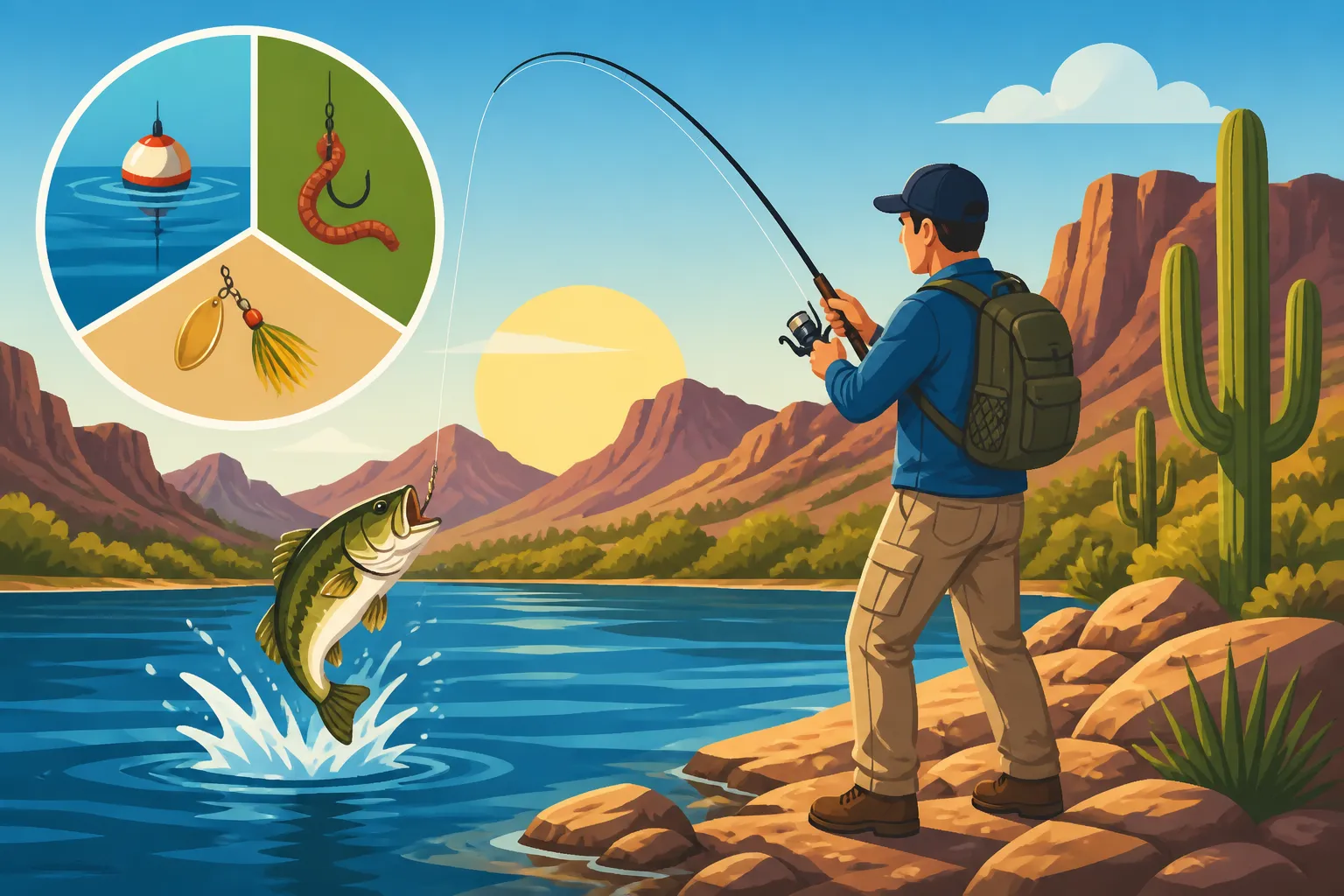
- Bobbers: Clip-on bobbers or slip bobbers are great for suspending bait at a certain depth, especially effective for trout and panfish.
- Swivels: Small barrel swivels help prevent line twist.
- Artificial Lures: Start with a few versatile options.
- Soft Plastics: Senko-style worms (green pumpkin, black/blue) rigged wacky or Texas-style are bass magnets. Small grubs on jig heads are excellent for panfish, trout, and even smaller bass.
- Spinners/Spoons: Small inline spinners (like Mepps or Rooster Tail) in silver, gold, or brass are fantastic for stocked trout and even active bass. Small casting spoons mimic baitfish and work well for trout and stripers.
- Crankbaits: A shallow-diving crankbait in a crawfish or baitfish pattern can be deadly for bass when they're active near shore.
- Jigs: Small marabou jigs or plastic grub jigs (1/16 oz – 1/8 oz) are super effective for trout in our urban lakes.
Don't forget some basic tools like needle-nose pliers for hook removal and line cutters. You can find comprehensive beginner kits or individual components easily, perhaps even through a quick search on Amazon for "fishing tackle starter kit."
Must-Have Comfort and Safety Items
Beyond your fishing gear, your personal comfort and safety items are non-negotiable in Arizona. Our environment demands respect and preparation.
- Sun Protection: We already touched on this, but it bears repeating: wide-brimmed hat, UPF-rated clothing (long sleeves and pants), polarized sunglasses, and broad-spectrum sunscreen. Seriously, don't skimp here. The reflection off the water amplifies sun exposure.
- Hydration: Always carry more water than you think you'll need. A gallon jug is a good starting point for even a half-day trip. Consider a cooler with ice to keep drinks cold.
- First-Aid Kit: Small cuts from hooks, scrapes from rocks, or even minor heat-related issues can happen. A basic first-aid kit with bandages, antiseptic wipes, pain relievers, and moleskin for blisters is a smart addition to your fishing bag.
- Snacks: Fishing can be hungry work. Pack some energy bars, fruit, or sandwiches to keep your energy levels up.
- Footwear: Comfortable, closed-toe shoes with good grip are essential for navigating uneven and sometimes slippery shorelines. Water shoes might be useful if you plan to wade.
- Headlamp/Flashlight: If you're fishing at dawn, dusk, or into the night, a reliable light source is critical for rigging tackle and navigating safely.
- Trash Bag: Let's keep our beautiful Arizona lakes clean! Pack out everything you pack in, and maybe even a little extra you find.
By having these essentials, you'll not only be more comfortable and safer, but you'll also be able to focus on the fun part: catching fish!
Mastering Basic Shore Fishing Techniques
With your gear sorted and an understanding of the challenges, it's time to talk about the "how-to." Shore fishing might seem simple, but mastering a few basic techniques can dramatically increase your success rate. It's not just about throwing a line in the water; it's about making smart choices.
Casting and Retrieval Fundamentals
For beginners, developing a smooth, accurate cast is paramount. A good cast gets your bait or lure where the fish are, and without tangles.
- Overhead Cast: This is the most common and versatile cast. Hold the rod in front of you, reel under the rod, with about 6-12 inches of line hanging from the tip. Open the bail, grasp the line with your index finger. Bring the rod straight back over your shoulder, pausing briefly at about 1 o'clock. Then, swiftly bring it forward, releasing the line with your finger as the rod tip points towards your target. Practice in an open field to get a feel for the timing and release point.
- Sidearm Cast: Useful when obstacles like trees or bushes are behind you. The motion is similar to an overhead cast but swung horizontally. It’s also great for skipping lures under docks or overhanging branches, which are prime fish habitats.
- Retrieval: Once your lure or bait is in the water, retrieval is key.
- Steady Retrieve: A constant, slow to moderate retrieve works well for spinners, spoons, and certain crankbaits, especially for active fish.
- Stop-and-Go: This involves reeling a few cranks, pausing, then reeling again. This erratic action often triggers strikes from predatory fish like bass, mimicking an injured baitfish.
- Bottom Dragging: For soft plastics or bait rigs, cast out, let it sink to the bottom, and then slowly drag or hop it along, feeling for structure and bites. This is particularly effective for catfish and bass.
Always try to keep a slight bend in your rod and feel for any unusual "taps" or "thumps" – those are bites! Don't forget to set the hook firmly when you feel a bite, but not so hard you yank the lure out of the fish's mouth.
Reading the Water from the Bank
One of the most valuable skills for any angler, especially shore anglers, is "reading the water." This means observing your surroundings and understanding where fish are likely to be hiding or feeding. Since you can't cover vast areas like boaters, pinpointing promising spots from shore is crucial.
Look for:
- Structure: This is anything that breaks up the uniformity of the bottom or water column. Rocks, submerged timber (often seen near old shorelines), brush piles, weed beds, and even man-made structures like docks, bridge pilings, or riprap (rocky embankments) provide cover and ambush points for fish. Fish use these areas for protection from predators, shade from the sun, and a place to find food.
- Changes in Depth: A sudden drop-off from a shallow flat to deeper water is an excellent area. Fish will often hold on these ledges, moving up to feed in the shallows during low light and retreating to the depths during bright sun or cold fronts. You can often spot these by looking for changes in water color or by sounding the bottom with your cast (feeling your sinker hit bottom at different distances).
- Points and Coves: Rocky points that jut out into the lake often attract fish because they act like underwater highways, funneling baitfish and providing current breaks. Coves, especially those with some cover, offer calmer water and warmer temperatures, making them ideal spawning or feeding grounds.
- Water Movement: While many Arizona lakes are reservoirs, sometimes you'll find areas with subtle current, like near an inlet or outlet. Fish often position themselves in these currents, conserving energy while waiting for food to drift by.
- Baitfish Activity: Look for schools of small baitfish darting at the surface, or subtle "boils" where larger predatory fish are attacking them. Bird activity (like diving pelicans or gulls) can also indicate baitfish presence.
When you approach a new spot, take a few minutes to just observe before making your first cast. What do you see? What do you not see? These observations will guide your casting strategy and lure selection.
Effective Bait and Lure Presentation
Once you've identified a promising spot, how you present your bait or lure can make all the difference.
- Natural Bait Rigs:
- Bottom Rig: For species like catfish, carp, or even bass, a simple Carolina rig or an egg sinker above a swivel and a leader with a hook (baited with worms, cut bait, or stink bait) placed on the bottom is incredibly effective. Let it sit, but check it periodically for freshness.
- Bobber Rig: For trout and panfish, suspend a small hook with corn, PowerBait, or a small worm under a bobber. Adjust the depth until you find where the fish are holding. This is great for keeping your bait off the bottom away from snags.
- Lure Action:
- Mimic Forage: Try to make your lure imitate what the fish are naturally eating. If there are crawfish in the lake, a brown or green jig that hops along the bottom is a good choice. If baitfish are abundant, a silver or shad-colored spoon or swimbait is ideal.
- Vary Your Retrieve: Don't be afraid to experiment. If a steady retrieve isn't working, try a stop-and-go, twitch it, or change speeds. Sometimes a slight alteration is all it takes to trigger a strike.
- Fan Casting: Instead of casting to the same spot repeatedly, make several casts in a fan pattern, covering different angles and depths from your position. This maximizes your chances of finding active fish.
- Stealth: Remember the clear water. Stay low, move slowly, and avoid sudden movements that might spook fish in shallow water.
Being mindful of how your bait or lure behaves in the water and how it might appear to a fish will give you a significant advantage. This nuanced approach will help you fish Arizona's desert lakes more effectively.
Targeting Common Arizona Shore Species
Arizona offers a surprising variety of fish species that you can catch right from the bank. Each species has its preferred habitats and feeding patterns, so tailoring your approach can lead to more consistent success.
Catching Bass from the Bank
Both largemouth and smallmouth bass are popular targets for Arizona shore anglers.
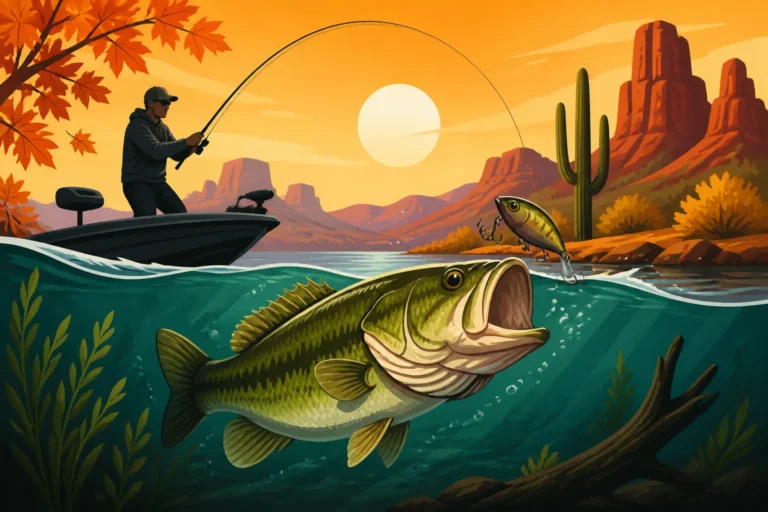
- Largemouth Bass: These are the classic "bucketmouths" and are commonly found in our warmer desert lakes like Lake Pleasant, Roosevelt Lake, and the Salt River chain (Apache, Canyon, Saguaro). From shore, target areas with submerged brush, rocky points, weed beds, and overhanging trees – anywhere they can ambush prey.
- Techniques: Soft plastic worms (Texas-rigged or wacky-rigged Senkos) are incredibly effective. Cast them near cover, let them sink, and retrieve with subtle twitches or a slow drag. Shallow-diving crankbaits in crawfish or shad patterns can also work well, especially during spring and fall when bass are more active in the shallows. Topwater lures can be thrilling at dawn or dusk.
- Prime Times: Early morning, late evening, and overcast days are generally best. During hotter parts of the day, bass often retreat to deeper, shadier cover, making them harder to reach from shore.
- Smallmouth Bass: Known for their fighting spirit, smallmouth bass thrive in cooler, rocky environments, with Lake Powell being a prime example, but they can also be found in sections of the Colorado River and some other Arizona lakes.
- Techniques: Smallmouth love rocky structure. Look for them around bluff walls, rocky points, and ledges. Small jigs, drop shot rigs with finesse worms, and small crankbaits that mimic crawfish are highly effective. Focus on a slower retrieve, letting your lure bounce and crawl along the rocky bottom.
- Prime Times: Similar to largemouth, but they might be active a bit longer into the day in cooler waters.
For more detailed information on specific locations and techniques, checking out guides on the Best Bass Fishing Lakes in Arizona can be incredibly helpful.
Reeling in Trout and Panfish
Trout and various panfish species offer fantastic action for shore anglers, especially for beginners and families.
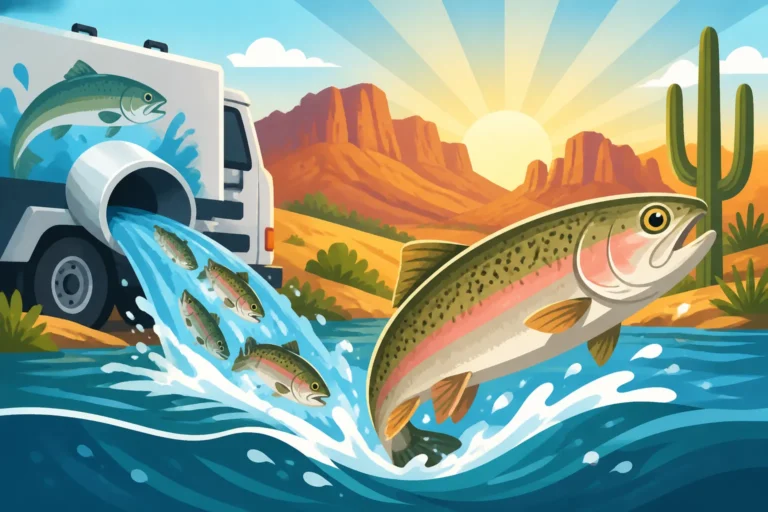
- Trout (Rainbow Trout): The Arizona Game and Fish Department (AZGFD) regularly stocks rainbow trout in many urban community fishing lakes throughout the cooler months (typically fall through spring) and in cooler mountain lakes and streams year-round.
- Techniques: PowerBait (often bright colors like chartreuse or rainbow) fished on a small treble hook with a sliding egg sinker, or small pieces of corn, are go-to baits. Rig them on the bottom or under a bobber. Small inline spinners (Rooster Tails, Mepps) and tiny marabou jigs retrieved slowly are also deadly.
- Prime Times: Trout are generally more active in cooler water. Early mornings and late afternoons are prime, especially after a recent stocking. You can often find information on trout stocking schedules on the AZGFD website, which can significantly improve your chances.
- Panfish (Bluegill, Sunfish, Crappie, Yellow Bass): These smaller, feisty fish are abundant in nearly all Arizona waters and are incredibly fun to catch. They're perfect for introducing kids to fishing.
- Techniques: Small hooks (size 8-12) baited with tiny pieces of worm, corn, or even bread under a small bobber will almost always get a bite. For crappie, small jigs (1/32 oz to 1/16 oz) tipped with a minnow or small plastic grub are excellent. Yellow bass are often caught using similar tactics to crappie or even small spoons.
- Prime Times: Panfish are usually active throughout the day, though the bite can slow in the hottest part of summer afternoons. They often congregate around docks, submerged brush, and weed lines.
Many of Arizona's Best Urban Fishing Lakes in Arizona are stocked with trout and are teeming with panfish, making them ideal for shore fishing.
Hooking Catfish Near Shore
Arizona is home to some impressive catfish, primarily channel catfish and flathead catfish, and they are definitely catchable from the bank, especially after dark.
- Channel Catfish: These are widely distributed and frequently stocked in community lakes. They're opportunistic feeders and a great target for beginners.
- Techniques: Channel cats respond well to smelly baits. Stink bait, chicken livers, hot dogs, and cut bait (like pieces of shad or sunfish) are all excellent choices. Fish them on a bottom rig (like a Carolina rig) with a circle hook (sizes 1/0 to 3/0). Cast into deeper pockets or channels near the bank, or around submerged structure.
- Prime Times: Night fishing is absolutely prime for channel catfish, especially during the warmer months. Their keen sense of smell makes them excellent nocturnal hunters. They also bite well during dawn and dusk.
- Flathead Catfish: These are the true giants of Arizona catfishing and primarily inhabit the larger reservoirs and the Colorado River system. They prefer live bait.
- Techniques: Catching a big flathead from shore is challenging but possible. You'll need sturdier gear and live bait like bluegill or small carp (check regulations for legal baitfish). Fish them on a heavy bottom rig with a strong circle hook (sizes 5/0 to 8/0) and a substantial sinker to keep the bait in place. Look for deep holes, submerged timber, and rocky ledges.
- Prime Times: Night fishing is almost exclusively the best time for flatheads. They are ambush predators and will patrol cover after dark.
If you're looking to specifically target these whiskered fighters, our guide on Best Catfish Fishing Spots in Arizona offers great insights. Always remember to check the current Arizona Fishing Regulations Explained for bag and possession limits for all species before you head out.
| Species | Best Bait/Lure (Shore) | Preferred Habitat (Shore) | Ideal Time of Day | Retrieval/Presentation Tip |
|---|---|---|---|---|
| Largemouth Bass | Soft plastics (Senkos, worms), shallow crankbaits, topwater lures | Submerged brush, weed lines, rocky points, docks, shade | Dawn/Dusk, Overcast | Slow twitch, stop-and-go, Texas/Wacky rig |
| Smallmouth Bass | Small jigs, drop shot rigs, crawfish crankbaits | Rocky points, bluff walls, ledges, clear water | Early morning, Cooler days | Crawl/hop along bottom, finesse presentation |
| Rainbow Trout | PowerBait, corn, small inline spinners, marabou jigs | Stocked lakes, cooler deep spots, inlets | Early morning, After stocking | Still bait on bottom/bobber, slow spinner retrieve |
| Panfish (Bluegill, Sunfish) | Worms, corn, small jigs, bread | Docks, brush, weed edges, calm coves | Throughout the day | Suspended under bobber, slow jigging |
| Crappie | Small jigs (tipped w/minnow), tiny plastic grubs | Submerged brush, timber, docks, deep structure | Dawn/Dusk, Night | Slow retrieve, vertical jigging |
| Channel Catfish | Stink bait, chicken liver, cut bait, hot dogs | Deep holes, channels, muddy bottoms, structure | Night, Dawn/Dusk | Bottom rig, let sit, check frequently |
| Flathead Catfish | Live bluegill or carp (check regs) | Deep timber, rocky ledges, current breaks | Night (especially warm months) | Heavy bottom rig, patient wait, strong tackle |
Strategic Shore Fishing Locations in Arizona
Arizona's diverse landscape means you have a wide array of shore fishing opportunities, from urban ponds to vast desert reservoirs and mountain streams. Each type of location offers different experiences and target species.
Maximizing Community Lake Opportunities
Arizona's Community Fishing Program is a gem for shore anglers, especially beginners and families. These lakes, managed by AZGFD, are found in urban areas across the state, including Phoenix, Tucson, Prescott, and Yuma. They are regularly stocked with catchable-sized rainbow trout in the cooler months and channel catfish when temperatures warm up. You'll also find abundant populations of bluegill, sunfish, and sometimes bass.
- Accessibility: One of the biggest advantages is their easy access. Many have paved paths, restrooms, and designated fishing areas, making them ideal for a quick trip or a family outing. Locations like Tempe Town Lake or the various parks in the Phoenix area, like Steele Indian School Park, offer fantastic opportunities for new anglers.
- Techniques: These lakes are perfect for practicing basic casting, bobber fishing with worms or PowerBait, and simple lure retrieves. Their smaller size means fish are often within easy casting distance from shore.
- Target Species: Focus on the stocked trout and catfish, as well as the prolific panfish. You can often catch multiple species in a single outing.
- Tips: Check the AZGFD stocking schedules, which are updated regularly. These can be found on their website. The bite is usually hot right after a stocking. Go early in the morning to beat the crowds and the heat, and explore different sections of the lake to find active fish. Remember that while these lakes are convenient, they are still public spaces, so be mindful of others and keep your area clean. Detailed information about these locations can be found in a guide to Community Lake Locations in Phoenix.
Exploring Reservoir Shorelines
Arizona's large desert reservoirs like Lake Pleasant, Roosevelt Lake, and the entire Salt River chain (Saguaro, Canyon, Apache Lakes) offer vast shorelines with incredible fishing potential, but they often require more effort to access prime spots.
- Scale: These lakes are massive, which means more water to explore but also potentially longer walks to find a good spot. Boat ramps often have accessible shore fishing near parking, but venturing further out can lead to less crowded and more productive areas. For example, some sections of Shore Fishing Access Points at Canyon Lake provide excellent opportunities but might require a short hike.
- Target Species: These lakes are primarily known for their incredible bass fishing (largemouth and smallmouth), as well as stripers, crappie, and monster flathead catfish.
- Techniques: You'll need to employ a wider range of techniques here. Long casts are often beneficial to reach deeper water or submerged structure that's further from the bank. Pay close attention to points, coves, ledges, and areas with submerged timber. During spring, bass will move shallow to spawn, making them very accessible from shore. During summer, they'll often retreat to deeper, cooler water or shade.
- Tips: Study maps of the reservoirs before you go to identify promising points or coves. Google Maps satellite view can be a great tool to scout potential access and shoreline features. Be prepared for longer hikes and carry all your essentials (water, first aid, snacks). The solitude and potential for trophy fish on these reservoirs make the effort well worth it. Consider fishing these spots during cooler seasons for more comfortable and often more productive trips. Our guide on How to Fish Arizona's Desert Lakes offers valuable strategies for these unique environments.
River and Stream Bank Fishing
While Arizona is known for its desert lakes, it also boasts some fantastic rivers and streams, particularly in the cooler, higher elevations of the state, but also some surprisingly productive sections in the desert.
- Mountain Streams: Areas like the White Mountains and sections of the Mogollon Rim offer beautiful streams and small rivers teeming with wild and stocked trout (rainbow, brown, brook, and even native Apache trout).
- Techniques: Fly fishing is very popular here, but spin fishing with small inline spinners, tiny spoons, or bait (worms, salmon eggs) under a bobber can be incredibly effective. Focus on pockets of slower water, riffles, and deeper pools behind rocks or fallen logs.
- Access: Access can range from roadside pull-offs to requiring moderate hikes. Always be aware of private land and tribal land, as additional permits may be required.
- Desert Rivers: The Lower Salt River, below Saguaro Lake, is a fantastic example of a desert river section that offers diverse fishing. It’s stocked with rainbow trout in winter and holds healthy populations of largemouth bass, smallmouth bass, catfish, and carp year-round. The Colorado River, particularly along the border with California and Nevada, also offers exceptional bank fishing for stripers, bass, and catfish.
- Techniques: For the Lower Salt, float fishing with PowerBait or worms for trout, or casting spinners and small crankbaits for bass, are productive. On the Colorado River, heavy bottom rigs with cut bait for catfish and stripers are common, as are casting large spoons or swimbaits for stripers.
- Access: River access often involves finding public parks or designated recreation areas. Wading can be an option in shallower sections, but always be aware of currents and slippery rocks.
Regardless of where you choose to fish, always respect the specific Arizona Fishing Season Dates and Limits for each body of water, especially on rivers which might have different regulations than lakes.
Best Practices for a Successful Shore Fishing Trip
Beyond the gear and techniques, a truly successful and enjoyable shore fishing trip in Arizona often comes down to a few key best practices. These tips focus on timing, ethical angling, and respecting our beautiful natural resources.
Timing Your Trips for Optimal Bites
One of the biggest lessons you'll learn as an Arizona angler is that timing is everything. Our extreme climate means fish behavior is heavily influenced by temperature and light.
- Seasonal Considerations:
- Spring: Generally the best all-around fishing season. Fish are moving shallow to spawn, are hungry after winter, and water temperatures are comfortable. Bass, crappie, and trout (in stocked waters) are all very active.
- Summer: This is when it gets tough, especially in the low desert. Fish go deep during the day to escape the heat. Your best bet is to fish at dawn, dusk, or at night for species like catfish, bass, and stripers. Aim for cooler, higher-elevation lakes and streams for trout.
- Fall: Another fantastic season. Water temperatures cool, and fish go on a feeding frenzy to prepare for winter. Excellent for bass and crappie, and trout stocking begins in urban lakes.
- Winter: Surprisingly good fishing! While some species slow down, trout fishing in urban lakes is red hot. Bass and crappie can still be caught, often by targeting deeper structure with slower presentations.
- Daily Timing:
- Dawn & Dusk: These low-light periods are almost always prime for predatory fish like bass and stripers, as they feel more comfortable hunting in reduced visibility.
- Night Fishing: Absolutely essential for big catfish, and often the most comfortable way to fish for bass and stripers during summer. Just remember to bring proper lighting and be aware of your surroundings.
- Overcast Days: If you get a rare cloudy day, take advantage! The reduced sunlight often makes fish more active throughout the day.
- Weather Patterns: Pay attention to approaching cold fronts or major pressure changes, as these can drastically affect the bite. Fish often feed aggressively before a front moves in, then shut down during and after it passes.
By aligning your fishing trips with these optimal times, you'll significantly increase your chances of having a productive and enjoyable outing.
Practicing Catch and Release Responsibly
Many anglers, especially beginners, get excited about catching fish, and that's totally understandable! But responsible angling includes knowing when and how to practice catch and release, especially if you're not planning to keep your catch or if regulations require it for certain species.
- Minimize Stress: The goal is to return the fish to the water in the best possible condition.
- Handle with Wet Hands: Always wet your hands before touching a fish. Dry hands can remove the fish's protective slime layer, making it vulnerable to disease.
- Support the Fish: When holding a fish, support its weight horizontally, especially larger fish. Avoid holding them vertically by the jaw (for bass) or by their gills, as this can damage their internal organs.
- Use Barbless Hooks: Consider crimping down the barbs on your hooks with pliers, or buying barbless hooks. They make hook removal much easier and less damaging to the fish.
- Quick Hook Removal: Use needle-nose pliers or a de-hooking tool to remove the hook quickly and cleanly. If the fish is deeply hooked and removal would cause more harm, it's sometimes better to cut the line as close to the hook as possible.
- Revive If Needed: For exhausted fish, especially after a long fight, hold them gently upright in the water, facing into any current, until they can swim away on their own. Don't just toss them back; ensure they are strong enough to survive.
- Understand Regulations: Always know the specific Arizona Fishing Regulations Explained for bag and possession limits, size restrictions, and any catch-and-release-only waters or species. Some native species, like the Apache Trout, are often catch-and-release only.
Practicing responsible catch and release helps ensure healthy fish populations for future generations of anglers, which is something we all want to see.
Respecting the Environment and Other Anglers
Being a good steward of our natural resources and a considerate member of the fishing community enhances the experience for everyone.
- Leave No Trace: This is paramount. Pack out all your trash, including discarded fishing line, bait containers, and food wrappers. Even tiny bits of plastic can be harmful to wildlife. Consider carrying a small trash bag specifically for your outing.
- Respect Wildlife: Observe wildlife from a distance and avoid disturbing them. This includes nesting birds, shore animals, and any protected species. Remember, you're a visitor in their home.
- Know Your Limits: Understand your physical limits, especially in the Arizona heat. Don't overexert yourself, and be prepared for emergencies.
- Share the Shore: If a spot is crowded, be courteous. Don't cast over someone else's line, and give other anglers ample space. A friendly nod or a polite conversation can go a long way. If someone is having a tough time, offering a tip (if they're receptive) or just sharing a positive vibe can improve everyone's day.
- Be Mindful of Noise: While talking is fine, avoid excessively loud music or shouting, which can disturb both wildlife and other anglers seeking peace and quiet.
- Follow Park Rules: If you're fishing in a city park or a designated recreation area, adhere to any specific rules posted, such as no littering, quiet hours, or restricted areas.
By following these best practices, you're not just ensuring your own success and enjoyment, but you're also contributing to a positive fishing culture and helping to preserve Arizona's beautiful fishing opportunities for years to come. Remember, getting your Arizona Fishing License Guide is the first step to enjoying these waters legally and responsibly.
Disclaimer
The information provided in this guide is for general informational purposes only and does not constitute professional advice. Fishing regulations, conditions, and fish behavior can change rapidly. Always consult the latest official Arizona Game and Fish Department regulations before heading out to fish. Engage in all outdoor activities at your own risk and exercise caution and good judgment.