Kayak Fishing Techniques for Desert Lakes
Kayaking out onto one of Arizona's vast desert lakes often feels like stepping into another world, but the challenge of navigating those open waters, dealing with sudden winds, and figuring out where the fish are hiding from a small craft can be genuinely overwhelming. If you've ever felt that mix of excitement and apprehension launching your kayak, you're not alone. This guide is all about equipping you with the knowledge, techniques, and confidence to master kayak fishing on Arizona's unique desert reservoirs, transforming those tricky outings into successful, enjoyable adventures.
The Unique Appeal and Realities of Kayak Fishing Arizona's Desert Lakes
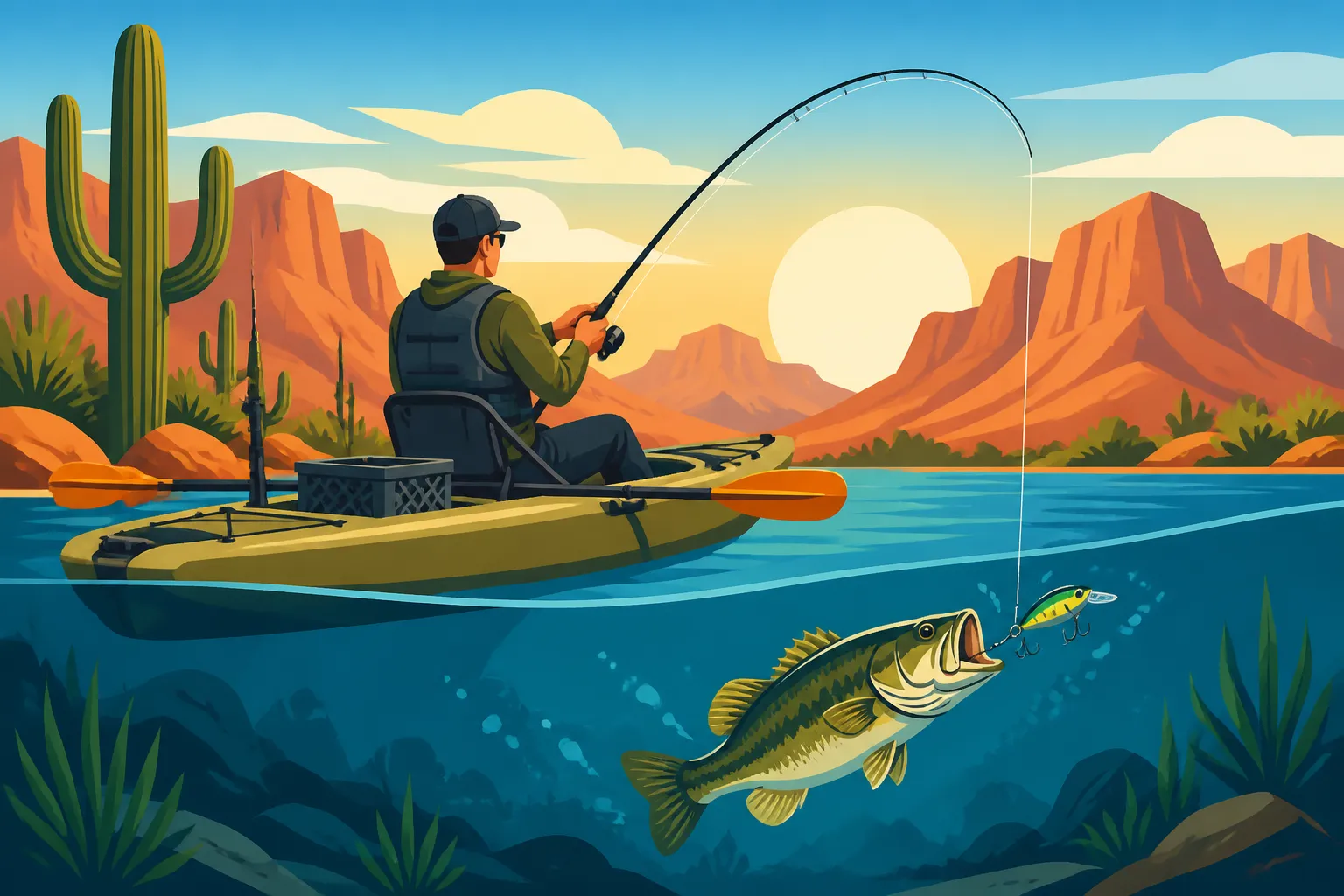
There's something incredibly personal and freeing about paddling your way across a glassy desert lake at dawn, or slowly navigating a secluded canyon, rod in hand. Kayak fishing offers an intimacy with the water that larger boats simply can't match, allowing you to access nooks and crannies that hold untouched fish. However, Arizona's desert lakes present their own distinct set of challenges, from the intense sun and heat to wide-open expanses and fluctuating water levels. It's not just about dropping a line; it's about understanding the environment and adapting your approach.
Why Kayaks are Perfect for Desert Waters
One of the biggest advantages of kayak fishing in Arizona is the unparalleled access it provides. You can launch from undeveloped shores where traditional boats can't reach, paddle silently into shallow coves, or explore narrow canyons that are often teeming with fish but inaccessible to motors. Think about places like the countless hidden pockets within Canyon Lake or the quiet arms of Alamo Lake – these are prime kayak territory. The stealth factor is also huge; kayaks move through the water with minimal disturbance, meaning you can get right on top of wary bass or crappie without spooking them. This quiet approach often translates to more bites, especially in clearer desert waters where fish are more sensitive to noise and vibrations. Plus, for many, the physical act of paddling and the connection to nature is as much a part of the experience as the fishing itself, offering a truly immersive outdoor adventure.
Navigating the Arizona Landscape from a Kayak
While the access is fantastic, the Arizona landscape also throws some curveballs. Our desert lakes can be massive, with long distances between launch points and prime fishing grounds. Wind can pick up unexpectedly, turning a calm paddle into a strenuous workout, and large open areas like those found on Lake Pleasant or Roosevelt Lake can become quite choppy. Then there's the intense sun and heat, which demand constant attention to hydration and sun protection. Understanding how to manage these factors – from choosing your launch spot carefully to checking wind forecasts and packing plenty of water – is crucial for a safe and enjoyable trip. It’s a give-and-take: the rewards of accessing pristine fishing are high, but the preparation needs to match the environment. You might spend a bit more time planning, but the solitude and potential for big catches make it all worthwhile.
Essential Gear for Your Kayak Fishing Setup
Before you even think about casting a line, you need to ensure your kayak and its accompanying gear are up to the task of tackling Arizona's unique conditions. A well-equipped kayak setup isn't just about comfort; it's about safety, efficiency, and ultimately, your success on the water. Skimping on the right equipment can turn a promising day into a frustrating one, or worse, a dangerous situation.
Choosing the Right Kayak and Paddle
Selecting the right kayak is foundational. For fishing on Arizona's desert lakes, a sit-on-top (SOT) fishing kayak is generally preferred over a sit-in model. SOTs offer greater stability, making it easier to cast, stand (if your kayak allows), and handle fish. They also drain water easily, which is a huge plus if you take on a wave or two. Look for models with ample storage for tackle, a comfortable seat for long hours, and integrated rod holders. Brands like Old Town, Hobie, and Perception make excellent fishing kayaks designed for stability and features. When considering your purchase, think about the trade-offs between maneuverability and stability; wider kayaks are more stable but slower to paddle.
The paddle is equally important. Investing in a lightweight, durable paddle can save you a lot of energy over a long day. Adjustable length paddles are a great option, allowing you to customize the length based on your height and kayak width. Look for carbon fiber or fiberglass constructions, which are lighter than aluminum, significantly reducing fatigue. Remember, you'll be using this paddle constantly, so comfort and efficiency are key. You can find a wide range of options on platforms like Amazon that cater to different budgets and preferences.
Must-Have Safety and Navigation Tools
Safety should always be your number one priority, especially on large, often remote desert lakes. A personal flotation device (PFD) is non-negotiable – and in Arizona, kids typically need a PFD while on board, so ensure everyone has one that fits properly. Beyond that, a whistle or air horn for signaling is critical. Always carry a dry bag with essentials like a first-aid kit, a fully charged cell phone (in a waterproof case), and an extra layer of clothing, even if the day starts warm. For navigation, a reliable GPS unit or a fish finder with GPS capabilities is invaluable. These devices can help you mark productive spots, navigate back to your launch point, and avoid hazards. Having a basic map of the lake is also a smart backup. Understanding Boating Safety Gear Requirements in Arizona can help you ensure you're fully compliant and prepared for any eventuality.
Specialized Fishing Tackle for Kayaks
When it comes to tackle, portability and organization are key. Unlike a bass boat, a kayak has limited space. Opt for compact tackle boxes or soft-sided tackle bags that can be easily stowed. Consider a "milk crate" style tackle management system that fits behind your seat, offering quick access to frequently used items. For rods, a length of 6'6" to 7'2" is usually ideal, allowing for good casting distance without being unwieldy in a kayak. You'll want to strike a balance between having enough options for different techniques and not overpacking. A good general setup might include one medium-heavy casting rod for bass and one medium spinning rod for lighter lures or panfish. Remember to secure your rods with leashes to prevent them from becoming expensive "donations" to the lake bottom if you capsize or hit rough water.
Mastering Kayak Fishing Techniques
Fishing from a kayak requires a slightly different approach than from a larger boat or the shore. Your vantage point is lower, your space is limited, and your movement can affect how fish perceive your presence. Adapting your techniques to these realities is crucial for consistent success. It’s all about working with your craft, not against it.
Effective Casting and Lure Presentation from a Kayak
Casting accuracy and stealth become even more important when you're low to the water. From a kayak, you can often get closer to cover like submerged timber, rock piles, or weed lines without spooking the fish. This proximity means shorter, more controlled casts are often effective. When targeting specific cover, use a pitching or flipping technique to drop your lure quietly into tight spots. Overhand casts are fine for covering open water, but practice sidearm casts to get under overhanging branches or docks, common features in many Arizona lakes like Lake Havasu. The goal is a gentle entry that doesn't alarm the fish.
When presenting your lure, think about the angle. Because you're so low, your line enters the water at a shallower angle than from a taller boat. This can sometimes make it harder to get certain lures to dive deeply or to maintain contact with the bottom in strong currents or wind. Experiment with different lure weights and retrieve speeds to compensate. Focus on maintaining a slow, deliberate retrieve, especially when probing structure, allowing your lure to stay in the strike zone longer. For many of Arizona's bass, a slow, methodical retrieve around cover is often more productive than a fast, erratic one.
Anchoring and Positioning Strategies
One of the biggest challenges in kayak fishing is staying put, especially on windy days or in current. A good anchoring system is indispensable. A lightweight anchor, typically 1.5 to 3 pounds, paired with at least 50 feet of anchor rope is a good start. The key is to use a trolley system (also known as an anchor wizard or anchor trolley). This ingenious setup allows you to run your anchor line along the side of your kayak from bow to stern. This means you can drop your anchor at the front or back of your kayak, allowing you to pivot and position yourself perfectly into the wind or current, rather than being spun around. This level of control is game-changing for precise lure presentation, especially when you're trying to work a specific piece of structure.
Consider using two anchors if fishing in strong wind or current, one off the bow and one off the stern, to lock your position completely. Alternatively, a shallow water anchor pole (like a Power-Pole Micro or a homemade version) is excellent for holding steady in depths up to 10-12 feet, commonly found in coves and shallower flats. This allows for quick deployment and retrieval, keeping you focused on fishing.
Trolling Techniques for Covering Water
While many anglers associate trolling with large boats, it's an incredibly effective technique for kayak fishing, especially when you're trying to cover vast expanses of water on lakes like Lake Powell or Roosevelt Lake. Trolling allows you to present lures to different depths and speeds while you're paddling, essentially turning your travel time into fishing time. For this, you'll want at least one or two extra rod holders, positioned where you can easily reach them but also keep your lines clear of your paddle stroke.
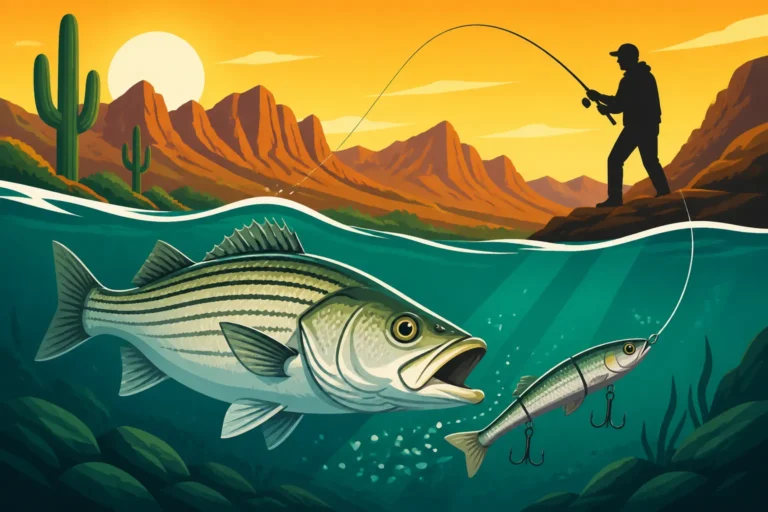
Match your lures to your target species and the depth you're trying to reach. For striped bass, deep-diving crankbaits or swimbaits are excellent choices. If you're targeting trout in cooler waters, small spoons or inline spinners can be deadly. Pay attention to your paddle speed – a consistent, slow to moderate pace is usually best. Many modern fish finders can display your speed, helping you fine-tune your presentation. Trolling is a fantastic way to find active fish and identify productive areas before you stop to thoroughly work a spot. For more insights on this, you might explore various Trolling Techniques for Striped Bass or how to best approach Best Bass Fishing Techniques for Arizona Lakes from your unique kayak perspective.
Reading Arizona's Desert Lakes from a Kayak
Success in kayak fishing, much like any other fishing, hinges on understanding where the fish are and why they're there. Arizona's desert lakes, with their stark underwater landscapes, fluctuating water levels, and extreme temperatures, demand a keen eye and a bit of environmental detective work. From the low vantage point of a kayak, every subtle change in the water or shoreline can offer a clue.
Understanding Water Temperature and Depth
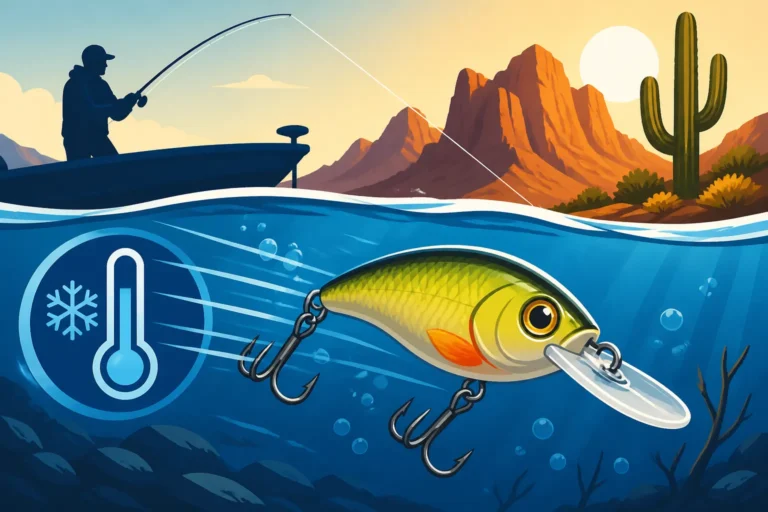
Water temperature is a primary driver of fish behavior, especially in Arizona's extreme climate. Bass, crappie, and other warm-water species become more active and move into shallower waters during spring and fall when temperatures are in their preferred range (typically 55-70°F). In the scorching summer, they often retreat to deeper, cooler waters to find thermal refuge. Conversely, trout, often stocked in urban lakes or cooler mountain reservoirs, prefer colder water and will seek out deeper spots as surface temperatures rise. A fish finder with a temperature gauge is an invaluable tool for kayak anglers, helping you identify these crucial temperature breaks where fish are likely to congregate.
Depth also plays a huge role. Desert lakes often feature dramatic drop-offs, submerged canyons, and vast flats. Fish will orient themselves to these depth changes based on light, temperature, and the presence of baitfish. For example, during midday sun, bass might be found relating to a deep ledge, whereas early morning or late evening could find them pushing up onto a shallower flat to feed. Learning to read your fish finder to identify these depth contours and how fish respond to them is key. You can find excellent, compact fish finders suitable for kayaks on Amazon, offering detailed depth and temperature readings.
Locating Fish-Holding Structure
Structure is any feature, natural or artificial, that provides cover, ambush points, or food sources for fish. In Arizona's desert lakes, this can include a wide variety of elements:
- Rock Piles and Boulders: These are common in many of our reservoirs and offer excellent ambush points for bass and crappie.
- Submerged Timber and Brush Piles: Often left behind from when the lake was initially filled, these provide crucial cover and shade. Places like Roosevelt Lake are famous for their standing timber.
- Ledges and Drop-offs: These abrupt changes in depth are highways for fish, offering easy access to both shallow feeding grounds and deep-water safety.
- Humos and Points: Underwater hills (humos) or points extending into the lake are always worth investigating, especially where they intersect with deeper water.
- Weed Lines and Aquatic Vegetation: While less common in some desert lakes, where present, these offer oxygen, cover, and a haven for baitfish.
From a kayak, you can meticulously work these areas. Use your fish finder to pinpoint specific pieces of structure. Once you've identified a promising spot, use your anchor trolley to position your kayak to cast from multiple angles, thoroughly probing the area. Remember that the "structure" can be as subtle as a slight change in bottom composition, which your fish finder might reveal. For a deeper dive, check out our guide on How to Read a Fish Finder for Structure, as understanding these subtle nuances can dramatically improve your catch rate.
Seasonal Adaptations for Kayak Anglers
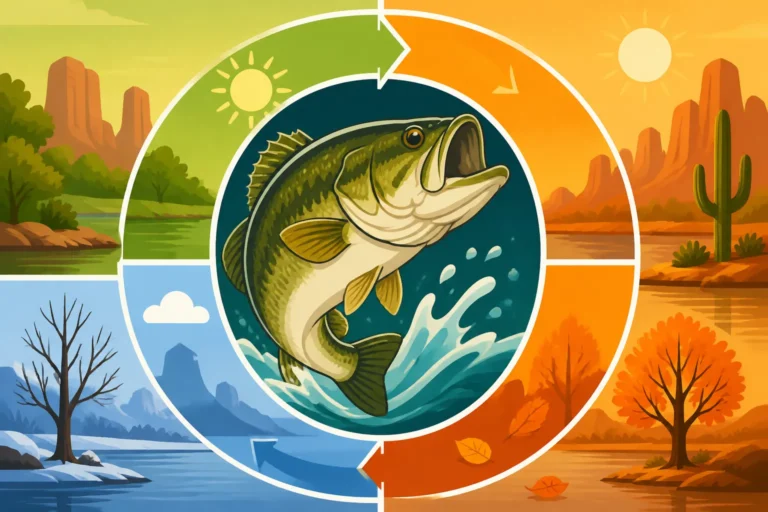
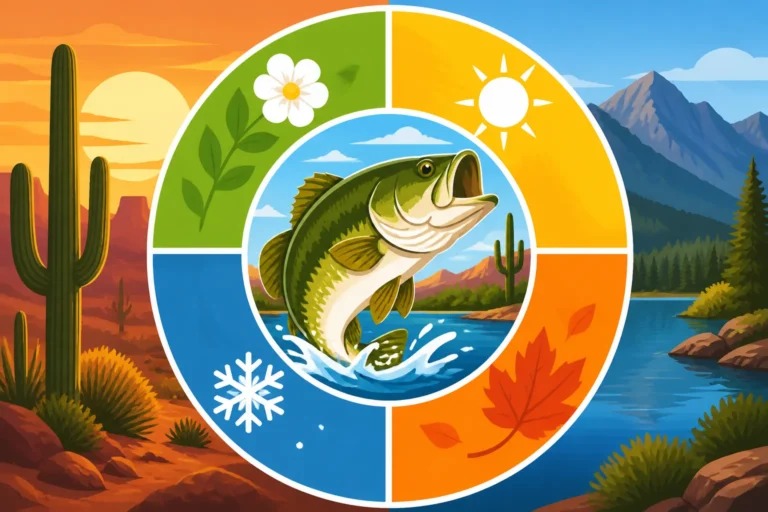
Arizona's fishing calendar isn't just a simple shift of months; it's a dramatic swing between intense heat and moderate cool. Each season presents unique challenges and opportunities for kayak anglers, forcing us to adapt our techniques, target depths, and even the times of day we hit the water. Ignoring these seasonal patterns is a surefire way to come home empty-handed.
Spring Spawning and Post-Spawn Tactics
Spring is often hailed as one of the best times to fish in Arizona. As water temperatures begin to climb into the 50s and 60s, bass, crappie, and other species move from deeper wintering grounds into shallower coves and flats to spawn. This is when you can find big fish in surprisingly shallow water, making them accessible even from a kayak.
- Pre-Spawn: Fish are hungry and aggressive, feeding up before the rigors of spawning. Target points, creek channels, and secondary coves leading into spawning areas. Crankbaits, jerkbaits, and spinnerbaits are excellent for covering water and triggering strikes.
- Spawn: Fish are focused on reproduction, often guarding nests. Sight fishing for bedding bass can be effective in clear water, using soft plastics like lizards or creature baits pitched directly to the nest. Be mindful of regulations regarding disturbing spawning fish.
- Post-Spawn: Fish can be lethargic and recuperating. They often hold on deeper points or cover just outside spawning areas. Slower presentations like Texas-rigged worms, shaky heads, or small jigs can be productive. The key is often patience and a subtle approach.
Remember to consult resources like Spring Bass Fishing Tactics in Arizona to fine-tune your approach for specific species and locations during this dynamic time.
Summer Heat and Deep-Water Strategies
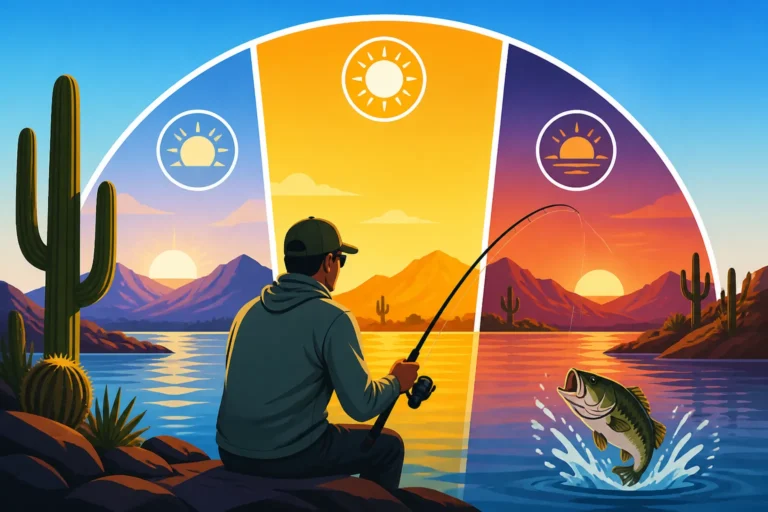
Summer in Arizona means intense heat, and while it might be tempting to stay indoors, some of the best fishing can be had if you know how to beat the heat and target deeper fish. Early morning, late evening, and even night fishing become prime times. During the day, fish retreat to cooler, deeper water and often suspend or relate to deep structure.
- Early Morning/Late Evening: Topwater action can be explosive for bass and striped bass as they feed on baitfish pushed to the surface. Poppers, walk-the-dogs, and buzzbaits work well.
- Midday/Night: Focus on deep structure like main lake points, ledges, humps, and submerged timber. Drop-shot rigs, deep-diving crankbaits, jigs, and Carolina rigs are excellent for targeting fish holding in 20-50+ feet of water. For catfish and striped bass, night fishing with cut bait or glow lures can be incredibly productive, as mentioned in Catfish Night Fishing Techniques.
- Thermal Layer: Keep an eye on your fish finder for the thermocline – the layer where water temperature changes rapidly. Fish often stack up just above or below this layer, depending on the species and oxygen levels.
Staying hydrated and protecting yourself from the sun are paramount during summer. Check out Heat Safety Tips for Summer Fishing in Arizona for essential advice.
Fall Turnover and Feeding Frenzies
Fall is another fantastic season for kayak anglers. As air temperatures cool, the surface waters of the lake begin to cool and sink, leading to a phenomenon known as "turnover." This can temporarily disrupt fishing, but once the lake stabilizes, fish become very active, feeding heavily in preparation for winter.
- Turnover: Fishing can be tough as oxygen levels fluctuate. Focus on areas with consistent current or inflowing water where conditions are more stable.
- Post-Turnover: This is when fish are actively chasing bait. Look for schooling baitfish near points, coves, and main lake areas. Crankbaits, spinnerbaits, and swimbaits are great for covering water and imitating fleeing bait. Striped bass, in particular, can be found in massive "boils" chasing shad on the surface.
- Crappie: Fall is an excellent time for crappie as they school up. Target brush piles and submerged timber in 10-25 feet of water using small jigs or minnows.
Winter Patterns for Cooler Bites
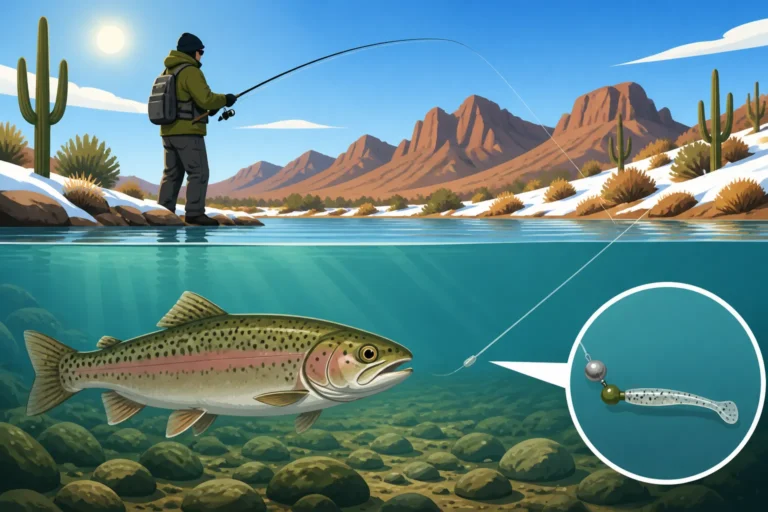
Don't hang up your kayak just because it's winter! While fishing can slow down, patient kayak anglers can still find success. Fish metabolism slows in colder water, so they become less active, but they still need to eat.
- Deep and Slow: Fish will generally hold in deeper water, often relating tightly to structure. Slower, more subtle presentations are key. Jigs, shaky heads, and blade baits worked methodically along the bottom or deep ledges can be effective.
- Sun-Warmed Areas: On sunny days, look for north-facing banks or rocky areas that absorb and radiate heat, slightly warming the adjacent water. Fish may temporarily move into these areas to bask and feed.
- Trout: Many urban lakes and higher elevation waters are stocked with trout during the cooler months, offering fantastic kayak fishing opportunities for these cold-water species. Small inline spinners, power bait, or salmon eggs are excellent choices. Check out the Trout Stocking Season in Arizona schedules to plan your trips. Overall, a good Winter Fishing Strategy for Desert Lakes emphasizes patience, precision, and targeting prime holding areas.
Staying Safe and Comfortable on the Water
Kayak fishing in Arizona isn't just about catching fish; it's about doing so safely and comfortably. The desert environment can be unforgiving, and a small oversight can quickly escalate into a serious problem. Being prepared isn't about being paranoid; it's about being smart so you can fully enjoy your time on the water.
Prioritizing Hydration and Sun Protection
This can't be stressed enough in Arizona. The desert sun, even on cooler days, can lead to rapid dehydration and severe sunburn. Always carry significantly more water than you think you'll need. A good rule of thumb is at least a gallon of water per person for a full day on the lake, plus electrolyte drinks. Freeze some bottles of water beforehand to keep your cooler cold and provide icy cold hydration later in the day. Many excellent Best Coolers for Hot-Weather Fishing in Arizona are available to keep your drinks and snacks chilled.
For sun protection, layering is crucial. Wear long-sleeved, lightweight, breathable fishing shirts with UPF (Ultraviolet Protection Factor) ratings of 30 or higher. A wide-brimmed hat or a neck gaiter (buff) is essential to protect your face and neck. Polarized sunglasses are not only crucial for reducing glare and seeing into the water but also protect your eyes from harmful UV rays. Don't forget high-SPF sunscreen for any exposed skin, and reapply frequently, especially after getting wet.
Understanding Weather Patterns and Emergency Preparedness
Arizona's weather can be notoriously unpredictable, especially during the monsoon season. A clear sky can quickly turn into a fierce thunderstorm with high winds and lightning. Always check the weather forecast before you launch, and be prepared to get off the water if conditions deteriorate. Keep an eye on the sky for rapidly developing clouds or sudden changes in wind direction.
Beyond weather, consider what you'd do in an emergency. If you capsize, do you know how to self-rescue and re-enter your kayak? Practice this in shallow, warm water before you hit the open lake. Carry a marine band radio if you're venturing far from shore or cell service. A signaling mirror or bright flag can help attract attention if you get into trouble. Having a basic tool kit with duct tape, a multi-tool, and zip ties can help with minor gear repairs. Finally, always let someone know where you're going and when you expect to return. This "float plan" is a simple but vital safety measure. The more remote the lake, the more critical these precautions become.
| Item | Purpose | Priority Level | Kayak Specific Notes |
|---|---|---|---|
| PFD | Personal Flotation Device | Essential | Must fit properly, worn at all times or easily accessible |
| Water/Hydration | Prevent Dehydration | Essential | More than you think you need, electrolyte drinks too |
| Sun Protection | Hat, Sunglasses, UPF Clothing, Sunscreen | Essential | Wide-brim hat, polarized lenses, long sleeves |
| Whistle/Air Horn | Signaling for help | High | Attached to PFD or easily reachable |
| Dry Bag | Protect valuables (phone, keys, wallet) | High | Securely lashed to kayak |
| First-Aid Kit | Minor injuries | High | Waterproof, easily accessible |
| Anchor & Trolley System | Position kayak accurately | High | Lightweight anchor (1.5-3lb), ~50ft rope, trolley system |
| Fish Finder/GPS | Navigation, structure, depth, temperature | High | Portable, waterproof, good battery life |
| Rod Leashes | Prevent loss of rods | Medium | Essential in choppy water or during a strong fight |
| Paddle Leash | Prevent loss of paddle | Medium | Handy for hands-free fishing or gusty winds |
| Paddle (Spare) | Emergency propulsion (if primary is lost) | Medium | Collapsible or strapped to kayak |
| Headlamp/Light | Early morning/late evening, night fishing | Medium | Waterproof, with extra batteries |
| Cooler | Keep drinks/snacks cold, store fish | Medium | Compact, well-insulated, secured to kayak |
| Knife/Line Cutters | Essential for various tasks | Medium | Sharp, easily accessible, corrosion-resistant |
Disclaimer
The information provided in this guide is for general informational purposes only and does not constitute professional advice. Fishing regulations, safety requirements, and environmental conditions can change. Always consult the latest Arizona Game and Fish Department regulations, check local weather forecasts, and exercise caution and good judgment when on the water. Kayak fishing inherently carries risks, and personal safety is your responsibility.