How to Fish a Topwater Lure at Dawn
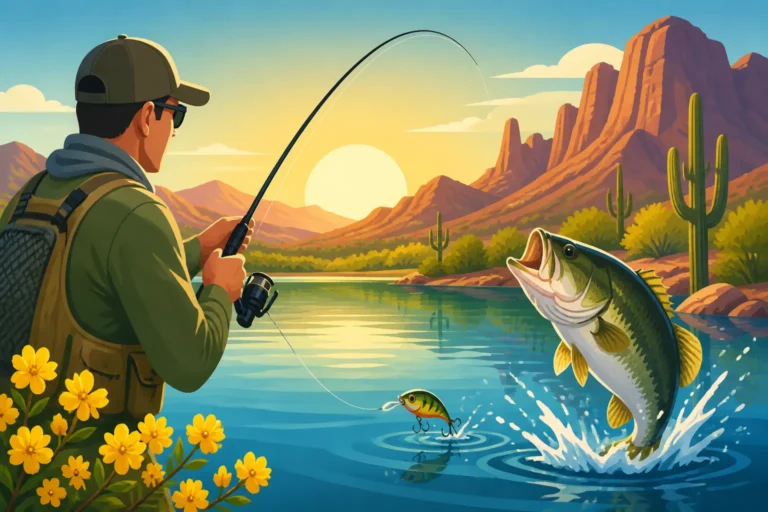
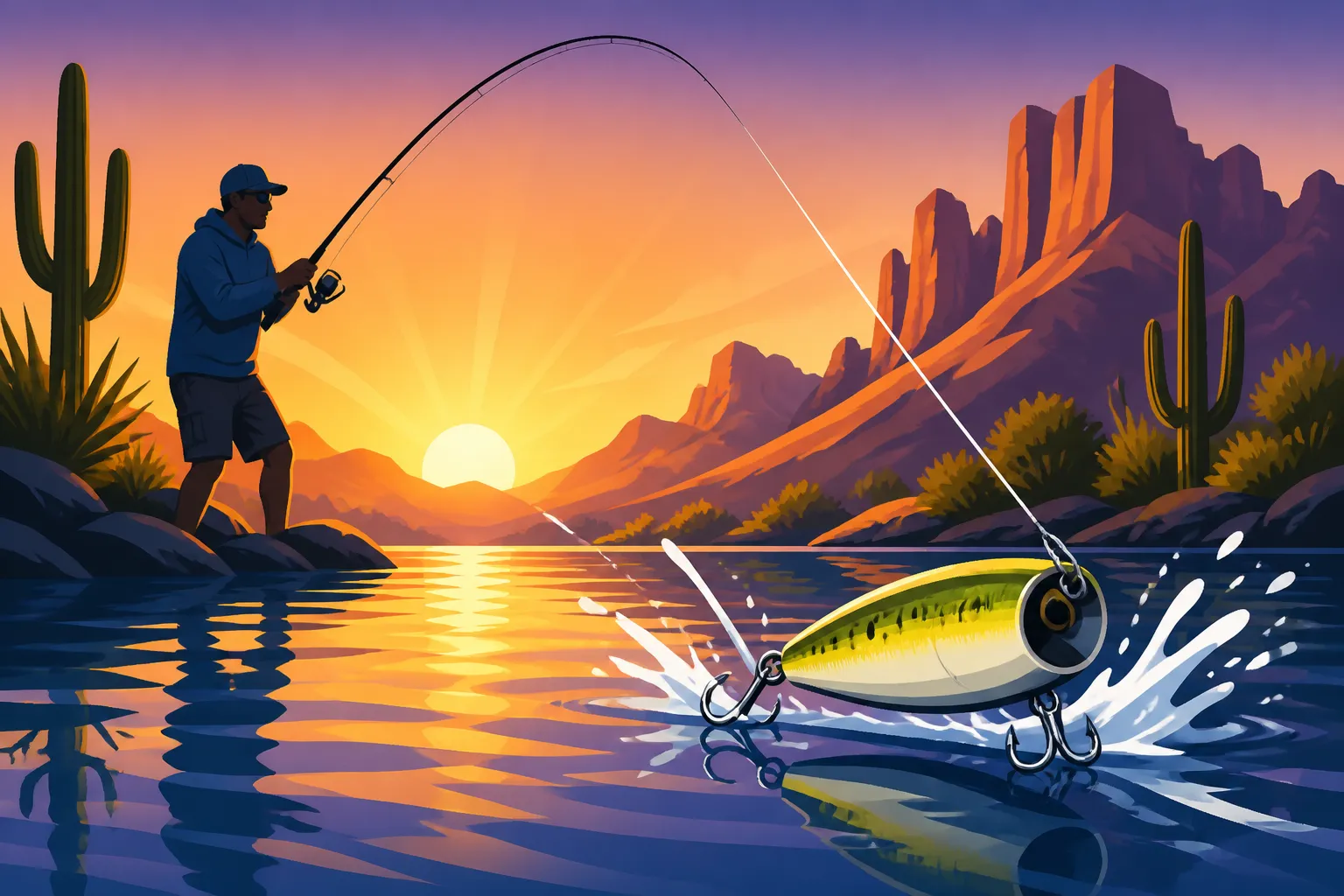
There’s nothing quite like the heart-stopping explosion of a fish blowing up on a topwater lure as the first rays of sun kiss the water. But let's be real, many anglers miss out on this magic, either sleeping in or switching to deeper presentations too quickly. If you've ever wondered how to consistently entice those exhilarating surface strikes right as dawn breaks over an Arizona lake, this guide is for you. We're diving deep into the art and science of dawn topwater fishing, ensuring you're ready to make the most of those golden hours.
Why Dawn is Prime Time for Topwater Lures in Arizona
The early morning hours, particularly from first light until an hour or two after sunrise, are often the most productive times for topwater fishing in Arizona. It's not just a romantic notion; there's solid biology and environmental factors at play that make this window so special. Missing this window means missing out on some of the most exciting bites you can get all day.
Understanding Fish Behavior in Low Light
When the sun is just starting to peek over the horizon, casting long shadows and painting the sky in fiery hues, the underwater world undergoes a significant shift. For many predatory fish species like largemouth and smallmouth bass, this low-light environment provides a tactical advantage. They can see their prey silhouetted against the slightly brighter surface or the still-dark bottom, while remaining less visible themselves. Think of it like a ninja operating under the cloak of darkness – they're harder to spot. This increased confidence often drives them into shallower water, closer to cover, where they're actively hunting. Their metabolism might be ramping up after a cooler night, making them more aggressive feeders. This is why you'll often find them cruising the edges of weed lines, rock piles, or submerged timber, waiting for an unsuspecting baitfish or bug to make a wrong move on the surface. They're opportunistic, and that dawn light provides the perfect ambiguity for an ambush.
The Advantage of Cooler Water Temperatures
Arizona is known for its scorching heat, and while we love our sunshine, fish certainly feel the burn. As the sun climbs higher in the sky, water temperatures in our desert lakes can rise dramatically, especially in shallower areas. This pushes many fish deeper into cooler, more oxygenated water, or makes them much less active. However, at dawn, the water temperatures are at their coolest point of the 24-hour cycle. This comfortable temperature makes fish much more active and willing to chase prey. They're not yet stressed by the impending heat, and their energy levels are higher. This cooler, more comfortable period often triggers a feeding frenzy, particularly for surface-oriented prey. Imagine yourself on a hot summer day; you're much more likely to be active and hungry in the cool morning than at noon when the sun is beating down. Fish operate similarly, making dawn their prime feeding time before retreating to deeper, cooler sanctuaries as the day progresses. It’s a small window, but it’s packed with potential for explosive strikes.
Choosing the Right Topwater Lure for Arizona Dawns
Walking into a tackle shop or browsing online platforms like Amazon for topwater lures can be overwhelming. There are so many options, and each promises to be the "best." But for dawn fishing in Arizona, understanding the nuances of different lure types and how they perform in low light and specific conditions is key. You don't need every single one, but having a few key styles in your arsenal will prepare you for diverse situations. For deeper insights into what works, check out our guide on the Best Lures for Largemouth Bass in Arizona Lakes.
Surface Poppers and Chuggers
Poppers and chuggers are arguably the most iconic topwater lures, and for good reason. They create a distinct "chug" or "pop" sound and splash by displacing water with their cupped face. This commotion mimics a struggling baitfish, a frog jumping into the water, or a bug falling from overhead foliage, making them irresistible to hungry bass. In the low light of dawn, the sound and disturbance these lures create are often more critical than their visual appeal. Fish rely heavily on their lateral line to detect vibrations, and a popper's audible splash travels far, drawing fish from surprising distances.
When selecting one, consider size. For average Arizona bass, a 2-4 inch popper is usually a good starting point. Color can be subtle at dawn; natural patterns like chrome, bone, or shad are effective, as are darker colors that create a strong silhouette against the sky. Classic examples include the Heddon Pop-R or the Rebel Pop-R. The key is their ability to call fish in and provoke an aggressive reaction.
Walk-the-Dog Style Baits
Walk-the-dog lures, often referred to as "walkers," are slender, cigar-shaped baits that glide back and forth across the surface when retrieved with a rhythmic twitching motion of the rod tip. This "walking" action perfectly imitates a baitfish darting frantically on the surface, or a wounded prey struggling to escape. Unlike poppers, which are about commotion, walkers are about subtlety and realism in their movement.
At dawn, when the water might be calmer and fish are still somewhat cautious, the elegant, fluid motion of a walk-the-dog lure can be incredibly enticing. The Zara Spook from Heddon is a legendary walker, but many brands offer excellent versions. Again, size matters, with 3-6 inch models being versatile for most Arizona lakes like Lake Pleasant or Roosevelt Lake. Colors can range from natural shad and perch patterns to bold chrome or bone. The presentation is all about rhythm – making the lure dance from side to side without moving it forward too quickly. This hypnotic action often results in violent strikes from bass that have been tracking the lure.
Buzzbaits and Frogs
When you want to cover water quickly and create a serious disturbance, buzzbaits and topwater frogs are your go-to options.
Buzzbaits feature a propeller blade that churns water, creating a loud "buzzing" or "squealing" sound as it's reeled in. This noise, combined with the visible wake, is an undeniable call to any predatory fish nearby. They are particularly effective when fishing over submerged vegetation, around stumps, or along rocky banks where bass might be hiding and waiting to ambush. The key with buzzbaits is to retrieve them just fast enough to keep them on the surface, allowing that blade to do its work. Black buzzbaits are incredibly popular for low-light conditions, as they cast a strong silhouette.
Topwater Frogs are weedless wonders designed to be fished directly over dense lily pads, matted vegetation, or thick brush where other lures would snag instantly. Arizona lakes with significant vegetation, like some coves on Canyon Lake or Saguaro Lake, are ideal for frog fishing. The frog mimics a real amphibian, and the strikes are often ferocious as bass explode through the cover. Frogs come in various colors and sizes, but natural green, brown, or black often work best. The presentation involves casting onto the mat, letting it sit, then twitching and pausing, making it look like a frog struggling to cross the vegetation. The beauty of a frog is its ability to access otherwise unfishable areas, drawing out monster bass from their hiding spots.
Mastering Topwater Presentation Techniques
Having the right lure is only half the battle; knowing how to work it effectively is where the real magic happens. Each topwater lure type has a unique retrieve that maximizes its fish-attracting qualities. Practice makes perfect, and understanding the subtle nuances can turn a slow morning into an unforgettable one. Our comprehensive guide on Best Bass Fishing Techniques for Arizona Lakes provides more general tips to complement these specific topwater presentations.
Working Poppers for Explosive Strikes
Poppers are all about creating disturbance and enticing a reaction strike. The standard retrieve involves a series of pops and pauses. Cast your popper to your target – whether it's a shaded bank, a submerged rock, or the edge of a weed line. Let it sit for a few seconds; this "dead stick" period is crucial, as often a fish might strike it as soon as it hits the water or after a short rest, thinking it's something that just fell in. Then, with a sharp twitch of your rod tip (pointing slightly downward), make the lure "pop" or "chug," displacing water and making that characteristic sound. Don't overdo it. One or two pops are usually enough. After the pop, let it sit again, sometimes for 5-10 seconds, especially if the water is calm or the fish are finicky.
The length and force of your pop can vary. A soft "sip" can imitate a small bug, while a harder "chug" suggests a larger, struggling baitfish. Experiment with the cadence: sometimes three quick pops followed by a long pause works wonders, other times a single pop and an immediate pause is the ticket. Pay attention to how the fish are reacting. If they're just swatting at it, try speeding up or slowing down your retrieve, or changing the intensity of your pops. Remember, the sound is often what draws them in during low light, so make it count.
Achieving the Perfect Walk-the-Dog Action
The "walk-the-dog" retrieve is an art form that, once mastered, is incredibly rewarding. It takes a bit of practice but is well worth the effort. The goal is to make the lure glide from side to side in a rhythmic, sashaying motion, without moving it too far forward.
To achieve this, point your rod tip slightly down towards the water. Make a cast, and as soon as the lure hits the water, retrieve any slack. Then, start with a series of short, downward twitches of your rod tip, while simultaneously reeling in slack with your reel handle. It's a synchronized dance: twitch-reel-twitch-reel. The key is to keep just enough slack in the line for the lure to swing freely from side to side, but not so much that you can't feel the lure or set the hook.
The cadence can vary: a fast, erratic walk can mimic a fleeing baitfish, while a slower, wider walk might suggest an injured one. Some days, fish prefer a steady, consistent rhythm; other days, they want more erratic, broken-up movements with pauses. Many anglers find the "walk" easiest to learn with a medium-action rod and braided line, which offers minimal stretch and excellent feel. You'll know you're doing it right when the lure snakes gracefully across the surface. This retrieve is especially effective when fish are somewhat pressured, as its natural, fluid action is less aggressive than a popper.
Ripping Buzzbaits and Skipping Frogs
These two lures are built for aggression and covering water, especially when dealing with heavy cover or active fish.
For buzzbaits, the retrieve is generally straightforward: cast it out and begin reeling immediately, just fast enough to keep the blade spinning and the lure on the surface, creating that enticing buzz. In low light, a steady, medium-fast retrieve is often best, as it creates a consistent commotion that fish can home in on. Don't be afraid to experiment with retrieve speed; sometimes a slower buzz is more effective, especially if the fish are hesitant. Target edges of vegetation, along rip-rap, or over submerged stumps. The thrill of a bass exploding on a buzzbait is unparalleled, often happening directly below where the lure is.
Topwater frogs are designed for the nastiest, thickest cover imaginable. You'll be "skipping" or "pitching" them into seemingly impenetrable areas. The key to retrieving a frog is to make it look alive. Cast it onto a mat of weeds or into a patch of lily pads. Let it sit for a few seconds, mimicking a frog resting. Then, use short twitches of your rod tip to make the frog "walk" or "jump" across the vegetation. You can rip it through openings in the cover, or let it sit on a clear patch of water before twitching it again. When a fish strikes, resist the urge to set the hook immediately! Wait a full second or two – count "one-thousand-one, one-thousand-two" – to allow the fish to fully engulf the lure, then set the hook hard. This patience is crucial with frog bites, as bass often grab the lure and pull it under before truly having it in their mouth.
Finding the Best Spots for Dawn Topwater Success in Arizona
Arizona's diverse fisheries, from the sprawling Lake Powell to the more intimate community lakes, offer fantastic opportunities for dawn topwater action. However, not all spots are created equal. Knowing where to focus your efforts as the sun begins to rise will dramatically increase your chances of success. Our detailed guides like Best Fishing Lakes in Arizona and Best Fishing Spots Near Phoenix, Arizona can help you pinpoint promising locations.
Targeting Shallow Cover and Structure
Predatory fish like bass are ambush predators, and at dawn, they're looking for prime ambush points in shallower water. This means focusing your casts around any available cover or structure that offers concealment and a place to hide from prey.
Look for:
- Shallow Rock Piles and Boulders: These provide excellent ambush points, especially for smallmouth bass. The rocks absorb heat during the day and release it slowly, and offer crevices for baitfish and crawfish. Cast your topwater lures right up to the edge of the rocks.
- Submerged Trees, Stumps, and Brush Piles: These are bass magnets. As the sun rises, bass will often hold tight to the cover, waiting for an easy meal. Buzzbaits and weedless frogs are perfect for working these areas, as they can navigate through snags.
- Weed Lines and Lily Pads: The edges of submerged grass beds or patches of lily pads create a distinct breakline, which bass love to patrol. Poppers and walkers excel along these edges, while frogs are specifically designed to be fished directly over the thickest mats.
- Docks and Piers: Man-made structures often provide shade and cover, attracting baitfish and, consequently, hungry bass. Cast your topwater lures under and around docks, letting them sit in the shadows. This is especially true on lakes with a lot of development.
- Shallow Coves and Points: At dawn, baitfish often move into shallow coves to feed, and bass will follow. Points that extend into deeper water offer an excellent transition zone where bass can move up to feed and then retreat quickly.
The key is to think like a predator: where would you hide to surprise your prey? These are the spots you want to target with your topwater offerings.
Reading the Water for Active Fish
Beyond just targeting obvious cover, learning to "read the water" is a crucial skill for consistent dawn topwater success. This means looking for subtle (and sometimes not-so-subtle) signs that indicate active fish.
- Surface Activity: This is the most obvious sign. Keep an eye out for "blow-ups" – fish breaking the surface to feed on baitfish or insects. These are usually fast, aggressive splashes. Sometimes you'll see rings on the water from fish rising to eat bugs, or a subtle ripple from a bass cruising just under the surface.
- Baitfish Schools: If you see schools of baitfish flickering on the surface or being herded by something unseen, you can bet there are predators nearby. Cast your topwater lure into or near these schools, mimicking a struggling baitfish.
- Shade Lines: As the sun climbs, look for any areas of shade cast by trees, cliffs, or structures. Bass will often congregate in these cooler, darker zones, and will be more willing to strike a topwater lure presented there.
- Wind and Ripples: A light chop on the water surface can actually be beneficial for topwater fishing at dawn. The ripples break up the surface, making it harder for fish to get a clear look at your lure, and concealing your line. It also allows the lure's action and sound to be even more enticing. However, too much wind can make presentations difficult and less effective.
- Water Clarity: In general, slightly stained or murky water (common after recent rains) can make fish more aggressive on topwater, as they rely more on sound and vibration than sight. In very clear water, a more subtle approach with quieter lures or longer pauses might be necessary.
By combining an understanding of fish behavior with careful observation of the water, you'll be well on your way to intercepting those exciting dawn topwater strikes.
Essential Gear and Tips for Dawn Topwater Anglers
Having the right tackle and being prepared for an early start can significantly impact your success and enjoyment. Don't let your gear be the weak link when those dawn topwater bites start happening. For more on what to bring, check out our Fishing Gear Checklist for Desert Lakes.
Rod, Reel, and Line Selection
Choosing the right combination of rod, reel, and line is critical for effective topwater fishing.
- Rod: A medium-heavy to heavy power rod with a fast to extra-fast action is generally ideal for topwater. This gives you the backbone to cast larger lures and fight powerful fish, while the fast tip allows for precise lure manipulation and quick hook sets. Rod lengths between 6'6" and 7'6" are versatile. For specific needs, like walking a Zara Spook, some anglers prefer a slightly longer rod (7' to 7'6") for greater casting distance and easier "walk-the-dog" action. Conversely, for skipping frogs under docks, a shorter, more powerful rod might be favored. For top-tier performance, many anglers turn to brands like St. Croix or Daiwa, available on Amazon.
- Reel: A baitcasting reel with a gear ratio in the 6.3:1 to 7.1:1 range is excellent for most topwater applications. This retrieve speed allows you to quickly pick up slack line after a strike, or to vary your retrieve speed for different lure actions. Ensure your reel has a smooth drag system, as those sudden topwater strikes can put a lot of pressure on your line.
- Line: This is perhaps the most crucial component for topwater.
- Braided Line (Braid): Many seasoned topwater anglers swear by braided line, and for good reason. Its almost zero stretch provides incredible sensitivity, allowing you to feel every subtle movement of the lure and detect strikes instantly. More importantly, it ensures powerful, direct hook sets, which are vital when a fish hits a topwater lure from below. Its buoyancy also helps keep topwater lures riding high. Use 30-50 lb test braid for most bass applications, especially when fishing around heavy cover.
- Monofilament Line (Mono): Some anglers prefer monofilament for its inherent stretch, which can act as a shock absorber during violent strikes, preventing hooks from tearing out of a fish's mouth. Its buoyancy also helps keep lures on the surface. Use 12-20 lb test mono.
- Fluorocarbon Line: Generally not recommended for topwater, as it sinks. While it has low visibility, the sinking nature counteracts the purpose of a surface lure.
When considering line, a good quality braided line like PowerPro or a strong monofilament like Stren, both easily found on Amazon, can make a significant difference.
Safety and Preparation for Early Morning Fishing
Getting out on the water before dawn is an experience, but it also comes with its own set of considerations. Being prepared ensures a safe and enjoyable trip.
- Lighting: Always bring a reliable headlamp or flashlight. Navigating in the dark, whether on foot to a bank fishing spot or by boat on a lake, requires good visibility. Check batteries before you go!
- Dress in Layers: Even in Arizona, early mornings can be chilly, especially on the water. Dress in layers so you can shed them as the day warms up. A good windbreaker or light jacket is often appreciated.
- Hydration: Always bring plenty of water, even at dawn. The Arizona sun can quickly become intense, and staying hydrated is key to preventing heatstroke. A quality cooler filled with ice water is your best friend.
- Sun Protection: Once the sun is up, it can be brutal. Wear a wide-brimmed hat, polarized sunglasses (essential for seeing subsurface action), and apply high-SPF sunscreen liberally. Long-sleeve fishing shirts designed for sun protection are also a great idea.
- Navigation: If boating, ensure you have proper navigation lights and understand how to operate your boat safely in low light. Know your fishing spot in advance, especially any hazards that might be difficult to see in the dark.
- Bring a Buddy: Whenever possible, especially when fishing remote areas or on the water in the dark, fish with a partner. There's safety in numbers, and it's always more fun to share the excitement of a topwater blow-up!
By taking these precautions, you can fully immerse yourself in the magic of dawn topwater fishing without unnecessary worries.
| Lure Type | Best Conditions at Dawn | Retrieve Style | Target Species/Cover | Pros | Cons |
|---|---|---|---|---|---|
| Poppers/Chuggers | Calm to light chop, low light | Pop-pause, erratic twitches | Bass, especially around isolated cover, open water | Loud, creates splash, draws fish from distance | Can be less effective in heavy wind or thick cover |
| Walk-the-Dog Baits | Calm water, subtle surface disturbances | Steady side-to-side "walking" motion, pauses | Bass, open water, along weed lines, points | Mimics wounded baitfish, subtle, realistic action | Requires practice to master retrieve, less noisy |
| Buzzbaits | Low light, over submerged cover, open water | Steady retrieve, fast enough to keep blade spinning | Bass, cover water quickly, aggressive fish | Very noisy, covers large areas, elicits reaction | Less effective if fish are finicky, can be snaggy |
| Topwater Frogs | Heavy matted vegetation, lily pads, thick brush | Twitch, pause, "walk" over cover, rip through gaps | Bass, especially in thick, otherwise unfishable cover | Weedless, great for heavy cover, big blow-ups | Requires patience on hook set, limited to heavy cover |
The dawn bite for topwater lures in Arizona is truly something special. The combination of cooler temperatures, low light, and active, hungry fish creates a window of opportunity for exhilarating strikes. By understanding fish behavior, choosing the right lures, mastering your presentation, and knowing where to cast, you'll be well on your way to experiencing the thrill of a topwater explosion. So set that alarm clock, grab your gear, and get ready to witness the magic as the desert awakens and the fish come alive on the surface.
Disclaimer
Fishing conditions and regulations in Arizona can change. Always check the latest Arizona Game and Fish Department regulations before heading out. Exercise caution and practice responsible angling to preserve our natural resources. This guide is for informational purposes only and does not endorse illegal activities or unsafe practices.