Spring Fishing Strategy for Desert Lakes
Spring in Arizona's desert lakes can feel like a game of chance for anglers. One day it's cool and the fish are shallow, the next it's blazing hot and they've vanished into deeper water. This constant shift can be incredibly frustrating, leaving many wondering how to consistently find success. This guide will help you decode the complexities of spring fishing in Arizona's unique desert lake environments, offering actionable strategies to make your trips more fruitful.
Understanding Arizona's Spring Transition for Anglers
Spring in Arizona isn't a gentle, gradual awakening like in many other parts of the country. Here, it's a rapid transition, often feeling like winter one week and summer the next, particularly from March through May. This volatile period dramatically impacts water temperatures, which in turn dictates fish behavior and location. For us anglers, it means constantly observing and adapting, because a strategy that worked perfectly last week might be completely ineffective today. It's a challenging but incredibly rewarding time if you understand the nuances.
The Dynamics of Warming Waters
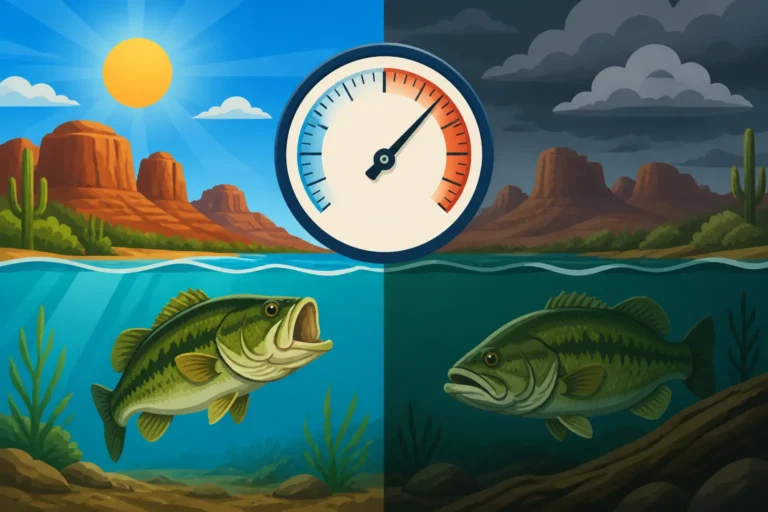
As the calendar flips to spring, the desert sun starts to beat down with increasing intensity. This warmth, combined with longer daylight hours, causes the surface water temperatures in our lakes to climb steadily. However, this warming isn't uniform. Shallower coves and flats warm up much faster than deeper main lake areas. This temperature differential is a key driver for fish movement. Species like largemouth and smallmouth bass, crappie, and even some catfish, will gravitate towards these warmer, shallower zones as they prepare for their annual spawn. It's not just about comfort; it's about the biological imperative to reproduce. Understanding these thermal gradients is like having a secret map to where the fish are hiding. Knowing that even a few degrees can make a difference, you'll often find yourself checking the water temperature with a thermometer on your boat or even a handheld one.
Fish Movement: From Winter Haunts to Spawning Grounds
The spring transition marks a significant shift in fish behavior. Throughout winter, many fish species hold in deeper, more stable water, conserving energy. As spring arrives, a powerful urge to feed and reproduce takes over, prompting them to move from those deep wintering areas into shallower "staging" locations. These staging areas are typically points, humps, or flats adjacent to deeper water, offering both security and proximity to spawning beds.
For bass, this means moving from deep channels or submerged timber to rocky points or secondary coves where they can bask in the sun and feed heavily before the spawn. Crappie will often move into brush piles or submerged trees in relatively shallow water. Catfish, while less tied to specific structures for spawning in the same way, will become much more active, seeking out warmer water and abundant food sources. This mass movement is what makes spring such an exciting time to fish; the fish are on the move, actively feeding, and often concentrated. Catching the fish during this period often means fishing the transitions between deep and shallow water, where they stage before pushing all the way to the banks.
Early Spring: Pre-Spawn Aggression and Prime Feeding
Early spring in Arizona, usually late February through March, is often characterized by fluctuating weather. We can still have cold snaps, but sunny days are becoming more frequent. This period is the pre-spawn phase for many species, a time when fish are incredibly active and aggressive, gorging themselves to build energy reserves for the rigors of spawning. This is often when you can land some of the biggest fish of the year if you know where to look and what to throw. It's a fantastic time for trophy hunters!
Targeting Pre-Spawn Bass
Pre-spawn largemouth and smallmouth bass are often found in "staging" areas just off their primary wintering grounds. Think about those main lake points, submerged humps, or the mouths of large coves that have access to both deep water and nearby spawning flats. These fish are typically grouped up, and when you find one, you're likely to find more. The key is to present lures that mimic abundant forage and trigger a feeding response.
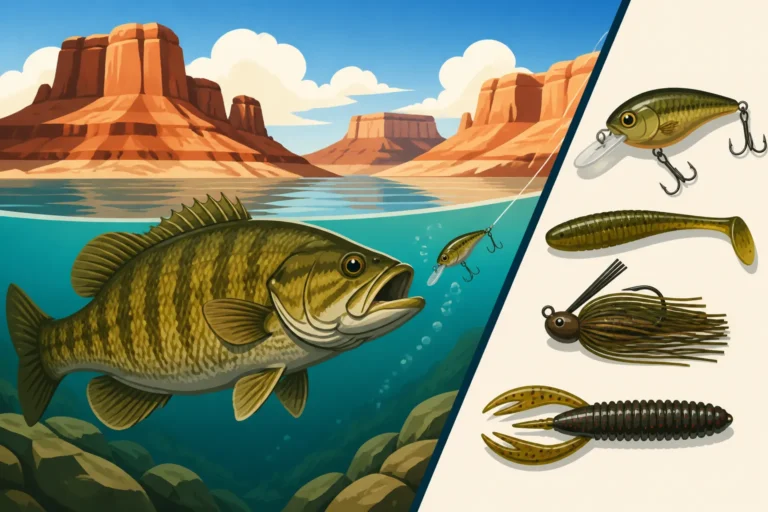
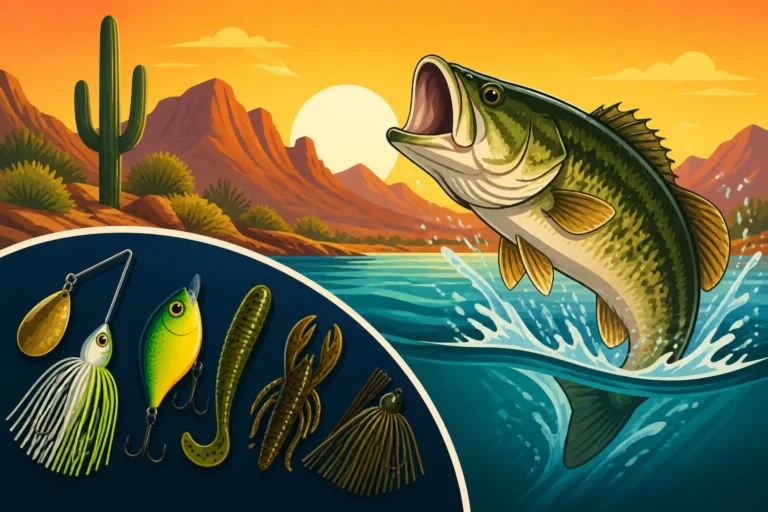
Medium to deep-diving crankbaits are excellent choices during this time. They allow you to cover water efficiently and bump off structure, often triggering reaction strikes from aggressive bass. Colors mimicking crawfish or shad are typically productive. Spinnerbaits, especially those with larger Colorado or Indiana blades for more thumping vibration, can also be deadly, particularly on overcast days or in slightly stained water. For slower presentations, jigs with bulky trailers, or even a Texas-rigged creature bait, worked slowly along the bottom of these staging areas can entice larger, more hesitant fish. Remember, these bass are trying to pack on weight, so a slow, deliberate presentation with a substantial meal can be irresistible. A quick search on Amazon will show you an incredible variety of crankbaits and jigs perfect for this pre-spawn period.
Crappie and Catfish Activity
While bass are stealing some of the spotlight, crappie and catfish are also becoming increasingly active in early spring. Crappie will start to migrate from deeper submerged timber to shallower brush piles, standing timber, and creek channels within coves. They'll stage in these areas, waiting for water temperatures to stabilize enough for their spawn. Small jigs (1/16 to 1/8 ounce) fished under a bobber with a slow retrieve, or tipped with a small minnow, are incredibly effective. Look for brush piles in 8-15 feet of water that are close to deeper channels. You might even find them suspended around vertical structures like bridge pilings.
Catfish, particularly channel catfish, will begin to move into shallower feeding flats and coves as the water warms. They're opportunistic feeders, and their metabolism is kicking into high gear. This is a great time to target them using cut bait (like shad or hot dogs), chicken livers, or even prepared stink baits fished on the bottom. Focus on areas with a muddy or silty bottom near incoming creeks or shallow flats that hold baitfish. Night fishing can also start to pick up for catfish as temperatures become more comfortable. Knowing the best bait for catfish in Arizona can really make a difference.
Mid-Spring: The Spawn and Post-Spawn Shift
Mid-spring, typically April and early May, brings the height of the spawning season for many popular species in Arizona's desert lakes. Water temperatures stabilize and climb into the optimal range, triggering fish to move to their beds. This period offers incredible opportunities but also requires a nuanced approach, as fish behavior changes dramatically once they commit to the spawn.
Bass on the Beds: Sight Fishing and Protective Instincts
When water temperatures consistently hit the mid-60s Fahrenheit, largemouth and smallmouth bass will move onto their spawning beds. These beds are usually found in shallow, protected coves, on flats, or in pockets off main lake points, often near some form of cover like a submerged rock, tree root, or even a small clump of grass. The males arrive first to fan out the nests, and then the females join them to lay eggs. During this time, bass are not actively feeding out of hunger, but rather out of a fierce protective instinct for their eggs and fry.
Sight fishing becomes a primary tactic if the water is clear enough. Polarized sunglasses are absolutely essential here to spot the lighter-colored beds and the bass guarding them. Once you've located a fish, repetitive casts with a soft plastic bait like a Senko, lizard, or creature bait can often coax a strike. The key is to repeatedly annoy the fish until it grabs the bait to remove it from the bed. Be patient, and often a brighter or contrasting color bait can provoke a stronger reaction. Remember, after the spawn, bass will move into a post-spawn phase, which means they'll be recovering and often relate to deeper cover close to their spawning areas. Understanding these Arizona Bass Fishing Closed Season Rules can ensure you're always fishing within regulations.
Crappie Spawning Frenzy
Crappie also enter their spawning phase when water temperatures reach the high 50s to low 60s Fahrenheit. They typically seek out brush piles, submerged trees, cattails, and thick vegetation in shallow, protected coves. Unlike bass, crappie are often found in large schools during the spawn, and when you find one, you've often found a whole group.
Small jigs, curly tail grubs, and minnows remain the top baits. Vertical jigging directly into brush piles, or slowly trolling through shallow timber with multiple rods, can be incredibly effective. Pay close attention to your electronics to locate submerged brush, or look for visible cover along the banks. The key is a slow, steady presentation. Crappie can be finicky, so experimenting with different jig colors and retrieve speeds is often necessary. The sheer numbers of fish during a crappie spawn can make for some truly memorable days on the water. Many anglers will stock up on various jig heads and soft plastics from sites like Amazon before crappie season hits its peak.
Late Spring: Adapting to Rising Temperatures and Post-Spawn Blues
As spring progresses into late May and early June, Arizona's desert lakes begin to heat up considerably. This transition often means the end of major spawning activities for most species, ushering in the post-spawn period. Fish behavior shifts again, and anglers need to adjust their strategies to remain successful as the water warms and fish disperse.
Post-Spawn Bass Behavior
After the intense energy expenditure of spawning, bass enter a post-spawn recovery phase. The females, especially, will often move to deeper, cooler water to recuperate, becoming less active for a period. The males, having guarded the fry, might still be found shallower but are often less aggressive. As the water continues to warm, bass will start to relate to deeper offshore structure, seeking thermal refuge and consistent food sources.
This is when fishing main lake points, ledges, submerged humps, and deep brush piles becomes paramount. Carolina rigs, deep crankbaits, and football jigs are excellent choices for working these deeper structures. Bass will still feed, but often in more specific windows (early morning, late evening, or during cloudy periods) and with less frenzied aggression than in the pre-spawn. Understanding How to Fish Deep Structure in Summer Heat is a valuable skill that starts developing in late spring. Don't be afraid to experiment with slower presentations and larger baits that offer a substantial meal.
Catfish Domination and Night Fishing
Late spring is when catfish really start to shine in Arizona's desert lakes. As water temperatures climb into the 70s and beyond, their metabolism goes into overdrive. Both channel and flathead catfish become extremely active, moving into shallower areas to feed more aggressively than any other time of year. This is prime time for big flatheads, especially on the Colorado River system.
For channel catfish, targeting shallow flats, creek mouths, and the backs of coves with stink baits, chicken livers, or cut bait remains highly effective. Look for areas with a soft, muddy bottom. For flatheads, live bait is almost always king. Bluegill, carp, or even small shad are excellent choices, fished on stout tackle near submerged timber, rock piles, or deep holes in river channels. Night fishing for catfish becomes increasingly productive as the day's heat drives them to feed under the cover of darkness. The stillness of the night, combined with cooler air temperatures, often makes for an unforgettable fishing experience. You can find robust catfish rigs and heavy-duty line on Amazon to handle these powerful desert dwellers.
Other Species and Adapting to Heat
While bass and catfish are prominent, other species like bluegill and sunfish will also be actively spawning in late spring, providing excellent opportunities for family fishing trips with simple techniques. Trout, however, will be retreating to deeper, cooler waters if they can find it, or become much less active in the desert lakes. Their preferred cooler water temperatures mean they'll be more prevalent in higher elevation lakes.
The overarching theme for late spring is adaptation to heat. Early mornings and late evenings become the most productive times. Hydration is crucial, and wearing appropriate sun protection is non-negotiable. Look for any source of cooler water, such as deep main lake channels, areas with shade, or where a slight breeze might be creating a surface chop. Fish will always seek out comfort and food, and as temperatures rise, comfort often means deeper, slightly cooler water.
Essential Gear and Safety for Spring Fishing in Arizona
Successfully navigating the diverse conditions of spring fishing in Arizona's desert lakes requires not just the right strategy, but also the right gear and a keen awareness of safety. The rapid shifts in weather and temperature can catch an unprepared angler off guard, so it's always best to be over-prepared.
Tackle Box Essentials for Spring
Your tackle box should reflect the versatility needed for spring fishing. Here’s a quick rundown of what I always make sure to have on hand:
| Category | Early Spring (Pre-Spawn) | Mid-Spring (Spawn) | Late Spring (Post-Spawn/Warm) |
|---|---|---|---|
| Bass Lures | Deep Crankbaits, Spinnerbaits, Jigs | Soft Plastics (Senkos, Lizards), Wacky Rigs, Flukes | Carolina Rigs, Deep Crankbaits, Football Jigs, Swimbaits |
| Crappie Baits | Small Jigs, Minnows, Small Spinnerbaits | Small Jigs (curly tail), Minnows, Micro Tubes | Small Jigs (vertical jigging), Minnows |
| Catfish Baits | Cut Bait, Chicken Liver, Stink Baits | Cut Bait, Chicken Liver, Worms | Live Bluegill/Shad (Flathead), Stink Baits, Cut Bait |
| Terminal Tackle | EWG Hooks, Jig Heads, Worm Weights | Weedless Hooks, Small Jig Heads | Barrel Swivels, Leader Line, Heavier Weights |
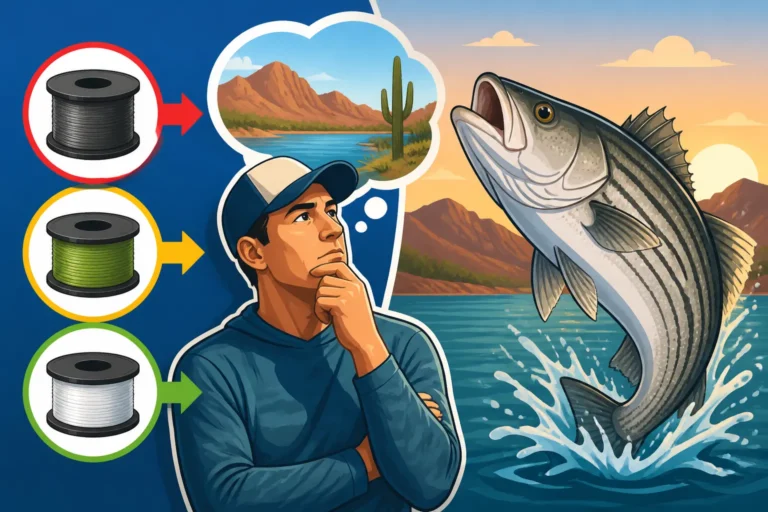
| Line | Fluorocarbon (clear water), Monofilament (all-around) | Fluorocarbon (stealth), Monofilament | Heavier Monofilament or Braided Line (catfish) |
Beyond specific lures, always have a good selection of hooks, sinkers, swivels, and extra line in various test strengths. A reliable pair of fishing pliers is invaluable for hook removal and cutting line. Don't forget a landing net, especially if you're targeting larger bass or catfish. You can often find great deals on a variety of fishing gear on Amazon, from lure kits to tackle boxes.
Sun Protection and Hydration
This can't be stressed enough: Arizona's sun is no joke, even in spring. What starts as a cool morning can quickly turn into a scorching afternoon. Prolonged exposure can lead to severe sunburn, heat exhaustion, and dehydration. Always wear a wide-brimmed hat, UPF-rated clothing, and high-SPF sunscreen. A good pair of polarized sunglasses will protect your eyes and help you spot fish or structure under the water.
Staying hydrated is absolutely critical. Bring more water than you think you'll need. Electrolyte drinks can also be beneficial, especially if you're spending long hours on the water. A quality cooler packed with ice and plenty of fluids is an essential part of your gear checklist for desert lakes. It's smart to review Heat Safety Tips for Summer Fishing in Arizona even when it's technically still spring.
Boating and Water Safety
If you're fishing from a boat or kayak, ensure all your safety equipment is in order. Personal flotation devices (PFDs) for everyone on board are a must, and children have specific requirements. Make sure your boat's registration is current and that you have all the required safety gear, such as a fire extinguisher, horn, and navigation lights if you plan to be out around dawn or dusk.
Always check weather forecasts before heading out. Spring can bring sudden, strong winds to Arizona's open desert lakes, creating dangerous conditions, especially for smaller boats. Be aware of changing water levels, which are common in our reservoirs, and know how to navigate safely around submerged hazards. A little bit of caution and preparation goes a long way in ensuring a safe and enjoyable day on the water.
Disclaimer
This article is for general informational purposes only and does not constitute professional advice. Laws, prices and regulations vary by location and change over time. Consult a qualified professional for guidance on your specific situation.