How to Fish Deep Structure in Summer Heat
Oh, the Arizona summer! It's a time of year when many anglers throw in the towel, convinced the intense heat has completely shut down the bite. It’s absolutely frustrating to head out to your favorite lake, expecting a good day, only to find the surface still and lifeless, with no signs of fish. But here's the secret: the fish haven't vanished; they've just retreated to the cooler, more stable environment of deep water. This guide is all about helping you conquer that summer slump by teaching you how to effectively fish deep structure, turning those challenging hot days into rewarding angling adventures.
Understanding Why Fish Go Deep in Arizona Summers
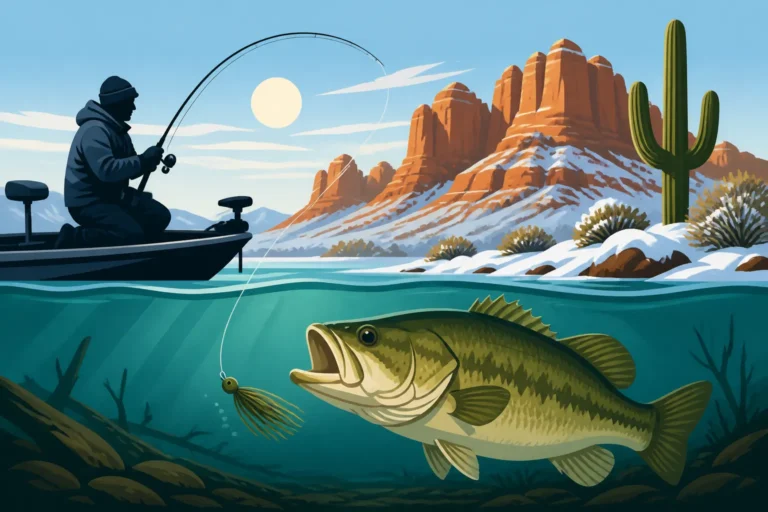
Arizona's desert lakes are beautiful, but they present unique challenges, especially when the mercury soars well into the triple digits. The idea that fish simply stop feeding in the heat isn't quite right; they just change their habits dramatically. When the sun bakes the surface, fish seek refuge in cooler, deeper water where conditions are more stable and oxygen levels are often better. This behavioral shift is absolutely crucial to understand if you want to consistently catch fish during the hotter months.
The Thermocline and Oxygen Levels
One of the most significant factors driving fish into the depths is the thermocline. Imagine the lake water as layers: the top layer gets super warm from the sun, while the bottom layer stays much colder. In between these two is the thermocline – a distinct layer where the temperature changes rapidly. For many warm-water species like bass, this thermocline often becomes their comfort zone. It's deep enough to be cool but still has sufficient oxygen. Above it, the water can be too hot and oxygen-depleted; below it, the water might be cool but lack enough oxygen to sustain them comfortably. Knowing how to locate this thermal sweet spot is like finding a hidden treasure map.
What complicates things further is that oxygen levels can deplete rapidly in deeper water below the thermocline due to decaying organic matter. This means that while fish want cool water, they also need breathable water. So, they're not just looking for "deep"; they're looking for the "right depth" where the temperature is ideal and there's enough oxygen. This often means they’ll be hanging right on or slightly above the thermocline, or in areas with underwater springs or currents that provide fresh, oxygenated water. Identifying these zones, whether through a good fish finder or local knowledge, can make or break your summer fishing trip.
Baitfish Movement and Forage
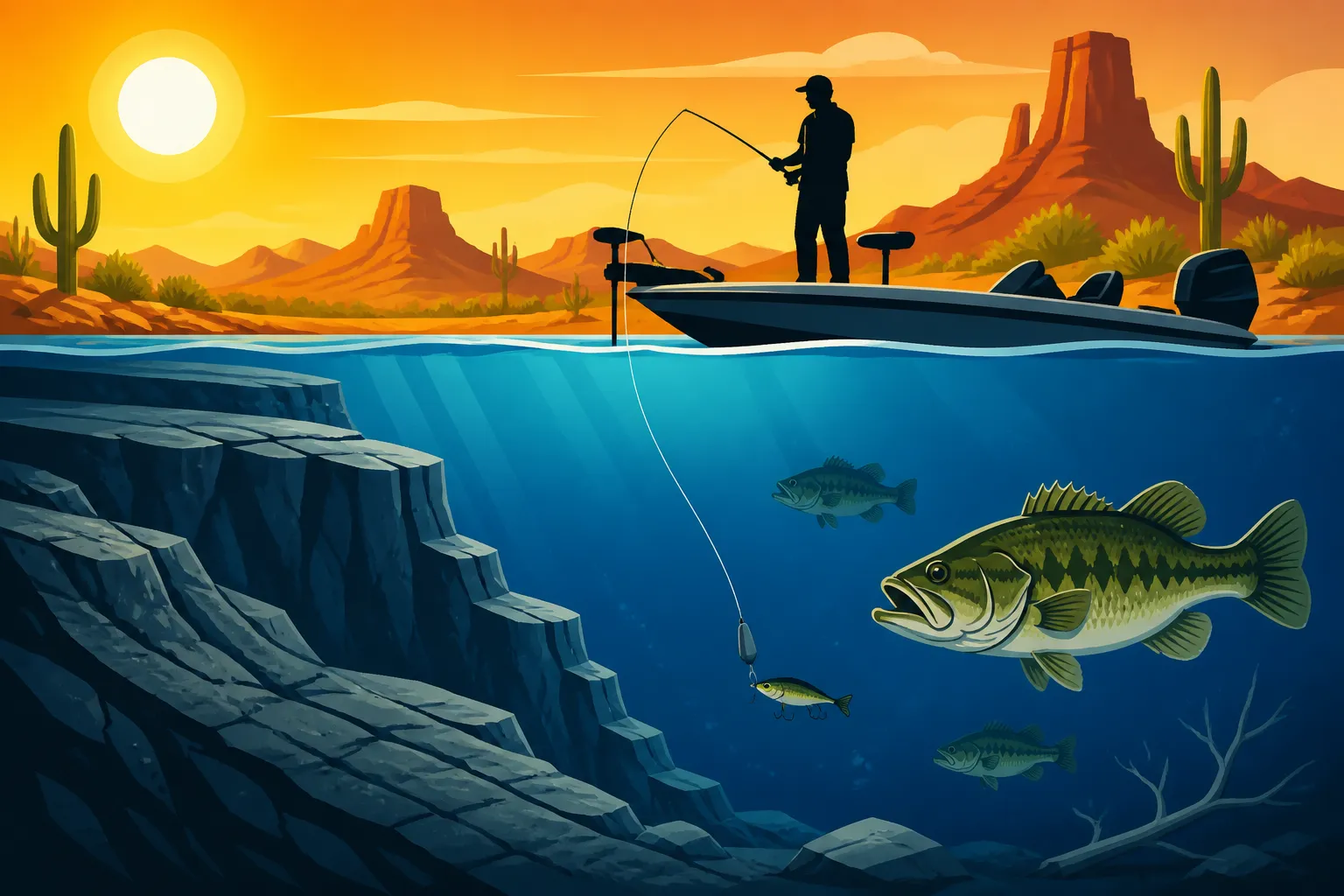
Fish, especially predators like bass and stripers, are always where the food is. In the summer heat, baitfish like shad and sunfish also move deeper, seeking cooler water and protection from avian predators. When the baitfish descend, the bigger predatory fish follow. This creates a fascinating dance in the underwater ecosystem. You’ll often find schools of baitfish congregating around deep points, humps, ledges, and submerged timber. The bass, crappie, and stripers will be lurking nearby, often just below or to the side of these schools, waiting for an easy meal.
It's not just about temperature and oxygen; it's about the entire food chain adapting to the summer conditions. Understanding the "why" behind the deep-water migration of both predators and their prey is your first step to unlocking summer fishing success. If you can locate the bait, you're usually not far from the game fish. Pay attention to those subtle cues on your sonar, as dense bait balls can be a dead giveaway to where the action is. This phenomenon is a key component to understanding the broader "Arizona Fishing Seasons Explained" and how fish behavior changes throughout the year.
Essential Gear and Electronics for Deep Structure Fishing
Fishing deep structure isn't just about casting further; it requires a specific set of tools and a different approach than shallow-water tactics. Trying to use your shallow-water finesse gear for deep-water cranking is like bringing a spoon to a knife fight – it just won't work effectively. Investing in the right gear makes all the difference, transforming frustrating blind casts into precise, confident presentations.
The Right Rods, Reels, and Line
When you're targeting fish holding in 20, 40, or even 60 feet of water, you need gear that can handle the increased weight, pressure, and fight of a deep-dwelling fish. For deep cranking, you'll want a medium-heavy to heavy power rod that's 7 to 8 feet long, with a moderate to fast action. This length helps with casting those heavy deep-diving crankbaits and provides leverage to fight fish and keep them buttoned up on long casts. For reels, a baitcasting reel with a lower gear ratio (around 5.1:1 to 6.4:1) is ideal for deep crankbaits, as it provides more torque for retrieving lures that create a lot of drag. For finesse techniques like drop shotting, a longer, lighter spinning rod (7' to 7'6" medium light to medium power) paired with a 2500 or 3000 series spinning reel is perfect, allowing for sensitive feel and controlled presentations.
Line choice is critical. For deep cranking, a strong monofilament or fluorocarbon in 10-15 lb test is usually preferred. Fluorocarbon, especially, is nearly invisible underwater, has less stretch than mono for better feel, and sinks, which can help your lure reach maximum depth. For drop shot or Carolina rigging, a braided main line (15-20 lb) with a fluorocarbon leader (6-10 lb) offers the best of both worlds: the sensitivity and strength of braid, and the invisibility of fluorocarbon. You can find excellent options for all these fishing lines on Amazon, often with detailed reviews to help you choose. Thinking about your line strength and stretch is a big part of selecting the "Best Line for Bass Fishing" in these conditions.
Advanced Fish Finders and Mapping
Trying to fish deep structure without a good fish finder is like navigating a maze blindfolded. Modern sonar technology is absolutely indispensable for identifying those subtle depth changes, humps, points, submerged timber, and even individual fish that hold in deep water. Look for units with Down Imaging and Side Imaging capabilities, which give you a much clearer picture of the bottom contour and what's around your boat. Brands like Garmin, Humminbird, and Lowrance offer fantastic options that can show you thermoclines, bait schools, and target fish with impressive clarity.
High-definition mapping, often built into these units or available as separate chips (like Navionics or C-MAP), provides invaluable contours and detailed bathymetry of the lake bottom. This allows you to identify promising structures like submerged roadbeds, creek channels, and deep points even before you launch your boat. You can literally spend hours studying these maps, identifying key areas where fish are likely to congregate. Being able to "read" your sonar is a skill that takes practice, but it’s one of the most important tools in your arsenal for understanding "How to Read a Fish Finder for Bass" and other deep-water species. When you combine detailed mapping with real-time sonar, you gain an incredible advantage, allowing you to pinpoint exactly where those fish are hiding and make every cast count.
Proven Techniques for Targeting Deep Structure
Once you understand why fish go deep and have the right gear, it's time to dive into the techniques that will put fish in your boat. Deep-water fishing isn't just about dropping a bait down; it's about precision, patience, and knowing how to present your lure effectively.
Drop Shotting and Carolina Rigging
These finesse techniques are absolute game-changers for targeting deep, lethargic fish that might not react to more aggressive presentations.
-
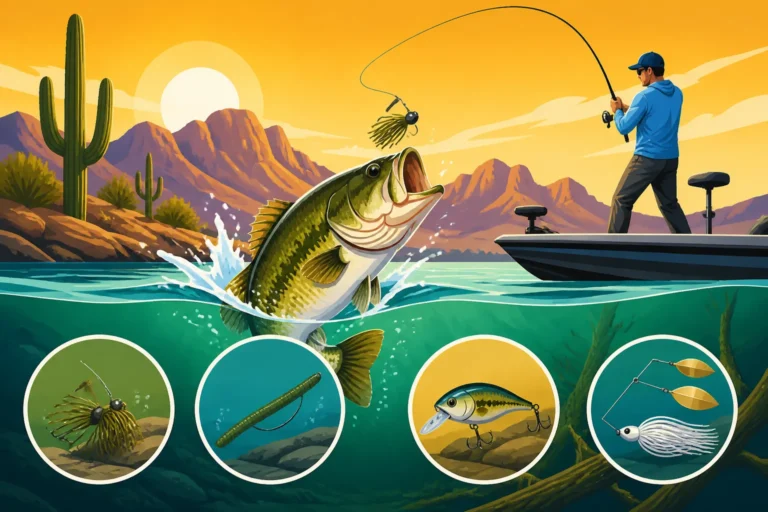
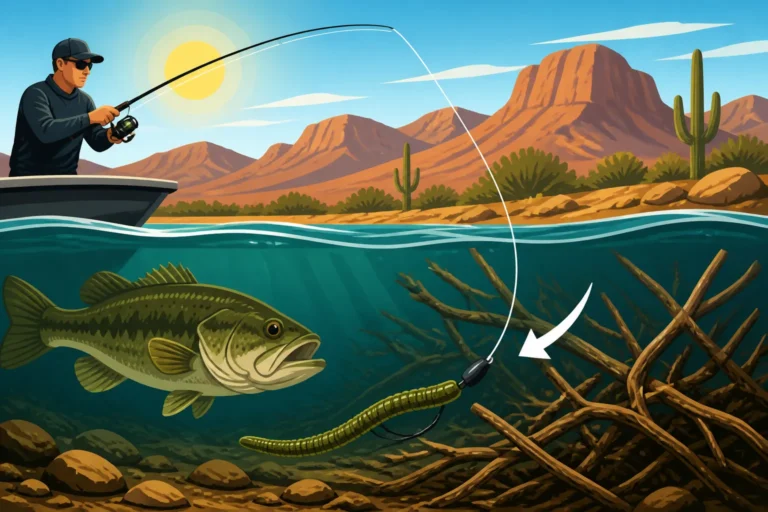
Drop Shotting: This rig involves tying a hook directly to your main line (or fluorocarbon leader) with a Palomar knot, leaving a tag end of 10-24 inches, to which you attach a weight. This allows your soft plastic bait (like a RoboWorm, small creature bait, or finesse worm) to suspend horizontally off the bottom, right in the fish's strike zone, while the weight maintains bottom contact. The beauty of the drop shot is its incredible sensitivity and ability to keep your bait hovering precisely where the fish are. When you see fish on your sonar at, say, 35 feet, you can set your hook 35 feet up from your weight. Finesse is key here; use minimal movements, just slight shakes of the rod tip to make the bait quiver. It’s deadly for pressured fish or when they’re just not actively feeding. For lightweight fishing accessories, Amazon has a wide array of drop shot weights and hooks to choose from.
-
Carolina Rigging: This technique is a fantastic way to cover water and present a bait near the bottom without it getting snagged as easily as a traditional Texas rig. It involves a weight (often a ½ oz to 1 oz bullet or egg sinker), followed by a bead (to protect the knot), then a swivel, and finally a leader (18 inches to 4 feet) with your hook and soft plastic bait. The weight drags along the bottom, kicking up sediment and attracting attention, while your bait floats enticingly behind it. This rig excels at finding fish scattered across deep flats, ledges, or points. It's often fished with a slow, sweeping motion of the rod, feeling for any subtle tick or pressure. Both these rigs are invaluable entries in the "Best Bass Fishing Techniques for Arizona Lakes" playbook, especially in summer.
Jigging Spoons and Deep Cranking
For a more aggressive approach, especially when fish are schooled up or actively feeding, jigging spoons and deep-diving crankbaits are highly effective.
-
Jigging Spoons: These heavy metal lures imitate dying baitfish and can be absolutely devastating when fish are concentrated on deep structure. Drop the spoon directly down to the depth where you're seeing fish on your sonar. Once there, you can yo-yo it, lifting it sharply with your rod tip and letting it fall on a semi-slack line. Most strikes occur on the fall, so pay close attention! Vary your retrieve speed and intensity until you find what the fish are reacting to. They're excellent for pinpointing schools of bass or even large crappie congregating around submerged humps or brush piles.
-
Deep Cranking: Nothing covers deep water faster than a deep-diving crankbait. These lures are designed to dive quickly and bump off structure, triggering reaction strikes. Pick crankbaits that are rated to reach or exceed the depth where you expect the fish to be. For example, if fish are at 25 feet, use a crankbait that dives 20-30 feet. Cast it out as far as you can and retrieve it steadily, letting it crash into rocks, stumps, or ledges. The deflection off structure is often when fish will commit. Colors can vary, but shad patterns, crawfish patterns, and bright chartreuse are often effective. Look for brands like Strike King, Rapala, or Berkley on Amazon for a wide selection of "Best Lures for Largemouth Bass in Arizona Lakes." Deep cranking can be incredibly physically demanding but extremely rewarding when you dial it in.
Scent and Presentation Tips
Even the most perfectly executed technique can sometimes benefit from a little extra help. Scent attractants can make a huge difference in tricking those finicky, deep-water fish. Applying a liquid or gel scent to your soft plastics or even your crankbaits can entice a fish to hold on longer, giving you more time to set the hook. Brands like Pro-Cure or Berkley Gulp! Alive! offer potent options.
Presentation is paramount. Remember, fish in deep, cool water might be less aggressive than their shallow-water counterparts. This often means slower retrieves for crankbaits, more subtle movements for drop shots, and pausing your retrieve to allow the bait to "die" in the water column. Experiment with different retrieve speeds, pauses, and lure actions until you find what triggers a strike. Sometimes, simply letting a bait sit motionless for an extended period after reaching the bottom can be the ticket. Also, consider the water clarity; in clearer water, more natural colors are often better, while in murkier water, brighter colors or those with more vibration might get noticed.
Key Arizona Lakes and Their Deep Water Opportunities
Arizona's desert lakes, while often shallow in many areas, also boast incredible deep-water structures that become prime fishing grounds during the scorching summer months. Knowing which lakes offer the best deep-water potential and what to look for can significantly shorten your learning curve. If you're planning a trip, be sure to check out our comprehensive guide to the "Best Fishing Lakes in Arizona."
Roosevelt Lake and Lake Pleasant
These two titans of Arizona fishing are absolutely phenomenal for deep-water opportunities.
-
Roosevelt Lake: Located east of Phoenix, Roosevelt is Arizona's largest lake and a deep-water paradise. During the summer, largemouth bass, smallmouth bass, and crappie retreat to the submerged creek channels, deep points, ledges, and standing timber that are abundant throughout the lake. The Tonto Creek arm and the main lake basin near the dam are particularly good areas to explore. Look for old roadbeds and humps that top out around 20-40 feet, surrounded by much deeper water. These are classic ambush points. Drop shotting finesse worms or jigging spoons around these features can yield incredible results, especially for largemouth. You might also find schools of crappie suspended around brush piles in 30-40 feet of water. Targeting specific areas like the "Deep Water Structure at Roosevelt Lake" can be a fantastic way to maximize your summer success.
-
Lake Pleasant: Just north of Phoenix, Lake Pleasant is another prime location, known for its massive striped bass population in addition to healthy numbers of largemouth and white bass. Its deep, clear waters are perfect for summer deep-water tactics. The main channel and the areas around the north and south dams are excellent places to start. Look for points that drop off quickly into 40-80 feet of water, as well as submerged islands and humps. Striped bass often school in these deeper areas, chasing shad. Trolling deep-diving crankbaits or casting heavy jigging spoons into boiling stripers (if you're lucky enough to find them) can be exhilarating. For largemouth, target steep rock walls, main lake points, and brush piles in 25-50 feet. Always pay close attention to your fish finder here; the schools can be massive. For a more focused approach, consult our "Lake Pleasant Arizona Fishing Guide" for detailed insights.
Canyon and Apache Lakes
These two stunning lakes, part of the Salt River chain, also offer unique deep-water challenges and rewards. Their canyon environments mean steep drop-offs and abundant rock structure, making them ideal for deep-water tactics.
-
Canyon Lake: Known for its dramatic red rock cliffs and crystal-clear water, Canyon Lake, near Apache Junction, offers excellent deep-water fishing for bass. The deep points, sheer rock walls, and submerged ledges are where largemouth and smallmouth bass will hold in summer. Look for brush piles and rock slides that extend down into 30-60 feet of water. Drop shotting small worms or creature baits along these ledges is incredibly effective. Sometimes, a slow-rolled football jig bounced off the bottom can also entice a strike. The water clarity often means lighter lines and more natural colors will perform better. This lake is also home to some impressive smallmouth bass, which are perfectly suited to the rocky, deep environments. Our "Smallmouth Bass Fishing Guide for Arizona" can provide more specific tactics for these feisty fighters.
-
Apache Lake: Further up the Apache Trail from Canyon Lake, Apache Lake offers a wilder, more remote deep-water experience. It's known for its robust population of largemouth and smallmouth bass, as well as decent numbers of crappie. The lake is characterized by numerous steep cliffs, rocky points, and submerged timber. In summer, the fish will concentrate on the ledges and drop-offs in the main lake and within the many canyon arms. Carolina rigs are excellent for covering the rocky bottoms, while deep-diving crankbaits can be productive when fish are actively feeding on those deep points. Crappie can often be found suspended around the abundant submerged timber, requiring a precise vertical presentation. Be prepared for a bit of a bumpy ride on the Apache Trail, but the fishing can be well worth the effort.
Remember, fishing deep structure in Arizona during the summer isn't just a strategy; it's a necessity for consistent success. With the right knowledge, gear, and techniques, you can turn those seemingly impossible summer days into some of your most memorable fishing trips. Just remember to stay hydrated and prioritize your "Heat Safety Tips for Summer Fishing in Arizona" while you're out there on the water!
Disclaimer
The information provided in this guide is for general informational purposes only. Fishing conditions and regulations can change, and it is always the angler's responsibility to check the latest Arizona Game and Fish Department regulations before heading out. Exercise caution and adhere to all safety guidelines while fishing.