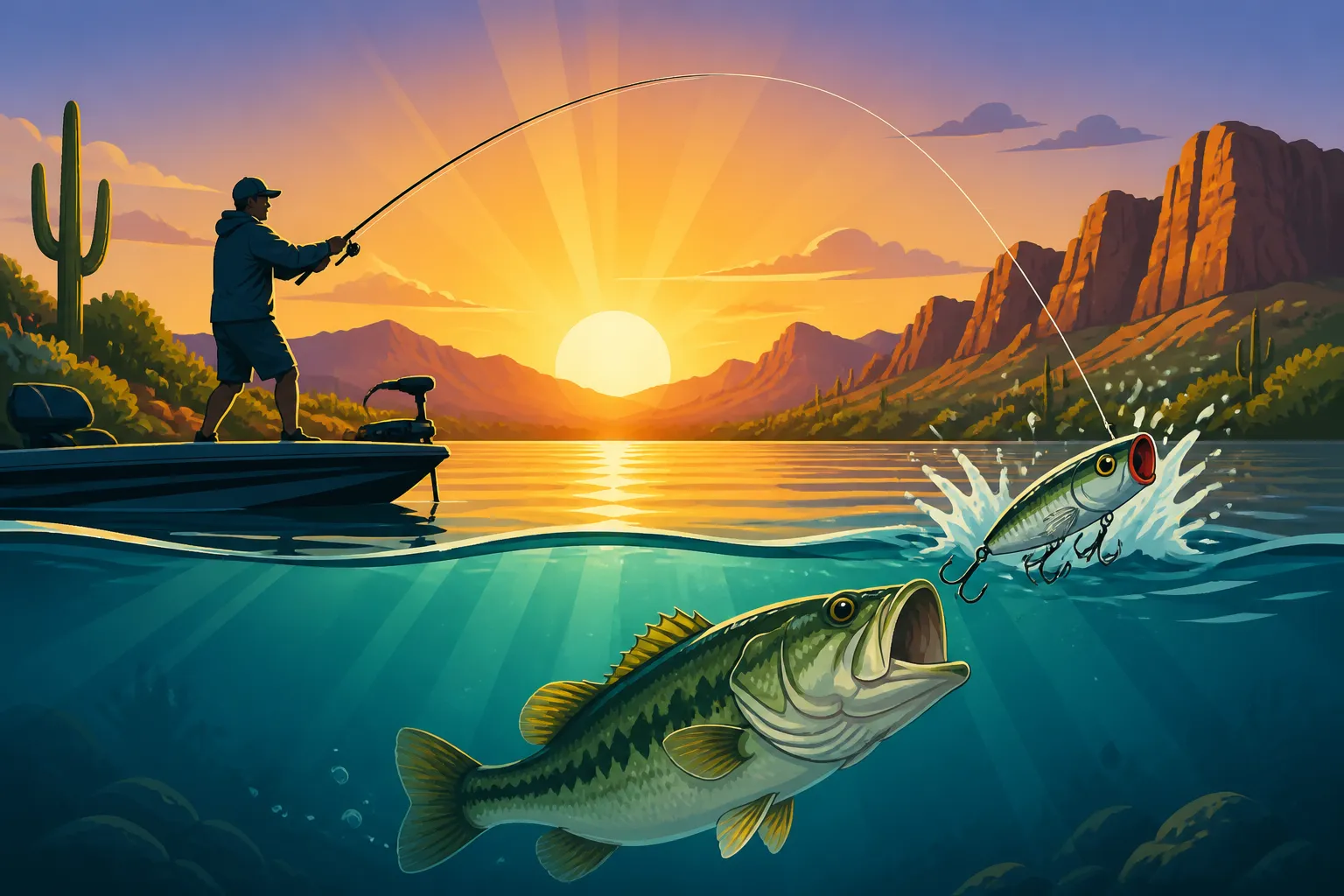
Is Early Morning the Best Time for Topwater Fishing?
Anyone who's spent more than a few scorching Arizona summers chasing bass knows the feeling: you're out on the lake, the sun is blazing, and the fish seem to have vanished into thin air. Many anglers swear by early morning as the prime window for topwater action, but is it truly the best time, especially in our unique desert environment? This guide is here to dive deep into why those serene pre-dawn hours often deliver explosive topwater strikes and what other factors you need to consider for success.
Why Early Morning Shines for Topwater Fishing in Arizona
There's a reason so many seasoned anglers set their alarms for ridiculously early hours, especially when the mercury starts to climb in Arizona. Those precious moments just before and after sunrise offer a combination of conditions that can turn a slow day into an unforgettable topwater frenzy. It’s not just an old wives' tale; there's real science and fish behavior behind it.
The Golden Hour: Low Light and Ambush Predators
Imagine you're a bass, an apex predator of the lake. During the bright, harsh midday sun, you're exposed, and your prey can spot you from a mile away. But as the first hint of light breaks the horizon, casting long shadows across the water's surface, your world changes. This "golden hour" creates perfect low-light conditions, significantly reducing visibility for baitfish and making it much harder for them to detect a lurking bass.
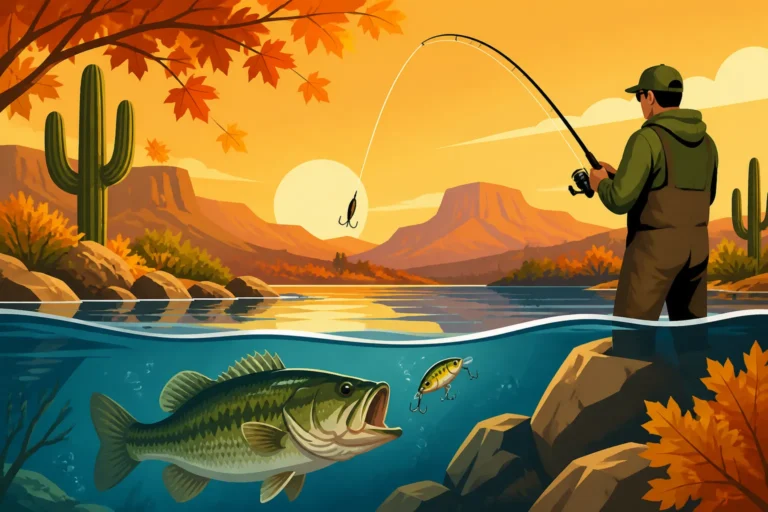
This dim light gives predatory fish like largemouth bass, smallmouth bass, and even some striped bass a distinct advantage. They become more confident, more aggressive, and more willing to venture into shallower water or near surface structures to ambush unsuspecting prey. Topwater lures, with their silhouetted profiles and surface commotion, perfectly mimic a struggling baitfish or insect during these conditions, making them irresistible targets. The subtle ripples and splashes against the tranquil morning backdrop are far more convincing than they would be under a glaring sun.
Cooler Temperatures and Active Fish
Let's face it, Arizona summers are brutal. Water temperatures in our desert lakes can climb into the 80s and even 90s degrees Fahrenheit during the day, which can make many fish sluggish and push them down into deeper, cooler water. But in the early morning, before the sun has had a chance to bake the lake, the surface water is at its coolest point. This dip in temperature is like hitting a refresh button for the fish.
Cooler water means higher dissolved oxygen levels and more comfortable conditions for many species. Fish that might have been lethargic or hiding in the depths during the peak heat of the previous day often move shallower to feed actively. This increased activity, combined with their natural predatory instincts in low light, creates a prime scenario for topwater bites. You'll often find bass cruising weed lines, rocky points, and submerged timber, looking for an easy meal before retreating to their deeper haunts as the day heats up. Understanding these Seasonal Movement Patterns of Arizona Bass can be a game-changer for your fishing strategy.
Less Angler Pressure
Another often-overlooked advantage of those pre-dawn starts? Fewer people on the water. While many dedicated anglers are already out there, the general boating and recreational crowd is typically still asleep. This means less boat traffic, fewer jet skis zipping by, and a generally calmer environment on the lake.
Reduced angler and boat pressure directly translates to less disturbance for the fish. When a lake is quiet, fish are less wary and more likely to exhibit their natural feeding behaviors. Loud engines, splashing, and constant commotion can spook fish and drive them deeper, making topwater presentations less effective. By getting out there before the crowds, you're giving yourself a peaceful environment where the fish feel safer and are more inclined to strike at something on the surface. Plus, you get the best spots all to yourself for a while!
Factors Beyond Time of Day for Topwater Success
While early morning certainly holds a special magic for topwater fishing in Arizona, it's not the only ingredient for success. There are several other critical factors that, when combined with the right timing, can turn a good morning into an epic one. Neglecting these can leave you scratching your head, even if you're out there at first light.
Water Conditions and Clarity
The state of the water itself plays a monumental role in topwater effectiveness. Arizona's desert lakes can range from crystal clear to surprisingly murky, depending on recent rains or inflow. For most topwater techniques, especially those that rely on fish seeing the lure's profile and reacting to its disturbance, clear to lightly stained water is generally preferred.
In clear water, fish can easily spot a topwater lure from a distance, and the distinct splash and wiggle are highly visible. However, ultra-clear, calm water can sometimes make fish wary, as they can also see your boat, your line, and every detail of the lure. Slightly stained water, where visibility is reduced to a few feet, can be ideal, offering enough clarity for fish to locate the lure but also providing them with a sense of security for an ambush. Conversely, very muddy or turbulent water, often seen after a monsoon storm, significantly decreases visibility and makes topwater lures much less effective, as fish rely more on scent and vibration in such conditions. Understanding How Water Clarity Affects Lure Choice is paramount for any Arizona angler.
Forage and Habitat
Topwater bites are often a direct response to what the fish are eating and where they're living. If the primary forage (like shad, bluegill, or insects) is active near the surface, then topwater lures mimicking that prey will be incredibly effective. Look for signs of baitfish dimpling the surface, or even better, schooling and being busted by predators. These "striper boils," common on lakes like Powell or Pleasant, are a topwater angler's dream, even if they happen mid-day.
Similarly, consider the habitat. Topwater lures shine around cover that offers ambush points – think submerged brush, weed beds, rocky points, docks, or overhanging trees. Bass will often position themselves beneath this cover, waiting for an opportune moment to strike upwards. If you're casting topwater over a vast, featureless expanse of deep water where fish are congregating near the bottom, your chances are naturally much lower. Matching your lure to the local forage and focusing your casts on prime ambush habitat, especially in the early morning, will dramatically increase your hook-up ratio.
Weather Patterns and Barometric Pressure
Believe it or not, the weather doesn't just affect human comfort; it profoundly impacts fish behavior, especially when it comes to surface activity. Stable, high-pressure systems generally mean calm conditions and often clear skies, which can lead to predictable early morning topwater bites. However, a sudden change in barometric pressure, particularly a dropping barometer signaling an approaching front or storm, can trigger intense feeding activity. Fish often sense these changes and will gorge themselves before the weather turns foul. This can lead to some incredible topwater action, even outside the "golden hour."
Conversely, a cold front moving through, bringing with it high, stable pressure and bluebird skies after a storm, can shut down the bite. Fish become more lethargic and less willing to chase. Wind is another critical weather factor. A light ripple on the water's surface can be beneficial, breaking up the water's smooth reflection and making your lure look more natural, while also helping to push baitfish. However, strong winds can make casting difficult and make it harder for fish to track your lure, often hindering topwater success. It's worth learning How Wind Affects Bass Fishing on Open Lakes to adapt your strategy.
Topwater Techniques for Arizona's Early Mornings
Once you understand why early mornings are so good, and what other factors are at play, it's time to talk about the how. Having the right approach to your topwater presentation can mean the difference between frustrating casts and exhilarating strikes. It's not just about throwing it out there and reeling it in; there's an art to making those lures dance.
Choosing the Right Topwater Lures
The world of topwater lures is vast, and picking the right one for Arizona's unique conditions can feel overwhelming. Different lures are designed for different actions and situations. For those calm, low-light early mornings, walk-the-dog style baits (like a Heddon Super Spook or Lucky Craft Sammy) that glide back and forth across the surface are often incredibly effective, mimicking an injured baitfish. Poppers (like a Rebel Pop-R or a Rapala Skitter Pop) create a more aggressive splash and gurgle, which can be great for attracting fish from a distance, especially around heavier cover.
Then there are buzzbaits, which create a distinctive sputtering sound and visual disturbance, perfect for covering water quickly and drawing reaction strikes, particularly around grass or flooded timber. Soft plastic frogs (like those from Zoom or Strike King), fished over thick vegetation or lily pads, are another early morning staple, offering a weedless presentation that bass can't resist. And don't forget prop baits, which combine the body of a stick bait with small propellers for added commotion. Consider buying a variety of these lure types, easily found on Amazon, to experiment and see what the fish are keying in on. For specific recommendations, check out our guide on the Best Lures for Largemouth Bass in Arizona Lakes.
| Lure Type | Best Early Morning Conditions | Action/Mimics | Ideal For |
|---|---|---|---|
| Walking Baits | Calm, clear to lightly stained water, low wind | Glides side-to-side, mimics injured baitfish | Open water, rocky points, shallow flats, around sparse cover |
| Poppers | Light ripple, slightly stained water, overcast | Sputters, chugs, splashes; mimics feeding bait | Targeting specific cover (docks, laydowns), drawing strikes from distance |
| Buzzbaits | Overcast, choppy water, around heavy cover | Sputtering, bubbling; mimics fleeing prey | Covering large areas, thick vegetation, reaction strikes |
| Soft Plastic Frogs | Heavy vegetation, lily pads, matted grass | Walks, glides; mimics frog or distressed critter | Fishing over thickest cover where other lures snag |
| Prop Baits | Calm to light chop, targeting wary fish | Subtle splash, gurgle; mimics small baitfish | Less aggressive fish, subtle disturbance around visible cover |
Presentation and Retrieve Tactics
It's not just what you throw, but how you throw it and retrieve it. For early morning topwater, a stealthy approach is crucial. Make long, accurate casts to avoid spooking fish, especially in shallow, clear water. Land your lure softly, mimicking a natural falling object rather than a cannonball splash. Often, after the lure hits the water, let it sit for a few seconds – sometimes the strike will happen right on the initial pause, as a curious bass investigates.
The retrieve itself depends on the lure type and the fish's mood. For walking baits, a rhythmic twitch-twitch-pause motion is key to making them "walk the dog." Poppers can be popped aggressively for a loud chug, or gently twitched for a subtle ripple. Buzzbaits are typically reeled steadily, just fast enough to keep the blade spinning on the surface. Frogs are often worked with short hops and pauses over vegetation. The key is to experiment. If fish are just swiping or missing, try varying your retrieve speed and pause duration. Sometimes a faster, more erratic retrieve triggers a reaction, while other times a long, patient pause is what they need to commit.
Targeting Key Structures
Early morning topwater success is heavily tied to identifying and targeting the right structures where fish are likely to be ambushing prey. In Arizona's desert lakes, these often include:
- Rocky Points and Bluffs: These areas provide quick access to deep water and offer bass prime ambush points as baitfish move shallower. Cast your topwater right up against the rocks and work it off the point.
- Shallow Flats with Cover: Look for shallow flats that have scattered brush, stumps, or submerged aquatic vegetation. Bass will often move onto these flats under the cover of darkness to feed and linger during the early morning hours.
- Shorelines with Overhanging Trees or Docks: Any structure that provides shade or cover over the water is a potential hot spot. Cast your topwater into these shaded pockets, letting it sit briefly before starting your retrieve.
- Transition Areas: The edges where shallow water meets deeper drop-offs, or where different types of cover meet (e.g., rock to sand, or grass to open water), are often highly productive as fish use these transition zones for travel and ambush.
Remember, fish are looking for easy meals. Placing your topwater lure in areas where baitfish congregate or where a bass can easily ambush from cover will dramatically increase your chances. Combining these targeting strategies with the cooler, low-light conditions of early morning is a powerful formula for success. For more general advice on Best Fishing Techniques for Arizona Lakes, dive into our comprehensive guide.
Other Productive Times and Considerations for Topwater
While early morning is undeniably fantastic for topwater fishing in Arizona, it's a mistake to think it's the only time you can get those exhilarating surface strikes. The beauty of fishing is that fish don't always read the rulebook, and sometimes, conditions align perfectly at other times of the day or year. Being adaptable and open to other windows of opportunity can keep your topwater game strong throughout the year.
Dusk and Overcast Days
Just as the sun rises, the hours leading up to sunset, often called the "evening bite" or "twilight bite," can be incredibly productive for topwater. As the sun begins to dip below the horizon, temperatures start to cool, and light levels diminish, creating similar conditions to early morning. Fish that have been hiding in deeper water during the day will often move shallower to feed before full darkness sets in.
Overcast days are another hidden gem for topwater fishing. A thick cloud cover acts like a giant diffuser, softening the sun's intensity and creating consistent low-light conditions throughout the day. This can extend the topwater bite for hours, even into midday, especially if there's a light chop on the water. These conditions make fish feel more secure and willing to chase a lure on the surface. Don't let a cloudy forecast deter you; it might just be the perfect day for a topwater explosion. You might even find success with Night Fishing Techniques and Safety if you extend your trip into the dark.
Seasonal Variations for Topwater
The effectiveness of topwater fishing, even in early morning, can shift with the seasons in Arizona. While it's generally a warm-weather technique, there are nuances.
- Spring: As water temperatures rise into the 60s and 70s degrees Fahrenheit, bass become incredibly active, often feeding heavily as they prepare for or recover from spawning. Early spring mornings can be phenomenal for topwater, especially around shallow spawning flats and coves.
- Summer: This is peak topwater season. Those blazing Arizona summer days make early mornings (and late evenings) absolutely crucial for surface action before the brutal heat pushes fish deep. Think about Summer Bass Fishing Tactics in Arizona and how topwater plays a role.
- Fall: As temperatures begin to cool, and baitfish school up, fall can offer a resurgence of aggressive topwater bites. Fish are often bulking up for winter, making them very susceptible to surface lures, especially during the morning feeding windows.
- Winter: Topwater fishing is generally less effective in the colder winter months when fish are deeper and less active. However, on warmer winter days, particularly in the lower desert lakes, a late morning bite with a slow-moving topwater can still surprise you, especially if you're targeting areas that warm up quickly. You can find more details in our complete guide to Arizona Fishing Seasons Explained.
The Importance of Experimentation
Ultimately, fishing is an art as much as it is a science. While early morning offers a statistically strong advantage for topwater fishing in Arizona, stubborn adherence to one rule can sometimes limit your success. The most successful anglers are those who are constantly observing, adapting, and experimenting.
If the early morning bite isn't happening, don't be afraid to try different lures, retrieve speeds, or even locations. Perhaps the fish are keying in on a different type of forage, or maybe a subtle change in light or wind has shifted their behavior. Maybe they want a fast-moving buzzbait instead of a slow-walking dog. Consider a varied selection of lures; you can find almost any kind of topwater bait on Amazon to fill your tackle box. Don't be afraid to fish later in the day if conditions (like an unexpected cloud cover or a sudden drop in pressure) seem favorable. Every day on the water is a new puzzle, and the willingness to experiment is often the most valuable tool in your tackle box, no matter the time of day.
Disclaimer
This article is for general informational purposes only and does not constitute professional advice. Laws, prices and regulations vary by location and change over time. Consult a qualified professional for guidance on your specific situation.