How Water Clarity Affects Lure Choice
It's incredibly frustrating, isn't it? You head out to your favorite Arizona fishing spot, whether it’s a shimmering mountain lake or a sun-baked desert reservoir, only to find the water looks completely different than last time. Maybe it's gin-clear, or perhaps it's a muddy coffee color after a recent monsoon. This drastic change in water clarity can totally throw off your game, leaving you wondering which lure to tie on. This guide is all about helping you decode those water conditions and make smart lure choices, ensuring you're always presenting something the fish can actually find and want to bite.
Understanding Arizona's Water Clarity Spectrum
Arizona's diverse aquatic environments mean you're going to encounter a wide range of water clarity, from crystal-clear alpine lakes to turbid desert impoundments. Knowing what "clear," "stained," and "muddy" really mean in the context of our unique state is the first step to choosing the right lure. It’s not just about what you can see; it’s about how much light penetrates the water and how fish perceive their surroundings.
Gin-Clear Waters and High Visibility
Imagine standing on the shore of Big Lake or casting into the pristine waters of Lees Ferry. The water is so clear you can often see the bottom or watch your lure for what feels like forever. These are gin-clear conditions, where light penetrates deeply, and fish rely heavily on their eyesight to locate prey. In such high-visibility situations, fish have ample time to inspect your offering, and they can easily spot anything that looks unnatural.
When fishing these conditions, fish can be particularly finicky. A bright, unnatural lure can actually spook them because it stands out too much against the natural backdrop. They're looking for subtle movements, realistic profiles, and natural colors that perfectly mimic their forage. Think about how a trout might react to a flash of iridescent scales versus a loud, obnoxious chunk of plastic. Subtlety is key here. Your presentation needs to be impeccable, and your lures should blend in rather than scream for attention.
Stained to Slightly Turbid Waters
Most of Arizona's popular desert lakes, like Roosevelt Lake or Lake Pleasant, often fall into the "stained" category. This isn't crystal clear, but it's not thick pea soup either. You might have 2 to 4 feet of visibility, sometimes more, sometimes less, depending on recent rain, boat traffic, or algal blooms. In these conditions, light penetration is reduced, but fish can still see fairly well, especially in shallower depths. They're not as easily spooked by a little flash or vibration as they would be in gin-clear water, but they're also not completely blind.
This is a sweet spot for many anglers because it offers a balance. Fish are often more active and less wary than in clear water, yet they can still track down a lure visually. Your goal in stained water is to choose lures that offer a good balance of visibility and natural appeal. You want something that stands out enough to be noticed but doesn't scream "fake" before a fish can investigate. This can be a fantastic time to experiment with a wider array of colors and actions, as fish are often opportunistic. For more on finding the best spots in these conditions, check out our guide on Best Fishing Lakes in Arizona.
Muddy or Heavily Stained Waters
Then there are those days, especially after a heavy monsoon storm or significant runoff, when the water turns a deep, opaque brown or green. Visibility might be a foot or less, making it incredibly challenging for fish to see anything beyond a few inches. This is heavily stained or muddy water. In these conditions, a fish's lateral line, which detects vibrations, and its sense of smell become paramount. Their eyesight, while still functional, is severely hampered.
Fishing muddy water can be tough, but it's far from impossible. The key is to help the fish find your lure by appealing to senses other than sight. This means focusing on lures that create significant vibration, have a strong profile, and sometimes, those that emit a potent scent. Forget about finesse and subtle presentations; it's time to get aggressive and make some noise. Fish in muddy water are often less discerning because they're simply trying to locate any potential meal. Understanding how to fish safely during monsoon storms in Arizona can be crucial for these conditions.
Matching Lure Colors to Water Conditions
One of the most immediate and impactful decisions you'll make when faced with different water clarities is your lure color. It’s not just about what looks good to us; it's about what looks appealing and visible to the fish under specific light conditions.
Bright, Natural, or Transparent for Clear Water
In gin-clear waters, the name of the game is realism and subtlety. Because fish can see so well, they're scrutinizing your lure for any tell-tale signs of artificiality.
- Natural Patterns: Think about the forage in that particular body of water. If you're targeting trout, a small, subtle lure in a silver, brown, or olive pattern that mimics minnows or insects will often outperform anything flashy. For bass, shad patterns (silvers, blacks, subtle blues) or crawfish patterns (browns, greens, pumpkinseed) are excellent choices. Many anglers find a good selection of these realistic lures on Amazon.
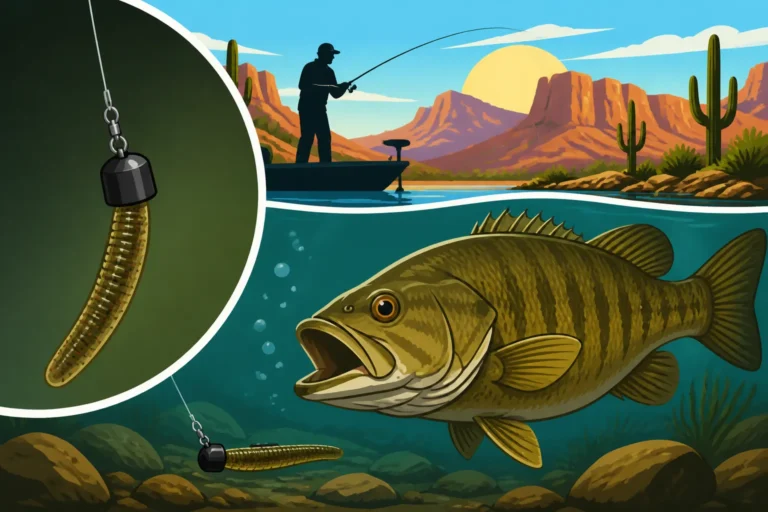
- Transparent and Translucent Lures: These lures allow light to pass through them, creating a more ghostly, natural appearance that can be incredibly effective. Clear or slightly tinted soft plastics, especially drop-shot worms or tubes, are fantastic in clear water. They give off a subtle shimmer without an overpowering color.
- Subtle Metallics: Small silver or gold spoons, or spinner blades that flash intermittently, can trigger bites without overdoing it. The key is subtle flash, mimicking the natural glint of a baitfish. For techniques specific to these conditions, check out our guide on Best Trout Fishing Techniques for Arizona Waters.
Contrasting Colors for Stained Water
When the water has a bit of a stain, you need your lure to stand out more than in clear water, but not so much that it's completely unnatural. This is where contrasting colors come into their own.
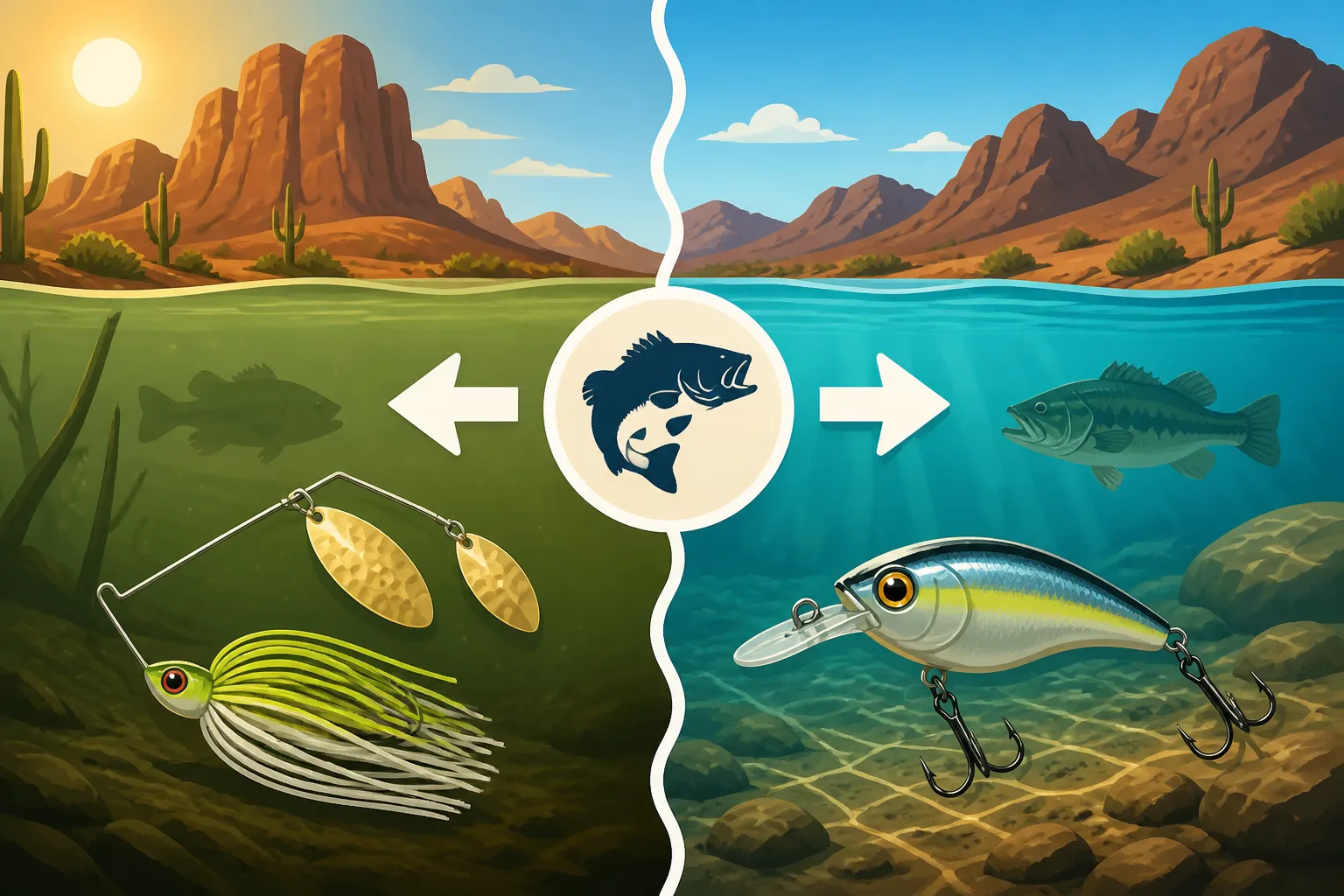
- Chartreuse, Orange, and White: These colors really pop in stained water, offering enough contrast against the slightly murky background to grab a fish's attention without being too overwhelming. Chartreuse, in particular, is a legendary color for bass and crappie in stained conditions, often used in crankbaits, spinnerbaits, and jigs.
- Blues and Purples: Surprisingly, certain shades of blue and purple can also be very effective in stained water. They offer a good silhouette and can often be seen by fish deeper in the water column, especially if there’s a hint of sunlight.
- Black/Blue Combinations: A black and blue jig, for instance, provides a strong silhouette and can be a fantastic choice. The black creates a dark profile against the slightly lighter water, and the blue adds a subtle but noticeable flash. This combination is a classic for bass fishing in these conditions. When building your tackle box for Arizona lakes, having a variety of these contrasting colors is crucial.
Dark and Vibrating for Muddy Water
In muddy water, visual cues are largely diminished. Your goal is to create a strong silhouette and displace as much water as possible.
- Black and Blue: This combination reigns supreme in muddy water. Black creates the most definitive silhouette against a dark background, making your lure easier for fish to "see" as a solid object. The blue can offer a subtle hint of color that adds to its appeal. Think jigs, large worms, and creature baits in these dark hues.
- Junebug and Dark Red: These deep, rich colors also provide excellent contrast and can be very effective in dirty water. Junebug, a dark purple with green flakes, is a personal favorite for many bass anglers when the water gets murky.
- Fluorescent and Glow Colors (selectively): While not always the first choice, some anglers find success with fluorescent orange or pink in extremely muddy water, especially if there's any UV light penetration. However, their primary role is often secondary to the lure's action and vibration. On a cloudy, muddy day, the distinct profile of a black or dark-colored lure purchased from a site like Amazon will generally be more effective than a bright, flashy one. Our guide on Best Bait for Catfish in Arizona also has some excellent tips for muddy water, as catfish excel in low visibility.
The Importance of Lure Action and Profile
Beyond color, how your lure moves through the water and its overall shape (profile) play an equally critical role, especially when water clarity changes. Fish interpret these factors differently depending on how much they can see.
Subtle Movements for Clear, Calm Conditions
In clear water, fish have a perfect view of your lure. Anything that moves too unnaturally or aggressively can immediately signal danger.
- Finesse Presentations: This is where finesse techniques truly shine. Think about drop shots, neko rigs, or small, weightless worms. The idea is to impart minimal, natural movement. A weightless senko slowly fluttering down, or a drop-shotted worm quivering with the lightest twitch, mimics dying baitfish or insects, which are easy meals. These subtle movements don't create much disturbance, allowing wary fish to approach and inspect without alarm.
- Natural Swimbaits and Glide Baits: For larger game fish, realistic swimbaits with a natural swimming action and subtle tail kicks can be deadly. These baits often have soft, segmented bodies that move fluidly, closely replicating the movement of actual baitfish. The key is a smooth, uninterrupted retrieve that doesn't scream "artificial."
- Slow Retrieves: Generally, a slower retrieve allows the fish more time to evaluate the lure and reduces the chances of it looking overtly fake. This is especially true for topwater presentations where a slow walk-the-dog or a gentle pop can be more effective than erratic, splashy movements. Mastering these techniques can elevate your game when fishing Arizona's clearest waters.
Aggressive Action for Low Visibility
When the water gets stained or muddy, subtlety often gets lost in the murk. You need your lure to practically scream, "Here I am!" to get noticed.
- Vibrating Lures: Chatterbaits, lipless crankbaits, and spinnerbaits with thumping blades are your best friends. These lures are designed to create significant hydro-acoustic vibrations that fish can detect with their lateral line from a distance. The more water they displace, the easier they are to find. The aggressive thumping of a chatterbait or the strong wobble of a wide-lipped crankbait can be irresistible in murky conditions.
- Erratic Movements: Don't be afraid to incorporate aggressive jerks and pauses. A jerking retrieve with a squarebill crankbait or a hard rip of a lipless crankbait can send out powerful distress signals, triggering reaction strikes. These unpredictable movements make it seem like struggling prey, and in low visibility, fish will often strike first and ask questions later.
- Large Profile Baits: A larger bait often means more water displacement. Consider bulkier jigs with large plastic trailers, big spinnerbaits with oversized blades, or even bigger soft plastics. The larger profile makes it easier for fish to get a visual (or tactile) lock on your lure when visibility is poor.
Profile and Size for Different Clarity Levels
The overall shape and size of your lure also play a significant role.
- Streamlined and Smaller for Clear Water: In clear conditions, smaller, more streamlined profiles tend to work better. They look less threatening and more natural. A fish can fully take in the shape of your lure, so anything too bulky or oddly proportioned might be rejected. Finesse worms, small jigs, and compact swimbaits are often ideal.
- Bulkier and More Defined for Stained/Muddy Water: As clarity decreases, a larger, more distinct profile becomes advantageous. Fish aren't getting a clear image, so a larger silhouette helps them define the "object" better. This is why a big creature bait on a Texas rig or a bulky jig with a twin-tail grub trailer can be so effective in dirty water. The bulk helps them detect and target the lure. For tips on specific species, our Largemouth Bass Fishing Guide for Arizona details how they react to different lure sizes.
Integrating Sound and Scent in Challenging Conditions
When fish can't rely on sight, their other senses become hyper-alert. This is where sound and scent can turn a tough day into a successful one, especially in Arizona's warmer, often more turbid waters.
Rattle and Vibration
In muddy or heavily stained water, sounds and vibrations are often the primary way fish locate prey.
- Lures with Built-in Rattles: Many lures, especially crankbaits, lipless crankbaits, and some jigs, come with internal rattles. These chambers contain small beads that click and clack as the lure moves, sending out acoustic signals that travel far through the water. This sound, combined with the lure's vibration, can be a potent attractant. When a bass hears that rattle, it can home in on the source even if it can't see it.
- Chatterbaits and Bladed Jigs: These lures generate an incredible amount of vibration and "thump" as they move. The blade vibrates erratically, sending out powerful signals that can be felt by a fish's lateral line from a good distance. They are particularly effective in dirty water where fish are relying heavily on vibration to track down their meals.
- Tungsten Weights: Even the type of weight you use can matter. Tungsten weights are denser and harder than lead, producing a louder "clack" when they contact structure or glass beads. This subtle sound can be a game-changer when Texas rigging or Carolina rigging in murky conditions. If you're struggling to get bites in low visibility, definitely reach for something that makes a ruckus.
Scented Baits and Attractants
While not as critical in crystal-clear water where visual appeal dominates, scent can be a major advantage when fish can barely see your lure.
- Pre-Scented Soft Plastics: Many soft plastic baits come infused with fish attractants. These might be garlic, shad, crawfish, or other proprietary formulas. The idea is that once a fish gets close enough to investigate, the scent confirms that it's a legitimate food source, encouraging them to hold on longer, giving you more time to set the hook.
- Applied Scent Attractants: You can also purchase liquid or gel scent attractants separately and apply them to any lure – soft plastics, jigs, crankbaits, even spoons. These can leave a scent trail in the water, guiding fish to your lure. They also mask any human scent that might transfer from your hands to the bait, which can be crucial for wary fish.
- Live Bait and Cut Bait: Of course, nothing beats the natural scent of live bait or cut bait. For species like catfish, where scent is paramount, cut bait or worms are often the go-to choice, especially in murky conditions. The strong odor travels far and can draw in fish that wouldn't otherwise notice your presentation. For more on this, check out our guide on Best Bait for Catfish in Arizona.
Adding scent is like adding an extra layer of enticement, confirming the meal and making it harder for fish to refuse. Combining a vibrating, dark-colored lure with a strong scent can be an unbeatable combination when the water clarity is poor. You can find a vast array of both scented baits and attractants, including those from popular brands, easily on Amazon.
Water Clarity vs. Lure Choice Summary
To help you quickly decide what to tie on, here’s a quick breakdown of how water clarity influences your lure choices in Arizona. This isn't a hard and fast rulebook, as conditions can vary, but it's a solid starting point for any angler.
| Water Clarity | Visibility Range | Preferred Lure Colors | Recommended Lure Types | Key Lure Feature |
|---|---|---|---|---|
| Gin-Clear | 5+ feet | Natural, transparent, subtle | Finesse plastics, small jigs, natural swimbaits, small spoons | Realism, subtle action |
| Stained/Turbid | 2-4 feet | Chartreuse, white, orange, blue | Crankbaits, spinnerbaits, jigs, medium soft plastics, bladed jigs | Contrast, moderate vibration |
| Muddy/Heavily Stained | 0-1 foot | Black, blue, dark purple, Junebug | Jigs with bulky trailers, chatterbaits, large spinnerbaits, soft plastics with scent | Strong silhouette, high vibration, scent |
Remember, this table is a guideline. Always pay attention to the specific conditions of the day and don't be afraid to experiment. Sometimes, a bright pink worm will catch fish in clear water, and a subtle natural bait will work in murky conditions, but these are exceptions, not the rule. Knowing the fundamentals gives you the best chance of success. For more general guidelines, our article on Arizona Fishing Season Dates and Limits can help you plan your trips.
The Finer Points: Adaptability and Local Knowledge
Ultimately, understanding how water clarity affects your lure choice is about being adaptable. Arizona's waters are constantly changing, and what worked last week might not work today. This dynamic environment rewards anglers who pay attention to details and are willing to switch up their strategy.
Trust Your Instincts (and Your Electronics)
Sometimes, no matter what the "rules" say, you'll have a hunch about a certain lure or color. Don't be afraid to trust that instinct! Fishing is as much an art as it is a science. If you have a fish finder, use it to understand the water column. Are fish holding tight to structure in clear water, or are they suspended in stained water? This information can further inform your lure choice and presentation. For instance, knowing How to Read a Fish Finder for Bass can give you a significant advantage.
Local Forage and Conditions Override All
While general guidelines are helpful, truly effective lure choice comes down to local knowledge. What baitfish species are prevalent in Roosevelt Lake versus Lake Havasu? Has there been a recent stocking of trout in an urban lake? These details can significantly influence which "natural" colors or profiles will be most effective. Chat with local bait shop owners or fellow anglers – they often have the most up-to-date insights on specific water conditions and what’s been working. Every body of water in Arizona, from the Salt River Chain of Lakes Explained to the high country streams, has its own nuances.
Experimentation is Key
Don't get stuck in a rut. If what you're doing isn't producing, change something. Change your lure color, change its size, change its action, or add scent. Sometimes, even a slight alteration can make all the difference. Keep a variety of lures, colors, and types in your tackle box, readily available, just like many anglers do when they stock up on essential tackle for desert lake fishing. The more options you have, the better equipped you'll be to adapt to whatever Arizona's waters throw at you.
Learning to read the water and adapt your lure selection accordingly is a skill that comes with time and experience. But by understanding the basic principles of how water clarity impacts fish behavior and lure visibility, you're well on your way to becoming a more successful and consistent angler in the beautiful, diverse waters of Arizona.
Disclaimer
This article is for general informational purposes only and does not constitute professional advice. Laws, prices and regulations vary by location and change over time. Consult a qualified professional for guidance on your specific situation.