Largemouth Bass Fishing Guide for Arizona
There's nothing quite like the thrill of a hard-hitting largemouth bass at the end of your line, especially when you're fishing in the unique, often challenging, but incredibly rewarding waters of Arizona. Many anglers dream of catching that trophy bass, but the desert environment presents its own set of puzzles. This comprehensive guide is designed to unlock the secrets to successful largemouth bass fishing across Arizona's diverse lakes, helping you understand their habits, find the best spots, and master the techniques that will put more fish in your boat or on your bank.
Understanding Arizona's Largemouth Bass
Before you can effectively catch largemouth bass, it's crucial to understand the fish themselves, especially how they thrive and behave in Arizona's distinct environments. These aren't your typical southern-pond bass; they've adapted to warm, clear waters and often exhibit aggressive feeding patterns.
What Makes Arizona Bass Unique?
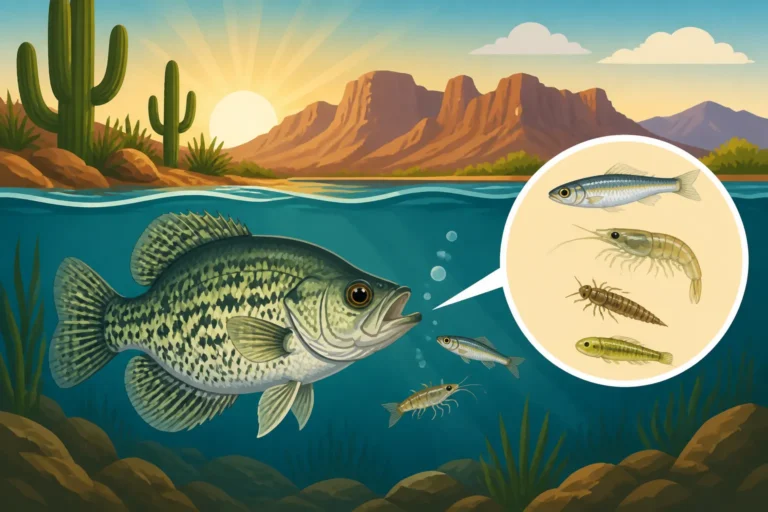
Arizona's largemouth bass are truly special. Unlike their cousins in more temperate climates, they often benefit from longer growing seasons due to our abundant sunshine and warm water temperatures. This means they can pack on size and weight surprisingly quickly, leading to some truly impressive catches. Our desert reservoirs, fed by rivers and monsoon rains, are rich in nutrients, supporting a robust forage base of shad, sunfish, and crayfish. This translates to healthy, hard-fighting bass that offer an exhilarating challenge to any angler.
However, these warm conditions also present challenges. The bass here are often more temperature-sensitive and will seek deeper, cooler water when the summer heat is at its peak. They've learned to be opportunistic feeders, taking advantage of everything from sunfish cruising shallow coves to threadfin shad schooling in open water. Understanding this dynamic growth and environmental adaptation is key to consistently finding and catching these powerful fish.
Identifying Largemouth Bass
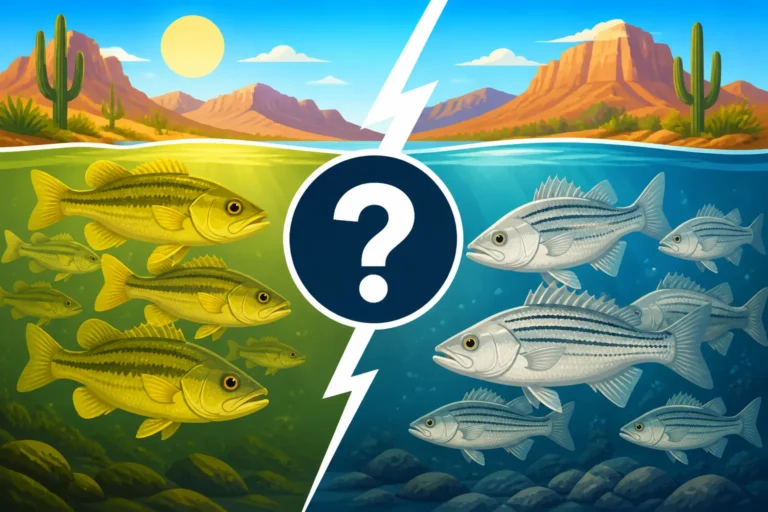
Spotting a largemouth bass might seem straightforward, but it's important to distinguish them from their equally popular relatives, the smallmouth bass and the less common spotted bass, both of which can be found in various Arizona waters. The most defining characteristic of a largemouth is right in its name: its mouth. When closed, the corner of the jaw (maxillary) extends beyond the back of the eye. This is the clearest visual cue.
Beyond the mouth, largemouth bass typically have a prominent dark, irregular lateral line running horizontally along their flanks, which can sometimes appear as a series of blotches rather than a solid stripe, especially on older fish. Their body coloration usually ranges from a deep olive green to lighter green or even golden hues, with a white to yellowish belly. Their dorsal fin is deeply notched, almost appearing as two separate fins. Learning these visual cues will not only help you identify your catch but also ensure you're targeting the right species for your techniques. For a more detailed comparison, check out our guide on Largemouth vs Smallmouth Bass Identification.
Preferred Habitats and Behavior
Largemouth bass are creatures of cover and structure. They are ambush predators, preferring to lurk in places where they can hide and surprise their prey. In Arizona's desert lakes, this often means submerged timber, rock piles, brush, deep ledges, and thick vegetation, if available. They will relate to these features differently depending on the season and time of day. In warmer months, they might hold tight to shaded cover or deep structure, moving shallower during dawn and dusk to feed. During the cooler seasons, they might suspend in open water near baitfish schools or slowly cruise shallow sun-warmed flats.
Their behavior is heavily influenced by water temperature and the presence of forage. When the water warms up, they become highly active and aggressive, chasing down fast-moving baits. In colder water, they slow down significantly, preferring slower, more subtle presentations. Understanding these seasonal and daily movements, along with their preference for specific types of Largemouth Bass Habitat in Arizona Lakes, is crucial for successful angling. Look for areas where structure meets a change in depth or where baitfish are abundant – these are often prime largemouth holding spots.
Top Largemouth Bass Fishing Lakes in Arizona
Arizona might be a desert state, but it boasts some phenomenal largemouth bass fisheries. From vast, sprawling reservoirs to smaller, community-focused ponds, there's a bass-filled water body waiting for every angler. Knowing where to go is half the battle, especially if you're chasing that next personal best.
Central Arizona's Renowned Reservoirs
When anglers talk about trophy largemouth bass in Arizona, their minds often turn to the state's central chain of lakes. These massive bodies of water offer incredible opportunities, but their sheer size can be intimidating.
- Roosevelt Lake: As Arizona's largest lake, Roosevelt is a legendary bass fishery. It features vast expanses of submerged timber, rocky points, deep channels, and varying water levels that constantly reshape its bass habitat. Anglers here can find bass relating to everything from brush piles in shallow coves to deep offshore humps. The lake consistently produces both numbers of bass and genuine trophy-sized fish. It's a fantastic spot for both boat and bank anglers, though a boat certainly opens up more territory.
- Lake Pleasant: Just north of Phoenix, Lake Pleasant is another powerhouse for largemouth bass. Its clear, deep waters and abundant forage base make it a consistent producer. You'll find bass holding around rocky ledges, submerged islands, brush, and the expansive open water where stripers often chase shad. Early mornings and late evenings during the warmer months are prime times, but deep-water techniques can be effective year-round.
- Apache Lake: Part of the famed Salt River Chain, Apache Lake is known for its steep, rocky cliffs and clear water. It's a challenging but highly rewarding lake for largemouth. Bass here often relate to vertical structure, deep points, and submerged rockslides. It's a fantastic lake for targeting bass with jigs, drop shots, and deep-diving crankbaits.
- Canyon Lake: Tucked between towering canyon walls, Canyon Lake is visually stunning and equally productive for bass. It's smaller than Roosevelt or Pleasant but offers incredible fishing with deep, clear water, rocky ledges, and some brushy coves. Topwater action can be explosive in the mornings, and flipping jigs into submerged brush is often a go-to technique.
- Saguaro Lake: The closest of the Salt River lakes to Phoenix, Saguaro is a popular spot for both recreation and fishing. It holds a healthy population of largemouth, particularly around its many coves, submerged trees, and rocky shores. It's a great lake for targeting bass in varying depths, from shallow topwater action to deeper jigging.
- Bartlett Lake: Located on the Verde River, Bartlett is known for its fluctuating water levels which create new cover each season. It boasts excellent bass fishing, particularly in its extensive coves and areas with submerged mesquite trees. Both largemouth and smallmouth bass thrive here, making it a diverse fishery.
These reservoirs, along with others like them, represent some of the Best Fishing Lakes in Arizona for targeting largemouth. They offer diverse environments and techniques for anglers of all skill levels.
Southern Arizona Hotspots
While Central Arizona gets a lot of attention, don't overlook the excellent largemouth opportunities in the southern part of the state. These lakes can offer a different fishing experience, sometimes with less pressure and unique challenges.
- Alamo Lake: Often called "Arizona's Bass Factory," Alamo Lake, located in west-central Arizona, is renowned for its exceptional largemouth bass fishing. It's a remote, wild reservoir known for its standing timber, brush-laden coves, and fluctuating water levels. The bass here grow big and aggressive, especially during the spring spawn. Flipping and pitching into cover are highly effective, as are crankbaits fished over submerged structure. If you're looking for a dedicated bass trip away from the crowds, Alamo is a prime destination.
- Patagonia Lake: Nestled in the hills south of Tucson, Patagonia Lake is a smaller, more accessible lake popular for its consistent bass action. It features clear water, rocky shores, and some scattered vegetation. It's a great spot for family fishing, offering good numbers of largemouth, especially during the cooler months. Topwater lures, spinnerbaits, and soft plastics are often productive here. It's a lovely spot for a relaxed day on the water with a good chance of hooking into some respectable bass.
These southern lakes provide fantastic alternatives and can often surprise anglers with their quality of fishing, proving that great bass fishing isn't limited to just one region of Arizona.
Community Fishing Program Lakes
For those who live in urban areas or are looking for highly accessible fishing, Arizona's Community Fishing Program offers some surprising largemouth bass opportunities. While often stocked with trout or catfish, many of these urban ponds and lakes also hold resident populations of largemouth bass. These aren't always trophy fisheries, but they can provide excellent action, especially for beginners or those looking for a quick after-work trip.
Lakes like Tempe Town Lake, Encanto Park Lake, and various ponds within the Phoenix and Tucson metropolitan areas have self-sustaining bass populations. They are often stocked with various panfish and smaller species, which provide ample forage for the resident bass. Fishing these urban waters requires a bit more stealth and finesse, as the fish can be pressured. Look for any available cover – docks, bridges, submerged weeds, or deeper pockets. Soft plastics, small crankbaits, and even fly fishing techniques can be surprisingly effective. These lakes are a fantastic resource for introducing kids to bass fishing or honing your skills close to home.
Essential Gear for Arizona Largemouth Bass
Having the right tools for the job can make all the difference when you're out on the water, especially when targeting hard-fighting largemouth bass in Arizona's diverse conditions. From rods and reels to the smallest hook, your gear choice impacts your success.
Rods, Reels, and Line
The foundation of your bass fishing setup starts with your rod and reel. For largemouth bass in Arizona, versatility is key, but leaning towards more robust tackle is often a good idea given the potential for larger fish and snag-prone structure.
- Rods: A good starting point is a medium-heavy power, fast-action casting rod, typically between 6'6" and 7'6" in length. This setup offers enough backbone to handle a strong bass, set a hook effectively, and pull fish out of cover, while the fast action provides sensitivity for detecting subtle bites. For lighter presentations like shaky heads or drop shots, a medium-light or medium power spinning rod with a fast action might be preferred. If you're doing a lot of heavy cover punching or frogging, a heavy power rod will be indispensable. You can find a wide range of options, including excellent all-around rods, readily available on Amazon. If you're looking for guidance, our article on Best Fishing Rods for Bass in Arizona offers more specific recommendations.
- Reels: For most largemouth applications, a baitcasting reel is the workhorse. Look for a gear ratio between 6.4:1 and 7.5:1, offering a balance of power and retrieve speed for various lures. A 6.4:1 is good for crankbaits, while a faster 7.1:1 or 7.5:1 is excellent for jigs, plastics, and topwater lures that require quick line pickup. Spinning reels, usually in a 2500 or 3000 size, are perfect for lighter lines and finesse techniques. Make sure your reel has a smooth drag system, which is crucial for fighting powerful bass.
- Line: Your choice of fishing line is vital.
- Fluorocarbon: This is a fantastic all-around choice for largemouth bass. It's nearly invisible underwater, has low stretch for good sensitivity and hook sets, and is fairly abrasion-resistant. Use 12-20 lb test for most applications.
- Monofilament: While more visible and stretchy, monofilament (10-17 lb test) is excellent for topwater lures due to its buoyancy and for crankbaits where stretch can aid in lure action. It's also very user-friendly for beginners.
- Braided Line: Extremely strong and sensitive with no stretch, braid (30-65 lb test) is ideal for fishing heavy cover, frogging, and punching mats. It's often paired with a fluorocarbon or monofilament leader for better stealth. Many anglers buy their fishing line in bulk from retailers like Amazon.
Lure and Bait Selection
The world of bass lures is vast and sometimes overwhelming, but focusing on a few key categories will cover most Arizona largemouth scenarios. Matching your lure to the conditions and the bass's mood is an art that comes with practice.
- Topwater Lures: Think frogs, poppers, walking baits, and buzzbaits. These are exhilarating to fish, especially during low-light conditions (dawn/dusk) or when bass are active near the surface. They mimic struggling baitfish or insects and elicit explosive strikes.
- Crankbaits: These dive to various depths and mimic baitfish. You'll want a selection of shallow divers (0-5 ft), medium divers (6-12 ft), and deep divers (15+ ft) to cover different water columns and target bass holding at specific depths or relating to ledges. Match colors to the local forage – shad patterns, crawfish, or sunfish imitations are usually reliable.
- Jigs: From football jigs for rocky bottoms to flipping jigs for heavy cover, jigs are incredibly versatile. Pair them with soft plastic trailers that add bulk and action. Black and blue, green pumpkin, and brown hues are consistent producers.
- Soft Plastics: This category is huge and includes worms (Texas-rigged, Carolina-rigged, shaky head), creature baits, flukes, and swimbaits. These are incredibly effective and can be fished in various ways to imitate almost anything. Senkos, for instance, are famous for their subtle, enticing fall. Many anglers stock up on their favorite soft plastics, often finding great deals and variety when shopping on Amazon.
- Live Bait: While many dedicated bass anglers prefer artificials, live bait like shiners or large minnows can be incredibly effective, especially for larger, more finicky bass. Always check local regulations regarding live bait use. For a deeper dive into what works, explore our Best Baits and Lures for Arizona Fishing guide.
Important Accessories
Beyond rods, reels, and lures, a few essential accessories can greatly enhance your fishing experience and ensure you're prepared for anything Arizona throws at you.
- Tackle Box or Bag: Staying organized is crucial. A well-stocked tackle box or a versatile tackle bag (many great options are available on Amazon) allows you to quickly access the right lure or tool without fumbling. Consider compartmentalized boxes for different lure types.
- Pliers and Line Cutters: Essential for safely removing hooks, cutting line, and making adjustments to your tackle. A good pair of multi-tool fishing pliers with a split ring opener and line cutters is invaluable.
- Fish Gripper/Scale: If you plan on catching and releasing bigger bass, a lip gripper can help you handle the fish safely without damaging its jaw or getting yourself hooked. A small, portable digital scale allows you to quickly weigh your catch for bragging rights before release.
- Sun Protection: Arizona's sun is intense. A wide-brimmed hat, polarized sunglasses (to see into the water and protect your eyes), long-sleeve SPF clothing, and high-SPF sunscreen are non-negotiable for comfort and safety during extended fishing trips.
- First-Aid Kit: Always a good idea to have a basic kit for minor cuts, scrapes, or insect bites.
Being prepared with the right accessories ensures a safer, more enjoyable, and ultimately more successful day on the water.
Mastering Largemouth Bass Techniques
Catching largemouth bass consistently in Arizona means understanding and adapting your techniques to the conditions, the season, and the specific behavior of the fish. There's no single magic bullet, but a versatile toolkit of methods will serve you well.
Seasonal Strategies
Arizona's climate means distinct fishing patterns throughout the year. What works in spring won't necessarily work in summer. Understanding these shifts is paramount to success. For a comprehensive overview, our Arizona Fishing Seasons Explained guide is an excellent resource.
- Spring (March-May): This is prime time for many bass anglers, as bass move shallow for the spawn.
- Pre-Spawn: Bass are aggressive and feeding heavily to build energy. Target staging areas near spawning flats, like points, submerged humps, and creek channels. Crankbaits, spinnerbaits, and jigs are excellent choices.
- Spawn: Bass are on beds, guarding their eggs. Sight fishing with soft plastics (Senkos, lizards) or small jigs can be effective, but remember ethical angling and release practices.
- Post-Spawn: Bass are often lethargic after spawning. They recuperate in nearby cover, often slightly deeper than the beds. Topwater lures, weightless worms, and flukes can tempt these less active fish.
- Summer (June-September): The Arizona heat forces bass deep or into heavy cover.
- Early Morning/Late Evening: This is your best window for shallow water action. Topwater baits, frogs over mats, and shallow crankbaits can be productive.
- Mid-Day: Bass retreat to cooler, deeper water. Focus on deep points, ledges, submerged timber, and brush piles using deep-diving crankbaits, jigs, drop shots, and heavy Carolina rigs. Night fishing for bass can also be incredibly effective during summer.
- Fall (October-November): As temperatures cool, bass become very active, feeding aggressively in preparation for winter. This is often considered the second-best season for bass fishing.
- Feeding Frenzy: Bass will chase baitfish schools in open water or along shorelines. Spinnerbaits, swimbaits, jerkbaits, and fast-moving crankbaits are excellent for covering water. Look for schooling activity and "boils" on the surface.
- Transition: As winter approaches, bass will start moving to deeper staging areas, but will still be willing to chase a meal.
- Winter (December-February): Bass are less active and metabolism slows. They often congregate in deeper, stable water.
- Slow & Deep: Focus on slow-moving baits in deep water. Jigs, finesse worms on shaky heads, spoons, and slow-rolled swimbaits are effective. Fish vertically over structure or along deep breaklines. Patience is key, as bites can be subtle.
Key Presentation Methods
Beyond seasonal shifts, mastering specific lure presentation methods will dramatically increase your catch rate. Each technique is designed for a particular scenario and type of cover. To learn more, delve into our Best Bass Fishing Techniques for Arizona Lakes guide.
- Flipping and Pitching: These are close-quarters techniques designed to accurately present a jig or soft plastic into heavy cover like submerged trees, brush, or docks. Flipping involves a short pendulum swing, while pitching uses a gentle lob. Both minimize splash and allow you to get your bait precisely where the bass are hiding. A heavy rod and braided line are often preferred for these techniques to pull big bass out of thick cover.
- Texas Rig: This is perhaps the most fundamental and versatile soft plastic presentation. A bullet weight slides freely above a worm hook, with the hook point embedded back into the plastic worm or creature bait, making it weedless. It's excellent for fishing through brush, weeds, and rocky bottom without snagging. Vary the weight based on depth and cover.
- Drop Shot: A finesse technique, the drop shot involves tying a hook directly to the main line (leaving a tag end), with a weight attached to the very end of the tag line. This allows a soft plastic bait to hover tantalizingly at a specific depth above the bottom, perfect for suspended bass or those in clear, deep water. It's incredibly sensitive and deadly when fish are finicky.
- Topwater Fishing: As mentioned, this is all about exciting surface strikes. Poppers, frogs, walking baits, and buzzbaits create commotion on the water, mimicking struggling prey. The key is to vary your retrieve speed and pause duration to entice strikes. It's most effective in low light, overcast conditions, or around heavy surface cover.
Reading the Water and Structure
Experienced bass anglers don't just cast blindly; they actively "read" the water to identify prime bass habitat. This involves understanding how bass relate to various types of structure and cover.
- Structure: This refers to changes in the lake bottom's topography, such as points, humps, ledges, creek channels, and rock piles. Bass use these features as highways and ambush points. A good fish finder is invaluable for locating subtle changes in depth and contour.
- Cover: This is anything that provides concealment or shade, such as submerged trees, brush, docks, lily pads, or rock formations. Bass often hold tight to cover, especially in clear water or bright sunlight, using it for protection and as a place to ambush prey.
- Baitfish: Where there's bait, there are usually bass. Look for schools of shad or other baitfish on your electronics, or observe visual cues like birds diving, surface ripples, or "boils" where bass are aggressively feeding on baitfish near the surface. Understanding What Largemouth Bass Eat in Arizona Lakes will help you identify the right areas.
By combining knowledge of seasonal patterns, mastering presentation techniques, and actively reading the water, you'll significantly increase your chances of finding and catching Arizona's elusive largemouth bass.
Maximizing Your Catch: Tips and Tricks
Beyond the fundamentals, there are numerous strategies and considerations that can significantly improve your success rate when targeting largemouth bass in Arizona. From timing your outings to practicing ethical angling, these tips will help you make the most of your time on the water.
Time of Day and Weather Considerations
Arizona's intense climate dictates much about when and how bass feed. Ignoring these factors can lead to frustrating days with little action.
- Dawn and Dusk: These are almost always prime feeding windows for largemouth bass, especially in warmer months. The lower light conditions make bass feel more comfortable moving into shallower water to feed, and the water temperatures are more favorable. This is when topwater baits can be most effective. If you're wondering about the best strategy, our guide on Best Time of Day to Fish in Arizona Heat offers valuable insights.
- Overcast vs. Sunny Days: Overcast conditions generally scatter light, making bass feel more comfortable roaming and feeding throughout the day. Brighter, sunny days often push bass tighter to cover or deeper into the water column. Adjust your lure choices and presentations accordingly – faster-moving, reaction baits on overcast days, and slower, more subtle presentations on sunny days.
- Barometric Pressure and Fronts: Bass are highly sensitive to changes in barometric pressure. Fishing just before a cold front moves in (when pressure is dropping) can be fantastic, as bass often feed aggressively. After a front passes and high pressure settles in, fishing can become much tougher, with bass often becoming lethargic and less willing to chase.
- Wind: A moderate chop on the water can actually be beneficial. It breaks up the surface, making bass less wary, and can activate baitfish. Wind also creates current, which can position bait and bass on specific points or structures. Too much wind, however, can make boat control and casting difficult.
Conservation and Ethical Angling
As responsible anglers, it's our duty to protect Arizona's precious fisheries for future generations. This means practicing catch and release, especially for larger breeding-size bass, and handling fish with care.
- Proper Fish Handling: When you land a bass, minimize its time out of water. Use a net to land it quickly. If you plan to weigh or photograph it, do so swiftly and return the fish to the water. Support the fish's full weight, especially large bass, to avoid damaging its jaw or internal organs. Use specialized tools like lip grippers to handle the fish securely. Our Catch and Release Rules for Arizona Anglers guide provides detailed information on best practices.
- Barbless Hooks: Consider using barbless hooks or pinching down the barbs on your hooks. This makes hook removal quicker and causes less damage to the fish, improving its chances of survival.
- Respect the Spawn: While fishing for bedding bass is legal, many anglers choose to avoid actively targeting fish on beds, allowing them to complete their spawning cycle undisturbed. This is a personal choice, but one that benefits the fishery long-term.
- Leave No Trace: Always pack out everything you pack in, including old fishing line, bait containers, and any other trash. Keep our lakes and shorelines clean.
The Importance of a Fishing License and Regulations
This might seem obvious, but it's often overlooked by new anglers or those visiting from out of state. Having a valid Arizona fishing license is not just a legal requirement; it's an investment in the state's fisheries, as license fees fund conservation and stocking programs.
- Always Carry Your License: Make sure you have your current Arizona fishing license with you whenever you are fishing. Digital licenses on your phone are generally accepted, but having a physical copy or printout can be a good backup. Familiarize yourself with how to buy one via our How to Buy an Arizona Fishing License guide.
- Know the Regulations: Arizona has specific regulations regarding bag limits, size restrictions, and special regulations for certain waters or species. These rules can change, so always check the current Arizona Game and Fish Department (AZGFD) regulations booklet or website before you go fishing. This is particularly important for species like bass, which may have different size limits on different lakes. Our Arizona Fishing Regulations Explained article provides an overview of what you need to know.
- Respect Tribal Lands: If you plan to fish on tribal lands, such as the San Carlos Apache Reservation (which includes San Carlos Lake), you will need a separate tribal fishing permit in addition to your state license. Always research and obtain the necessary permits before fishing these areas.
By adhering to these tips and regulations, you not only improve your own fishing experience but also contribute to the health and sustainability of Arizona's fantastic largemouth bass fisheries.
Common Challenges and Solutions
Fishing for largemouth bass in Arizona is incredibly rewarding, but it's not without its unique set of challenges. The desert environment, popular fishing spots, and dynamic lake conditions can test even the most seasoned angler. Knowing how to anticipate and overcome these obstacles can turn a frustrating day into a successful one.
Dealing with Arizona's Heat
Perhaps the most significant challenge for Arizona anglers, especially from late spring through early fall, is the intense heat. Not only does it affect the fish, but it also poses a serious health risk to anglers.
- Early Bird Gets the Bass: The simplest solution is to fish during the cooler parts of the day. This typically means getting on the water at dawn and fishing for a few hours, or heading out in the late afternoon and fishing into the evening or even after dark. Bass are more active and comfortable in shallower water during these times.
- Hydration is Non-Negotiable: Bring plenty of water, and drink it frequently, even if you don't feel thirsty. Electrolyte drinks can also be beneficial. A well-insulated cooler (like many quality options found on Amazon) is essential for keeping drinks and snacks cool.
- Protective Clothing: As mentioned earlier, long-sleeve, lightweight, breathable shirts with UPF protection are a must. Wide-brimmed hats, neck gaiters, and polarized sunglasses provide additional defense against the sun.
- Seek Shade and Depth: When the sun is high, bass will retreat to deeper water or dense shade. Adjust your tactics to target these areas. Consider fishing under docks, around deep ledges, or in areas with submerged timber that offers thermal refuge.
Navigating Crowded Waters
Arizona's most popular bass lakes, especially those close to metropolitan areas, can get incredibly busy, particularly on weekends and holidays. This can lead to pressured fish and competition for prime spots.
- Go During Off-Peak Times: If your schedule allows, fish on weekdays instead of weekends. Early mornings are generally less crowded than mid-day.
- Explore Less Pressured Areas: Even on popular lakes, there are often less-fished coves, channels, or stretches of shoreline. These might require a bit more effort to reach, but they can be well worth it.
- Target Different Species: Sometimes, if the bass bite is tough due to pressure, switching to another species like catfish or panfish can still provide an enjoyable day of fishing.
- Launch from Alternative Ramps: If available, using less popular boat ramps can help you avoid long lines and get on the water faster, allowing you to reach your fishing spots before the crowds.
- Focus on Specific Cover: Instead of trying to fish a large, open area, focus on small, distinct pieces of cover where bass might feel more secure, even in crowded conditions.
Identifying and Adapting to Changing Conditions
Arizona's desert lakes are dynamic environments. Water levels can fluctuate dramatically, clarity can change with runoff, and unexpected weather fronts can roll through. Successful anglers are those who can adapt.
- Water Levels: Fluctuating water levels constantly change the available cover and structure. High water can flood new vegetation, creating fresh bass habitat. Low water exposes structure that might have been hidden. Pay attention to how the bass are relating to these changes – are they moving with the water line or holding to deeper, more stable features?
- Water Clarity: Clear water often calls for more subtle presentations, lighter line, and natural bait colors. Stained or muddy water, common after monsoon rains, might require noisier lures (like spinnerbaits or chatterbaits), brighter colors, and stronger scents. Observe the clarity and adjust your lure selection and retrieve speed.
- Wind and Current: Wind creates surface chop and can push baitfish, which in turn attracts bass. Learn to fish wind-blown points and banks. Similarly, any current (especially in river-fed lakes or below dams) can position bass in predictable ambush points.
- Monitor Weather Forecasts: Keep an eye on the forecast for temperature swings, wind, and especially monsoon storms, which can bring heavy rain, lightning, and dangerous winds. Safety should always be your top priority.
By understanding these common challenges and having a plan to address them, you'll be better equipped to enjoy successful and safe largemouth bass fishing adventures across the Grand Canyon State.
| Lake Name | Primary Forage | Best Seasons | Typical Structure | Key Techniques |
|---|---|---|---|---|
| Roosevelt Lake | Shad, Crappie, Sunfish | Spring, Fall | Submerged timber, rocky points, creek channels | Jigs, crankbaits, spinnerbaits, soft plastics |
| Lake Pleasant | Shad, Tilapia, Sunfish | Spring, Fall, Early Summer | Rocky ledges, submerged humps, brush, open water | Drop shot, deep crankbaits, jigs, swimbaits |
| Alamo Lake | Shad, Crawfish, Sunfish | Spring, Fall | Standing timber, brush piles, rocky shorelines | Flipping/pitching, crankbaits, soft plastics |
| Canyon Lake | Shad, Sunfish | Spring, Fall | Steep canyon walls, rocky ledges, submerged brush | Jigs, drop shot, topwater, shaky head |
| Apache Lake | Shad, Sunfish | Spring, Fall | Vertical rock walls, deep points, rockslides | Jigs, drop shot, deep crankbaits |
| Saguaro Lake | Shad, Crappie, Sunfish | Spring, Fall, Early Summer | Submerged trees, rocky coves, docks | Topwater, spinnerbaits, jigs, soft plastics |
| Bartlett Lake | Shad, Crawfish, Sunfish | Spring, Fall | Mesquite trees, shallow flats, creek channels | Spinnerbaits, Texas rigs, crankbaits |
| Patagonia Lake | Shad, Sunfish, Crayfish | Spring, Fall, Winter | Rocky shores, scattered vegetation, deep pockets | Topwater, finesse worms, spinnerbaits, jigs |
Disclaimer
This article is for general informational purposes only and does not constitute professional advice. Laws, prices and regulations vary by location and change over time. Consult a qualified professional for guidance on your specific situation.