Catch and Release Rules for Arizona Anglers
It's incredibly frustrating when you're out on the water, you hook a beautiful fish, and then you're hit with that nagging doubt: "Can I keep this one, or do I have to let it go?" Arizona's fishing regulations can feel like a labyrinth, especially when it comes to understanding when and why catch and release is not just a good practice, but a mandatory rule. This comprehensive guide will untangle the specific catch and release rules for Arizona anglers, ensuring you can enjoy your time on the water with confidence, knowing you're protecting our precious fisheries for years to come.
Understanding Catch and Release: Why It Matters in Arizona
Catch and release has become a cornerstone of modern angling, especially in states like Arizona where many of our fisheries are sustained through active management rather than entirely natural reproduction. It's more than just a gesture; it's a vital conservation tool that allows anglers to enjoy the thrill of the catch while ensuring future generations can do the same.
The Philosophy Behind Catch and Release
At its heart, catch and release is about sustainability. Think about it: every fish released is a fish that gets to grow bigger, potentially spawn multiple times, and contribute to the overall health and population of its species. In Arizona, where many of our desert lakes and high-country streams face unique environmental challenges, every fish counts. It's a way of saying, "I value this resource enough to put it back, so others can experience it too." It shifts the focus from simply harvesting a meal to the sporting challenge and the satisfaction of a successful interaction with nature. It’s about being a steward of the environment rather than just a consumer.
For many anglers, the fight itself is the reward, the connection with the wild. The photograph might be the trophy, not the fish on a stringer. This philosophy helps reduce fishing pressure on popular species and allows for the development of trophy fisheries in certain areas, where fish have the opportunity to reach impressive sizes over many seasons. It fosters a respect for the aquatic ecosystem and encourages anglers to learn proper handling techniques that maximize the fish's chances of survival.
Benefits for Arizona's Fisheries
The benefits of widespread catch and release are profound for Arizona's diverse fisheries. First and foremost, it directly supports population levels. By returning fish to the water, particularly larger, breeding-size individuals, we're bolstering the reproductive potential of the stock. This is especially crucial for species that might have slower growth rates or more specific habitat requirements. Consider the vibrant trout streams in the White Mountains or the robust bass populations in our desert lakes; these healthy fisheries often rely on anglers practicing responsible catch and release.
Beyond sheer numbers, it also helps maintain a healthy age and size structure within fish populations. If everyone kept the biggest fish, the gene pool could suffer, and it would take much longer for new trophy fish to develop. Catch and release, when done correctly, ensures a mix of sizes and ages, leading to a more resilient and dynamic ecosystem. It also reduces the need for constant, intensive stocking programs in some areas, freeing up resources for other conservation initiatives. For an in-depth look at how these rules impact various species, you might find our Fish Species Guide for Arizona Lakes particularly useful.
Environmental Impact and Sustainability
Arizona's unique desert environment places specific demands on its aquatic ecosystems. High water temperatures in summer, fluctuating water levels, and limited natural habitat mean that fish populations can be particularly sensitive to overfishing. Catch and release directly addresses this by reducing the overall mortality rate due to angling. It's a crucial component of sustainable fishing practices that aim to balance human recreation with ecological preservation.
Moreover, promoting catch and release encourages anglers to be more environmentally conscious. It nudges us to learn about fish behavior, habitat, and the delicate balance of the ecosystems we enjoy. This heightened awareness often translates into other conservation efforts, like reducing litter, preventing the spread of invasive species, and supporting habitat restoration projects. It's about being part of the solution, not contributing to the problem, ensuring that the natural beauty and bounty of Arizona's waters remain for all to cherish.
General Catch and Release Regulations in Arizona
While the spirit of catch and release is often voluntary, there are specific instances and locations in Arizona where it's not just a good idea, but a legal requirement. Knowing these rules is paramount to avoiding fines and ensuring compliance with state regulations. These rules are part of the larger framework explained in the Arizona Fishing Regulations Explained guide.
Statewide Rules and Exemptions
Generally, outside of designated special regulation waters or species-specific rules, anglers have the choice to keep legal-sized fish up to the specified daily bag and possession limits. However, even when keeping fish is allowed, the Arizona Game and Fish Department (AZGFD) strongly encourages catch and release for many species, particularly larger breeding stock. The core principle is to manage fish populations for long-term health.
There are certain exemptions or considerations that aren't strictly "catch and release" but dictate what you can't keep. For example, some small, non-game fish might be exempt from limits, allowing for their use as bait, while protected native species must always be released immediately and unharmed. Understanding these nuances is crucial, and it’s why carrying a current copy of the Arizona Fishing Regulations is always a smart move.
Mandatory Catch and Release Waters
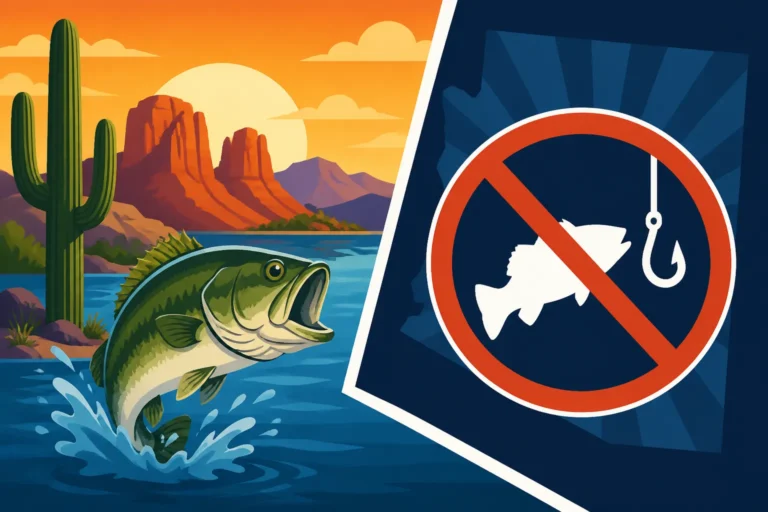
Arizona has several waters designated as "catch and release only" for specific species or for all species. These areas are usually established to protect sensitive populations, foster trophy fisheries, or aid in the recovery of endangered or threatened native fish. Ignoring these rules can lead to significant penalties, so it's vital to check the regulations for your chosen fishing spot before you cast a line. You can find detailed information about these areas in our guide on Special Regulation Waters in Arizona.
A classic example might be a particular stretch of a mountain stream managed for Apache trout, where strict catch and release rules are in place to support this native species. Another could be a small pond where a specific bass population is being allowed to grow to trophy size. These areas are clearly marked in the annual regulations booklet and often have signage on site. Always pay close attention to signs at boat ramps, trailheads, and along the shoreline.
Gear Restrictions and Their Role
To support successful catch and release, certain gear restrictions might be implemented in specific waters. These restrictions are designed to minimize harm to fish, increasing their chances of survival after release. Common restrictions include:
- Artificial Lures and Flies Only: This often prohibits bait, as fish are more likely to swallow bait deeply, causing internal damage. Artificial lures, particularly those with single, barbless hooks, are much easier to remove.
- Barbless Hooks Only: Barbless hooks greatly reduce tissue damage during hook removal. You can buy barbless hooks directly or simply pinch down the barb on your existing hooks with a pair of pliers. This simple modification makes a huge difference in fish survival rates.
These gear restrictions are typically found in mandatory catch and release areas, particularly those focused on trout or native species. Always consult the official AZGFD regulations to confirm specific requirements for your target location. Using appropriate gear, such as a quality pair of fishing pliers, is also essential. Many anglers, myself included, find a good pair of long-nosed pliers from brands available on Amazon invaluable for quick, clean hook removal, especially when dealing with toothy fish or deeply set hooks.
Species-Specific Catch and Release Rules
Arizona's diverse aquatic environments host a wide array of fish species, and the rules around catch and release can vary significantly depending on what you're targeting. Some species are fiercely protected, while others have more flexible regulations.
Protecting Native and Sensitive Species
When it comes to Arizona's native fish, catch and release isn't just encouraged; it's often a legal imperative. Species like the Apache trout, Gila trout, and various chubs and suckers are often protected under state and federal law. If you accidentally catch one of these species, you must release it immediately and unharmed. This is a crucial rule that every angler needs to understand. These fish are often rare and vital to the ecological health of their respective waterways. Our guide on Native Fish Protection Rules in Arizona offers a deeper dive into this critical topic.
It's your responsibility to be able to identify these fish, especially if you're fishing in areas known to harbor them. This might mean studying fish identification guides before your trip or being prepared to quickly identify a fish on the bank. If you're unsure, it's always best to err on the side of caution and release the fish gently. The penalties for keeping a protected fish can be severe, emphasizing the importance of these regulations.
Bass and Trout Regulations
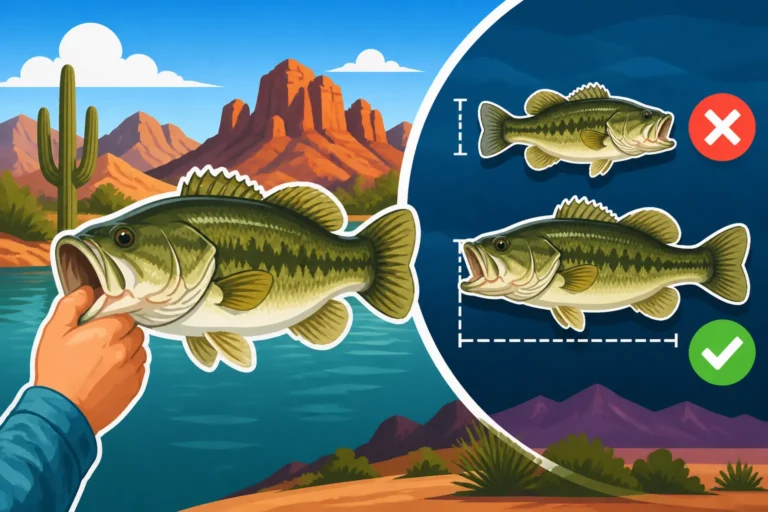
Bass (largemouth, smallmouth, and striped bass) and trout (rainbow, brown, brook) are among Arizona's most popular game fish, and their regulations often involve a mix of bag limits and size restrictions that implicitly encourage a form of catch and release. For instance, many lakes have slot limits for bass, meaning fish within a certain size range must be released, while smaller or larger fish can be kept. This helps protect the prime breeding fish and promotes a healthy population structure.
- Bass: For bass, minimum size limits are common. For example, a lake might require all largemouth bass under 13 inches to be released. This ensures young fish have a chance to grow and spawn before being harvested. Conversely, some areas might have slot limits, where only bass outside a specific size range (e.g., under 13 inches or over 16 inches) can be kept, protecting the most productive breeders. You can learn more about specific limits in our Fishing Bag and Possession Limits Explained article.
- Trout: In stocked lakes and streams, daily bag limits are typically generous, but in some native trout waters or sensitive stream sections, you might find "artificial lure and fly only" with mandatory catch and release. This is especially true for specific stretches of the Verde River or high-country streams that support wild trout populations. Anglers often choose to release trout voluntarily, particularly larger ones, recognizing their value to the fishery.
Other Game Fish Considerations
Beyond bass and trout, Arizona offers opportunities for species like catfish, crappie, and sunfish. For these panfish and bottom dwellers, catch and release is typically voluntary, with generous bag and possession limits. However, even with these species, responsible angling practices are encouraged. Releasing larger, older catfish can help maintain the quality of the fishery, for instance, allowing them to continue growing to trophy sizes.
There might also be rules that dictate methods of harvest for certain species. For example, spearfishing or bowfishing might have different rules than rod and reel angling. Always check the annual regulations for your target species and location. Remember, even if you plan to keep a fish, handling it with care and respect until it's properly dispatched is part of ethical angling.
Best Practices for Successful Catch and Release
Catching a fish is only half the battle; releasing it successfully, so it swims away strong and healthy, is the mark of a truly skilled and responsible angler. Implementing proper techniques can dramatically increase a fish's survival rate.
Minimizing Stress and Injury to Fish
The key to successful catch and release is minimizing the time a fish spends out of water and reducing physical trauma. Every second a fish is out of its aquatic environment, it's under stress. Here are some pointers:
- Land Fish Quickly: Don't play a fish to exhaustion, especially in warmer water. Bring it in efficiently to reduce stress and lactic acid buildup in its muscles. This is where a balanced rod and reel setup can make a difference.
- Handle with Wet Hands: Always wet your hands before touching a fish. Dry hands can remove the protective slime coat, making the fish vulnerable to disease and infection.
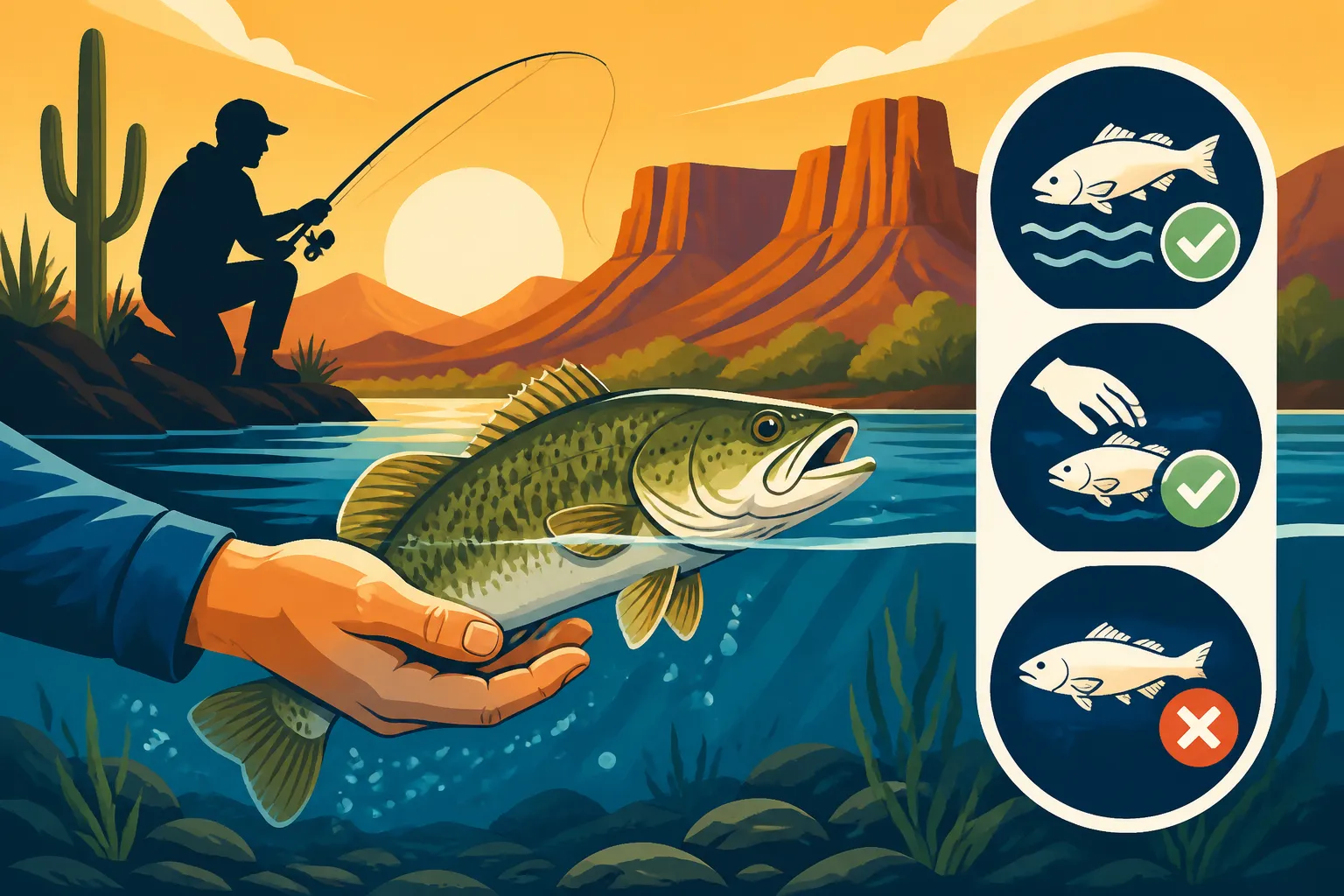
- Support the Fish: If you must hold the fish for a quick photo, support its body horizontally with two hands—one under the belly and one lightly gripping the tail. Avoid hanging large fish vertically by the jaw or gill plates, as this can cause internal organ damage.
- Keep it in the Water: For many species, especially trout, you can unhook and revive them without ever removing them from the water. This is the absolute best practice.
Essential Gear and Handling Techniques
Having the right tools can make a world of difference for successful catch and release.
- Forceps or Pliers: A good pair of long-nosed pliers or hemostats is indispensable for quickly and safely removing hooks. Look for ones made of rust-resistant material, available on platforms like Amazon, that can withstand being splashed with water.
- Netting: A knotless, rubberized landing net is ideal. These nets are much gentler on a fish's slime coat, fins, and scales than traditional knotted nylon nets. Use the net to quickly secure the fish, then keep it submerged while you remove the hook.
- Barbless Hooks: As mentioned earlier, using barbless hooks or pinching down barbs on your lures makes hook removal much easier and less damaging.
- Line Cutters: In cases where a hook is deeply embedded and removal would cause more harm than good, having line cutters to snip the line as close to the hook as possible allows the hook to eventually rust out, giving the fish a chance.
- Dehookers: For certain species or situations, specialized dehooking tools can extract hooks with minimal contact to the fish.
Here’s a quick reference table for handling:
| Fish Type/Size | Recommended Handling Technique | Key Gear |
|---|---|---|
| Small Trout/Panfish | Keep in water if possible. Wet hands, gentle grip, support belly. Release immediately. | Small hemostat/pliers, knotless rubber net |
| Medium Bass/Catfish | Wet hands, support horizontally. Thumb in jaw (bass) or firm grip behind head (catfish). Quick photo, immediate release. | Long-nosed pliers, knotless rubber net |
| Large Bass/Catfish | Use a net or lip grip. Keep submerged as much as possible. Support body. Revive if necessary before release. | Large, sturdy pliers, rubberized landing net, lip grip (optional) |
| Deeply Hooked Fish | Cut the line as close to the hook as possible. Avoid tearing gills or throat trying to remove. | Line cutters/scissors |
| Exhausted Fish | Hold gently in water, facing into current (if any). Move forward/backward slowly to push water over gills. Release when strong. | N/A |
For more general gear advice, check out our Essential Tackle Box Setup for Arizona Beginners guide.
Reviving and Releasing Fish Properly
After hook removal, a fish might be disoriented or exhausted. Proper revival techniques are crucial for ensuring its survival.
- Observe: Watch the fish for signs of distress. Is it struggling to stay upright? Is it breathing heavily (flaring gills)?
- Submerge: Hold the fish gently in the water, ideally in a current, facing upstream. This allows water to flow over its gills naturally. If there’s no current, gently move the fish forward and backward in the water to push oxygenated water through its gills.
- Support: Continue to support the fish until it can swim strongly on its own. Don't just toss it back in; wait until it gives a strong kick.
- Avoid Excessive Pressure: Don't squeeze the fish, especially its belly, as this can damage internal organs.
- Depth Release (Optional): For fish caught in very deep water (e.g., striped bass from 50+ feet), they can suffer from barotrauma (swim bladder expansion). Some anglers use specialized "fizzing" tools or descent devices to help these fish return to depth. However, this is an advanced technique and should only be done by experienced anglers who know how to do it correctly, otherwise, it can cause more harm.
Remember, the goal is for the fish to swim away and live to fight another day. Patience and gentle handling are key.
Common Misconceptions and Legal Considerations
Even seasoned anglers can sometimes get confused by specific regulations or hold onto outdated beliefs. Let's clear up some common misunderstandings about catch and release rules in Arizona.
Understanding Violation Fines and Penalties
Fishing without the proper license or violating catch and release rules, size limits, or bag limits can result in significant consequences. The Arizona Game and Fish Department (AZGFD) takes these violations seriously as they undermine conservation efforts. Fines can range from several hundred dollars to thousands, depending on the severity and nature of the offense. In addition to monetary fines, repeat offenders or those involved in egregious violations could face license suspension or even criminal charges.
It's not just about keeping a fish you shouldn't; improper handling leading to mortality of a protected species could also incur penalties. Ignorance of the law is generally not considered an excuse, which is why it's so important to review the current Arizona fishing regulations annually. Our article on Penalty for Keeping a Protected Fish in Arizona provides more specific details on the repercussions. Always verify the rules before you go fishing, especially when trying a new lake or river.
Distinguishing Catch and Release from Bag Limits
This is where a lot of confusion often lies. "Catch and release" is a method, while "bag limits" and "possession limits" are restrictions on the number of fish you can keep.
- Catch and Release: Means you must immediately return the fish to the water, unharmed. This applies regardless of its size or condition in designated catch and release waters.
- Bag Limit: This is the maximum number of fish of a particular species you are allowed to keep in a single day. For example, if the bag limit for trout is 6, you can keep up to 6 trout in a day. Anything beyond that must be released, even if you planned to keep them earlier.
- Possession Limit: This refers to the maximum number of fish of a particular species you can have in your possession at any given time, including those at your campsite, in your cooler, or at home. This limit is often higher than the daily bag limit (e.g., two daily bag limits) to account for multi-day trips.
The critical distinction is that in a mandatory catch and release area, there is no bag limit because you can't keep any fish. In other areas, you might voluntarily practice catch and release for most of your catches, but still keep a few fish up to your bag limit. Always be clear about which rule applies to your specific location and target species.
Tribal and Special Regulation Waters
Arizona is home to numerous tribal lands, and many offer incredible fishing opportunities, such as San Carlos Lake. However, fishing on tribal lands typically requires a separate tribal fishing permit in addition to your state fishing license. The regulations on these lands are set by the individual tribes and can differ significantly from state regulations, including specific catch and release rules, bag limits, and even allowable tackle.
For instance, the rules for Tribal Land Fishing Permits in Arizona might dictate specific areas for catch and release or have different size restrictions. Always purchase the necessary permits and thoroughly review the tribal regulations before fishing on reservation lands. Similarly, "special regulation waters" as designated by AZGFD (e.g., specific creeks, urban ponds, or sections of rivers) will have their own unique set of rules that might include mandatory catch and release for certain species or gear restrictions. These specific rules override the general statewide regulations, so never assume the general rules apply everywhere.
The Future of Catch and Release and Conservation Efforts
The ongoing success of catch and release as a conservation tool depends heavily on the continued efforts of anglers, state agencies, and a shared commitment to protecting Arizona's aquatic resources.
Angler Responsibility and Education
Anglers are the frontline stewards of our fisheries. Your actions on the water directly impact the health and sustainability of fish populations. Responsible angling means:
- Knowing the Rules: Staying informed about current regulations, including all catch and release requirements, size limits, and bag limits. The AZGFD website and printed regulations booklet are your best friends here.
- Practicing Proper Handling: Using the right gear and techniques to ensure fish survive after release. This includes wetting hands, using barbless hooks, and minimizing time out of water. Many local tackle shops, like those found through an Amazon search, offer kits specifically designed for safe fish handling and quick release.
- Reporting Violations: If you witness someone violating fishing regulations, reporting it to AZGFD can help protect our fisheries.
- Sharing Knowledge: Educating fellow anglers, especially newcomers and children, on the importance of conservation and proper catch and release techniques. Many youth fishing programs emphasize these skills. Our guide on Arizona Fishing Rules for Beginners touches on many of these foundational principles.
By embracing these responsibilities, anglers play a direct and crucial role in the future of fishing in Arizona.
Arizona Game and Fish Department Initiatives
The Arizona Game and Fish Department (AZGFD) plays a pivotal role in managing and conserving the state's fish populations. Their initiatives directly support and often mandate catch and release practices:
- Stocking Programs: While catch and release helps natural reproduction, AZGFD also maintains robust stocking programs for popular species like rainbow trout and various bass, ensuring healthy populations for anglers to enjoy.
- Habitat Restoration: They work tirelessly on projects to restore and enhance aquatic habitats, which are essential for fish survival and reproduction.
- Research and Monitoring: AZGFD conducts ongoing research to understand fish populations, health, and environmental impacts, using this data to inform regulations and management strategies, including where and when catch and release is most effective.
- Angler Education: The department actively promotes angler education programs that teach responsible fishing ethics, proper handling, and the importance of conservation.
These combined efforts create a framework that supports both recreational angling and ecological health, with catch and release being a critical component of that balance.
How Anglers Can Contribute to Conservation
Beyond following the rules, there are many ways anglers can actively contribute to conservation efforts in Arizona:
- Purchase Fishing Licenses: Your Arizona Fishing License Guide is more than just a permit; the revenue generated from license sales directly funds AZGFD's conservation programs, habitat restoration, fish stocking, and enforcement efforts. This is arguably the most fundamental way every angler contributes.
- Support Conservation Organizations: Join or donate to local and national conservation groups focused on aquatic habitats, such as Trout Unlimited, Bass Anglers Sportsman Society (B.A.S.S.), or local fishing clubs that often participate in clean-up and habitat improvement projects.
- Volunteer: Participate in stream clean-ups, habitat restoration workdays, or angler survey programs organized by AZGFD or local groups.
- Practice Leave No Trace Principles: Always pack out everything you pack in, and perhaps even a little extra litter you find. Minimize your impact on the shoreline and surrounding natural areas.
- Advocate for Sustainable Policies: Stay informed about proposed environmental legislation and advocate for policies that protect and enhance Arizona's natural resources.
By actively engaging in these ways, anglers become true partners in conservation, ensuring that the joy of fishing in Arizona remains a vibrant tradition for generations to come.
Disclaimer
The information provided in this guide is for general informational purposes only and is not a substitute for the official Arizona Game and Fish Department (AZGFD) fishing regulations. Regulations can change frequently. Always consult the most current official AZGFD fishing regulations booklet or website before engaging in any fishing activity in Arizona to ensure compliance with all laws and avoid penalties.