Tribal Land Fishing Permits in Arizona
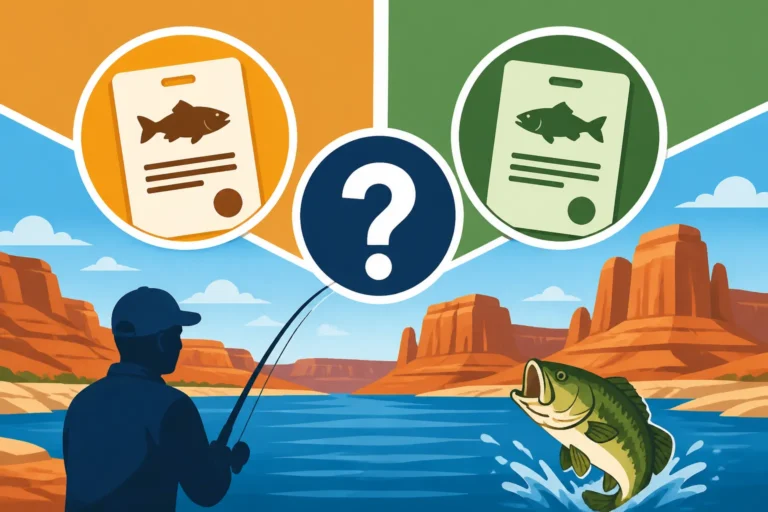
Many anglers in Arizona find themselves scratching their heads when it comes to fishing on tribal lands. It's a common misconception that a standard Arizona state fishing license will grant you access to all the beautiful waters within the state's borders, but that's simply not the case when it comes to sovereign tribal nations. This comprehensive guide will unravel the complexities of tribal land fishing permits, walking you through the distinct requirements, regulations, and unique opportunities these incredible fishing destinations offer, ensuring you're prepared for a respectful and rewarding experience.
Understanding Arizona's Tribal Lands and Fishing Access
Arizona is home to 22 federally recognized Native American tribes, and a significant portion of the state's most pristine and productive fishing waters lie within their sovereign territories. These lands are not public in the conventional sense, nor are they regulated solely by the Arizona Game and Fish Department (AZGFD). Instead, each tribe operates as an independent nation with its own governance, including setting its own rules for fishing, hunting, and land access. This unique status creates a distinct system for anglers.
The Sovereign Status of Tribal Nations
Imagine stepping into a different country within Arizona's borders. That's essentially the legal reality when you enter tribal lands. These sovereign nations have the inherent right to self-governance, which includes managing their natural resources, wildlife, and fishing opportunities. This means that a fishing license issued by the State of Arizona, while essential for state-managed waters, has no legal standing on tribal lands. It's a crucial distinction that many newcomers often overlook, leading to confusion or, unfortunately, unintentional violations. The tribal councils and their respective fish and wildlife departments are the authorities here, and understanding and respecting their autonomy is the first step toward a successful trip.
Why Tribal Permits are Separate from State Licenses
The separation of tribal and state fishing permits stems directly from the sovereign status of tribal nations. They maintain their own fish and wildlife departments, enforce their own laws, and manage their fisheries according to their own conservation goals and cultural values. This often results in different stocking programs, unique bag limits, and specific access rules tailored to their particular resources. For instance, while Arizona Game and Fish might stock certain community lakes with trout, a tribal lake could be managed for trophy bass or native species conservation, with regulations designed to support those specific objectives. Therefore, purchasing a tribal permit isn't just a formality; it's an acknowledgment of their sovereignty and a contribution directly to the management and conservation efforts on their lands. It's also an investment in an often unique and less pressured fishing experience. If you're still confused about the basic state requirements, our Arizona Fishing License Guide can help clarify statewide rules before you consider tribal waters.
Unique Conservation Efforts and Ecosystems
Many tribal nations in Arizona are leaders in conservation, often managing ecosystems that are vital habitats for both game and native fish species. Their management strategies frequently blend traditional ecological knowledge with modern scientific approaches, sometimes resulting in stricter regulations or unique practices that ensure the long-term health of their waters. For example, some tribal lakes are managed specifically for trophy fish, requiring special catch-and-release rules or slot limits that differ significantly from state regulations. Other areas might protect native species, imposing specific handling requirements or even closures. These efforts create incredibly healthy and vibrant fisheries, often providing opportunities to catch larger fish or experience more remote, untouched natural environments. By purchasing a tribal permit, you're directly supporting these critical conservation programs.
Key Tribal Fisheries in Arizona and Their Offerings
Arizona's tribal lands boast some of the most sought-after fishing destinations in the state. Each tribal nation offers distinct experiences, from vast desert lakes teeming with bass to high-elevation streams holding native trout. Understanding the primary offerings of each major tribal fishery will help you plan your adventure.
San Carlos Apache Reservation Fishing Hotspots
The San Carlos Apache Reservation, located in southeastern Arizona, is arguably one of the most popular tribal fishing destinations, primarily thanks to San Carlos Lake. This massive reservoir is a renowned hotspot for largemouth bass, channel catfish, and crappie. Anglers frequently report catching trophy-sized fish here, especially during the spring and fall. The lake's vast, irregular shoreline and numerous coves offer endless opportunities for both boat and shore anglers. Beyond the main lake, the reservation also features smaller waters like Bylas Lake and a section of the Gila River, which can provide diverse fishing experiences. For those planning a trip, knowing the Tribal Fishing Permit Cost for San Carlos Lake is your first step. It's common for visitors to ask, Do You Need a Separate Permit to Fish San Carlos Lake?, and the answer is a resounding yes! A tribal permit is absolutely essential.
White Mountain Apache Tribal Lakes and Streams
Venturing into the cooler climes of Arizona's White Mountains, you'll discover the White Mountain Apache Reservation, a paradise for trout anglers. This reservation is home to a spectacular network of high-elevation lakes and streams, many of which are meticulously managed for various trout species, including rainbow, brook, brown, and even the rare Apache trout. Big Lake, Hawley Lake, Sunrise Lake, and Reservation Lake are just a few of the iconic names that draw anglers from across the country. The streams, such as the Black River and Diamond Creek, offer incredible fly-fishing opportunities. The White Mountain Apache Tribe's dedication to maintaining healthy fish populations and pristine habitats makes this area a true gem for cold-water fishing. You'll find the regulations and permit requirements here are distinct from the state's, reflecting the tribe's specific management goals for their unique mountain fisheries.
Navajo Nation Waters and Recreational Opportunities
Further north, the vast Navajo Nation territory extends into Arizona, New Mexico, and Utah, offering several significant fishing opportunities within Arizona's borders. Lake Powell, a massive reservoir shared with the state of Utah, has a significant portion within the Navajo Nation. While a special permit from the Navajo Nation is generally not required for the main body of Lake Powell if you possess a valid Arizona or Utah state license, accessing certain shorelines, canyons, or specific fishing spots within the Navajo Nation portion might necessitate a tribal permit, especially if you plan to camp or use their access points. Beyond Lake Powell, the Navajo Nation also manages other smaller lakes and stretches of rivers, which provide opportunities for various species including trout, bass, and catfish. Always check with the Navajo Nation Game and Fish Department for the most current information, especially if you're exploring less-traveled areas.
Navigating the Permit Process for Tribal Lands
Getting your fishing permit for tribal lands isn't quite the same as buying a state license, but it's usually a straightforward process once you know where to look. Each tribe handles its own permits, so understanding the specifics for your chosen destination is key.
Step-by-Step Guide to Purchasing Permits
The process for obtaining tribal fishing permits varies by tribe, but generally involves these steps:
- Identify Your Destination: First, decide which tribal land you want to fish (e.g., San Carlos Apache, White Mountain Apache, Navajo Nation).
- Locate the Tribal Fish & Game Department: Each tribe will have its own department responsible for issuing permits. A quick online search for "[Tribe Name] Fish and Game Department" will usually lead you to their official website. For instance, if you're going to San Carlos, you'll want to know Where to Buy a San Carlos Apache Fishing Permit.
- Check for Online Options: Many tribes now offer the convenience of purchasing permits online. This is often the easiest and most recommended method, allowing you to secure your permit before you even leave home. You'll typically print out your permit, or carry a digital copy on your phone.
- Find Approved Vendors: If online purchase isn't an option or you prefer to buy in person, tribal departments often list authorized vendors, which might include local bait and tackle shops, general stores on the reservation, or even gas stations near the tribal lands.
- Gather Required Information: You'll usually need to provide personal identification (driver's license), contact information, and sometimes your state fishing license number for reference.
- Understand Regulations: Before finalizing your purchase, make sure you've read and understood the specific regulations for that tribe's waters. These are often provided with the permit or accessible on their website.
Always plan ahead, especially if you're traveling a long distance, as permit sales offices might have limited hours or be located in specific, sometimes remote, areas. You can often find informational pamphlets on sites like Amazon that consolidate this information, though always verify with the official tribal sources.
Permit Costs and Validity Periods
Tribal fishing permit costs can vary significantly from one tribe to another, and often depend on your residency status (tribal member, Arizona resident, or non-resident) and the duration of the permit (daily, weekly, annual).
- San Carlos Apache Tribe: For San Carlos Lake, expect daily permits to range from $10-$20 for non-tribal members, with annual permits costing more, sometimes $50-$75 or even higher depending on the specific type of permit (e.g., general fishing vs. specific trophy permits). There might be separate vehicle permits or camping fees as well.
- White Mountain Apache Tribe: Permits for the White Mountains can be a bit pricier due to the incredible trout fishing opportunities. Daily permits might range from $10-$25, with annual passes potentially costing $100-$200 or more. They often have different rates for specific lakes or for combined fishing/camping permits.
- Navajo Nation: For waters solely within Navajo Nation territory (excluding the main body of Lake Powell), daily permits can be around $15-$25, with annual permits in the $50-$100 range. Again, always verify.
Validity periods are generally straightforward: a daily permit is valid for the specified date, a weekly for seven consecutive days, and an annual permit usually from January 1st to December 31st of the year issued. Always double-check the exact validity dates on your purchased permit.
Important Documentation and Residency Requirements
When purchasing a tribal fishing permit, whether online or in person, you'll need a few key pieces of documentation. A valid government-issued photo ID, such as a driver's license or state ID, is universally required to prove your identity and residency. Your residency status is critical because most tribes, like the state, offer different pricing tiers for tribal members, Arizona residents, and out-of-state visitors.
It's a common query: Does an Arizona License Cover Fishing on Tribal Land? The answer is generally no. However, while your Arizona state license doesn't grant fishing privileges on tribal waters, some tribes may still ask for your state license number as part of their data collection, or as a way to verify you are a legitimate angler. It’s always best to carry your state license with you, just in case, even if it's not the primary permit for tribal waters. Additionally, some tribes may require a separate permit for boating or camping on their lands, so always inquire about all necessary permits for your planned activities.
| Tribe/Reservation | Primary Fishing Waters | Common Target Species | Typical Daily Permit Cost (Non-Resident) | Annual Permit Cost (Non-Resident) | Special Considerations |
|---|---|---|---|---|---|
| San Carlos Apache | San Carlos Lake, Bylas Lake, Gila River | Largemouth Bass, Channel Catfish, Crappie | $15 – $20 | $75 – $150 (approx.) | Separate boating/camping permits often required. |
| White Mountain Apache | Big Lake, Hawley Lake, Sunrise Lake, Reservation Lake | Rainbow Trout, Brook Trout, Brown Trout, Apache Trout, Bass | $15 – $25 | $100 – $200 (approx.) | Fly fishing sections, specific lake rules, access fees. |
| Navajo Nation | Lake Powell (portions), Many Farms Lake, Wheatfields Lake | Striped Bass, Smallmouth Bass, Trout, Catfish | $15 – $25 (for specific lakes/access) | $50 – $100 (approx. for specific areas) | Lake Powell access generally covered by AZ/UT state license, but check specific access points. |
Note: Costs are approximate and subject to change. Always verify current prices and regulations with the respective tribal fish and game department.
Essential Regulations and Rules on Tribal Fisheries
Just like state waters, tribal fisheries have specific rules you need to follow. These regulations are designed to protect the resources and ensure sustainable fishing for future generations. Ignoring them can lead to fines, permit revocation, or even more serious legal consequences. Understanding Arizona Fishing Regulations Explained is a good starting point for state waters, but remember tribal rules often differ significantly.
Bag Limits, Size Restrictions, and Species-Specific Rules
One of the most important aspects of tribal fishing is understanding their specific bag and possession limits. These can vary dramatically from AZGFD regulations. For example, the San Carlos Apache Tribe might have a lower daily bag limit for bass on San Carlos Lake to promote trophy growth, or perhaps a higher limit on catfish. Similarly, the White Mountain Apache Tribe often implements specific slot limits or daily bag limits for different trout species in their mountain lakes and streams to manage populations effectively. Always obtain the most current regulation booklet or consult the tribe's official website before you fish. You might find that while Fishing Bag and Possession Limits Explained covers general state rules, the tribal specifics are quite different. Pay close attention to rules for any native species, as they often have strict protections or are catch-and-release only.
Prohibited Gear and Fishing Methods
Tribal fisheries may also have unique restrictions on the types of gear and fishing methods you can use. While some might be similar to state rules, others can be quite specific. For example, some tribal lakes might prohibit the use of live baitfish to prevent the introduction of invasive species, or they might restrict the number of rods an angler can use at one time. Certain areas might be designated fly-fishing only, or have restrictions on motor size for boats. It's not uncommon to find rules against chumming, snagging, or using trotlines. Before you cast a line, verify if your planned tackle and technique are permitted. It's always a good idea to bring a variety of tackle, perhaps from Amazon, but ensure it aligns with the local tribal rules. The goal is to ensure a fair chase and prevent overfishing, maintaining a healthy ecosystem.
Respecting Tribal Customs and Land Use
Beyond the specific fishing regulations, it is paramount to show respect for tribal customs, lands, and people. Remember, you are a guest on sovereign territory. This means adhering to all posted signs, respecting private property, and understanding that certain areas may be off-limits for cultural or environmental reasons. Littering is absolutely unacceptable, and you should always pack out everything you pack in. Be mindful of noise levels, especially if you are near residential areas or sacred sites. When interacting with tribal members, be polite and respectful. Asking permission before venturing into less-defined areas or if you have questions is always a good practice. Understanding and honoring these unwritten rules, as much as the written ones, ensures a positive experience for everyone and helps maintain good relations between visitors and the tribal community.
The Unforgettable Experience of Tribal Fishing in Arizona
Fishing on tribal lands in Arizona offers more than just a chance to catch fish; it provides an immersive experience into unique cultures, stunning landscapes, and often unparalleled fishing opportunities that you won't find anywhere else in the state.
Accessing Secluded and Pristine Waters
One of the greatest advantages of fishing on tribal lands is the opportunity to access waters that are often more secluded and less pressured than many state-managed lakes and rivers. Because these areas require specific permits and are often less heavily advertised, they tend to draw fewer crowds. This means you might find yourself on a lake or a stretch of river with few, if any, other anglers in sight. The result is a more peaceful and intimate fishing experience, where you can truly connect with nature. The pristine condition of many tribal waters is also a testament to the tribes' conservation efforts, often boasting clearer waters and healthier surrounding environments, making them some of the Best Fishing Lakes in Arizona for a tranquil outing.
Targeting Unique or Trophy Fish
Many tribal nations actively manage their fisheries to produce exceptional fishing opportunities, often with a focus on trophy-sized fish or the conservation of unique native species. For instance, the reputation of San Carlos Lake for producing massive largemouth bass and crappie isn't accidental; it's the result of targeted management strategies. Similarly, the White Mountain Apache Tribe is renowned for its efforts to restore and manage populations of the Apache trout, a native species that offers a truly special catch for fly anglers. These specialized management approaches mean that if you're chasing a personal best or hoping to catch a rare native fish, tribal lands often provide the best odds. Be prepared for rigorous Catch and Release Rules for Arizona Anglers in some of these waters, particularly for larger or protected species.
Supporting Tribal Communities Through Recreation
When you purchase a tribal fishing permit, you're not just buying access to a fishing hole; you're directly contributing to the economic well-being and resource management efforts of the tribal nation. The revenue generated from these permits helps fund the tribal fish and wildlife departments, supporting their conservation programs, fish stocking efforts, infrastructure maintenance (like boat ramps and campgrounds), and educational initiatives. This direct support helps tribes sustain their lands and resources for future generations, while also providing jobs and opportunities within their communities. It's a truly reciprocal relationship: you gain access to incredible fishing, and in return, you help ensure the longevity and health of these precious tribal resources and support the people who steward them.
Common Questions and Misconceptions About Tribal Permits
It's natural to have questions when dealing with a different set of regulations and governmental structures. Let's tackle some of the most frequently asked questions and common misunderstandings about fishing on Arizona's tribal lands.
Does an Arizona State License Cover Tribal Waters?
This is perhaps the most common question, and the answer is a firm no. Your standard Arizona Game and Fish Department (AZGFD) fishing license is valid only for waters managed by the state of Arizona. Tribal lands are sovereign nations, and as such, they manage their own natural resources independently. Think of it like needing a separate passport to visit a different country – while you're still within the geographical boundaries of Arizona, you're entering a distinct jurisdiction.
Many new anglers, often after reading up on Arizona Fishing Rules for Beginners, might assume a blanket coverage, but it's a critical distinction. To fish on tribal lands like the San Carlos Apache Reservation, the White Mountain Apache Reservation, or designated waters within the Navajo Nation, you must purchase a specific fishing permit from that particular tribe. Failing to do so is considered fishing without a license on tribal property, which can lead to significant penalties. While your state license isn't valid, it's still advisable to carry it along with your tribal permit, as some tribal departments may ask for it for identification or record-keeping purposes.
What Happens if You Fish Without a Permit?
Fishing on tribal lands without the appropriate tribal permit is a serious offense. It's not just a minor oversight; it's a violation of tribal law and a disregard for their sovereignty and resource management efforts. The consequences can vary depending on the tribe and the specific circumstances, but you can generally expect:
- Fines: You will likely be issued a substantial fine. These fines can easily range from hundreds to thousands of dollars, far exceeding the cost of a permit.
- Confiscation of Gear: Tribal game and fish officers have the authority to confiscate your fishing equipment, including rods, reels, tackle, and even your boat.
- Loss of Privileges: Your tribal fishing privileges will almost certainly be revoked, and you may be banned from fishing or even entering that tribe's lands in the future.
- Legal Action: In some severe cases, especially for repeat offenders or those involved in other infractions, more serious legal action could be pursued in tribal courts.
- Embarrassment and Inconvenience: Beyond the legal and financial penalties, imagine the hassle and embarrassment of being cited, having your gear confiscated, and having your fishing trip cut short because you didn't spend a few dollars on the correct permit.
It's simply not worth the risk. Always do your homework, purchase the required tribal permit, and carry it with you at all times while fishing on tribal lands. It ensures a legal, respectful, and ultimately more enjoyable experience for everyone involved.
Disclaimer
The information provided in this guide is for general informational purposes only and is subject to change. Regulations, permit costs, and access rules for tribal lands are determined by each sovereign tribal nation and can be updated without prior notice. Always consult the official website or contact the specific tribal fish and game department directly before planning your fishing trip to ensure you have the most current and accurate information.