Does an Arizona License Cover Fishing on Tribal Land?
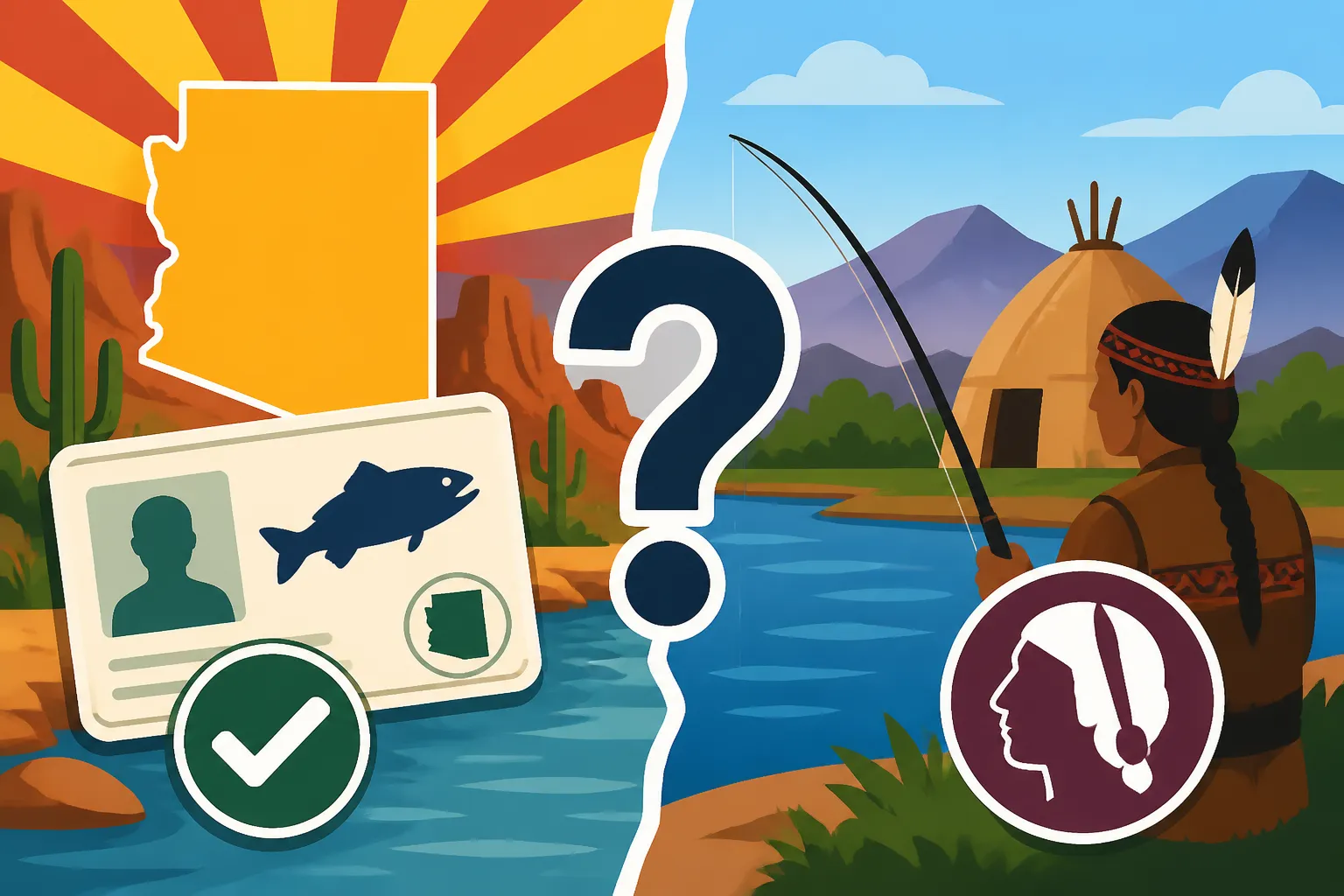
It can be incredibly confusing trying to figure out all the nuances of fishing licenses in Arizona. Many anglers hit the water assuming their standard Arizona fishing license covers them everywhere within the state's borders, only to find out the hard way that's not always the case. This guide is here to clear up that common misunderstanding, specifically addressing whether your Arizona fishing license extends to tribal lands.
Understanding Tribal Sovereignty and Fishing Rights
One of the biggest misunderstandings many anglers have when it comes to fishing in Arizona is the idea that a single state license covers every body of water. Unfortunately, that's simply not how it works, especially when you step onto lands managed by Arizona's various Native American tribes. It's a fundamental difference in legal jurisdiction that can easily catch an unprepared angler off guard.
The reason for this lies in the sovereignty of tribal nations. Indigenous tribes in Arizona, and across the United States, are recognized as sovereign nations with their own distinct governments and the inherent right to govern their lands and manage their natural resources. This means they have the authority to establish their own laws and regulations regarding hunting, fishing, and recreation on their ancestral territories. Your state of Arizona fishing license, while valid on state and federal lands (like national forests or Bureau of Land Management areas), does not automatically transfer to tribal lands because these lands are not under the jurisdiction of the Arizona Game and Fish Department (AZGFD). It's a bit like traveling to another country; your home state's driver's license doesn't give you automatic permission to drive without understanding local laws, and sometimes, you need an additional permit.
This independent governance extends to everything from determining fishing seasons, bag limits, and even the types of bait allowed, all distinct from the state's rules outlined in documents like the Arizona Fishing Regulations Explained. It's crucial to respect this sovereignty, not just because it's the law, but because it acknowledges the rich cultural heritage and self-determination of these communities. Ignoring these rules can lead to serious consequences, including fines, confiscation of gear, and even legal action within the tribal justice system. So, the short answer is no, your Arizona state fishing license generally does not cover fishing on tribal lands. You will almost always need a separate tribal fishing permit.
Specific Tribal Lands and Their Fishing Permit Requirements
Arizona is home to 22 federally recognized Native American tribes, many of whom have significant landholdings with fantastic fishing opportunities. However, each tribe maintains its own set of rules and permit systems. It's not a one-size-fits-all situation; you can't get one "tribal permit" that covers all tribal lands. You need to research the specific tribe whose land you intend to fish on. This level of detail is critical for any angler planning a trip that might cross these jurisdictional lines.
San Carlos Apache Reservation
The San Carlos Apache Reservation is a prime example of tribal lands that offer exceptional fishing but require their own permits. San Carlos Lake, often hailed as one of Arizona's premier flathead catfish and largemouth bass destinations, is entirely within the reservation boundaries. To fish here, you absolutely need a San Carlos Apache fishing permit. This permit is separate from any state license you hold. The San Carlos Apache Tribe manages fishing on their waters, and they often use the revenue from these permits to fund wildlife management and conservation efforts on their lands.
Their permits are available for different durations—daily, weekly, or annually—and the costs can vary. You can typically purchase these permits at specific vendor locations on or near the reservation, or sometimes through their tribal game and fish department office. For example, knowing Where to Buy a San Carlos Apache Fishing Permit specifically can save you a lot of time and hassle, preventing you from showing up at the lake only to realize you're unprepared. They also have their own bag and possession limits, which might differ significantly from state regulations.
Fort Apache Indian Reservation White Mountain Apache Tribe
Another incredibly popular and important tribal fishing destination is the Fort Apache Indian Reservation, home to the White Mountain Apache Tribe. This reservation boasts some of Arizona's best high-country trout fishing, with numerous lakes and streams like Big Lake, Hawley Lake, and the Black River. They even have their own native trout species, the Apache Trout, which is a big draw for many anglers.
Just like San Carlos, fishing on White Mountain Apache lands requires a tribal permit issued by their Game and Fish Department. These permits are crucial for accessing their waters and respecting their conservation efforts. They often have specific regulations for different water bodies, sometimes including special catch-and-release rules or specific gear restrictions to protect sensitive populations. You can usually buy these permits at local businesses on the reservation, like general stores, or at their main office in Whiteriver. Don't expect your standard Arizona Fishing License Guide to cover fishing in these pristine waters.
Navajo Nation
The vast Navajo Nation, spanning parts of Arizona, Utah, and New Mexico, also has its own distinct fishing regulations and permits. While perhaps not as densely populated with fishing lakes as the White Mountains, they do offer some unique fishing experiences, particularly for carp and some warm water species in their scattered reservoirs and stock tanks. Again, a separate Navajo Nation fishing permit is mandatory for anyone wanting to fish on their lands. Their regulations focus on their specific water bodies and cultural practices.
It's clear that while your standard Arizona license covers many great spots, the Tribal Land Fishing Permits in Arizona are non-negotiable for accessing these unique and often highly productive waters. Always check the specific tribal game and fish department's website or contact them directly before planning your trip to ensure you have the correct and most up-to-date information.
How to Obtain Tribal Fishing Permits
Navigating the process of obtaining tribal fishing permits doesn't have to be complicated, but it does require a bit of proactive planning. Unlike simply renewing your Arizona Fishing License Online with the state, tribal permits often involve unique purchasing methods and specific rules. It's always best to prepare in advance to avoid any unwelcome surprises or, worse, being cited for fishing without the proper documentation.
Researching Specific Tribal Requirements
The very first step, and arguably the most crucial, is to identify the specific tribal nation whose lands you plan to fish. As discussed, each tribe operates independently, so there isn't one universal tribal permit. If you're heading to San Carlos Lake, you need a San Carlos Apache permit. If Big Lake in the White Mountains is your destination, it's a White Mountain Apache permit you'll be after.
A quick search for "San Carlos Apache Game and Fish" or "White Mountain Apache Fish and Game" will typically lead you to their official websites. These sites are invaluable resources, providing details on:
- Permit types and durations: Daily, weekly, seasonal, or annual options.
- Costs: These vary widely depending on residency (tribal member, non-tribal resident, non-resident) and duration.
- Where to purchase: This is key. Some permits are available online, while others require in-person purchase.
- Specific regulations: Beyond the permit, pay close attention to the local rules on bag limits, legal baits, fishing hours, and any special catch-and-release zones. These can differ significantly from statewide Arizona Fishing Regulations Explained.
- Contact information: If you have any doubts, don't hesitate to call their game and fish department directly. A quick phone call can clear up any confusion and prevent issues down the line.
Purchasing Permits
Once you've identified the specific permit, the purchasing process will vary:
Online Purchases
Some tribal nations, recognizing the convenience for visitors, offer online permit sales through their official game and fish department websites. This is often the easiest route, allowing you to secure your permit from the comfort of your home before your trip. For example, the White Mountain Apache Game and Fish Department often has an online portal for their permits. Always make sure you're on the official tribal website to avoid scams. If you're looking for gear, you might also find specific tribal-endorsed tackle on sites like Amazon, but permits must come directly from the tribal authority.
On-Reservation Vendors
Many permits are sold at designated vendors on or near the reservation. These can include general stores, gas stations, bait shops, or even tribal offices. For instance, if you're going to San Carlos Lake, you might purchase your permit at the San Carlos Recreation and Wildlife Department office or one of the authorized local vendors. It's a good idea to bring cash, as some smaller vendors might not accept credit cards, or their systems could be unreliable. Double-check operating hours, especially if you plan to arrive early in the morning or late in the evening.
Mail-In Applications
Less common now, but some tribes might still offer mail-in applications, particularly for annual permits. This requires significant lead time and careful completion of forms.
Remember, purchasing the correct permit is a crucial part of showing respect for tribal sovereignty and contributing to the conservation efforts that keep these unique fisheries thriving. Without it, you're risking a run-in with tribal law enforcement, which brings us to our next point.
Consequences of Fishing on Tribal Lands Without a Permit
Let's be absolutely clear: fishing on tribal lands without the required tribal permit is a serious offense. It's not just a minor infraction that you can brush off. These lands are sovereign territories, and tribal law enforcement takes the protection of their natural resources very seriously. The consequences can range from inconvenient to severe, leaving you with a lasting headache and potentially an empty wallet.
Fines and Citations
The most common immediate consequence for fishing without a tribal permit is a hefty fine. These fines can often be significantly higher than state-level fishing violation penalties. Each tribe sets its own fine schedule, but it's not uncommon for them to be several hundred dollars or more, especially if other infractions (like exceeding bag limits or using illegal bait) are also discovered. This fine money typically goes back into supporting the tribe's natural resource management and conservation programs, so while it's a penalty, it also serves a purpose.
You'll receive a citation, and depending on tribal law, you might be required to appear in a tribal court. This means potentially traveling back to the reservation and dealing with their judicial system, which operates independently of the state courts. This can be a major inconvenience and add significant time and expense to what was supposed to be a relaxing fishing trip.
Confiscation of Gear
Another common penalty is the confiscation of your fishing gear. This isn't just a minor inconvenience; it means losing your rods, reels, tackle box, and any other equipment you were using. Imagine losing your favorite fishing setup, perhaps something you spent a lot of time researching on Amazon and carefully assembling. Tribal game wardens have the authority to seize any equipment used in the commission of a violation. This can include boats, motors, and even vehicles if they deem it appropriate. This loss of personal property is a significant deterrent and can be a costly lesson.
Exclusion from Tribal Lands
In addition to fines and confiscation, you could face exclusion from tribal lands for a specified period, or even permanently. This means you would be prohibited from visiting or fishing on that tribe's lands in the future. For anglers who cherish the unique fishing opportunities on reservations like the San Carlos Apache or White Mountain Apache, this can be a devastating consequence, cutting off access to some of Arizona's most pristine and productive waters.
Other Legal Repercussions
In some severe cases, particularly if you're a repeat offender or if the violation involves poaching protected species, you could face more serious legal repercussions, including arrest and jail time under tribal law. While this is less common for a first-time "no permit" offense, it highlights the seriousness with which tribes treat violations of their resource management laws.
The bottom line is that the small cost and effort required to purchase a tribal fishing permit are minuscule compared to the potential fines, loss of gear, and legal troubles that can arise from not having one. Always, always ensure you have the correct and valid permits before casting a line on any tribal land. It's a matter of legality, respect, and protecting your peace of mind.
Comparing State and Tribal Fishing Requirements
Understanding the difference between state and tribal fishing regulations is paramount for any angler venturing into Arizona's diverse landscapes. It's not just about where you buy your Arizona Fishing License versus a tribal permit; it's about two distinct legal frameworks governing the same activity. This often leads to confusion, but a clear comparison can help illuminate the path forward.
Let's break down the key differences in a table:
| Feature | Arizona State Fishing License | Tribal Fishing Permit (e.g., San Carlos, White Mountain Apache) |
|---|---|---|
| Jurisdiction | Covers state-managed waters, national forests, BLM lands, many federal reservoirs. | Covers waters exclusively within the boundaries of a specific tribal nation. |
| Issuing Authority | Arizona Game and Fish Department (AZGFD). | Individual Tribal Game and Fish Departments (e.g., San Carlos Apache, White Mountain Apache). |
| Purchase Location | AZGFD website, authorized dealers (e.g., Walmart, outdoor stores), AZGFD offices. | Specific tribal offices, on-reservation vendors, sometimes tribal websites. |
| Cost & Types | Various types (resident, non-resident, short-term, annual, combo hunt/fish). Arizona Fishing License Costs are set by AZGFD. | Varies by tribe, often daily, weekly, or annual. May have different rates for tribal members vs. non-members. |
| Regulations | Statewide and specific water body regulations determined by AZGFD. | Specific regulations set by each tribe, often differing significantly from state laws. |
| Enforcement | AZGFD Game Rangers, local law enforcement. | Tribal Game Wardens, Tribal Police. |
| Consequences for Violations | State fines, license revocation, gear confiscation, court appearance in state courts. | Tribal fines, gear confiscation, exclusion from tribal lands, court appearance in tribal courts. |
| Example Lakes | Lake Pleasant, Roosevelt Lake, Canyon Lake, Tempe Town Lake (with city permit if applicable), Lower Salt River. | San Carlos Lake, Hawley Lake, Big Lake, Sunrise Lake (all require specific tribal permits). |
As you can see, these are not interchangeable. Holding an Arizona Fishing License Types Compared document won't help you on tribal lands. Each system is designed to manage its unique resources and uphold the sovereignty of its governing body.
For example, while Tempe Town Lake Fishing Permit Requirements might involve a simple city permit in addition to your state license, fishing on the White Mountain Apache Reservation for Apache Trout is an entirely separate endeavor, requiring direct engagement with their specific rules and regulations. This distinction is critical for anglers to embrace, not just to avoid legal issues, but to also appreciate the unique management philosophies and conservation efforts that each tribal nation brings to the table. By understanding and respecting these differences, you contribute to a harmonious and sustainable fishing environment for all.
A Note on Lake Powell and the Colorado River
When discussing fishing on tribal lands, it's worth touching on large, multi-jurisdictional bodies of water like Lake Powell and sections of the Colorado River. These can add another layer of complexity to an already intricate system of regulations.
Lake Powell, for instance, spans both Arizona and Utah, but parts of its vast shoreline and numerous canyons also fall within the Navajo Nation. While a general Arizona or Utah fishing license might cover most of the main body of the lake on its respective side, if you venture into specific areas designated as Navajo Nation territory, you might find yourself needing an additional tribal permit. It’s always best to check detailed maps and local regulations if your fishing plans involve exploring remote canyons or tributaries within the lake's expanse, especially near shorelines managed by the Navajo Nation. The fishing can be phenomenal at Lake Powell, known for its striped bass and smallmouth, but ignorance of boundary lines won't be an excuse for being without the correct paperwork.
Similarly, segments of the Colorado River, particularly along the western border of Arizona, flow through or border various tribal lands. While fishing the main channel with a valid Arizona or reciprocal license (for California or Nevada border waters) might be generally acceptable, venturing onto the banks or into tributary systems that are part of tribal reservations will almost certainly require a separate permit. For instance, the Fort Mojave Indian Reservation and the Chemehuevi Indian Reservation have lands adjacent to the river. Before fishing these specific stretches or associated backwaters, it’s imperative to consult the respective tribal game and fish departments for their permit requirements.
The key takeaway here is that large, iconic bodies of water like Lake Powell Arizona Fishing Guide entries might generalize for the main body of water, but individual tribal territories carved out along their edges maintain independent regulatory authority. When in doubt, always assume a separate permit is needed if you suspect you might be on tribal land, or if signs indicate such. It’s a small extra step that ensures you’re fishing legally and respectfully, and it avoids the potential penalties discussed earlier, allowing you to enjoy the incredible fishing Arizona's diverse waters offer without any unwelcome surprises.
Disclaimer
Please remember that fishing regulations, license requirements, and tribal laws can change. This article provides general information and should not be considered legal advice. Always consult the most current regulations directly from the Arizona Game and Fish Department and the specific tribal nation's game and fish department before planning your fishing trip to ensure you have the most accurate and up-to-date information.