Out-of-State Angler Rules in Arizona
Venturing into Arizona's stunning desert landscapes or cool mountain streams for a fishing trip is an incredible experience, but for many out-of-state anglers, the rules and regulations can feel like a confusing labyrinth. Trying to figure out which license you need, what it costs, and if your home state's license offers any reciprocity can quickly turn excitement into frustration. This comprehensive guide is here to untangle all those complexities, making sure you understand the specific requirements for out-of-state anglers and can focus on the thrill of the catch rather than worrying about breaking any rules.
Understanding Residency for Fishing Licenses
One of the most fundamental distinctions when it comes to purchasing any kind of outdoor recreation license in Arizona is whether you are considered a resident or a non-resident. This isn't just a bureaucratic formality; it directly impacts the cost of your license and, in some cases, the types of licenses available to you. For out-of-state anglers, grasping this difference is the first step toward a hassle-free fishing adventure.
Defining Arizona Residency for Fishing Licenses
Arizona has very specific criteria for determining who qualifies as a resident for fishing license purposes. Simply owning property or having a mailing address in the state isn't enough to qualify for resident rates. Generally, to be considered an Arizona resident, you must have lived continuously in the state for at least six months immediately preceding the date of your license application. This means you need to be able to prove your physical presence and intent to reside here, not just visit or maintain a secondary home.
Proof of residency often requires documentation such as an Arizona driver's license or state identification card, voter registration, vehicle registration, or utility bills spanning the required six-month period. For college students, specific rules apply, often requiring enrollment in an Arizona institution and establishing intent to reside. It’s crucial not to misrepresent your residency status, as doing so can lead to significant fines and penalties, far outweighing any savings on a license.
Why Residency Status Matters for License Costs
The primary reason why the Arizona Game and Fish Department (AZGFD) distinguishes between residents and non-residents is financial. Resident licenses are significantly less expensive than their non-resident counterparts. This pricing structure is common across most states and is designed to reflect that residents contribute to the state's economy and tax base year-round, which in turn helps fund wildlife management and conservation efforts.
For example, an annual resident fishing license is a fraction of the cost of an annual Arizona Nonresident Fishing License Cost. This difference can be substantial, especially if you plan to fish multiple times throughout the year. If you're an out-of-state angler considering a move to Arizona, keeping track of your residency start date is important, as it could eventually qualify you for those lower resident rates. Until then, embracing the non-resident category is the correct and legal path.
Essential Licenses for Out-of-State Anglers
Once you've established your non-resident status, the next step is identifying which specific fishing license you'll need for your Arizona adventure. Arizona offers several options designed to accommodate different lengths of stay and fishing preferences for visitors. It's not a one-size-fits-all situation, and understanding the choices can save you money and ensure you're compliant with state law.
Arizona Nonresident Fishing License Cost
For the dedicated out-of-state angler who plans multiple trips or an extended stay within a 12-month period, the annual non-resident fishing license is often the most economical choice. This license is valid for 365 days from the date of purchase, providing ample opportunity to explore Arizona's diverse fisheries, from the largemouth bass haven of Lake Pleasant to the trout streams of the White Mountains. While the initial cost is higher than a resident license, it offers unlimited fishing days within its validity period.
This annual license covers most general fishing opportunities across Arizona. It's perfect for someone who might visit during different seasons, perhaps for spring bass fishing and then again for fall crappie or winter trout. Always remember that even with an annual license, you still need to be aware of the Arizona Fishing Regulations Explained regarding bag limits, size restrictions, and gear requirements for specific waters and species.
Short-Term Fishing License Options
For those visiting Arizona for a brief fishing getaway, purchasing a full annual non-resident license might not be the most practical or cost-effective solution. Recognizing this, the AZGFD offers convenient short-term options specifically tailored for transient anglers. The most popular among these is the one-day non-resident fishing license. This is an excellent choice if you're only planning to hit the water for a single day, perhaps as part of a larger vacation or a quick weekend trip.
You can also opt for a multi-day license, often available in increments like 3-day or 7-day passes. These provide flexibility and can often be a better value than purchasing several single-day licenses if your trip extends beyond a couple of days. Before you buy, do a quick calculation of how many days you actually plan to fish. Sometimes, if your trip is five days or more, the annual non-resident license might become comparable in cost, especially if you foresee even a tiny chance of another trip within the year. You can easily compare these options by checking the Arizona Fishing License Costs page on the AZGFD website or through an online retailer like Amazon, where you might find related gear at good prices.
Here's a quick comparison of typical non-resident fishing license options:
| License Type | Validity Period | Key Benefit | Ideal For |
|---|---|---|---|
| Annual Nonresident Fishing | 365 days from purchase | Unlimited fishing days for a full year | Frequent visitors, multiple trips per year |
| Arizona One-Day Fishing License Cost | 24 hours | Most affordable for a single day of fishing | Quick day trips, part of a non-fishing vacation |
| Short-Term (e.g., 3-day, 7-day) | Specified consecutive days | Flexible for short fishing vacations | Extended weekend trips, short multi-day excursions |
| Combo Hunt and Fish (Annual) | 365 days from purchase | Covers both hunting and fishing | Multi-sport outdoor enthusiasts |
Trout Stamp and Special Regulations
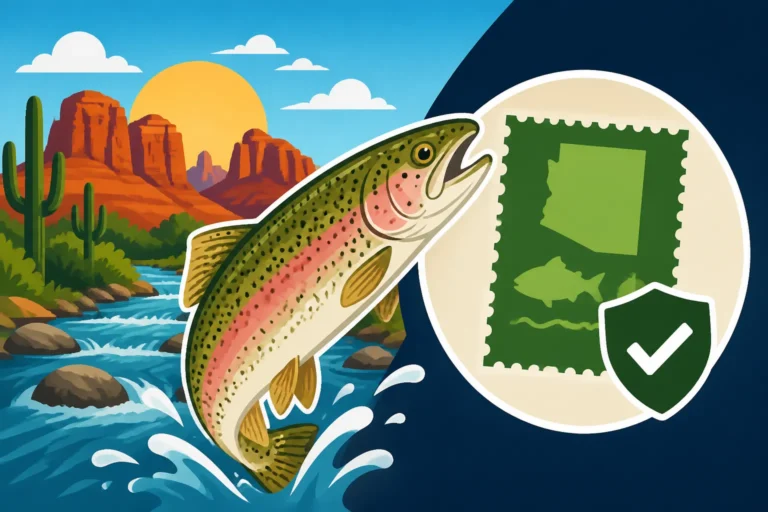
Beyond your base fishing license, some specific fishing activities in Arizona require additional stamps or permits. The most common of these for many anglers, especially those targeting cold-water species, is the Arizona trout stamp. If you plan to fish for trout in any waters designated as "trout waters," you'll need to purchase this stamp in addition to your regular fishing license. This applies whether you're a resident or a non-resident.
The revenue generated from trout stamps goes directly back into the state's trout management and stocking programs, helping to maintain healthy populations in rivers and lakes like those in the White Mountains or the Lower Salt River. Additionally, certain waters, particularly those on tribal lands, require separate tribal fishing permits in addition to your state license. For instance, if you plan on fishing popular spots like San Carlos Lake or parts of the Fort Apache Indian Reservation, you'll need to secure a specific Tribal Land Fishing Permits in Arizona directly from the tribal office. Always research your chosen fishing destination thoroughly to avoid any surprises.
Specific Regulations Affecting Non-Residents
While the primary difference for out-of-state anglers lies in license requirements and costs, it's vital to understand that general fishing regulations apply to everyone, regardless of residency. Arizona's diverse ecosystems, from desert lakes to alpine streams, mean that regulations can vary significantly from one body of water to another. Ignorance of the rules is never an excuse, so a quick review of the statewide and local regulations is a must-do before you cast a line.
Bag and Possession Limits
Arizona has strict bag and possession limits for various fish species, and these apply equally to non-residents. A "bag limit" refers to the maximum number of a particular species you can harvest and keep in a single day, while a "possession limit" is the maximum number of fish you can have on your person or in your immediate control (like in your cooler or vehicle) at any given time, including those from previous days' catches. These limits are in place to ensure sustainable fish populations and prevent overfishing.
For example, you might find a daily bag limit of six largemouth bass on one lake, but only two trout on a high-elevation stream. Some species might also have minimum or maximum size limits. It's imperative to consult the current Arizona Game and Fish Department Fishing Regulations booklet or their website for the most up-to-date information. Carrying a measuring tape is always a good idea, and having a cooler ready, perhaps one you scouted on Amazon for hot weather, will keep your catch fresh within those limits. Understanding Fishing Bag and Possession Limits Explained will prevent you from accidentally violating conservation rules.
Allowed Methods and Gear Restrictions
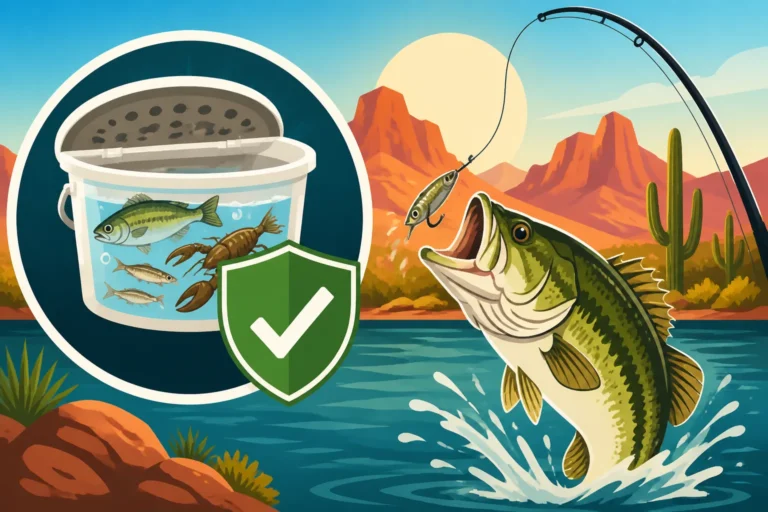
Arizona’s fishing regulations also dictate the methods and gear you can use, and these rules are universal for all anglers. For instance, there are specific guidelines on the number of fishing rods you can actively use at one time, usually two per licensed angler. Bait restrictions are also common; some waters might prohibit live baitfish to prevent the spread of invasive species, while others may have no such restrictions.
Certain techniques, like trotlines, gill nets, or electrofishing, are generally prohibited for recreational anglers. Additionally, there are rules governing the use of artificial lures, flies, and tackle, particularly in designated "fly-fishing-only" or "artificial-lures-only" waters. Before heading out, especially if you're venturing into a new area, take a moment to review the local regulations for that specific lake or stream. This is where a detailed guide like the Arizona Fishing Regulations Explained can be invaluable.
Special Regulation Waters
Arizona features several "special regulation waters" that have unique rules designed to protect specific fisheries, promote catch-and-release practices, or enhance angling opportunities for particular species. These special regulations often override general statewide rules and can include stricter bag limits, different size restrictions, or limitations on bait and tackle. For instance, Lees Ferry on the Colorado River is renowned for its trophy trout and has very specific rules regarding tackle and catch limits to maintain its world-class fishery.
Other special regulation areas might include urban community fishing lakes, which often have their own specific stocking schedules and harvest limits for species like trout and catfish, or certain stretches of rivers managed for native fish conservation. It is the angler's responsibility to know and follow these specific rules. Always check the AZGFD regulations for your target fishing spot; the information is typically organized by region or specific water body, making it easier to find what applies to you.
Purchasing Your Arizona Fishing License as a Non-Resident
The process of acquiring your Arizona fishing license as an out-of-state angler is quite straightforward, with multiple convenient options available. The Arizona Game and Fish Department has made it easy to purchase licenses online or in person, ensuring that visitors can get their necessary permits without undue hassle.
Online Purchase Process
The most convenient way for out-of-state anglers to purchase an Arizona fishing license is through the AZGFD's online licensing system. This digital platform is accessible 24/7, allowing you to buy your license from the comfort of your home before your trip, or even from your smartphone once you've arrived in Arizona. The process is simple: you'll navigate to the AZGFD website, select the appropriate non-resident fishing license (annual, one-day, or multi-day), fill in your personal information, and complete the payment using a credit card.
Once purchased, you'll typically receive an email confirmation with a printable license or a digital copy that can be displayed on your mobile device. This is incredibly handy, as it means you don't need to track down a physical store or worry about business hours. For detailed steps on how to do this, check out our guide on How to Buy an Arizona Fishing License Online. Make sure to save the digital license to your phone or print a hard copy, as you are required to have it in your possession while fishing.
Finding Local Dealers
If you prefer a more traditional approach or need to purchase a license last minute, Arizona has a vast network of authorized license dealers scattered throughout the state. These dealers include many sporting goods stores, bait shops, outdoor retailers like Cabela's or Bass Pro Shops, and even some general stores in smaller towns. Purchasing from a dealer allows you to ask questions, pick up a physical copy of the regulations booklet, and perhaps even get some local fishing tips.
Before you head out, you can use the AZGFD website's dealer locator tool to find the closest authorized vendor to your location or planned fishing destination. This is especially useful if you're staying in a remote area or are unfamiliar with the local retail landscape. Having a list of nearby options, as detailed in Finding Arizona Fishing License Dealers Near You, can be a lifesaver if you realize you forgot your license at home or decide on an impromptu fishing trip. Many of these locations also offer essential gear, which you can also find a great selection of on Amazon.
Digital vs. Physical Licenses
Once you've made your purchase, you'll generally have the option of carrying a digital or physical copy of your fishing license. Both are considered valid forms of proof. Many anglers appreciate the convenience of a digital license, which can be stored on their smartphone and easily displayed to a wildlife manager if requested. This eliminates the risk of losing a paper license or having it damaged by water.
However, some anglers still prefer a physical paper license, perhaps laminating it for durability or keeping it in their tackle box. If you choose the digital route, just ensure your phone is adequately charged, especially in remote areas where charging options might be scarce. Whichever method you choose, the key is that your license must be readily available for inspection at all times while you are engaged in fishing activities.
Common Misconceptions and FAQs for Out-of-State Visitors
Fishing in a new state can bring up a lot of questions, and out-of-state anglers often encounter similar points of confusion. Let's clear up some common misconceptions to ensure your Arizona fishing trip is smooth and enjoyable.
Do You Need a License on Arizona's Free Fishing Day?
Arizona participates in National Free Fishing Day, typically held one day in June each year, where anyone can fish without a state fishing license. This is a fantastic opportunity for beginners, families, and even seasoned anglers to enjoy the sport without the upfront cost of a license. For out-of-state visitors, this means you can enjoy a day of fishing in Arizona completely free of charge.
However, it's absolutely crucial to understand that while the license requirement is waived, all other fishing regulations still apply. This includes bag and possession limits, size restrictions, specific gear rules for certain waters, and any other special regulations. You are still responsible for knowing and adhering to these rules, so treat it as if you had a license, just without the initial purchase. Details on this can be found in the Arizona Free Fishing Day Rules.
Can Tourists Buy an Arizona Fishing License?
Absolutely! Arizona actively welcomes tourists and out-of-state visitors to enjoy its incredible fishing opportunities. The entire system of non-resident licenses, from annual passes to one-day permits, is specifically designed for tourists and other non-residents. There are no additional restrictions or special hurdles for someone simply visiting the state; if you meet the non-resident criteria, you can purchase any applicable non-resident fishing license.
Whether you're visiting Phoenix and want to try an urban lake, exploring the Grand Canyon and hoping to catch some fish near the rim, or heading to a high-country lake for trout, you're encouraged to buy a license and experience what Arizona fishing has to offer. Just make sure you understand the Arizona Nonresident Fishing License Guide to pick the best option for your trip.
Out-of-State License Validity in Arizona
A common question among out-of-state anglers is whether their fishing license from their home state is valid in Arizona. The answer, almost universally, is no. With very few exceptions (primarily concerning specific shared border waters, which we'll discuss next), your fishing license from California, Nevada, Utah, New Mexico, or any other state will not grant you permission to fish in Arizona's waters.
Each state manages its own wildlife and fisheries resources, and the funds generated from license sales contribute directly to those state-specific conservation efforts. Therefore, if you intend to fish solely within Arizona's state boundaries, you must possess a valid Arizona fishing license. This principle is fundamental to state-level wildlife management, ensuring that local efforts are supported by those who use the resources.
Reciprocity Agreements with Neighboring States
While your home state's fishing license generally isn't valid in Arizona, there are important exceptions related to shared border waters with neighboring states. These reciprocity agreements are designed to simplify fishing for anglers who might be traversing state lines on the same body of water, preventing the need for multiple licenses for a single fishing trip.
Colorado River Border Waters
One of the most significant reciprocity agreements in Arizona involves the Colorado River, particularly where it forms the border with California and Nevada. Anglers fishing specific stretches of the Colorado River and certain lakes along these borders may be able to use a license from either Arizona or the adjacent state. For instance, the general rule on the main stem of the Colorado River (from Davis Dam to the California border) is that you can fish from a boat or either shoreline with a valid license from Arizona or California, provided you also have the appropriate "Colorado River Special Use Validation" from the other state.
This means if you have an Arizona license and plan to fish the California side of the river, you'd need the California Colorado River Stamp. Conversely, if you have a California license, you'd need the Arizona Colorado River Stamp. Similar agreements exist with Nevada for areas like Lake Mead and Lake Mohave. It's a bit nuanced, so consulting the current AZGFD regulations specifically for these border waters is essential. Our detailed Colorado River Fishing Guide in Arizona can provide more localized insights.
Lake Powell: Arizona and Utah Rules
Lake Powell, a massive reservoir on the Colorado River, spans both Arizona and Utah, creating another unique situation for out-of-state anglers. This incredibly popular fishing destination requires careful attention to licensing. Generally, if you are fishing on Lake Powell, you need a valid fishing license from either Arizona or Utah. This means you don't necessarily need both, even if you cross the state line on the water.
However, there's a critical caveat: the license you hold dictates the specific regulations you must follow. If you have an Arizona fishing license, you must abide by Arizona's bag limits, size restrictions, and other rules, regardless of whether you're in the Arizona or Utah portion of the lake. The same applies if you hold a Utah license; you follow Utah's regulations throughout the lake. This can lead to different rules depending on your license, so it's vital to know which state's regulations you're adhering to. For comprehensive details on this unique situation, our Lake Powell Arizona Fishing Guide provides a deep dive into these rules, making sure you know whether you need to buy two licenses to fish Lake Powell effectively or just one.
Disclaimer
Please note that fishing regulations can change. While this guide provides current information, it is always your responsibility to consult the latest official Arizona Game and Fish Department regulations before heading out. This content is for informational purposes only and does not constitute legal advice.