Penalty for Keeping a Protected Fish in Arizona
There's nothing quite like the thrill of a tug on your line in Arizona's diverse waters, from high mountain lakes to vast desert reservoirs. But amidst that excitement, a little worry can creep in: "What if I catch something I'm not supposed to?" The thought of accidentally landing a protected fish, especially a rare native species, can put a damper on anyone's fishing trip. This guide is here to untangle that knot of anxiety, breaking down exactly what constitutes a protected fish in Arizona, what the penalties are if you mistakenly keep one, and, most importantly, how to avoid that situation in the first place.
Understanding Protected Fish Species in Arizona
Navigating the waters of Arizona means understanding that not all fish are fair game. Our state is home to a unique and often delicate aquatic ecosystem, much of which exists in some pretty harsh environments. Because of this, many native fish species are under strict protection. This isn't just about preserving rare animals; it's about maintaining the intricate balance of our natural world, ensuring biodiversity, and safeguarding the future of fishing for generations to come.
What Makes a Fish "Protected"?
A fish earns its "protected" status for a variety of critical reasons, often related to its rarity, ecological importance, or the threats it faces. Generally, "protected" can mean it's listed as endangered, threatened, or a species of special concern by state or federal agencies. These designations aren't handed out lightly; they come after extensive scientific study showing a significant decline in population, severe habitat loss, or other threats to their survival. For Arizona, many of these protected species are native fish, meaning they evolved here naturally, unlike many of the popular sportfish that were introduced over the years. These natives are often uniquely adapted to Arizona's desert rivers and streams, making them particularly vulnerable to changes in their environment.
The Arizona Game and Fish Department (AZGFD) takes the lead on managing and protecting these species, implementing rules and regulations designed to help their populations recover or remain stable. Sometimes, a species might be protected statewide, while others might have special regulations only in specific waterways crucial to their survival or recovery efforts. It’s a complex tapestry of conservation, but knowing the basics is a great first step for any responsible angler.
Key Protected Species to Know in Arizona Waters
When you're out on the water, especially in certain river systems, it's vital to be aware of the specific fish that are off-limits. Arizona is home to several iconic native species that are strictly protected. For instance, the Apache Trout and Gila Trout are both incredibly rare native trout species found in specific high-elevation streams. Catching either of these generally requires a special permit, and even then, strict catch-and-release rules apply to ensure their survival. They often have distinct markings, but sometimes they can be confused with other trout, making proper identification crucial.
Beyond trout, our desert rivers are home to unique desert fish like the Razorback Sucker, Bonytail Chub, Colorado Pikeminnow, and Humpback Chub. These species are often found in the larger river systems like the Colorado River and its tributaries. They can be tricky to identify, as they don't always look like typical "sportfish." Their survival depends on specific river conditions, and decades of habitat alteration and competition with introduced species have pushed them to the brink. Anglers need to be especially diligent when fishing in areas known to harbor these species. Ignorance is definitely not bliss when it comes to these vulnerable populations. A good practice is to always consult the current Arizona Fishing Regulations Explained booklet before heading out.
The Legal Ramifications of Keeping a Protected Fish
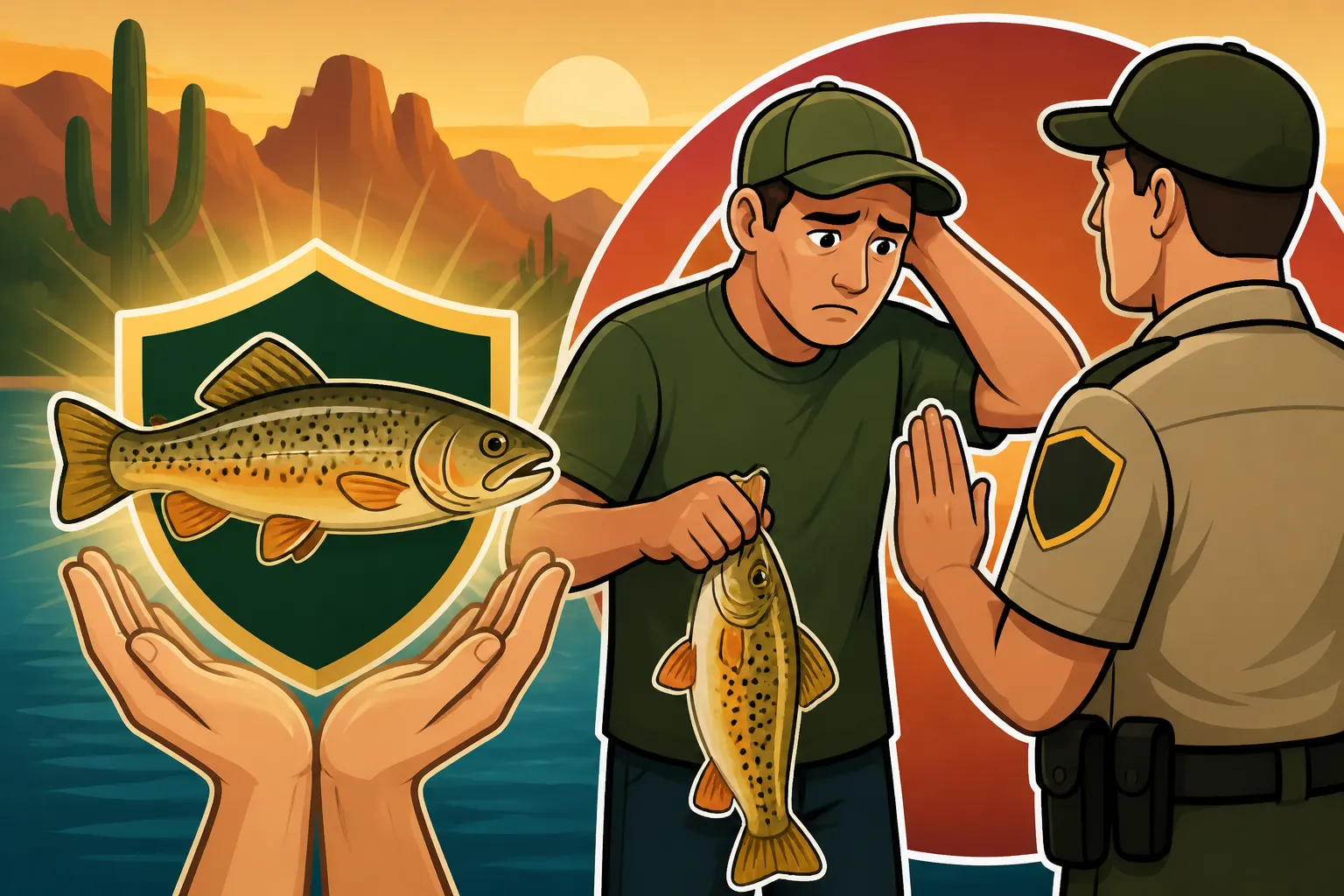
Alright, let's get down to the nitty-gritty. Nobody wants to face legal trouble, especially when they're just trying to enjoy a peaceful day of fishing. But the reality is, intentionally or accidentally keeping a protected fish in Arizona carries some serious penalties. These aren't just slaps on the wrist; they reflect the state's commitment to conserving its unique and vulnerable aquatic wildlife.
Fines, Court Appearances, and License Revocation
The immediate consequence of keeping a protected fish is typically a significant monetary fine. The exact amount can vary widely depending on the species, the number of fish kept, and whether it's your first offense or a repeat violation. For seriously endangered species, these fines can easily run into the thousands of dollars. The Arizona Game and Fish Department (AZGFD) has specific schedules for these penalties, and they're not shy about enforcing them.
Beyond the financial hit, you'll likely face a mandatory court appearance. This means dealing with the legal system, which can be time-consuming, stressful, and potentially require legal representation. It's not just a quick ticket; it's a criminal offense, often categorized as a misdemeanor. This kind of conviction can stay on your record, impacting future job prospects or other opportunities.
Perhaps one of the most impactful penalties for an avid angler is the potential suspension or complete revocation of your Arizona Fishing License Guide. Imagine not being able to fish in Arizona for a year, two years, or even longer. For many, that's a devastating blow. AZGFD takes license privileges seriously, and violations involving protected species are a quick way to lose them. If you also hold an Arizona Combo Hunt and Fish License Guide, both privileges could be affected.
Tiered Penalties and Aggravating Factors
The legal system isn't always black and white, and penalties can be tiered based on the circumstances. If you genuinely made an honest mistake, immediately realized your error, and released the fish without harm, the outcome might be different than if you knowingly kept a protected species and tried to hide it.
- Accidental vs. Intentional: While intent can be hard to prove, if it's clear you knowingly possessed a protected fish, the penalties will be far more severe. This could involve higher fines, longer license suspensions, and more significant court action. AZGFD officers are trained to assess these situations.
- First Offense vs. Repeat Offense: Like many legal infractions, repeat offenses carry escalating penalties. If you've been cited before for similar violations, you can expect the consequences to be much harsher, potentially including longer license revocations and higher fines.
- Number of Fish: Keeping one protected fish is bad enough, but possessing multiple individuals of a protected species will certainly lead to more severe penalties. Each fish is often considered a separate violation.
- Confiscation of Gear: In some cases, particularly with serious or repeat violations, your fishing equipment (rods, reels, tackle, even boats) could be confiscated. This adds another significant financial loss on top of fines and legal fees.
It’s clear that the state views these violations with great seriousness. For full details on potential consequences, always refer to the specific section on Fishing Violation Fines and Penalties in Arizona in the official regulations.
What to Do If You Accidentally Catch a Protected Fish
Even the most careful angler can sometimes hook an unexpected fish. When you’re fishing in a new area, or if a protected species happens to strike your lure, knowing what to do in those crucial moments can make all the difference, potentially saving the fish's life and keeping you out of legal hot water. The key is swift, gentle action and adherence to responsible angling practices.
Immediate Steps for Release
First and foremost, if you identify a fish as a protected species, release it immediately. Do not put it in your cooler, do not take it home, and honestly, try to avoid taking a picture if it means keeping the fish out of the water for too long. Time is of the essence for a fish’s survival once it’s out of its aquatic environment.
- Minimize Out-of-Water Time: This is paramount. The longer a fish is out of the water, the less chance it has of surviving. Work quickly and efficiently.
- Handle with Wet Hands: If you must touch the fish, wet your hands thoroughly first. Dry hands can remove the fish's protective slime coat, making it vulnerable to disease and infection.
- Use Proper Unhooking Tools: A good pair of long-nosed pliers or a de-hooking tool is your best friend here. This allows you to remove the hook with minimal handling of the fish itself. Avoid using your fingers if possible, especially with toothy fish. Brands like Amazon offer a wide selection of quality fishing pliers.
- Avoid Netting If Possible (or use a Rubberized Net): While nets are great for landing fish you intend to keep, traditional knotted nets can damage a fish's fins, scales, and slime coat. If you must use a net, opt for a rubberized, knotless landing net, which is much gentler.
- Cut the Line if Deeply Hooked: If the fish is deeply hooked and removing the hook would cause excessive damage, cut your line as close to the hook as possible. Studies show that hooks left in often rust out or are dislodged, giving the fish a better chance than severe trauma from forceful removal.
- Support the Fish Properly: When releasing, support the fish gently in the water, allowing it to regain its strength before letting it go. Don't just toss it back. Hold it upright by the tail and under the belly until it swims away on its own.
Reporting an Accidental Catch
While not always required for a clean, immediate release, reporting an accidental catch of a rare or protected species can be beneficial for conservation efforts. AZGFD often tracks these encounters to monitor populations and identify areas where protected species might be more prevalent. If you’ve hooked a critically endangered fish, and especially if it was injured despite your best efforts, contacting AZGFD can provide valuable data.
You can typically find contact information for local AZGFD offices or game wardens through their official website or the Arizona Fishing Regulations Explained booklet. Be prepared to provide details like the exact location, time of day, estimated size of the fish, and any identifying characteristics. This information helps biologists understand where these fish are, how they're interacting with recreational fishing, and where additional conservation measures might be needed.
Avoiding Accidental Catches and Staying Compliant
The best offense is a good defense, right? When it comes to fishing for protected species, the best strategy is to avoid catching them in the first place, or at least be prepared to handle them appropriately. This means being a knowledgeable, ethical, and well-equipped angler.
Education is Your Best Tool
The most powerful tool you have for avoiding legal trouble and contributing to conservation is knowledge. Before every fishing trip, especially to new waters, take the time to:
- Read the Latest Regulations: Seriously, grab a copy of the current Arizona Fishing Regulations Explained booklet. It's available online through the AZGFD website and at most license dealers. This guide details bag limits, size restrictions, seasonal closures, and, crucially, specific rules for protected species in various waters. Ignorance of the law is not an excuse.
- Identify Your Target Species: Familiarize yourself with the appearance of the fish you intend to catch and the protected species that might inhabit the same waters. Look at pictures, learn key identifying features, and understand the differences. The "Fish Species Guide for Arizona Lakes" can be a great resource for this.
- Check AZGFD Resources: The Arizona Game and Fish Department (AZGFD) website is a treasure trove of information. They often have specific alerts, stocking reports, and detailed information on endangered or threatened species. They also highlight areas with special regulations.
Smart Gear Choices and Techniques
Your fishing gear and how you use it can significantly impact both your success and your ability to practice responsible catch-and-release.
- Barbless Hooks: This is a big one for catch-and-release fishing. Barbless hooks minimize damage to a fish's mouth, making removal much quicker and easier. You can buy barbless hooks directly or simply crimp down the barb on your existing hooks with a pair of pliers. Many reputable brands on Amazon offer barbless options.
- Appropriate Tackle: Using tackle that's too light can prolong the fight, exhausting the fish and reducing its chances of survival after release. Match your gear to the likely size of the fish you expect to encounter.
- Knotless, Rubberized Landing Nets: As mentioned before, these nets are much gentler on a fish's slime coat and fins compared to traditional nylon or cotton nets. They're an essential item for any angler committed to catch and release.
- De-hooking Tools: Long-nosed pliers, hemostats, or specialized de-hooking tools allow you to quickly remove hooks without having to manhandle the fish. Keep them easily accessible.
- Targeting Specific Species: If you're fishing in an area known to have protected species, consider adjusting your bait or lure to be less appealing to them. For example, if endangered bottom-dwellers are present, avoid heavy bottom-fishing rigs.
- Minimizing Bycatch: Some fishing methods inherently have higher rates of "bycatch" (catching unintended species). Be mindful of this and adjust your techniques.
Table of Key Protected Native Fish in Arizona
To help you keep track, here's a quick reference for some of Arizona's most important protected native fish species. Remember, this is not an exhaustive list, and identification can be tricky. Always refer to the official AZGFD regulations.
| Species Name | Conservation Status | Key Identification Tips | Habitat (General) |
|---|---|---|---|
| Apache Trout | Threatened (State & Fed) | Often golden-yellow to green-yellow body, usually with small, dark spots scattered over the body, dorsal fin, and tail. Two black spots on either side of the pupil, giving a "bridle" appearance. Small head and large eyes. | Cold, clear mountain streams in the White Mountains. |
| Gila Trout | Threatened (State & Fed) | Similar to Apache Trout but generally has smaller, more numerous spots. Body color can vary from bronze to gold, often with a reddish or golden lateral stripe. Typically found in smaller, higher elevation streams. | Headwater streams in the Gila River basin. |
| Razorback Sucker | Endangered (State & Fed) | Distinctive bony keel or "razorback" hump on its back, starting behind the head. Long, slender body, usually olive green to brown on top, lighter below. Subterminal mouth (under the head). Can grow quite large. | Large warm-water rivers, particularly the lower Colorado River basin, and reservoirs. |
| Bonytail Chub | Endangered (State & Fed) | Very slender, elongated body with a small, narrow head and a large, deeply forked tail. Typically olive-gray on top, silvery sides. Can be hard to distinguish from other chubs without close inspection. | Mainstem Colorado River and larger tributaries. |
| Colorado Pikeminnow | Endangered (State & Fed) | The largest native minnow in North America, can grow to 6 feet! Long, slender, torpedo-shaped body. Large mouth. Dark olive to brown on top, silvery sides. Dorsal fin often appears pointed. | Mainstem Colorado River and larger tributaries. |
| Humpback Chub | Endangered (State & Fed) | Prominent fleshy hump behind its head. Slender, scaleless tail. Large fins. Body color is typically silvery-gray to olive. Adapted to turbulent, canyon river environments. | Deep, turbulent canyon sections of the Colorado River and its major tributaries. |
Remember, if you’re unsure, the safest bet is always to release the fish. When in doubt, let it out! Equipping yourself with a small, waterproof field guide or even a laminated sheet of common protected species for your tackle box, readily available from retailers like Amazon, can be incredibly helpful.
The Importance of Responsible Angling
Ultimately, being a responsible angler is about more than just avoiding penalties; it's about being a good steward of our natural resources. Every time you wet a line, you're interacting with a complex ecosystem. By understanding the regulations, practicing proper catch-and-release techniques, and educating yourself on the species you might encounter, you contribute directly to the health and sustainability of Arizona's fisheries. This ensures that the joy of fishing can be experienced by future generations, and that our unique native fish continue to thrive. Let's all do our part to protect the beauty and biodiversity of Arizona's waters.
Disclaimer
The information provided in this guide is for general informational purposes only and does not constitute legal advice. Fishing regulations in Arizona can change, and it is the sole responsibility of each angler to consult the most current Arizona Game and Fish Department (AZGFD) regulations before fishing. Always refer to the official AZGFD regulations booklet or website for the most accurate and up-to-date information.