Two-Rod Fishing Rule in Arizona
Navigating the myriad of fishing regulations can often feel like trying to untangle a particularly stubborn knot in your fishing line, especially when you're just trying to enjoy a peaceful day on the water. Many anglers, new and seasoned alike, frequently wonder about the specifics of using multiple fishing rods in Arizona. It's a common point of confusion, and getting it wrong can lead to unnecessary fines and a spoiled outing. This comprehensive guide is here to clarify Arizona's two-rod fishing rule, helping you understand when and where you can wield more than one pole, ensuring your next fishing adventure is both fruitful and compliant.
Understanding Arizona's General Two-Rod Rule for Anglers
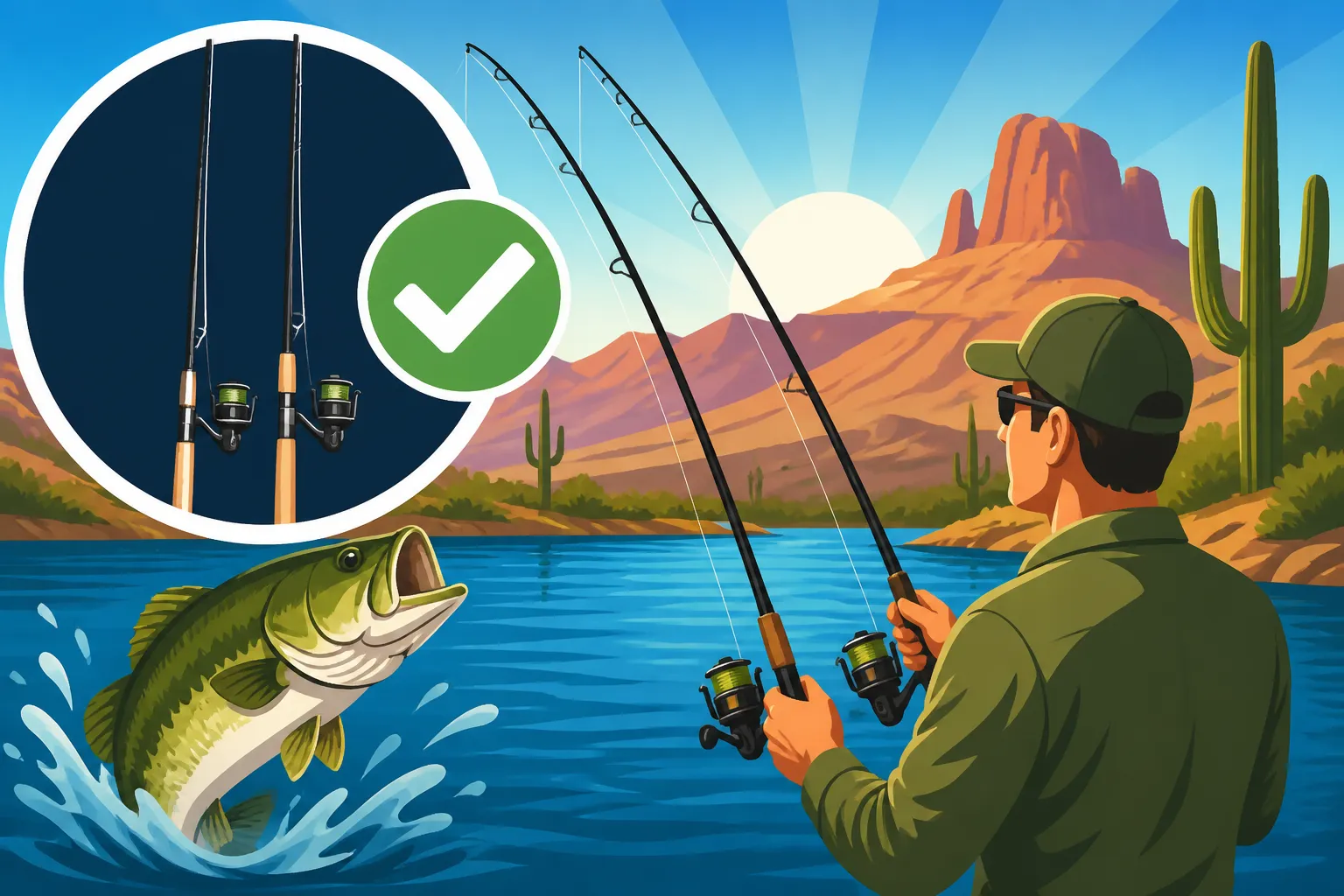
Let's get straight to the heart of the matter: generally speaking, in Arizona, you are allowed to fish with no more than two poles at any given time. This isn't just a suggestion; it's a core regulation set forth by the Arizona Game and Fish Department (AZGFD) that applies across most of the state's public waters. It’s designed to ensure fair chase, manage fishing pressure, and maintain the integrity of the ecosystem. Think of it as a baseline understanding that every angler needs before even heading out the door.
This rule means you can be actively tending to two lines simultaneously. Whether you're casting a lure with one and letting a bait soak with another, or employing different techniques to target different species, two is your magic number. It provides flexibility without allowing an individual to dominate a fishing spot or create excessive competition for fish, especially in popular areas. This regulation is particularly vital in heavily stocked community lakes or smaller reservoirs where space and resources are more limited.
It’s important to distinguish between having two rods with you and having two rods in the water. You can certainly bring a tackle bag full of various rods and reels, perhaps an assortment you picked up from a place like Amazon or a local tackle shop. But the rule applies to the number of lines actively deployed and being used for fishing at any given moment. So, if you're swapping between a spinning rod and a fly rod, only one of each should be active unless specific exceptions apply.
Who the Two-Rod Rule Applies To
The two-rod rule applies to nearly every angler holding an Arizona Fishing License Guide in the state. Whether you're a resident who’s been fishing Arizona waters for decades or a non-resident visiting for a weekend trip, this is a rule you need to abide by. It's not a suggestion; it's a legal requirement tied to your fishing license. This universal application helps to create a level playing field for everyone enjoying Arizona's diverse fisheries.
Even if you're participating in the Arizona Community Fishing Program Rules at one of the urban lakes, the two-rod limit is generally in effect. These programs aim to make fishing accessible and enjoyable for families, and maintaining a consistent rod limit helps manage crowds and ensure everyone has a fair chance to catch fish. The goal is equitable access to the resource for all.
The rule extends to all age groups that require a license. While Minimum Age to Fish Without a License in Arizona guidelines mean young children might not need a license, once an individual reaches the age where a license is mandatory, the two-rod limit kicks in. This includes youth, adults, and seniors alike, all operating under the same set of general regulations to maintain consistency and fairness.
The Rationale Behind the Limitation
You might wonder why such a rule exists. It’s not just to make things difficult; there are several sound reasons behind the two-rod limitation. Primarily, it’s about responsible resource management and angler ethics. Allowing too many lines per person could quickly deplete fish populations, especially in smaller, more contained bodies of water or during peak fishing seasons. It helps prevent overharvesting and ensures sustainable fishing for future generations.
Furthermore, it’s about managing fishing pressure and ensuring a quality experience for all anglers. Imagine a busy weekend at Lake Pleasant or Roosevelt Lake, with everyone running five or six lines. Not only would it be a logistical nightmare, leading to tangled lines and frustration, but it would also drastically reduce the chances for others to successfully fish. The two-rod rule promotes a more orderly and enjoyable environment for everyone.
The rule also considers the practicality of controlling multiple lines. Effectively managing more than two rods at once, especially when a fish strikes on one, can be incredibly challenging. It increases the risk of losing fish, leaving lines unattended, or interfering with other anglers. By limiting the number of rods, the AZGFD helps ensure that anglers can maintain proper control over their gear and fishing activities. It's about promoting active participation rather than passive harvesting.
Specific Scenarios and Exceptions to the Two-Rod Rule
While the two-rod rule is the general standard, Arizona fishing regulations, like many others, do have their nuances and specific exceptions. These exceptions are typically tied to particular bodies of water, unique species management goals, or specific fishing techniques that require different allowances. Knowing these specific details is crucial, as blindly adhering to the general rule when an exception applies could mean missing out on an opportunity, and conversely, ignoring the general rule where it applies could lead to issues.
It's also worth noting that these exceptions are not universal; they are very specific and often localized. This means that a rule that applies to one lake might not apply to another, even if they're relatively close. This is why always checking the most current Arizona Fishing Regulations Explained is absolutely critical before heading out, especially if you're planning a trip to a less familiar body of water.
The Arizona Game and Fish Department's annual regulations booklet is your best friend here. While this guide aims to provide clarity, the official publication is the definitive source for all current rules. Pay close attention to sections detailing specific lakes or rivers, as these are often where exceptions to general rules, like the two-rod limit, will be explicitly stated.
When More Than Two Rods Might Be Allowed
There are indeed some situations where Arizona's two-rod rule takes a backseat, allowing anglers to use more than two poles. These are typically special management areas or specific regulations designed for certain fishing conditions or species. For instance, on some stretches of the Colorado River, particularly those bordering California or Nevada, different interstate agreements and local rules may apply. An example would be the shared waters with California on the Colorado River where sometimes up to three rods are permitted, but this is highly specific and requires checking both states' regulations.
Another notable exception, though rare and often seasonal, could be for certain invasive or abundant species where the department might encourage increased harvest pressure. In such cases, temporary rules might be enacted to allow more rods or lines to aid in population control. These instances are usually well-publicized by AZGFD.
A good example of a place to potentially use more rods is in specific situations related to ice fishing, if and when that's possible in Arizona's higher elevations, though this is rare. Even then, specific limits are usually imposed, such as a set number of holes or lines. Always check the rules for the specific body of water you intend to fish, as these can vary dramatically. For general clarity, the standard is two.
Common Misconceptions and What Isn't an Exception
Now, let's clear up some common misunderstandings. Many anglers incorrectly assume certain scenarios allow for more than two rods, but these are almost universally not exceptions to the rule. For example, simply because you have a large boat or are fishing a vast lake like Lake Powell, does not automatically grant you permission to use more than two rods per person. The size of the water or your vessel does not alter the fundamental personal rod limit.
Another common misconception is that if you're fishing with someone who doesn't have a license (like a young child under the legal age requirement), you can "borrow" their rod allowance. This is generally incorrect. The two-rod limit applies to the individual licensed angler. You cannot, for instance, claim you're managing a child's third rod if that child isn't actively fishing and managing their own lines within their allowance (if any). The regulations are specific about how many active lines per licensed individual are in use.
Finally, participating in a fishing tournament, even those focused on Best Bass Fishing Lakes in Arizona, usually does not exempt you from the two-rod rule unless the tournament organizers have secured a special permit that explicitly states otherwise and has been approved by AZGFD. Always assume the two-rod rule is in effect unless you have official, written confirmation of an exception for your specific location and date. Ignorance of the rules is not considered a valid defense against a citation for Fishing Violation Fines and Penalties in Arizona.
Practical Implications for Anglers
Understanding the two-rod rule is one thing; putting it into practice effectively is another. For many of us, the joy of fishing involves a bit of gear tinkering and strategizing. Knowing you're limited to two active lines means you need to be intentional about your setup and your approach. It’s not about having less fun, but about optimizing your methods within the established guidelines. This often means making smart choices about your tackle, your bait, and how you manage your time on the water.
This limitation also encourages a more focused style of fishing. Instead of haphazardly throwing out multiple lines, you're encouraged to think critically about what two presentations will be most effective for the conditions and the species you're targeting. This can actually enhance your fishing skills and knowledge over time, as you learn to be more deliberate with your choices.
Moreover, adhering to the rule is a sign of respect for the resource and fellow anglers. It helps maintain the harmonious atmosphere many of us seek when we head to the lake or river. No one wants to deal with tangled lines or crowded waters caused by an angler who thinks the rules don't apply to them.
Preparing Your Tackle for Multi-Rod Fishing
When you're limited to two rods, your tackle strategy becomes paramount. This doesn't mean you can't bring a variety of gear; it just means you need to decide which two setups will give you the best chance of success on a given day. For example, if you're heading to a desert lake known for both bass and catfish, you might opt for one heavy-duty setup for bottom fishing for catfish and another, lighter setup for casting lures for bass. This versatility allows you to target multiple species or employ different techniques simultaneously.
Consider having a well-organized Essential Tackle Box Setup for Arizona Beginners. This way, you can quickly re-rig or swap out lures on your two active rods without wasting precious fishing time. Pre-tying leaders or having spare spools with different line types can also save time. Companies like Plano or Rapala offer great tackle storage solutions that can keep your gear tidy, whether you're buying online from Amazon or a local shop.
For those planning to target different fish, such as trout and bass in lakes where both thrive, you might set up one rod with a PowerBait rig for trout and the other with a spinnerbait or plastic worm for bass. Remember that even with two rods, you still need to be attentive to both lines. A bite on one means you might have to temporarily ignore the other, so choose techniques that allow for this kind of management.
Avoiding Violations and Penalties
The best way to avoid violations related to the two-rod rule is simple: always know and follow the current regulations. Before every trip, especially to a new body of water, take a few minutes to review the specific rules for that location in the official Arizona Game and Fish Department regulations handbook. This booklet is available online and at most license dealers. Don't rely on outdated information or hearsay from other anglers.
Wildlife managers and game wardens are frequently patrolling Arizona's waterways, and they are well-versed in the regulations. Their job is to protect the state's natural resources and ensure fair play. If they observe you actively fishing with more than two rods without a valid exception, you could face a citation. These penalties can range from fines to confiscation of equipment, and even potential suspension of your fishing privileges. It's simply not worth the risk.
Should you encounter a situation where you're unsure, it's always better to err on the side of caution. If you have a third rod out of the water but rigged and ready, make sure it's clearly not being used to actively fish. Store it securely, perhaps in a rod holder or on the bank, demonstrating that it's not a deployed line. Clear communication and visible compliance are key to avoiding any misunderstanding with law enforcement.
Ensuring Compliance and Enjoying Your Trip
Fishing in Arizona is a fantastic experience, offering a huge variety of waters and species, from the high mountain trout streams to the vast desert lakes. Part of enjoying that experience responsibly is making sure you’re always in compliance with the rules, especially fundamental ones like the two-rod limit. This isn't just about avoiding trouble; it's about being a good steward of the environment and a respectful member of the angling community.
The regulations are in place to ensure that these valuable resources remain healthy and accessible for everyone, now and in the future. By understanding and adhering to guidelines like the number of rods you can use, you contribute directly to the sustainability of Arizona's fisheries. It's a small effort that yields significant collective benefits.
Ultimately, your goal is to have a relaxing and successful day of fishing. By taking a proactive approach to understanding the rules, you eliminate a potential source of stress and can focus on the thrill of the catch. A little preparation goes a long way in ensuring your trip is memorable for all the right reasons.
How to Stay Informed About Regulation Changes
Arizona's fishing regulations can change periodically, often due to new scientific data, shifts in fish populations, or environmental factors like drought conditions. The best way to stay informed about these changes is to regularly consult the official Arizona Game and Fish Department (AZGFD) website. They typically publish their new regulations booklet annually, usually around December or January, effective for the upcoming calendar year or fiscal year. This is your primary resource for all updated Arizona Fishing Regulations Explained.
Beyond the annual regulations booklet, the AZGFD often issues news releases or alerts for urgent changes or temporary closures. Subscribing to their email newsletters or following their official social media channels can be an excellent way to receive real-time updates. Local tackle shops and sporting goods stores, particularly those that sell fishing licenses, are also often well-informed about the latest rule changes and can be a good source of information.
Don't forget that certain bodies of water, especially those managed by other entities (like tribal lands or national parks), may have additional or differing rules. For example, fishing on Tribal Land Fishing Permits in Arizona such as San Carlos Lake, requires a separate permit and may have its own specific set of rules regarding tackle and limits. Always double-check these specific requirements before you go.
Here’s a quick overview of where the two-rod rule generally applies and where you might find exceptions:
| Rule Type | General Application (Two Rods) | Potential Exceptions (More than Two Rods) | Notes |
|---|---|---|---|
| Statewide Waters | Most lakes, rivers, streams | Extremely rare, specific conservation efforts | Always check current AZGFD regulations. |
| Community Fishing Lakes | All urban fishing program waters | None generally, always two rods per angler | Ensures fair access in high-use areas. |
| Major Reservoirs (e.g., Lake Pleasant, Roosevelt Lake, Lake Powell) | Two rods per licensed angler | Very rare, typically tied to interstate agreements | Refer to specific lake regulations. |
| Colorado River (border waters) | Two rods per licensed angler | Some interstate agreements may allow three rods on shared water with CA/NV | Requires checking both state's rules carefully. |
| Tribal Lands | Varies, check specific tribal permits | May have different rules; often more restrictive or different | Always obtain tribal permits and rules directly. |
Best Practices for Multi-Rod Management
Even with two rods, managing your setup efficiently can greatly enhance your fishing experience. First and foremost, ensure both rods are easily accessible and organized. Rod holders, either on your boat, kayak, or bank, are invaluable for keeping your lines out of the way when not in active use and for setting one rod down when tending to the other. Many anglers find a second rod holder particularly useful when fishing from a kayak on a desert lake.
Consider the techniques you're using on each rod. If one is a passive bait-soaking setup (like a catfish rig), and the other is for active casting, it makes managing strikes easier. You can keep a closer eye on the active rod while occasionally checking the passive one. Using different types of bells or bite alarms on your passive rod can also alert you to a strike while your attention is focused elsewhere.
Finally, always be mindful of other anglers. Even with two rods, avoid casting across or too close to other people's lines. Maintaining a respectful distance and being aware of your surroundings will prevent tangles and ensure a pleasant experience for everyone. Good etiquette on the water is just as important as knowing the Arizona Fishing Rules for Beginners. By being prepared, informed, and courteous, you'll be set for a fantastic time fishing in Arizona!
Disclaimer
The information provided in this guide is intended for general informational purposes only and is subject to change. While we strive to provide accurate and up-to-date content, fishing regulations, season dates, and license requirements in Arizona can change without notice. Always consult the official Arizona Game and Fish Department (AZGFD) website and their most current regulations booklet for the definitive and legally binding rules before engaging in any fishing activities. Compliance with all state and local laws is the sole responsibility of the individual angler.