Is Bowfishing Legal on Arizona Lakes?
It's no secret that Arizona anglers love to try new things, and the idea of combining the precision of archery with the thrill of fishing is incredibly appealing. But for many, the world of bowfishing can seem a bit murky when it comes to the rules. You're probably wondering if it's even legal to draw back a bow on your favorite Arizona lake, and what kind of fish you can actually target. This comprehensive guide will clear up all that confusion, detailing exactly when, where, and how you can legally and responsibly enjoy bowfishing in the Grand Canyon State.
Understanding Arizona's Bowfishing Laws
Navigating fishing regulations can sometimes feel like trying to untangle a bird's nest of fishing line, and bowfishing is no exception. While it's a unique and exciting way to get out on the water, it's governed by specific rules designed to protect Arizona's diverse aquatic ecosystems and ensure fair play for all recreational users. The good news is that bowfishing is legal in Arizona, but with very important caveats.
General Legality and Arizona Game and Fish Department Rules
Let's cut right to the chase: yes, bowfishing is indeed legal in Arizona. However, it's not a free-for-all where you can shoot at anything that swims. The Arizona Game and Fish Department (AZGFD) is the governing body that sets these rules, and they're pretty clear about what's allowed. They view bowfishing as a tool, primarily for managing certain fish populations, particularly those considered non-game or invasive species. This means that while you can absolutely get out there with your bow and arrow, you need to understand the spirit of the law, which is often about selective harvesting rather than sport-fishing for traditional game species.
It's crucial to understand that these regulations are in place to prevent the accidental or intentional harvest of protected or popular sport fish that contribute significantly to Arizona's recreational fishing industry. The AZGFD regularly reviews and updates its regulations, so what might have been permissible a decade ago could be different today. Always consult the most current official AZGFD fishing regulations handbook or their website before heading out.
Permitted Species for Bowfishing
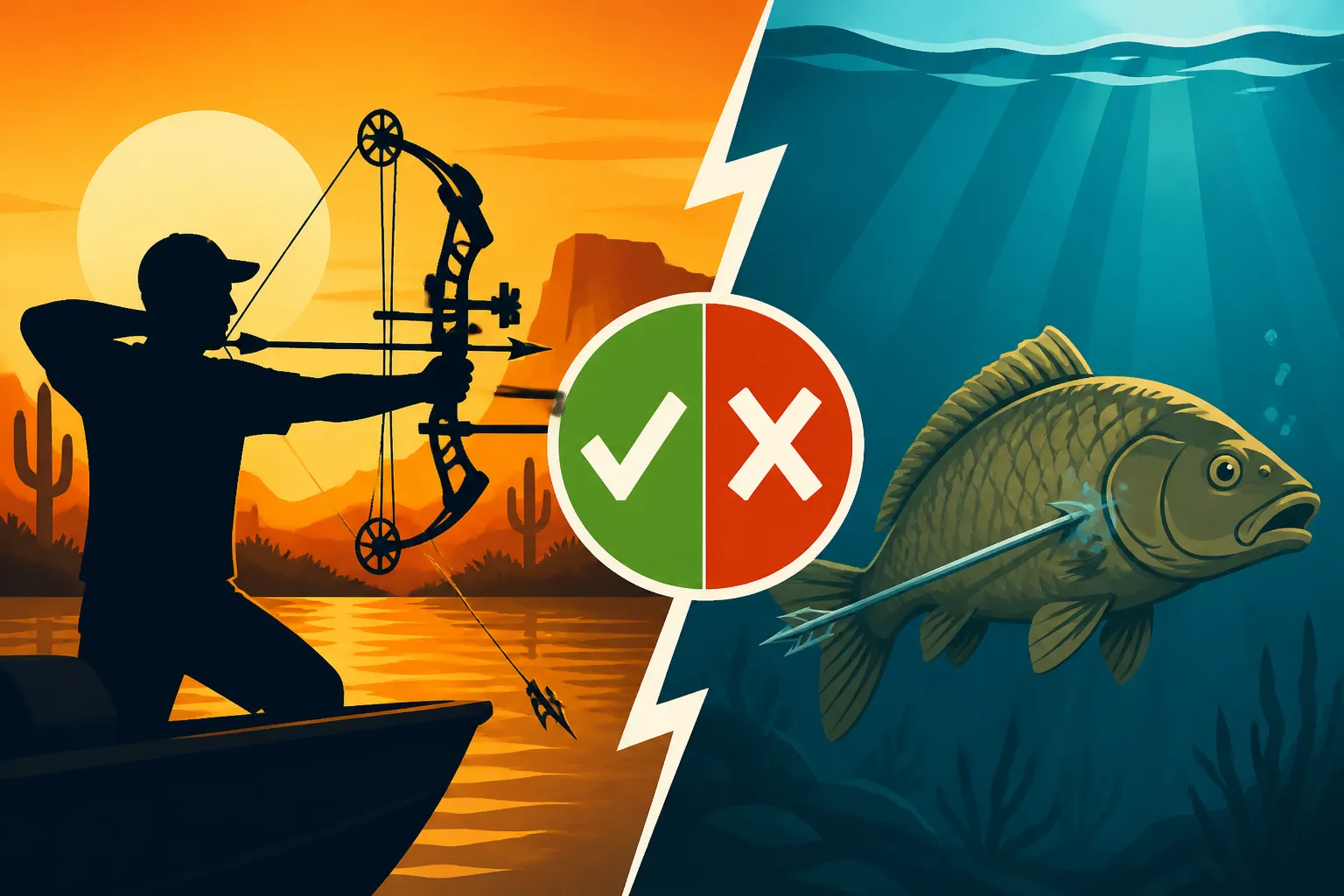
This is perhaps the most critical aspect of Arizona's bowfishing regulations, and it's where many misunderstandings can arise. You absolutely cannot bowfish for game fish in Arizona. That means species like largemouth bass, smallmouth bass, striped bass, trout, crappie, sunfish, and catfish are strictly off-limits to bowfishing. Targeting these species with archery equipment can lead to severe penalties, including fines and license suspension. This is a rule with no gray areas, designed to protect the very fish that draw thousands of anglers to Arizona's lakes and rivers each year.
So, what can you target? Bowfishing is legal for "rough fish" or "non-game fish." These are typically species that are either considered invasive, overpopulated, or are not traditionally sought after by rod-and-reel anglers for sport. The most common and popular targets for bowfishing in Arizona include:
- Common Carp: These prolific bottom-feeders are often considered a nuisance in many lakes due to their habit of stirring up sediment, which can negatively impact water quality and habitat for other species. They can grow quite large, offering a real challenge for bowfishermen.
- Tilapia: Another invasive species that can quickly overpopulate warmer waters, competing with native fish for food and resources.
- Buffalo Fish: While less common than carp, these large, carp-like fish are also legal targets for bowfishing.
- Goldfish: Often released pets, goldfish can establish wild populations and are treated similarly to carp in terms of regulations.
- Suckers: Several species of suckers are native to Arizona, but many are also considered rough fish and are legal to bowfish.
Remember, the goal of allowing bowfishing for these species is often to help manage their populations and reduce their impact on the ecosystem. You're not just fishing; you're often participating in a form of conservation by removing invasive species.
Required Licenses and Endorsements
Just like with traditional rod-and-reel fishing, you absolutely need a valid Arizona fishing license to participate in bowfishing. There's no special "bowfishing license" or "bowfishing stamp" required beyond the general fishing license. If you're old enough to need a license for regular fishing, you'll need one for bowfishing too.
For residents, an annual general fishing license is usually the most cost-effective option if you plan to go out more than a few times a year. If you're a non-resident visiting Arizona and want to try your hand at bowfishing, you'll need to purchase an Arizona nonresident fishing license. There are also short-term licenses available, such as a one-day or five-day option, which can be perfect for a quick trip. You can find detailed information on these options in our guide on the Arizona Fishing License Cost for Residents or the Arizona Nonresident Fishing License Guide. Remember, possessing your physical license or a digital copy on your phone is mandatory while you're out on the water. Conservation officers do check, and being caught without one is a surefire way to ruin your day.
Where and When You Can Bowfish in Arizona
Arizona is a state of diverse landscapes and even more diverse fishing opportunities. While bowfishing is legal, it's not universally permitted across all bodies of water, nor is it always a year-round activity in every location. Knowing these specifics is crucial for a successful and legal outing.
Permitted Waters and Restrictions
One of the biggest misconceptions about bowfishing is that if it's a public lake, you can bowfish there. This isn't always the case, and ignoring local restrictions can quickly lead to trouble. Generally, bowfishing is allowed on many of Arizona's large reservoirs and sections of the Colorado River system, which are vast enough to accommodate various forms of recreation without undue conflict.
Popular spots where bowfishing is often permitted include:
- Lake Pleasant: This large reservoir north of Phoenix is a popular spot for many water activities, and its expansive waters can hold significant populations of carp and tilapia.
- Roosevelt Lake: As the largest lake entirely within Arizona, Roosevelt offers ample opportunities, particularly in its shallower coves and arms where rough fish tend to congregate.
- Bartlett Lake: Another large reservoir on the Verde River, known for its bass fishing but also home to plenty of carp.
- Alamo Lake: Located in western Arizona, Alamo is a fantastic bass lake that also has a good population of carp, making it a viable option for bowfishing.
- Lake Havasu and other Colorado River impoundments: These waters often have large populations of carp and sometimes tilapia, providing exciting bowfishing prospects.
However, many other waters have explicit prohibitions. You generally cannot bowfish in:
- Community Fishing Program Lakes: These urban lakes, like those in Phoenix or Tucson, are intensely managed for recreational rod-and-reel fishing and are often stocked with trout and catfish. Bowfishing here would be dangerous to other anglers and disruptive to the primary management goals. You can learn more about these specific rules in our guide to Arizona Community Fishing Program Rules.
- Smaller, Sensitive Waters: Many smaller lakes, ponds, and especially trout streams are typically off-limits to bowfishing due to conservation concerns for game fish or to prevent conflicts with other anglers in confined spaces.
- National Parks and Monuments: Areas managed by the National Park Service often have stricter rules regarding fishing methods. Always check with the specific park authority.
The absolute best way to ensure you're in a legal spot is to consult the most recent AZGFD fishing regulations. They often list specific bodies of water and their unique restrictions. When in doubt, call the AZGFD directly. It's always better to ask first than to receive a citation later. Our overall guide to the Arizona Fishing Regulations Explained can give you a broader understanding of the state's rules.
Time of Day and Year Considerations
Unlike some traditional fishing methods, bowfishing often thrives under the cover of darkness. Many rough fish, especially carp and tilapia, move into shallower waters to feed at night, making them more accessible to shore-bound or shallow-water boat bowfishermen. This also tends to be when boat traffic and other recreational users are minimal, leading to fewer potential conflicts. Night bowfishing is generally permitted on waters open to bowfishing, but you absolutely must have appropriate lighting. This isn't just a suggestion; it's a safety and legal requirement. Powerful lights mounted on your boat or worn as headlamps illuminate the water, allowing you to spot fish and, more importantly, see any potential hazards or other water users.
Seasonally, bowfishing for carp and tilapia is typically most productive during the warmer months, from late spring through early fall. This is when these fish are most active and often inhabit the shallows for feeding and spawning. For instance, carp spawn in the spring, congregating in very shallow, often reedy areas, which can present excellent opportunities. There are generally no "closed seasons" for bowfishing rough fish, as the intent is often population control. However, always double-check the Arizona Fishing Season Dates and Limits for any specific water body, just in case there are unique local regulations.
Equipment and Methods
Bowfishing requires specialized equipment, marrying elements of archery and fishing. It's not just about attaching a fishing line to any old bow; specific gear makes the sport effective and safe.
Your primary tool will be a bow, which can be a recurve, compound, or even a specialized bowfishing bow. These bows are often rigged with a fishing reel, typically a spincast reel (similar to those used for spin fishing) or a specialized bowfishing reel, which is simply a spool for your heavy-duty fishing line. This line is then attached to a fishing arrow. These arrows are much heavier and thicker than target arrows, and they feature a specialized tip with a retractable or reversible barb that helps secure the fish once struck, preventing it from slipping off. The line itself needs to be robust, usually 80-200 lb test, to handle strong fish and potential snags. You can find a wide array of specialized bowfishing equipment, from complete bowfishing kits to individual components like reels and arrows, on platforms like Amazon. Many anglers start with a basic setup from Amazon before investing in higher-end gear once they're hooked.
When it comes to the method, it's pretty straightforward: you spot a fish, aim, and shoot. The arrow has a line attached, and once you hit the fish, you reel it in. The technique demands practice in aiming and leading moving targets, especially considering the refraction of light in water, which makes fish appear shallower than they actually are. For night fishing, powerful lights mounted on your boat are essential. These lights penetrate the water, allowing you to spot fish near the surface or in the shallows. Safety is paramount: always be aware of your surroundings, ensuring a clear shooting lane and no other people or objects behind your target.
Ethical Considerations and Best Practices for Bowfishing
While bowfishing offers a unique thrill and a chance to harvest fish, it comes with a significant responsibility. Being a good steward of Arizona's natural resources and a considerate recreationist means adhering to a strong ethical code. This isn't just about following the law, but about promoting a positive image for bowfishing and ensuring the longevity of the sport and the health of our aquatic environments.
Responsible Harvest and Disposal
Unlike traditional rod-and-reel fishing where catch-and-release is often practiced, bowfishing for rough fish typically has a different objective: harvest. The nature of impaling a fish with an arrow means that survival rates upon release are extremely low. Therefore, the unspoken rule of bowfishing is: if you shoot it, you keep it. This means you should only shoot fish you intend to harvest. This practice is often encouraged by wildlife agencies as a means of population control for invasive or overpopulated species like carp and tilapia.
What you do with your harvested fish is equally important. Simply leaving fish on the bank to rot is not only wasteful but also attracts scavengers, creates an unpleasant smell, and can contaminate the area. It reflects poorly on all anglers. You have several options for responsible disposal:
- Consumption: Many of the fish targeted by bowfishing, especially carp and tilapia, are edible and can be quite good when prepared correctly. Check local advisories for any mercury or contaminant warnings in specific waters.
- Compost or Garden Fertilizer: Fish make excellent fertilizer for gardens or compost piles. Burying them away from water sources can return nutrients to the soil.
- Waste Disposal: If you don't plan to eat them or use them for compost, take your harvested fish home and dispose of them properly in your household trash. Some marinas or public fishing areas might have designated fish cleaning stations or disposal bins, but always confirm first.
Never release live non-native fish into other bodies of water, even if you caught them elsewhere. This is how invasive species spread and wreak havoc on ecosystems.
Respecting Other Anglers and Water Users
Arizona's lakes and rivers are shared spaces, and bowfishing, with its use of archery equipment and often bright lights, can sometimes be perceived differently by others. Being considerate and respectful of other users is paramount to a positive experience for everyone.
- Maintain Distance: Avoid bowfishing near swimming beaches, boat ramps, docks, or areas where traditional anglers are concentrated. Give others plenty of space to enjoy their activities without feeling crowded or unsafe.
- Night Fishing Etiquette: If you're bowfishing at night, be mindful of your bright lights. Avoid shining them directly into other boats or campsites. Dim your lights or turn them off when approaching other users to avoid blinding them.
- Communication: If another angler or boater approaches, offer a friendly wave or explanation of what you're doing. A little courtesy goes a long way in dispelling any potential apprehension.
- Safety First: Always ensure your shooting lane is clear of people, boats, and property. Your arrow is a projectile, and extreme caution is necessary. Remember that not everyone understands bowfishing, and some might be wary of bows and arrows being used on the water. Be an ambassador for the sport by demonstrating responsible and safe practices.
Environmental Impact and Conservation
Bowfishing, when done correctly, can be a tool for conservation, particularly in managing invasive species. However, it also carries potential environmental risks if not practiced responsibly.
- Species Identification: Accurately identifying your target fish is crucial. Mistaking a game fish for a carp can have serious legal and ethical consequences. If you're unsure, don't shoot. Our Fish Species Guide for Arizona Lakes can help you learn to identify common fish. Familiarize yourself with the visual differences between similar-looking species like carp and some native suckers, or even juvenile game fish.
- Preventing Invasive Species Spread: Many of the fish targeted by bowfishing are invasive. By removing them, you're helping to reduce their impact. However, it's just as important to ensure you don't inadvertently spread them. This means cleaning your boat, trailer, and all bowfishing gear thoroughly between trips, especially if moving between different bodies of water. Even small fragments of aquatic plants or tiny fish eggs can hitch a ride and establish new invasive populations.
- Habitat Protection: Be mindful of the habitat you're fishing in. Avoid damaging emergent vegetation or shallow spawning beds, which are vital for many fish species, game and non-game alike. By understanding and respecting these environmental factors, you contribute to the overall health of Arizona's waterways. The AZGFD provides information on Invasive and Protected Fish Species in Arizona, which is definitely worth reviewing before your trip.
Bowfishing Legalities in Arizona: Quick Reference
| Status | Generally LEGAL |
|---|---|
| Required License | Valid Arizona General Fishing License (no special bowfishing stamp) |
| Permitted Target Species | Common Carp, Tilapia, Buffalo Fish, Goldfish, Suckers (non-game/invasive fish) |
| Prohibited Target Species | ALL GAME FISH (Bass, Trout, Catfish, Crappie, Sunfish, etc.) |
| Permitted Waters | Many large reservoirs (e.g., Lake Pleasant, Roosevelt Lake, Bartlett Lake, Alamo Lake, Colorado River sections). Always check specific lake regulations. |
| Prohibited Waters | Community Fishing Program Lakes, smaller trout waters, some sensitive areas, National Parks. Always check specific lake regulations. |
| Time of Day | Day and Night (Night bowfishing requires adequate lighting) |
| Equipment | Bow (recurve, compound, or specialized bowfishing), fishing reel, fishing arrow with barbed point, heavy fishing line. |
| Ethical Considerations | Harvest what you shoot, dispose of fish responsibly, respect other water users, ensure positive species identification, prevent invasive species spread. |
In conclusion, bowfishing in Arizona is a fantastic and challenging way to enjoy the outdoors and contribute to conservation efforts by targeting specific non-game fish. Just make sure you do your homework, understand the rules, and always practice responsible and ethical angling. You can even find specific gear for bowfishing on Amazon to get started on your adventure!
Disclaimer
Please note that fishing regulations can change. While we strive to provide the most current and accurate information, it is always your responsibility to consult the official Arizona Game and Fish Department regulations or website before any fishing activity to ensure compliance. This guide is for informational purposes only and does not constitute legal advice.