Invasive and Protected Fish Species in Arizona
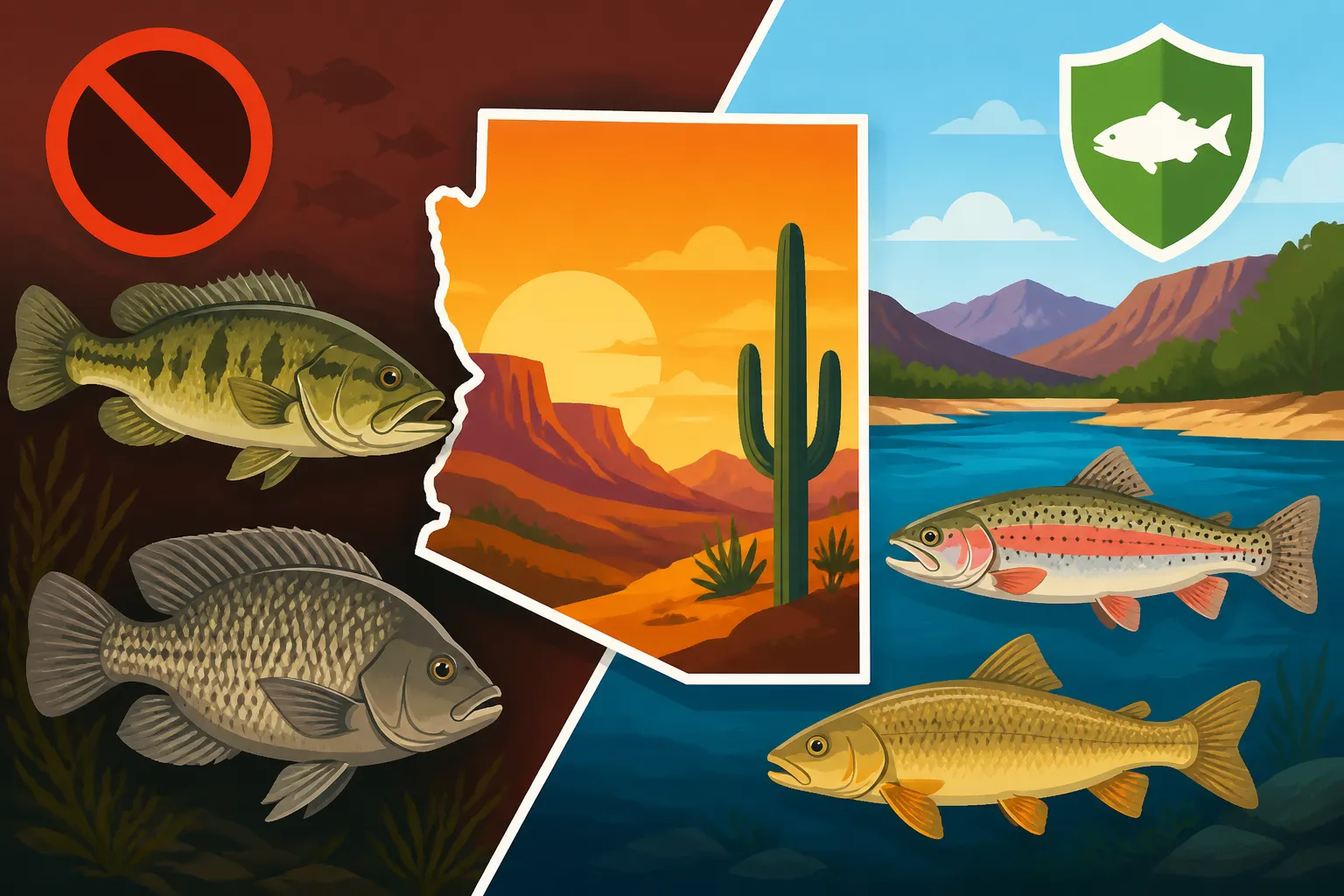
Arizona's waters, though often appearing as desert oases, hold a remarkably delicate balance. Many anglers come here expecting just great fishing, but what they quickly learn is that our unique ecosystems are under constant threat, and some of our most precious fish species are hanging on by a thread. This guide aims to clear up the confusion around which fish are protected, which are considered invasive, and why every angler plays a crucial role in safeguarding Arizona's aquatic future.
Understanding Arizona's Native Fish: A Fragile Heritage
When we talk about fishing in Arizona, many of us picture casting for big bass in a desert reservoir or reeling in trout from a cool mountain stream. But before any of those species arrived, Arizona's waterways were home to a unique collection of native fish, perfectly adapted to our extreme climate. These are the unsung heroes of our aquatic world, and unfortunately, many of them are facing an uphill battle for survival. It's easy to overlook them when you're focused on sport fish, but their presence is a testament to the incredible biodiversity of our state.
The Unique Aquatic Ecosystems of Arizona
Arizona isn't just a desert; it's a land of incredible hydrological diversity, from high-elevation mountain streams to vast lowland rivers like the Colorado, and countless springs and cienegas. Each of these unique environments fostered the evolution of distinct fish species, often found nowhere else on Earth. Think about it: fish that can withstand incredible temperature swings, survive in intermittent streams, or navigate flash floods – they're truly remarkable. These aren't your typical placid rivers; they're dynamic, challenging habitats that have shaped fish over millennia. Our waters are a mosaic, each piece supporting life adapted to its specific conditions.
For instance, species found in the Gila River basin developed traits to survive long periods of drought and then thrive during monsoon season torrents. Meanwhile, fish in the cooler, spring-fed systems in the White Mountains adapted to different thermal and flow regimes. This specialization, while making them incredibly unique, also makes them particularly vulnerable to changes in their environment. When human activity alters flow patterns, introduces new chemicals, or, most critically, introduces new species, these finely tuned ecosystems can quickly unravel. Understanding this foundation is key to appreciating why protecting our native fish is so vital.
Why Native Fish Are So Vulnerable
The very adaptations that made Arizona's native fish unique also make them incredibly susceptible to disturbances. They evolved in relative isolation, without the aggressive predators or highly competitive species that dominate many other aquatic systems. So, when non-native fish are introduced, these native species often have no natural defenses. Imagine a gentle, slow-moving native chub trying to compete for food or territory with a fast-growing, aggressive non-native bass. It's simply not a fair fight. Habitat loss is another huge factor; as rivers are dammed, diverted, or channelized, crucial spawning grounds and migratory routes are destroyed.
Climate change adds another layer of complexity, altering water temperatures and flow regimes that native species are highly sensitive to. Even something as seemingly benign as bank stabilization can remove the natural cover and food sources these fish rely on. It’s a death by a thousand cuts for many of these species, where each small change chips away at their ability to survive and reproduce. The interconnectedness of these factors means that a single invasive species or a change in water quality can have a cascading effect throughout the entire ecosystem, threatening not just fish, but insects, plants, and even birds that rely on those fish for food.
Protected Fish Species in Arizona: Know Before You Go
Fishing in Arizona is a privilege, and with that privilege comes a significant responsibility, especially when it comes to our protected native species. These aren't just names in a book; they're living parts of our heritage, and their survival often depends on anglers being informed and diligent. It's not always easy to tell the difference between a protected native fish and a common sport fish, especially for beginners or in murky water, which is why education is absolutely paramount. Ignorance of the law is never an excuse, and protecting these species is a shared duty.
Identifying Arizona's Officially Protected Species
Arizona is home to several federally and state-protected fish species. These are fish that, due to various factors like habitat loss and competition from non-native species, have seen their populations dwindle to critical levels. Knowing how to identify them is crucial, and it means paying close attention to details. We're talking about species like the Apache Trout, Gila Trout, Razorback Sucker, Bonytail Chub, Colorado Pikeminnow, and Humpback Chub. Each has specific markings, fin structures, and body shapes that distinguish them. For instance, the Apache Trout often has two distinct black spots on either side of its pupil, giving it a masked appearance, and is typically found in specific high-elevation streams. The Razorback Sucker has that incredibly distinctive bony keel on its back, giving it a rather prehistoric look.
It's not always as simple as looking at a picture in a guide; variations can exist, and fish caught in different environments might look slightly different. Always err on the side of caution. If you're unsure, it's best to treat the fish as if it were protected. Many anglers carry a small, waterproof field guide or have identification apps on their phones, which can be lifesavers. Native Fish Species of Arizona offers a great overview, and for more specific details, looking into Razorback Sucker Status in Arizona Rivers, Colorado Pikeminnow Status in Arizona, Bonytail Chub Conservation Status, and Humpback Chub Habitat in the Grand Canyon can provide vital information. These resources are designed to help you recognize these irreplaceable creatures.
Catch-and-Release Rules for Protected Fish
When you accidentally hook a protected fish – and it can happen to anyone, even seasoned anglers – the rules are very clear: release it immediately, and do so with the utmost care to minimize harm. This isn't just a recommendation; it's a legal requirement designed to give these fragile populations the best chance at survival. The goal is to get the fish back into the water as quickly and gently as possible, reducing stress and physical injury. That means no keeping them out of the water for hero shots, no fumbling with complicated hooks, and certainly no putting them in a livewell.
Using single, barbless hooks can significantly aid in a quick and safe release. If you're using bait, try to use hooks designed to prevent deep swallowing. Handle the fish minimally, keeping it in the water if at all possible while you remove the hook. If you must lift it, support its entire body, especially its belly, and avoid squeezing. Wet your hands before touching the fish to protect its delicate slime coat. This protective coating is its first line of defense against disease. Every single individual protected fish is valuable to its species' recovery, so treating it with respect is paramount. Catch and Release Rules for Arizona Anglers provides broader guidance that applies here, but with protected species, the stakes are even higher.
The Apache Trout and Gila Trout: Conservation Success Stories
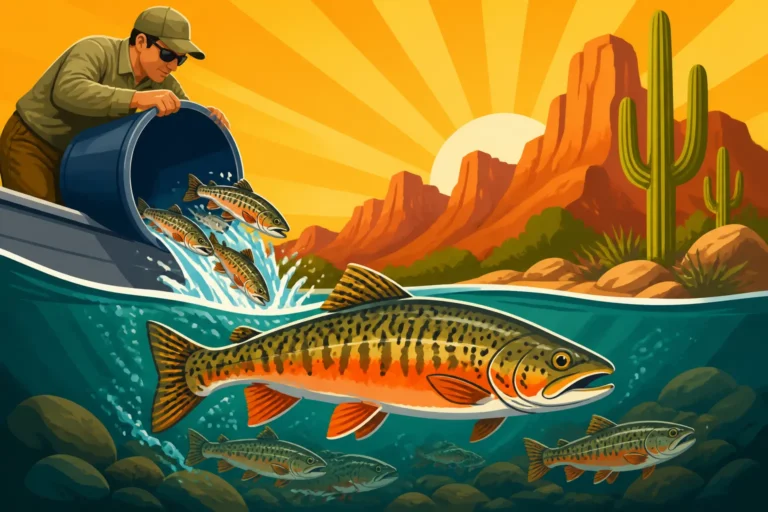
The Apache Trout and Gila Trout are shining examples of what dedicated conservation efforts can achieve, though their journey is far from over. Both species were once on the brink of extinction, confined to a handful of isolated streams due to habitat degradation and competition with non-native trout. Thanks to decades of work by wildlife agencies, including habitat restoration, removal of non-native fish, and carefully managed stocking programs, their populations have rebounded significantly.
Today, the Apache Trout, Arizona's state fish, has recovered enough in certain areas to allow for limited, highly regulated angling opportunities. This is a testament to the fact that with concerted effort, we can bring species back from the brink. However, these programs are delicate. Anglers who target Apache Trout must adhere to very specific regulations, often involving artificial lures, single barbless hooks, and strict catch-and-release, or very precise harvest limits in designated areas. Understanding Apache Trout Conservation in Arizona and Gila Trout Range in Arizona is essential for any angler hoping to fish in the native ranges of these species, ensuring that our success stories continue to inspire. Always check the latest regulations for specific waters, as rules can change based on the health of the population.
The Threat of Invasive Species: Upsetting the Balance
Just as native species are vital, invasive species pose one of the most significant threats to Arizona's aquatic health. These non-native fish, plants, or organisms can quickly outcompete, prey upon, or introduce diseases to native wildlife, leading to dramatic ecological shifts. It's a problem that often starts innocently enough, perhaps with someone dumping a bait bucket or releasing an unwanted aquarium pet, but the consequences can be devastating and long-lasting. The adage "a small leak can sink a great ship" is incredibly apt here.
How Invasive Species Arrive and Spread
Invasive species typically arrive in Arizona's waters through a few primary pathways, many of which involve human actions, sometimes unintentional. One of the most common methods is through illegal stocking – people introducing fish from other areas into a local lake or river, either to create a new fishery or simply because they don't know any better. Another major pathway is the live bait bucket. Anglers might use baitfish from one body of water and then dump any unused bait into another, unknowingly transferring invasive species or diseases. Aquarium releases are also a problem, where unwanted pet fish, like tilapia or various carp, are released into local ponds, thinking they are doing the fish a favor. These seemingly small acts can have monumental ripple effects.
Beyond direct release, boats, trailers, and fishing gear can inadvertently transport aquatic hitchhikers. Microscopic organisms, plant fragments, or even fish eggs can cling to boats and be transferred from one lake to another. This is why the "Clean, Drain, Dry" message is so critical: cleaning all plant matter and mud from your boat and trailer, draining all water from the bilge and livewells, and thoroughly drying everything before moving to a new body of water. Without these precautions, we become unwitting accomplices in spreading these ecological threats.
The Ecological Impact of Non-Native Fish
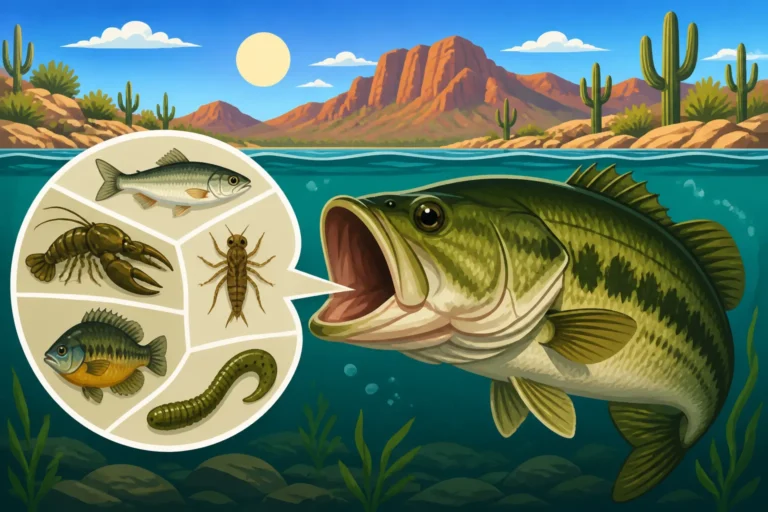
The ecological impact of invasive fish species is multifaceted and often severe, disrupting entire food webs and altering habitats. Non-native species can outcompete native fish for food, such as insects and smaller fish, or for critical spawning grounds, leaving native populations with fewer resources to sustain themselves. Many invasives are also highly effective predators, preying directly on native fish, their eggs, or their fry, which can decimate vulnerable populations. Consider the impact of larger, aggressive non-native bass or catfish introduced into a stream where native species have never encountered such a threat.
Furthermore, some invasive species can alter the physical environment. Common carp, for example, are notorious bottom feeders that stir up sediment, increasing turbidity and destroying vegetation that other fish and aquatic insects rely on. This muddies the water, making it harder for sight-feeding native fish to hunt and impacting plant growth. Invasive species can also introduce new diseases or parasites to which native fish have no immunity, leading to widespread mortality. The overall effect is a reduction in biodiversity, a simplification of complex ecosystems, and a profound shift away from the natural balance that has evolved over thousands of years. It's a domino effect, where one introduced species can destabilize an entire aquatic community.
Common Invasive Predators and Competitors
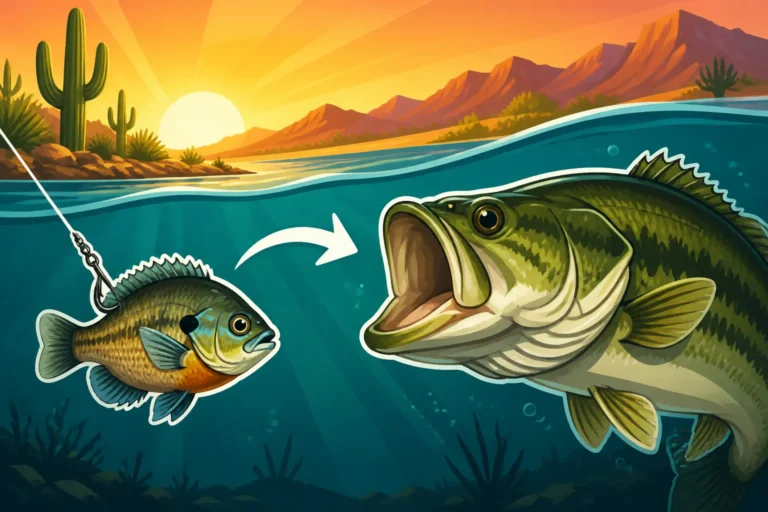
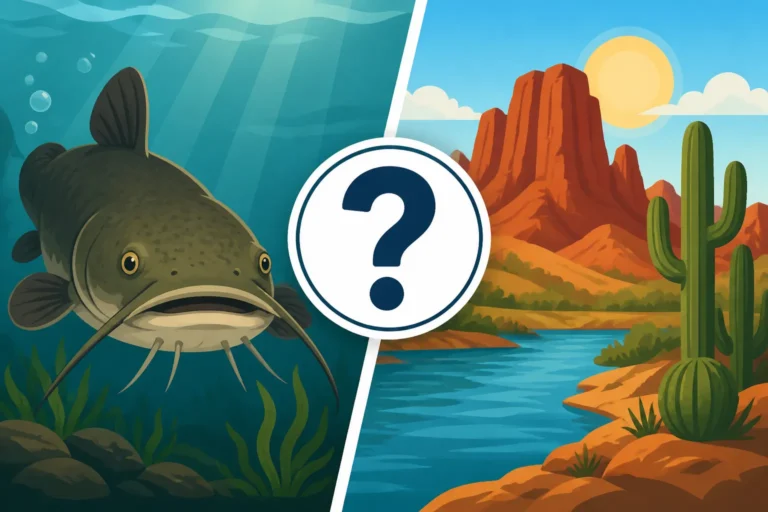
Arizona's waters, unfortunately, host a variety of common invasive predators and competitors that pose significant threats to native and even established sport fish populations. Knowing who these culprits are is the first step in managing their spread. Bass species, while beloved sport fish, can be highly predatory towards smaller native fish, especially when introduced outside their natural range or in sensitive native fish habitats. The same goes for certain species of catfish, particularly flatheads, which are voracious predators of smaller fish, including protected native species.
But it's not just the big predators. Even smaller fish can be problematic. Sunfish and bluegill, for instance, are prolific breeders and can outcompete native species for food resources, or even consume native fish eggs. Other species like mosquitofish, introduced to control insect populations, can sometimes outcompete native aquatic insects and even nip the fins of native fish, causing stress and disease. It's a complex web, and often, the most successful invasive species are those that are highly adaptable, reproduce quickly, and have a broad diet, giving them a distinct advantage over more specialized native species.
Key Invasive Fish Species to Know in Arizona
Being able to recognize and understand the impact of specific invasive species is invaluable for responsible angling. While some non-native fish have become established sport fisheries and are managed as such (like many bass species in larger reservoirs), others are considered highly undesirable and their removal is encouraged or even mandated.
Tilapia: The Desert Lake Invader
Tilapia are probably one of the most recognized invasive species in Arizona's warmer waters, particularly in urban ponds and lower-elevation reservoirs. Originally from Africa, these hardy fish are incredibly adaptable. They can tolerate warm water, low oxygen levels, and even brackish conditions, which gives them a huge advantage in many of Arizona's demanding aquatic environments. They reproduce rapidly and can quickly overpopulate a water body, creating a "stunted" fishery where many small fish compete for limited resources.
Their impact is primarily through competition for food and habitat. Tilapia are omnivores, grazing on algae, aquatic plants, and invertebrates, directly competing with native species and desirable sport fish. They also engage in nest building, which can disrupt the spawning beds of other fish. In many community fishing lakes and warmer desert impoundments, you'll find them in abundance. The Arizona Game and Fish Department often encourages anglers to harvest all tilapia they catch, as they are considered an invasive nuisance in most areas. If you're looking for gear to help you clean your catch of tilapia, simple fillet knives and cutting boards are readily available on Amazon and can make the process much easier.
Common Carp and Grass Carp: Bottom Dwellers with Big Impact
Common carp and grass carp are two other significant invasive species, each with distinct impacts on Arizona's ecosystems. Common carp, originally from Asia, were introduced globally centuries ago and are now widespread. They are notorious for their bottom-feeding habits, which involve rooting through the substrate. This behavior stirs up tremendous amounts of sediment, increasing water turbidity, reducing light penetration, and uprooting aquatic vegetation essential for other fish and invertebrates. Their presence can turn clear waters cloudy and destroy vital habitat, leading to a decline in water quality and overall ecosystem health.
Grass carp, on the other hand, were introduced specifically for aquatic weed control. While they can be effective at reducing dense vegetation, their appetite isn't always selective, and they can sometimes decimate desirable native plant species, drastically altering the aquatic environment. The introduction and management of grass carp are highly controlled, usually requiring permits and specific sterile triploid fish to prevent reproduction. If you catch a common carp or grass carp, refer to the Arizona Fishing Regulations Explained for specific rules, but generally, their removal is encouraged where they are deemed invasive, especially for common carp.
Northern Pike and Walleye: Aggressive Game Fish Challenges
While not as widespread as carp or tilapia, the presence of northern pike and walleye in certain Arizona waters presents unique challenges due to their highly predatory nature. Northern pike are voracious ambush predators capable of growing to large sizes, and they can have devastating effects on native fish populations or even other sport fish if introduced into inappropriate environments. Historically, there have been concerns about isolated introductions of pike in certain drainages, leading to aggressive removal efforts to protect native trout and other species.
Walleye, another highly sought-after sport fish in many parts of the country, are also powerful predators. Their presence in a few Arizona lakes is typically the result of intentional, managed stockings designed to create a specific fishery. However, like pike, if they were to escape into sensitive native fish habitats, their predatory nature could pose a significant threat. Anglers encountering these species need to be aware of the specific regulations for the water body they are fishing, as limits and rules can vary dramatically. For example, some areas might have liberal bag limits for pike to encourage their removal, while walleye, where legally established, might have stricter regulations. Always check the current Arizona Fishing Regulations Explained before heading out.
Angler's Role in Protecting Arizona's Waters
As anglers, we are often the first line of defense and the most direct beneficiaries of healthy aquatic ecosystems. Our actions, both on and off the water, have a profound impact. Understanding and adhering to responsible practices isn't just about following rules; it's about being a steward of the environment we cherish. Every decision we make, from choosing our bait to cleaning our gear, contributes to the bigger picture of conservation.
Best Practices for Preventing the Spread of Invasives
Preventing the spread of invasive species is perhaps the most critical role an angler can play. The "Clean, Drain, Dry" protocol for boats and gear is non-negotiable. Before leaving any body of water, meticulously inspect your boat, trailer, waders, and fishing gear for any plant fragments, mud, or visible organisms. Remove anything you find and dispose of it properly, not back into the water. Drain all water from your boat's bilge, livewells, bait buckets, and engine, and ensure all compartments are dry before launching into a new lake or river.
Another vital practice is never to release live bait or unwanted aquarium pets into any natural water body. If you have leftover bait, dispose of it in the trash, not over the side of the boat or at the boat ramp. Similarly, if you fish a private pond and then move your gear, ensure everything is thoroughly cleaned and disinfected. Even a seemingly harmless bucket of water from one pond could contain invasive microscopic larvae or disease pathogens that could decimate another ecosystem. Always be mindful of what you're bringing in and taking out of Arizona's precious waters. Investing in a good gear bag, perhaps from Amazon, that helps you keep wet gear separate and makes cleaning easier can be a real game-changer.
Reporting and Handling Suspected Invasive Species
If you encounter an unfamiliar fish or a fish that you suspect might be an invasive species, knowing how to react is crucial. First, if it's a known invasive like tilapia or common carp in many Arizona waters, and the regulations allow, harvest it. Many state regulations explicitly encourage the removal of certain invasives without limit. However, if it's an unusual species or one you can't identify, do not release it. Take clear photographs of the fish, noting its size, location, and the date. If possible, keep the fish and contact the Arizona Game and Fish Department (AZGFD) immediately. They can help with identification and advise on proper disposal or further action.
When dealing with a suspected invasive, it’s important to prevent its escape or further spread. If you can't keep it and must dispose of it, ensure it is properly euthanized and placed in a sealed bag in the trash, not back into any water body. Your careful observation and quick action can prevent a small problem from becoming a massive ecological disaster. Never assume someone else will report it; be the responsible angler who makes the call.
Responsible Catch-and-Release for All Species
While we've discussed specific catch-and-release for protected species, responsible handling extends to all fish, whether they are sport fish, panfish, or even common species you intend to keep. Minimizing stress and injury to any fish, even those you plan to release, ensures they have the best chance of survival and contributes to healthier fish populations overall. This includes using appropriate tackle, avoiding prolonged fights, and handling fish gently.
When practicing catch-and-release, consider using barbless hooks, which are much easier to remove. Use tools like de-hookers or pliers to quickly remove hooks, especially if the fish has swallowed the hook. Avoid dragging fish onto rough surfaces or dropping them. If a fish is bleeding heavily or appears severely injured, consider keeping it if it's a legal species and within the bag limit, rather than releasing it to die slowly. For those moments when you do need to hold a fish for a quick photo, keep it wet, support its weight horizontally, and return it to the water swiftly. A quality pair of fishing gloves, widely available on Amazon, can also protect both you and the fish during handling. Every fish deserves respectful treatment, whether it's a trophy bass or a tiny bluegill.
Regulation and Enforcement: The Law on Invasive and Protected Species
The rules surrounding invasive and protected fish in Arizona are not arbitrary; they are carefully crafted laws designed to protect fragile ecosystems and ensure sustainable fishing opportunities for future generations. Understanding these regulations is not just a matter of compliance, but a demonstration of respect for Arizona's natural resources.
Arizona Fishing Regulations Related to Species Protection
Arizona's fishing regulations are comprehensive and specific when it comes to both protected native species and invasive non-native fish. These rules are detailed in the annual Arizona Game and Fish Department (AZGFD) fishing regulations booklet, which every angler should have a copy of and review thoroughly before hitting the water. The regulations will explicitly list protected species, often with photographic guides for identification, and outline strict rules for their immediate and careful release if accidentally caught. Arizona Fishing Regulations Explained provides an excellent deep dive into these rules.
Conversely, the regulations also address invasive species. For many non-native species deemed ecologically harmful, there might be no bag or possession limits, and anglers are often encouraged or even required to remove them from the water once caught. This is particularly true for species like tilapia in many areas, or sometimes for smallmouth bass when found in native trout habitats where they pose a threat. Specific waters may have unique regulations, such as "catch-and-release only" for certain species, or specific bait restrictions to protect sensitive native populations. It’s imperative to check the regulations for the specific lake, river, or stream you plan to fish, as rules can vary drastically from one water body to another.
Penalties for Violating Species Protection Laws
Violating Arizona's fish species protection laws carries serious consequences, and ignorance of the law is not considered a valid defense. Penalties can range from significant fines to the forfeiture of fishing gear, suspension or revocation of fishing licenses, and even potential jail time for severe offenses. For example, keeping a federally protected species, even accidentally, and not releasing it properly can result in substantial fines and legal repercussions. The Penalty for Keeping a Protected Fish in Arizona is a good resource to understand the gravity of such violations.
These penalties are designed to be a strong deterrent, reflecting the critical importance of protecting Arizona's biodiversity. Enforcement is taken seriously by game wardens, who patrol Arizona's waterways. They are well-versed in fish identification and regulations. It’s always better to be overly cautious when you're unsure about a fish's identity or the specific rules for a given water. A momentary lapse in judgment or an attempt to disregard the rules can have long-lasting negative impacts, not just on the individual angler but on the precious fish populations we are all trying to protect.
Resources for Learning More
Staying informed is one of the most powerful tools an angler has in protecting Arizona's aquatic environments. The Arizona Game and Fish Department is the primary resource for all things related to fishing regulations, species identification, and conservation efforts. Their website and annual regulations booklet are invaluable. Many local bait and tackle shops are also great sources of information on current conditions and specific local regulations, as they deal directly with anglers every day.
Beyond official channels, there are numerous conservation organizations dedicated to protecting native fish and combating invasive species in Arizona. Participating in volunteer clean-up efforts, joining angler education programs, or simply engaging with experienced conservation-minded anglers can deepen your understanding and commitment. Online forums and social media groups focused on Arizona fishing can also be a good place to ask questions and learn from others, but always cross-reference information with official AZGFD sources. Remember, the more we know, the better stewards of our waters we can be.
| Fish Species Category | Example Species | Key Identification Tips | Angler Action & Rationale |
|---|---|---|---|
| Protected Native | Apache Trout | Two dark spots on head; usually golden/yellow; small scales. Found in high-elevation streams. | Immediate, careful release. These are critically endangered and vital to Arizona's natural heritage. |
| Razorback Sucker | Distinct bony keel on back; dark grey/brown; large, fleshy lips. Found in large rivers/reservoirs. | Immediate, careful release. Highly endangered, unique adaptation to desert rivers. | |
| Colorado Pikeminnow | Large, torpedo-shaped body; long, rounded snout; olive-green back, silvery sides. Found in Colorado River basin. | Immediate, careful release. Federally protected, crucial predator in native river systems. | |
| Invasive Non-Native | Tilapia | Deep body, often mottled grey/olive; spiny dorsal fin; prominent lips. Found in warm, lower-elevation lakes. | Do not release (unless prohibited by regulation). Outcompete native species, overpopulate. |
| Common Carp | Large, heavy-bodied; prominent barbels around mouth; large scales; golden-brown. Bottom-feeder. | Do not release (unless prohibited by regulation). Destroys habitat, increases turbidity. | |
| Northern Pike | Long, slender body; distinctive duck-bill snout; dark spots/bands on a lighter body. Aggressive predator. | Do not release (unless prohibited by regulation). Preys on desirable fish, alters ecosystems. |
Disclaimer
This article is for general informational purposes only and does not constitute professional advice. Laws, prices and regulations vary by location and change over time. Consult a qualified professional for guidance on your specific situation.