Are Flathead Catfish Native to Arizona?
It's a common question that pops up when you're out on the water, reeling in a monster: "Is this fish supposed to be here?" When it comes to the formidable Flathead Catfish in Arizona, many anglers are fascinated by their size and power, but also curious about their origins in our unique desert ecosystems. This guide will dive deep into the fascinating, complex story of the Flathead Catfish in Arizona, clarifying their native status, exploring their impact on our waters, and helping you understand how and where to pursue these challenging fish.
Flathead Catfish: An Arizona Transplant, Not a Native Resident
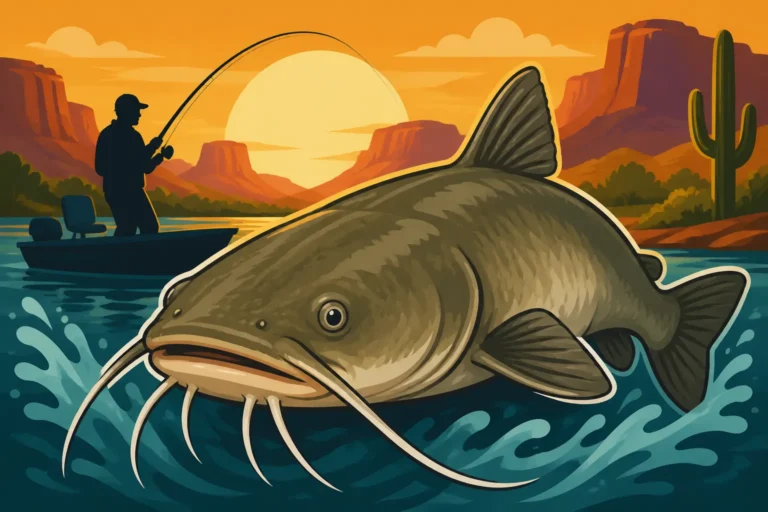
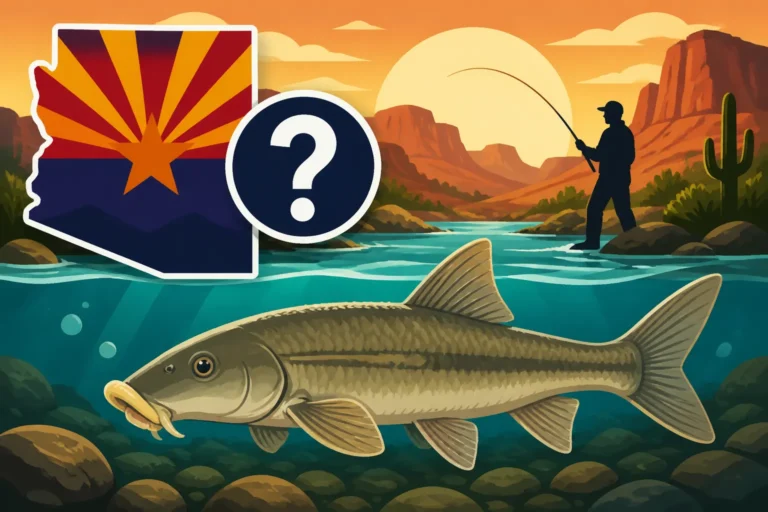
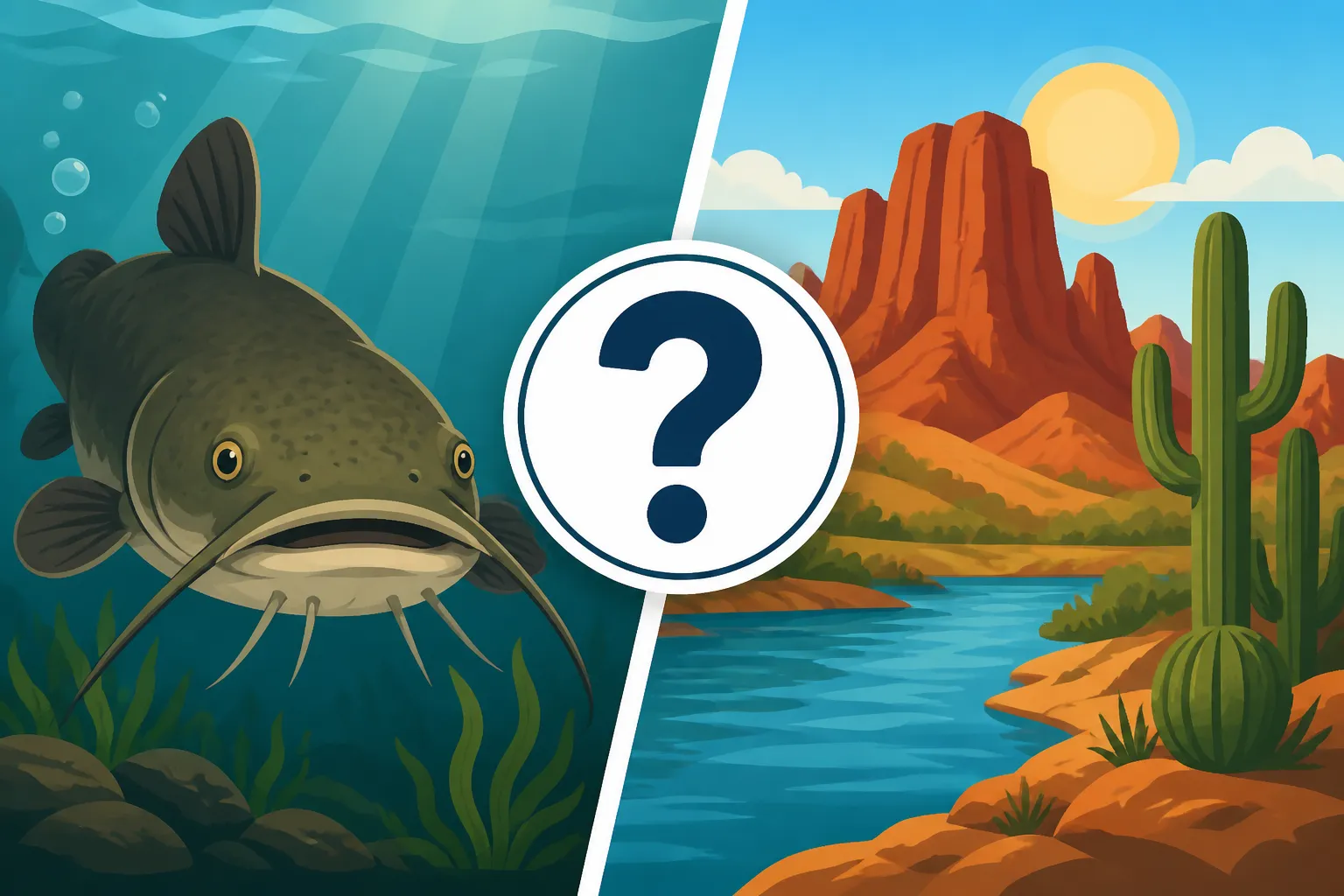
Let's cut right to the chase for those of you who have wondered: no, Flathead Catfish are not native to Arizona. While they are a beloved and highly sought-after sport fish for many, their presence in our waters is the result of introductions, not natural migration or evolution within our desert landscape. This might come as a surprise to some, especially given how well they've adapted and thrived here, growing to incredible sizes.
The True Origins of Arizona's Flathead Catfish
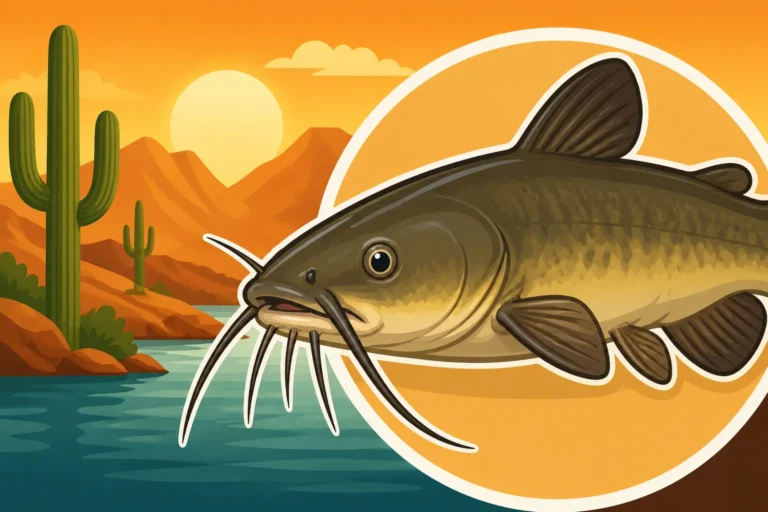
Flathead Catfish, Pylodictis olivaris, are actually native to the central United States, primarily the Mississippi River basin, stretching from the Great Lakes states down to the Gulf of Mexico. Their natural range includes large rivers and their major tributaries. So, how did they end up dominating many of Arizona's premier fishing spots? Like many other non-native species, they were introduced into Arizona's waters, sometimes intentionally by early anglers hoping to create new fisheries, and other times accidentally. These introductions began decades ago, and once established, their populations exploded due to ideal conditions and a lack of natural predators in their new environment. It's a classic tale of a species finding a new home where it can truly flourish, sometimes at a cost to the existing residents.
Why Flatheads Have Thrived in Our Desert Waters
Arizona's large reservoirs and rivers, particularly the lower Colorado River and its major impoundments, have proven to be an almost perfect environment for Flathead Catfish. These are warm-water fisheries with extensive deep areas, rocky structures, submerged timber, and an abundant food supply – especially other non-native fish species. Flatheads are ambush predators, preferring live bait, and our lakes are teeming with shad, carp, and even smaller bass and bluegill. This readily available buffet, combined with the mild winters that allow for extended feeding and growth periods, has enabled Flatheads to reach impressive sizes and establish robust populations. They truly are the apex predators in many of these systems, a testament to their adaptability and ferocity.
The Ecological Impact of Non-Native Flathead Catfish
While the thrill of battling a huge Flathead is undeniable, it's important to understand the broader implications of their presence as a non-native species. Their success in Arizona hasn't come without ecological consequences, which is often the case when a powerful new predator is introduced into an established ecosystem.
Predatory Habits and Food Chain Disruption
Flathead Catfish are voracious, opportunistic predators, and their diet consists almost entirely of live fish as they mature. Unlike Channel Catfish, which are more omnivorous scavengers, Flatheads prefer to ambush live prey. This puts them in direct competition with, and often as a predator of, other sport fish and, more critically, native fish species. They can significantly impact the forage base, reducing populations of smaller fish that serve as food for other predators or are important to the ecosystem's balance. Imagine an entire lake's population of smaller fish, including juveniles of desirable sport species like bass, suddenly facing a super-efficient, large-bodied predator with no natural checks on its population. This can lead to a shift in the food web, favoring hardier, less palatable species while suppressing others. This dynamic is a major concern for wildlife managers working to maintain healthy and balanced aquatic environments.
Competition with Native and Other Sport Fish
The presence of a dominant non-native predator like the Flathead Catfish creates competition for resources that native fish and even other introduced sport fish depend on. While some might argue that Flatheads help control overpopulation of common carp or gizzard shad (also non-native), their impact is rarely selective. They will eat anything they can catch, including juvenile Largemouth Bass, Crappie, and even the young of Arizona's precious native fish where their habitats overlap.
For instance, in some parts of the Colorado River system, Flatheads pose a threat to recovering populations of endangered native fish species like the bonytail chub or razorback sucker, even if those interactions are limited to specific stretches of water. Their sheer size and aggressive feeding habits can also impact the growth and survival rates of other sport fish species by reducing the overall food supply or preying directly on them. This makes managing fisheries a delicate balancing act, as agencies strive to provide recreational opportunities while minimizing harm to sensitive ecosystems. Understanding these impacts is crucial for responsible angling and conservation. You can learn more about these concerns in our Native Fish Species of Arizona guide.
Where to Find and Fish for Flathead Catfish in Arizona
Now that we understand their origins and impact, let's talk about where you can tangle with these freshwater leviathans. Arizona is home to some truly outstanding Flathead Catfish fisheries, offering anglers the chance to hook into a fish of a lifetime.
Top Flathead Waters in Arizona
When it comes to Flatheads, size and structure are key, and Arizona's major impoundments deliver both. Here are some of the most renowned spots:
- The Colorado River System: This is arguably the Flathead capital of Arizona. From Lake Havasu down to Yuma, the river itself and its connected reservoirs are prime Flathead territory. The sheer volume of water, diverse structure, and abundant food sources make it ideal. Anglers often target deeper holes, rocky banks, and areas with submerged timber. Our Colorado River Fishing Guide in Arizona provides more details on this extensive system.
- Lake Pleasant: Just north of Phoenix, Lake Pleasant is not only a fantastic bass fishery but also holds some truly giant Flatheads. The lake's deep canyons, extensive rock formations, and submerged brush offer perfect ambush points for these big cats. Night fishing is particularly popular here. Take a look at our Lake Pleasant Arizona Fishing Guide for more insights.
- Roosevelt Lake: As one of Arizona's largest lakes, Roosevelt Lake boasts a massive population of Flatheads, with many trophy-sized fish pulled from its waters each year. The Tonto Creek and Salt River arms, with their standing timber and rocky points, are prime areas. Our Roosevelt Lake Arizona Fishing Guide can help you pinpoint those productive spots.
- Apache Lake and Canyon Lake: These lakes in the Salt River chain also hold good numbers of Flatheads, though perhaps not with the same consistency as Roosevelt or the Colorado River. They still offer excellent opportunities for those willing to explore their rugged canyon walls and deep structures.
These lakes and rivers offer incredible opportunities, but remember that the biggest Flatheads are often found in the most challenging to reach, structure-heavy areas.
Flathead Habitat Preferences and Behavior
Flathead Catfish are masters of camouflage and ambush. They are most active at night, using their excellent sense of smell and lateral line system to locate prey in low light or murky conditions. During the day, they typically retreat to deep, dark hiding spots. Look for them in:
- Submerged Timber and Brush Piles: Fallen trees, brush, and old stumps offer perfect cover for Flatheads to lie in wait. They'll often tuck themselves right into the densest part of the structure.
- Rock Piles and Ledges: Rocky areas, especially those with crevices, overhangs, or sharp drop-offs, provide excellent ambush points. These areas often hold baitfish, attracting Flatheads.
- Deep River Channels and Holes: In river systems, Flatheads will often hang out in the deepest parts of the channel, especially near bends or current breaks where baitfish might congregate.
- Undercut Banks: Overhanging banks, particularly those with tree roots extending into the water, offer shade and cover, making them attractive to Flatheads.
Understanding these preferences will significantly increase your chances of finding one of these elusive giants. They are creatures of habit and structure, and if you find good Flathead cover, chances are they're not far away. For more detail, check out our guide on Best Catfish Fishing Spots in Arizona.
Essential Gear and Techniques for Landing Arizona Flatheads
Catching a Flathead Catfish, especially a large one, is an experience unlike any other. They are incredibly powerful, stubborn fighters that will test your tackle and your resolve. To succeed, you need robust gear and a patient approach.
Robust Tackle for the Toughest Fight
Flathead Catfish are not for light tackle. When you hook into a 30-pounder (or larger!), you'll quickly realize why heavy-duty equipment is non-negotiable.
- Rods: Look for heavy or extra-heavy action casting rods, typically 7 to 9 feet long. These rods need backbone to handle heavy weights, strong currents, and the powerful runs of a big Flathead. A good quality rod from brands like Ugly Stik or Penn can often be found on Amazon for a reasonable price, providing the durability you need without breaking the bank. For more specific recommendations, our Best Rod for Catfish guide is a great resource.
- Reels: A baitcasting reel is almost universally preferred for Flathead fishing due to its power, line capacity, and ability to handle heavy lines and weights. Look for models with a strong drag system and a low gear ratio for cranking in those big fish. Brands like Abu Garcia or Shimano offer excellent options for serious catfishing.
- Line: This is where you absolutely cannot skimp. Braided line in the 50 to 80-pound test range is standard. It offers superior strength, sensitivity, and abrasion resistance, which is crucial when fishing around snags and heavy cover. Many anglers also use a 50 to 80-pound monofilament or fluorocarbon leader, typically 18-36 inches long, for added abrasion resistance and to act as a shock absorber. When you're browsing for line on Amazon, prioritize strength and durability. Our Best Line for Catfish Fishing article goes deeper into line choices.
- Hooks: Circle hooks are essential. They are designed to hook fish in the corner of the mouth, reducing gut-hooking and making for easier, safer releases, which is important, especially if you plan to practice catch and release. Sizes typically range from 7/0 to 10/0, depending on your bait size.
- Weights: You'll need heavy sinkers to keep your bait on the bottom in current or windy conditions. Pyramid, no-roll, or flat river sinkers weighing 2 to 8 ounces are common.
Live Bait and Rigging Strategies
Flathead Catfish are predominantly piscivores, meaning they prefer to eat other fish, and they absolutely love live bait.
- Live Bait is King: The best baits are often locally sourced live fish that Flatheads naturally prey on. Bluegill, sunfish, carp, and tilapia (where legal and available) are all excellent choices. The size of your bait will depend on the size of the Flatheads you're targeting; generally, a 4-8 inch baitfish is ideal. Always check current Arizona fishing regulations regarding the use of live bait and bait restrictions for specific waters. Our Best Bait for Catfish in Arizona outlines top options.
- Rigging: A basic Carolina rig or a three-way swivel rig is highly effective.
- Carolina Rig: Thread your heavy sinker onto your main line, then tie on a heavy barrel swivel. To the other end of the swivel, tie your leader (18-36 inches), and then your circle hook. This allows your bait to swim freely, presenting a natural look.
- Three-Way Swivel Rig: Tie your main line to one eye of the three-way swivel. To a second eye, tie a short leader (6-12 inches) with your heavy sinker. To the third eye, tie a longer leader (18-36 inches) with your circle hook and live bait. This rig is great for keeping your bait off the bottom in areas with snags.
When setting your bait, try to present it near structure that Flatheads are likely to inhabit. This could be the edge of a submerged brush pile, a deep rock ledge, or a current seam in a river.
The Art of Night Fishing and Patience
Flathead Catfish are largely nocturnal, especially the larger ones. Their eyes are adapted for low-light conditions, and they use their barbels (whiskers) to detect vibrations and scents in the dark. This means that if you're serious about catching big Flatheads, you'll need to embrace night fishing.
- Safety First: When fishing at night, always prioritize safety. Bring reliable headlamps or spotlights, be aware of your surroundings, and let someone know your float plan if you're on the water. Bug spray is also highly recommended!
- Patience is a Virtue: Flathead fishing is not about constant casting and retrieving. It's often a game of patience. You cast your bait to a prime location, set your rod in a sturdy holder, engage the clicker on your reel (or loosen your drag slightly), and wait. Bites can be subtle at first, often just a slow pull, or they can be violent, nearly ripping the rod from your hands.
- The Bite: When a Flathead takes the bait, it will typically swim off slowly at first, trying to get the live bait into position to swallow. Let the fish take the bait, allowing the circle hook to do its job. Once the rod is doubled over and the line is steadily peeling, slowly and firmly lift the rod to set the hook. Do not try to "jerk" the hook set like you might with a bass. The circle hook is designed to set itself as the fish moves away.
Night fishing for Flatheads can be an incredibly rewarding experience, offering peaceful solitude punctuated by explosive battles. You can learn more specific strategies for after-hours angling in our Catfish Night Fishing Techniques guide. Finding the right gear, whether it's specific rods or tackle boxes for keeping your rigging organized, can make a huge difference, and browsing options on Amazon can help you find what you need to be prepared for your next outing.
| Feature | Flathead Catfish (Pylodictis olivaris) | Channel Catfish (Ictalurus punctatus) |
|---|---|---|
| Native Range | Mississippi River Basin | Central & Eastern US, Great Lakes, Gulf Coast |
| Arizona Status | Non-native, introduced | Non-native, widely introduced and stocked |
| Head Shape | Broad, flattened, shovel-like | Narrower, more conical |
| Lower Jaw | Protrudes beyond upper jaw | Upper jaw protrudes slightly or even with lower |
| Tail Fin | Square or slightly rounded | Deeply forked |
| Body Color | Mottled brown, yellow, green; dark blotches | Olive-brown, grey, often with dark spots (young) |
| Primary Diet | Almost exclusively live fish (as adults) | Omnivorous (insects, crustaceans, fish, plants) |
| Size Potential | Very large (over 50 lbs common, 100+ recorded) | Moderate (up to 20-30 lbs) |
| Preferred Habitat | Deep pools, heavy cover, current breaks | Varied, prefers cleaner waters, moderate current |
Disclaimer
This article is for general informational purposes only and does not constitute professional advice. Laws, prices and regulations vary by location and change over time. Consult a qualified professional for guidance on your specific situation.