Lake Pleasant Arizona Fishing Guide
Few things are more frustrating than heading out for a day of fishing, only to find yourself struggling to locate fish or understand the specific nuances of a new body of water. Arizona's desert lakes, while stunning, can be particularly challenging without the right know-how. This comprehensive guide will peel back the layers of Lake Pleasant, a true gem in the Arizona angling scene, providing you with the insights and strategies you need to have a successful and enjoyable fishing experience, whether you're a seasoned pro or just starting out.
Why Lake Pleasant is a Top Arizona Fishing Destination
Lake Pleasant isn't just a pretty face in the Sonoran Desert; it's a vibrant aquatic ecosystem that offers some of the most exciting and diverse fishing opportunities in the state. Located just a short drive north of Phoenix, it's easily accessible for a quick morning trip or a full weekend adventure. Anglers flock here year-round, drawn by its impressive size, healthy fish populations, and the sheer beauty of its surroundings. It truly stands out among the Best Fishing Lakes in Arizona.
A Year-Round Angler's Paradise
Unlike some northern Arizona lakes that can freeze over in winter, Lake Pleasant's mild climate ensures that it remains fishable throughout all four seasons. This consistent accessibility is a huge draw, allowing anglers to tailor their visits to target specific species or simply escape the city for a peaceful day on the water whenever the mood strikes. Each season brings its own set of challenges and rewards, from the explosive topwater bites of spring and fall to the deep-water finesse required in the summer heat and winter cool-downs. The dynamic nature of the lake's environment keeps things interesting, requiring anglers to adapt their techniques but always promising a chance at a great catch.
The moderate winter temperatures mean that even when many parts of the country are locked in ice, you can still be out on Lake Pleasant, enjoying the sunshine and hooking into some healthy fish. Spring, with its warming waters, ignites a flurry of activity as fish move shallower for spawning, making for some truly memorable days. Summer might require an early start or a late-night session to beat the heat, but the deep-water thermocline still holds plenty of active fish. And then there's fall, arguably one of the best times to be on the lake, as temperatures cool, fish become more active, and the scenery is simply breathtaking. This continuous cycle ensures that the lake is never truly "closed" for business.
Diverse Fish Species to Target
What truly sets Lake Pleasant apart is the incredible variety of game fish it supports. You're not just limited to one or two species here; the lake offers a smorgasbord of angling possibilities. From the hard-fighting largemouth bass that draws tournament anglers, to the schooling white bass and striped bass that provide fast and furious action, there's something for every preference. And let's not forget the delicious crappie and robust catfish that round out the excellent fishing. This diversity means you can literally spend a whole day trying different techniques and targeting various species, always keeping your options open.
Imagine starting your morning casting for an aggressive largemouth in a brushy cove, then moving to open water to chase breaking schools of striped bass in the afternoon, and finishing your day with some calm evening crappie fishing. This multi-species potential makes Lake Pleasant a fantastic destination for families or groups with varied fishing interests, as everyone is likely to find a species they enjoy targeting. The Arizona Game and Fish Department (AZGFD) does an excellent job managing these populations, ensuring a healthy and sustainable fishery for generations to come.
Stunning Scenery and Recreational Opportunities
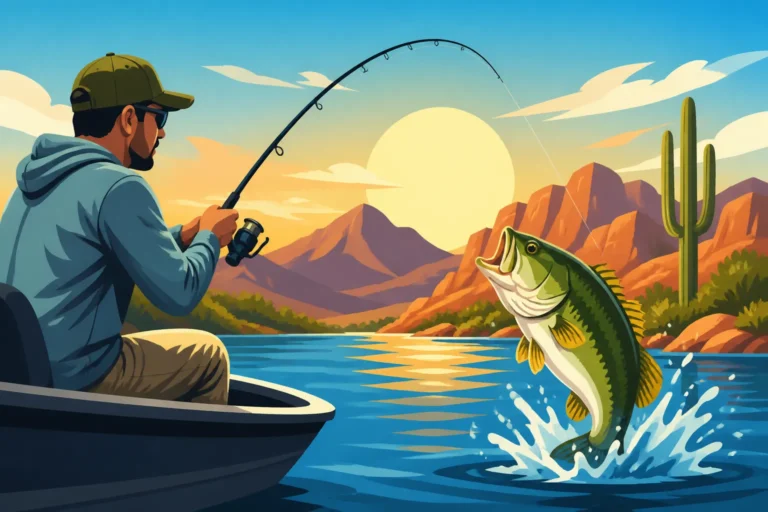
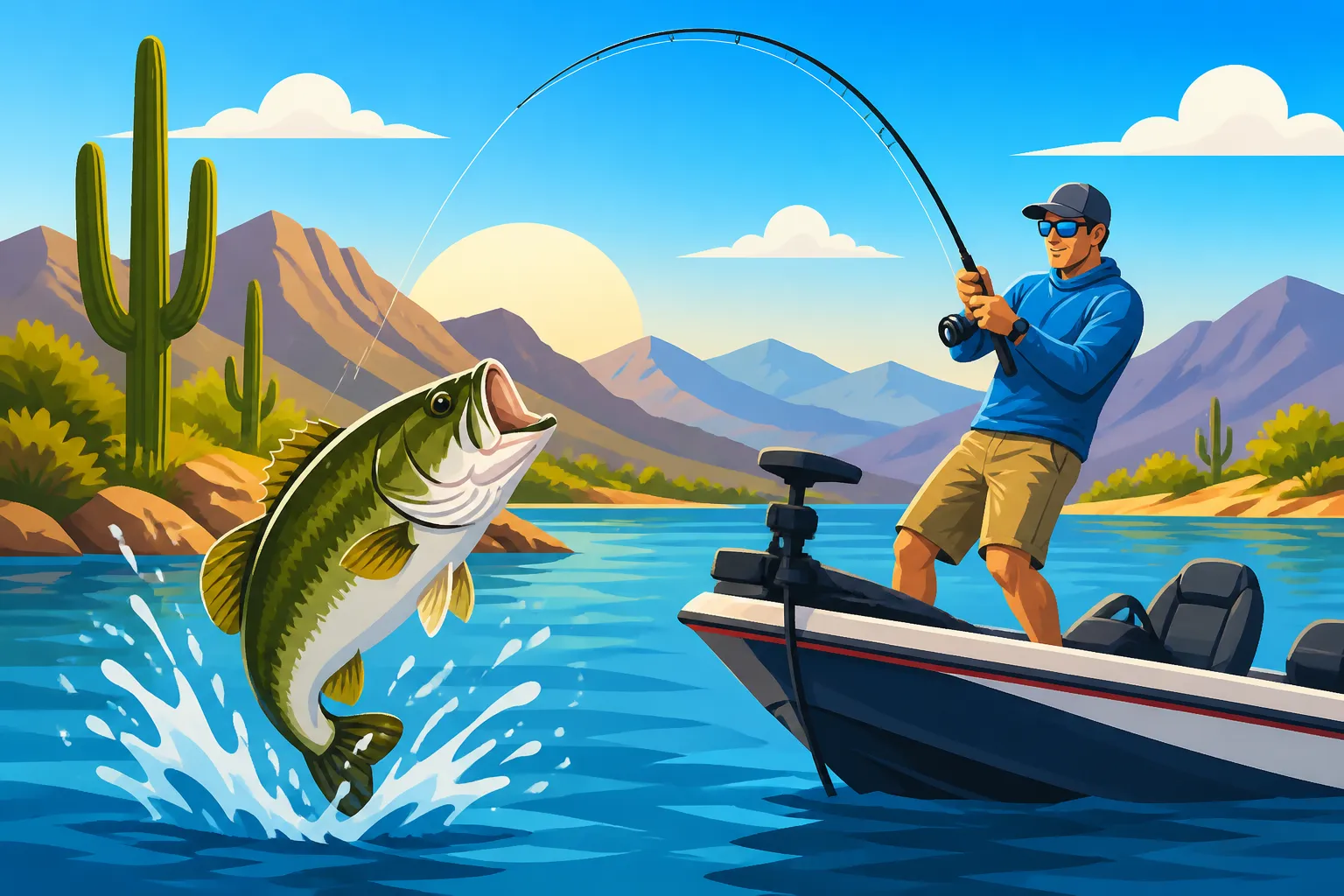
Beyond the fantastic fishing, Lake Pleasant offers a truly picturesque backdrop that enhances any outing. Surrounded by rolling desert hills, saguaro cacti, and wide-open skies, the scenery alone is worth the trip. The sunsets over the lake are particularly spectacular, painting the water and desert in fiery hues. It's a place where you can truly connect with nature, whether you're reeling in a trophy bass or simply enjoying the tranquility of the desert landscape.
For those who enjoy more than just fishing, Lake Pleasant is a hub for a wide range of water-based activities. Boating, kayaking, paddleboarding, wakeboarding, and even scuba diving are all popular pursuits. There are also designated swimming areas, picnic spots, and camping facilities, making it an ideal destination for a full family getaway. The two main marinas, Scorpion Bay Marina and Pleasant Harbor Marina, offer boat rentals, supplies, and dining options, ensuring all your needs are met for a comfortable and enjoyable visit. It’s the perfect blend of sport and relaxation, making it more than just a fishing spot, but a true recreational haven.
Understanding Lake Pleasant's Unique Ecosystem
To truly excel at fishing Lake Pleasant, you need to understand the fundamental characteristics of the lake itself. It's a complex environment, constantly influenced by water levels, nutrient inflow, and the desert climate. Knowing these elements will help you anticipate fish behavior and refine your strategies.
Lake Characteristics and Water Levels
Lake Pleasant is a massive reservoir, one of the largest in Central Arizona, covering over 10,000 surface acres at full capacity. It serves as a vital water storage facility for the Central Arizona Project (CAP), which means its water levels can fluctuate significantly throughout the year and from one year to the next. These fluctuations are critical for anglers to monitor because they directly impact fish habitat, shoreline structure, and where fish might be holding. When water levels are high, new cover is inundated, creating fresh feeding grounds for bass and crappie. Conversely, low water levels expose structure and force fish into deeper, more defined channels.
The lake has two distinct parts: the old Agua Fria River channel, which is much deeper and narrower, and the newer, wider, and shallower main body created by the Waddell Dam. This dual nature provides a variety of depths and structures. Depths can range from shallow flats of just a few feet to the impressive 200-foot depths found in the main channels. Understanding the current water level – which is publicly available through the Bureau of Reclamation and AZGFD – is paramount for successful fishing. A lake at 50% capacity fishes very differently than one at 90%, altering everything from bank access to the location of submerged humps and rock piles.
Key Forage Bases
Like any healthy fishery, Lake Pleasant thrives on a robust forage base that supports its abundant game fish populations. The primary food sources for predatory fish like bass and stripers are threadfin shad and various species of sunfish (bluegill, redear sunfish). Understanding the life cycle and movements of these baitfish is key to locating the predators. Threadfin shad often school in large numbers in open water, becoming a primary target for schooling white bass and striped bass, especially during "boil" events where they are driven to the surface.
Beyond shad, sunfish provide a consistent food source, particularly for largemouth and smallmouth bass that lurk in and around cover. These smaller fish hide in submerged brush, rock piles, and along rocky banks, offering an easy meal for an ambush predator. Crayfish are another significant component of the diet for bass, especially smallmouth, which often frequent rocky areas where crayfish are prevalent. Knowing what the fish are eating at any given time can help you select the most effective lures and presentations, mimicking the natural prey items.
Seasonal Water Temperature Changes
Arizona's intense heat and cooler winters lead to significant seasonal variations in Lake Pleasant's water temperature, which directly influences fish metabolism and behavior. In the spring, as surface temperatures rise from the 50s into the 60s, fish become more active, moving shallower for spawning. This is a prime time for sight fishing for bass and finding crappie in brush. As summer approaches and temperatures climb into the 80s and even low 90s, fish tend to move deeper, seeking cooler, more oxygenated water below the thermocline.
During the scorching summer months, early morning and late evening (or even night fishing) often yield the best results, as fish feel more comfortable feeding in cooler surface temperatures. Fall sees a cooling trend, with surface temperatures dropping back into the 70s and 60s. This "turnover" period can be fantastic, as fish spread out, become highly active, and feed aggressively in preparation for winter. Winter temperatures, typically in the 50s, slow fish metabolism, but they can still be caught by targeting deep structure with slower presentations. Monitoring surface water temperatures, easily done with a simple thermometer or most modern fish finders, provides invaluable clues about where the fish might be holding and what they might be willing to bite.
Top Fish Species to Target at Lake Pleasant
Lake Pleasant is renowned for its diverse fishery, offering exciting opportunities for anglers seeking everything from hard-fighting bass to plentiful crappie and massive catfish. Each species has its own preferred habitats and seasonal behaviors, making it a dynamic environment to fish.
Largemouth Bass Strategies
The largemouth bass is arguably the most popular game fish in Lake Pleasant, drawing countless anglers and hosting numerous tournaments throughout the year. These hard-fighting fish thrive in the lake's rich structure, from flooded mesquite trees in the coves to rocky points and underwater humps. Early spring, when water temperatures climb into the 60s, is prime time for shallow water action as bass move in to spawn. Look for them in protected coves with brushy cover or around rocky banks. Topwater lures, spinnerbaits, and shallow-running crankbaits can be deadly during this period.
As the Arizona summer heats up, largemouth retreat to deeper, cooler water. Target submerged brush piles, deep points, and the thermocline, often found between 20-40 feet. Drop-shot rigs with finesse worms, deep-diving crankbaits, and Texas-rigged plastics are effective presentations when the bass go deep. In the fall, as temperatures cool, bass become more aggressive, chasing baitfish in the upper water column. This is a fantastic time for power fishing with lipless crankbaits, jerkbaits, and jigs around rocky transitions. Winter fishing for largemouth requires patience and slow presentations, focusing on vertical jigging spoons or slow-rolling jigs in deep channels and humps. Knowing the Bass Combined Limit at Lake Pleasant is crucial for responsible angling.
White Bass Action
For fast and furious action, white bass are hard to beat at Lake Pleasant. These schooling fish are incredibly aggressive and can provide non-stop excitement, especially when they "boil" on the surface, chasing threadfin shad. Spring, particularly in March and April, is when white bass make their spawning runs up the Agua Fria River arm and into shallower coves, making them highly accessible to bank anglers. Small inline spinners, spoons, and white or silver swimbaits are excellent choices during the spawn.
Throughout the warmer months, white bass often roam the open water, suspending over deep channels and congregating around main lake points. Keep an eye out for bird activity, as diving birds often indicate white bass driving shad to the surface. When you spot a boil, cast quickly with a Kastmaster, small spoon, or a white jig, and be prepared for multiple hookups. Trolling with small crankbaits or spoons is also an incredibly effective way to locate and catch schools of white bass when they aren't actively boiling. The White Bass Fishing at Lake Pleasant can be some of the most exciting fishing on the lake.
Striped Bass Tactics
Lake Pleasant is home to a healthy population of striped bass, offering another exciting opportunity for anglers. Striper, as they are often called, are powerful, pelagic predators that cruise the open waters in large schools, preying on threadfin shad. Like white bass, stripers are famous for their "boils," where they push schools of shad to the surface, creating a feeding frenzy that can be seen from a distance. These boils are most common in the early morning and late evening, particularly during the warmer months, but can occur anytime.
When stripers are boiling, cast fast-moving lures such as topwater plugs, spoons (like a Kastmaster), or swimbaits into the melee. If boils are scarce, stripers can often be found suspended in deeper water or near main lake points and humps. Trolling with large crankbaits, umbrella rigs, or live gizzard shad is a highly effective method for covering water and locating these schools. Dead sticking cut bait (like anchovies or shad) on the bottom in deep channels or anchored over submerged structure can also yield impressive results, especially for larger, more solitary stripers. Many anglers specifically target these fish for their size and strong fight.
Crappie Fishing Deep
Crappie at Lake Pleasant are a bit more elusive than bass or stripers, often preferring deeper, brushy cover, but they are incredibly rewarding to catch due to their delicious table fare. The best time to target crappie is typically in the spring when they move shallower to spawn, usually around flooded brush and mesquite trees in the backs of coves. Small jigs (1/16 to 1/8 ounce) tipped with a grub or a small tube bait, fished under a bobber, are deadly during this period. Live minnows are also exceptionally effective.
Throughout the rest of the year, crappie generally hold in deeper water, often suspending around submerged structure like old tree lines, bridge pilings (from the old dam road), or deep brush piles. Vertical jigging with a sensitive rod and a fish finder to pinpoint schools is key. Spider rigging multiple poles with minnows or crappie jigs can also be very productive when fishing deep brush. It requires patience and a good understanding of your electronics, but once you locate a school, the action can be non-stop. Always be aware of the Crappie Limit at Lake Pleasant to ensure sustainable harvesting.
Catfish Opportunities
For anglers who enjoy a strong fight and excellent eating, Lake Pleasant's catfish population offers ample opportunity. Both channel catfish and flathead catfish are present, with flatheads often reaching impressive sizes. Catfish are generally less finicky about presentation and are often caught incidentally while targeting other species, but dedicated catfishing can be very rewarding. Channel catfish are abundant and can be caught throughout the lake, often preferring prepared baits like stink bait, chicken livers, or hot dogs, fished on the bottom with a slip sinker rig.
Flathead catfish, on the other hand, are apex predators that primarily feed on live bait. Large live sunfish, carp, or bluegill are excellent choices for targeting these monsters. Fish for flatheads in deeper channels, especially those with some current, or near large submerged structure like old tree stumps or rock piles, particularly in the Agua Fria arm. Night fishing is a particularly productive time for catfish, as they move into shallower areas to feed under the cover of darkness. Setting up a comfortable bank fishing station with multiple rods baited with different offerings can lead to some exciting catches throughout the evening.
Best Fishing Spots and Access Points on Lake Pleasant
Lake Pleasant is a large body of water, and knowing where to focus your efforts can make a huge difference in your success. The lake offers a variety of habitats, from shallow coves to deep main lake channels, each appealing to different species at different times of the year.
Northern Coves and Feeder Creeks
The northern end of Lake Pleasant, particularly the areas fed by the Agua Fria River and other smaller washes, tends to be shallower and offers extensive opportunities for fishing. These coves are characterized by abundant submerged brush, rocky shorelines, and often muddier water, especially after rain events. In spring, these areas become prime spawning grounds for largemouth bass and white bass. Look for areas with dense mesquite and palo verde trees when water levels are high, as these provide excellent cover.
The upper Agua Fria arm is a fantastic location, especially during the white bass spawn, when thousands of these aggressive fish move upstream. Casting small jigs, spoons, or curly tail grubs can yield constant action. For largemouth, target the transitions where the shallow flats meet deeper channels, or cast into the densest cover you can find. These northern coves also warm up faster in the spring, making them an earlier producer for active fish. However, they can also become quite hot and oxygen-deprived in the peak of summer, pushing fish into deeper water or out into the main lake.
Mid-Lake Humps and Points
The mid-lake section of Lake Pleasant features numerous submerged humps, rock piles, and points that extend from the shoreline into deeper water. These structures act as highways and ambush points for predatory fish, particularly largemouth bass, smallmouth bass (though less common, they do exist here), and striped bass. A good depth finder is essential for locating these hidden gems, which might rise from 50 feet of water to a depth of 15-20 feet, creating perfect feeding zones.
Fishing these humps and points often involves deep-diving crankbaits, jigging spoons, or Carolina-rigged plastics. The key is to identify the side of the structure that the fish are using – often the deeper, wind-blown side – and present your bait accordingly. In summer, schools of stripers and white bass will often suspend around these structures, especially if there's an abundance of baitfish. These areas can be productive year-round, as fish will move up and down the structure depending on light conditions, bait presence, and water temperature. They are also less pressured than some of the more obvious shoreline spots.
Southern Channels and Structures
The southern end of Lake Pleasant, particularly around the Waddell Dam and the main lake basin, is significantly deeper and features more defined channels. This area is a prime hunting ground for striped bass, which prefer the open water and deeper thermoclines. The old Agua Fria river channel, which winds its way through this section, acts as a major thoroughfare for fish movement. Look for deep ledges, submerged roadbeds (from the old highway that was flooded), and the main dam face itself.
Trolling with downriggers or heavy spoons is a popular and effective method for targeting stripers in these deep channels. Alternatively, anchoring over deep structure and baiting with cut anchovies or live shad can yield impressive results for larger stripers and flathead catfish. Crappie also tend to congregate around deep brush piles and submerged trees in this section, requiring patient vertical jigging. While these areas might not offer the same shallow-water action as the northern coves, they hold the potential for truly trophy-sized fish and consistent deep-water action, especially during the hot summer months.
Shoreline and Pier Access
Not everyone has a boat, and thankfully, Lake Pleasant offers excellent opportunities for bank and pier anglers. The main recreation areas, particularly around Pleasant Harbor Marina and Scorpion Bay Marina, provide ample shoreline access and well-maintained fishing piers. These spots are regularly stocked with trout during the cooler months as part of the Arizona Game and Fish Department's urban fishing program, making them great for beginners and families. You can find information on the Arizona Community Fishing Program Rules for these areas.
Beyond the designated piers, many sections of the shoreline, especially in the northern half of the lake, are accessible for bank fishing, though this often requires a bit of a hike. These areas can be fantastic for targeting largemouth bass around submerged rocks and brush, or for setting up for catfish in the evenings. Using simple live bait rigs, small spinners, or Texas-rigged plastics can be very effective from the bank. Always be mindful of park rules and private property boundaries when seeking out shore fishing spots. The convenience of pier fishing, however, makes it an easy choice for a quick trip.
Boat Ramps and Marinas
For those with boats, Lake Pleasant offers excellent launch facilities and services. The two primary access points are Pleasant Harbor Marina on the east side and Scorpion Bay Marina on the west side. Both marinas boast multiple paved boat ramps, ample parking, and full-service amenities including fuel, tackle shops, restaurants, and boat rentals. These facilities are crucial for reaching the more remote and productive areas of the lake.
Pleasant Harbor is generally known for its easier access to the wider, main lake basin and the deeper southern channels. Scorpion Bay provides more direct access to the central and western coves, which can be fantastic for bass fishing. During peak seasons, especially weekends and holidays, these ramps can get very busy, so plan to arrive early to avoid long waits. Both marinas also offer slip rentals for those planning extended stays or who want to keep their boats on the lake permanently. When you're looking for a guide, many excellent Lake Pleasant fishing charters can be found through platforms like FishingBooker, often departing from these marinas.
Essential Gear and Techniques for Lake Pleasant
Having the right gear and understanding effective techniques are paramount for success on Lake Pleasant. The diverse species and varied conditions call for a versatile approach to your tackle box and fishing methods.
Rod and Reel Setups
For most of the fishing you'll do on Lake Pleasant, having a few versatile rod and reel setups will serve you well. For largemouth bass, a medium-heavy action casting rod (6'6" to 7'6") paired with a baitcasting reel spooled with 12-17 lb fluorocarbon or monofilament line is a workhorse setup. This allows you to effectively cast jigs, Texas rigs, spinnerbaits, and medium crankbaits. A faster gear ratio reel (7.1:1 or higher) is great for quickly taking up slack and battling fish out of cover.
For lighter presentations, finesse techniques, and targeting species like crappie or white bass, a medium-light to medium action spinning rod (6' to 7') with a matching spinning reel spooled with 6-10 lb fluorocarbon or braided line with a fluorocarbon leader is ideal. This setup provides the sensitivity needed for subtle bites and the casting distance for smaller lures. For striped bass or heavier catfish, consider stepping up to a medium-heavy to heavy action rod with a larger capacity baitcasting or heavy-duty spinning reel spooled with 20-30 lb mono or braided line, capable of handling larger fish and heavier baits. Having both a casting and a spinning setup gives you a solid foundation for most situations you'll encounter.
Recommended Baits and Lures
Your tackle box for Lake Pleasant should be well-stocked to cover the various species and conditions. For largemouth bass, essential lures include:
- Plastic Worms and Creature Baits: Texas-rigged, Carolina-rigged, or drop-shotted in green pumpkin, black, or natural shad colors. Sizes 4-7 inches.
- Jigs: Flipping jigs and football jigs (1/4 to 1/2 oz) in black/blue, green pumpkin, or brown.
- Crankbaits: Deep-diving crankbaits (shad or crawfish patterns) for summer bass, and shallower crankbaits/lipless crankbaits for spring/fall.
- Spinnerbaits and Chatterbaits: White, chartreuse, or natural shad patterns for covering water.
- Topwater Lures: Poppers, walk-the-dog baits, and frogs for exciting surface bites in low light conditions.
For white bass and striped bass:
- Spoons: Kastmaster, Foremost, or other silver/chrome jigging spoons (1/2 to 1 oz) for throwing into boils or vertical jigging.
- Swim Baits: Small (2-4 inch) white or silver soft plastic swimbaits on jig heads.
- Trolling Lures: Small spoons, Rapala Shad Raps, or Bomber Model A's for trolling open water.
- Live/Cut Bait: Anchovies, shad, or live minnows are deadly for stripers and catfish.
For crappie:
- Small Jigs: 1/16 to 1/8 oz crappie jigs (chartreuse, white, black/chartreuse) tipped with plastic grubs or tubes.
- Live Minnows: Fished under a bobber or on a small jig head.
For catfish:
- Prepared Baits: Stink bait, chicken livers, hot dogs (for channel catfish).
- Live Bait: Live bluegill or sunfish (for flathead catfish).
Advanced Techniques for Success
Beyond the basic casting and retrieving, employing some advanced techniques can significantly boost your catch rates on Lake Pleasant.
- Deep Water Finesse: In the scorching Arizona summers, fish often retreat to deeper, cooler water. Techniques like drop-shotting, Ned rigging, and shaky head fishing with light line are incredibly effective for tempting finicky deep-water bass. Use your fish finder to locate submerged structure and baitfish schools, then present your lure vertically.
- Reading the Boils: For white bass and stripers, learning to "read the boils" is a game-changer. Look for diving birds, sudden splashes, or surface commotion. Once spotted, approach cautiously (without spooking the fish), and cast quickly beyond the boil, reeling your lure through the feeding fish. Have a dedicated "boil rod" rigged and ready.
- Trolling Patterns: Trolling is an underutilized but highly effective technique for covering vast expanses of Lake Pleasant, particularly for stripers and white bass. Experiment with different speeds, depths (using lead core line or downriggers), and lure colors until you find a pattern that works. Pay attention to contour lines and suspended baitfish on your electronics.
- Night Fishing: When the summer sun is at its fiercest, night fishing can be incredibly productive, especially for catfish and sometimes for bass and stripers that move shallower under the cover of darkness. Use glow-in-the-dark lures, lights to attract baitfish, and be prepared for the desert's nocturnal wildlife. Ensure you have proper lighting and safety gear.
- Electronics Mastery: A quality fish finder with side imaging or down imaging can be your best friend on Lake Pleasant. Learn how to interpret what you see on the screen to identify structure, baitfish schools, and even individual game fish. This knowledge will guide your presentations and save you countless hours of unproductive casting. Modern devices can show you everything from Deep Water Structure at Roosevelt Lake to subtle changes in bottom composition.
Navigating Regulations and Safety at Lake Pleasant
Fishing on Lake Pleasant, like anywhere in Arizona, requires adherence to specific regulations and a keen awareness of safety, especially given the desert environment. Staying informed protects both you and the fishery.
Fishing License Requirements
Before you even think about wetting a line in Lake Pleasant, ensure you have the proper Arizona fishing license. Anyone 10 years of age or older needs a valid license to fish in Arizona's public waters. There are various types of licenses available, including annual resident and non-resident licenses, as well as short-term options like a 1-day or 5-day license, which can be perfect for tourists or those just visiting for a quick trip. You can find detailed information on how to obtain one in the Arizona Fishing License Guide or learn How to Buy an Arizona Fishing License Online.
Licenses can be purchased online through the Arizona Game and Fish Department (AZGFD) website, or in person at authorized license dealers across the state, including many sporting goods stores and some local bait shops near Lake Pleasant. It's always a good idea to carry your license with you while fishing, either a physical copy or a digital version on your phone, in case a wildlife officer requests to see it. Remember, these license fees directly contribute to the conservation and management of Arizona's diverse fisheries, including Lake Pleasant.
Bag and Possession Limits
The Arizona Game and Fish Department sets specific bag and possession limits for various fish species to ensure sustainable populations. These limits can vary by species and sometimes even by specific bodies of water, though Lake Pleasant generally follows statewide regulations. For instance, there are combined limits for bass species, as well as individual limits for crappie, catfish, and other sport fish. It's your responsibility as an angler to know and adhere to these rules. Ignorance of the law is not an excuse, and violations can result in significant fines and penalties.
The most current regulations are always published in the Arizona Fishing Regulations booklet, which is available online through the AZGFD website and at license dealers. Always check the latest regulations before your trip, as they can occasionally change. Being aware of the Arizona Fishing Regulations Explained ensures you're a responsible angler. For specific species at Lake Pleasant, understanding the Bass Combined Limit at Lake Pleasant and the Crappie Limit at Lake Pleasant is particularly important. These rules are in place to ensure that Lake Pleasant remains a healthy and productive fishery for everyone to enjoy for years to come.
Boating Safety and Heat Precautions
Lake Pleasant is a large, open body of water, and while beautiful, it demands respect, especially concerning boating safety and the intense Arizona heat. For boaters, wearing a life jacket is highly recommended for everyone on board, and it's legally required for children under 12 years old to wear one while underway. Ensure your boat is equipped with all necessary safety gear, including a fire extinguisher, signaling devices, and navigation lights for dawn/dusk/night operation. The lake can get rough with strong winds, so always check weather forecasts before heading out. Information on Boating Safety Gear Requirements in Arizona and PFD Requirements for Kids in Arizona can save lives.
The desert sun is no joke, especially from May through September. Heatstroke and dehydration are serious risks. Always carry plenty of water – more than you think you'll need – and drink it regularly, even if you don't feel thirsty. Wear sun-protective clothing, a wide-brimmed hat, and high SPF sunscreen. Plan your fishing trips for early mornings or late evenings during the summer to avoid the midday scorching temperatures. If you start feeling dizzy, nauseous, or experiencing headaches, get to shade, cool down, and hydrate immediately. It's always best to fish with a buddy and let someone know your float plan, especially if you're venturing into more remote areas.
Planning Your Lake Pleasant Fishing Trip
A little preparation goes a long way when planning a fishing trip to Lake Pleasant. Knowing the best times to visit, considering a guide, and understanding local amenities will enhance your experience.
When to Visit for Specific Species
The beauty of Lake Pleasant is its year-round fishability, but certain times are definitely better for targeting specific species.
- Spring (March – May): This is arguably the most popular time for Lake Pleasant fishing. The warming water brings largemouth and white bass into the shallows for their spawn, offering fantastic topwater and shallow-water action. Crappie also become more accessible in the coves. This is an excellent time for quantity and quality. For more details on the general season, check out Arizona Fishing Seasons Explained.
- Summer (June – August): While hot, summer still offers great fishing, particularly for striped bass and deep-holding largemouth. Early mornings, late evenings, and night fishing are key. Target deep structure for bass and catfish, and keep an eye out for those exciting striper boils in open water.
- Fall (September – November): As temperatures cool, fall is another prime season. Fish become incredibly active, feeding aggressively in preparation for winter. Largemouth, white bass, and stripers can all be found chasing baitfish throughout the water column, often leading to explosive topwater and reaction bait bites. Many consider this the best time of year to fish Lake Pleasant.
- Winter (December – February): Don't overlook winter! While metabolism slows, fish are still catchable. Focus on deep channels, humps, and points using slower, vertical presentations for bass and crappie. Catfish can also be found deep. Plus, the cooler weather makes for a very comfortable day on the water, and the lake is often less crowded.
Hiring a Professional Guide
If you're new to Lake Pleasant, serious about maximizing your chances of a trophy catch, or simply want to learn the ropes from an expert, hiring a professional fishing guide is an excellent investment. A local guide knows the lake intimately, understands seasonal patterns, has up-to-date information on water levels and fish locations, and can teach you specific techniques tailored to the current conditions. They'll also provide all the necessary gear, bait, and often share valuable insights into reading the water and adjusting to the day's bite.
Many experienced guides operate on Lake Pleasant, specializing in bass, striper, or even crappie. Booking a trip through reputable services like FishingBooker can help you find certified and highly-rated guides who can provide a personalized experience, whether you're looking for a family outing or a serious fishing challenge. While it's an added expense, the knowledge gained and the potential for a memorable day on the water often far outweigh the cost, particularly for out-of-state visitors or those looking to quickly learn the nuances of this complex fishery.
Nearby Amenities and Accommodations
Lake Pleasant is well-equipped to handle visitors, offering a range of amenities and accommodations to make your trip comfortable. The two primary marinas, Pleasant Harbor Marina and Scorpion Bay Marina, both feature tackle shops, convenience stores, restaurants, and bars. You can easily stock up on bait, ice, snacks, and any forgotten fishing essentials.
For overnight stays, there are several options. Pleasant Harbor offers RV camping with full hookups and primitive camping sites, as well as a selection of cabin rentals. Scorpion Bay also has RV and tent camping facilities. Additionally, the surrounding towns of Peoria, Anthem, and even North Phoenix are within a reasonable driving distance and offer a wide array of hotels, motels, and vacation rentals to suit any budget and preference. These nearby towns also provide grocery stores, additional dining options, and other services, ensuring you have everything you need for a successful and enjoyable Lake Pleasant fishing adventure.
Disclaimer
Please note that fishing regulations, water levels, and conditions can change. Always check the latest Arizona Game and Fish Department regulations and local forecasts before heading out on Lake Pleasant. This guide provides general information and should not be considered a substitute for official guidelines or professional safety advice.