Backcountry Fishing Streams in the White Mountains
There's nothing quite like the feeling of truly escaping the hustle and bustle, of trading highway noise for the whisper of pines and the rush of clear mountain water. But for many Arizona anglers, finding those truly remote, untouched fishing spots, especially high up in the White Mountains, can feel like a daunting quest. This guide is here to unravel the secrets of backcountry stream fishing in Arizona, offering you a roadmap to those secluded havens where wild trout thrive and the serene beauty of nature is your only companion.
The Allure of Arizona's White Mountain Backcountry Streams
The White Mountains of eastern Arizona offer a dramatic contrast to the desert landscapes most people associate with the state. Here, pine forests, high-elevation meadows, and a network of sparkling streams create an angler's paradise, especially for those willing to hike a little further for a unique experience. Unlike the easily accessible, often crowded community lakes, these backcountry streams offer solitude, pristine environments, and a chance to connect with fishing in its purest form.
Why Backcountry Fishing is a Unique Challenge
Stepping into the backcountry for fishing isn't just about casting a line; it's an immersive wilderness experience that demands more preparation, respect, and resilience. The streams themselves are often smaller, shallower, and wind through dense vegetation, requiring precise casts and a stealthy approach. You're far from paved roads and often out of cell service, meaning self-reliance is paramount. The rewards, however, are immense: the thrill of catching wild, vibrant trout in their natural habitat, surrounded by breathtaking scenery, and the profound peace that comes from being truly disconnected. It’s not just a fishing trip; it’s an adventure, a mental reset, and a test of your woodcraft. Many anglers, myself included, find that the challenge makes the eventual reward that much sweeter, creating memories that linger long after the creel is empty.
The Types of Fish You'll Find Here
The White Mountains are a stronghold for several species of trout, both native and introduced. Understanding what you're likely to encounter helps tailor your approach and appreciate the unique biology of these high-altitude inhabitants.
First and foremost, the region is famous for the Apache Trout, Arizona's state fish. These beautiful, golden-hued trout are a native species, protected and revered. Many backcountry streams are part of active restoration efforts, meaning they often have special regulations, including catch-and-release only rules or specific tackle restrictions. Encountering an Apache trout in its wild home is a truly special moment.
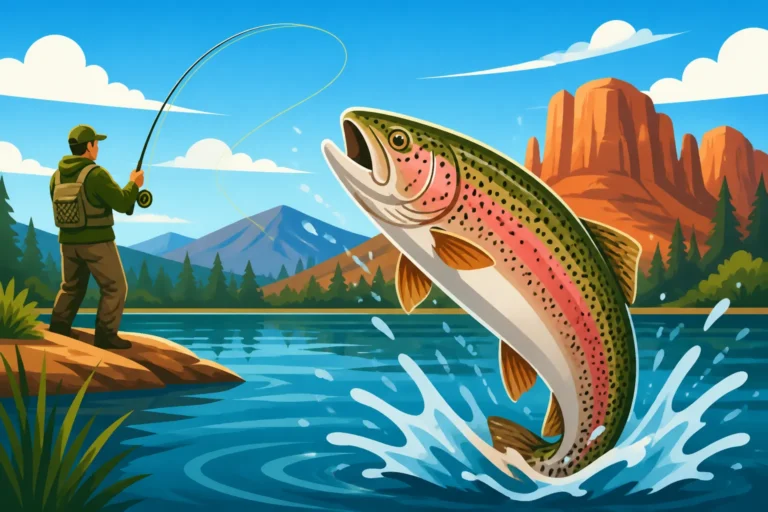
You'll also find healthy populations of Rainbow Trout, Brown Trout, and occasionally Brook Trout. While Rainbows are commonly stocked in many Arizona waters, in the backcountry streams, you might encounter wilder, stream-bred rainbows that are feistier and often display more vibrant colors. Brown trout are known for their wariness and often grow to respectable sizes in these remote waters, offering a significant challenge. Brook trout, though less common than rainbows and browns, can be found in some of the colder, higher-elevation tributaries, identifiable by their distinctive vermiculated patterns. The Life Span of Rainbow Trout in Stocked Lakes might differ significantly from their wild cousins in these pristine streams, where natural selection plays a stronger role.
Navigating the Wild: Essential Preparation and Gear
Before you even think about tying on a fly, heading into the White Mountain backcountry requires meticulous planning. This isn't a spontaneous afternoon trip; it's an excursion into genuine wilderness, where being unprepared can quickly turn a dream trip into a difficult situation.
Permits, Licenses, and Regulations You Can't Skip
The first and most critical step is ensuring you have all your legal ducks in a row. You absolutely need a valid Arizona Fishing License Guide. This isn't just a suggestion; it's a legal requirement, and wildlife officers patrol even the most remote areas. Beyond the general license, pay close attention to the specific regulations for the White Mountains. Many streams here are part of special management areas, especially those involved in native trout recovery. You might need an additional Trout Stamp Requirements in Arizona if you plan to fish for trout in certain waters, even if you’re strictly catch and release.
It's vital to check the latest Arizona Fishing Regulations Explained booklet or the Arizona Game and Fish Department (AZGFD) website before every trip. Regulations can change seasonally or for specific stream sections. For example, some areas might be designated catch-and-release only for Apache Trout, or have bait restrictions. If you're fishing on tribal lands, such as the Fort Apache Indian Reservation, you’ll need a separate tribal fishing permit in addition to your state license. Ignoring these rules can lead to significant fines and penalties, and more importantly, can harm the delicate ecosystems these regulations are designed to protect. You can even consult platforms like FishingBooker if you're looking for guided trips that ensure all permits are covered for a hassle-free experience in certain areas, though pure backcountry trips might be less commonly listed. Understanding Arizona Fishing Season Dates and Limits is also crucial, as some high-elevation streams may have specific opening and closing dates.
Gear Up for Success and Safety
Going into the backcountry means carrying everything you need on your back. Lightweight, durable, and versatile gear is key.
Fishing Tackle:
- Rods & Reels: A lightweight 2-5 weight fly rod (7.5-9 feet) is ideal for most small streams, allowing for delicate presentations and fighting feisty trout. A small spinning rod (ultralight power, 5-6 feet) with 2-4 lb test line is also an option, particularly if you're new to fly fishing or prefer lures.
- Line: For fly fishing, a weight-forward floating line matched to your rod weight is standard. For spin fishing, clear monofilament or fluorocarbon is good.
- Leaders & Tippet: Bring a variety of sizes, especially lighter tippet (4x-6x for fly fishing, 2-4 lb fluorocarbon for spin) for finicky trout in clear water.
- Flies/Lures: For fly anglers, a selection of dry flies (Parachute Adams, Elk Hair Caddis, stimulators), nymphs (Hare's Ear, Pheasant Tail, Prince Nymph), and a few small streamers (Woolly Buggers) will cover most situations. Spinners and small spoons (e.g., Panther Martin, Mepps, Rooster Tail) are effective for spin fishing.
- Accessories: Hemostats or pliers (for hook removal), line nippers, a small landing net (rubberized mesh is gentlest on fish), and a fishing vest or Best Fishing Backpacks for Hikers to carry it all efficiently.
Safety and Comfort Gear:
- Navigation: A topographical map and compass are non-negotiable, even if you also carry a GPS device or smartphone with downloaded maps. Batteries die, signals fail.
- Water: A reliable water filter or purification tablets are essential. Carry at least 2-3 liters of water capacity.
- First-Aid: A comprehensive first-aid kit, tailored for wilderness use, including blister treatment, pain relievers, and any personal medications.
- Shelter/Warmth: Even in summer, mountain weather can change rapidly. Pack a lightweight rain jacket and an insulating layer (fleece or puff jacket). A space blanket for emergencies is a good idea.
- Food: High-energy, non-perishable snacks and meals.
- Sun Protection: Sunscreen, a wide-brimmed hat, and polarized sunglasses are crucial.
- Headlamp/Flashlight: With extra batteries, just in case you're out longer than expected.
- Footwear: Sturdy, broken-in hiking boots for the approach, and wading boots or old sturdy shoes for stream crossing. Some anglers prefer Best Waders for Cold Mountain Streams for comfort, but ensure they are breathable for hiking.
- Communication: A satellite messenger (like a Garmin InReach or Zoleo) is a smart investment for true backcountry trips where cell service is non-existent.
Tell someone where you're going and when you expect to return. This simple step can be a lifesaver.
Top Backcountry Stream Destinations in the White Mountains
While specific honey holes are often kept secret by local anglers (and for good reason, to preserve their pristine nature), there are well-known areas in the White Mountains that offer fantastic backcountry stream fishing opportunities. These typically involve a hike and a commitment to exploring.
Streams Known for Apache Trout Restoration
Efforts to restore the native Apache trout have focused on several key streams within the Fort Apache Indian Reservation and the Apache-Sitgreaves National Forests. These streams are carefully managed, often with specific access points and regulations.
- West Fork Black River: This is a truly iconic Apache trout fishery. Various sections, particularly the upper reaches, are managed for wild Apache trout, requiring a bit of a hike to access. The scenery is stunning, and the fishing can be challenging but incredibly rewarding. Access points are limited and often require significant hiking, so planning your route carefully is essential.
- East Fork Black River: Similar to its western counterpart, the East Fork also holds Apache trout in its upper, more remote sections. These areas are often less pressured due to the effort required to reach them. The river flows through beautiful canyons and meadows, offering diverse fishing opportunities.
- Lee Valley Creek: This smaller stream is a crucial part of Apache trout restoration. It’s often a more intimate fishing experience, with tighter casting lanes and delicate presentations required. This area highlights the importance of Apache Trout Conservation in Arizona and requires strict adherence to regulations.
- Little Colorado River (Greer stretch): While parts of the Little Colorado are more accessible, venturing into its headwaters and tributary streams above Greer can lead to encounters with Apache trout. These areas are often characterized by small pools and riffles that demand a subtle approach.
Remember, fishing on the Fort Apache Indian Reservation requires a special tribal permit, which can be purchased in towns like Pinetop-Lakeside or Whiteriver. Always confirm current regulations and access conditions before heading out.
Accessing Remote Rainbow and Brown Trout Fisheries
Beyond the native trout waters, numerous other streams in the White Mountains hold healthy populations of wild or naturalized rainbow and brown trout. These streams, while perhaps not exclusively Apache trout waters, still offer a fantastic remote fishing experience.
- Silver Creek (upper stretches): While lower Silver Creek is famous for its year-round catch-and-release opportunities, the upper, more remote sections of Silver Creek and its tributaries offer excellent fishing for wild brown and rainbow trout. Access often involves hiking through national forest lands, leading you to pristine stretches of water.
- Chevelon Canyon Lake tributaries: The streams that feed into and flow out of Chevelon Canyon Lake, particularly further upstream from the lake itself, can hold good numbers of wild brown trout. These are rugged areas, and reaching the best spots often involves steep canyon hiking, but the solitude and quality of fishing can be exceptional.
- Certain sections of the White River and Black River outside of tribal lands: Some stretches of these larger rivers, particularly where they flow through less accessible canyon areas, can provide excellent fishing for wild rainbows and browns. Researching specific trailheads and forest service roads that lead to these more remote sections is key.
- Small, unnamed feeder creeks: Don't overlook the myriad of smaller, often unnamed creeks and springs that trickle down the mountain slopes. These can often hold surprising numbers of small but eager trout, especially if they are difficult to access. This is where a sense of adventure truly pays off. Using resources like FishingBooker for general area information or local guide contacts can sometimes point you towards less-known, but still productive, waters.
These areas are perfect for honing your Fly Fishing Techniques for Trout or light spin fishing skills, requiring careful wading and presentation to avoid spooking the fish.
Techniques and Tactics for Backcountry Trout
Fishing small, clear mountain streams is a different ballgame than casting across a large reservoir. Success hinges on stealth, precision, and understanding the specific feeding habits of stream-dwelling trout.
Fly Fishing vs. Spin Fishing in Tight Quarters
Both fly fishing and spin fishing can be effective in the backcountry, but each has its advantages and challenges in these intimate environments.
Fly Fishing:
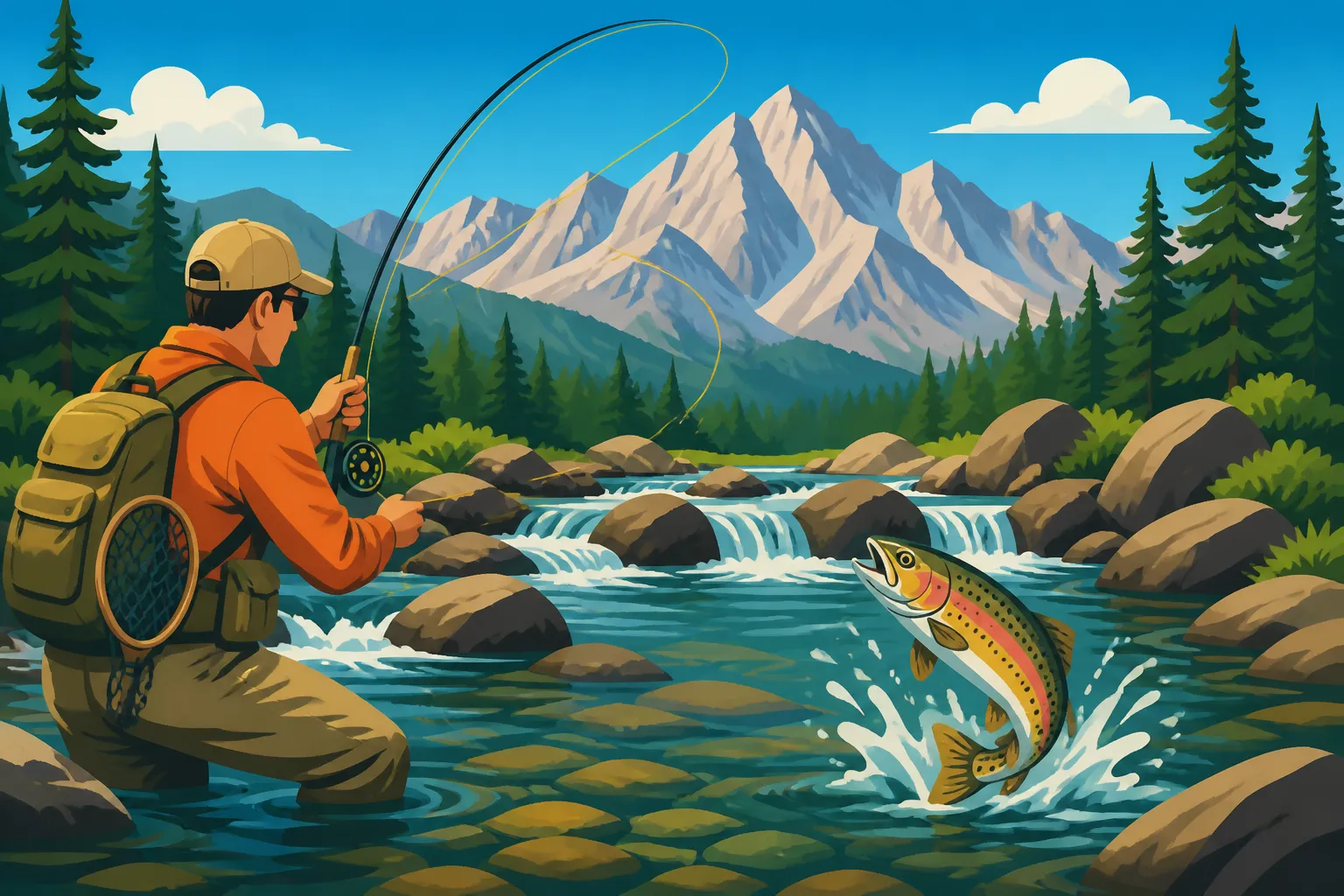
Fly fishing truly shines in backcountry streams. The delicate presentation of a fly often makes it irresistible to wary trout.
- Pros: Unmatched delicacy, allowing for natural presentations that don't spook fish. Excellent for matching specific insect hatches. The light tackle allows for precise casting in tight spaces. It's often considered the most traditional and rewarding method for trout.
- Cons: Can have a steeper learning curve for beginners, especially in overgrown areas where backcasts are challenging. Wind can make casting difficult.
- Techniques:
- Dry Fly Fishing: When trout are rising to surface insects, dry flies are your go-to. Focus on precise casts upstream, allowing the fly to drift naturally over potential holding lies. Look for foam lines, eddies, and seams where insects collect.
- Nymphing: When trout are feeding subsurface (which is most of the time), nymphs are incredibly effective. Use a strike indicator and subtle upstream casts, letting the nymph tumble along the bottom. European nymphing techniques (e.g., Czech nymphing, French nymphing) are particularly deadly in tight quarters as they minimize fly line on the water and maximize feel.
- Small Streamers: Sometimes a small Woolly Bugger or sculpin pattern stripped through deeper pools can entice larger, more aggressive trout.
- Gear for Fly Fishing: For these intimate waters, a shorter rod (7.5 to 8.5 feet) in a 2 to 4-weight is often preferred for accuracy in tight spots. You'll want a selection of various dry flies, nymphs, and small streamers, along with a good quality leader and tippet in 4x-6x.
Spin Fishing:
Spin fishing is a fantastic option for beginners or those who prefer a simpler setup while still being very effective.
- Pros: Easier to learn, often requires less specialized gear, and can be very effective with small lures or bait where permitted. Excellent for covering water quickly and getting into tight pockets of water.
- Cons: Lures can sometimes spook wary fish more easily than a delicate fly. Less precise for subtle presentations.
- Techniques:
- Small Spinners: Cast small spinners (like Rooster Tails, Mepps, or Panther Martins in sizes #00 to #1) upstream and retrieve just fast enough to get the blade spinning. Vary your retrieve speed.
- Small Spoons: Tiny Kastmasters or similar spoons can also be effective, especially in deeper pools.
- Soft Plastics: Small soft plastic baits (like 1-2 inch grubs or worms) rigged on a lightweight jig head can be deadly, mimicking aquatic insects or baitfish.
- Gear for Spin Fishing: An ultralight spinning rod (4.5 to 6 feet) paired with a small reel spooled with 2-4 lb test monofilament or fluorocarbon. A small selection of the lures mentioned above is usually sufficient. Remember to crimp down any barbs for easier Catch and Release Rules for Arizona Anglers.
Reading the Water and Approaching Stealthily
Trout in small, clear backcountry streams are incredibly sensitive to their surroundings. Your success hinges on being a good detective and a quiet hunter.
Reading the Water:
Look for where trout might hold, using the current, structure, and depth to their advantage:
- Pocket Water: Areas behind boulders or logs that break the current create "pockets" where trout can rest and ambush food.
- Seams: The line where fast water meets slow water is a prime feeding lane.
- Pools: Deeper, slower-moving pools are classic trout habitat, offering refuge and feeding opportunities. Pay attention to the head (incoming water) and tail (outgoing water) of pools.
- Undercut Banks: Overhanging banks provide excellent cover from predators and current, making them prime holding spots.
- Submerged Structure: Logs, rocks, and vegetation underwater offer cover and attract insects.
Approaching Stealthily:
- Stay Low: Crouch or kneel as you approach the stream. Your silhouette against the sky is a dead giveaway.
- Move Slowly: Avoid sudden movements. A slow, deliberate approach is key.
- Wear Earth Tones: Bright clothing can stand out against the natural backdrop.
- Avoid Casting a Shadow: Be mindful of where your shadow falls on the water, especially on sunny days.
- Fish Upstream: Whenever possible, fish upstream. This allows you to approach fish from behind, as their eyes are typically oriented upstream, looking for food. It also means any disturbed sediment or noise from your wading will drift downstream, away from unspooked fish.
- Minimize Wading: Wade only when necessary. If you must wade, do so slowly and deliberately, disturbing the water as little as possible.
Remember, trout have excellent eyesight and can detect vibrations. A heavy footstep on the bank or an unnatural splash can send them darting for cover. Focus on making your first cast count, as it's often your best chance at a wary fish. Consider booking a trip with a reputable guide via FishingBooker to learn these nuanced techniques firsthand in some of the more accessible (but still remote) areas before venturing deep into the true backcountry solo.
Conservation and Ethics in Fragile Ecosystems
Backcountry fishing in Arizona is a privilege, not a right. The pristine nature of these streams and the wild trout they hold are delicate resources that require our utmost respect and commitment to conservation. Adhering to ethical angling practices is just as important as the gear you bring or the techniques you employ.
Practicing Catch and Release
For many backcountry anglers, especially in native trout waters, catch and release isn't just a suggestion—it's often a regulation and always a best practice. The goal is to minimize stress and injury to the fish, ensuring they survive to fight another day and contribute to a healthy population.
- Barbless Hooks: The easiest way to improve a fish's chances of survival is to use barbless hooks. You can buy them or simply crimp down the barb on your existing hooks with pliers. This allows for quick, clean hook removal.
- Minimize Handling: Try to keep the fish in the water as much as possible. If you must handle it for a quick photo, wet your hands first. Dry hands can remove the fish's protective slime coat, leaving it vulnerable to disease.
- Support the Fish: If taking a photo, support the fish horizontally with both hands. Never hold a fish vertically by its jaw or gill plate, as this can damage its internal organs.
- Quick Release: Work quickly to remove the hook and release the fish. Avoid long fights on light tackle that can exhaust the fish.
- Revive the Fish: If a fish seems sluggish, hold it gently in the current, facing upstream, until it regains its strength and swims away on its own. Don't pump it back and forth; this can actually force water the wrong way through its gills.
These practices are not just for Apache trout; they apply to all fish you catch, especially in remote areas where natural reproduction is critical. Familiarize yourself with the comprehensive Catch and Release Rules for Arizona Anglers to ensure you're doing everything correctly.
Leave No Trace Principles
The "Leave No Trace" philosophy is paramount when venturing into the backcountry. Our goal is to leave the environment exactly as we found it, or even better.
- Plan Ahead and Prepare: As discussed earlier, knowing the regulations, weather, and terrain, and packing appropriately, reduces your impact.
- Travel and Camp on Durable Surfaces: Stick to established trails whenever possible. If you need to go off-trail, spread out to avoid creating new paths.
- Dispose of Waste Properly: "Pack it in, pack it out" is the golden rule. This includes all trash, fishing line, and food scraps. Don't bury anything; animals will dig it up. Human waste should be buried in a cathole at least 6-8 inches deep and 200 feet from water sources, trails, and campsites.
- Leave What You Find: Resist the urge to collect "souvenirs." Leave rocks, plants, and other natural objects as they are.
- Minimize Campfire Impacts: Use established fire rings where allowed, and keep fires small. Better yet, use a stove for cooking and a headlamp for light. Ensure fires are completely out and cold to the touch before leaving.
- Respect Wildlife: Observe wildlife from a distance. Never feed animals. Store food securely to prevent attracting critters.
- Be Considerate of Other Visitors: While solitude is a goal in the backcountry, you may encounter other hikers or anglers. Keep noise levels down and respect their experience.
By embracing these principles, we ensure that Arizona's stunning White Mountain backcountry streams remain wild, healthy, and accessible for future generations of anglers.
Comparison of Key Backcountry Stream Characteristics
To give you a clearer picture, here's a quick overview of some of the characteristics you might consider when planning your White Mountain backcountry fishing adventure.
| Stream Section (Example) | Primary Trout Species | Access Difficulty | Typical Water Size | Special Regulations (Common) | Best Fishing Method (General) | Notes |
|---|---|---|---|---|---|---|
| West Fork Black River (Upper) | Apache Trout, Rainbow Trout | Strenuous Hike (5+ miles) | Small/Medium | Catch & Release, Single Barbless Hook, Artificial Lures | Fly Fishing (Nymphs/Dries) | Remote, pristine, true wilderness experience. Apache permit often needed. |
| East Fork Black River (Upper) | Apache Trout, Brown Trout | Moderate to Strenuous | Small/Medium | Catch & Release, Single Barbless Hook, Artificial Lures | Fly Fishing (Dries/Nymphs) | Beautiful canyon settings, good potential for larger browns. |
| Lee Valley Creek | Apache Trout | Moderate Hike | Small | Catch & Release, Single Barbless Hook, Artificial Lures | Fly Fishing (Small Dries/Nymphs) | Intimate, delicate presentations, crucial restoration area. |
| Silver Creek (Remote Tribs) | Wild Rainbow, Brown Trout | Moderate to Strenuous | Small | General AZGFD regs, check for specific C&R zones | Fly Fishing (Nymphs/Dries), Ultralight Spin | Excellent dry fly action in season, good for wild trout. |
| Chevelon Canyon Tribs | Wild Brown Trout | Strenuous (Steep Canyon) | Small | General AZGFD regs, check for specific C&R zones | Fly Fishing (Nymphs/Streamers), Ultralight Spin | Rugged terrain, but rewarding for elusive wild browns. |
This table is a general guide; always consult the latest AZGFD regulations and tribal permit requirements for the most up-to-date and specific information for your chosen destination.
Disclaimer
Please be aware that fishing regulations, conditions, and access points can change. Always check the official Arizona Game and Fish Department website and any relevant tribal authorities for the most current information before planning your trip. Backcountry travel carries inherent risks, and personal safety is your responsibility.