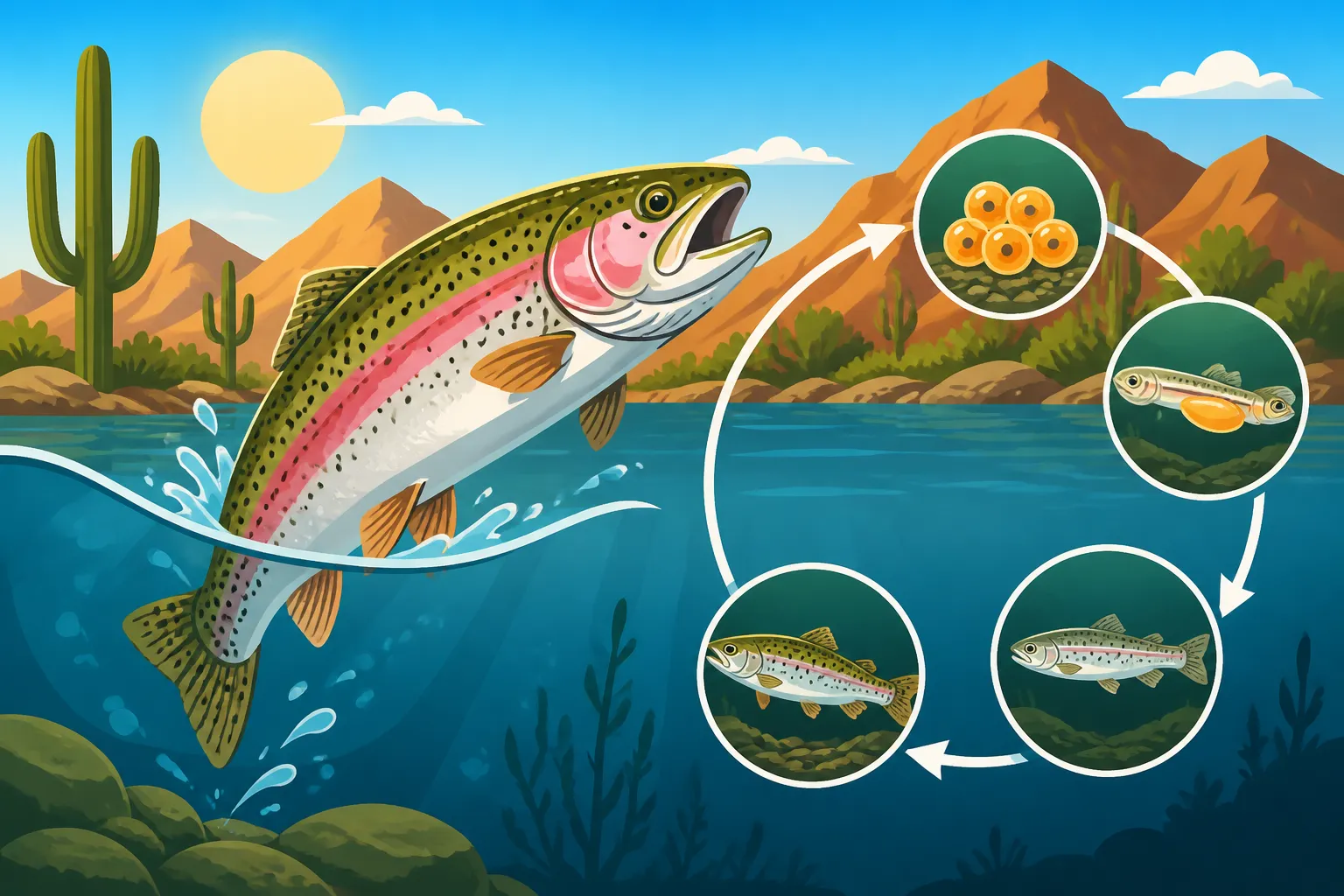
Life Span of Rainbow Trout in Stocked Lakes
It's a common question that pops into many an Arizona angler's mind, especially after a successful day at a local lake: just how long do those rainbow trout, the ones the Arizona Game and Fish Department so thoughtfully stocks, actually live once they hit the water? It's not as simple as a fixed number, and the reality can be quite different from the wild trout we might imagine. This comprehensive guide will dive deep into the fascinating, often challenging, life of rainbow trout in Arizona's stocked lakes, exploring the myriad factors that influence their survival and how they adapt – or don't – to their new environments.
The Nature of Stocked Trout vs. Wild Trout
When we talk about trout, especially rainbow trout, there's a significant difference between a fish born and bred in a wild stream and one raised in a hatchery. These differences play a crucial role in their ability to survive and thrive once they're released into an Arizona lake.
Genetic Differences and Survival Instincts
Hatchery-raised rainbow trout are essentially "farmed" fish. They come from generations that have been selected for fast growth, disease resistance, and often, a willingness to bite a hook – traits that make them ideal for stocking programs aimed at angler enjoyment. However, this breeding often comes at the expense of certain natural instincts crucial for long-term survival in the wild. Wild trout, on the other hand, inherit genes honed over millennia to evade predators, find natural food sources, and cope with fluctuating environmental conditions. They are naturally wary, often camouflaged, and skilled at seeking refuge.
Imagine a wild trout, born in a small, rocky stream in the White Mountains. From the moment it hatches, it's learning to hide from eagles and raccoons, to hunt for aquatic insects, and to navigate strong currents. Now picture a hatchery trout, which has spent its entire life in a concrete raceway, with food provided daily and no natural predators. When that hatchery trout is introduced to a bustling lake like Tempe Town Lake or one of the Community Fishing Program ponds, it's like dropping a city kid into the deep wilderness with no prior training. Their initial survival instincts are often dulled, making them more vulnerable. This isn't a fault of the fish, but rather a consequence of their upbringing, which is designed for a specific purpose: providing immediate fishing opportunities.
Hatchery Environment vs. Natural Habitat
The transition from a controlled hatchery environment to a sprawling Arizona lake is nothing short of a shock for these fish. In a hatchery, water flow is consistent, temperatures are managed, and food is delivered like clockwork. Predators are non-existent, and competition for resources is minimal. The fish are accustomed to a specific diet and a relatively stable, low-stress existence.
Once they are released, they are suddenly thrust into a dynamic, often harsh, new world. They have to contend with rapidly changing water temperatures, varying oxygen levels, and unfamiliar food sources. They must immediately recognize and avoid lurking predators like bass, herons, or even other anglers. This abrupt shift is incredibly stressful, and many trout simply don't make it past the first few weeks or even days. Their bright, often iridescent colors, which might stand out less in a concrete raceway, can make them easy targets in the relatively clearer waters of some Arizona lakes. It's a testament to their hardiness that any survive for an extended period, given the complete upheaval of their existence. The purpose of Arizona's stocking program is often to provide "put-and-take" fishing, acknowledging that many of these trout are destined to be caught relatively quickly.
Factors Influencing Lifespan in Arizona's Stocked Lakes
The lifespan of a stocked rainbow trout in Arizona is a delicate balance of environmental conditions, biological needs, and external pressures. It's rarely a long, leisurely existence.
Water Temperature and Oxygen Levels
Arizona's desert climate presents a unique challenge for trout, which are inherently cold-water fish. While mountain lakes like Big Lake or Show Low Lake offer cooler temperatures and higher oxygen levels, urban lakes and lower elevation reservoirs can become dangerously warm for trout, especially outside of the cooler months. As water temperatures rise above a certain threshold (typically around 68-70°F for rainbow trout), their metabolism speeds up, they become stressed, and their ability to absorb oxygen from the water diminishes significantly. Prolonged exposure to warm water is a death sentence.
Even in winter, when urban lakes are actively stocked, a sudden warm spell can elevate water temperatures, causing stress. In the summer, many of these waters simply cannot sustain trout, leading to what's often referred to as "thermal mortality." The Arizona Game and Fish Department carefully monitors water conditions and largely discontinues stocking trout in warmer waters when temperatures pose a risk. This is why you'll see a distinct Trout Stocking Season in Arizona for different regions, with urban lakes primarily receiving trout from fall through spring. Even a healthy, well-fed trout won't last long if the water it lives in cannot support its basic physiological needs.
Food Availability and Competition
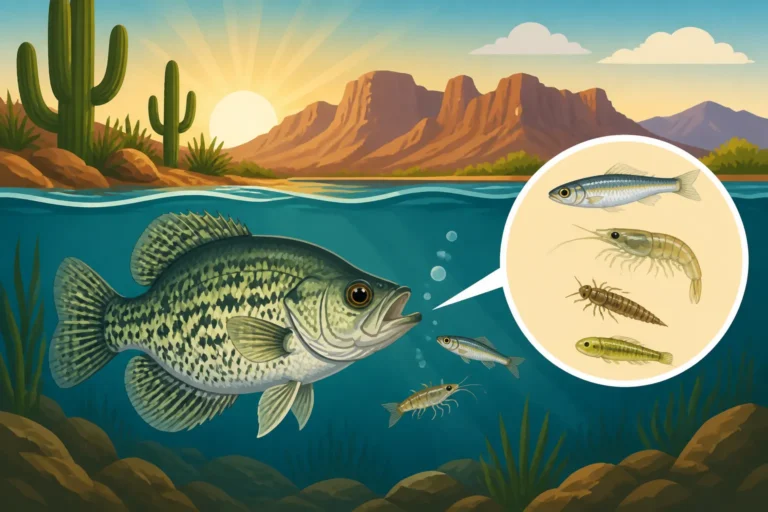
In a hatchery, food is abundant and easily accessible. In a stocked lake, however, trout must suddenly fend for themselves. While many stocked trout initially survive on their fat reserves, they quickly need to find natural food sources. These can include aquatic insects, small crustaceans, and even tiny baitfish. However, the competition for these resources can be fierce.
Many Arizona lakes are home to thriving populations of other species, such as largemouth bass, catfish, sunfish, and crappie. These fish are often better adapted to the lake's ecosystem and its available forage. The stocked trout, being less adept at hunting and more accustomed to being fed, may struggle to find enough food, especially if they are competing with numerous other trout from the same stocking, or with the established native and introduced species. A lack of adequate nutrition will weaken them, making them more susceptible to disease and predation, and shortening their potential lifespan. Think of it like trying to find your first meal in a bustling city when you've only ever eaten home-cooked meals – it's a huge learning curve! This is where carrying a variety of baits and lures, easily found on platforms like Amazon, becomes key for anglers targeting trout.
Predation and Fishing Pressure
This is perhaps the most significant factor affecting the lifespan of stocked trout in Arizona. From the moment they splash down, they become a prime food source for various predators. Larger fish already residing in the lake, such as big largemouth bass or flathead catfish, see them as an easy meal. Birds like herons, cormorants, and ospreys also quickly key into the newly available buffet. These hatchery-raised fish often lack the ingrained wariness of wild trout, making them easy targets.
Beyond natural predators, human anglers exert immense pressure. Stocking programs are designed for "put-and-take" fishing, meaning the expectation is that a large percentage of these fish will be caught within a short period. Anglers eagerly await stocking reports, heading out with a variety of gear. While many practice Catch and Release Rules for Arizona Anglers, a significant number of fish are harvested, which is the primary goal of the program: to provide recreational fishing opportunities and fresh table fare. In a highly popular community lake, a trout's "lifespan" could be measured in hours or days rather than weeks or months. This high fishing pressure, combined with natural predation, ensures that few stocked trout live to see more than a couple of seasons, if that.
Typical Lifespan Expectations in Arizona's Community and Mountain Lakes
The fate of a stocked rainbow trout can vary wildly depending on where it's released. Arizona's diverse aquatic environments offer starkly different prospects for these fish.
Short-Term Survival in Urban and Community Fishing Program Lakes
In Arizona's warmer, lower-elevation waters, particularly the urban lakes that are part of the Community Fishing Program, the lifespan of a stocked rainbow trout is typically very short. These lakes are stocked from roughly November to March, when water temperatures are cool enough for trout to survive. Once spring arrives and the desert heat truly kicks in, water temperatures quickly rise beyond what trout can tolerate. Many succumb to thermal stress by late spring or early summer, a phenomenon known as a "summer kill."
Even during the cooler months, these lakes experience extremely high fishing pressure. Thousands of anglers, often families and beginners, flock to these easily accessible spots. It's not uncommon for a large portion of a stocked consignment to be caught within a week or two of release. Therefore, in urban and Community Fishing Program lakes, a stocked rainbow trout might live anywhere from a few days to a few months. It's truly a put-and-take scenario, designed for immediate angler gratification rather than long-term survival of the individual fish. If you're looking for How to Catch Trout at a Stocked Urban Lake, understanding this short window is key.
Longer Survival in High-Elevation Mountain Lakes
The high-elevation mountain lakes and streams in Arizona's White Mountains and other northern ranges offer a much more hospitable environment for rainbow trout. Waters like Big Lake, Crescent Lake, or even certain stretches of the Mogollon Rim streams maintain cooler temperatures year-round, even through the summer. These environments more closely mimic the natural habitat of wild trout, with better oxygen levels, more diverse natural food sources, and often less intense, though still present, fishing pressure.
In these cooler, more stable conditions, stocked rainbow trout have a much better chance of surviving for longer periods. It's not unheard of for trout to survive for a year or even two in these waters, growing larger and adapting more to a wild existence. Some might even overwinter, developing more robust survival instincts. While they still face predation and angling pressure, the environmental conditions are far less hostile, allowing for a more extended, albeit still challenging, life. These are the locations where anglers might seek out Cool-Water Trout Streams in Northern Arizona for a more traditional trout fishing experience.
The Role of Angler Harvest
The primary reason for stocking trout in Arizona is to create fishing opportunities. This means that anglers are encouraged to catch and, if they choose, keep their fish within the legal limits. The success of a stocking program is often measured by how quickly the fish are caught and removed from the system.
Consider a scenario at a popular spot like Kiwanis Park Lake in Tempe. On a Friday morning, the Arizona Game and Fish Department might release hundreds of rainbow trout. By Saturday afternoon, the banks are lined with anglers, many of whom are catching their limits. The majority of those trout will be harvested within the first few days or week. This is an intentional part of the program. While some fish will evade capture for longer, the sheer volume of fishing activity ensures a high turnover rate. For many stocked trout, the angler's hook represents the most immediate and likely end to their journey from hatchery to lake. This model, while effective for recreation, inherently designs a short lifespan for the majority of stocked fish. It's a key aspect of Arizona Fishing Regulations Explained regarding bag and possession limits.
Maximizing Survival: What Arizona Anglers Can Do (Beyond Catching Them)
While many stocked trout are destined for the dinner table, anglers who practice catch and release can play a role in increasing the survival odds for those fish they choose to let go. This isn't just about good sportsmanship; it's about understanding the biology of the fish and the stresses they endure.
Responsible Catch and Release Practices
For those trout you intend to release, especially in sensitive environments or if you're targeting larger fish, proper catch and release techniques are paramount. A fish released improperly might swim away, but still succumb to stress or injury hours later.
Here are some tips to maximize survival:
- Minimize Fight Time: Use appropriate tackle – not too light – to bring the fish in quickly. A prolonged fight can exhaust the fish, building up lactic acid in its muscles, making recovery difficult. Investing in a good quality rod and reel setup, which you can find readily on Amazon, helps immensely here.
- Handle With Care: Wet your hands before touching the fish. Dry hands can remove the protective slime coat, leaving the fish vulnerable to infection. Avoid squeezing the fish, especially around its belly or gills.
- Keep it in the Water: Try to unhook the fish while it's still in the water. If you must remove it, do so quickly, snap a photo if desired, and return it immediately. The less time it spends out of its oxygen-rich environment, the better.
- Use Barbless Hooks: Barbless hooks, or hooks with pinched barbs, are much easier and quicker to remove, causing less damage to the fish's mouth.
- Consider a Net: A rubberized landing net can help control the fish without damaging its slime coat or fins.
- Allow for Recovery: Once released, gently hold the fish upright in the water, facing into any current, until it regains strength and swims away on its own. Don't just toss it back; ensure it's ready to go.
These practices, especially important when fishing Best Trout Fishing Spots in Arizona where trout might have a chance at longer survival, can significantly improve a released fish's chances.
Supporting Habitat Conservation Efforts
While individual angler actions are important, the broader health of Arizona's aquatic ecosystems is critical for all fish, including stocked trout. Supporting habitat conservation efforts, even indirectly, benefits these fish. This can involve:
- Responsible Litter Disposal: Keep all trash, fishing line, and tackle out of the water and off the banks. Microplastics and discarded line can be deadly to fish and other wildlife.
- Water Quality Awareness: Advocate for clean water initiatives and be mindful of your own impact on water quality (e.g., using biodegradable products, avoiding chemical runoff). Healthy water means healthy fish.
- Volunteering: Participate in local clean-up events at lakes and rivers, or volunteer with organizations dedicated to restoring aquatic habitats.
- Purchasing Licenses: A significant portion of your Arizona fishing license fees goes directly to funding fish stocking programs, habitat restoration, and research. By purchasing your Arizona Fishing License Guide, you're directly contributing to these efforts.
Every effort, big or small, to maintain and improve the health of Arizona's lakes and streams contributes to a better environment for both wild and stocked fish.
Understanding Arizona's Trout Stocking Programs
Arizona's approach to stocking rainbow trout is strategic, designed to meet specific goals given the state's unique climate and diverse aquatic resources. It's a careful balance between providing recreational opportunities and managing fish populations.
Goals of Stocking and Species Selection
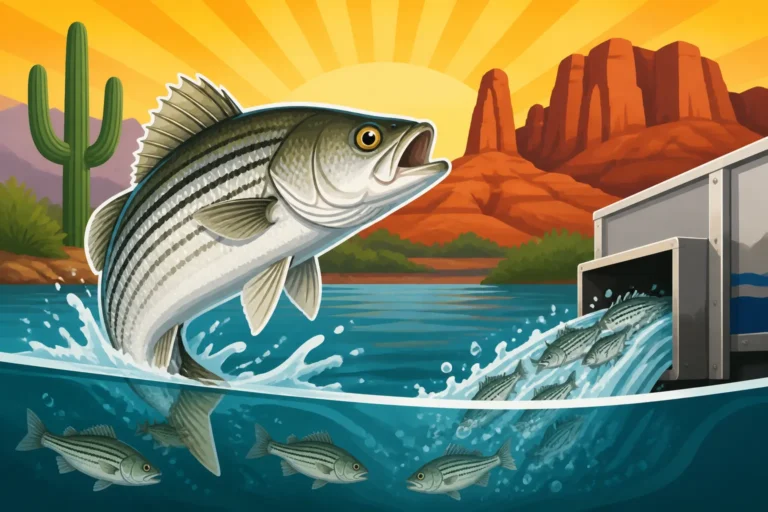
The primary goal of Arizona's trout stocking programs, especially in warmer, urban waters, is to provide "put-and-take" fishing. This means introducing fish for immediate recreational harvest, offering anglers, including many beginners and families, a high chance of catching fish. It's about providing a tangible fishing experience and supporting local outdoor recreation. In these areas, the focus is less on establishing a self-sustaining population and more on accessible, family-friendly fishing.
In cooler, high-elevation waters, stocking may also serve to supplement existing wild populations, or to create fisheries where natural reproduction is limited but conditions can support trout long-term. Rainbow trout are often chosen for stocking due to their hardiness, relatively fast growth rate in hatchery conditions, and their popularity with anglers. They are a familiar and eager-biting species, making them ideal for these programs. Rainbow Trout Fishing Guide for Arizona provides more specific details about targeting this species.
Stocking Frequency and Fish Size
The Arizona Game and Fish Department has a well-organized stocking schedule. For urban lakes, stockings are typically frequent during the cooler months, often weekly or bi-weekly, ensuring a continuous supply of fish for anglers. The fish released in these programs are usually "catchable size," meaning they are large enough to be immediately harvested, often ranging from 10 to 12 inches. This ensures that anglers get a worthwhile fight and a good meal.
In contrast, mountain lakes and streams might receive less frequent, but sometimes larger, stockings. These fish might also be of varying sizes, including smaller fingerlings intended to grow over time, in addition to catchable-sized trout. The Trout Stocking Frequency at Urban Lakes in Arizona is significantly higher than in more remote mountain locations, directly reflecting the put-and-take nature of urban fishing programs. This strategic approach ensures that resources are allocated to maximize angler satisfaction while being mindful of the specific environmental conditions of each water body.
Comparison of Trout Lifespan Factors
To better illustrate the differences, here's a quick comparison of factors affecting trout lifespan in Arizona's different stocked water types:
| Factor | Urban/Community Lakes (e.g., Tempe Town Lake) | Mountain Lakes/Streams (e.g., Big Lake) |
|---|---|---|
| Water Temperature | High fluctuations, very warm in summer. | Consistently cooler, supports trout year-round. |
| Oxygen Levels | Can be lower, especially in warm periods. | Generally high and stable. |
| Food Availability | Varies, competition with other species. | More natural forage, lower competition from other species. |
| Predation | High (bass, birds, other fish). | Moderate (larger trout, birds, mammals). |
| Fishing Pressure | Extremely High ("Put-and-Take" model). | Moderate to High (seasonal peaks). |
| Typical Lifespan | Days to a few months (seasonal). | Several months to 1-2 years (potential). |
| Stocking Goal | Immediate angler harvest, recreational. | Recreational, potential for longer-term growth. |
The lifespan of a rainbow trout in an Arizona stocked lake is a testament to both their resilience and the various challenges they face. Whether it's a brief, action-packed existence in a community pond or a longer, more adapted life in a high-mountain reservoir, each fish contributes to the vibrant fishing culture of our state. Understanding these dynamics helps us appreciate every catch, and every release, just a little bit more.
Disclaimer
This article is for general informational purposes only and does not constitute professional advice. Laws, prices and regulations vary by location and change over time. Consult a qualified professional for guidance on your specific situation.