Trout Stocking Frequency at Urban Lakes in Arizona
Oh, the age-old question for us Arizona anglers: "When are they stocking the trout?!" It’s a common frustration, isn't it? You plan your weekend trip, pack up the kids and the gear, only to arrive at your favorite urban lake and find the bite is slower than molasses because the last trout delivery was a week ago. Nobody wants to spend their precious fishing time wondering if the fish are even there! This guide is here to unravel the mysteries of trout stocking frequency at Arizona's urban lakes, so you can plan your trips with confidence and maximize your chances of reeling in some beautiful rainbow trout.
Understanding Arizona's Urban Fishing Program
Why Urban Lakes Get Trout
Let's be real, Arizona isn't exactly known for its naturally occurring trout streams, especially not in our bustling desert cities. That's where the Arizona Game and Fish Department (AZGFD) steps in with its incredible Community Fishing Program. The whole idea behind this initiative is to bring fishing opportunities right to our neighborhoods, making it super accessible for families, beginners, and anyone looking to wet a line without a long drive up to the mountains. They stock a variety of fish, but the trout program during the cooler months is a huge hit, offering that unique thrill of catching a cold-water species in an otherwise warm environment.
The program aims to foster a love for fishing, especially among kids, and create a low-barrier entry point for people to enjoy the outdoors. Imagine your child's face lighting up as they pull in their first trout – that's the magic the urban stocking program creates. It takes advantage of our mild winters to introduce a different kind of angling experience than the usual bass and catfish pursuits that dominate the hotter months. It's a fantastic way to keep the fishing fun going year-round, just with different target species!
The Role of Temperature and Seasonality
Here's the critical piece of the puzzle: water temperature. Trout are cold-water fish, and our Arizona urban lakes, while lovely, can get downright toasty. This means that trout stocking is a highly seasonal affair. You won't find them dumping rainbows into Tempe Town Lake in July when the water temperature is pushing triple digits, and for good reason—the fish wouldn't survive! It would be a waste of resources and, quite frankly, a sad sight for any angler.
So, the golden window for trout fishing in our urban lakes typically runs from late fall, usually starting around November, through early spring, often tapering off by April. This is when the ambient air temperatures cool down enough to keep the water at a comfortable level for these finicky fish. As the days grow longer and the mercury climbs, the stocking programs shift to warmer-water species like catfish, which thrive in the heat. Understanding this fundamental seasonality is key to knowing when to even start thinking about trout.
The Nitty-Gritty of Trout Stocking Schedules
General Stocking Frequency and Patterns
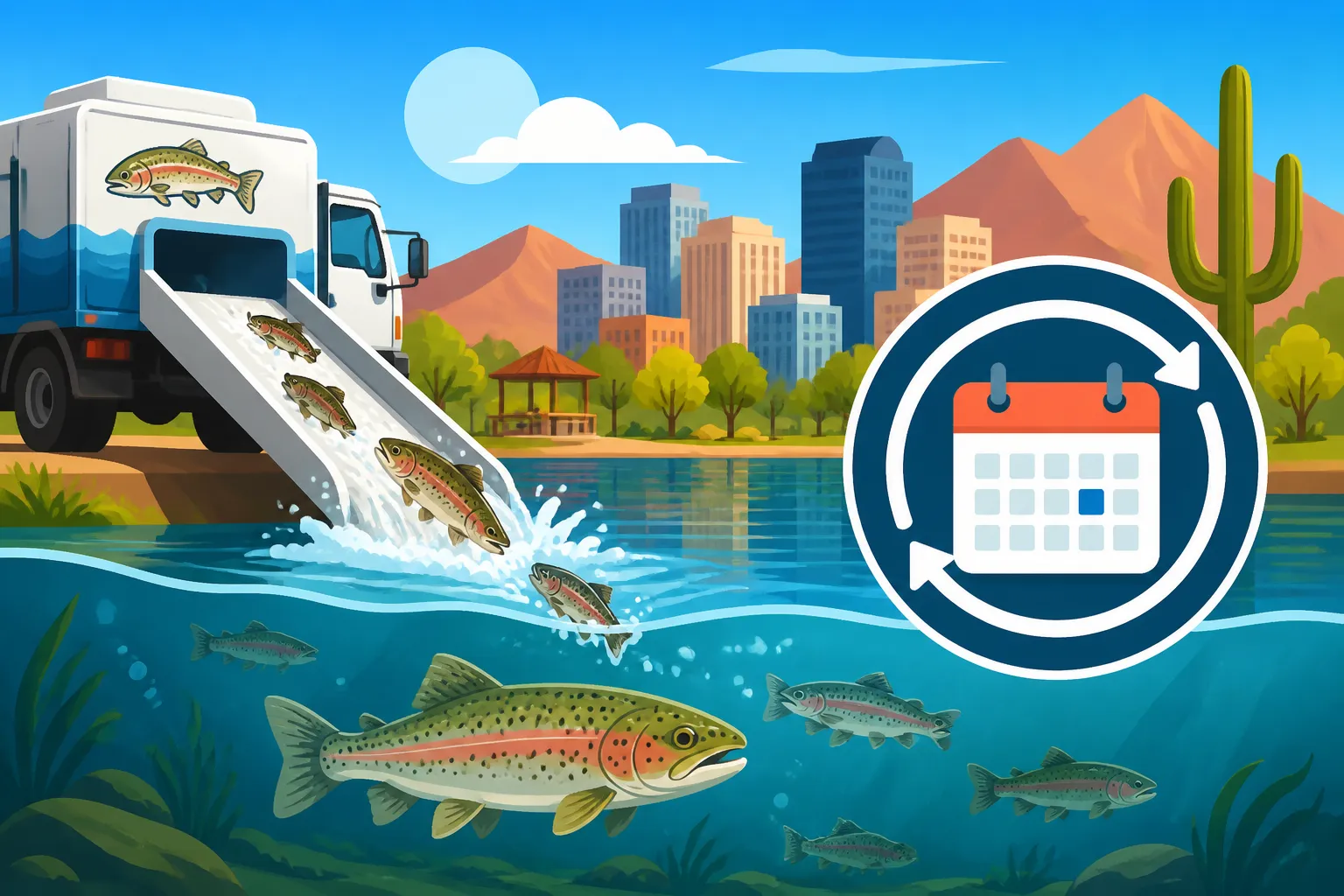
Now for the information you've been waiting for! For most of the designated urban community fishing lakes in Arizona, you can generally expect trout stocking to occur on a bi-weekly (every two weeks) basis during the prime stocking season. This isn't a hard and fast rule set in stone, but it's the most common pattern. This frequency allows for a continuous supply of catchable trout throughout the cooler months, ensuring there are always fresh fish for anglers to pursue.
However, there can be variations. Sometimes, if there's a special event, a holiday weekend, or particularly high angler pressure, the AZGFD might bump up the schedule to weekly stocking for a brief period. Conversely, factors like extreme weather or hatchery availability might occasionally stretch the interval slightly. The key is to think of "every two weeks" as your baseline, but always be ready for slight adjustments. It's also worth noting that not every single urban lake gets stocked on the exact same day, so while the frequency is generally consistent across the program, the specific dates for, say, a Phoenix lake versus a Tucson lake will vary. You can learn more about the specifics in the Arizona Community Fishing Program Rules.
Factors Influencing Stocking Frequency
It would be wonderful if stocking schedules were as predictable as the sunrise, but mother nature and logistics often have other plans. Several factors can influence when and how often trout are stocked into our urban lakes, and understanding these can help you manage your expectations.
Firstly, weather and water temperature are paramount. A sudden, unseasonably warm spell in January, for instance, might cause the AZGFD to delay a stocking until temperatures drop back into a safe range for the trout. They won't risk stressing the fish or causing a fish kill. Conversely, a prolonged cold snap might mean conditions remain ideal for longer, potentially leading to more consistent stocking. Secondly, fish availability from hatcheries plays a huge role. Hatcheries are complex operations, and sometimes unexpected issues, like equipment malfunctions or even fish health concerns, can temporarily impact the number of fish available for stocking. Thirdly, budget and operational resources are always a consideration for any state wildlife agency. The logistics of transporting thousands of fish to multiple locations across the state is no small feat. Finally, special events or holidays might see adjustments. Stocking might be timed to coincide with a Free Fishing Day in Arizona or a local fishing clinic to maximize participation and success.
Where to Find the Most Up-to-Date Information
You definitely don't want to rely on guesswork when planning your fishing trip around stocking events. The absolute best, most reliable source for up-to-date stocking information is the Arizona Game and Fish Department's official website. They typically publish a weekly or bi-weekly fishing report that includes specific stocking schedules for the Community Fishing Program lakes. It's usually found under their "Fishing" section, often titled something like "Weekly Fishing Report" or "Stocking Schedule."
It’s good practice to check this report regularly, especially the day or two before you plan to head out. Beyond the official online resources, your local bait and tackle shops are also invaluable. These folks are on the ground, talking to anglers daily, and often get advance notice or hear the local buzz about upcoming deliveries. Don't be shy about stopping in and asking for the latest scoop! They're usually happy to share what they know, and you might even pick up a few hot tips on baits and lures. This combination of official reports and local intelligence is your best bet for staying in the loop.
| Urban Lake Example | Typical Stocking Season | General Frequency During Season | Notes |
|---|---|---|---|
| Tempe Town Lake | Nov – April | Bi-weekly | Larger lake, can vary based on events |
| Chaparral Lake | Nov – April | Bi-weekly | Popular, often stocked consistently |
| Cortez Lake | Nov – April | Bi-weekly | Good for families |
| Kennedy Lake | Nov – April | Bi-weekly | Often sees consistent stocking |
| Goldwater Lake | Year-round | More frequent in cooler months | Higher elevation, supports trout longer |
Maximizing Your Success After a Stocking Event
Timing Your Visit for Freshly Stocked Trout
There's a definite sweet spot when it comes to fishing after a trout stocking. Many anglers swear by hitting the lake "the day of" or "the day after" a stocking. This is often when the fishing can be at its most frenzied, as the trout are often a bit disoriented from their journey from the hatchery and are actively looking for an easy meal. They haven't had time to get too wary of anglers or new surroundings.
However, this prime window also means the lake will likely be its busiest. If you're someone who prefers a little more peace and quiet, or if you're bringing young children who might struggle with crowds, you might consider going a couple of days after the initial stocking. The fish will still be there, and while the bite might have slowed a little from the initial rush, the crowds will have thinned out. Whatever you choose, remember that fresh fish are often more aggressive, so being there when they've just arrived can lead to some incredible action, particularly for beginners.
Best Baits and Lures for Stocked Trout
When it comes to newly stocked trout, they often have a "hatchery palate," meaning they're accustomed to certain types of food. This is where your bait selection can make a huge difference. Classics like PowerBait in various colors (chartreuse, rainbow, garlic scent) are almost always a winner. Pinch-off bits of bright PowerBait molded around a small treble hook, suspended just off the bottom with a small sinker, is a go-to strategy. Salmon eggs, corn, and even simple nightcrawlers or pieces of mealworms are also incredibly effective. These baits have natural appeal and familiar scents that trout readily respond to.
For those who prefer artificial lures, small inline spinners like a Rooster Tail or a Mepps, in silver, gold, or bright colors, can be absolutely deadly. Small spoons, retrieved slowly, can also entice a strike. The key with artificials is often matching the size to the trout's mouth and experimenting with retrieve speeds until you find what they like that day. And hey, you can find a fantastic selection of PowerBait colors, small spinners, and even beginner fly fishing kits on Amazon (just search for "trout fishing lures") making it easy to stock up before your trip. You'll be well-prepared for whatever the trout are biting on!
Essential Gear for Urban Trout Anglers
You don't need a boatload of fancy equipment to catch trout in urban lakes, which is part of their charm! A simple, light-action spinning rod paired with a small spinning reel spooled with 4 to 6-pound test monofilament or fluorocarbon line is usually perfect. This lighter setup allows you to feel those subtle bites and makes fighting even a modest trout a lot of fun.
Beyond the rod and reel, your tackle box essentials should include an assortment of small hooks (sizes 8-12), some split shot weights to get your bait down, and a few small bobbers if you prefer fishing suspended bait. A small cooler is also a smart addition, not just for keeping your catch fresh if you plan to take some home for dinner, but also for keeping your drinks and snacks cool in the Arizona sun. And speaking of the sun, don't forget good sun protection—a wide-brimmed hat, polarized sunglasses, and sunscreen are non-negotiable. For those just getting started, finding a decent entry-level spinning rod and reel combo is easy; many reliable options are available on Amazon with quick delivery, so you're ready for the next stocking event. You can also get a lot of information on basic gear in our guide to Beginner Fishing Techniques for Arizona Desert Lakes.
Beyond the Stocking Report
Fishing for Other Species During Off-Season
While trout season is undoubtedly exciting, don't let the stocking schedule be the only thing that dictates your urban fishing adventures! Arizona's urban lakes are thriving ecosystems year-round, home to a variety of other fantastic species that are ready to bite when the trout aren't around. When the temperatures climb too high for trout, the focus shifts to warm-water species like bass (both largemouth and sometimes smallmouth), catfish (channel and flathead), and a plethora of panfish like bluegill and sunfish.
These fish offer incredible action and different fishing challenges. You can spend your summer evenings chasing monster flathead catfish or introducing kids to the joy of catching bluegill on a worm and bobber. Many urban lakes, including some of the Best Urban Fishing Lakes in Arizona, are well-stocked with these species and provide consistent angling opportunities even when the trout have retreated to the cooler waters of mountain lakes. Expanding your target species means more time on the water, more learning, and more fun throughout the year!
Community Fishing Program Lakes vs. Other Waters
It's important to understand that the bi-weekly stocking schedule primarily applies to the specific lakes designated under the AZGFD's Community Fishing Program. These are typically smaller, more easily accessible impoundments scattered throughout urban areas like Phoenix, Tucson, Mesa, and Yuma. While they offer fantastic, convenient fishing, they aren't the only places to catch trout in Arizona.
For instance, larger bodies of water like Tempe Town Lake, while part of the urban fishing program, might have slightly different stocking considerations due to their size and unique characteristics. Then you have the true mountain lakes and streams up north, like those mentioned in our guide to the Best Trout Fishing Spots in Arizona, which often have natural trout populations or different, more seasonal stocking regimes for species like brown trout or brook trout. These higher elevation waters often remain cold enough to support trout year-round, or at least for a much longer season. Always check the specific regulations and stocking reports for the body of water you intend to fish, as rules can vary from one location to another. Don't forget, you'll also need to be familiar with the Arizona Fishing License Guide and Arizona Fishing Regulations Explained no matter where you fish!
Local Expertise and Community Resources
Beyond official reports, one of the greatest resources for any angler is the local fishing community itself. Online forums, local Facebook groups dedicated to Arizona fishing, and even casual chats at the bait shop can provide invaluable real-time information. Someone might post a photo of a fresh catch just hours after a stocking, or offer tips on what bait is working best that very day. This kind of grassroots intelligence often fills in the gaps that official, more generalized reports might miss.
Don't underestimate the wisdom of the folks working at your local tackle shop. They interact with dozens of anglers daily and often know which lakes have been hot, what the fish are biting on, and if there's any chatter about upcoming stocking delays or unexpected bonuses. Being part of this community not only keeps you informed but also connects you with fellow enthusiasts who share your passion for the outdoors. It's a great way to learn new techniques, discover new spots, and simply enjoy the camaraderie that comes with being an angler in Arizona. Check out our guide to Best Baits and Lures for Arizona Fishing for more universal tips.
Disclaimer
This article is for general informational purposes only and does not constitute professional advice. Laws, prices and regulations vary by location and change over time. Consult a qualified professional for guidance on your specific situation.