Best Month to Fish the Lower Salt River
Oh, the Lower Salt River! It's one of those uniquely Arizona fishing spots that can be incredibly rewarding, but also a bit of a mystery if you don't know its rhythm. Many anglers, especially those new to desert river fishing, often wonder if there's a "perfect" time to hit its waters, only to find that the best month often depends on what you're hoping to catch and what conditions you're willing to brave. This comprehensive guide will pull back the curtain on the Lower Salt River's seasonal secrets, helping you pinpoint the ideal times to cast your line for a truly memorable experience.
Understanding the Lower Salt River's Unique Climate and Ecosystem
Before we dive into specific months, it's crucial to understand what makes the Lower Salt River tick. Unlike many traditional rivers, its flow is heavily regulated by upstream dams, primarily Saguaro Lake, and it carves its path through a true desert environment. This combination creates a dynamic ecosystem where water temperature, flow rates, and ambient air temperature play huge roles in fish behavior and, consequently, your fishing success.
The Impact of Water Releases from Saguaro Lake
The Lower Salt River isn't a natural, free-flowing river in the traditional sense; its very existence as a fishable waterway is tied directly to the water releases from Stewart Mountain Dam, which forms Saguaro Lake. These releases are generally dictated by downstream irrigation and municipal water demands, and they can vary significantly throughout the year. When water is being released heavily, the river runs higher and faster, which can make wading difficult and change how fish position themselves. Conversely, lower flows can concentrate fish in deeper pools and make access easier, but also expose them to more pressure. Knowing the general patterns of these releases, even if they're not precisely predictable day-to-day, can give you a significant advantage in planning your trips. A high flow might mean focusing on eddy lines and slack water, while a low flow could open up new stretches for exploration.
Temperature Swings and Fish Behavior
Arizona's desert climate is famous for its extreme temperature swings, often experiencing triple-digit heat in summer and surprisingly chilly nights in winter. These temperatures directly influence the water temperature of the Lower Salt River, which in turn dictates the activity levels and feeding patterns of the fish. Cold water in winter tends to slow down warm-water species like bass and catfish, while invigorating cold-water species like trout. Conversely, scorching summer temperatures can push fish into deeper, cooler pockets during the day, making early mornings or late evenings the only viable fishing times. Understanding these thermal dynamics is key to anticipating where fish will be and what they'll be willing to bite on. It's not just about air temperature, but how that air temperature affects the water the fish live in.
Prime Fishing Seasons on the Lower Salt River: A Month-by-Month Breakdown
The "best" month truly depends on your target species. The Lower Salt River offers diverse opportunities throughout the year, from feisty trout to hard-fighting bass and chunky catfish. Let's break down what you can expect month by month.
Winter Wonders December – February: Trout Action
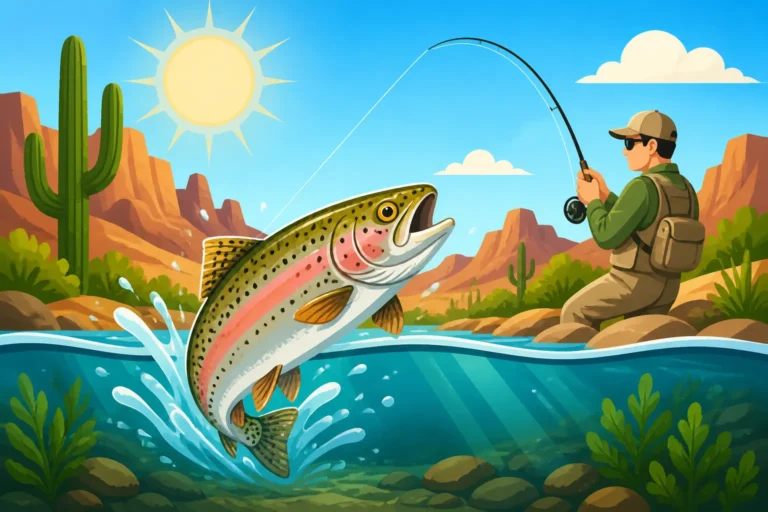
Winter is arguably the most popular time for many anglers on the Lower Salt River, and for good reason: it's trout season! From roughly November through March, the Arizona Game and Fish Department (AZGFD) regularly stocks rainbow trout into the colder waters of the river. This transforms the fishing experience entirely, bringing a vibrant cold-water fishery to the heart of the desert.
During these months, the air temperatures are pleasant, often cool and crisp, making for comfortable days on the water. The trout are typically active, cruising the currents and holding in runs, riffles, and deeper pools. If you're looking for consistent action and don't mind targeting smaller fish, this is your prime window. Fly anglers flock to the river during winter, finding success with nymph patterns, small streamers, and even dry flies on warmer, overcast days. Spin fishermen do well with small inline spinners, spoons, or powerbaits fished on light tackle. It's truly a fantastic time for beginners to learn the ropes, as the stocked trout are often quite eager to bite. Just remember that even though the air is cool, that desert sun can still sneak up on you, so sun protection for desert fishing is always a good idea. Check out the Trout Stocking Schedule for the Lower Salt River to plan your trip around fresh stocking events for the best chance at success.
Spring into Action March – May: Bass and Panfish Galore
As winter's chill gives way to warmer days, usually from March through May, the Lower Salt River transitions from a trout-centric fishery to a prime location for warm-water species. This is when the largemouth bass, smallmouth bass (though less common here than other Arizona lakes), and various panfish like bluegill and sunfish become incredibly active.
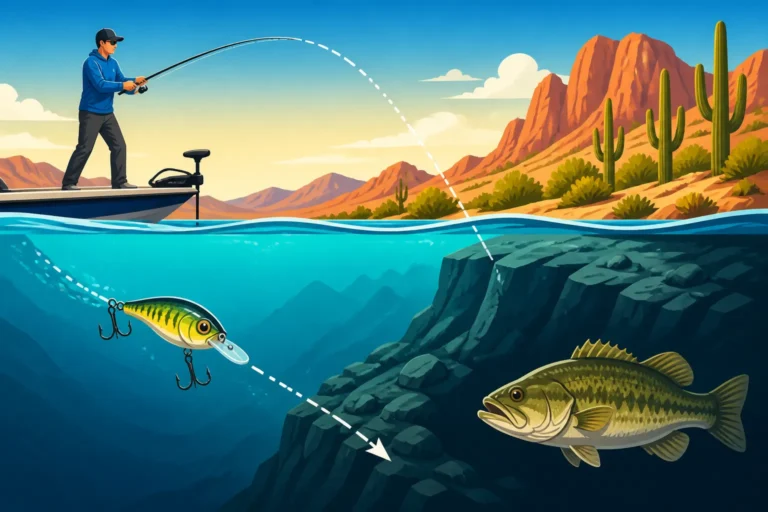
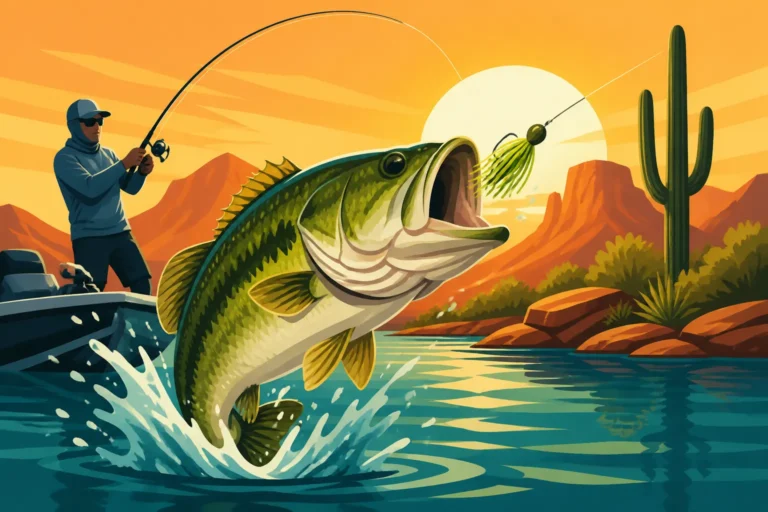
The warming water temperatures trigger bass to move into shallower areas to feed aggressively and eventually spawn. You'll find them holding near submerged vegetation, rocky structure, and undercut banks. This can be an exciting time for anglers who enjoy throwing spinnerbaits, crankbaits, or soft plastics. Topwater action can also pick up during early mornings and late evenings as the water continues to warm. Panfish will also be abundant and active, making it a fantastic time to take kids out fishing with small hooks and worms or tiny jigs. The river's flow during these months can vary, but generally, spring offers a more stable environment before the intense heat of summer. This is a great time to experiment with different Best Bass Fishing Techniques for Arizona Lakes and truly enjoy the vibrant life of the river.
Summer Challenges June – August: Early Mornings and Evenings
Summer fishing on the Lower Salt River, from June through August, is not for the faint of heart. The desert heat can be brutal, with air temperatures often soaring well above 100 degrees Fahrenheit. However, if you're willing to brave the heat, some incredible fishing opportunities await, particularly for bass and catfish, especially during the cooler parts of the day.
During these months, fish will seek refuge from the sun and heat in deeper, cooler water or in areas with shade and current breaks. This means targeting them during the pre-dawn hours, at dusk, or even at night. Catfish, in particular, become very active in the low light, scavenging for food. Using cut bait or stink baits can be highly effective for channel catfish, while flatheads might respond to live bait. For bass, try dark-colored soft plastics or jigs fished slowly along the bottom in deeper holes. Topwater lures can still produce explosive strikes during those brief windows of dawn and dusk. Hydration is absolutely paramount, and knowing Heat Safety Tips for Summer Fishing in Arizona isn't just a suggestion, it's a necessity. While challenging, these months can offer some of the most memorable catches if you adapt your approach and respect the power of the Arizona sun.
Fall Feast September – November: Cooling Waters and Active Fish
As summer's grip loosens and temperatures begin to recede, the Lower Salt River enters another fantastic fishing period from September through November. This fall transition often brings some of the most consistent and enjoyable fishing conditions of the year.
The cooling water signals to bass and panfish that it's time to put on the feedbag before winter. They'll become more active throughout the day, often moving back into shallower feeding grounds. This is a great time for a wide range of techniques, from throwing crankbaits and spinnerbaits to working plastic worms and jigs. As the months progress into late fall, especially October and November, the first trout stockings might begin, creating a unique overlap where you can potentially catch both warm-water species and newly stocked trout in the same outing. The weather is typically glorious, with comfortable temperatures and clear skies, making it a perfect time for a leisurely day on the water. If you're looking for an all-around pleasant fishing experience with diverse opportunities, fall is hard to beat on the Lower Salt. It's an excellent time to revisit your Salt River Arizona Fishing Guide and re-familiarize yourself with the best spots.
Here's a quick reference table to help visualize the Lower Salt River's seasonal offerings:
| Month Range | Primary Target Species | Secondary Species | Key Conditions | Recommended Techniques |
|---|---|---|---|---|
| December – Feb | Rainbow Trout | Bass (slow), Catfish | Cool water, pleasant air temps, regular stockings | Spinners, Powerbait, Worms, Nymphs (fly) |
| March – May | Largemouth Bass, Panfish | Catfish, Carp, occ. Trout | Warming water, active fish, spawning season | Soft plastics, Crankbaits, Spinnerbaits, Worms |
| June – August | Catfish, Largemouth Bass | Carp | Very hot air, warm water, low light fishing best | Cut bait, Stink bait, Deep jigs, Topwater (dawn/dusk) |
| Sept – Nov | Largemouth Bass, Panfish | Catfish, Carp, early Trout | Cooling water, active feeding, pleasant air temps | Spinnerbaits, Crankbaits, Jigs, Worms, early Trout baits |
Essential Tips for Maximizing Your Lower Salt River Experience
Knowing the best month is only half the battle; knowing how to approach the river and what to bring can make all the difference. The Lower Salt River, while beautiful, demands respect and preparation.
Gear Up for Success
Having the right gear is non-negotiable, especially when dealing with the varied conditions of the Lower Salt River. For trout fishing in winter, light to ultralight spinning gear with 4-6 lb test line is ideal. You'll want an assortment of small inline spinners, spoons, and various colors of Powerbait or salmon eggs. Fly anglers should consider a 3-5 weight rod with a floating line for nymphs and dry flies.
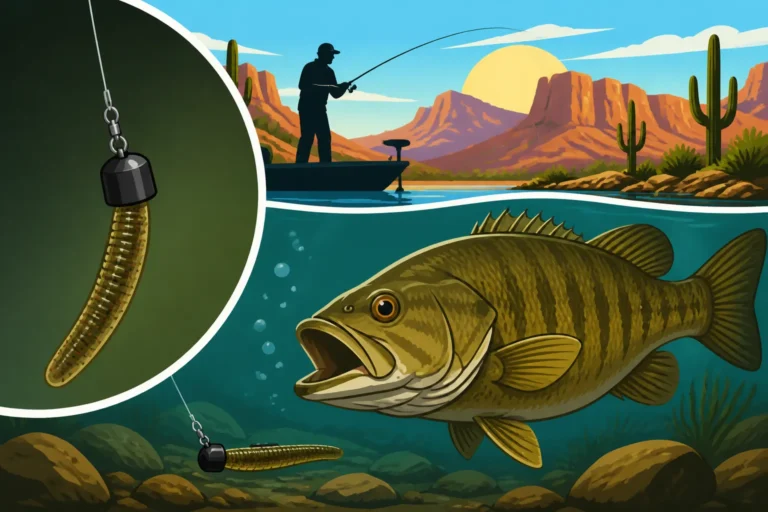
For bass and panfish during warmer months, a medium-light spinning or casting setup with 8-12 lb test line works well. Your tackle box should include soft plastic worms (Texas-rigged or Carolina-rigged), spinnerbaits, small crankbaits, and topwater lures for bass. For panfish, think small hooks, bobbers, and live worms or crickets. No matter the season, remember the essentials: a good pair of polarized sunglasses to spot fish and structure, sturdy shoes for wading, and a reliable fishing vest or backpack to carry your gear. You can often find great deals on these essential items on platforms like Amazon, making it easy to build your perfect Essential Tackle Box Setup for Arizona Beginners. Don't forget a landing net, especially for those larger bass or trout, to ensure a smooth release if you're practicing catch and release.
Reading the River and Local Conditions
The Lower Salt River is dynamic, and its conditions can change quickly. Before heading out, it's always a good idea to check the local weather forecast and, if possible, water release schedules from Stewart Mountain Dam. High flows can mean focusing on slack water behind boulders or in eddies, while low flows might make longer casts or stealthier approaches necessary.
Pay attention to water clarity too. After a monsoon storm, the river can become muddy, which might require using brighter lures or scent-enhanced baits. In clear water, subtle presentations and natural colors often work best. Look for key structures like submerged logs, rock piles, drop-offs, and overhanging vegetation—these are natural holding areas for fish. Observing other anglers (from a respectful distance, of course!) can also provide clues about what's working. Lastly, always be aware of your surroundings, especially during the summer monsoon season; flash floods can occur quickly, so safety should always be your top priority. Understanding Arizona Fishing Regulations Explained and especially the Fishing Bag and Possession Limits Explained for the specific species you're targeting is also crucial for a responsible and enjoyable outing. You might also want to consult resources on Arizona Fishing Rules for Beginners if you're just starting out.
Respecting the Environment
The Lower Salt River is a precious resource, and it's up to all of us to keep it beautiful for future generations. Always pack out everything you pack in, and perhaps even a little extra trash that someone else left behind. Avoid leaving fishing line, hooks, or bait containers on the banks. If you're wading, try to minimize disturbing the streambed to protect fish spawning areas and insect habitats. When handling fish, especially if you plan to release them, do so quickly and gently, keeping them in the water as much as possible. Responsible angling ensures that the Lower Salt River remains a fantastic fishery for everyone. Remember, sometimes the best catch is not the fish you take home, but the clean environment you leave behind.
Disclaimer
This article is for general informational purposes only and does not constitute professional advice. Laws, prices and regulations vary by location and change over time. Consult a qualified professional for guidance on your specific situation.