Can You Catch Trout in July in Arizona?
Oh, the Arizona summer! We all know that feeling of wanting to hit the water, but then you look at the thermometer and wonder if any self-respecting trout would dare show its fin in July. It's a common dilemma, and frankly, a valid concern for any angler in our fiery state. But don't despair! While catching trout in the peak of an Arizona summer might seem like a pipe dream, it's absolutely possible if you know where to go and how to adapt your strategy. This guide will walk you through the surprising truth about summer trout in Arizona and how to find success even when the sun is blazing.
The Summer Trout Challenge in Arizona
Let's be real, July in Arizona is hot. And trout, bless their finicky hearts, are cold-water fish. This fundamental fact is what makes summer trout fishing here such a head-scratcher for many anglers.
Why July is Tricky for Trout
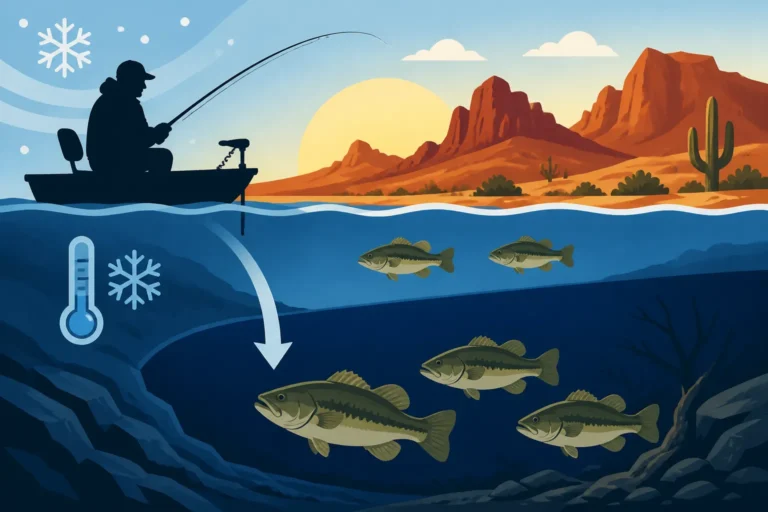
The main reason July poses such a challenge for trout is directly tied to their physiological needs: they simply cannot tolerate warm water. Trout thrive in water temperatures ranging from the low 40s to the mid-60s Fahrenheit. Once water temperatures consistently creep into the 70s and beyond, trout become stressed, lethargic, and often cease feeding altogether. In Arizona, our low-elevation desert lakes and rivers, like much of the Colorado River, can quickly heat up to bathwater temperatures by late spring, let alone July.
Imagine trying to run a marathon in a sauna – that's essentially what a trout is trying to do when water temperatures get too high. Their metabolism goes haywire, oxygen levels in the water drop, and they just can't function. This is why many anglers get frustrated in the summer, trying their usual spots only to find no trout in sight. It’s not that the trout aren’t there sometimes, it's that they've either moved to deeper, cooler pockets, or they're just trying to survive. This can lead to a lot of wasted time and effort if you're not targeting the right locations.
Where Trout Can Survive the Heat
Here's the good news: Arizona is a state of incredible extremes, and that includes elevation. While the desert floor bakes, our higher elevations offer a surprising refuge for cold-water species like trout. Think of the majestic White Mountains, the pine-covered forests around Flagstaff, and the high-country Mogollon Rim. These areas, sitting thousands of feet above sea level, naturally have cooler ambient temperatures, which in turn leads to colder lakes and streams.
In these elevated regions, even in the heart of July, water temperatures can remain within a trout's comfort zone. Many of these waters are also fed by snowmelt or springs, constantly replenishing them with icy-cold H2O. Additionally, some specific tailwater fisheries, located immediately below large dams, can release consistently cold water from the bottom of the reservoir, creating a cold-water haven even in otherwise warm areas. These unique conditions create pockets of trout paradise that defy the typical Arizona summer heat.
Prime July Trout Destinations in Arizona
If you’re determined to catch trout in July, you need to head for the hills – literally. The high country is where the magic happens for cold-water fish during the dog days of summer.
High-Elevation Lakes: Your Best Bet
When the desert lakes are too hot to handle, Arizona's high-elevation lakes become trout fishing sanctuaries. These include some truly beautiful spots that offer not just great fishing, but also a welcome escape from the heat. Lakes like Big Lake, Show Low Lake, Woods Canyon Lake, and Bear Canyon Lake are prime examples. Situated at elevations typically above 7,000 feet, these lakes benefit from cooler air temperatures, deeper waters, and often spring-fed sources that keep their temperatures hospitable for trout.
Rainbow trout are the most commonly stocked species in these lakes, and they grow fat and feisty in the cooler waters. You might also encounter brook trout or brown trout in some of these waters, particularly in the more remote or river-fed sections. What makes these lakes so reliable in July is their ability to maintain stable, cool water temperatures throughout the summer. Fishing these lakes in the morning or evening can be incredibly productive, as trout move into shallower areas to feed when the sun isn't directly overhead. Always check the latest stocking reports, which can often be found through the Arizona Game and Fish Department, to know which lakes have recently received a fresh batch of fish. For a comprehensive overview of where to find these gems, you might want to read our guide on the Best Trout Fishing Spots in Arizona.
Coldwater Streams and Rivers
For those who prefer the tranquility of moving water, Arizona's coldwater streams and rivers along the Mogollon Rim offer another fantastic July trout opportunity. Streams like Christopher Creek, Tonto Creek, Chevelon Creek, and sections of the Little Colorado River in the White Mountains can hold wild or stocked trout throughout the summer. These streams are typically smaller and more intimate than the large lakes, often winding through dense forests, providing abundant shade that helps keep the water cool.
Stream fishing requires a different approach, often favoring stealth and precise casting in tighter quarters. The fish tend to be smaller but are incredibly spirited. Fly fishing is particularly popular in these streams, but spin fishermen can also find success with small spinners or bait. Access can sometimes be a challenge, requiring a bit of hiking, but the reward of a pristine mountain stream and a feisty trout on the line is well worth the effort. Just remember, these environments are delicate, so practice responsible angling and be mindful of your impact. Understanding stream fishing techniques is key, and our Rainbow Trout Fishing Guide for Arizona has some excellent tips.
Tailwaters and Urban Exceptions
While most urban lakes in Arizona are definitely not trout friendly in July, there are a few unique exceptions that deserve a mention, alongside our most famous tailwater fishery.
Lees Ferry: This stretch of the Colorado River below Glen Canyon Dam is arguably Arizona's most renowned trout fishery and remains productive year-round, including July. The water released from the bottom of the dam is consistently frigid, creating ideal conditions for trophy-sized rainbow trout. It's a special regulation area, often requiring specific techniques like fly fishing, though conventional gear can be used. It’s a bit of a drive for most Arizonans, located near the Utah border, but it's an absolute must for serious trout anglers. Just be sure to check specific regulations for that area, as they can be quite strict.
Urban Community Fishing Program (Limited July Success): Generally speaking, the trout stocking season for Arizona's urban community lakes typically concludes by late spring, as water temperatures become too warm for trout to survive. While these lakes are fantastic for trout in cooler months, July is usually reserved for catfish, bass, and panfish. So, don't plan your July trout trip around your local community pond unless there's a very unusual and specific stocking event for a deep, aerated pond, which is rare for trout in the middle of summer. Always check the Trout Stocking Season in Arizona schedules for the latest information before you head out.
| Location Type | Typical July Water Temp | Trout Species Often Found | Best Time to Fish in July | Accessibility | Key Challenge in July |
|---|---|---|---|---|---|
| High-Elevation Lakes | 50s-60s F | Rainbow, Brook, Brown | Early Morning/Late Evening | Moderate (some hiking) | Crowds, Deeper fish |
| Coldwater Streams/Rivers | 40s-50s F | Rainbow, Brown, Brook (wild) | All day (shaded areas) | Variable (often hike-in) | Stealth, Smaller fish |
| Lees Ferry (Tailwater) | Consistently 40s-50s F | Rainbow | All Day | Good (boat launch) | Specific regulations/techniques |
| Urban Community Ponds | 70s-80s F | (Not typically stocked) | N/A | Easy | Too warm for trout |
Essential Techniques for July Trout Fishing
Fishing for trout in July isn't just about finding the right location; it's also about adapting your approach to their behavior in warmer (even if relatively cool) conditions.
Understanding Trout Behavior in Warm Weather
Even in the cooler high-country lakes and streams, trout can become a bit more finicky when summer is in full swing. They will often seek out the coolest water available, which means deeper sections of lakes, shaded pockets in streams, or areas where cold springs enter the water. Their feeding windows tend to shrink, becoming most active during the cooler parts of the day: early morning, late evening, and sometimes even at night.
During these peak summer months, trout will often hold tight to structure – submerged logs, rock piles, drop-offs, or undercut banks – which provides both cover and slightly cooler water. You'll need to present your baits or lures subtly and precisely to these holding areas. Forget aggressive retrieves in the midday sun; finesse is the name of the game. They're trying to conserve energy, so a big, flashy lure might scare them off rather than entice them.
Baits and Lures That Work
Selecting the right bait or lure is crucial for July trout. You want something that looks natural, is easy for them to grab, and doesn't require them to expend too much energy chasing it.
- For Bait Fishing:
- PowerBait and Dough Baits: These are perennial favorites for stocked trout. Bright colors or those with glitter can be effective. Mold it into a small ball to float just off the bottom using a light leader and small hook.
- Salmon Eggs: Natural and highly effective, especially in streams. Fish them singly or in clusters on a small hook.
- Worms (Mealworms, Nightcrawlers): Always a classic. A small piece of a nightcrawler or a full mealworm drifted naturally can be irresistible.
- For Lure Fishing:
- Small Spinners: Brands like Mepps, Panther Martin, or Rooster Tail in sizes #0-2 are excellent. Gold, silver, or black blades are good starting points. Cast them out and retrieve slowly, just enough to get the blade spinning.
- Small Spoons: Little Cleo or Kastmaster spoons in sizes under 1/4 oz can also work. Cast and retrieve with a slow, erratic twitch.
- Jigs: Very small marabou jigs (1/32 to 1/16 oz) or micro-jigs tipped with a small piece of bait can be deadly when fished slowly along the bottom or jigged subtly.
- For Fly Fishing:
- Nymphs: During the day, most trout feeding will be subsurface. Small pheasant tail nymphs, prince nymphs, or caddis larvae patterns in sizes 14-18 are usually effective. Fish them under an indicator or with a dry-dropper rig.
- Dry Flies: While less common in the midday heat, early mornings or late evenings might see some hatches. Small caddis, mayfly, or ant patterns can draw strikes.
- Streamers: For aggressive trout, especially in streams, small woolly buggers (black, olive) can imitate baitfish or leeches.
No matter your chosen method, remember to keep your presentation as natural and unobtrusive as possible. Sometimes the simplest approach is the most effective. You can find a wide variety of these baits and lures, from PowerBait to specialized fly patterns, readily available on Amazon before your trip. For more ideas, check out our guide on the Best Baits and Lures for Arizona Fishing.
Gear Considerations for Summer Trout
While you don't need highly specialized gear, a few considerations can make your July trout trip more enjoyable and successful.
- Light Tackle is Key: For most Arizona trout, especially in streams and smaller lakes, an ultralight or light action spinning rod (5-6.5 feet) paired with a small spinning reel (1000-2000 size) is perfect. Spool it with light line, typically 2-4 lb test monofilament or fluorocarbon. The lighter line allows for longer casts with small lures and is less visible to wary trout. Our article on Best Fishing Reels for Beginner Anglers in Arizona offers some great entry-level options.
- Polarized Sunglasses: These are not just for looking cool! Polarized lenses cut through the glare on the water's surface, allowing you to spot submerged structure, weed lines, and even cruising trout. This is incredibly helpful when trying to present your bait precisely to a holding fish.
- Sun Protection: Even in the high country, Arizona's sun is intense. A wide-brimmed hat, long-sleeved UPF-rated clothing, neck gaiters, and plenty of sunscreen are non-negotiable. Don't let a sunburn cut your fishing day short! Many excellent sun protection items, like cooling towels and performance shirts, are available on Amazon.
- Hydration: Always bring more water than you think you'll need. Even at higher elevations, physical activity combined with dry Arizona air can lead to dehydration quickly. A good hydration pack or a cooler full of ice water is essential. You can find many robust coolers and hydration solutions to keep your drinks cold on Amazon as well.
- Wading Gear: If you're planning on stream fishing, a good pair of wading boots (and possibly waders, though not always necessary in July depending on the stream) will allow you to access prime spots and stay comfortable.
Maximizing Your July Trout Success
Beyond finding the right spot and using the right tackle, a few strategic considerations will significantly boost your chances of landing trout in the heat of summer.
Timing is Everything
This cannot be stressed enough for July trout fishing in Arizona: choose your fishing times wisely. The general rule of thumb is to be on the water at dawn, and plan to be off by late morning as the sun climbs high and warms the air and water. Alternatively, consider an evening session, starting a couple of hours before sunset and continuing into twilight.
During these cooler periods, trout are more likely to be active and willing to feed. They'll move out of their deep, cool hiding spots and into shallower feeding lanes. Early mornings are often the most productive, as the water has had all night to cool down, and fish are hungry after a long period of inactivity. This timing also makes for a much more pleasant experience for the angler, allowing you to enjoy the serene beauty of Arizona's high country without baking in the midday sun. It's a win-win situation!
Research and Regulations
Before you pack your bags and head to the high country, do your homework! Regulations change, stocking schedules vary, and water levels can impact access and fishing conditions.
- Check Stocking Schedules: The Arizona Game and Fish Department (AZGFD) regularly stocks many of the high-elevation lakes and streams. Checking their stocking schedule can give you an edge, telling you which waters have recently been replenished. Freshly stocked trout are often more aggressive and easier to catch.
- Understand Fishing Regulations: Arizona has specific rules for different bodies of water, including bag and possession limits, tackle restrictions, and even specific species limits. Always consult the current Arizona Fishing Regulations Explained booklet or the AZGFD website.
- License Requirements: Don't forget your fishing license! Anyone 10 years or older needs a valid Arizona Fishing License Guide. If you're targeting trout in certain designated waters, you might also need an Trout Stamp Requirements in Arizona. It's quick and easy to buy your license online or at a licensed dealer, but make sure it's current before you cast your first line.
Respecting the Resource
Fishing in July, even for trout in cooler waters, adds an extra layer of responsibility, especially if you plan on practicing catch and release. Warmer water, even if within a trout's survivable range, is more stressful for fish.
- Minimize Handling: If you're releasing fish, try to handle them as little as possible. Keep them in the water if you can while removing the hook.
- Wet Hands: Always wet your hands before touching a fish. Dry hands can remove the protective slime coat, leaving the fish vulnerable to disease.
- Quick Release: Don't prolong the fight or keep the fish out of water for long photo ops. Get them back into the water quickly, allowing them to recover. Sometimes, gently hold them upright in the current until they swim away on their own. Our guide on Catch and Release Rules for Arizona Anglers offers detailed best practices to ensure the fish's survival.
- Know When to Keep: If you're going to keep fish for dinner, only keep what you're legally allowed and what you'll actually eat. Know the Fishing Bag and Possession Limits Explained for your chosen body of water.
By following these tips, you not only increase your chances of a successful July trout fishing trip but also contribute to the health and sustainability of Arizona's precious cold-water fisheries. So grab your gear, head for the high country, and enjoy the surprisingly excellent trout fishing Arizona offers, even in the heart of summer!
Disclaimer
This article is for general informational purposes only and does not constitute professional advice. Laws, prices and regulations vary by location and change over time. Consult a qualified professional for guidance on your specific situation.